
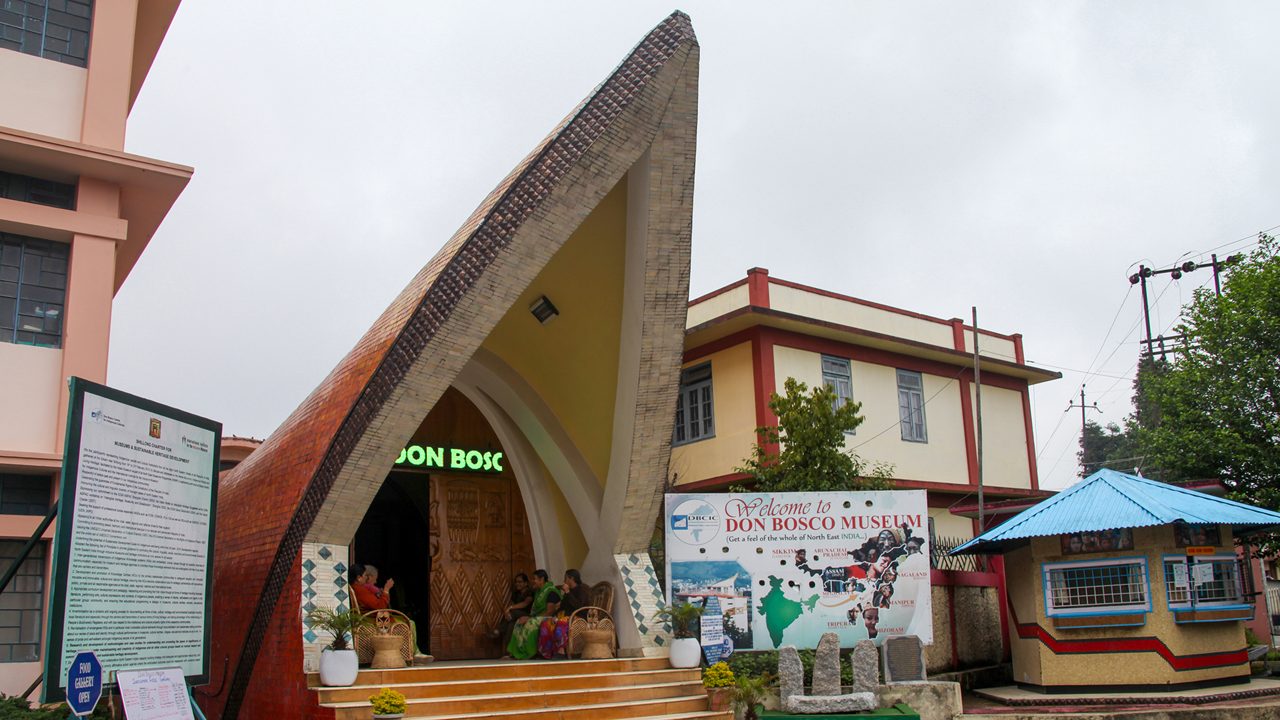
Don Bosco Museum Shillong: Northeast Tribal Culture, Floors & Timings

Ananya Sharma
January 21, 2026
Explore Don Bosco Museum in Shillong, showcasing Northeast India's indigenous cultures. Complete guide with timings, entry fee & exhibits.
Don Bosco Museum Shillong: Complete Guide to Northeast India’s Cultural Landmark
Don Bosco Museum in Shillong is one of the most important cultural institutions in Northeast India, and for many travelers it becomes the most meaningful stop in the city. Unlike attractions that focus only on views, this museum gives deep context on indigenous communities, traditional lifestyles, languages, material culture, and regional identity across the eight northeastern states. If you want your Meghalaya trip to be more than scenic photos, this museum is essential.
Most visitors underestimate how much time this place deserves. It is not a quick 30-minute stop. The museum is layered, gallery-rich, and information-dense, so visiting with a plan helps. This guide covers what to expect, how to pace your visit, what to prioritize, and how to integrate it into a larger Shillong itinerary.
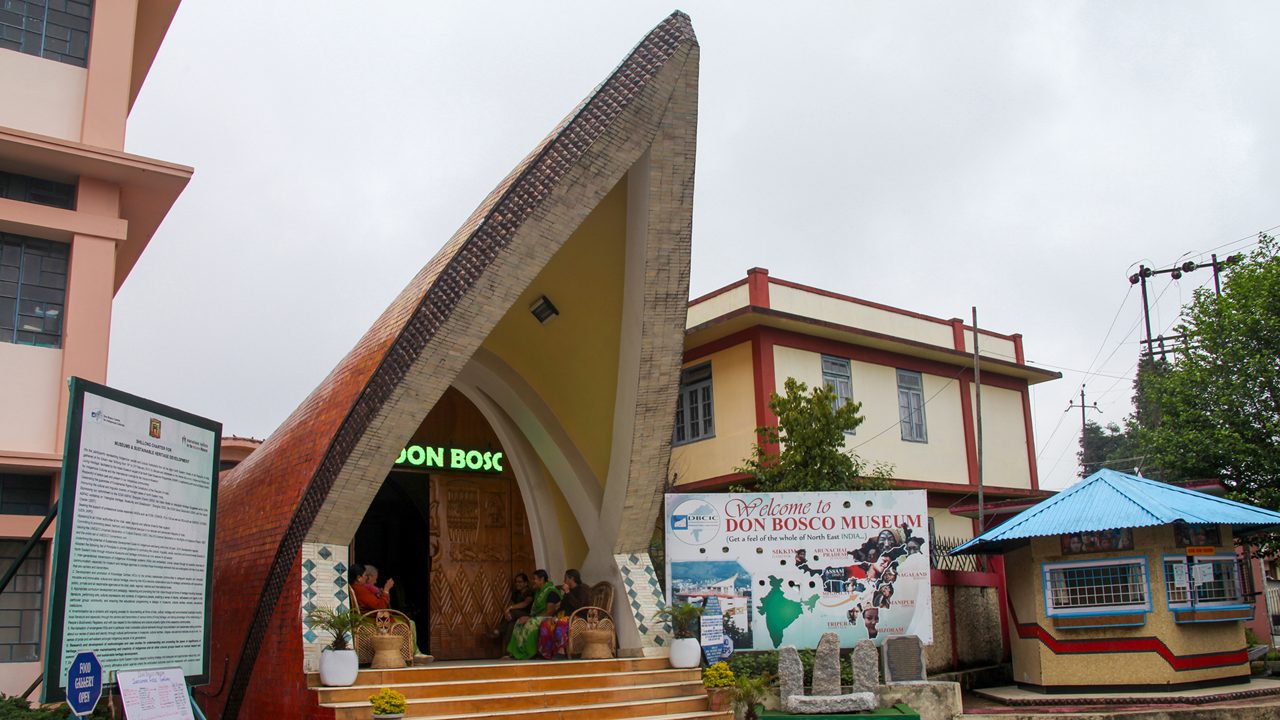
Why Don Bosco Museum Matters
The biggest value of Don Bosco Museum is cultural continuity. It helps travelers understand how diverse Northeast India is, not as a broad label but through specific communities, lived practices, and regional differences. You see tools, textiles, architectural models, ritual objects, and social histories that are rarely represented with this scale and structure in mainstream travel circuits.
For students, culture-focused travelers, and families, this museum can be more impactful than many urban attractions because it provides story and context. If you often compare city attractions by entertainment value alone, this visit resets that approach toward learning value.
What You Will See Inside
Multi-Gallery Cultural Presentation
The museum is organized across multiple gallery levels, each focusing on themes such as livelihood, traditional clothing, crafts, weapons, housing patterns, belief systems, and social life. Instead of presenting a single narrative, it allows visitors to observe variations across communities and states.
Material Culture and Daily Life Artifacts
One of the most engaging parts of the museum is the display of everyday objects. These pieces make history tangible because they connect abstract culture to practical living. You can see how geography, weather, and local resources shaped design and use patterns across regions.
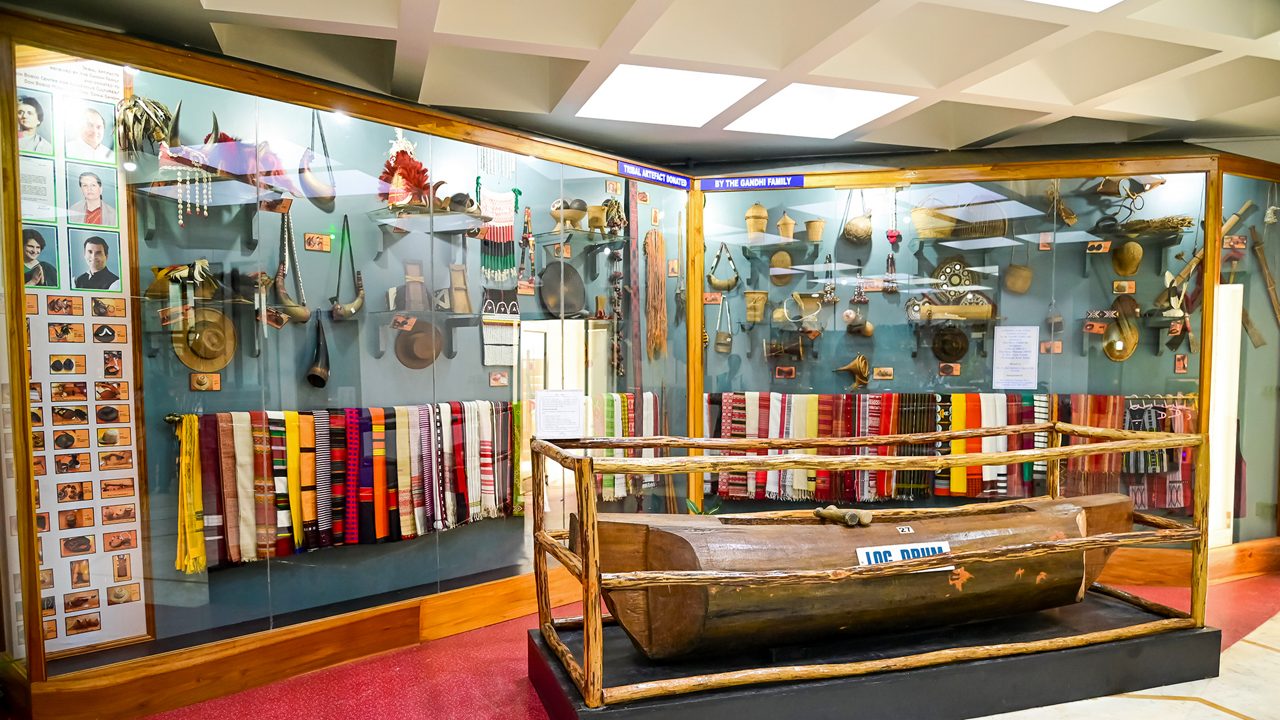
Textile and Craft Diversity
Northeast India has rich handloom and craft traditions, and the museum reflects that range with carefully curated displays. Observe weaving styles, motifs, material differences, and symbolic use of color. These sections are excellent for visitors interested in design anthropology and regional art practices.
Language and Identity Layers
Several exhibit segments focus on linguistic and social diversity, showing how language, folklore, and oral tradition connect to identity. This is especially useful for travelers who want to understand the region beyond tourism marketing terms.
How Much Time to Keep
For a meaningful visit, keep at least 2.5 to 3.5 hours. If you move too quickly, the museum becomes a visual checklist instead of an educational experience. A better strategy is to divide your visit into three blocks: introductory galleries, cultural depth galleries, and final reflection/overview sections.
If you are traveling with children, keep a small break between blocks to maintain attention. For solo travelers, taking quick notes or photos of gallery labels (where allowed) can help you retain context better after the visit.
Best Time to Visit Don Bosco Museum
Weekday mornings usually offer the smoothest movement and lower crowd density. This makes it easier to read displays and spend uninterrupted time in important sections. Weekends can still work, but expect more visitors and slightly slower pace.
Seasonally, Shillong can be visited most of the year, but weather affects surrounding city plans more than indoor museum exploration. If you are visiting during heavy rain periods, this museum is an excellent anchor attraction because it remains high-value regardless of weather.
How to Reach the Museum in Shillong
The museum is reachable from major Shillong zones by local taxi and short-distance city transport. If you are coming from outside Shillong, most travelers arrive via Guwahati and continue by road. It is best to place this museum in a half-day city block instead of as a rushed add-on between distant attractions.
If your day includes other points, keep Don Bosco Museum first in the schedule when your attention is highest. Cultural attractions are easiest to absorb in fresh morning hours.
Nearby Places You Can Combine
After the museum, travelers often continue to central Shillong viewpoints, lakeside zones, and market areas depending on time and energy. Keep the post-museum segment lighter because the museum itself is cognitively dense. One practical combination is museum plus one open-air scenic stop and one food break.
For broader travel planning styles, you can compare how educational stops are balanced in other city guides like places to visit in Delhi or urban mix routes from places to visit in Mumbai and places to visit in Hyderabad.
Visitor Tips for a Better Experience
- Start early and keep at least 3 hours if possible.
- Read key labels instead of only taking photos.
- Wear comfortable footwear for multi-floor movement.
- Follow photography rules in each section.
- Keep your post-museum schedule light for better retention.
Common Mistakes to Avoid
- Treating the museum as a quick photo stop.
- Arriving late with less than one hour available.
- Skipping context labels and missing cultural meaning.
- Combining too many major attractions in one day.
- Ignoring museum etiquette around displays and movement.
Why This Museum Adds Depth to Northeast Travel
Many travelers leave Northeast India with strong landscape memories but limited cultural understanding. Don Bosco Museum helps close that gap. It turns travel from scenic consumption into informed appreciation. Even if you only have one day in Shillong, this museum can give your trip deeper meaning and long-term recall.
If your larger India route includes culture-led destinations, this stop pairs well with tradition-focused reads such as festivals of Kerala, where social practices and regional identity are also central themes.
Final Take
Don Bosco Museum Shillong is one of the most valuable cultural experiences in Northeast India for travelers who want depth, not just check-ins. Plan enough time, move thoughtfully through galleries, and use it as a core learning stop in your itinerary. With the right pace, this visit becomes a memorable and perspective-shifting part of your Meghalaya journey.
For Students and Researchers
Don Bosco Museum is especially useful for students of anthropology, sociology, design, and history because it presents cultural material in an accessible but layered format. If you are visiting for academic interest, plan with a notebook and create a simple observation framework before entering. Track three elements: artifact function, regional context, and social meaning. This helps convert viewing into structured learning.
Researchers and serious learners should avoid rushing through all galleries in one pass. A two-pass approach works better: first pass for broad orientation, second pass for focused sections that match your interest area. Even one extra hour can significantly improve understanding quality. If you are traveling with a mixed group, split temporarily so learning-focused visitors can spend more time in detailed sections while casual visitors complete a shorter route.
For teachers planning educational trips, brief students before entry about respectful behavior and documentation goals. Clear instructions improve both discipline and learning outcomes inside the museum environment.
A focused visit here often changes how travelers interpret Northeast India, making the rest of their regional journey more informed and culturally respectful.
It is worth every minute.
Location
Frequently Asked Questions
Q1.Where is Don Bosco Museum located in Shillong?
Q2.What is the entry fee for Don Bosco Museum?
Q3.What are the museum timings?
Q4.How many galleries are there in Don Bosco Museum?
Q5.What can we see at the museum?
Q6.Is photography allowed inside the museum?
Q7.How much time is needed to explore the museum?
Q8.Is the museum open on Sundays?
Recommended For You
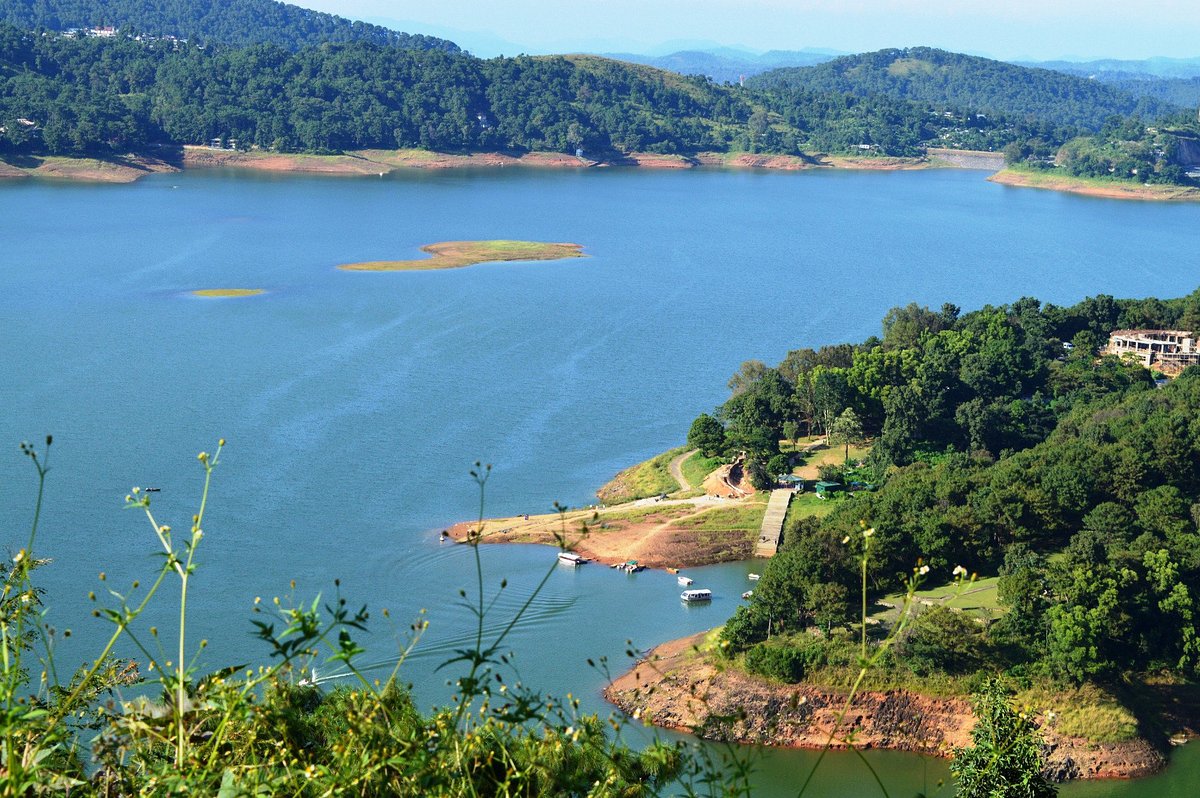
Umiam Lake Shillong: Boating, Stay Options & Sunset Views
Visit Umiam Lake (Barapani) near Shillong. Enjoy boating, water sports, resorts, picnic spots, and discover the best time to visit with our complete travel guide.
How to Reach Cherrapunji Meghalaya: Complete Travel Guide 2026
Complete guide on how to reach Cherrapunji Meghalaya - flights, trains, road routes from Guwahati, best time to visit, and travel tips.
Langshiang Falls Meghalaya: Trek Route & Tall Waterfall Views
Discover Langshiang Falls, one of Meghalaya's highest waterfalls. Complete trekking guide from Shillong to West Khasi Hills with route details, best season, photography tips, and practical travel information.
Never Miss an Adventure
Get the latest trekking guides, travel tips, and exclusive offers delivered straight to your inbox.
