
Khasi Heritage Village Shillong: Culture Experience, Timings & Entry

Rohan Malhotra
December 21, 2025
Explore Khasi Heritage Village in Shillong. Learn about Khasi culture, traditional houses, entry timings & how to reach this cultural gem.
Khasi Heritage Village Shillong: Complete Cultural Travel Guide
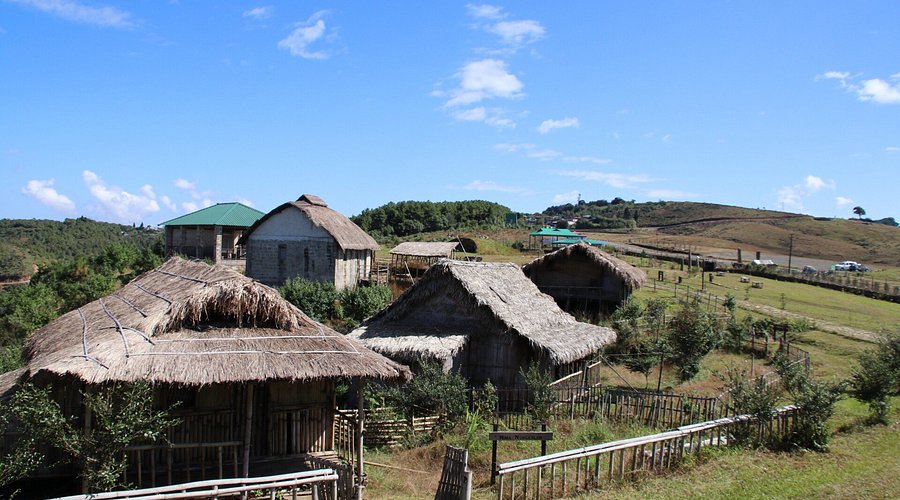
Khasi Heritage Village is one of Meghalaya’s most valuable cultural sites for travelers who want to understand living traditions, not just scenic viewpoints. Located in the East Khasi Hills region near Shillong, the village-style complex presents architecture, crafts, social customs, and ceremonial practices connected to Khasi identity. It is an excellent stop for visitors who want cultural depth between waterfall circuits and hill viewpoints.
Many Meghalaya itineraries focus on nature first, but adding this heritage stop improves the entire trip because it gives context to what you see in local homes, markets, and festivals. If you are planning a regional route, combine this visit with living root bridges in meghalaya and keep one dedicated cultural half-day rather than squeezing it into a rushed schedule.

Why Khasi Heritage Village Is Important
The site preserves and presents elements of Khasi social life that are often simplified in mainstream tourism content. Visitors can observe traditional house forms, local material use, symbolic design elements, and performance spaces linked to community celebrations. It helps travelers move beyond “photo tourism” and understand how climate, belief systems, and livelihood shaped settlement patterns in Meghalaya.
For first-time visitors, this is also a practical orientation point before exploring villages across the hills. Once you understand architectural form and cultural markers here, it becomes easier to read similar patterns in real settlements during the rest of your journey.
Architecture and Settlement Design
Khasi architectural traditions emphasize function, weather adaptation, and community use. Structures often reflect heavy rain conditions, terrain logic, and localized craft knowledge. At the heritage village, you can study roof profiles, stilt or raised-floor concepts in certain sections, and materials chosen for durability in high-moisture environments.
Observe how pathways, gathering spaces, and housing clusters are arranged. These layouts are not random; they reflect social rhythm, customary interactions, and shared public life. Taking notes on these details makes the visit far more rewarding than simply walking through displays.
Travelers exploring Shillong’s broader attractions can pair this with tourist places shillong for better sequence planning.
Cultural Demonstrations and Craft Experience
Depending on season and event calendar, visitors may see dance presentations, music-led gatherings, or craft showcases. Even when full performances are not running, display sections often provide strong insight into local textile work, tools, and household culture. Ask guides or local coordinators about the significance of patterns, motifs, and traditional objects rather than treating them only as decorative items.
This approach turns a visual walk into a meaningful cultural session. Families traveling with children can also use it as a learning stop, where kids connect architecture, clothing, and livelihood in an easy-to-understand format.

Best Time to Visit
October to April is generally comfortable for a longer cultural walk. Monsoon months are lush and dramatic in Meghalaya, but heavy rain can slow movement and reduce time spent in open sections. If your goal is documentation, photography, and careful reading of exhibits, choose clearer weather windows and start early in the day.
Festival-linked visits may offer richer cultural atmosphere but can also bring larger crowds. If you prefer quieter exploration, target weekdays or non-peak holiday dates.
How to Reach Khasi Heritage Village
The site is usually approached by road from Shillong and nearby hill routes. Private cabs and local vehicles are common options, and most drivers familiar with heritage circuits can include it in day plans. Road travel times vary by weather and traffic, so keep realistic buffers and avoid overloading the same day with too many distant stops.
A practical Meghalaya day can include one nature site and one culture site. Pairing this village visit with waterfalls shillong works well when travel logistics are aligned.
Suggested Half-Day Itinerary
| Time Block | Recommended Focus |
|---|---|
| 09:30-10:00 AM | Arrival and orientation walk |
| 10:00-11:00 AM | Architecture and settlement observation |
| 11:00 AM-12:00 PM | Craft and cultural interpretation sections |
| 12:00-12:30 PM | Photography and recap notes |
This schedule keeps movement relaxed and allows time for actual learning instead of rushed point-to-point walking.

Photography and Visitor Etiquette
- Ask before taking close portraits during performances or demonstrations.
- Avoid blocking pathways in active display areas.
- Do not touch fragile objects unless explicitly allowed.
- Respect signage around restricted cultural zones.
- Keep the space clean and avoid littering in open grounds.
Responsible behavior matters because cultural heritage sites are shared spaces of memory and identity, not entertainment venues alone.
Common Mistakes to Avoid
- Treating the visit as a quick photo stop between major viewpoints.
- Skipping interpretation displays and missing historical context.
- Planning no weather buffer during rainy months.
- Ignoring local guide input that explains symbolism and customs.
- Missing related context available in places to visit meghalaya and nearby heritage routes.
Why This Stop Improves Meghalaya Travel Quality
Khasi Heritage Village adds depth to Meghalaya itineraries by linking landscape travel with cultural understanding. After this visit, local architecture, food practices, and village layouts across the state become easier to interpret. It improves not only what you see, but how you understand what you see.
Plan enough time, walk slowly, and ask specific questions. That simple method turns this site from a checklist destination into one of the most meaningful cultural experiences near Shillong.
Before leaving, spend ten minutes reviewing your observations on house design, crafts, and public spaces. This recap helps retain details and makes the visit useful long after the trip ends.
Planning Khasi Heritage Village with Nearby Experiences
Travelers often ask whether this site should be combined with scenic drives or given a separate day. The most practical answer is to combine one cultural anchor and one landscape stop on the same day. For example, begin with the heritage village in the morning when your attention is highest, then move to a nature viewpoint or waterfall in the afternoon. This keeps your itinerary balanced and avoids cultural content fatigue.
Another useful strategy is to travel with a short question list: What makes Khasi housing different from neighboring regions? Which craft elements remain active today? How does rainfall shape design? Asking these questions during the visit improves observation quality and creates better memory retention than passive walking.
For Families, Students, and Culture Researchers
Families with children can treat the site as an open-air learning session. Assign children simple observation tasks such as identifying roof types, traditional materials, and craft motifs. This makes the visit interactive and helps younger travelers stay engaged. For school or college groups, split participants into small teams covering architecture, social customs, and performance heritage. A short post-visit discussion usually transforms a standard tour into meaningful learning.
Researchers and content creators should also note how local interpretation language is presented on-site. Observe which stories are highlighted, which symbols are explained, and how community identity is framed for outsiders. These details are important for responsible heritage writing.
Final Planning Notes
Carry rain-aware essentials even in non-peak monsoon months, because Meghalaya weather shifts quickly. Keep footwear suitable for wet patches, and avoid tight schedules that depend on exact drive timings between hill destinations. If possible, allocate one flexible hour in your day for weather adjustments, local interactions, or extended observation. This small buffer often creates the best travel moments.
A well-paced visit to Khasi Heritage Village adds cultural intelligence to your Meghalaya journey. It helps you interpret villages, traditions, and landscapes with greater respect and understanding.
Location
Frequently Asked Questions
Q1.Where is Khasi Heritage Village located in Shillong?
Q2.What is the entry fee for Khasi Heritage Village?
Q3.How much time should I spend at Khasi Heritage Village?
Q4.What can I see at Khasi Heritage Village?
Q5.Is Khasi Heritage Village worth visiting?
Q6.Are there guides available at Khasi Heritage Village?
Q7.How do I reach Khasi Heritage Village from Shillong center?
Q8.What are the opening timings of Khasi Heritage Village?
Recommended For You
12 Best Homestays in Shillong: Areas, Views & Budget Options
Find the best homestays in Shillong with area-wise options, budget ranges, booking tips, and practical guidance for families, couples, and long-stay travelers.

Living Root Bridges Meghalaya: Trek Routes, Villages & Local Tips
Discover Meghalaya's incredible living root bridges - nature's bioengineering marvel grown by the Khasi tribes. Complete trekking guide to the Double Decker Root Bridge in Nongriat, best time to visit, how to reach, difficulty level, and photography tips.
Best Places to Visit in Meghalaya: Waterfalls, Caves & Villages
Explore top places to visit in Meghalaya including Shillong, Cherrapunji, Dawki, Living Root Bridges, and practical route planning tips for travelers.
Never Miss an Adventure
Get the latest trekking guides, travel tips, and exclusive offers delivered straight to your inbox.
