
Blue Point Beach Bali: Uluwatu Access, Surf Spots & Sunset Views

Rohan Malhotra
February 19, 2026
Explore Blue Point Beach Bali with practical tips on access stairs, tide timing, sunset views, surf culture, and nearby Uluwatu attractions.
Introduction
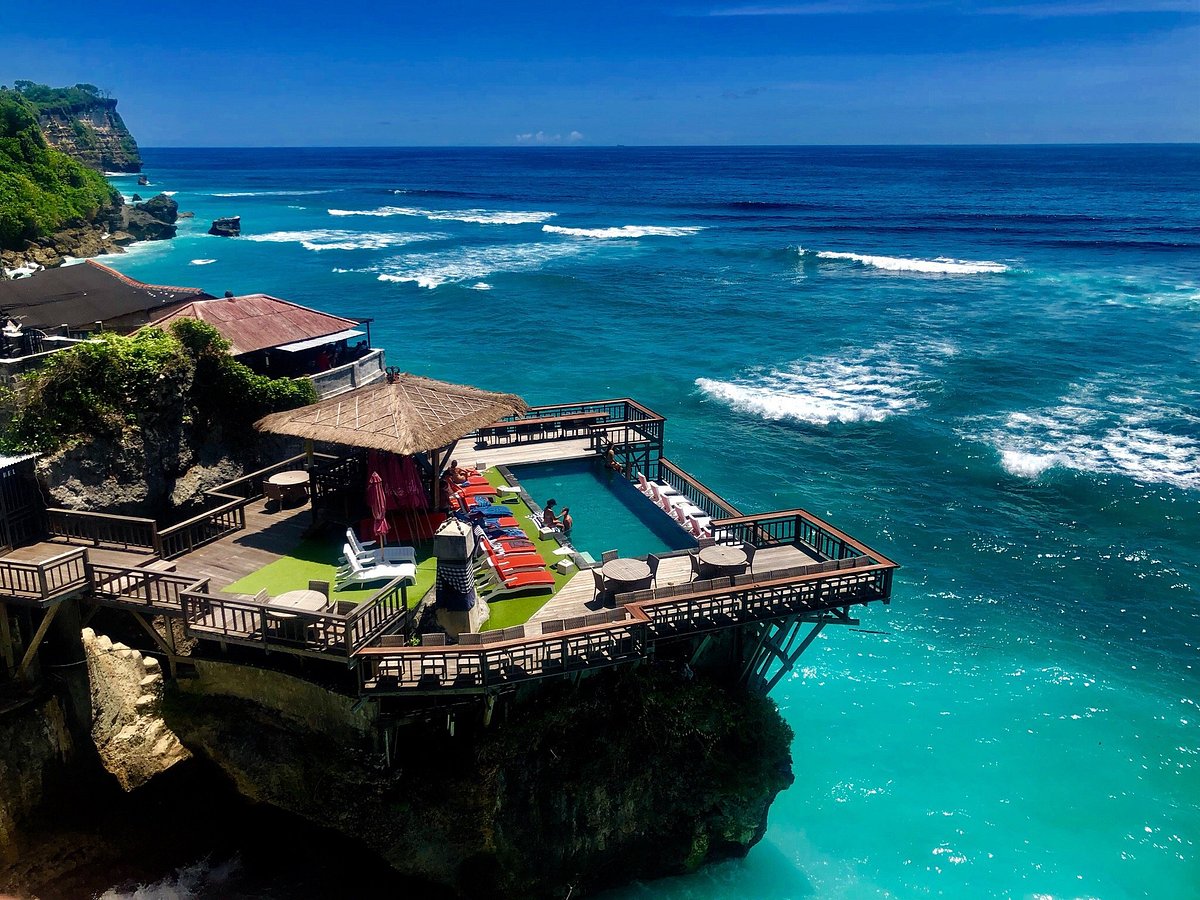
Blue Point Beach Bali is one of Uluwatu's most dramatic coastal spots, known for steep limestone cliffs, narrow beach access, surf culture, and sunset views. Many travelers also refer to this stretch as Suluban Beach, and in practice the names are often used together depending on where you enter from and which part of the cliff complex you explore. Unlike Bali's broad sandy bays, Blue Point is a cliff-beach experience where tide, surf conditions, and access stairs shape your visit.
If this is your first Uluwatu trip, the key is setting the right expectations. Blue Point is visually stunning but not always a relaxed all-day swim beach. It is best for scenery, sunset sessions, cliff-side cafés, and surf-watching, with swimming possible only under suitable tide and wave conditions.
This guide covers location, entry flow, cable-free access routes, best time to visit, and practical safety tips. For wider Bali planning, pair it with Bali travel guide, best time to visit Bali, and Padang Padang Beach.
About Blue Point Beach (Suluban) in Uluwatu
Blue Point Beach is located on the Bukit Peninsula in South Bali, near Uluwatu's surf-and-sunset belt. It is not a flat open shoreline; instead, you descend through cliff-side pathways and steps to reach the lower beach and rock sections. The setting is famous for:
- Limestone cliff formations and cave-like passages
- Strong surf energy and reef-break character
- Sunset viewpoints from upper deck zones
- Mixed vibe of surf spots, cafés, and beach-club style terraces
| Quick Fact | Details |
|---|---|
| Area | Uluwatu, Bukit Peninsula, South Bali |
| Known for | Cliff access, surf, sunset views |
| Beach type | Narrow tidal beach with reef influence |
| Best visit style | Half-day sunset or surf-viewing visit |
| Suitability | Scenery, surfing, photography, not always beginner swim conditions |
If you are choosing between well-known Uluwatu beaches, Blue Point usually ranks highest for dramatic visual character rather than spacious lounging.
Access and Entry: What to Expect
Most visitors arrive by scooter, taxi, or private car from Kuta, Seminyak, Canggu, or Uluwatu stays. After parking in upper zones, you walk through narrow passages and descend stair segments toward the water. Depending on tide level, the lower beach area can feel very different hour to hour.
Access Reality Check
- There are multiple stair and corridor segments.
- Footing can be uneven near wet rock sections.
- High tide can reduce usable beach space significantly.
- Low tide reveals more rock and sand sections for walking/photos.
This is not a wheelchair-friendly beach access route. Travelers with mobility concerns should plan to enjoy upper viewpoints rather than full descent to shoreline level.

Beach Features and Activities
1. Surf and wave watching
Blue Point/Suluban is strongly tied to Uluwatu surf culture. Even non-surfers enjoy watching lines, takeoffs, and reef-break movement from cliff ledges and side platforms. If you plan to surf, assess current conditions and your skill level honestly. This is not a universal beginner wave on all days.
2. Cliff photography and cave passages
The layered rock shapes, framed ocean channels, and textured cave entries make this beach highly photogenic. Early morning and late afternoon light usually give better depth than harsh mid-day sun.
3. Sunset sessions
Sunset is the most popular time window. Crowds increase, but this is also when the cliffs and sea horizon look their best. Arrive early enough to secure a good upper viewpoint if sunset is your priority.
4. Limited swim windows
Swimming may be possible under suitable tide and wave conditions, but it is not the main reason most travelers come. Always prioritize local safety context over social-media expectations.
Blue Point Beach Clubs and Nearby Hangouts
The upper cliff area has several food-and-drink spots ranging from relaxed cafés to more stylized sunset venues. The broader Uluwatu belt nearby is known for social evening energy, especially around surf crowds and sunset sessions.
If you prefer a low-key visit, go earlier in the day and keep sunset as a short final segment. If you enjoy atmosphere, music, and social crowd flow, sunset-to-evening windows can be ideal.
| Visit Style | Best Time | Why |
|---|---|---|
| Quiet exploration | Early morning | Fewer people, softer light |
| Photo-focused | Late afternoon | Better light angles and cliff texture |
| Sunset vibe | Before and during sunset | Peak atmosphere and social energy |
| Post-sunset dining | Evening | Easy transition to Uluwatu night plan |
Best Time to Visit Blue Point Beach Bali
In general, Bali's drier months are preferred by most travelers for coastal visibility and easier movement. But for Blue Point specifically, tide timing can matter as much as season. A good weather day with difficult tide can still reduce lower-beach usability, while a shoulder-season day with favorable tide can be excellent.
Seasonal Pattern
- Drier months: often better visibility and easier general conditions
- Wetter months: possible rain bursts and changing shoreline comfort
- All months: tide and surf behavior still determine lower-beach experience
Practical rule: check both weather forecast and tide chart before committing your visit slot.

How to Reach from Main Bali Areas
From Kuta/Seminyak
Usually around 45-75 minutes depending on traffic and departure time.
From Canggu
Often 60-90 minutes depending on route and peak-hour congestion.
From Uluwatu stays
Usually a short transfer, making it easiest to schedule flexible tide-based visits.
Transport options
- Scooter: most flexible for experienced riders
- Taxi/ride-hailing: convenient and common
- Private driver: best for multi-stop south-Bali day itineraries
If you're planning Uluwatu Temple plus beach sunset plus dinner, hiring a driver for a bundled half-day is often smoother than separate bookings.
Blue Point Beach vs Padang Padang: Which One to Choose?
| Factor | Blue Point (Suluban) | Padang Padang |
|---|---|---|
| Visual style | Dramatic cliffs and cave access | Compact bay feel |
| Access effort | More stair-and-cliff navigation | Shorter defined entry corridor |
| Surf vibe | Strong surf identity | Popular mix of beach and surf |
| Best for | Cliff scenery and sunset viewpoints | Easier beach-time stop for many travelers |
If you can visit both, do Blue Point for cliff drama and Padang Padang for a more compact beach-stop experience.
Nearby Attractions to Combine
- Uluwatu Temple for cliff-edge spiritual heritage
- Padang Padang Beach for alternate beach stop
- Sunset spots in Bali for evening planning
- Kuta nightlife if extending into late-night plans
This area works best as part of a south-Bali cluster itinerary rather than a standalone single-stop day.
Safety and Practical Tips
- Wear secure footwear for stairs and wet rock surfaces.
- Avoid rushing descent near high-tide or slippery zones.
- Respect local surf warnings and current strength.
- Carry light hydration and sun protection.
- Keep phone and valuables protected from sea spray and wet areas.
Most issues at Blue Point come from underestimating terrain, not from distance or travel complexity.
Sample Half-Day Blue Point Plan
15:30-16:00: Arrive and assess tide/conditions.
16:00-17:15: Explore cliff access, lower sections, and photos.
17:15-18:30: Secure sunset viewpoint and relax.
18:30 onward: Dinner or onward Uluwatu/Kuta plan.
This flow avoids mid-day heat and aligns with the beach's visual peak period.
Common Mistakes to Avoid
- Expecting a wide all-day swimming beach at any tide.
- Arriving at sunset with no time buffer for parking and descent.
- Wearing unstable footwear on stairs and rock edges.
- Ignoring tide timing for lower-beach access.
- Trying to combine too many distant Bali stops in one evening.
Tide, Surf, and Safety Planning in Detail
Blue Point is one of those beaches where tide timing directly changes the experience. At lower tide, more rock-and-sand sections appear, access passages feel easier to read, and photography opportunities increase around cave-like frames. At higher tide, usable shoreline can shrink, and wave energy near reef sections may make casual water entry less comfortable. For this reason, many repeat visitors check tide charts first and then pick the arrival window.
Surfers should assess lineup conditions honestly and avoid assuming every day is suitable for mixed-level sessions. Non-surfers should treat wave zones with caution and focus on designated calmer edges if entering water at all. If you are uncertain, viewing and relaxing from upper zones remains the safest and most enjoyable plan.
Nearby Uluwatu Combination Itinerary
Blue Point works best when paired with nearby Uluwatu stops instead of being planned as a standalone long-day beach sit. A practical half-day loop is: late-afternoon Blue Point descent, sunset from upper cliffs, then evening transfer to dinner or a nearby viewpoint stop. If you start earlier, you can include one cultural stop such as Uluwatu Temple before the beach segment.
Travelers based in Uluwatu can run this loop with very low transfer stress. Travelers coming from Kuta or Seminyak should leave extra return buffer, especially on weekends, because south-Bali evening traffic can expand quickly.
Weather Window Strategy for Better Experience
In drier periods, visibility and sunset quality are often stronger, which makes cliff viewpoints and surf-watching more rewarding. In wetter periods, quick rain cells can pass through, and even short showers can make stair and rock surfaces slick. Carrying light rain-ready gear year-round is useful in Bali's coastal zones.
If your schedule allows, keep Blue Point on a flexible day where you can shift arrival by 1 to 2 hours based on cloud and tide behavior. This small adjustment often improves view quality more than changing your entire itinerary.
Who Should Prioritize Blue Point Beach?
| Traveler Type | How Blue Point Fits | Recommendation |
|---|---|---|
| First-time Bali visitors | Excellent visual contrast to mainstream beaches | Pair with one nearby Uluwatu stop |
| Sunset photographers | Strong cliff-frame compositions | Arrive before golden hour |
| Casual swimmers | Condition-dependent and tide-sensitive | Check local conditions first |
| Surf-focused travelers | Classic Uluwatu surf atmosphere | Assess skill match and daily lineup |
| Family groups | Scenic but includes stair access challenges | Use upper viewpoints if needed |
On-Ground Etiquette and Responsible Travel
Blue Point's charm depends on keeping cliff pathways and rock sections clean and safe for everyone. Avoid leaving bottles, food wrappers, or cigarette waste in stair corridors and shoreline crevices. Respect private café and facility boundaries, and avoid blocking narrow passage sections for long photo setups during peak movement times.
When visiting temple-linked or culturally sensitive areas nearby in the same day, shift attire and behavior accordingly. Responsible travel in Uluwatu is not only about environmental care, but also about respecting how local communities and businesses share these spaces with visitors.
Conclusion
Blue Point Beach Bali is one of Uluwatu's most visually distinctive coastal experiences, especially for cliff scenery, surf atmosphere, and sunset views. Plan around tide and timing, not just map distance. If you visit with realistic expectations and a flexible half-day schedule, Blue Point can become a standout highlight of your Bali itinerary.
Location
Frequently Asked Questions
Q1.Where is Blue Point Beach in Bali?
Q2.Is there an entrance fee for Blue Point Beach Bali?
Q3.Can you swim at Blue Point Beach?
Q4.How do I reach Blue Point Beach from Kuta?
Q5.What is the best time to visit Blue Point Beach?
Q6.What is Blue Point Beach famous for?
Q7.Is Blue Point Beach good for sunset?
Q8.Are there facilities near Blue Point Beach?
Recommended For You

Sunset in Bali: Top 10 Magical Spots You Can't Miss
Discover the best sunset spots in Bali, from iconic temple views at Uluwatu and Tanah Lot to romantic beach dinners in Jimbaran and luxury cliff bars. Complete guide.

Kuta Nightlife Bali: Best Clubs, Bars & Party Streets
Complete Kuta nightlife guide with clubs, bars, beach-party flow, dress code, budget tips, safety advice, and practical planning for a better night out.
Uluwatu Temple Bali: Sunset Viewpoints, Kecak Show & Entry Tips
Visit Uluwatu Temple (Pura Luhur) perched on a 70m cliff in Bali. Complete guide to Kecak Fire Dance, sunset views, entrance fees, dress code, monkeys, and practical tips for this spectacular cliffside temple.
Never Miss an Adventure
Get the latest trekking guides, travel tips, and exclusive offers delivered straight to your inbox.
