
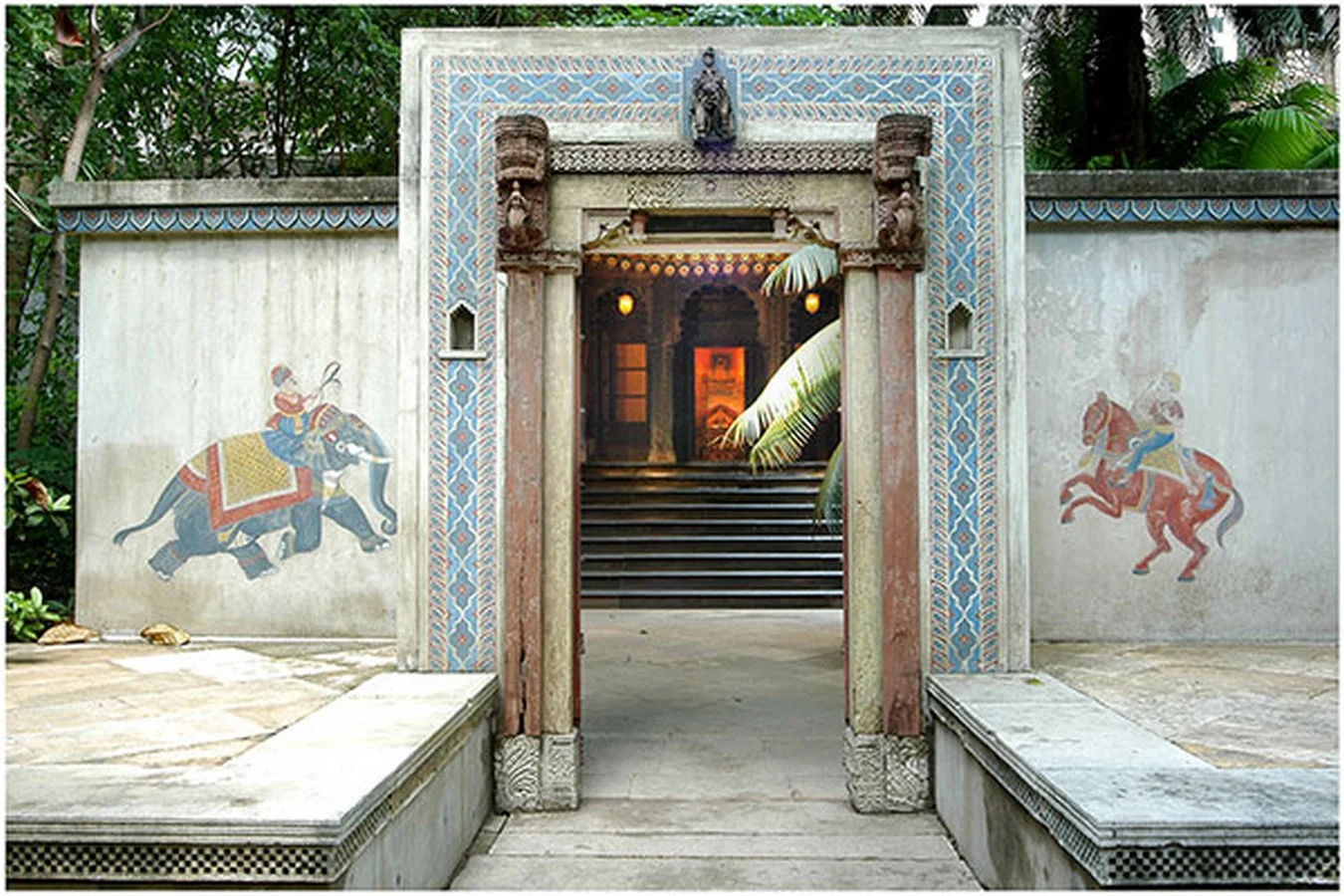
Calico Museum Ahmedabad: Booking Process, Timings & Textile Highlights

Priya Mehta
November 28, 2025
Explore the world's finest textile museum in Ahmedabad. Discover India's rich textile heritage, from rare Mughal fabrics to exquisite regional textiles. Complete guide with timings, collections, and visiting tips.
Introduction: World's Premier Textile Museum
The Calico Museum of Textiles in Ahmedabad stands as one of the finest textile museums in the world, showcasing India's rich textile heritage spanning over five centuries. Founded in 1949 by Gautam Sarabhai and managed by the Sarabhai Foundation, this remarkable institution houses an unparalleled collection of Indian fabrics, costumes, and textiles that reflect the country's diverse cultural traditions and artistic excellence. Located in the serene surroundings of Shahibag, the museum offers visitors an extraordinary journey through India's textile history, from ancient Mughal court fabrics to regional masterpieces from Gujarat and beyond. The collection includes rare Kashmiri shawls, double-ikat Patola silks, exquisite bandhani work, and religious textiles that represent the pinnacle of Indian craftsmanship. The museum's significance extends beyond its impressive collection—it serves as a testament to Ahmedabad's historical importance as a major center of textile trade and production in India. For textile enthusiasts, historians, and cultural explorers, the Calico Museum provides an invaluable insight into the evolution of Indian textile arts and the techniques that have been passed down through generations of skilled artisans.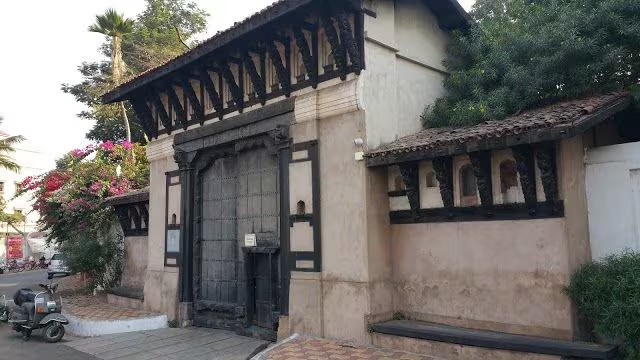
History & Significance
The Calico Museum of Textiles was established in 1949 by Gautam Sarabhai, a prominent industrialist and visionary from Ahmedabad's renowned Sarabhai family. The museum began as a passion project to preserve and document India's rapidly disappearing textile traditions, which were threatened by modernization and changing consumer preferences. The Sarabhai Foundation, which manages the museum, has played a crucial role in building and maintaining this extraordinary collection. Initially housed in the Calico Mills building, the museum moved to its current location in the Shahibag area in 1983, occupying the beautiful Retreat House, a heritage bungalow surrounded by lush gardens that provide a tranquil setting for appreciating the artistic treasures within. Ahmedabad's selection as the museum's home is particularly significant, as the city has been a major textile center since the 15th century. Known as the "Manchester of India" during British colonial rule, Ahmedabad's textile industry has shaped its economic and cultural identity. The museum itself stands as a symbol of this rich heritage, preserving techniques and designs that might otherwise have been lost to time. The museum has gained international recognition for its scholarly approach to textile conservation and curation. It has played a pioneering role in documenting Indian textile traditions, conducting research, and promoting awareness about the importance of preserving these cultural artifacts. Today, it is widely regarded as one of the world's most important specialized museums, attracting scholars, designers, and tourists from across the globe.Collections & Galleries
The Calico Museum's collection is nothing short of extraordinary, encompassing over 50,000 textiles and artifacts that span five centuries of Indian textile history. The museum is organized into several specialized galleries, each dedicated to different aspects of India's textile heritage.Historical Textiles Gallery
This gallery features Indian textiles from the 15th century onwards, including rare Mughal-era fabrics that once adorned the courts of emperors. The collection includes magnificent brocades, velvets, and printed cottons that showcase the sophistication of India's historical textile production. Of particular note are the Mughal tent canopies and court costumes, which demonstrate the opulence and refinement of Mughal textile arts.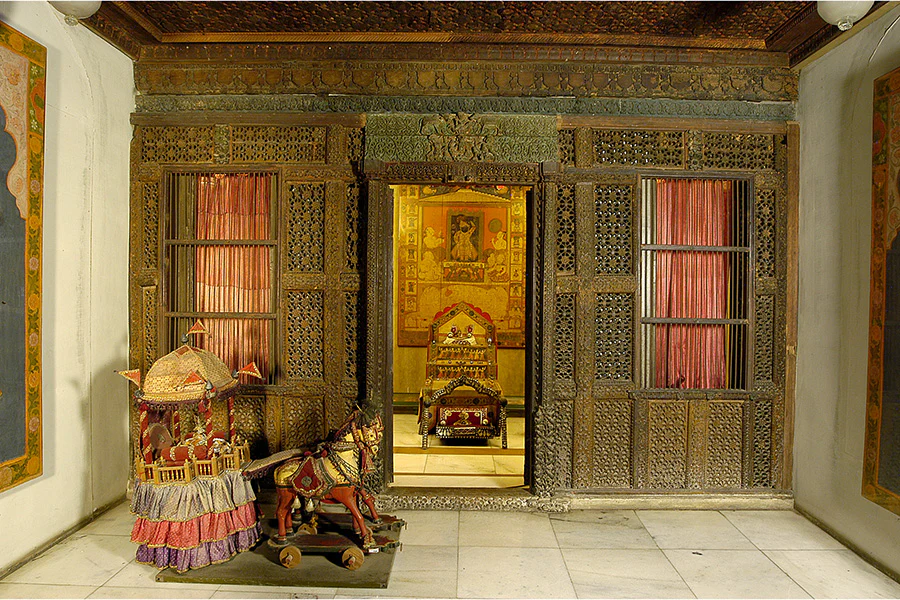
Regional Textiles Collection
India's diverse regional textile traditions are beautifully represented in this gallery. From the vibrant phulkari embroidery of Punjab to the intricate kantha work of Bengal, the collection celebrates the remarkable variety of Indian textile arts. Visitors can admire the famous double-ikat Patola silks from Patan, Gujarat, which are among the most complex and time-consuming textiles to create, requiring months of precise work by master weavers. The gallery also features exquisite bandhani (tie-dye) textiles from Gujarat and Rajasthan, Kanchipuram silks from Tamil Nadu, and Chanderi and Maheshwari fabrics from Madhya Pradesh. Each piece tells a story of regional identity, cultural significance, and the incredible skill of Indian artisans who have kept these traditions alive for generations.Court Textiles
The court textiles gallery displays fabrics that were commissioned by royal courts and nobility across India. These include magnificent Kashmiri shawls, which were once so valuable they were used as diplomatic gifts and currency. The collection also features richly embroidered textiles from Rajasthan, Gujarat, and Deccan courts, showcasing the lavish materials and techniques favored by India's ruling classes.Religious Textiles Collection
One of the museum's most unique and spiritually significant collections is its religious textiles gallery. This section encompasses sacred textiles from Hindu, Jain, and Islamic traditions, reflecting India's religious diversity and the important role textiles play in religious practice. The Hindu temple textiles collection includes magnificent pichhwai paintings from Nathdwara, which are large cloth hangings used as backdrops in shrines dedicated to Lord Krishna. These intricate paintings on cloth depict scenes from Krishna's life and are still used in temples today. The collection also includes vaishnava textiles, temple hangings, and ceremonial cloths used in various Hindu rituals across India.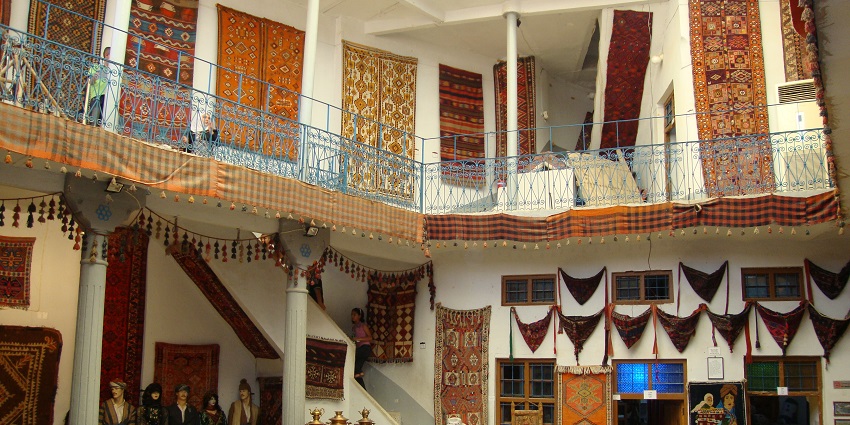 The Jain textile artifacts are particularly significant, given Gujarat's strong Jain heritage. This collection includes intricately painted shrine hangings and manuscripts that reflect the Jain principles of non-violence and reverence for all life. The Islamic textiles section features prayer rugs, calligraphic textiles, and decorative fabrics that showcase the influence of Persian and Central Asian styles on Indian textile arts.
Textile Techniques on Display
The Calico Museum is exceptional not only for its collection but also for its educational value in showcasing the various techniques used in Indian textile production. The museum provides detailed information about weaving, dyeing, printing, and embroidery methods that have been practiced in India for centuries.Weaving Techniques
Indian weaving traditions are among the most sophisticated in the world, and the museum demonstrates this through its collection of handwoven textiles. Visitors can learn about different types of looms used across India, from the simple backstrap looms of tribal communities to the complex drawlooms used for creating intricate brocades in Varanasi. The museum's collection of ikat textiles is particularly impressive. Ikat is a resist-dyeing technique where threads are dyed before weaving, creating patterns that emerge as the fabric is constructed. The double-ikat Patola from Gujarat, where both warp and weft threads are resist-dyed, represents the pinnacle of this technique. Each Patola sari can take four to six months to complete, making it one of the most expensive and prized textiles in India.Dyeing Methods
The museum showcases India's ancient dyeing traditions, including the use of natural dyes derived from plants, minerals, and insects. The collection includes textiles dyed with indigo, madder root, pomegranate rind, and lac, demonstrating the rich color palette that Indian dyers have achieved for millennia using purely natural materials. One of the highlights is the collection of kalamkari textiles from Andhra Pradesh, where hand-painted or block-printed fabrics are created using natural dyes. The name "kalamkari" derives from "kalam" (pen) and "kari" (craftsmanship), referring to the traditional use of bamboo pens to draw intricate designs on cloth before dyeing.Block Printing Traditions
Gujarat is famous for its block printing traditions, particularly from towns like Bagru, Sanganer, and Ajrakh. The museum displays exquisite examples of block-printed textiles, showing how hand-carved wooden blocks are used to stamp intricate patterns onto fabric using natural dyes. The Ajrakh technique, practiced by Muslim communities in Kutch, is particularly notable for its geometric patterns and complex dyeing process that can take up to three weeks to complete a single piece.Embroidery Styles
The museum's embroidery collection represents the incredible diversity of Indian needlework traditions. From the colorful mirror work of Gujarat to the delicate chikankari of Lucknow and the vibrant phulkari of Punjab, each style reflects regional aesthetics and cultural influences. The collection also includes kashida embroidery from Kashmir, known for its intricate floral and paisley motifs worked in fine wool on cotton or silk fabric.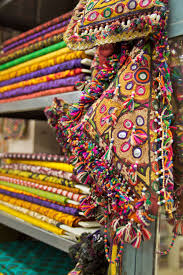 The following table summarizes the main textile techniques showcased at the museum:
| Technique | Region | Characteristics |
|---|---|---|
| Patola (Ikat) | Patan, Gujarat | Double-ikat silk, geometric patterns, 4-6 months to create |
| Bandhani | Gujarat & Rajasthan | Tie-dye technique, dot patterns, vibrant colors |
| Kalamkari | Andhra Pradesh | Hand-painted/block-printed, natural dyes, narrative motifs |
| Ajrakh | Kutch, Gujarat | Block printing, geometric patterns, natural dyes |
| Chikankari | Lucknow, UP | White-on-white embroidery, delicate floral patterns |
| Phulkari | Punjab | Colorful silk embroidery, floral motifs |
| Kashida | Kashmir | Fine wool embroidery, paisley and floral designs |
| Kashmiri Shawls | Kashmir | Pashmina wool, intricate embroidery, reversible designs |
Visiting Information & Guidelines
Planning a visit to the Calico Museum requires some preparation, as the museum has specific visiting hours and guidelines that differ from many other tourist attractions. Here's everything you need to know before your visit:Opening Days & Timings
The Calico Museum is closed on Wednesdays and all public holidays. On all other days, visitors can explore the museum during two time slots:- Morning Slot: 10:30 AM to 1:00 PM
- Afternoon Slot: 2:30 PM to 5:30 PM
Entry Fee & Booking
One of the most appealing aspects of the Calico Museum is that entry is completely free for all visitors. However, the museum requires advance booking, which can be done through their official website or by calling ahead. This system helps manage visitor numbers and ensures that everyone has a comfortable viewing experience. While entry is free, the museum appreciates donations, which help support its conservation work and educational programs. Photography restrictions are in place to protect the delicate textiles from light damage—more on this below.Photography Policy
Photography is strictly prohibited inside the museum galleries. This policy exists because textiles are extremely light-sensitive, and camera flashes can accelerate the deterioration of these fragile artifacts. The museum takes its conservation responsibilities seriously, and visitors are expected to respect these rules. However, visitors are welcome to take photographs in the museum's beautiful gardens and exterior areas. Many visitors find that this restriction actually enhances their experience, allowing them to fully appreciate the textiles without the distraction of trying to capture perfect images. The museum's gift shop offers high-quality reproductions and books for those who wish to remember their visit through visual souvenirs.Visitor Guidelines
To ensure the preservation of the collection and a quality experience for all visitors, the museum has established several guidelines:- No food or drinks are permitted inside the galleries
- Touching the textiles is strictly prohibited, as oils from skin can damage fragile fabrics
- Large bags must be left at the entrance—pack light or use the locker facility
- Mobile phones should be switched off or set to silent mode inside galleries
- Children must be supervised at all times to prevent accidental damage to displays
- Guided tours are available and highly recommended for the most informative experience
How to Reach & Location
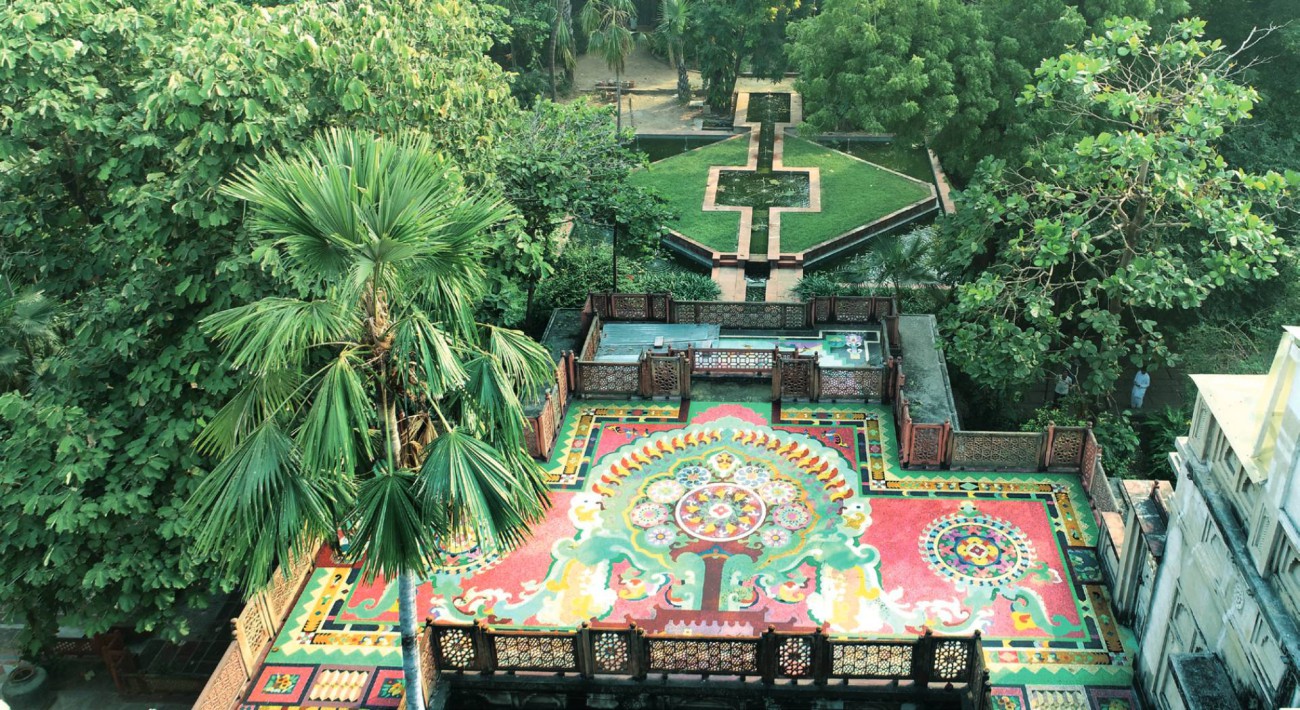
The Calico Museum is located in the Shahibag area of Ahmedabad, approximately 4 kilometers north of the city center. Its peaceful location makes it easily accessible from various parts of the city.Address
Calico Museum of Textiles
The Retreat, Sarabhai Foundation
Opposite Hiranandani Gardens, near Usmanpura
Shahibag, Ahmedabad - 380 004
Gujarat, India
Distance from Key Locations
| From | Distance | Travel Time |
|---|---|---|
| Ahmedabad Railway Station | ~5 km | 15-20 minutes |
| Sardar Vallabhbhai Patel International Airport | ~12 km | 25-30 minutes |
| Old City (Manek Chowk area) | ~4 km | 12-15 minutes |
| Sabarmati Ashram | ~6 km | 15-20 minutes |
| Kankaria Lake | ~7 km | 18-22 minutes |
Transportation Options
By Taxi/Auto-Rickshaw: Taxis and auto-rickshaws are readily available throughout Ahmedabad and are the most convenient way to reach the museum. App-based services like Uber and Ola operate in the city and offer transparent pricing. Auto-rickshaws are cheaper but require fare negotiation or insistence on meter usage. By Bus: Ahmedabad's efficient BRTS (Bus Rapid Transit System) has stops relatively close to the museum. The nearest BRTS station is at Shivranjani, from where you can take an auto-rickshaw or walk approximately 1.5 kilometers to reach the museum. Private Vehicle: If driving yourself, the museum has parking available. However, spaces can be limited during peak visiting hours, so arriving early is advisable. The museum's location in a relatively quiet area of the city means that driving conditions are generally less chaotic than in the older parts of Ahmedabad.Nearby Landmarks
If you're having trouble finding the museum, these nearby landmarks can help:- Hiranandani Gardens: A prominent residential complex directly opposite the museum
- Usmanpura: A well-known neighborhood in close proximity
- Sabarmati Riverfront: Approximately 3 kilometers away
- Hathisingh Jain Temple: About 2 kilometers from the museum
Nearby Attractions
Ahmedabad is a city rich in history and culture, offering numerous attractions that complement a visit to the Calico Museum. Here are some nearby sites you might consider adding to your itinerary:Sarkhej Roza
Located approximately 10 kilometers from the Calico Museum, Sarkhej Roza is an architectural complex that showcases a beautiful blend of Islamic and Indian architectural styles. Built in the 15th century, this complex was home to the spiritual leader Sheikh Ahmed Khattu Ganj Baksh and later served as the retreat of Sultan Mahmud Begada. The complex features elegant mosques, tombs, and a palace surrounding a large tank, creating a serene atmosphere perfect for contemplation and photography.Sabarmati Ashram
One of Ahmedabad's most famous attractions, Sabarmati Ashram (also known as Gandhi Ashram) is located about 6 kilometers from the museum. This was Mahatma Gandhi's residence from 1917 to 1930 and served as the base for India's independence movement. The ashram has been preserved as a museum and offers insight into Gandhi's life and philosophy. Visitors can see his living quarters, view letters and photographs, and learn about the Dandi March which began from here in 1930.Kankaria Lake
Built in 1451 by Sultan Qutb-ud-Din Ahmad Shah II, Kankaria Lake is Ahmedabad's largest lake and a popular recreational spot. Located about 7 kilometers from the Calico Museum, the lakefront has been developed into a family-friendly attraction with a zoo, toy train, balloon safari, and numerous food stalls. Evening visits are particularly enjoyable when the lake is illuminated and the area comes alive with activity. It's a great place to relax after a contemplative morning at the museum.Hathisingh Jain Temple
Just 2 kilometers from the Calico Museum, the Hathisingh Jain Temple is a beautiful example of Jain architecture. Built in 1848 by a wealthy Jain merchant, the temple is dedicated to Dharmanatha, the 15th Jain Tirthankara. The architecture features intricate carvings, courtyards, and shrines, offering a peaceful atmosphere for reflection. The temple is particularly beautiful during the Jain festival of Paryushana when it's decorated with elaborate sandalwood paste designs.Manek Chowk
For a completely different experience, head to Manek Chowk in the old city, approximately 4 kilometers away. This bustling square is a center of commerce by day and transforms into Ahmedabad's most famous street food market at night. The food here is legendary—try the local specialties like dosa, pav bhaji, and the famous chocolate sandwich. It's an excellent place to experience contemporary Ahmedabad culture and sample authentic Gujarati cuisine.Other Museums in Ahmedabad
Ahmedabad has several other notable museums that complement the Calico Museum's offerings:- Vechaar Utensils Museum: A fascinating collection of traditional Indian utensils showcasing the evolution of everyday objects
- Kite Museum: A unique museum dedicated to the art and craft of kite-flying, particularly relevant during Gujarat's International Kite Festival
- Auto World Vintage Car Museum: Home to an impressive collection of vintage automobiles for transportation enthusiasts
Combined Visiting Options
Given the museum's visiting hours (closed on Wednesdays), it's wise to plan your Ahmedabad itinerary accordingly. Many visitors find it works well to spend the morning at the Calico Museum during one of its scheduled visiting slots, then explore other attractions in the afternoon. The museum's proximity to the Sabarmati Riverfront makes it convenient to combine with a walk along the river or a visit to the Sabarmati Ashram. For those interested in exploring Gujarat's rich cultural heritage beyond Ahmedabad, consider places to visit near Ahmedabad. The Rani ki Vav stepwell in Patan, the Sun Temple in Modhera, and the historic town of Lothal are all within day-trip distance and offer fascinating insights into Gujarat's ancient past. Whether you're a textile enthusiast, a history buff, or simply a curious traveler, the Calico Museum of Textiles offers an unforgettable journey into India's rich textile heritage. Its world-class collection, scholarly presentation, and peaceful setting make it a must-visit destination in Ahmedabad. Plan your visit carefully, respect the museum's guidelines, and allow yourself to be transported into the exquisite world of Indian textile arts.Location
Frequently Asked Questions
Q1.What is Calico Museum famous for?
Q2.Who established Calico Museum?
Q3.What are Calico Museum timings?
Q4.Is entry free at Calico Museum?
Q5.Is photography allowed in Calico Museum?
Q6.How long does it take to explore Calico Museum?
Q7.What textiles are displayed at Calico Museum?
Q8.How to reach Calico Museum from Ahmedabad railway station?
Recommended For You
Things to Do in Ahmedabad: Heritage Walks, Food & Evening Plans
Plan the best things to do in Ahmedabad with heritage walks, food circuits, markets, museums, family activities, and practical 2-3 day itineraries.
Manek Chowk Ahmedabad: Night Street Food Market & Must-Try Items
Explore Manek Chowk Ahmedabad with must-try foods, best visit timings, budget tips, stall-selection strategy, and practical night-market planning guidance.
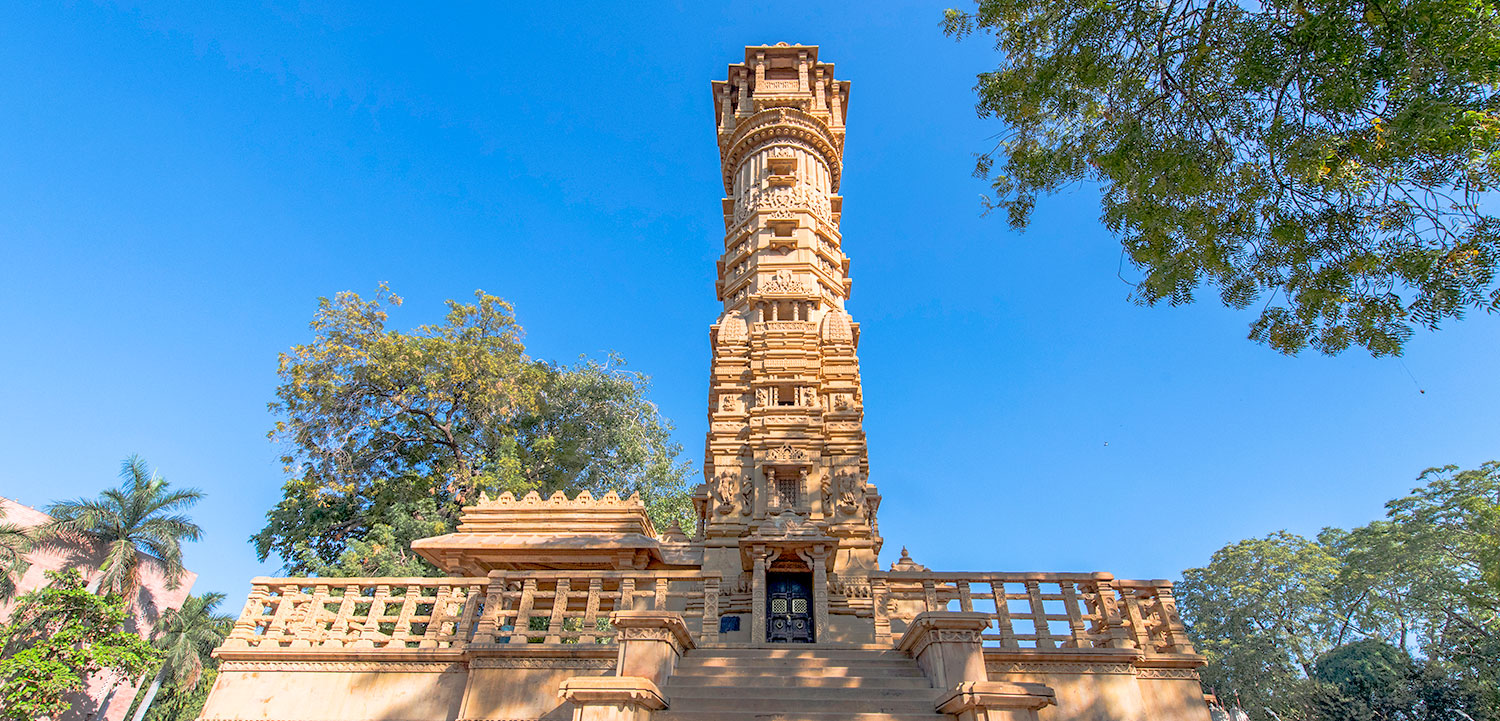
Hathisingh Jain Temple Ahmedabad: Architecture, Timings & Visitor Rules
Explore Hathisingh Jain Temple Ahmedabad, a stunning white marble masterpiece. Discover timings, history, architecture & visiting tips.
Never Miss an Adventure
Get the latest trekking guides, travel tips, and exclusive offers delivered straight to your inbox.
