
Interview Island Andaman: Access, Wildlife & Permit Information

Ananya Sharma
February 8, 2026
Explore Interview Island in Andaman. Wildlife sanctuary, elephant safari, turtle nesting & how to reach. Best time to visit & travel tips.
Introduction: The Untouched Paradise
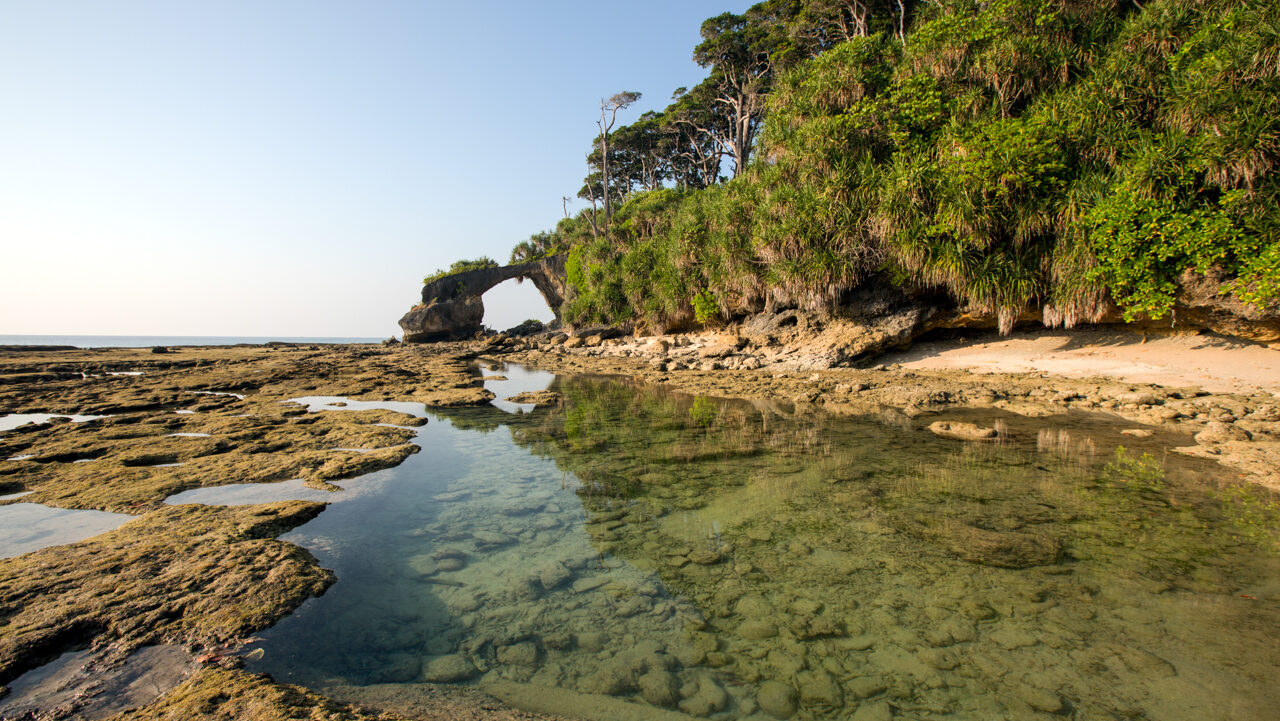
Interview Island, located in the Andaman archipelago, represents the kind of untouched paradise that most travelers only dream about. Part of the Middle Andaman region, this island is a designated wildlife sanctuary that has remained remarkably pristine despite its proximity to more developed areas. Dense tropical forest covers over 90% of the island, creating a haven for endemic species and offering visitors genuine wilderness experiences. It's one of the many incredible places to visit in Andaman for wildlife enthusiasts.
What makes Interview Island special is its unique ecosystem and the rare wildlife it protects. From feral elephants descended from timber-working animals to diverse marine life including endangered sea turtles, the island is a living laboratory of nature conservation. For travelers willing to venture off the beaten path, Interview Island offers wildlife encounters, pristine beaches, and the kind of solitude that's increasingly rare in today's world.
About Interview Island
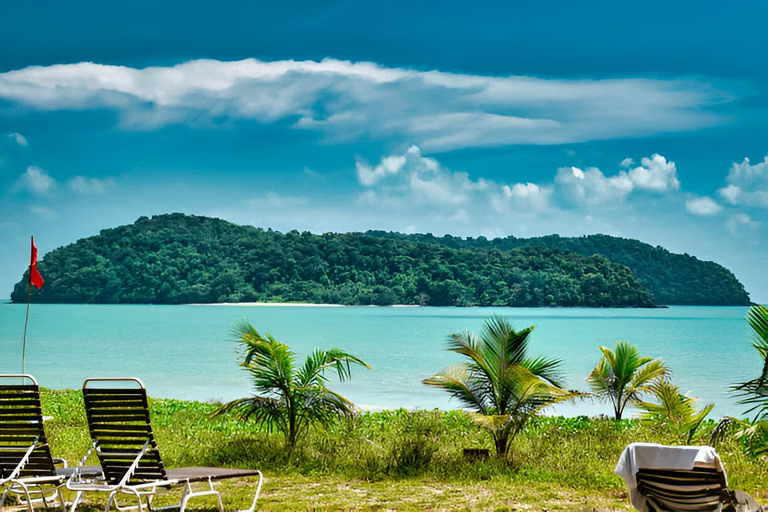
Interview Island is located in the Middle Andaman region of the Andaman archipelago. The island lies approximately 120 kilometers north of Port Blair, making it accessible yet sufficiently remote to have avoided mass tourism development.
Geographic Features
The island is characterized by dense tropical forest that has remained largely undisturbed. The coastline features pristine beaches, mangroves, and coral reefs. The interior is hilly in parts, with several freshwater streams providing water sources for wildlife. The surrounding waters are part of the rich Andaman Sea ecosystem, home to diverse marine life including dolphins, dugongs, and sea turtles.
Protected Status
Interview Island was designated a wildlife sanctuary in 1979, recognizing its ecological importance. This protection status has limited development and helped preserve the island's natural state. The sanctuary status means certain activities are restricted, and visitors must follow guidelines designed to minimize environmental impact.
Human Presence
Human habitation on Interview Island is minimal. There are no permanent settlements or tourist facilities. The occasional research team, forest department staff, or permitted tour groups may visit, but generally the island belongs to nature. This lack of permanent human presence is key to its pristine condition and wildlife abundance.
Wildlife and Natural Beauty
Interview Island's wildlife is its primary attraction and the reason for its protected status.
Feral Elephants
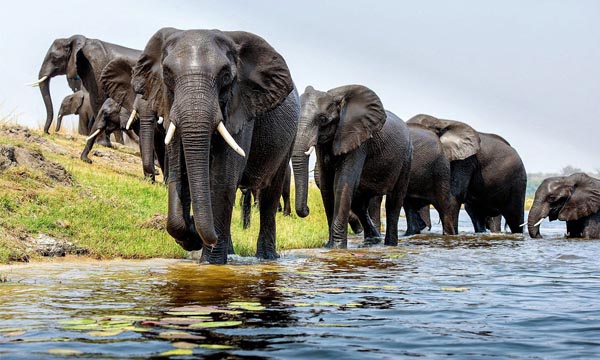
Perhaps the most famous residents of Interview Island are its feral elephant population. These elephants are descendants of timber-working elephants brought to the Andamans during British colonial times. When timber operations ceased, the elephants were released on Interview Island where they have established a wild population.
These elephants, now living naturally on the island, offer fascinating opportunities to observe semi-wild elephants in their natural habitat. Unlike managed elephant populations, these animals live independently, foraging, breeding, and behaving as wild elephants do. Seeing them is a highlight for many visitors, though sightings require patience and respect for the animals' wild nature.
Marine Life
The waters around Interview Island are rich in marine biodiversity:
- Dugongs: These gentle marine mammals, sometimes called sea cows, are rare but occasionally sighted in the seagrass beds around the island.
- Dolphins: Several dolphin species inhabit these waters, often seen playing in the boat wake during the journey to the island.
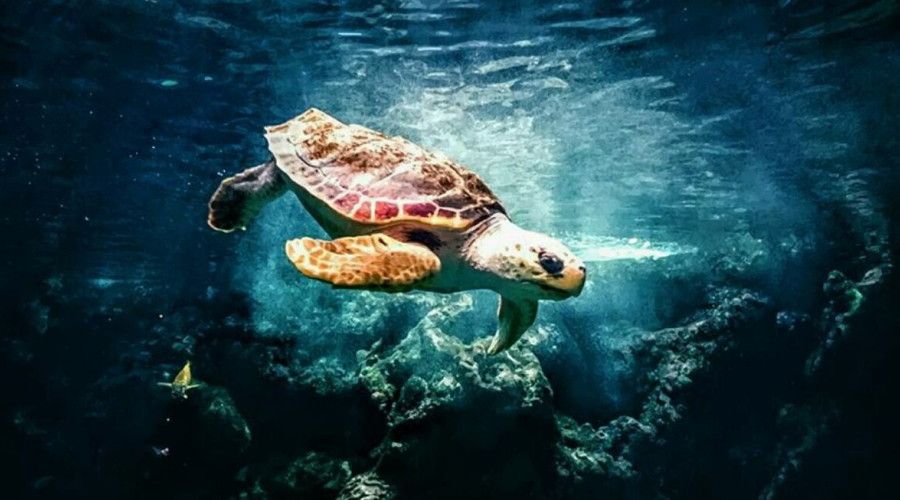
- Sea Turtles: Endangered species including Olive Ridley, Hawksbill, Green, and Leatherback turtles nest on Interview Island's beaches.
- Coral Reefs: Healthy coral reefs surround parts of the island, supporting diverse fish populations.
Bird Life
The island's forests and coastal areas support numerous bird species. Both endemic and migratory birds find habitat here. The varied ecosystems - forest, shoreline, mangrove, and open water - support different bird communities, making Interview Island rewarding for birdwatchers.
Flora
The dense tropical forest includes both endemic and introduced plant species. Large trees form a canopy that hosts epiphytes, vines, and orchids. The forest floor supports a rich undergrowth. Mangroves along the coast serve as nurseries for marine life and protect the coastline from erosion.
Best Time to Visit
Winter (October-February)
The best time to visit Interview Island. Weather is pleasant, seas are calm, and wildlife sightings are good. The dry season makes forest access easier. This is also turtle nesting season, offering opportunities to see nesting turtles or hatchlings.
Summer (March-May)
Turtle nesting season peaks. Weather is warmer but still manageable. Seas can be choppier than winter. Wildlife sightings remain good. This is an excellent time for marine life viewing.
Monsoon (June-September)
Restricted access due to heavy rainfall and rough seas. Most tour operators don't run trips during this period. The forest becomes difficult to navigate, and wildlife sightings decrease. If you must visit, be prepared for weather disruptions and limited activities.
How to Reach
Permit Requirements
All visitors need a Restricted Area Permit (RAP) to visit Interview Island. This can be obtained in Port Blair from the Forest Department or through authorized tour operators. The permit specifies dates, activities permitted, and areas accessible. Carry multiple copies as checkpoints may retain one.
From Port Blair
Interview Island is 120 km north of Port Blair. The journey is typically done by chartered boat, taking 4-5 hours depending on sea conditions. Private boats can be arranged through tour operators in Port Blair. Some organized tours also include Interview Island in multi-day itineraries.
From Mayabunder
Interview Island is closer to Mayabunder (Middle Andaman's main town). If you're already in Mayabunder or North Andaman, arranging a boat from there reduces travel time. Many visitors combine Interview Island with a broader Andaman itinerary.
Guided Tours
Visiting Interview Island requires an authorized guide. Guides know the terrain, wildlife behavior, and safety protocols. Most visitors book through tour operators who handle permits, transportation, and guiding. Attempting to visit independently is not recommended and may not be permitted.
Things to Do and See
- Wildlife Spotting: Search for feral elephants in their natural habitat
- Turtle Watching: Visit nesting sites during nesting season (November-March)
- Bird Watching: Spot endemic and migratory bird species
- Nature Walks: Guided forest trails through pristine tropical forest
- Beach Exploration: Pristine beaches perfect for photography and relaxation
- Marine Life Viewing: Boat trips around the island for dolphin and dugong sightings
- Photography: Wildlife and landscape photography opportunities
Travel Tips and Guidelines
- Obtain Permits Early: Apply for RAP well in advance of your planned visit
- Authorized Guide Mandatory: Don't attempt to explore without a qualified guide
- Limited Accommodation: Stay in Port Blair, Mayabunder, or arrange camping
- Pack Appropriately: Insect repellent, binoculars, camera, first aid, sun protection
- Respect Wildlife: Maintain distance, don't feed animals, don't harass wildlife
- Leave No Trace: Carry all trash back with you
- Be Patient: Wildlife sightings require time and silence
- Follow Guidelines: Listen to your guide regarding safety and behavior
Interview Island offers a rare glimpse of unspoiled island wilderness. Its wildlife sanctuary status, limited human presence, and diverse ecosystems create experiences that are increasingly hard to find in our developed world. Whether you're watching elephants in the forest, turtles nesting on a beach under starlight, or simply enjoying the pristine natural environment, Interview Island delivers the kind of authentic wildlife encounter that dedicated travelers treasure. For more wildlife experiences in the archipelago, explore the national parks in Andaman or visit the pristine Neil Island.
Location
Frequently Asked Questions
Q1.Where is Interview Island located in Andaman?
Q2.Do we need a permit to visit Interview Island?
Q3.How far is Interview Island from Port Blair?
Q4.What wildlife can be seen on Interview Island?
Q5.Is elephant safari available on Interview Island?
Q6.Can we see turtle nesting on Interview Island?
Q7.What is the best time to visit Interview Island?
Q8.How to reach Interview Island from Port Blair?
Recommended For You
Wandoor Beach Andaman: Entry Info, Boat Trips & Nearby Islands
Plan Wandoor Beach Andaman with ferry context, marine park rules, travel timing, and practical tips for a smooth Port Blair day trip.
Samudrika Naval Marine Museum Port Blair: Timings, Tickets & Exhibits
Visit Samudrika Naval Marine Museum in Port Blair. Discover marine life, coral reefs, tribes, timings, tickets, exhibits & nearby attractions.
Neil Island Andaman: Ferry Timings, Itinerary & Travel Budget
Plan your Neil Island Andaman trip with ferry-first strategy, one-day/two-day itinerary templates, beach sequencing, and practical stay-budget tips.
Never Miss an Adventure
Get the latest trekking guides, travel tips, and exclusive offers delivered straight to your inbox.
