
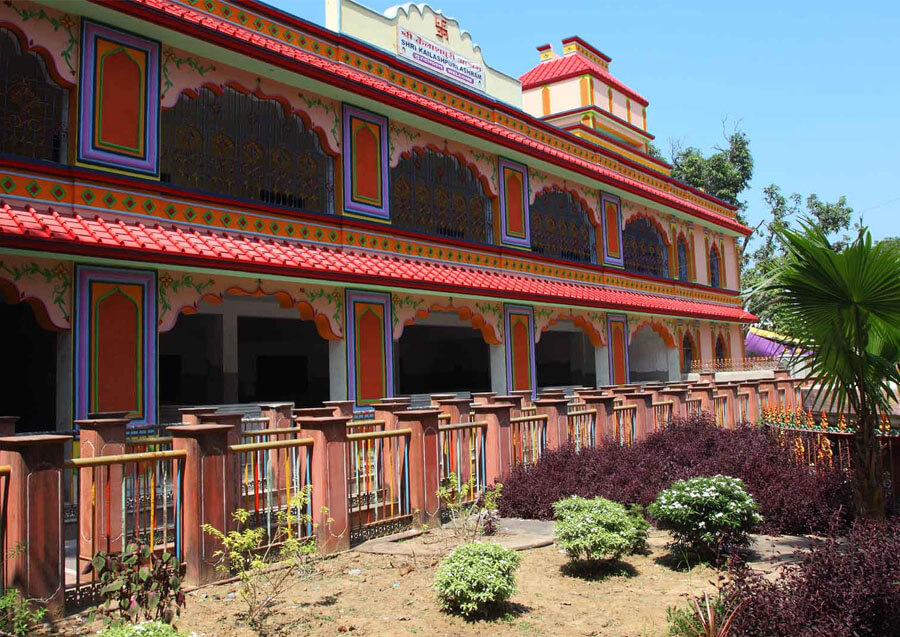
Champaran near Raipur: Riverside Retreat, Temples & Day Trip Plan

Ananya Sharma
February 19, 2026
Explore Champaran near Raipur, birthplace of Saint Vallabhacharya. Discover temples, Mahanadi riverside ghats, best time to visit & how to reach guide.
Discovering Champaran: The Hidden Gem of Chhattisgarh
Nestled along the serene banks of the Mahanadi River, approximately 60 kilometers from Raipur, lies Champaran—a village that embodies the spiritual essence and rich cultural heritage of Chhattisgarh. This unassuming destination holds profound significance as the birthplace of Saint Vallabhacharya, the revered 16th-century Vaishnava philosopher who founded the Pushti Marg sect of Hinduism. During my visit to this tranquil village, I discovered that Champaran offers much more than just religious importance; it's a place where time seems to slow down, where the gentle flow of the river mirrors the peaceful rhythm of village life, and where ancient traditions continue to thrive in their purest form. What makes Champaran truly special is its unique blend of spiritual sanctity and natural beauty. The village attracts not only devout pilgrims seeking blessings but also travelers looking for an authentic experience of rural Chhattisgarh away from commercialized tourist circuits. Unlike many pilgrimage sites that have become overcrowded and commercialized, Champaran retains its serene atmosphere and traditional character. The riverside location adds to the spiritual ambiance, with the Mahanadi's waters considered sacred by devotees who often take ritual baths here before visiting the temples. As you approach Champaran, the landscape transforms from the urban sprawl of Raipur to verdant fields, small hamlets, and finally the village itself, with its temple spires rising above the humble dwellings. The journey itself becomes part of the experience—a gradual transition from the modern world to a place where ancient wisdom still guides daily life. Whether you're drawn by religious devotion, cultural curiosity, or simply the desire to experience a different pace of life, Champaran welcomes all with its distinctive combination of spiritual power, natural beauty, and genuine hospitality.About Champaran: History and Significance
Champaran's story begins long before it became known as a pilgrimage destination. The village has been a part of Chhattisgarh's cultural landscape for centuries, witnessing the rise and fall of dynasties, the flow of the eternal Mahanadi, and the evolution of religious traditions in central India. However, what truly put Champaran on the spiritual map of India was the birth of Vallabhacharya here in 1479 CE. Vallabhacharya, also known as Shri Vallabha, was one of the most influential philosophers of the Bhakti movement in medieval India. He established the Pushti Marg (Path of Grace), a devotional tradition emphasizing loving devotion to Lord Krishna as the supreme means of spiritual liberation. The philosophy he preached focused on the concept of "pushti"—divine grace—and emphasized that salvation comes through complete surrender to Krishna's love rather than through rigorous ascetic practices or elaborate rituals.
The village's location along the Mahanadi River adds another layer to its significance. In Hindu tradition, rivers are considered sacred, and the Mahanadi is particularly revered in Chhattisgarh as the life-giving force of the region. The conjunction of a holy river and the birthplace of a great saint creates what believers consider doubly sacred ground. Pilgrims believe that visiting Champaran and bathing in the Mahanadi's waters here brings special spiritual merit and blessings.
Throughout its history, Champaran has maintained its character as a pilgrimage site while also serving as a living village where families have lived for generations. This dual identity—the sacred and the everyday—gives Champaran a unique atmosphere. Unlike temple towns that exist primarily for religious tourism, Champaran continues to function as a rural community where traditional agricultural practices, crafts, and social customs persist alongside pilgrimage activities.
The village's architecture reflects its religious and cultural heritage, with temples featuring traditional North Indian temple design elements—ornate shikharas (spires), carved pillars, and sanctum sanctorums where the principal deities are installed. The homes, while humble, often include elements of traditional Chhattisgarhi rural architecture, with mud walls, thatched or tiled roofs, and courtyards that serve as family gathering spaces.
Vallabhacharya, also known as Shri Vallabha, was one of the most influential philosophers of the Bhakti movement in medieval India. He established the Pushti Marg (Path of Grace), a devotional tradition emphasizing loving devotion to Lord Krishna as the supreme means of spiritual liberation. The philosophy he preached focused on the concept of "pushti"—divine grace—and emphasized that salvation comes through complete surrender to Krishna's love rather than through rigorous ascetic practices or elaborate rituals.
The village's location along the Mahanadi River adds another layer to its significance. In Hindu tradition, rivers are considered sacred, and the Mahanadi is particularly revered in Chhattisgarh as the life-giving force of the region. The conjunction of a holy river and the birthplace of a great saint creates what believers consider doubly sacred ground. Pilgrims believe that visiting Champaran and bathing in the Mahanadi's waters here brings special spiritual merit and blessings.
Throughout its history, Champaran has maintained its character as a pilgrimage site while also serving as a living village where families have lived for generations. This dual identity—the sacred and the everyday—gives Champaran a unique atmosphere. Unlike temple towns that exist primarily for religious tourism, Champaran continues to function as a rural community where traditional agricultural practices, crafts, and social customs persist alongside pilgrimage activities.
The village's architecture reflects its religious and cultural heritage, with temples featuring traditional North Indian temple design elements—ornate shikharas (spires), carved pillars, and sanctum sanctorums where the principal deities are installed. The homes, while humble, often include elements of traditional Chhattisgarhi rural architecture, with mud walls, thatched or tiled roofs, and courtyards that serve as family gathering spaces.
Top Attractions in Champaran
Vallabhacharya Temple (Birthplace Temple)
The most significant attraction in Champaran is the temple dedicated to Saint Vallabhacharya, marking the spot where the great philosopher was born. This temple serves as the spiritual heart of the village and the primary destination for pilgrims. The temple complex includes the main shrine where Vallabhacharya is worshipped, along with smaller shrines dedicated to Lord Krishna and other deities associated with the Pushti Marg tradition. The temple's architecture follows the Nagara style typical of North Indian temples, with a curvilinear shikhara rising above the sanctum. The entrance features carved doorways depicting scenes from Hindu mythology, particularly stories related to Lord Krishna's life, which holds special significance in Vallabhacharya's teachings. Inside the temple, the atmosphere is one of profound devotion, with priests performing regular rituals throughout the day and devotees engaged in prayer, chanting, or simply sitting in contemplation. For followers of the Pushti Marg sect, this temple is one of the most important pilgrimage sites, as it represents the earthly beginning of the spiritual tradition they follow. The temple sees increased footfall during important festivals, particularly during Vallabhacharya's Jayanti (birth anniversary), which is celebrated with great enthusiasm. Devotees from across India, especially from Gujarat, Rajasthan, and Maharashtra where the Pushti Marg tradition has a strong following, make the journey to Champaran to pay their respects.| Information | Details |
|---|---|
| Timings | 6:00 AM - 12:00 PM, 4:00 PM - 8:00 PM |
| Entry Fee | Free (donations accepted) |
| Dress Code | Modest, traditional attire preferred |
| Best Time | Early morning or evening aarti |
Shrinathji Temple
Within the temple complex, the shrine dedicated to Shrinathji (a form of Lord Krishna) holds special importance. According to Vallabhacharya's philosophy, Lord Krishna in his form as Shrinathji is the principal deity to be worshipped through loving devotion. The idol of Shrinathji here is beautifully decorated with traditional ornaments and clothing, which are changed multiple times during the day according to the schedule of worship. The temple follows the elaborate ritual schedule prescribed in the Pushti Marg tradition, with eight main darshans (viewings) of the deity throughout the day, each corresponding to a different aspect of Krishna's daily life. The most popular darshan times are Mangala (early morning), Shringar (when Krishna is adorned), and Sandhya Aarti (evening worship). Visitors interested in experiencing the full richness of the tradition should plan their visit to coincide with at least one of these darshan times.Mahanadi Riverside Ghats
The ghats (riverfront steps) along the Mahanadi River are integral to Champaran's spiritual landscape. These ghats serve multiple purposes: they are places for ritual bathing, meditation spots, and simply peaceful locations to sit and watch the river flow. Early morning sees devotees taking ritual dips in the holy water, performing prayers, and offering water to the sun god (Surya Namaskar). The ghats are particularly beautiful during sunrise, when the first light of day paints the river in golden hues and the sound of temple bells mixes with birdsong. Even if you're not religiously inclined, spending time at the ghats offers a serene experience. The gentle sound of flowing water, the sight of villagers going about their morning routines, and the peaceful atmosphere create a meditative environment perfect for reflection and relaxation.
Ancient Banyan Tree
Near the temple complex stands an ancient banyan tree that is believed to be several centuries old. In Hindu tradition, banyan trees are considered sacred and often serve as community gathering spaces. This particular tree is said to have existed since the time of Vallabhacharya, making it a living link to the village's ancient past. The tree's massive canopy provides shade to devotees who sit beneath it for meditation, prayer, or simply to rest. The aerial roots hanging from its branches create a mystical atmosphere, and many devotees tie sacred threads around the tree, believing that their wishes will be fulfilled. The tree represents the connection between the earthly and divine, with its deep roots symbolizing spiritual grounding and its ever-expanding canopy representing divine protection.Traditional Village Walk
Exploring the village on foot provides insights into rural Chhattisgarhi life. The narrow lanes wind past traditional homes, many of which have maintained their architectural character for generations. You'll see women drawing water from wells, farmers tending to small plots of land, and artisans engaged in traditional crafts. Many villagers are associated with the temple in various ways—as priests, musicians who perform during festivals, or craftsmen who create items for temple rituals. A village walk also offers opportunities to interact with locals, who are generally welcoming to visitors interested in learning about their way of life. You might see traditional Chhattisgarhi homes with their distinctive courtyards, observe local customs, and perhaps get invited to share a cup of tea. These interactions often become the most memorable part of a visit to Champaran, offering a genuine connection to the place and its people.Best Time to Visit Champaran
Choosing the right time to visit Champaran can significantly enhance your experience, as the village's climate varies across seasons, and different times of year offer different advantages for pilgrims and tourists alike.| Season | Months | Temperature | Best For |
|---|---|---|---|
| Winter | Oct - Mar | 12°C - 28°C | Pilgrimage, temple visits, village walks |
| Summer | Apr - Jun | 32°C - 42°C | Fewer crowds, early morning visits |
| Monsoon | Jul - Sep | 24°C - 32°C | Lush greenery, river views |
Winter Season (October to March)
The winter months from October to March are undoubtedly the best time to visit Champaran for most travelers. During this period, daytime temperatures range from a comfortable 20°C to 28°C, creating ideal conditions for exploring the village, visiting temples, and spending time at the riverside ghats. The pleasant weather means you can walk between attractions without discomfort, and the clear winter skies provide beautiful lighting for photography. December and January can get quite cool in the early mornings and evenings, with temperatures sometimes dropping to around 12°C. If you're visiting during these months, carry light woolens for the morning and evening hours. The winter season is also when major festivals are celebrated, including Vallabhacharya's Jayanti (birth anniversary), which typically falls between August and October depending on the lunar calendar. Visiting during festival times provides a unique opportunity to witness special celebrations, but expect larger crowds and more elaborate temple activities.Summer Season (April to June)
Summer in Champaran can be challenging, with daytime temperatures often exceeding 40°C in May and June. The heat makes midday exploration uncomfortable, and you'll need to plan your activities carefully if visiting during this season. However, summer does have some advantages—there are significantly fewer tourists, and you might have the temples and ghats almost to yourself. If you must visit in summer, plan your temple visits and outdoor activities for early morning (6 AM to 9 AM) or late afternoon (4 PM to 6 PM). The midday hours are best spent resting indoors or in shaded areas. Carry adequate sun protection—hat, sunglasses, and sunscreen are essential—and stay hydrated by drinking plenty of water throughout the day. The summer heat also means lighter clothing and comfortable walking shoes are particularly important.Monsoon Season (July to September)
The monsoon brings dramatic changes to the landscape around Champaran. The parched earth turns lush green, the Mahanadi River swells with rainwater, and the entire region takes on a rejuvenated appearance. For nature lovers and photography enthusiasts, this can be a beautiful time to visit. The temperatures during monsoon are moderate, ranging from 24°C to 32°C, which is quite pleasant compared to summer extremes. However, visiting during monsoon comes with challenges. Heavy rain can disrupt your plans, and the dirt paths around the village can become muddy and difficult to navigate. The river level rises significantly, which restricts access to some areas of the ghats. If you choose to visit during monsoon, keep some flexibility in your itinerary, carry rain gear, and be prepared for the possibility that outdoor activities might not be possible during heavy rainfall.How to Reach from Raipur
Champaran is easily accessible from Raipur, making it an ideal day trip or a peaceful overnight getaway from the city. The journey itself is part of the experience, taking you through the rural landscape of Chhattisgarh and offering glimpses of village life along the way.| Transport Mode | Distance | Travel Time | Approximate Cost |
|---|---|---|---|
| Private Car/Taxi | 60 km | 1.5 - 2 hours | ₹1,500 - ₹2,500 (round trip) |
| Bus | 60 km | 2 - 2.5 hours | ₹50 - ₹100 (one way) |
| Shared Auto | 60 km | 2.5 - 3 hours | ₹80 - ₹150 (one way) |
By Road (Private Vehicle or Taxi)
The most convenient way to reach Champaran from Raipur is by private car or hired taxi. The journey covers approximately 60 kilometers and typically takes 1.5 to 2 hours, depending on road conditions and traffic. The route goes through NH 53 initially, then connects to smaller roads that lead to Champaran. Driving yourself gives you maximum flexibility to stop along the way, explore at your own pace, and perhaps combine the Champaran visit with other nearby attractions. The roads are generally in good condition, though some stretches after leaving the highway may be narrower and have occasional potholes, especially during and after the monsoon season. Hiring a taxi from Raipur is a convenient option if you don't have your own vehicle. Taxis can be hired for a full day, allowing you to make the round trip with stops as needed. Negotiate the fare clearly before starting the journey, and ensure the driver knows the route to Champaran.By Bus
State transport buses and private buses operate between Raipur and Champaran, though the frequency may be limited. Buses typically depart from the main bus stand in Raipur and drop passengers at or near Champaran. This is the most economical option but requires flexibility in timing, as bus schedules may not align with your preferred itinerary. The bus journey takes approximately 2 to 2.5 hours, sometimes longer if the bus makes multiple stops along the way. Buses are basic and may not be air-conditioned, so they're more suitable for budget travelers and those comfortable with local transportation conditions. Check the latest bus schedules at the Raipur bus stand before planning your trip, as timings can change.Route Information
The most common route from Raipur to Champaran follows NH 53 towards the east, then connects to smaller roads leading to the village. The journey takes you through rural Chhattisgarh, with fields, small hamlets, and occasional temples along the way providing interesting glimpses of regional life. If you're driving, using Google Maps or similar navigation apps is recommended, as smaller roads may not be well-signed. Keep in mind that mobile network connectivity can be intermittent in some stretches, so it's advisable to download offline maps or get clear directions before starting the journey.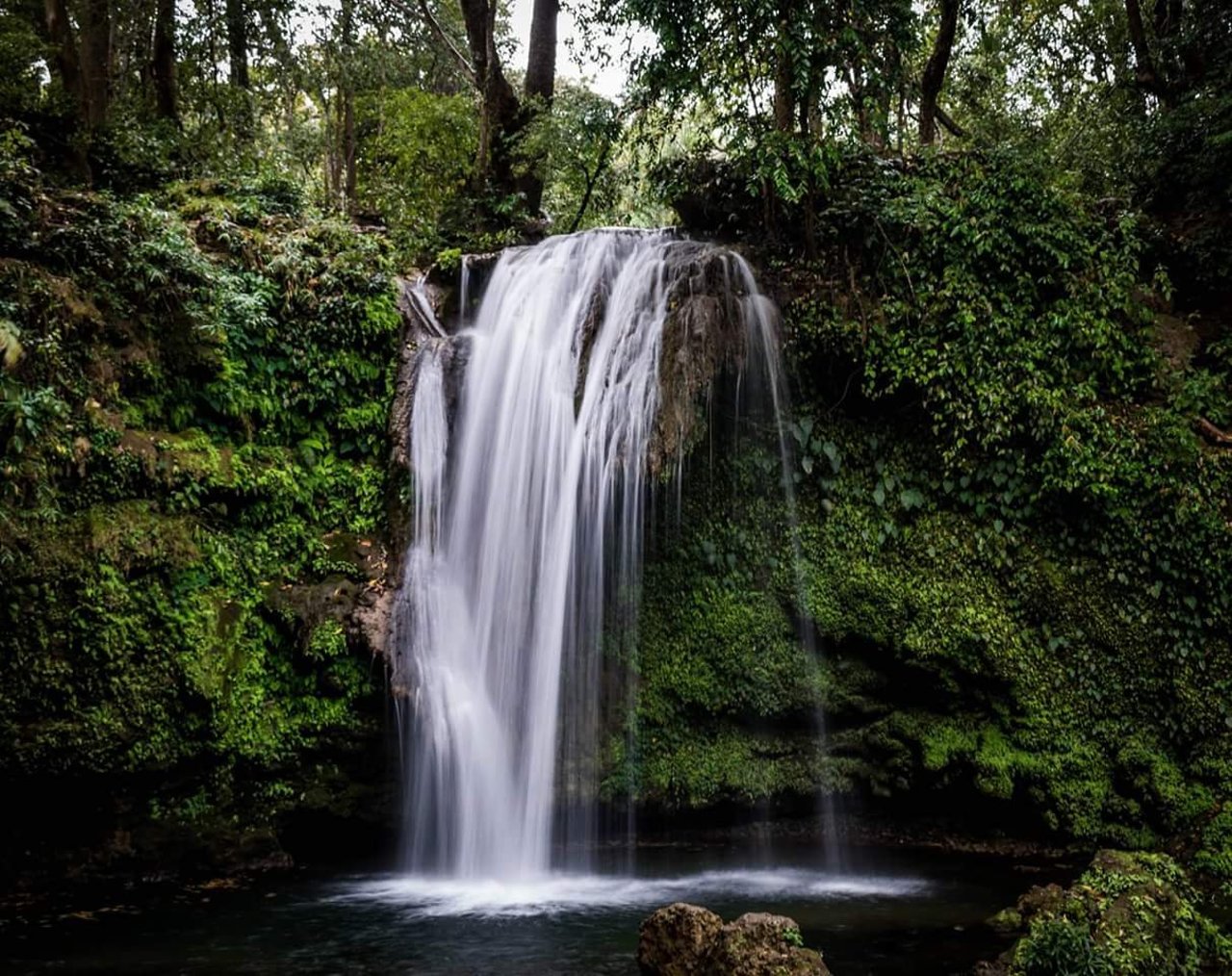
Things to Do in Champaran
Temple Visits and Worship
The primary activity in Champaran is visiting the temples and participating in or observing the religious rituals. Begin at the main Vallabhacharya Temple, where you can witness the priests performing elaborate ceremonies. If you're interested in understanding the rituals better, don't hesitate to politely ask the priests or temple staff about the significance of various practices—most are happy to explain to respectful visitors. Try to time your visit to coincide with at least one of the eight daily darshans if possible. The Mangala Aarti (early morning, around 6 AM) and Sandhya Aarti (evening, around 7 PM) are particularly beautiful, with the temple illuminated, bells ringing, and devotional songs creating a transcendent atmosphere. Even if you're not familiar with the traditions, the sincerity and devotion of the worshippers create a moving experience.Riverside Meditation and Prayer
The Mahanadi ghats provide an ideal setting for meditation, prayer, or simply quiet contemplation. Find a quiet spot on the ghats, preferably in the early morning or late afternoon when the light is soft and the atmosphere peaceful. The sound of flowing water naturally induces a meditative state, and the sacred associations of the place add to the spiritual ambiance. If you're Hindu, you might choose to take a ritual dip in the river, which is believed to purify body and soul. Even if you don't participate in ritual bathing, simply sitting by the river and observing the morning or evening rituals of devotees offers a meaningful connection to the spiritual traditions that have flourished here for centuries.Nature Walks and Photography
The area around Champaran offers opportunities for nature walks, particularly along the riverbank and through the fields surrounding the village. The rural landscape, with its combination of agricultural fields, river views, and traditional village architecture, provides excellent subjects for photography. Early morning is the best time for photography, with soft light illuminating the river, temple spires catching the first rays of the sun, and villagers beginning their day. Evening also offers beautiful light, particularly during sunset when the sky and river take on golden hues. Always ask for permission before photographing people, especially during religious rituals, and be respectful of sacred spaces.Exploring Local Culture
Take time to explore the village beyond the temple complex. Walk through the narrow lanes, observe traditional Chhattisgarhi architecture, and perhaps interact with locals to learn about their way of life. Many villagers are associated with the temple and can share interesting stories about the village's history and traditions. If you're visiting during a festival, you might witness special celebrations, processions, or cultural performances. Even on regular days, the village has its own rhythm and routines that offer insights into rural Chhattisgarhi culture. Be respectful when photographing people or their homes, and always ask permission first.Boating on the Mahanadi
If available, boating on the Mahanadi River offers a different perspective of Champaran and its surroundings. From the water, you can see the temple spires rising above the village, the ghats from a distance, and the rural landscape stretching to the horizon. Boat rides are typically available through local boatmen, especially during the cooler months when the weather is pleasant for being on the water. Boating is particularly enjoyable during sunrise or sunset, when the changing light creates beautiful reflections on the water and the surrounding landscape takes on magical colors. The gentle motion of the boat and the sound of water create a relaxing experience that complements the peaceful atmosphere of Champaran.Nearby Places to Visit
While Champaran itself offers a fulfilling experience, combining it with visits to nearby attractions can create a more comprehensive exploration of the region. Here are some places you can consider visiting along with or near Champaran.Raipur City Attractions
Since Champaran is easily accessible from Raipur, you can combine your Champaran visit with exploring the capital city's attractions. The Mahant Ghasidas Memorial Museum offers insights into Chhattisgarh's history and culture, providing context for your Champaran visit. Gandhi Udyan Park is perfect for relaxation after a day of sightseeing, while Swami Vivekanand Sarovar offers a beautiful lakeside evening experience.Dhamdha
Located approximately 35 kilometers from Raipur and within visiting distance of Champaran, Dhamdha is a historic town known for its ancient fort and temples. The Dhamdha Fort, though now in ruins, offers glimpses of the region's architectural heritage. The town also has several ancient temples that add to the spiritual circuit of the region.Banjari Mata Mandir
Banjari Mata Mandir, located closer to Raipur, is another significant temple dedicated to Goddess Durga. This temple can be combined with a Champaran visit for those interested in exploring the religious heritage of the region. The temple is particularly vibrant during Navratri celebrations.Travel Tips for Champaran
Accommodation Options
Champaran itself has limited accommodation options, with basic guesthouses and dharamshalas (pilgrim rest houses) available primarily for devotees. These are simple facilities with basic amenities, suitable for those who want to stay close to the temples and experience the village atmosphere. For more comfortable accommodation, consider staying in Raipur and making a day trip to Champaran. Raipur offers a range of hotels across budgets, from budget lodges to mid-range hotels to premium properties. Most hotels are conveniently located for sightseeing within the city and for planning day trips to nearby destinations like Champaran. Booking in advance is advisable, especially during peak season and festival periods.Food Options
Dining options in Champaran are limited, with basic local eateries serving simple vegetarian meals. The food is typically Chhattisgarhi cuisine, featuring dishes made from rice, lentils, and locally available vegetables. Many temple visitors carry their own food or rely on the prasad (blessed food) distributed at temples. For more varied dining options, plan to eat in Raipur. The city has restaurants serving Chhattisgarhi specialties as well as North Indian, South Indian, and even some international cuisines. Marine Drive in Raipur is particularly popular for street food and local flavors.What to Carry
When visiting Champaran, carry essentials for a day out in a rural setting. Comfortable walking shoes are essential as you'll be walking around the village and temple complex. In winter, carry light woolens for early morning and evening. In summer, sun protection (hat, sunglasses, sunscreen) and water bottles are crucial. If you plan to take a ritual dip in the river, carry a change of clothes, a towel, and basic toiletries. A small bag for keeping your belongings dry and safe while bathing is useful. Also carry some cash, as digital payments may not be accepted everywhere in the village.Respect Religious Customs
When visiting temples, dress modestly—shoulders and knees should be covered. Remove footwear before entering temple premises as per Hindu tradition. Maintain quiet and respect religious practices. If a ceremony is in progress, observe from a distance without interrupting. Photography may be restricted in certain areas of the temple, so always ask permission before taking photos, especially during rituals.Best Visiting Hours
The temples are typically open from early morning (around 6 AM) to evening (around 8 PM), with a closure in the afternoon. The best time to visit for a complete experience is early morning, when you can witness the Mangala Aarti and avoid the day-time heat. The temples are also pleasant in the evening, especially during the Sandhya Aarti, when the atmosphere is particularly spiritual.Cash and Payments
While digital payments are becoming more common, Champaran is still primarily a cash economy, especially for small purchases like food, offerings, or transportation. Carry sufficient cash for your needs. ATMs may not be readily available in the village, so it's advisable to withdraw money in Raipur before traveling to Champaran.Health and Safety
Champaran is generally safe for visitors. The village is peaceful, and crime targeting tourists is rare. However, follow standard precautions—keep valuables secure, be aware of your surroundings, and avoid isolated areas at night. The main health consideration is water and food—drink bottled or purified water, and eat freshly cooked food to avoid stomach issues.
Understanding the Spiritual Significance
For those interested in the deeper spiritual aspects of Champaran, it's worth understanding why this place holds such importance in the Vaishnava tradition. Saint Vallabhacharya's philosophy of Pushti Marg represents a significant departure from earlier Hindu traditions that emphasized rigorous spiritual practices and asceticism as the path to liberation. Vallabhacharya taught that salvation comes through loving devotion (bhakti) to Lord Krishna, specifically in his form as Shrinathji. The concept of "pushti" refers to divine grace—Vallabhacharya believed that liberation is not something to be earned through effort but a gift of grace that flows when one completely surrenders to Krishna's love. This philosophy made spiritual liberation accessible to everyone, not just those who could renounce the world and practice rigorous austerities. The rituals and practices of the Pushti Marg tradition, which are still followed in Champaran's temples, emphasize this loving relationship with the divine. The deity is treated not as a distant god to be propitiated but as a beloved to be cared for—hence the elaborate dressing of the idol, the offering of food throughout the day, and the schedule of darshans that mirrors the daily routine of a beloved person. Understanding this philosophy adds depth to a visit to Champaran. As you witness the rituals and observe the devotion of the pilgrims, you're seeing a living tradition that has continued for over five centuries, offering a window into a profound spiritual path that continues to guide millions of devotees today.Conclusion
Champaran offers a unique travel experience that combines spiritual depth, natural beauty, and cultural authenticity. Unlike pilgrimage sites that have become commercialized tourist attractions, Champaran retains its character as a sacred village where ancient traditions continue to guide daily life. The birthplace of Saint Vallabhacharya continues to attract devotees seeking spiritual blessings, but it also welcomes travelers looking for an experience of rural Chhattisgarh away from the beaten path. What makes Champaran special is its simplicity. There are no grand monuments, no elaborate tourist facilities, no commercial attractions—just temples, a sacred river, and a village that has maintained its character for generations. This simplicity is also its strength, allowing visitors to experience spiritual India without the layers of commercialization that often cover such places. Whether you're drawn by religious devotion, cultural curiosity, or simply the desire to experience a different pace of life, Champaran has something meaningful to offer. The temples provide spiritual sustenance, the river offers peace, the village invites connection, and the overall atmosphere encourages contemplation and reflection. In a world that's increasingly fast-paced and commercialized, Champaran stands as a reminder of the enduring power of tradition, faith, and simple living. As you leave Champaran and return to the modern world, you carry with you not just memories of temples and landscapes, but a deeper understanding of the spiritual traditions that continue to shape India's cultural landscape. In this small village along the Mahanadi, you've experienced something timeless—a connection to centuries of devotion, philosophy, and faith that continues to inspire and guide people today.Location
Frequently Asked Questions
Q1.Where is Champaran located from Raipur?
Q2.What is Champaran famous for?
Q3.What are the main attractions in Champaran?
Q4.Is Champaran good for a picnic?
Q5.How to reach Champaran from Raipur?
Q6.Are there hotels in Champaran?
Q7.What is the best time to visit Champaran?
Q8.Is Champaran worth visiting?
Recommended For You
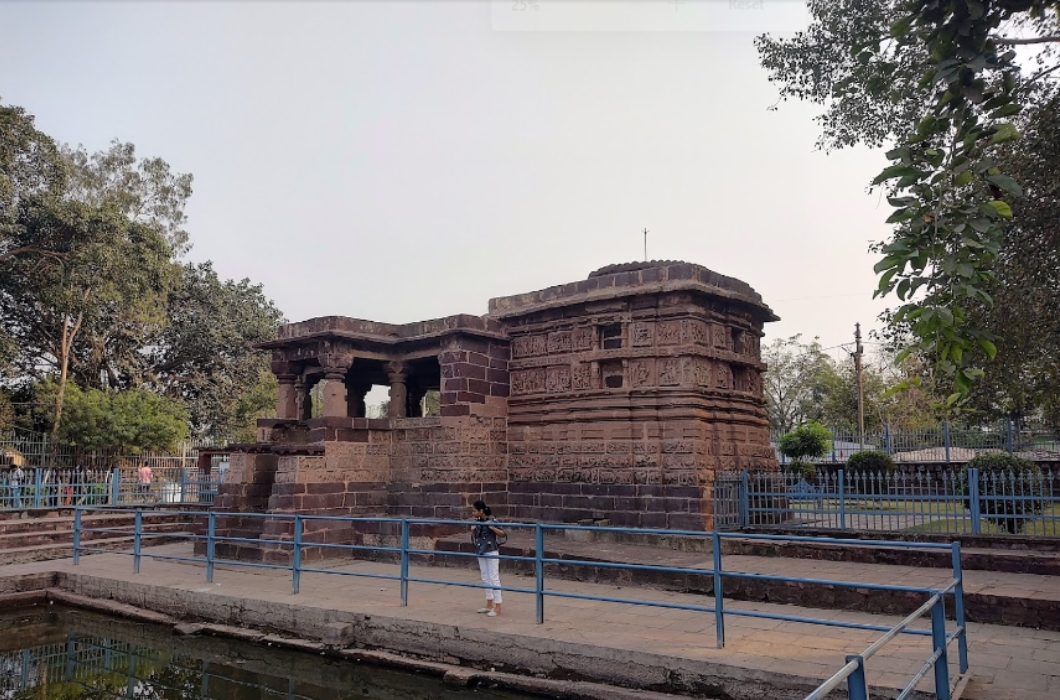
Dhamdha Chhattisgarh: Fort Ruins, Temple Trail & Local History
Visit Dhamdha in Chhattisgarh. Explore the historic 18th-century fort, ancient Shiva temples, and traditional architecture. Complete guide with timings, how to reach, and best time to visit.
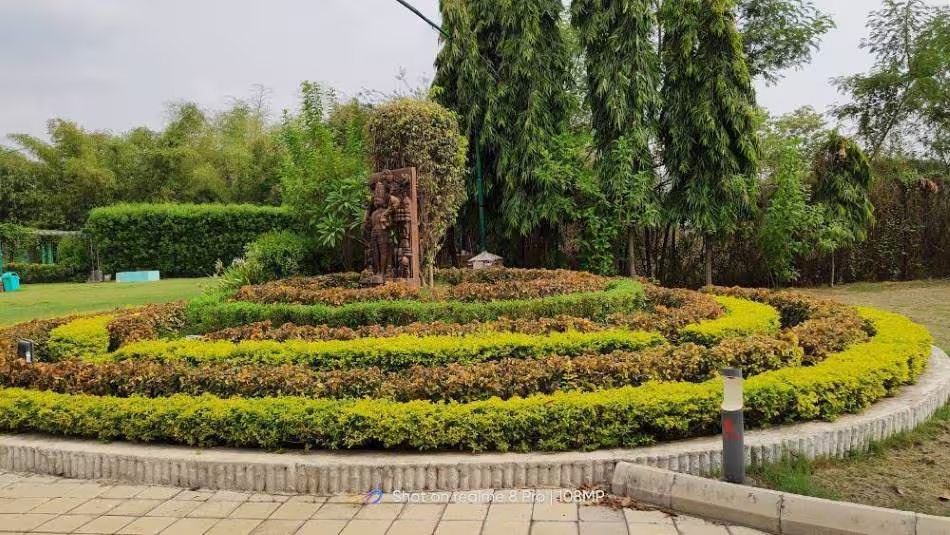
Gandhi Udyan Park Raipur: Timings, Activities & Family Visit Tips
Plan your Gandhi Udyan Park Raipur visit with timings, activity ideas, nearby attractions, and practical city-itinerary combinations.
Mahant Ghasidas Museum Raipur: Timings, Entry Fee & Gallery Highlights
Complete guide to Mahant Ghasidas Memorial Museum Raipur: timings, entry fee, history, exhibits, and how to reach this Chhattisgarh heritage museum.
Never Miss an Adventure
Get the latest trekking guides, travel tips, and exclusive offers delivered straight to your inbox.
