
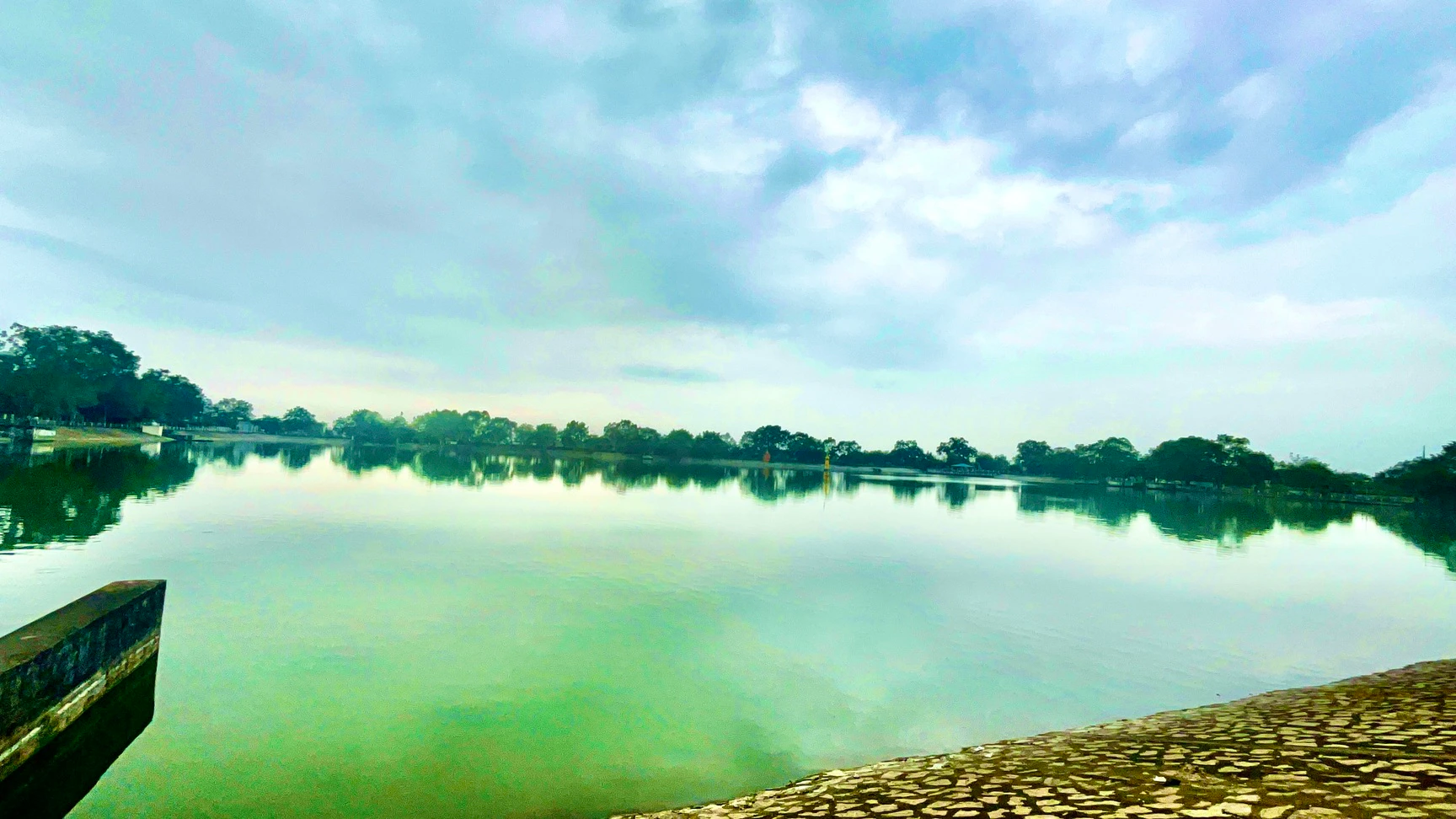
Famous Places to Visit in Akaltara: Complete Travel Guide 2026

Rohit Verma
February 20, 2026
Explore the hidden gems of Akaltara in Chhattisgarh - from ancient temples like Shiva Temple and Hanuman Temple to historical Madanpur Mahal ruins and scenic Hasdeo River banks.
Famous Places to Visit in Akaltara: A Practical Local Guide
Akaltara is one of those towns people often pass through on the way to bigger destinations in Chhattisgarh, but that is exactly why it feels unhurried and authentic. If you are searching for famous places to visit in Akaltara, the best mindset is not to chase a single blockbuster attraction. Instead, plan for a layered experience: temples, old community landmarks, local markets, short nature walks, and nearby district excursions. This approach gives you a meaningful one-day or two-day trip without city-level stress.
Travelers who enjoy slower routes usually find Akaltara more rewarding than expected. You can start mornings with temple visits, use afternoons for local culture and food, and keep evenings relaxed. If your larger itinerary includes metro-city travel, this stop creates useful contrast. For example, if you have already done crowded circuits like places to visit in Delhi or busy waterfront routes from places to visit in Mumbai, Akaltara offers a quieter pace with a more local lens.

Why Akaltara Is Worth Visiting
Akaltara works best for travelers who value atmosphere over checklist tourism. Streets are manageable, short distances reduce transit fatigue, and most plans can be completed without rushing. Families with elders, solo travelers, and couples doing regional road trips all benefit from this format. You can spend more time observing daily life and less time waiting in queues.
Another practical advantage is flexibility. If weather changes or transport shifts, you can quickly adjust because many points of interest are close enough to combine in half-day segments. That makes Akaltara a strong fit for people who want low-risk planning. It is also good for photographers who prefer market life, temple architecture, and rural textures rather than only iconic skyline shots.
Top Places to Visit in Akaltara
1. Local Shiva Temple Circuit
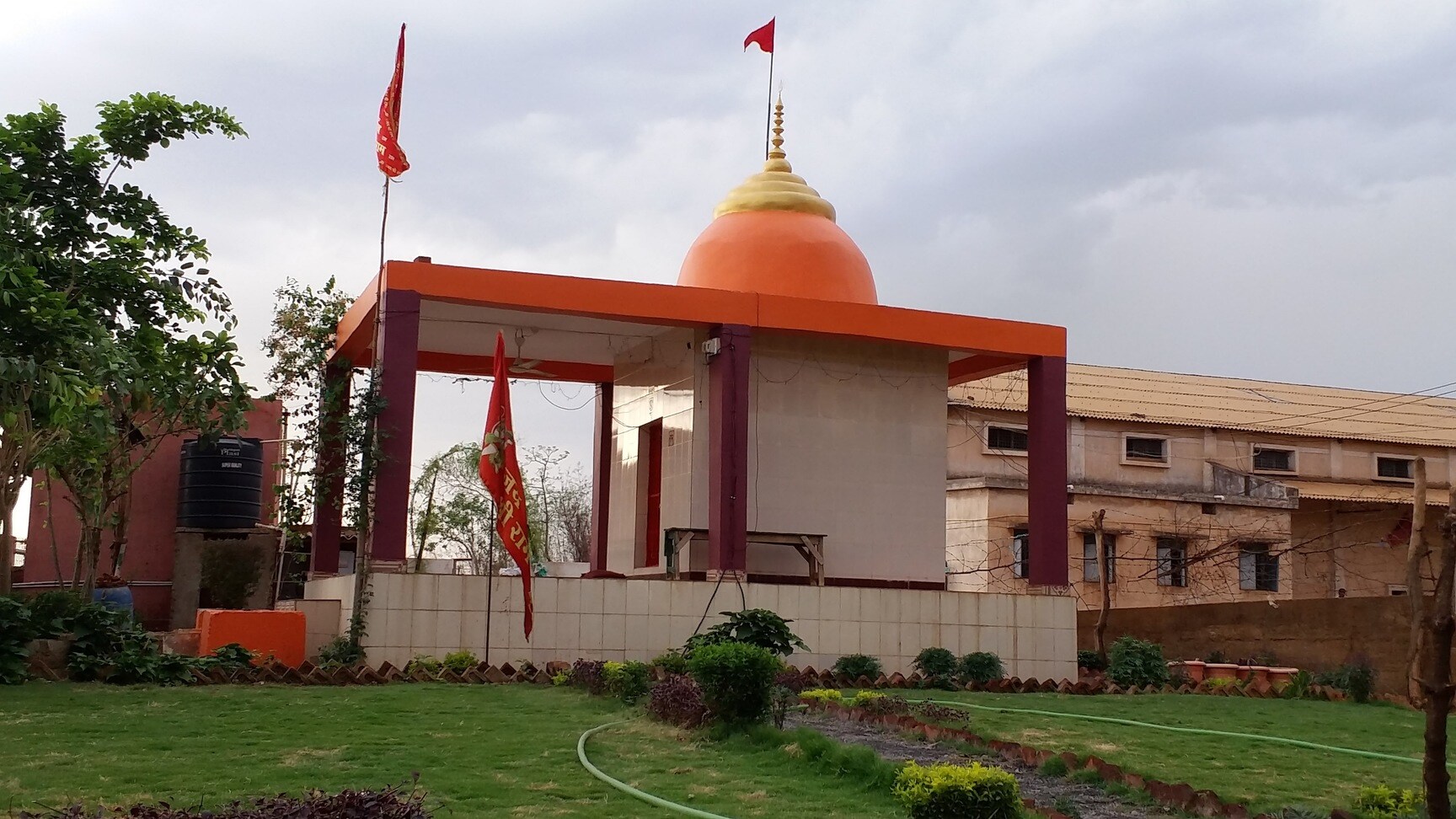
Temple visits are central to the Akaltara experience. The local Shiva temples are not only spiritual spaces but also social landmarks where morning and evening routines reflect community culture. Start early, ideally before 9:00 AM, when the atmosphere is calm and temperatures are comfortable. Remove footwear at designated points, dress modestly, and ask permission before close-up photography of rituals.
If you like combining sacred architecture across destinations, you can compare this slower devotional setting with major heritage routes such as Red Fort Delhi and other historical corridors under historical places in Delhi. The scale differs, but the cultural context becomes richer when you see how different regions preserve place identity.
2. Madanpur Mahal and Nearby Heritage Pockets
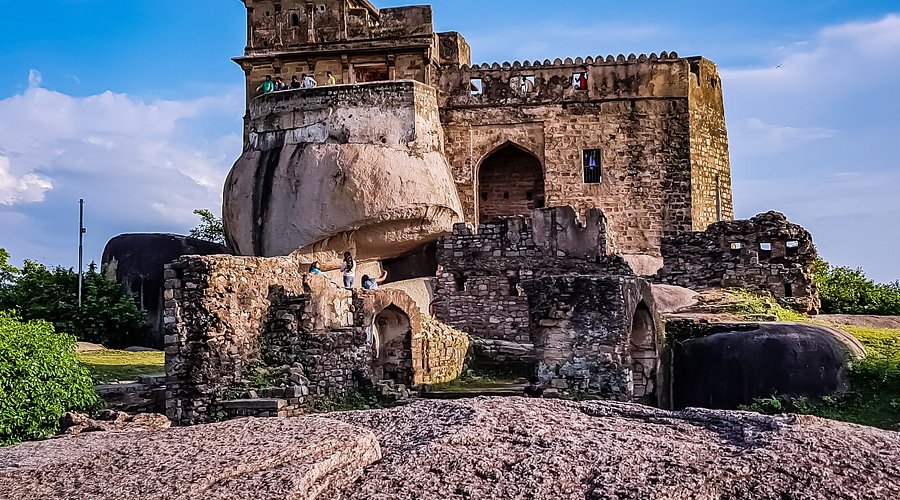
Madanpur Mahal and related heritage pockets near Akaltara add a strong history layer to the itinerary. These locations are typically less crowded, so you can spend time understanding local stories instead of moving quickly through crowds. Go with realistic expectations: this is about regional history and atmosphere, not a polished museum setup. Carry water, wear sturdy footwear, and keep time for nearby viewpoints.
For travelers planning a broader India history route, this stop balances large-ticket sites with quieter regional character. You get context on how local architecture, community memory, and religious spaces evolved together. That perspective is often missing when trips only focus on famous metros.
3. Local Markets and Everyday Culture
Akaltara’s markets are where the town feels most alive. Late afternoon to early evening is the best time to walk through because stalls are active and lighting is better for photos. You will find fresh produce, household items, regional snacks, and small tea points where you can pause and watch local life. Keep cash for smaller purchases and avoid peak congestion lanes if traveling with children.
This market-first style of exploration is ideal when you want grounded travel experiences. Instead of ticking off monuments, you build a memory of daily rhythms, conversations, and food culture. If you later continue to metro destinations, you will notice the contrast in pace immediately.

4. Food Stops Around the Town
Local food in Akaltara is simple, warm, and practical for short-stay travelers. Prioritize freshly cooked meals, especially in warmer months. Morning snacks and early dinners generally work better than very late-night eating, as options can reduce after peak hours. If you have dietary restrictions, communicate clearly and keep one backup snack option during day trips.
Food is also a good entry point for understanding regional identity. Ask for local recommendations instead of only searching online ratings. Small family-run places often serve the most authentic meals, and service tends to be quicker during non-peak windows.

Best Time to Visit Akaltara
The best season for Akaltara sightseeing is October to February. Weather stays pleasant, temple and market visits are more comfortable, and day trips become easier to schedule. Summer travel is possible but requires an early-start strategy. Keep outdoor movement between sunrise and late morning, rest during harsh afternoon heat, and resume after 4:30 PM. Monsoon months can look scenic, but transport delays are more likely, so buffer time matters.
If your holiday is fixed during hotter months, do not cancel the plan. Instead, simplify the route: fewer attractions, more hydration breaks, and clear transport confirmations one day prior. Practical planning matters more than season perfection for this destination.
How to Reach Akaltara
Akaltara is connected through regional rail and road links, making it accessible for travelers moving across Chhattisgarh. Most visitors arrive through nearby city nodes and complete the final leg by local transport. If you are doing a multi-city route, avoid stacking two long transfers in one day. A better method is: arrive, settle, and do local sightseeing with light movement on day one.
When planning from bigger city routes, use Akaltara as a calm midpoint rather than a rushed stop. The town rewards travelers who keep flexible hours and realistic daily targets. Pre-book key transfers when possible, especially during festival periods.
Sample 2-Day Itinerary for Akaltara
Day 1: Spiritual and Cultural Core
Start with the Shiva temple circuit in the morning. Move to a heritage pocket by late morning, then break for lunch. In the afternoon, visit local markets and add a food walk in the evening. Keep this day intentionally light so you can absorb the place instead of rushing through landmarks.
Day 2: Nearby Excursion + Easy Exit
Use the second day for one nearby excursion, then return for lunch and departure. This structure keeps travel fatigue low and allows contingency time for weather or transport changes. If your next stop is a metro city, this calm exit rhythm helps maintain trip energy.
Travel Budget and Packing Tips
Akaltara can be a budget-friendly destination because local movement and food costs are usually moderate. Keep spending priorities clear: transport reliability, clean stays, and daytime hydration are more important than over-planning paid activities. Carry light cotton clothing in warmer months, a cap, sun protection, and comfortable walking shoes. During monsoon, add quick-dry layers and a waterproof bag for devices.
For short regional trips, small preparation details make a big difference. Download offline maps, keep emergency contacts saved, and store digital copies of booking confirmations. These steps reduce stress and help you adapt if local connectivity drops.
Mistakes to Avoid on an Akaltara Trip
- Trying to treat Akaltara like a fast checklist destination instead of a slower local experience.
- Scheduling long intercity transfers and full-day sightseeing in the same block.
- Ignoring heat management during summer afternoons.
- Visiting markets at off-hours and assuming they are inactive all day.
- Depending only on digital reviews and missing local recommendations.
Final Take
Akaltara is a strong choice for travelers who prefer meaningful regional travel over rushed sightseeing. Its value lies in temples, heritage layers, local markets, and a pace that lets you observe real community life. Plan it as a one-day or two-day stop, keep timing practical, and include buffer windows for easy movement. If you build your route thoughtfully, Akaltara becomes more than a transit town. It becomes one of the most balanced and memorable local stops in your Chhattisgarh journey.
Location
Frequently Asked Questions
Q1.What is Akaltara famous for?
Q2.How do I reach Akaltara from Raipur?
Q3.What is the best time to visit Akaltara?
Q4.What are the main temples to visit in Akaltara?
Q5.Is Akaltara worth visiting?
Q6.Where can I stay in Akaltara?
Q7.What local food should I try in Akaltara?
Q8.What are the nearby attractions to Akaltara?
Q9.How far is Bilaspur from Akaltara?
Q10.What can I buy in Akaltara as souvenirs?
Recommended For You
15 Best Raipur Tourist Places: City Attractions & Day Routes
Explore top 15 Raipur tourist places - temples, lakes, museums & parks. Complete Chhattisgarh capital travel guide with 1-day itinerary, timings, entry fees & tips.
Places to Visit in Kharsia: Temples, Parks & Local Day Trips
Explore the hidden gems of Kharsia in Chhattisgarh - from ancient temples like Chandrahasini Devi to prehistoric Singhanpur rock paintings and pristine Gomarda Wildlife Sanctuary. Discover this offbeat destination's spiritual and natural treasures.
Temples in Chhattisgarh: Famous Shrines, Routes & Pilgrimage Tips
Plan your Chhattisgarh temple trip with famous shrine circuits, darshan timing strategy, and practical transport-budget tips.
Never Miss an Adventure
Get the latest trekking guides, travel tips, and exclusive offers delivered straight to your inbox.
