
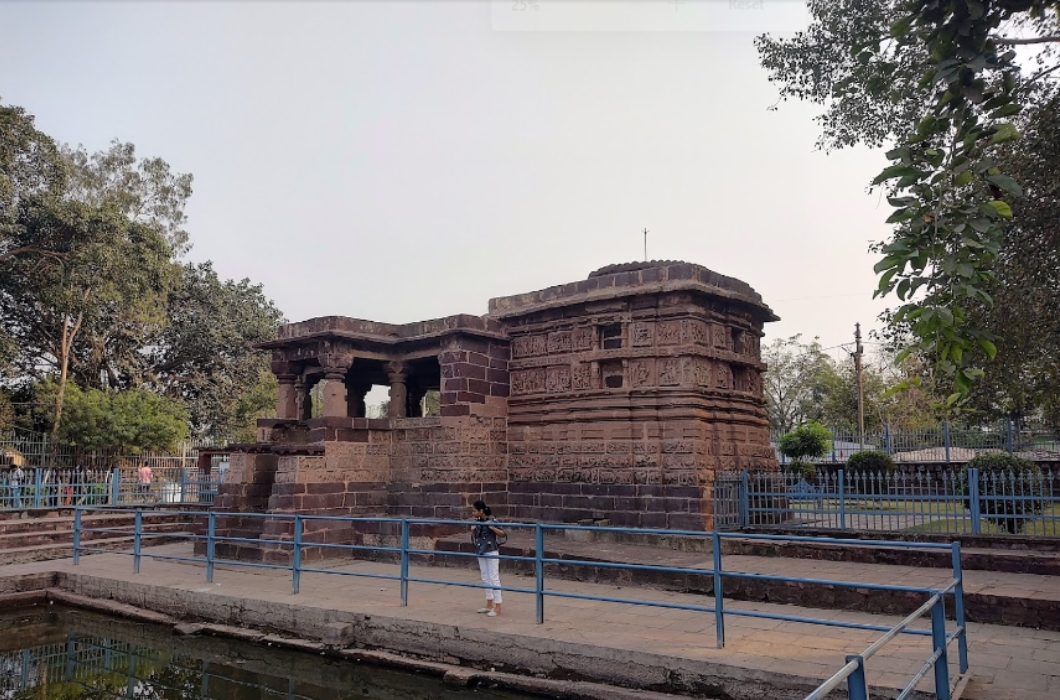
Dhamdha Chhattisgarh: Fort Ruins, Temple Trail & Local History
Rohit Verma
February 18, 2026
Visit Dhamdha in Chhattisgarh. Explore the historic 18th-century fort, ancient Shiva temples, and traditional architecture. Complete guide with timings, how to reach, and best time to visit.
Introduction: Chhattisgarh's Historic Hidden Gem
Nestled in the Durg district of Chhattisgarh, Dhamdha stands as a testament to the region's rich historical and cultural heritage. This quaint town, often overlooked by mainstream tourism, offers a fascinating glimpse into the architectural brilliance and spiritual traditions of central India. Located just 35 kilometers from Raipur, the state capital, Dhamdha serves as a perfect day-trip destination for history enthusiasts, culture seekers, and those looking to explore offbeat path less traveled. The town's name itself carries historical significance, derived from the Sanskrit word 'Dhamma,' meaning duty or righteousness. Dhamdha's history dates back several centuries, with its most prominent landmark—the magnificent Dhamdha Fort—standing as a silent witness to the passage of time. Unlike many commercialized tourist destinations, Dhamdha retains its authentic charm, offering visitors a genuine experience of small-town India coupled with remarkable historical monuments.
What makes Dhamdha particularly special is its unique combination of military architecture (the fort) and spiritual heritage (numerous ancient temples). This duality creates an interesting narrative—where the martial past and religious present coexist harmoniously. For travelers interested in exploring Chhattisgarh's heritage sites, Dhamdha provides an essential piece of the state's cultural puzzle.
The town's strategic location in the Durg district made it historically important for various rulers who controlled this region. From the Marathas to the British, different powers left their mark on Dhamdha, creating a unique architectural and cultural tapestry that continues to fascinate visitors. Today, as more travelers seek authentic experiences beyond typical tourist circuits, Dhamdha is slowly gaining recognition as a must-visit destination for those interested in India's lesser-known historical treasures.
The town's name itself carries historical significance, derived from the Sanskrit word 'Dhamma,' meaning duty or righteousness. Dhamdha's history dates back several centuries, with its most prominent landmark—the magnificent Dhamdha Fort—standing as a silent witness to the passage of time. Unlike many commercialized tourist destinations, Dhamdha retains its authentic charm, offering visitors a genuine experience of small-town India coupled with remarkable historical monuments.
What makes Dhamdha particularly special is its unique combination of military architecture (the fort) and spiritual heritage (numerous ancient temples). This duality creates an interesting narrative—where the martial past and religious present coexist harmoniously. For travelers interested in exploring Chhattisgarh's heritage sites, Dhamdha provides an essential piece of the state's cultural puzzle.
The town's strategic location in the Durg district made it historically important for various rulers who controlled this region. From the Marathas to the British, different powers left their mark on Dhamdha, creating a unique architectural and cultural tapestry that continues to fascinate visitors. Today, as more travelers seek authentic experiences beyond typical tourist circuits, Dhamdha is slowly gaining recognition as a must-visit destination for those interested in India's lesser-known historical treasures.
Dhamdha Fort: History and Architecture
The crown jewel of Dhamdha is undoubtedly its historic fort, a magnificent structure that dominates the town's skyline and commands respect from all who behold it. Built during the 18th century by the Maratha rulers, Dhamdha Fort represents a classic example of Maratha military architecture adapted to the central Indian terrain.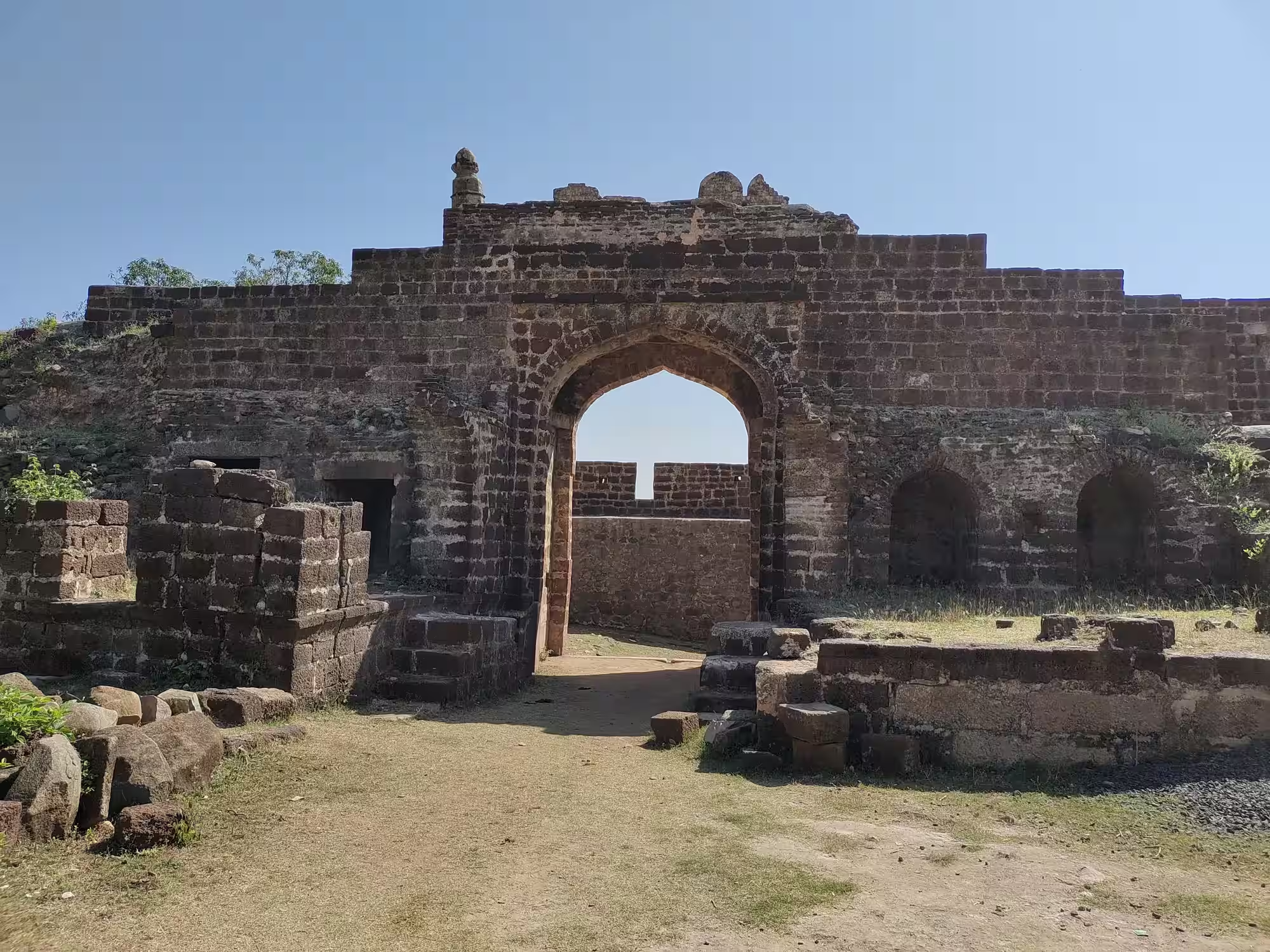 The fort's construction is attributed to the Maratha administration, which controlled this region during a significant period of Indian history. What makes this fort particularly interesting is its strategic positioning—built on elevated ground, it offered both defensive advantages and excellent vantage points for monitoring the surrounding territories. The fortification walls, though weathered by time, still convey the military might and architectural sophistication of their builders.
Architectural Features
Dhamdha Fort's architecture reflects the practical yet aesthetic approach of Maratha military engineering. The fort complex spreads over a considerable area, enclosed by massive stone walls that have withstood the test of time. These walls, constructed using locally sourced materials, showcase the ingenuity of ancient builders who created structures perfectly suited to the local climate and terrain. The fort's entrance is particularly noteworthy—featuring a robust gatehouse with defensive elements designed to repel invaders. The archway, while simple in design, demonstrates the architectural principles of Maratha fort construction. As you pass through the gate, you're transported back in time, imagining soldiers and royalty who once walked these same pathways. Inside the fort complex, you'll find remnants of various structures that once served military, administrative, and residential purposes. The foundations of old buildings, water storage systems, and strategic observation points tell stories of a vibrant past. The fort's design incorporates elements that ensured self-sufficiency during sieges—water harvesting systems, storage facilities for provisions, and quarters for soldiers are all part of the thoughtful planning that went into its construction.Historical Significance
Dhamdha Fort played a crucial role in the region's military history. It served as an important stronghold for various powers that controlled Chhattisgarh over the centuries. The fort witnessed battles, political changes, and the evolution of administrative systems. Its strategic location made it a key point in the network of fortifications that protected and controlled the region. During the Maratha period, the fort was part of a larger defense strategy that helped establish and maintain control over central Indian territories. The fort's architecture and design reflect Maratha military philosophy, which emphasized both defensive capability and administrative functionality. For those interested in historical forts of Chhattisgarh, Dhamdha Fort offers important insights into the region's military history.Current Status and Preservation
Today, Dhamdha Fort is recognized as a protected monument, with efforts being made to preserve and restore this important historical site. While time has taken its toll on the structure, the Archaeological Survey of India and state authorities have undertaken restoration work to ensure that future generations can appreciate this architectural marvel. Visitors to the fort can explore various sections, though some areas may be restricted for safety reasons. The fort offers excellent photography opportunities, with its weathered stones creating striking images against the sky. The panoramic views from the fort's ramparts provide a unique perspective of Dhamdha town and the surrounding countryside, making the climb to the top well worth the effort.Ancient Temples of Dhamdha
While the fort represents Dhamdha's martial heritage, the town's numerous ancient temples showcase its spiritual dimension. These temples, some dating back several centuries, are not just places of worship but also repositories of art, culture, and architectural excellence.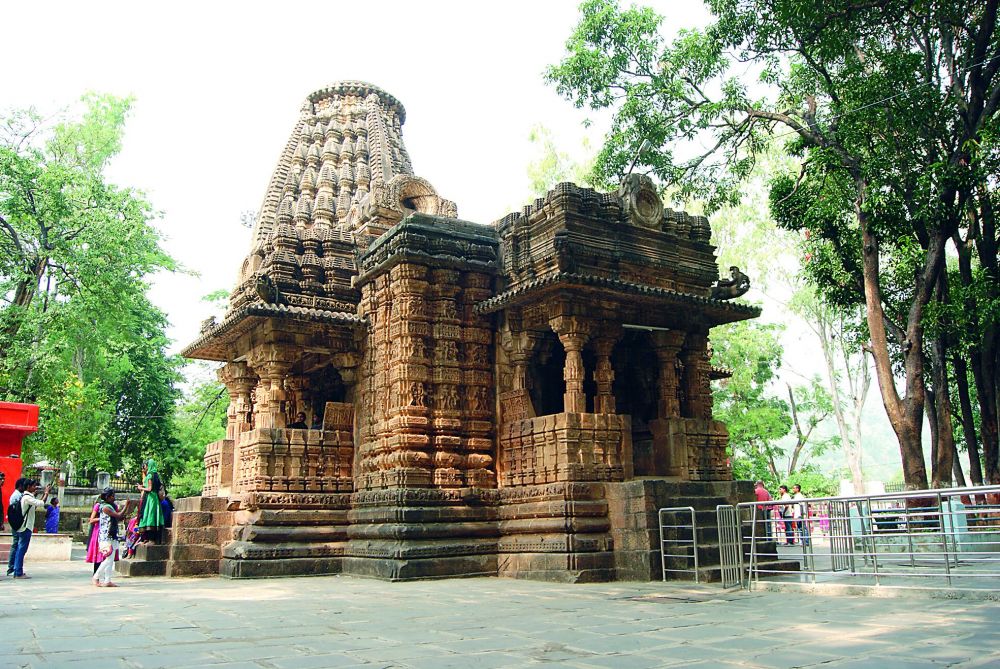
Shiva Temple Complex
The most prominent religious structure in Dhamdha is the ancient Shiva temple, which serves as the town's spiritual center. This temple, dedicated to Lord Shiva, features classic Nagara-style architecture typical of central Indian temple construction. The sanctum sanctorum houses a sacred Shiva lingam, and devotees from surrounding areas visit regularly to offer prayers. The temple's architecture is characterized by its ornate carvings and sculptural elements. The exterior walls feature intricate designs depicting various deities, mythical creatures, and floral patterns. These carvings, though weathered by time, still display the exceptional skill of the artisans who created them. The temple's spire (shikhara) rises gracefully above the sanctum, following the traditional temple architectural principles. What makes this temple particularly special is the atmosphere of devotion and peace that pervades the complex. The chanting of mantras, the ringing of bells, and the fragrance of incense create an environment that facilitates spiritual contemplation. For visitors interested in exploring temples of Chhattisgarh, this Shiva temple offers a authentic experience of Hindu religious practice in small-town India.Other Religious Shrines
Beyond the main Shiva temple, Dhamdha is home to several smaller shrines dedicated to various deities. These include temples devoted to Goddess Durga, Lord Hanuman, and other important figures in the Hindu pantheon. Each temple has its own unique character and serves specific religious functions in the community. Many of these smaller temples feature interesting architectural elements and house beautiful idols. The temple festivals, particularly during Navratri and Mahashivratri, see elaborate celebrations that draw devotees from across the region. These festivals offer visitors a unique opportunity to experience local culture, religious traditions, and community spirit.Architectural and Religious Significance
The temples of Dhamdha represent an important chapter in the religious and architectural history of central India. They demonstrate how local rulers and communities invested in spiritual infrastructure, creating spaces that served both religious and social functions. The temples were not just places of worship but also centers of community gathering, learning, and cultural preservation. The architectural styles seen in Dhamdha's temples show influences from various periods and dynasties that ruled the region. This syncretic architectural tradition makes the temples particularly interesting for students of art history and architecture. The preservation of these temples is crucial for maintaining the region's cultural heritage.Places to Visit in and Around Dhamdha
Beyond the fort and temples, Dhamdha and its surrounding areas offer several attractions that make for a comprehensive exploration experience. Planning your itinerary to include these places will give you a well-rounded understanding of the region's history, culture, and natural beauty.Old Town Heritage Walk
Taking a walk through Dhamdha's old town area is like stepping back in time. The narrow lanes, traditional houses, and old wells provide insights into how life has been lived in this town for centuries. Many of the older buildings feature architectural elements typical of the region—courtyards, intricately carved wooden doors, and sloping roofs designed to handle the monsoon rains. The old bazaar area, though smaller than in the past, still retains some of its traditional character. Local shops selling religious items, sweets, and daily necessities continue to operate much as they have for generations. Interacting with the friendly locals can provide fascinating insights into the town's history and culture.
Nature Walks and Rural Experience
The countryside surrounding Dhamdha offers opportunities for nature walks and rural tourism experiences. The agricultural landscape, with its fields of rice, pulses, and other crops, provides a peaceful setting for walks. The region is particularly beautiful during the monsoon season when everything turns lush green. Visitors interested in rural life can explore nearby villages, where traditional farming practices continue to be followed. The simple lifestyle, warm hospitality of the villagers, and connection to the land offer a refreshing contrast to urban existence. If you're interested in exploring more of Chhattisgarh's rural destinations, the areas around Dhamdha provide an authentic experience.Photography Opportunities
For photography enthusiasts, Dhamdha offers numerous subjects to capture. The fort's weathered walls against blue skies, the intricate carvings on temple walls, the daily life in the old town, and the surrounding rural landscapes all present compelling photographic opportunities. The golden hours—early morning and late afternoon—provide the best light for photography. The town's relatively small size means you can explore most places on foot, allowing for a more immersive photographic experience. Unlike many tourist destinations where photography can feel rushed, Dhamdha's pace encourages you to take your time and compose thoughtful images.How to Reach Dhamdha from Raipur
Reaching Dhamdha is relatively straightforward, and its proximity to Raipur makes it an accessible destination for travelers. Here's a comprehensive guide on how to get to Dhamdha from various starting points.| From | Distance | Time | Best Mode | Approximate Cost |
|---|---|---|---|---|
| Raipur | 35 km | 1 hour | Taxi/Own Vehicle | ₹600-1000 by taxi |
| Durg | 20 km | 40 minutes | Taxi/Bus | ₹400-700 by taxi |
| Bhilai | 25 km | 45 minutes | Taxi/Own Vehicle | ₹500-800 by taxi |
| Raipur Airport | 45 km | 1 hour 15 min | Taxi | ₹900-1200 |
By Road
Dhamdha is well-connected by road to major cities in Chhattisgarh. The most common route is from Raipur via National Highway and state roads. The journey offers pleasant views of the countryside and takes approximately one hour, depending on traffic and road conditions. For those driving from Raipur, head towards Durg and take the turn-off for Dhamdha. The roads are generally in good condition, though some stretches might have occasional pothles, especially during and after the monsoon season. The drive itself is enjoyable, passing through rural landscapes and small towns. Taxi services are readily available from Raipur, and you can either book a full-day taxi (which allows you to explore at your own pace) or a round-trip drop. Ride-sharing services may also be available, though coverage in smaller towns can be limited.By Train
The nearest railway station to Dhamdha is Durg Junction, which is a major stop on the Howrah-Mumbai main line. Durg is well-connected to major cities across India. From Durg railway station, Dhamdha is approximately 20 kilometers away. From Durg station, you can hire a taxi or take a bus to reach Dhamdha. Auto-rickshaws might also be available for this journey, though they can be less comfortable for longer distances. For those traveling by train, it's often convenient to combine a visit to Dhamdha with exploration of Durg city.By Air
The nearest airport is Swami Vivekanand International Airport in Raipur, which is well-connected to major Indian cities including Delhi, Mumbai, Kolkata, Hyderabad, and Bangalore. From the airport, Dhamdha is approximately 45 kilometers away. Pre-paid taxis are available at the airport, and you can also book ride-sharing services or private cabs. The journey from the airport to Dhamdha takes about an hour and 15 minutes, depending on traffic conditions. For international travelers or those flying from distant parts of India, flying to Raipur and then driving to Dhamdha is the most convenient option.Local Transportation
Once in Dhamdha, getting around is relatively easy as the town is small and most attractions are within walking distance of each other. For those who prefer not to walk, auto-rickshaws are available for local travel. Taxis can also be hired for the day if you want to explore the surrounding countryside at your own pace.Best Time to Visit Dhamdha
Choosing the right time to visit Dhamdha can significantly enhance your experience. The weather in this part of Chhattisgarh varies considerably across seasons, and each season offers a different perspective on the town and its surroundings.| Season | Months | Temperature | Pros | Cons |
|---|---|---|---|---|
| Winter | Oct - Mar | 12°C - 28°C | Pleasant weather, perfect for exploration | Can get chilly early morning/evening |
| Summer | Apr - Jun | 32°C - 45°C | Fewer tourists, lower costs | Extremely hot, uncomfortable for daytime exploration |
| Monsoon | Jul - Sep | 24°C - 32°C | Lush green surroundings, pleasant temperature | High humidity, heavy rain can disrupt plans |
Winter Season (October to March)
The winter months, from October to March, are undoubtedly the best time to visit Dhamdha. The weather during this period is pleasant, with daytime temperatures ranging from 20°C to 28°C, making it ideal for exploring the fort, temples, and surrounding areas on foot. December and January can get quite chilly in the early mornings and evenings, with temperatures sometimes dropping to around 12°C. If you're visiting during these months, carry light woolens for the cooler parts of the day. However, the afternoons are usually sunny and comfortable, perfect for sightseeing. The winter season is also festival time in India, and visiting during Diwali (usually October/November) or Holi (March) can provide a unique cultural experience. The town comes alive with celebrations, and you might witness special events at the temples.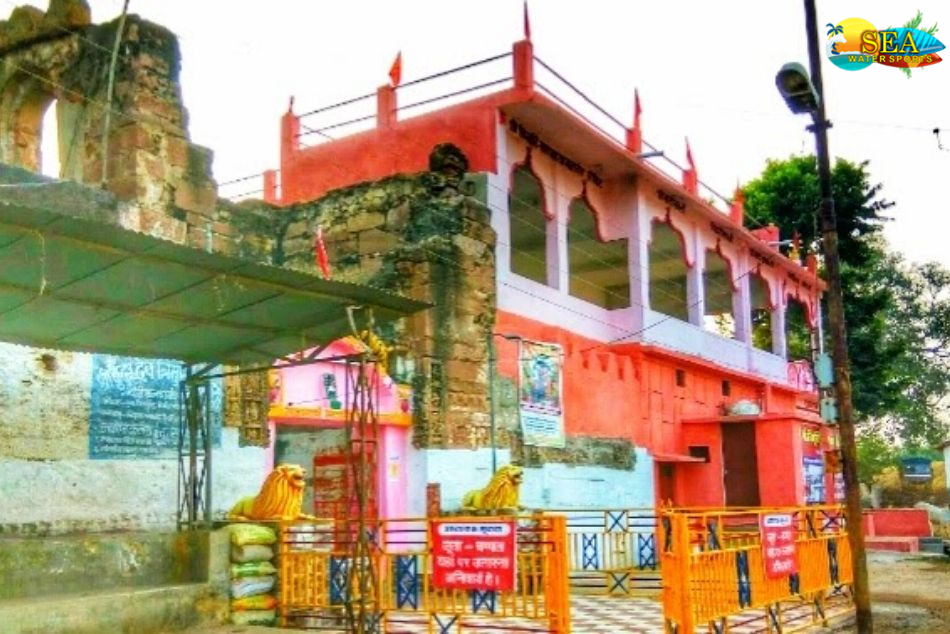
Summer Season (April to June)
Summer in Chhattisgarh can be intense, with temperatures often exceeding 40°C and sometimes reaching 45°C in May and June. The heat makes daytime exploration uncomfortable, and you'll need to plan your activities carefully if visiting during this season. If you must visit in summer, plan your outdoor activities for early morning (6 AM to 9 AM) or late afternoon (4 PM to 6 PM). The midday hours are best spent indoors or in shaded areas. Carry adequate sun protection—hat, sunglasses, and sunscreen are essential. Stay hydrated by drinking plenty of water. The advantage of visiting in summer is that there are fewer tourists, and you might have the sites almost to yourself. Hotel and transport costs might also be lower during this off-peak period. However, for the most comfortable experience, it's best to avoid the peak summer months.Monsoon Season (July to September)
The monsoon brings dramatic changes to the landscape around Dhamdha. The parched earth turns lush green, water bodies fill up, and the entire region takes on a rejuvenated appearance. For those who enjoy the monsoon atmosphere, this can be a beautiful time to visit. Temperatures during the monsoon are moderate, ranging from 24°C to 32°C, which is quite pleasant. However, high humidity can make it feel warmer than it actually is. Rainfall can be heavy at times, and you'll need to be prepared with rain gear. The main challenge of visiting during the monsoon is that heavy rain can disrupt your plans—roads might become difficult to navigate, and outdoor activities might not be possible. However, if you keep some flexibility in your itinerary and don't mind getting wet occasionally, the monsoon can offer a unique perspective on Dhamdha and its surroundings.Time of Day
Regardless of the season, the best time to explore Dhamdha's outdoor attractions is early morning or late afternoon. These times offer more comfortable temperatures and better lighting for photography. The fort and temples are particularly beautiful during the golden hour—the hour after sunrise and the hour before sunset—when the light is soft and warm. If you're interested in photography, plan to be at key locations during these golden hours. The fort ramparts at sunrise or the temples in the late afternoon light can make for spectacular images.Accommodation and Facilities
While Dhamdha itself is a small town with limited accommodation options, the nearby cities of Durg, Bhilai, and Raipur offer a wide range of stay options to suit different budgets and preferences.Stay Options in Dhamdha
Accommodation within Dhamdha is limited to basic guesthouses and possibly a few small hotels. These offer essential amenities but might not provide the level of comfort and service that some travelers expect. For those wanting to stay in Dhamdha to experience the town's morning and evening ambience, these basic options are functional and clean. The advantage of staying in Dhamdha is that you can explore the fort and temples during quieter times—early morning or late evening when day-trippers have left. This allows for a more intimate experience with the historical sites and better photography opportunities without crowds.Accommodation in Nearby Cities
For a wider range of accommodation options, consider staying in Durg (20 km away), Bhilai (25 km away), or Raipur (35 km away). These cities offer everything from budget hotels to mid-range properties to premium business hotels. Durg and Bhilai, being closer, are convenient options if you want to minimize travel time to Dhamdha. Both cities have decent hotels that provide comfortable rooms, restaurants, and basic amenities. Raipur, being the state capital, has the most extensive range of accommodation options, including premium international chain hotels.
Food and Dining
Dhamdha has a few local restaurants and dhabas that serve basic meals. The cuisine is primarily North Indian and Chhattisgarhi, with dishes like dal bafla, poha, and various local specialties being common. The food is generally simple, home-style, and affordable. For more variety and upscale dining options, you'll need to visit Durg, Bhilai, or Raipur. These cities have restaurants serving various cuisines including North Indian, South Indian, Chinese, and Continental. Raipur, in particular, has a vibrant food scene with numerous cafes, restaurants, and street food options.Other Facilities
Basic facilities like ATMs, petrol pumps, and pharmacies are available in Dhamdha, though options might be limited compared to larger cities. It's advisable to carry sufficient cash, as not all establishments might accept cards or digital payments. Medical facilities in Dhamdha are basic. For serious medical needs, you would need to go to Durg or Raipur, both of which have well-equipped hospitals and qualified doctors. Internet connectivity can be spotty in Dhamdha. While mobile networks work reasonably well, high-speed data might not always be available. If you need reliable internet for work or communication, it's best to plan accordingly or stay in one of the larger nearby cities.Nearby Attractions and Itinerary Planning
To make the most of your visit to this region of Chhattisgarh, consider combining Dhamdha with other attractions in the area. Here are some suggestions for nearby places and how to incorporate them into your itinerary.Durg City Attractions
Being just 20 kilometers away, Durg city offers several attractions that can easily be combined with a visit to Dhamdha. The Gandhi Udyan Park in Durg is a well-maintained green space perfect for relaxation. The city also has several temples, including the prominent Uwasaggaharam Parshwa Teerth, a Jain pilgrimage site. Durg's local markets offer an opportunity to experience the commercial life of a typical Chhattisgarhi city. From textiles to handicrafts to local snacks, these markets provide a glimpse into the region's culture and commerce.Bhilai
Known primarily for its steel plant, Bhilai also has several attractions worth visiting. The Maitri Bagh Zoo and Park is a popular destination, especially for families. The city's well-planned sectors and green belts make for a pleasant drive. Bhilai is approximately 25 kilometers from Dhamdha and can easily be included in a day's itinerary.Raipur Tourist Places
As the state capital, Raipur has numerous attractions that merit exploration. The Swami Vivekanand Sarovar with its magnificent statue is a must-visit. The Mahant Ghasidas Memorial Museum offers insights into the region's history and culture. Other attractions include Purkhouti Muktangan (an open-air tribal museum) and various temples and parks. Raipur also offers excellent dining and shopping options, making it a good base for exploring the region. If you're spending multiple days in the area, you could stay in Raipur and do day trips to Dhamdha, Durg, and other nearby attractions.Suggested Itineraries
One Day Itinerary
Start early from Raipur (or Durg/Bhilai) and reach Dhamdha by 8:00 AM. Begin with Dhamdha Fort, exploring it thoroughly while the weather is cool. By 10:00 AM, move to the temple complex and spend time experiencing the spiritual atmosphere. Break for lunch at a local eatery around 12:30 PM. Post lunch, take a heritage walk through the old town area, spending time observing daily life and architecture. If time permits, take a short drive into the surrounding countryside for a rural experience. Begin your return journey by 5:00 PM, allowing time to reach your base city before dark.Two Day Itinerary
Day 1: Follow the one-day itinerary for Dhamdha. Stay overnight in Durg or Raipur. Day 2: Explore attractions in Durg or Raipur, depending on where you stayed. This allows you to experience both the historical charm of Dhamdha and the modern amenities of larger cities. For those interested in exploring more of Durg district, this extended itinerary works well.Practical Tips for Visitors
To make your visit to Dhamdha smooth and enjoyable, here are some practical tips based on the ground realities of traveling in this part of Chhattisgarh.What to Carry
Comfortable walking shoes are essential as you'll be exploring the fort and temples on foot. The terrain can be uneven, and good shoes with grip will make your exploration safer and more comfortable. If visiting in winter, carry a light jacket or sweater for early morning and evening. Sun protection is crucial if visiting in summer or even in winter during midday. A hat, sunglasses, and sunscreen will protect you from the harsh central Indian sun. Carry adequate water to stay hydrated, especially during summer months. A basic first-aid kit with medications for common ailments like headaches, upset stomach, and allergies is advisable. While basic medical facilities are available, having your own essentials ensures you're prepared for minor health issues.Photography Guidelines
Photography is generally allowed at the fort and temples, but it's always polite to ask, especially at religious sites. Some temples might have restrictions on photography inside the sanctum sanctorum. Always be respectful of worshippers and avoid disrupting religious activities for the sake of photography. For the best photographs, visit during the golden hours. The soft morning or evening light enhances the architectural features of both the fort and temples. Carry extra batteries and memory cards, as you'll likely take more photographs than you anticipate.Cultural Sensitivity
When visiting temples, dress modestly—shoulders and knees should be covered. Remove footwear before entering temple premises as per Hindu tradition. Maintain quiet and respect religious practices. If a ceremony is in progress, observe from a distance without interrupting. Interact with locals respectfully. The people of Dhamdha are generally friendly and welcoming, but it's important to be polite and seek permission before photographing people or private property.Responsible Tourism
Help preserve Dhamdha's heritage by not damaging or defacing the monuments. The fort and temples are historical treasures that deserve our respect and care. Dispose of trash properly—carry a small bag for your waste if dustbins aren't readily available. Support the local economy by purchasing snacks, handicrafts, or services from local providers. This ensures that tourism benefits the community and encourages preservation of heritage sites.Conclusion
Dhamdha, with its historic fort and ancient temples, represents an important chapter in Chhattisgarh's rich cultural heritage. This small town, often overlooked in favor of more prominent destinations, offers travelers an authentic experience of central India's history, spirituality, and rural life. The weathered stones of the fort and the timeless rituals in the temples connect visitors to centuries of continuous human presence and cultural evolution. What makes Dhamdha special is its lack of pretension—this is not a tourist trap designed for visitor consumption but a living town where history and modernity coexist, where heritage is part of daily life rather than just museum pieces. For travelers seeking to explore India beyond the usual tourist circuits, Dhamdha provides that rare combination of historical significance, cultural authenticity, and peaceful atmosphere. As you walk through the fort's gates, stand before ancient temple shrines, or stroll through the old town's lanes, you're not just seeing monuments—you're experiencing the continuation of traditions that have spanned centuries. In an age of rapid urbanization and homogenization, places like Dhamdha offer a precious connection to India's diverse cultural past. Whether you're a history enthusiast, a spiritual seeker, a photography buff, or simply a traveler looking to explore offbeat destinations, Dhamdha has something meaningful to offer. The town's proximity to Raipur makes it easily accessible, yet its atmosphere feels pleasantly removed from the bustle of modern urban life. For anyone interested in discovering the lesser-known gems of Chhattisgarh and central India, a visit to Dhamdha is not just recommended—it's essential.Location
Frequently Asked Questions
Q1.Where is Dhamdha located in Chhattisgarh?
Q2.What is Dhamdha famous for?
Q3.What is the history of Dhamdha Fort?
Q4.How to reach Dhamdha from Raipur?
Q5.What are the timings of Dhamdha Fort?
Q6.What is the best time to visit Dhamdha?
Q7.What are the places to visit in Dhamdha?
Q8.Are there temples in Dhamdha?
Q9.Is there accommodation in Dhamdha?
Q10.How far is Dhamdha from Durg?
Recommended For You
Champaran near Raipur: Riverside Retreat, Temples & Day Trip Plan
Explore Champaran near Raipur, birthplace of Saint Vallabhacharya. Discover temples, Mahanadi riverside ghats, best time to visit & how to reach guide.
Maa Bamleshwari Temple Dongargarh: Ropeway, Darshan Timings & Route
Complete guide to Maa Bamleshwari Temple Dongargarh with ropeway details, darshan planning, timings, best season, and pilgrimage tips for devotees.
Swami Vivekanand Sarovar Raipur: Complete Guide with Timings & Boating
Visit Swami Vivekanand Sarovar (Budha Talab) in Raipur. Discover the 37-foot bronze statue, enjoy boating, and explore the historical significance of Chhattisgarh's oldest lake.
Never Miss an Adventure
Get the latest trekking guides, travel tips, and exclusive offers delivered straight to your inbox.
