

Chamunda Temple Jodhpur: Darshan Timings, Entry & Mehrangarh Access

Rahul Garg
December 12, 2025
Visit Chamunda Mataji Temple, the sacred Kul Devi shrine within Mehrangarh Fort Jodhpur. Discover timings, history, religious significance, architecture, aarti schedule, and complete visitor guide.
Introduction: The Sacred Kul Devi of Jodhpur
Perched majestically within the formidable walls of Mehrangarh Fort, the Chamunda Mataji Temple stands as a powerful testament to Rajasthan's deep-rooted spiritual heritage. This ancient shrine, dedicated to Goddess Chamunda - the fierce form of Goddess Durga - is not merely a place of worship but the revered Kul Devi (family deity) of the Rathore dynasty, the royal lineage that ruled Jodhpur for centuries. As one of the most important spiritual sites in Jodhpur, this sacred shrine attracts thousands of devotees and curious travelers who seek blessings from the divine mother while soaking in the spiritual aura that permeates the fort's ancient walls. What sets this temple apart is its unique location and historical significance. Unlike most temples that are found in bustling city centers or isolated hilltops, the Chamunda Mataji Temple is strategically situated at the southern gate of Mehrangarh Fort, one of Rajasthan's most magnificent forts. This positioning speaks volumes about the integral role that spirituality played in the lives of Rajput warriors. The temple has been a silent witness to centuries of history, from royal coronations to battles fought in defense of the kingdom, making it a living repository of Jodhpur's cultural and religious legacy. The temple's spiritual significance extends beyond the royal family. Local devotees believe that Goddess Chamunda protects the entire city of Jodhpur from evil forces and bestows strength, courage, and prosperity upon her worshippers. The temple's location within the fort complex also offers visitors breathtaking panoramic views of the Blue City, creating a unique blend of spiritual elevation and scenic beauty that few other pilgrimage sites can match.About Chamunda Mataji Temple: History and Location
 The origins of the Chamunda Mataji Temple are steeped in both history and legend, making it a fascinating subject for historians and spiritual seekers alike. The temple finds mention in the annals of Rajputana's glorious past, with its establishment dating back several centuries to the founding of Mehrangarh Fort itself. According to historical records, the temple was constructed by Rao Jodha, the founder of Jodhpur, in 1459 when he laid the foundation of the magnificent fort that stands sentinel over the city to this day.
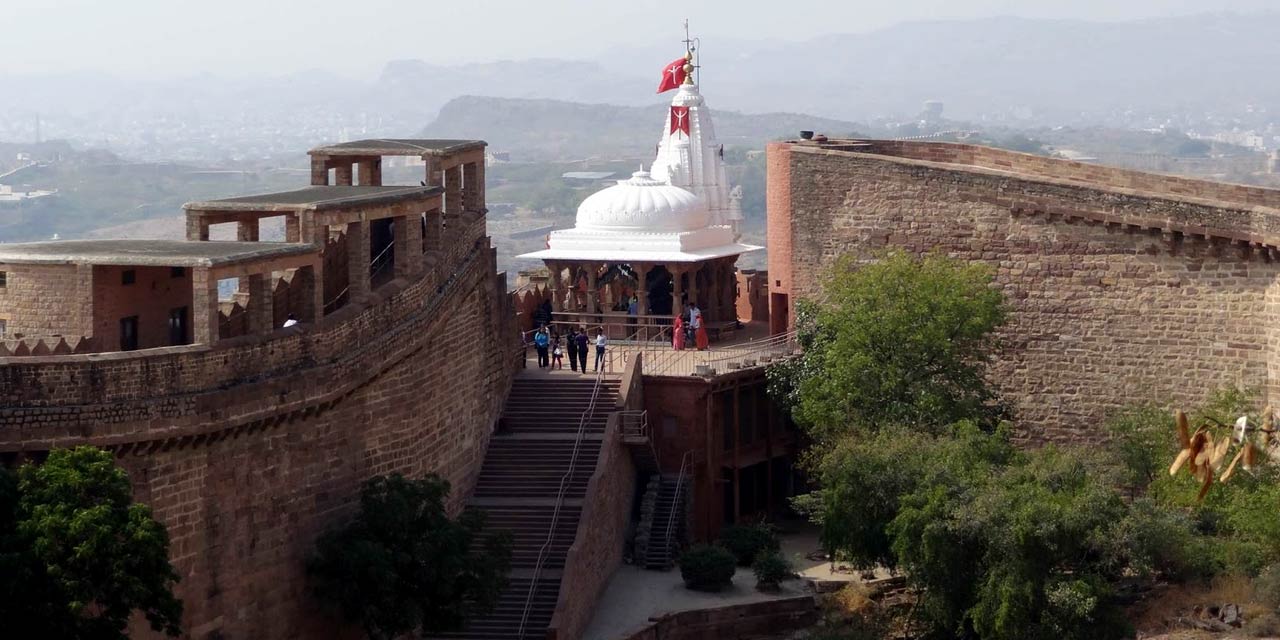
The temple's location at the southern gate of Mehrangarh Fort is particularly significant from both a strategic and spiritual perspective. In ancient times, temple gates were considered powerful entry points, and placing the shrine of the Kul Devi at the fort's main entrance symbolized divine protection over the entire kingdom. Warriors would seek the goddess's blessings before marching into battle, and returning armies would offer thanksgiving prayers at this very spot. The temple's positioning also made it accessible to the common people, who could visit without entering the fort's inner precincts.
The name "Chamunda" itself is derived from the names of two demons - Chanda and Munda - whom Goddess Durga defeated in her fierce form. This victory symbolizes the triumph of good over evil, a theme that resonates deeply with Rajput warrior culture. The idol of Chamunda Mataji in this temple is particularly revered for its powerful presence and is believed to be a swayambhu (self-manifested) idol, which adds to its sacred status among devotees.
Over the centuries, the temple has been renovated and maintained by the royal family of Jodhpur, ensuring that its architectural and spiritual heritage has been preserved for future generations. Despite the passage of time and the changing political landscape, the temple has remained an integral part of Jodhpur's identity, serving as a bridge between the city's glorious past and vibrant present.
The origins of the Chamunda Mataji Temple are steeped in both history and legend, making it a fascinating subject for historians and spiritual seekers alike. The temple finds mention in the annals of Rajputana's glorious past, with its establishment dating back several centuries to the founding of Mehrangarh Fort itself. According to historical records, the temple was constructed by Rao Jodha, the founder of Jodhpur, in 1459 when he laid the foundation of the magnificent fort that stands sentinel over the city to this day.
The temple's location at the southern gate of Mehrangarh Fort is particularly significant from both a strategic and spiritual perspective. In ancient times, temple gates were considered powerful entry points, and placing the shrine of the Kul Devi at the fort's main entrance symbolized divine protection over the entire kingdom. Warriors would seek the goddess's blessings before marching into battle, and returning armies would offer thanksgiving prayers at this very spot. The temple's positioning also made it accessible to the common people, who could visit without entering the fort's inner precincts.
The name "Chamunda" itself is derived from the names of two demons - Chanda and Munda - whom Goddess Durga defeated in her fierce form. This victory symbolizes the triumph of good over evil, a theme that resonates deeply with Rajput warrior culture. The idol of Chamunda Mataji in this temple is particularly revered for its powerful presence and is believed to be a swayambhu (self-manifested) idol, which adds to its sacred status among devotees.
Over the centuries, the temple has been renovated and maintained by the royal family of Jodhpur, ensuring that its architectural and spiritual heritage has been preserved for future generations. Despite the passage of time and the changing political landscape, the temple has remained an integral part of Jodhpur's identity, serving as a bridge between the city's glorious past and vibrant present.
Religious Significance: The Kul Devi of Rathore Dynasty
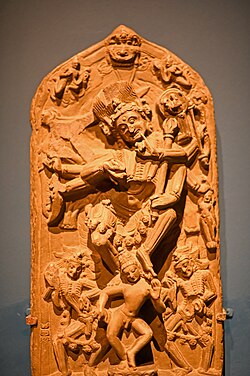 The religious significance of Chamunda Mataji Temple extends far beyond its role as a place of worship. For the Rathore dynasty, the royal family of Jodhpur, Goddess Chamunda holds the exalted position of Kul Devi - the family deity who protects and guides the lineage. This special relationship between the royal family and the goddess dates back to the very foundation of Jodhpur, when Rao Jodha is said to have received divine guidance from Chamunda Mataji to establish his new capital on the rocky outcrop where Mehrangarh Fort now stands.
The concept of Kul Devi is deeply ingrained in Hindu tradition, especially among Rajput clans. A Kul Devi is believed to be the protective mother goddess of a particular family or clan, and her worship is considered essential for the family's well-being, prosperity, and continued success. For the Rathores, Chamunda Mataji is not just a deity to be worshipped on special occasions; she is an integral part of their identity and daily life. Royal ceremonies, weddings, coronations, and important decisions are always preceded by prayers at this temple, seeking the goddess's blessings and guidance.
Legend has it that during times of crisis or before major battles, the Maharajas of Jodhpur would spend nights in prayer at the Chamunda temple, seeking the goddess's divine intervention. The belief in Chamunda Mataji's protective powers was so strong that it was said the goddess herself would appear on the battlefield to defend Jodhpur's honor when the kingdom faced existential threats. These legends, passed down through generations, have only strengthened the temple's position as the spiritual heart of Jodhpur.
For the common people of Jodhpur, the temple represents hope and divine intervention in their daily lives. Devotees believe that Chamunda Mataji grants wishes related to health, prosperity, marriage, and children. The temple is particularly crowded during Navratri, the nine-day festival dedicated to Goddess Durga, when special prayers and ceremonies are conducted. The atmosphere during this period is electric, with the chanting of mantras, the fragrance of incense, and the sight of devotees offering prayers creating a spiritually charged environment.
The temple also plays a crucial role in maintaining the cultural continuity of Jodhpur. Traditional rituals and ceremonies that have been performed for centuries are still conducted with the same devotion and attention to detail. The priests of the temple come from families that have served the shrine for generations, preserving ancient rituals and passing them down to their children. This continuity of tradition makes the temple a living museum of Rajasthani religious practices.
The religious significance of Chamunda Mataji Temple extends far beyond its role as a place of worship. For the Rathore dynasty, the royal family of Jodhpur, Goddess Chamunda holds the exalted position of Kul Devi - the family deity who protects and guides the lineage. This special relationship between the royal family and the goddess dates back to the very foundation of Jodhpur, when Rao Jodha is said to have received divine guidance from Chamunda Mataji to establish his new capital on the rocky outcrop where Mehrangarh Fort now stands.
The concept of Kul Devi is deeply ingrained in Hindu tradition, especially among Rajput clans. A Kul Devi is believed to be the protective mother goddess of a particular family or clan, and her worship is considered essential for the family's well-being, prosperity, and continued success. For the Rathores, Chamunda Mataji is not just a deity to be worshipped on special occasions; she is an integral part of their identity and daily life. Royal ceremonies, weddings, coronations, and important decisions are always preceded by prayers at this temple, seeking the goddess's blessings and guidance.
Legend has it that during times of crisis or before major battles, the Maharajas of Jodhpur would spend nights in prayer at the Chamunda temple, seeking the goddess's divine intervention. The belief in Chamunda Mataji's protective powers was so strong that it was said the goddess herself would appear on the battlefield to defend Jodhpur's honor when the kingdom faced existential threats. These legends, passed down through generations, have only strengthened the temple's position as the spiritual heart of Jodhpur.
For the common people of Jodhpur, the temple represents hope and divine intervention in their daily lives. Devotees believe that Chamunda Mataji grants wishes related to health, prosperity, marriage, and children. The temple is particularly crowded during Navratri, the nine-day festival dedicated to Goddess Durga, when special prayers and ceremonies are conducted. The atmosphere during this period is electric, with the chanting of mantras, the fragrance of incense, and the sight of devotees offering prayers creating a spiritually charged environment.
The temple also plays a crucial role in maintaining the cultural continuity of Jodhpur. Traditional rituals and ceremonies that have been performed for centuries are still conducted with the same devotion and attention to detail. The priests of the temple come from families that have served the shrine for generations, preserving ancient rituals and passing them down to their children. This continuity of tradition makes the temple a living museum of Rajasthani religious practices.
Best Time to Visit Chamunda Temple
 Planning your visit to the Chamunda Mataji Temple requires consideration of both weather patterns and religious festivals to ensure the most enriching experience. Jodhpur, being located in the heart of Rajasthan, experiences extreme climatic conditions, and choosing the right season can significantly impact your comfort and ability to explore the temple and the fort complex.
Winter Season (October to March): This is undoubtedly the best time to visit the Chamunda temple and Mehrangarh Fort. The weather during these months is pleasantly cool, with daytime temperatures ranging between 15°C to 25°C, making it ideal for climbing the fort's steep pathways and exploring the temple complex. The winter mornings are particularly magical, with the golden sunlight illuminating the red sandstone walls of the fort and creating a ethereal atmosphere around the temple. This period also coincides with several important festivals, making it spiritually significant.
The most auspicious time to visit is during Navratri (usually in October or November, depending on the lunar calendar), which is a nine-day festival dedicated to Goddess Durga. During Navratri, the temple is beautifully decorated with flowers and lights, and special ceremonies are conducted throughout the day and night. The atmosphere is charged with devotion, and the sight of hundreds of oil lamps illuminating the temple during evening aarti is truly mesmerizing. Dussehra, which marks the end of Navratri, is celebrated with great fervor at the temple, symbolizing the victory of good over evil.
Summer Season (April to June): Summers in Jodhpur are extremely hot, with temperatures often soaring above 40°C. While the temple remains open during these months, the intense heat can make climbing up to the fort quite challenging. However, if you do visit during summer, early mornings (before 8 AM) are relatively pleasant, and you'll encounter fewer crowds. The temple premises offer some respite from the heat, but you'll need to carry plenty of water, wear sunscreen, and use protective clothing to avoid sunstroke.
Monsoon Season (July to September): The monsoon brings relief from the scorching summer heat, though rainfall in Jodhpur is relatively sparse compared to other parts of India. The fort and temple look stunning against cloudy skies, and the occasional rain washes the dust from the city, offering clear views. This is an off-peak period, so you'll find the temple less crowded. However, pathways can become slippery, so wear appropriate footwear with good grip.
Special Occasions: Apart from Navratri, Diwali is another excellent time to visit. The entire fort complex, including the temple, is illuminated with thousands of diyas (oil lamps), creating a spectacular sight. The goddess is elaborately decorated, and special prayers are conducted throughout the day.
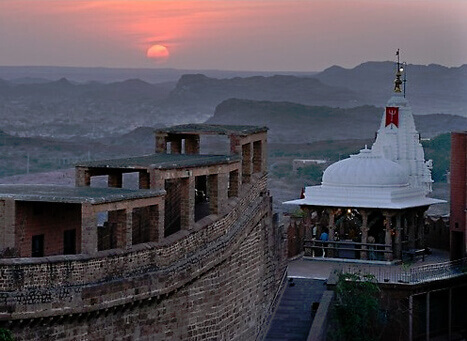
Daily Timing Recommendations: For the best experience, visit the temple early in the morning (around 6-7 AM) when you can participate in the morning aarti and enjoy peaceful darshan before the crowds arrive. Alternatively, evening visits around sunset offer the dual benefit of spiritual fulfillment and breathtaking views of Jodhpur as the city lights begin to twinkle below.
Planning your visit to the Chamunda Mataji Temple requires consideration of both weather patterns and religious festivals to ensure the most enriching experience. Jodhpur, being located in the heart of Rajasthan, experiences extreme climatic conditions, and choosing the right season can significantly impact your comfort and ability to explore the temple and the fort complex.
Winter Season (October to March): This is undoubtedly the best time to visit the Chamunda temple and Mehrangarh Fort. The weather during these months is pleasantly cool, with daytime temperatures ranging between 15°C to 25°C, making it ideal for climbing the fort's steep pathways and exploring the temple complex. The winter mornings are particularly magical, with the golden sunlight illuminating the red sandstone walls of the fort and creating a ethereal atmosphere around the temple. This period also coincides with several important festivals, making it spiritually significant.
The most auspicious time to visit is during Navratri (usually in October or November, depending on the lunar calendar), which is a nine-day festival dedicated to Goddess Durga. During Navratri, the temple is beautifully decorated with flowers and lights, and special ceremonies are conducted throughout the day and night. The atmosphere is charged with devotion, and the sight of hundreds of oil lamps illuminating the temple during evening aarti is truly mesmerizing. Dussehra, which marks the end of Navratri, is celebrated with great fervor at the temple, symbolizing the victory of good over evil.
Summer Season (April to June): Summers in Jodhpur are extremely hot, with temperatures often soaring above 40°C. While the temple remains open during these months, the intense heat can make climbing up to the fort quite challenging. However, if you do visit during summer, early mornings (before 8 AM) are relatively pleasant, and you'll encounter fewer crowds. The temple premises offer some respite from the heat, but you'll need to carry plenty of water, wear sunscreen, and use protective clothing to avoid sunstroke.
Monsoon Season (July to September): The monsoon brings relief from the scorching summer heat, though rainfall in Jodhpur is relatively sparse compared to other parts of India. The fort and temple look stunning against cloudy skies, and the occasional rain washes the dust from the city, offering clear views. This is an off-peak period, so you'll find the temple less crowded. However, pathways can become slippery, so wear appropriate footwear with good grip.
Special Occasions: Apart from Navratri, Diwali is another excellent time to visit. The entire fort complex, including the temple, is illuminated with thousands of diyas (oil lamps), creating a spectacular sight. The goddess is elaborately decorated, and special prayers are conducted throughout the day.
Daily Timing Recommendations: For the best experience, visit the temple early in the morning (around 6-7 AM) when you can participate in the morning aarti and enjoy peaceful darshan before the crowds arrive. Alternatively, evening visits around sunset offer the dual benefit of spiritual fulfillment and breathtaking views of Jodhpur as the city lights begin to twinkle below.
Temple Timings and Aarti Schedule
Understanding the temple timings and aarti schedule is essential for planning your visit effectively and ensuring you don't miss the spiritual experience that draws devotees to this sacred shrine. The Chamunda Mataji Temple follows a structured schedule that accommodates both early morning devotees and evening worshippers. Daily Temple Timings:| Session | Timings | Duration |
|---|---|---|
| Morning Darshan | 5:00 AM - 12:00 PM | 7 hours |
| Afternoon Break | 12:00 PM - 4:00 PM | Temple closes |
| Evening Darshan | 4:00 PM - 8:00 PM | 4 hours |
The temple is open all seven days of the week, and these timings remain consistent throughout the year, with minor variations during festivals and special occasions. It's worth noting that the temple follows a pattern similar to most North Indian temples, with a break in the afternoon when the deity is offered rest and food.
Aarti Schedule: The aarti (ritual worship with lighted lamps) is the most important ceremony at the temple, and participating in it is considered highly auspicious. The daily aarti schedule is as follows:- Morning Aarti (Mangala Aarti): 5:30 AM - 6:00 AM
- Evening Aarti (Shayan Aarti): 7:00 PM - 7:30 PM
The morning aarti is particularly special as it's the first ritual of the day, performed to awaken the deity. The atmosphere during this time is serene and spiritually charged, making it perfect for meditation and peaceful darshan. The evening aarti, on the other hand, is more elaborate and sees larger crowds. The sight of the goddess illuminated by oil lamps as the sun sets over Jodhpur is an experience that stays with devotees long after they leave.
Special Day Timings: During festivals like Navratri, Dussehra, and Diwali, the temple timings are extended, and additional aartis are performed. On these special occasions:- The temple may remain open throughout the day without the afternoon break
- Special midnight aartis are conducted during Navratri
- Abhishekam (ritual bathing of the deity) is performed during specific festival days
- Arrive at least 30 minutes before aarti time, especially on weekends and festivals
- Weekdays generally see fewer crowds compared to weekends
- Early morning darshan (before 7 AM) offers the most peaceful experience
- During winter, dress warmly for early morning visits as it can get quite chilly on the fort
How to Reach Chamunda Temple within Mehrangarh Fort
Reaching the Chamunda Mataji Temple is an adventure in itself, involving a journey through the magnificent Mehrangarh Fort. Here's a comprehensive guide on how to reach this sacred shrine: From Jodhpur City Center: The temple is located approximately 5 kilometers from the main city center and is situated within the Mehrangarh Fort complex. There are several ways to reach:- By Auto-Rickshaw: Auto-rickshaws are readily available throughout Jodhpur and will drop you at the main entrance of Mehrangarh Fort. From there, you'll need to walk or hire a guide to reach the temple within the fort complex. The auto ride costs approximately ₹50-100 depending on your starting point.
- By Taxi/Cab: Taxis and app-based cabs (Uber, Ola) can take you to the fort entrance. This is a comfortable option, especially during summer when you want to minimize walking in the heat.
- By Walking: If you're staying in the old city near the fort, you can walk up to the main entrance. The walk itself is an experience, taking you through narrow lanes of the old city with traditional Rajasthani architecture.
- Continue on the main path past the fort museum and ticket counter
- The temple is located near the southern gate of the fort
- Signboards within the fort direct visitors to the temple
- It takes approximately 15-20 minutes to walk from the fort entrance to the temple
- The path involves some climbing, so wear comfortable shoes
- From Jodhpur Railway Station: 6 km, approximately 15-20 minutes by car
- From Jodhpur Airport: 10 km, approximately 25-30 minutes by car
- From Clock Tower (Ghanta Ghar): 3 km, approximately 10 minutes by auto-rickshaw
- From Umaid Bhawan Palace: 7 km, approximately 20 minutes by car
Temple Architecture and Features
 The Chamunda Mataji Temple is a beautiful example of traditional Rajasthani temple architecture, seamlessly blended with the martial architecture of Mehrangarh Fort. The temple's design reflects both the spiritual significance of the shrine and its strategic location within one of India's most formidable forts.
Architectural Style:
The temple follows the North Indian Nagara style of temple architecture, adapted to the local Rajasthani context. Unlike the elaborate shikharas (spires) seen in other parts of India, the temple's shikhara is relatively modest, designed to complement rather than compete with the fort's imposing walls. This architectural harmony is symbolic of the temple's integral role within the fort complex.
The main temple structure is built using the same red sandstone that was used to construct Mehrangarh Fort, creating visual continuity. The stone used is locally quarried and has a distinctive reddish-brown hue that glows warmly in the sunlight. The walls feature intricate carvings, though they are more restrained compared to other major temples, reflecting the fort's practical martial purpose.
Main Sanctum (Garbhagriha):
The heart of the temple is the garbhagriha or sanctum sanctorum, which houses the sacred idol of Chamunda Mataji. The sanctum is a small, dimly lit chamber designed to create an atmosphere of intimacy and devotion. The idol of Goddess Chamunda is depicted in her fierce form, with multiple arms holding various weapons, symbolizing her power to destroy evil forces.
The idol is beautifully adorned with traditional Rajasthani jewelry, clothing, and flowers. Devotees believe that the eyes of the goddess are particularly powerful and that simply gazing into them can grant blessings and fulfill wishes. The sanctum is kept cool even during Jodhpur's scorching summers, thanks to the thick stone walls and thoughtful architectural design.
Mandap (Prayer Hall):
The mandap or prayer hall is located just outside the sanctum. This is where devotees gather to participate in aarti and other ceremonies. The hall features carved stone pillars supporting the roof, with each pillar telling stories from Hindu mythology through its intricate carvings. The floor is made of marble, which remains cool underfoot even in hot weather.
During important festivals, the mandap is decorated with colorful fabric, flowers, and lights. The acoustics of the hall are designed so that the chanting of mantras and ringing of bells create a spiritually charged atmosphere.
Temple Courtyard:
The temple complex includes a spacious courtyard where devotees can rest and meditate. This courtyard offers spectacular views of Jodhpur city below, and it's common to see devotees spending time here after darshan, soaking in the peace and scenic beauty. The courtyard features several smaller shrines dedicated to other deities, including Lord Ganesha and Lord Hanuman.
A prominent feature in the courtyard is the holy water tank (kund), where devotees can perform ritual purification before entering the main temple. During festivals, this tank is decorated with flowers and floating lamps.
Rajasthani Design Elements:
The temple incorporates several traditional Rajasthani architectural elements:
The Chamunda Mataji Temple is a beautiful example of traditional Rajasthani temple architecture, seamlessly blended with the martial architecture of Mehrangarh Fort. The temple's design reflects both the spiritual significance of the shrine and its strategic location within one of India's most formidable forts.
Architectural Style:
The temple follows the North Indian Nagara style of temple architecture, adapted to the local Rajasthani context. Unlike the elaborate shikharas (spires) seen in other parts of India, the temple's shikhara is relatively modest, designed to complement rather than compete with the fort's imposing walls. This architectural harmony is symbolic of the temple's integral role within the fort complex.
The main temple structure is built using the same red sandstone that was used to construct Mehrangarh Fort, creating visual continuity. The stone used is locally quarried and has a distinctive reddish-brown hue that glows warmly in the sunlight. The walls feature intricate carvings, though they are more restrained compared to other major temples, reflecting the fort's practical martial purpose.
Main Sanctum (Garbhagriha):
The heart of the temple is the garbhagriha or sanctum sanctorum, which houses the sacred idol of Chamunda Mataji. The sanctum is a small, dimly lit chamber designed to create an atmosphere of intimacy and devotion. The idol of Goddess Chamunda is depicted in her fierce form, with multiple arms holding various weapons, symbolizing her power to destroy evil forces.
The idol is beautifully adorned with traditional Rajasthani jewelry, clothing, and flowers. Devotees believe that the eyes of the goddess are particularly powerful and that simply gazing into them can grant blessings and fulfill wishes. The sanctum is kept cool even during Jodhpur's scorching summers, thanks to the thick stone walls and thoughtful architectural design.
Mandap (Prayer Hall):
The mandap or prayer hall is located just outside the sanctum. This is where devotees gather to participate in aarti and other ceremonies. The hall features carved stone pillars supporting the roof, with each pillar telling stories from Hindu mythology through its intricate carvings. The floor is made of marble, which remains cool underfoot even in hot weather.
During important festivals, the mandap is decorated with colorful fabric, flowers, and lights. The acoustics of the hall are designed so that the chanting of mantras and ringing of bells create a spiritually charged atmosphere.
Temple Courtyard:
The temple complex includes a spacious courtyard where devotees can rest and meditate. This courtyard offers spectacular views of Jodhpur city below, and it's common to see devotees spending time here after darshan, soaking in the peace and scenic beauty. The courtyard features several smaller shrines dedicated to other deities, including Lord Ganesha and Lord Hanuman.
A prominent feature in the courtyard is the holy water tank (kund), where devotees can perform ritual purification before entering the main temple. During festivals, this tank is decorated with flowers and floating lamps.
Rajasthani Design Elements:
The temple incorporates several traditional Rajasthani architectural elements:
- Jharokhas: Ornate balconies with carved stone screens
- Chhatris: Elevated dome-shaped pavilions that serve both decorative and functional purposes
- Torana: Decorative archways at the entrance featuring intricate carvings
Nearby Attractions in Mehrangarh Fort
 A visit to the Chamunda Mataji Temple can be wonderfully combined with exploration of the magnificent Mehrangarh Fort and other nearby attractions. Here's a guide to what you can see and do in the vicinity:
Mehrangarh Fort Museum:
Located just a short walk from the temple, the Mehrangarh Fort Museum is one of Rajasthan's finest museums, showcasing the rich heritage of the Rathore dynasty. The museum is housed in several palaces within the fort complex, including:
A visit to the Chamunda Mataji Temple can be wonderfully combined with exploration of the magnificent Mehrangarh Fort and other nearby attractions. Here's a guide to what you can see and do in the vicinity:
Mehrangarh Fort Museum:
Located just a short walk from the temple, the Mehrangarh Fort Museum is one of Rajasthan's finest museums, showcasing the rich heritage of the Rathore dynasty. The museum is housed in several palaces within the fort complex, including:
- Moti Mahal (Pearl Palace): Built by Raja Sur Singh, this palace features beautiful stained glass windows and intricate mirror work. It was used for royal ceremonies and official functions.
- Phool Mahal (Flower Palace): Perhaps the most beautiful chamber in the fort, this palace was used for royal celebrations and features gold filigree ceiling work and stunning murals.
- Sheesh Mahal (Mirror Palace): Adorned with intricate mirror work, this palace creates a dazzling effect when light reflects off the mirrors.
- Daulat Khana: Houses an impressive collection of arms, armor, and textiles from the royal collection.
- The Loha Pol (Iron Gate) viewpoint: Offers panoramic views of the old city
- The Delhi Gate area: Provides excellent photo opportunities of the fort's massive walls
- Chamunda Temple viewpoint: The temple courtyard itself offers stunning views, especially during sunset
- Nagnechi Mata Temple: Dedicated to the clan goddess of the Rathores, this temple is also highly revered by the royal family
- Chamunda Devi Temple: A smaller shrine dedicated to the same goddess
- Sardar Market: Near the Clock Tower, this bustling market offers everything from spices and textiles to handicrafts and jewelry
- Blue City area: Wander through the narrow lanes of Brahmpuri, the area with the famous blue-painted houses
Temple Facilities and Visitor Information
For a comfortable and fulfilling visit to the Chamunda Mataji Temple, it's helpful to know about the facilities available and plan accordingly: Temple Facilities:- Shoe Storage: Like all Hindu temples, footwear is not allowed inside the temple. Free shoe storage facilities are available near the temple entrance.
- Drinking Water: Potable water is available near the temple complex. Carry your own water bottle, especially during summer visits.
- Prasad: The temple distributes prasad (blessed food offerings) to devotees after the aarti ceremonies.
- Priest Services: Temple priests are available to perform special poojas on behalf of devotees. Inquire at the temple office for details.
- Wear clothing that covers your shoulders and knees
- Remove footwear before entering the temple
- Avoid wearing leather items inside the temple premises
- Traditional Indian attire is appreciated but not mandatory
- Temple courtyard for views of Jodhpur city
- Fort ramparts near the temple
- The temple shikhara against the blue sky
- Sunset views from the temple entrance
- Carry some cash for donations and offerings
- The temple can be crowded during festivals, so be patient
- Maintain silence and respect the spiritual atmosphere
- Don't touch the idol or religious articles without permission
Conclusion
The Chamunda Mataji Temple in Mehrangarh Fort is far more than just a religious site - it's a living testament to Jodhpur's glorious past, spiritual heritage, and the enduring faith of its people. Whether you're a devotee seeking the blessings of Goddess Chamunda, a history enthusiast exploring Rajasthan's royal legacy, or a traveler seeking unique cultural experiences, this temple offers something truly special. The unique combination of spiritual significance, historical importance, and architectural beauty makes the Chamunda temple a must-visit destination in Jodhpur. As you stand in the temple courtyard, listening to the chanting of mantras and looking out over the Blue City, you'll understand why this shrine has been the spiritual heart of Jodhpur for centuries. Plan your visit during the winter months for the most comfortable experience, try to attend an aarti ceremony for a complete spiritual experience, and combine your temple visit with exploration of the magnificent Mehrangarh Fort. Let the divine blessings of Chamunda Mataji and the grandeur of Rajasthan's royal heritage create memories that will last a lifetime.Location
Frequently Asked Questions
Q1.Where is Chamunda Mataji Temple located in Jodhpur?
Q2.What are the temple timings of Chamunda Mataji Temple?
Q3.Who is Chamunda Mataji?
Q4.What is the significance of Chamunda Temple?
Q5.How to reach Chamunda Temple within Mehrangarh Fort?
Q6.Is there an entry fee for Chamunda Temple?
Q7.What are the aarti timings at Chamunda Temple?
Q8.Is photography allowed inside Chamunda Temple?
Recommended For You

Best Places to Eat in Jodhpur: Food Guide and Tips
Best places to eat in Jodhpur guide with heritage-aware routing, meal timing, budget control, and practical one-day food planning.

Jaswant Thada Jodhpur: Entry Fee, Timings & Best Photo Angles
Discover Jaswant Thada Jodhpur, the stunning white marble cenotaph known as the 'Taj Mahal of Marwar'. Get timings, entry fee & complete guide.

Shopping in Jodhpur: Sardar Market, Textiles & Budget Shopping Tips
Discover shopping in Jodhpur with our guide to Sardar Market, textiles, handicrafts, lac bangles, spices, and budget tips.
Never Miss an Adventure
Get the latest trekking guides, travel tips, and exclusive offers delivered straight to your inbox.
