

Mahamandir Temple Jodhpur: Carvings, Timings & Visitor Details

Ananya Sharma
February 21, 2026
Explore Mahamandir Temple Jodhpur with its 84 intricately carved pillars. Complete guide covering history, architecture, timings, and how to reach this Shiva temple.
Jodhpur's Architectural Masterpiece
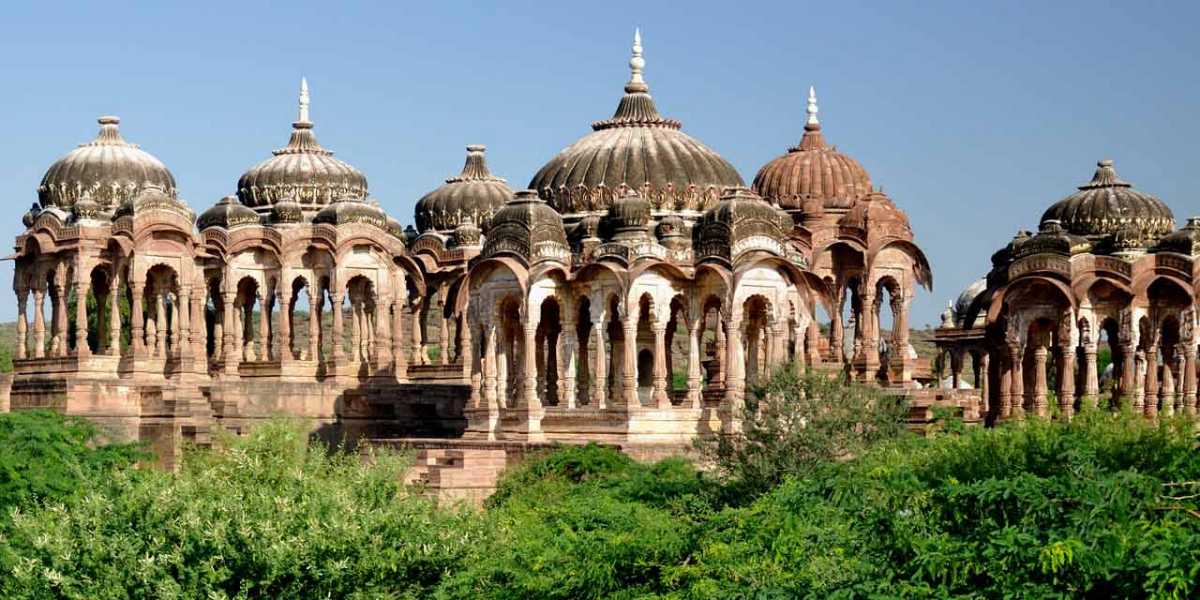
In the majestic city of Jodhpur, known for its imposing forts and palaces, stands a temple that exemplifies the finest craftsmanship of Rajasthan - the Mahamandir Temple. This architectural marvel, with its 84 intricately carved pillars, is a testament to the artistic excellence and spiritual devotion of the Marwar region. Unlike the grand Mehrangarh Fort that dominates Jodhpur's skyline, Mahamandir Temple offers a more intimate yet equally impressive experience of Rajasthan's rich cultural heritage.
Built in 1812 during the reign of Maharaja Takhat Singh, this temple dedicated to Lord Shiva has captivated visitors for over two centuries. What makes Mahamandir Temple truly special is not just its religious significance but its extraordinary architectural features. The temple's 84 pillars, each adorned with unique carvings depicting scenes from Hindu mythology, dance poses, musical instruments, and daily life, create an open-air museum of Rajasthani art and culture.
For travelers exploring Jodhpur's famous Blue City, Mahamandir Temple offers a peaceful respite from the bustling tourist spots. Its serene ambiance, combined with the opportunity to admire exquisite stone carvings up close, makes it a must-visit destination for history enthusiasts, architecture lovers, and spiritual seekers alike. The temple is less crowded than other tourist attractions, allowing visitors to appreciate its beauty at their own pace.
History and Construction
Historical Background
The Mahamandir Temple was constructed in 1812 (Samvat 1869) during the reign of Maharaja Takhat Singh of Jodhpur. The temple was built in the Mandore area, which was once the capital of the Marwar kingdom before Jodhpur was established. Maharaja Takhat Singh, known for his patronage of art and architecture, commissioned this temple as a dedication to Lord Shiva, reflecting the deep spiritual traditions of the Rajput rulers.
The construction of the temple took several years, during which skilled artisans from Rajasthan and neighboring states worked tirelessly to create this masterpiece. The temple was built using the traditional knowledge and techniques passed down through generations of craftsmen, ensuring that it would stand the test of time both structurally and aesthetically.
Marwar Architectural Heritage
The Mahamandir Temple is a fine example of Marwar architecture, a style that flourished under the Rathore dynasty. Marwar architecture is characterized by its use of red sandstone, intricate stone carvings, and a unique blend of Hindu and Rajput architectural elements. The temple showcases the best of this tradition, with its carefully proportioned structure and attention to detail.
The temple's location in Mandore is significant because Mandore was the ancient capital of the Marwar kingdom and held great religious and political importance. Building the temple here was a way to connect with the region's glorious past while creating a new legacy for future generations.
Construction Techniques
The builders of Mahamandir Temple employed traditional construction techniques that had been refined over centuries. The temple was built using red sandstone quarried from nearby areas, a material that is not only durable but also perfect for intricate carving. The stones were carefully shaped and fitted together without the use of modern binding materials, relying instead on the precision of the stonework and gravity to hold the structure together.
The foundation of the temple was laid with great care, ensuring stability on the rocky terrain. The architects designed the structure to withstand the harsh desert climate, including the intense summer heat and occasional monsoon rains. The temple's orientation and ventilation were planned to keep the interior cool even during the hottest months.
Heritage Status
Today, the Mahamandir Temple is recognized as a protected monument, and efforts are made to preserve its architectural integrity. The Archaeological Survey of India and the Rajasthan government have taken steps to maintain the structure and prevent deterioration. The temple continues to be an active place of worship, balancing its role as a historical monument with its religious function.

Architectural Marvel
Traditional Rajasthani Style
The Mahamandir Temple is a masterpiece of traditional Rajasthani architecture. The entire structure is built from red sandstone, giving it a warm, earthy appearance that blends beautifully with the desert landscape. The sandstone not only provides structural strength but also serves as the perfect canvas for the intricate carvings that adorn every surface of the temple.
The temple follows the classic North Indian temple architectural style with some unique Rajasthani elements. The structure is built on a raised platform, which is typical of Hindu temples, symbolizing spiritual elevation. The main shrine houses the Shiva Linga, and the pillared hall (mandapa) in front provides space for devotees to gather and participate in rituals.
Open Hall Concept
One of the most striking features of Mahamandir Temple is its open hall concept. Unlike many temples that have enclosed sanctums, this temple features a large pillared hall that is open to the sky, creating a sense of spaciousness and connection with nature. This design is particularly suited to the desert climate, allowing for natural ventilation and keeping the space cool.
The open hall design also serves a practical purpose during festivals and religious ceremonies when large numbers of devotees gather. The space can accommodate hundreds of worshippers, making it ideal for community celebrations and special pujas.
Exquisite Craftsmanship
The level of craftsmanship displayed in the temple is extraordinary. Every inch of the structure, from the floor to the ceiling, from the pillars to the brackets, has been decorated with care and precision. The artisans who worked on this temple were masters of their craft, and their dedication is evident in the details of each carving.
The temple's walls feature niches that once housed statues of various deities. The entrance frame is decorated with floral patterns and geometric designs. The ceiling, though exposed to the elements, has maintained its intricate designs, showcasing the durability of the carving techniques used.
Symmetrical Design
The temple's layout follows strict principles of symmetry and proportion, reflecting the mathematical precision of ancient Indian architecture. The pillars are arranged in a perfectly symmetrical pattern, creating a sense of harmony and balance. This symmetry is not just aesthetically pleasing but also serves a structural purpose, distributing weight evenly across the foundation.

The 84 Pillars
Unique Pillars of Mahamandir
The most remarkable feature of the Mahamandir Temple is its 84 pillars, each standing as a testament to the skill and creativity of Rajasthani craftsmen. These pillars are not merely structural elements but works of art in their own right. What makes them truly extraordinary is that no two pillars are alike - each one has its own unique design and carvings.
The number 84 holds significance in Hindu cosmology and philosophy. In ancient Indian tradition, it is believed that there are 84 lakh (8.4 million) species of living beings, and the soul must pass through various forms before achieving liberation. The 84 pillars symbolize this spiritual journey and the path to moksha (liberation).
Intricate Carvings
Each pillar tells a story through its carvings. The artisans depicted various aspects of life, culture, and spirituality on these pillars. You can find detailed representations of classical dance poses, musical instruments, scenes from daily life, mythological stories, and religious symbols. The pillars also feature floral patterns, geometric designs, and images of various deities.
The carvings on the pillars are so detailed that they seem almost lifelike. The folds of garments, the strings of musical instruments, the expressions on faces - everything has been rendered with incredible precision. This attention to detail is what sets Mahamandir Temple apart from other temples of the region.
Mythological Depictions
Many pillars feature scenes from Hindu epics like the Ramayana and Mahabharata. These carvings serve not just as decoration but as a visual storytelling medium, allowing devotees to learn about their religious heritage through art. The pillars also depict various forms of Lord Shiva, Goddess Parvati, and other deities from the Hindu pantheon.
The craftsmanship is such that you can spend hours examining each pillar and still discover new details. This richness of imagery makes the temple a living museum of Hindu mythology and Rajasthani culture.
Acoustic Properties
Beyond their visual appeal, the pillars also contribute to the temple's unique acoustic properties. The arrangement of the pillars and the open hall design create natural amplification, enhancing the sound of mantras chanting and bells ringing during rituals. This acoustic excellence was not accidental but the result of careful architectural planning.
Durability and Preservation
Despite being over 200 years old, the pillars have stood strong against the elements. The quality of the stone and the skill of the craftsmen have ensured that these pillars continue to support the structure and enchant visitors. Conservation efforts are ongoing to protect these pillars from weathering and pollution, ensuring that future generations can also appreciate this artistic heritage.

Religious Significance
Lord Shiva as Presiding Deity
The Mahamandir Temple is dedicated to Lord Shiva, one of the principal deities of Hinduism. The sanctum sanctorum houses a sacred Shiva Linga, which is the main object of worship. Devotees believe that Lord Shiva's presence in the temple is particularly powerful, and many come here to seek blessings for health, prosperity, and spiritual liberation.
The name "Mahamandir" means "Great Temple," reflecting its importance as a major Shiva worship site in the region. The temple has been a center of Shaivism (Shiva worship) for centuries, and the tradition of daily worship continues uninterrupted to this day.
Daily Rituals and Worship
The temple follows traditional Hindu rituals that are performed with great devotion. The day begins with the morning puja, which includes abhishekam (ceremonial bathing) of the Shiva Linga with milk, water, honey, and other sacred items. The temple priests, who come from families that have served the temple for generations, perform these rituals according to ancient scriptures.
Throughout the day, devotees visit the temple to offer prayers. Many circumambulate the shrine (pradakshina), which is considered an important part of Hindu worship. The temple maintains a schedule of aartis (rituals of light) that are performed at specific times, creating a spiritually charged atmosphere.
Festival Celebrations
Maha Shivratri, the great night of Lord Shiva, is the most important festival celebrated at the temple. On this day, the temple is beautifully decorated, and special pujas are conducted throughout the night. Devotees observe fasts and maintain night vigil, chanting mantras and offering prayers. The atmosphere is charged with spiritual energy, and the temple witnesses a large gathering of devotees.
Other festivals including Shravan month (July-August), which is considered especially auspicious for Shiva worship, see special celebrations. Mondays during Shravan are particularly significant, and the temple organizes special abhishekam ceremonies and religious discourses during this period.
Local Faith and Traditions
The temple holds a special place in the hearts of local residents. Many families have been visiting the temple for generations, and there are numerous stories of wishes being fulfilled and prayers being answered. The temple is not just a tourist attraction but an active religious center that plays an important role in the community's spiritual life.
Devotees often tie sacred threads around the temple pillars or make special offerings when their wishes are fulfilled. These traditions have been passed down through generations and continue to be practiced today.

Best Time to Visit
Winter Season (October - March)
The best time to visit Mahamandir Temple is during the winter months from October to March. During this period, the weather in Jodhpur is pleasant, with comfortable daytime temperatures and cool evenings. This makes it ideal for exploring the temple complex and spending time admiring the intricate carvings without the discomfort of extreme heat.
The winter months also coincide with the peak tourist season in Rajasthan, so while you'll find better weather, you might also encounter more visitors. However, compared to Jodhpur's main tourist attractions like Mehrangarh Fort, Mahamandir Temple remains relatively less crowded.
Early Morning Visits
For the most peaceful experience, plan your visit early in the morning, soon after the temple opens. The morning light is perfect for photography, illuminating the sandstone carvings beautifully. The air is cool and crisp, and the temple is at its quietest, allowing for contemplation and undisturbed appreciation of the architecture.
Many devotees visit the temple in the morning for prayers, adding to the spiritual ambiance. If you're interested in experiencing the temple's religious atmosphere, morning is an excellent time to visit.
Evening and Golden Hour
Evening visits are equally rewarding, especially during the golden hour just before sunset. The setting sun casts a warm glow on the red sandstone, enhancing the natural beauty of the carvings. This is an ideal time for photography, as the soft light creates dramatic shadows and brings out the details of the pillars.
The evening aarti is a special experience, with the sound of bells and chanting filling the air. If you time your visit to coincide with the aarti, you'll witness the temple at its most spiritually vibrant.
Times to Avoid
The summer months from April to June can be extremely hot in Jodhpur, with temperatures often exceeding 40°C. While the temple remains open during this time, the heat can make outdoor exploration uncomfortable. If you must visit during summer, plan your visit for early morning or late afternoon.
Monsoon season (July to September) brings some relief from the heat but also humidity. The temple looks beautiful during and immediately after rain, as the wet sandstone takes on a deeper, richer color.

How to Reach
From Jodhpur City
Mahamandir Temple is located approximately 9 kilometers from the center of Jodhpur city. The temple is situated in the Mandore area, on the road to Mandore Gardens. From the Clock Tower area in the old city, it takes about 20-30 minutes to reach the temple by car, depending on traffic.
From Mehrangarh Fort
The temple is about 5 kilometers from the magnificent Mehrangarh Fort, one of Jodhpur's main attractions. Many visitors combine a visit to the fort with a trip to Mahamandir Temple. The drive between the two locations offers scenic views of the Blue City and takes approximately 10-15 minutes.
Transportation Options
| Mode of Transport | Details | Cost (Approx.) |
|---|---|---|
| Auto-rickshaw | Most convenient from city center | ₹100-150 |
| Taxi/Cab | Comfortable, AC option available | ₹200-300 |
| Private Vehicle | Most flexible option | Fuel cost |
| Local Bus | Budget-friendly option | ₹10-20 |
Auto-rickshaws are the most popular and convenient way to reach the temple. They are readily available from all parts of Jodhpur and can navigate the narrow streets of the old city easily. Taxis and cabs are also available and offer a more comfortable, air-conditioned option, especially recommended during summer.
By Road
The temple is well-connected by road, and the route is well-marked with signboards. From Jodhpur city center, take the road towards Mandore. The temple is located on the main road, making it easy to find. If you're driving, parking is available near the temple premises.
Nearby Landmarks
The temple is close to Jaswant Thada, the beautiful marble cenotaph, which is another must-visit attraction in Jodhpur. Visitors often plan a combined itinerary covering Mehrangarh Fort, Jaswant Thada, and Mahamandir Temple, as these three attractions are in relatively close proximity.

Nearby Attractions
Mandore Gardens
Just a short distance from Mahamandir Temple are the historic Mandore Gardens, once the capital of the Marwar kingdom. The gardens house beautiful cenotaphs (chhatris) of Jodhpur's rulers, temples, and a small museum. The architecture here is different from Mahamandir but equally impressive, featuring high rock terraces and stunning views of the surrounding area.
Mehrangarh Fort
The majestic Mehrangarh Fort is Jodhpur's most iconic landmark. One of the largest forts in India, it sits atop a 400-foot high hill and offers panoramic views of the Blue City. The fort houses several palaces, museums, and temples, and is a must-visit for anyone exploring Jodhpur.
Jaswant Thada
Known as the Taj Mahal of Marwar, Jaswant Thada is a beautiful white marble cenotaph built in memory of Maharaja Jaswant Singh II. The intricate marble carvings and the serene location make it a perfect place for photography and quiet contemplation.
Umaid Bhawan Palace
One of the world's largest private residences, Umaid Bhawan Palace is a magnificent example of Indo-European architecture. Part of the palace serves as a luxury hotel, while another section houses a museum. The palace is set amidst extensive gardens and offers a glimpse into the royal lifestyle of Jodhpur's Maharaja.
Clock Tower and Old City
The Clock Tower, located in the heart of the old city, is a prominent landmark surrounded by vibrant markets. The Sadar Bazaar near the Clock Tower is perfect for shopping for spices, textiles, handicrafts, and souvenirs. The narrow lanes of the old city, with their blue-painted houses, offer a unique cultural experience.
For visitors planning to explore the best places to visit in Jodhpur, combining Mahamandir Temple with these nearby attractions creates a comprehensive itinerary covering history, architecture, culture, and spirituality.

Visitor Information
Mahamandir Temple is open to visitors throughout the week. There is no entry fee, which makes it an accessible attraction for all travelers. The temple premises are well-maintained, and visitors are requested to dress modestly and respect the religious nature of the site.
Photography is allowed and highly recommended, as the temple offers countless opportunities for capturing beautiful images. The best angles for photography are during morning and evening when the light is soft and warm. Don't forget to capture the intricate details of the pillar carvings with close-up shots.
The temple visit typically takes 30-60 minutes, though photography enthusiasts and history buffs might want to spend more time. There are no specific facilities for food and drink within the temple complex, so it's advisable to carry water, especially during summer.
A visit to Mahamandir Temple is a journey into Rajasthan's artistic and spiritual heritage. The 84 pillars, each telling its own story through intricate carvings, stand as a testament to the skill and devotion of the craftsmen who created this masterpiece. Whether you're seeking spiritual solace, architectural inspiration, or simply a peaceful break from Jodhpur's tourist crowds, Mahamandir Temple offers an enriching experience that lingers in memory long after you've left its sacred precincts. To round out your Jodhpur heritage circuit, pair this visit with the imposing Umaid Bhawan Palace and the royal cenotaphs at Mehrangarh Fort.
Location
Frequently Asked Questions
Q1.Where is Mahamandir Temple located?
Q2.What are the temple timings?
Q3.What is special about Mahamandir Temple?
Q4.How many pillars does Mahamandir have?
Q5.Who built Mahamandir Temple?
Q6.What is the architectural style?
Q7.Best time to visit Mahamandir?
Q8.How much time to spend at the temple?
Q9.How to reach Mahamandir from Jodhpur city?
Q10.Is there an entry fee for Mahamandir Temple?
Recommended For You

Jodhpur: Complete Travel Plan Forts And Weather
Complete Jodhpur travel guide featuring Mehrangarh Fort, Blue City, Jaswant Thada, Umaid Bhawan, desert safaris & shopping tips.

Chamunda Temple Jodhpur: Darshan Timings, Entry & Mehrangarh Access
Visit Chamunda Mataji Temple, the sacred Kul Devi shrine within Mehrangarh Fort Jodhpur. Discover timings, history, religious significance, architecture, aarti schedule, and complete visitor guide.

Shopping in Jodhpur: Sardar Market, Textiles & Budget Shopping Tips
Discover shopping in Jodhpur with our guide to Sardar Market, textiles, handicrafts, lac bangles, spices, and budget tips.
Never Miss an Adventure
Get the latest trekking guides, travel tips, and exclusive offers delivered straight to your inbox.
