

Chand Baori Abhaneri: History, Timings & Architectural Facts

Priya Mehta
December 22, 2025
Discover Chand Baori, the world's deepest stepwell in Abhaneri near Jaipur. Built in the 9th century, this architectural marvel features 3,500 steps descending 13 stories into the earth, showcasing the brilliance of ancient Indian engineering and geometry.
Introduction: India's Spectacular Stepwell Marvel
Deep in the heart of Rajasthan, nestled in the ancient village of Abhaneri, lies one of India's most awe-inspiring architectural wonders – Chand Baori. This magnificent stepwell, dating back over a thousand years, is not just a functional water storage structure but a testament to the ingenuity and artistic vision of ancient Indian civilization. As one of the deepest and largest stepwells in the world, Chand Baori has captivated travelers, historians, and photographers alike with its mesmerizing geometric patterns and sheer architectural brilliance. Located approximately 95 kilometers from Jaipur, this 9th-century marvel features 3,500 perfectly arranged steps descending 13 stories into the earth, creating a visually stunning inverted pyramid that seems to defy gravity. The stepwell has gained international fame, featuring in Hollywood movies like "The Dark Knight Rises" and "The Best Exotic Marigold Hotel," bringing global attention to this hidden gem of Indian heritage. Whether you're a history enthusiast, architecture lover, or simply someone seeking extraordinary travel experiences, Chand Baori offers a journey back in time to an era where water conservation was elevated to an art form.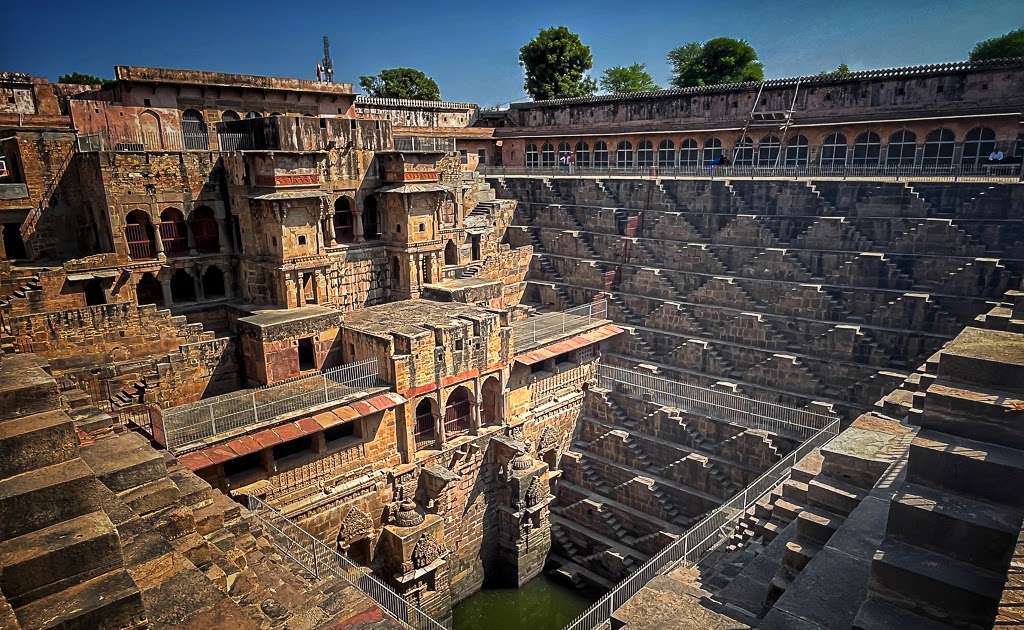
About Chand Baori: History and Heritage
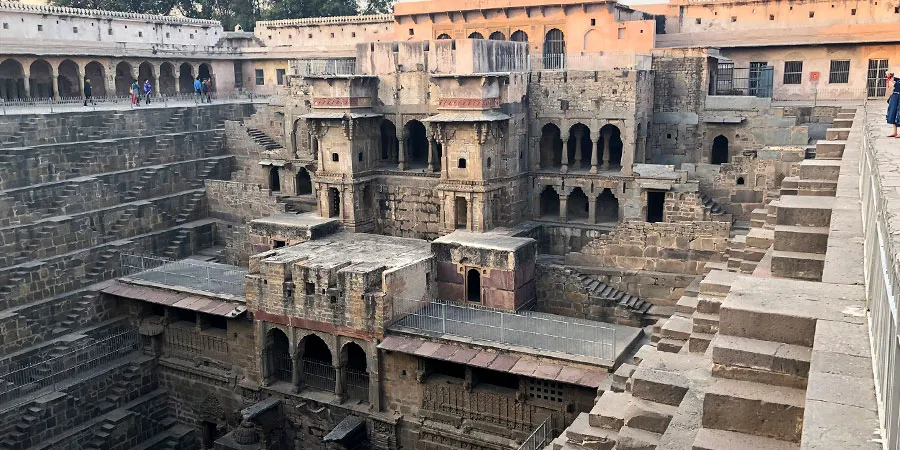
Chand Baori was commissioned by King Chanda of the Nikumbha Dynasty between the 8th and 9th centuries AD, making it over 1,200 years old. The stepwell derives its name from its creator – "Chand" referring to King Chanda, and "Baori" meaning stepwell in the local language. This architectural masterpiece was constructed during a period when Rajasthan was a thriving center of trade and culture, and water conservation was crucial for survival in the arid desert climate. The historical significance of Chand Baori extends beyond its functional purpose as a water reservoir. Stepwells in India were not merely utilitarian structures; they served as social gathering places, cooling retreats during scorching summers, and sacred spaces dedicated to water deities. The stepwell is located adjacent to the Harshat Mata Temple, dedicated to the goddess of joy and happiness, indicating the religious importance of water in ancient Indian society. Unlike many ancient monuments that have deteriorated over time, Chand Baori remains remarkably well-preserved, thanks to the robust construction techniques employed by its builders. The Archaeological Survey of India now protects this heritage site, recognizing its cultural and historical value. What makes this structure particularly fascinating is that it was built without modern machinery, using simple tools and the labor of skilled artisans who created this engineering marvel with remarkable precision. The stepwell's construction reflects the advanced understanding of geometry and mathematics possessed by ancient Indian architects. Each level was carefully planned to create a harmonious descent toward the water, with elaborate carvings and sculptures adorning the walls, depicting scenes from mythology and everyday life. This combination of functionality, spirituality, and artistic expression makes Chand Baori a unique example of Indian architectural heritage.Historical Timeline
| Period | Event |
|---|---|
| 8th-9th Century AD | Built by King Chanda of Nikumbha Dynasty |
| 10th-12th Century | Flourishing as community gathering place |
| 18th-19th Century | Partial restoration and preservation efforts |
| 20th Century | Recognized as protected monument by ASI |
| 21st Century | Featured in international films, gained global popularity |
The Unique Stepwell Design: An Architectural Masterpiece
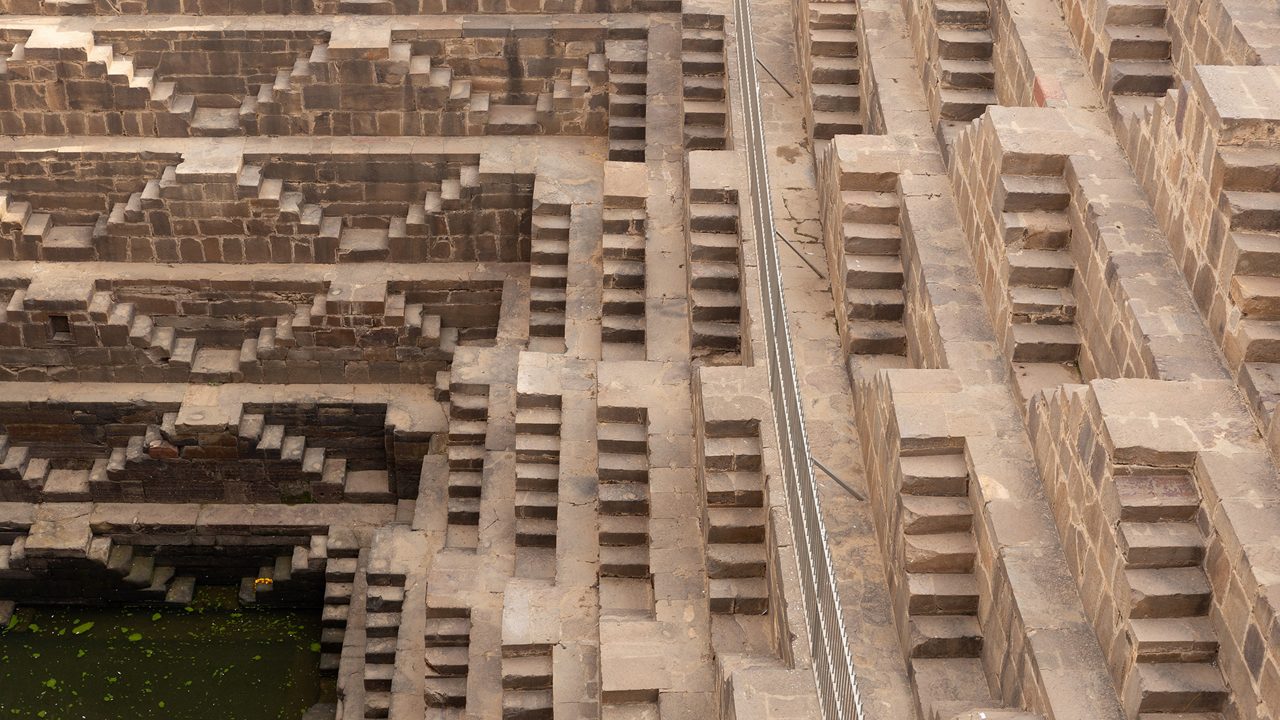
The architectural brilliance of Chand Baori becomes immediately apparent as you approach this colossal structure. The stepwell is square-shaped, measuring approximately 35 meters on each side, and descends to a depth of about 30 meters (roughly 100 feet), making it one of the deepest stepwells in India. What truly sets Chand Baori apart is its ingenious design – 3,500 steps arranged in 13 levels, creating a mesmerizing geometric pattern that has to be seen to be fully appreciated. The stepwell features a unique double-sided staircase design, with flights of stairs on three sides that descend symmetrically toward the water pool below. The fourth side features a multi-story pavilion with beautifully carved sculptures and balconies, where royalty and dignitaries would once sit to enjoy the cool air rising from the depths. This pavilion is adorned with intricate carvings of deities, including Lord Ganesha and Mahishasura Mardini, showcasing the exceptional craftsmanship of the period. One of the most remarkable aspects of Chand Baori's design is its perfect symmetry. Each level features landings where people could rest, and the entire structure creates a natural cooling effect. The temperature at the bottom of the stepwell is typically 5-6 degrees cooler than the ground level, making it a natural retreat during Rajasthan's scorching summers. This ingenious temperature control was achieved through the clever use of architecture, without any modern cooling systems. The geometric precision of Chand Baori has fascinated architects and mathematicians for centuries. The steps follow a precise mathematical pattern, creating optical illusions and visual effects that change depending on your viewing angle. From the top, the stepwell appears like an inverted pyramid with its vertex disappearing into the mysterious depths below. As you descend, the perspective shifts dramatically, with each level revealing new details and perspectives. The structural integrity of Chand Baori is equally impressive. Built using local stone and traditional construction techniques, the stepwell has withstood centuries of natural wear and human activity. The walls and steps show minimal signs of deterioration, a testament to the superior engineering knowledge of ancient Indian builders. The stepwell's design also incorporates excellent drainage systems, preventing water accumulation and structural damage during heavy rainfall.Architectural Specifications
| Feature | Specification |
|---|---|
| Depth | 30 meters (approximately 100 feet) |
| Total Steps | 3,500 steps |
| Number of Levels | 13 stories |
| Shape | Square (35m x 35m) |
| Temperature Difference | 5-6°C cooler than ground level |
| Construction Material | Local sandstone and marble |
Best Time to Visit Chand Baori
Choosing the right time to visit Chand Baori can significantly enhance your experience of this architectural wonder. Rajasthan's extreme climate means that weather conditions vary dramatically throughout the year, affecting both comfort and photography opportunities. The stepwell is open to visitors throughout the year, but each season offers a different experience. The winter months from October to March are widely considered the best time to visit Chand Baori. During this period, temperatures range from 10°C to 25°C, making it comfortable to explore the site and descend into the stepwell. The cool, crisp winter air is perfect for photography, with clear skies and soft sunlight creating ideal conditions for capturing the geometric patterns of the steps. December and January are particularly popular among photographers, as the sun angle creates beautiful shadows and contrasts on the stepwell's surfaces. Early morning visits (between 9:00 AM and 11:00 AM) offer the most rewarding experience. During these hours, the sunlight hits the stepwell at an oblique angle, creating dramatic contrasts between light and shadow that highlight the architectural details. Additionally, mornings are less crowded, allowing you to explore and photograph the site without disturbances. The peaceful morning atmosphere also makes it easier to appreciate the spiritual and historical significance of this ancient monument. Late afternoon (between 3:00 PM and 5:00 PM) is another excellent time to visit, especially during winter. The golden hour light creates a magical effect on the sandstone surfaces, casting warm tones that enhance the beauty of the carvings and sculptures. This time is also ideal for portrait photography, with the stepwell providing a stunning backdrop. The summer months (April to June) can be extremely challenging, with temperatures often exceeding 45°C. However, if you do visit during summer, early morning (before 8:00 AM) is essential. The interesting aspect of visiting in summer is that you can experience the stepwell's natural cooling effect most effectively – the temperature difference between the top and bottom becomes more pronounced during hot weather. Just ensure you carry plenty of water and protect yourself from the sun. The monsoon season (July to September) brings a unique charm to Chand Baori. If you're lucky to visit during or shortly after rainfall, you might see water in the stepwell's bottom pool – a rare sight that reveals the stepwell's original purpose as a water storage structure. The surrounding countryside also turns lush green during monsoon, creating beautiful contrasts with the golden sandstone of the monument. However, be cautious about slippery steps during wet weather and check weather conditions before planning your visit.Seasonal Guide
| Season | Best For | Temperature Range | Tips |
|---|---|---|---|
| Winter (Oct-Mar) | Sightseeing & Photography | 10°C - 25°C | Ideal time, book morning slots |
| Summer (Apr-Jun) | Experiencing cooling effect | 35°C - 45°C | Visit very early morning |
| Monsoon (Jul-Sep) | Seeing water in well | 25°C - 35°C | Check weather, be careful on steps |
How to Reach Chand Baori from Jaipur
Reaching Chand Baori from Jaipur is relatively straightforward, and the journey itself offers glimpses of rural Rajasthan. The stepwell is located in Abhaneri village, in the Dausa district of Rajasthan, approximately 95 kilometers from Jaipur city center. The distance and travel time make it perfect for a day trip from Jaipur, or you can combine it with visits to other nearby attractions. By road, the most common route is via National Highway 11 (NH 11), which connects Jaipur to Agra. The drive typically takes 2 to 2.5 hours, depending on traffic and road conditions. Hiring a private taxi or cab is the most convenient option, as it gives you the flexibility to travel at your own pace and stop for breaks or photography along the way. Most hotels in Jaipur can arrange taxi services for day trips, or you can book through various online taxi platforms. If you're looking for a more budget-friendly option, state-run buses operate between Jaipur and Abhaneri. The Rajasthan State Road Transport Corporation (RSRTC) runs regular bus services from Jaipur's Sindhi Camp bus stand to Abhaneri. The bus journey takes approximately 3-3.5 hours and is significantly cheaper than a private taxi. However, buses may be crowded, and you'll need to arrange local transportation from Abhaneri bus stand to the stepwell (usually a short auto-rickshaw ride). For those traveling by train, the nearest railway station is Bandikui Junction, located about 35 kilometers from Chand Baori. Several trains run between Jaipur and Bandikui throughout the day. From Bandikui, you can hire a taxi or take a local bus to reach Abhaneri. The train journey takes approximately 1 hour, and the total travel time from Jaipur to Chand Baori via train is around 2.5-3 hours, including the road transfer from Bandikui to Abhaneri. Guided tours are another excellent option for visiting Chand Baori, especially if you're interested in learning about the history and architecture of the site. Several tour operators in Jaipur offer day trips that include Chand Baori along with other attractions like the Harshat Mata Temple and sometimes Bhangarh Fort or Mehndipur Balaji. These tours typically include transportation, a guide, and sometimes meals. If you're driving yourself, the route is well-marked, and GPS navigation works reliably in this area. From Jaipur, head towards Agra on NH 11, and after approximately 80 kilometers, take the turn towards Abhaneri village. The roads are generally in good condition, but be prepared for some traffic as you pass through smaller towns and villages on the way.Travel Options Summary
| Mode of Transport | Travel Time | Approximate Cost | Convenience |
|---|---|---|---|
| Private Taxi/Cab | 2-2.5 hours | ₹3,000 - ₹5,000 (round trip) | High - Flexible and comfortable |
| State Bus | 3-3.5 hours | ₹100 - ₹200 per person | Medium - Budget-friendly but crowded |
| Train + Taxi | 2.5-3 hours | ₹300 - ₹600 per person | Medium - Comfortable but requires transfers |
| Guided Tour | Full day | ₹2,500 - ₹4,500 per person | High - Includes guide and other attractions |
Photography Tips for Capturing Chand Baori
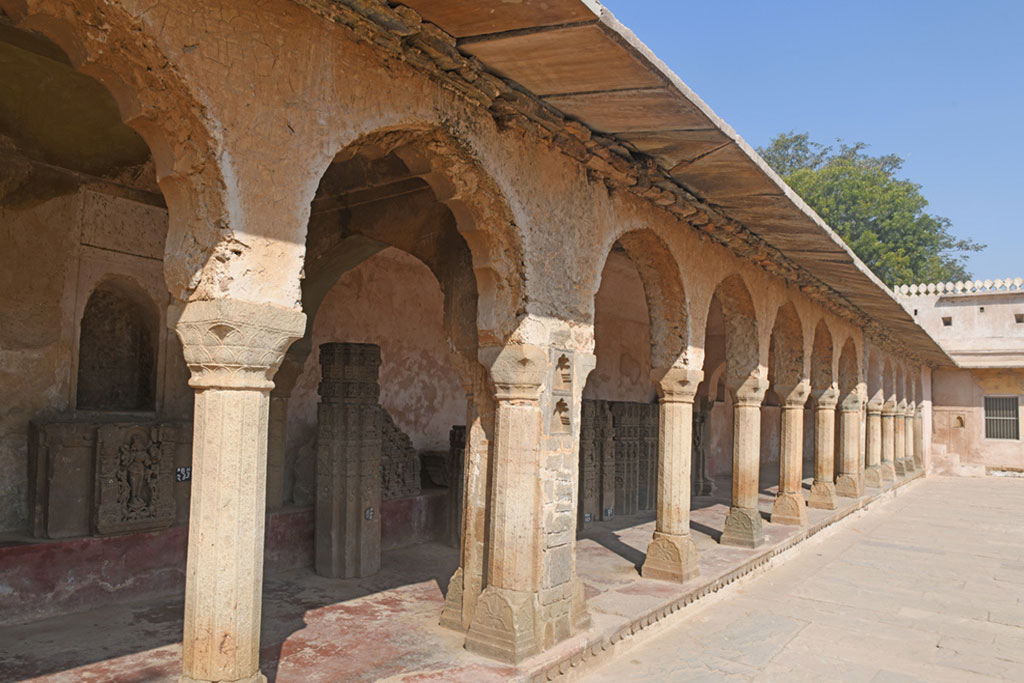
Photographing Chand Baori is a rewarding experience, given its extraordinary geometry and intricate details. Whether you're a professional photographer or an enthusiastic amateur, this stepwell offers endless opportunities for stunning images. Here are some essential tips to help you capture the beauty of Chand Baori effectively. The most iconic shot of Chand Baori is undoubtedly the top-down view, capturing the complete geometric pattern of the 3,500 steps arranged in perfect symmetry. This perspective is best captured from the edge of the stepwell using a wide-angle lens. A lens in the 16-35mm range is ideal for fitting the entire structure into your frame while maintaining the dramatic perspective that makes Chand Baori so visually striking. If you have a drone, aerial shots can reveal the full magnificence of the stepwell's design, though be sure to check current regulations regarding drone usage at heritage sites. Lighting plays a crucial role in photography at Chand Baori. The golden hours – shortly after sunrise and before sunset – provide the most flattering light. During these times, the sun creates long shadows that accentuate the geometric patterns and add depth to your images. The soft, warm light also enhances the natural colors of the sandstone. Midday sun, while harsh, can create interesting high-contrast images with deep shadows that emphasize the stepwell's three-dimensional structure. For capturing the intricate details and carvings, a medium telephoto lens (70-200mm) is excellent. This allows you to frame specific sections of the stepwell, isolating interesting patterns and architectural details without distortion. Many of the sculptures and carvings on the pavilion side are particularly photogenic and tell stories of the period when the stepwell was built. Including people in your photographs can provide a sense of scale that helps viewers understand the immense size of Chand Baori. A person descending the steps or standing at the bottom creates a powerful visual reference. However, be respectful and ask for permission before photographing people, especially locals who may be visiting the site for religious purposes. Don't limit yourself to eye-level shots. Try different angles and perspectives – photographing from the bottom looking up reveals the stepwell's grandeur from a different viewpoint. Low-angle shots from various levels can emphasize the steepness and depth of the structure. Experiment with vertical and horizontal compositions to see what works best for each scene. If you're interested in long-exposure photography, early morning or late evening when there's less movement is ideal. A neutral density filter can help achieve longer exposures even during daylight, creating interesting effects with any moving elements in your frame.Recommended Equipment
| Equipment | Purpose |
|---|---|
| Wide-angle lens (16-35mm) | Capturing the full stepwell structure |
| Telephoto lens (70-200mm) | Detailed shots of carvings and patterns |
| Tripod | Stable shots in low light conditions |
| Polarizing filter | Reducing glare and enhancing colors |
| Drone (if permitted) | Aerial photography of geometric patterns |
Nearby Attractions: Complete Your Rajasthan Experience
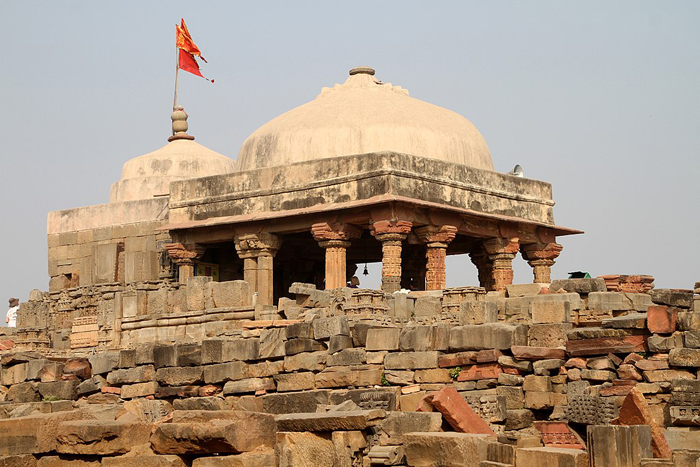
While Chand Baori is undoubtedly the main attraction in Abhaneri, the region offers several other interesting sites that you can combine with your stepwell visit for a complete day of exploration. Planning to visit these nearby attractions will give you a more comprehensive understanding of Rajasthan's rich cultural and historical heritage. The Harshat Mata Temple, located immediately adjacent to Chand Baori, is an obvious inclusion in any visit to the area. Dedicated to the goddess of joy and happiness, this ancient temple was built around the same time as the stepwell and shares architectural similarities. Though partly ruined, the temple still features some exquisite sculptures and carvings that showcase the artistry of the period. The temple's location on a slight elevation offers nice views of the surrounding countryside. The close proximity of the temple to the stepwell is no coincidence – stepwells in India were often built near temples as water was considered sacred and essential for religious rituals. Bhangarh Fort, located approximately 80 kilometers from Chand Baori, is a fascinating destination for those interested in history and the mysterious. Known as one of India's most haunted places, this 17th-century fort offers intriguing ruins set against a dramatic landscape. The fort's sprawling complex includes temples, palaces, and residential buildings, all abandoned mysteriously centuries ago. While the haunted reputation attracts many visitors, Bhangarh is also architecturally significant and offers excellent photography opportunities. You can easily combine Chand Baori and Bhangarh Fort in a single day trip from Jaipur, though this makes for a long day. For spiritually inclined travelers, Mehndipur Balaji Temple is approximately 60 kilometers from Abhaneri and is dedicated to Lord Hanuman. This temple is famous for its exorcism rituals and attracts devotees from across the country. The temple's unique rituals and the faith of its devotees make it an interesting cultural experience, even for non-religious visitors. The temple complex is large and can take 1-2 hours to explore properly. If you're interested in seeing more stepwells, Adalaj Stepwell in Ahmedabad (about 250 kilometers from Jaipur) and Rani ki Vav in Patan (a UNESCO World Heritage Site) are other magnificent examples of stepwell architecture, though they're too far to combine with Chand Baori in a single day. However, if you're planning a longer Rajasthan-Gujarat trip, these stepwells are worth adding to your itinerary. The village of Abhaneri itself offers a glimpse into rural Rajasthan. Taking a walk through the village streets, observing traditional mud houses, and interacting with friendly locals can be a rewarding cultural experience. The village is known for its local handicrafts, particularly pottery and textiles, which you might be able to purchase directly from artisans.Nearby Attractions Overview
| Attraction | Distance from Chand Baori | Visit Duration | Best For |
|---|---|---|---|
| Harshat Mata Temple | Adjacent (within complex) | 30-45 minutes | Architecture & History |
| Bhangarh Fort | 80 km | 1-2 hours | Ruins & Mystery |
| Mehndipur Balaji | 60 km | 1-2 hours | Spirituality |
| Abhaneri Village | Walking distance | 1 hour | Rural Experience |
Visit Tips & Guidelines for Chand Baori
To make the most of your visit to Chand Baori and ensure a comfortable, respectful experience, it's important to keep certain tips and guidelines in mind. These practical suggestions will help you plan better and navigate the site safely and responsibly. Wear Appropriate Footwear: This is perhaps the most important tip for visiting Chand Baori. The steps can be steep and, in places, uneven or worn smooth by centuries of use. Comfortable shoes with good grip are essential, especially if you plan to descend into the stepwell. Avoid flip-flops or smooth-soled shoes, as these can be dangerous on the ancient stone steps. In summer, the stone can get extremely hot, so wearing socks might be advisable if you're sensitive to heat. Stay Hydrated: Rajasthan's dry climate can be dehydrating, even in winter. Carry plenty of water, especially if you're visiting during the hotter months. There are limited facilities for purchasing water or snacks near the stepwell, so it's best to come prepared. Some visitors also carry wet wipes to refresh themselves after exploring the site. Respect the Monument: Chand Baori is an ancient heritage site, and it deserves our respect and care. Avoid touching or leaning on the ancient carvings and sculptures, as the oils from our skin can damage these delicate artworks over time. Do not litter – carry your trash back with you. If you see any damage or vandalism, report it to the site authorities. Remember that for many, this is still a sacred site associated with water worship. Hire a Local Guide: While it's possible to explore Chand Baori on your own, hiring a local guide can significantly enhance your experience. Guides know the history, architecture, and lesser-known stories about the stepwell that you might miss otherwise. They can also point out specific carvings and architectural details that have particular significance. Guide services are generally reasonably priced, and the cost can often be shared among a small group. Allocate Sufficient Time: While Chand Baori itself isn't very large, you should plan to spend at least 1-2 hours here to truly appreciate it. Rushing through the site in 30 minutes won't do justice to this architectural marvel. If you're a photography enthusiast, you might want to spend even more time here, especially during the golden hours when lighting conditions are ideal. Combine with Other Activities: Consider combining your visit to Chand Baori with other experiences like a rural village walk, a visit to a local artisan's workshop, or a traditional Rajasthani meal at a local dhaba. This will give you a more rounded experience of the region beyond just the historical monument. Check Entry Requirements: Although Chand Baori is generally open to all visitors, it's wise to check if there are any specific entry requirements or fees before you go. Sometimes, heritage sites have special rules or restrictions, and being informed in advance will save you from disappointment. Carry ID proof, as this is sometimes required for entry to protected monuments. Best Duration for Visit: Plan for a 1-2 hour visit to Chand Baori itself. If you're also visiting the Harshat Mata Temple and exploring Abhaneri village, plan for 3-4 hours total. If you're combining with Bhangarh Fort or Mehndipur Balaji, expect to spend a full day on the excursion from Jaipur.Essential Items to Carry
| Item | Why It's Needed |
|---|---|
| Water bottle | Stay hydrated in dry climate |
| Sun protection | Sunscreen, hat, sunglasses |
| Comfortable shoes | Safety on ancient steps |
| Camera | Capture the incredible architecture |
| Cash (small denominations) | For guides, snacks, parking |
| First aid kit | For minor cuts or scrapes |
Conclusion: A Timeless Wonder
Chand Baori stands as a remarkable testament to the ingenuity, artistry, and spiritual depth of ancient Indian civilization. More than just a functional structure for water storage, it represents a sophisticated understanding of architecture, mathematics, and community needs. The stepwell's enduring appeal lies not only in its visual splendor but in the stories it tells about a society that valued both practical wisdom and artistic expression. Visiting Chand Baori is more than just sightseeing – it's a journey into India's rich cultural heritage and an opportunity to witness firsthand the architectural achievements of a civilization that flourished over a thousand years ago. As you stand at the edge of this magnificent stepwell, gazing down at the seemingly endless geometric patterns of stairs, you can't help but feel a sense of awe and connection to the countless generations who have stood at this same spot, marveling at this human creation. For travelers exploring Rajasthan, Jaipur offers a treasure trove of historical attractions, but Chand Baori holds a special place as a unique architectural wonder that captures the imagination like few other monuments can. Whether you're drawn by its historical significance, architectural beauty, photographic potential, or simply the desire to experience something extraordinary, Chand Baori will not disappoint. As you plan your visit to this ancient stepwell, remember that you're not just seeing a tourist attraction – you're experiencing a piece of living history that has withstood the test of time and continues to inspire wonder and admiration over a millennium after it was first built. Chand Baori is indeed one of India's hidden gems, waiting to be discovered and appreciated by each new generation of travelers. Take your time to explore, photograph, and reflect on this incredible monument. Let the silence and solitude of the stepwell transport you to a different era. And when you leave, carry with you not just photographs but a deeper appreciation for the remarkable achievements of our ancestors and the enduring legacy of India's architectural heritage.Location
Frequently Asked Questions
Q1.Where is Chand Baori located from Jaipur?
Q2.What are Chand Baori opening hours?
Q3.Who built Chand Baori?
Q4.How deep is Chand Baori?
Q5.How many steps does Chand Baori have?
Q6.Is Chand Baori worth visiting?
Q7.What is the best time to visit Chand Baori?
Q8.How to reach Chand Baori from Jaipur?
Recommended For You

Things to Do in Rajasthan: Desert, Heritage & Cultural Experiences
Discover 50 amazing things to do in Rajasthan - explore forts, palaces, deserts, culture & cuisine. Complete guide with timings, fees & tips for 2026.

Best Time to Visit Rajasthan: Weather by City & Ideal Travel Months
Plan the best time to visit Rajasthan with season-wise weather, month-by-month insights, activity timing, festival impact, and smart itinerary guidance.

Historical Places in Rajasthan: Top 25 Heritage Sites
Explore historical places in Rajasthan with cluster-based planning, fort-palace route strategy, and practical timing and budget tips.
Never Miss an Adventure
Get the latest trekking guides, travel tips, and exclusive offers delivered straight to your inbox.
