
Historical Places in Rajasthan: Top 25 Heritage Sites

Rohit Verma
February 20, 2026
Explore historical places in Rajasthan with cluster-based planning, fort-palace route strategy, and practical timing and budget tips.
Historical Places in Rajasthan: Practical Heritage Planning Guide
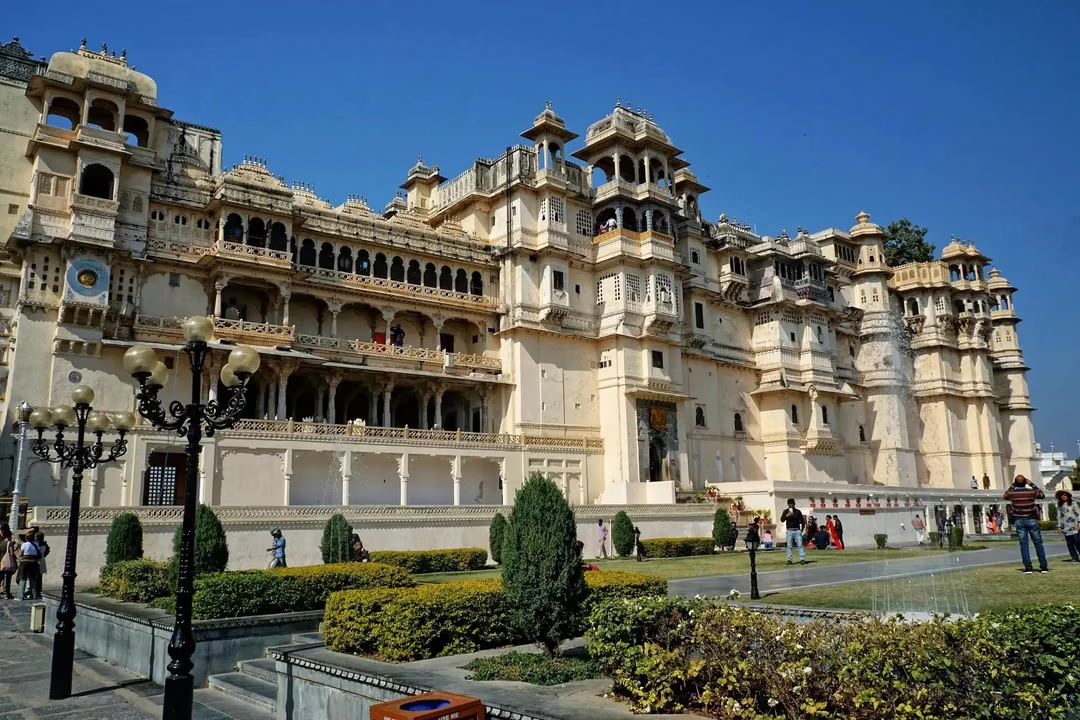
Rajasthan is one of India’s strongest heritage destinations because its fort cities, palace complexes, stepwell traditions, and old trade corridors are still visible across multiple districts. The challenge for most travelers is not choosing monuments; it is choosing the right sequence. A rushed list of famous sites usually creates long transfers and shallow experiences. A structured regional plan gives better architecture reading, better photographs, and less travel fatigue.
If you are starting your planning from major gateways, begin with anchors like Amber Fort Jaipur, Mehrangarh Fort Jodhpur, and Kumbhalgarh Fort Udaipur. Then use supporting stops based on route direction, season, and your pace preference.
Why Rajasthan’s Heritage Network Is Unique
Unlike single-city heritage destinations, Rajasthan offers a distributed system of fortified capitals, hill forts, palaces, temples, havelis, and lakeside urban design. This means every district can feel historically dense, but it also means poor route planning can waste days in transit. The best strategy is cluster-first planning: Jaipur cluster, Jodhpur cluster, Udaipur-Mewar cluster, and desert fort cluster.
Each cluster has a different architectural mood. Jaipur emphasizes planned royal urbanism. Jodhpur highlights defensive scale and sandstone character. Udaipur offers lake-palace composition and softer visual palettes. Recognizing these identities helps avoid repetitive itineraries.
How to Prioritize Sites by Trip Length
Trip length should determine stop count. For a short trip, choose one city and one nearby fort. For medium trips, choose two clusters and one transition day. For longer trips, include specialized circuits such as haveli towns or stepwell-focused routes.
| Trip Duration | Recommended Scope | Execution Tip |
|---|---|---|
| 2-3 days | One major city cluster | Depth over distance |
| 4-6 days | Two strong clusters | Add one buffer day |
| 7+ days | Multi-cluster heritage loop | Limit daily monument count |
This framework prevents overloading and keeps each monument visit meaningful.
Jaipur and Nearby Heritage Core
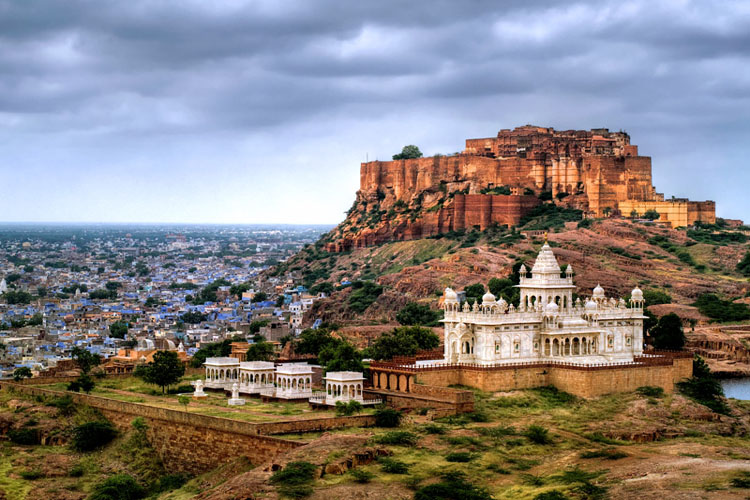
Jaipur is often the first stop for Rajasthan heritage travel because of strong access and dense monument options. A practical sequence includes Amber Fort, Nahargarh Fort, and Hawa Mahal Jaipur with route-aware timing. Start early for hill forts, shift to city monuments later, and keep evening blocks lighter.
Avoid stacking too many ticketed sites back to back. Two major monuments and one light market or food stop often produce better quality than four rushed monuments.
Jodhpur, Udaipur, and Mewar Comparison
Jodhpur and Udaipur represent two distinct heritage experiences. Jodhpur offers dramatic fort massing and high-ground urban views; Udaipur offers palace-lake relationships and softer palace interiors. If your trip includes both, plan comparison-focused observation: material palette, defensive logic, and courtly residential design.
Use travel buffers between clusters because road durations and check-in transitions can reduce your available monument time if not planned realistically.
UNESCO and Non-UNESCO Balance
UNESCO-tagged fort circuits are important, but smaller non-UNESCO sites often provide local context and crowd relief. A balanced day should include one headline site and one quieter companion site. This improves interpretation and reduces queue pressure during peak seasons.
For broader cross-state context, compare with historical places in Delhi or iconic references like Taj Mahal Agra when planning larger north India heritage loops.
Best Time to Visit Historical Places in Rajasthan
Weather strongly affects route quality. Cooler months are generally best for open fort walks and full-day circuits. Summer requires early starts and midday indoor or rest blocks. Monsoon can improve visual atmosphere, especially around hill and lake zones, but road conditions should be reviewed.
- Winter and cooler months: best for multi-stop heritage days.
- Summer: limit open-site midday exposure.
- Monsoon: scenic but keep route flexibility.
- Festival periods: expect heavier crowd movement.
Season-aware planning protects both comfort and photography quality.
Practical Route Design and Budget Control
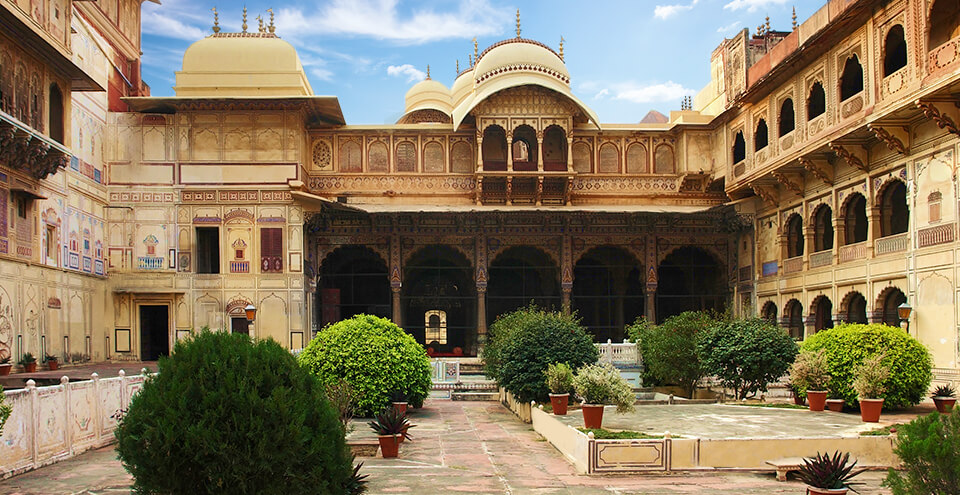
The biggest itinerary error is long-distance zigzag movement between cities without sleep-point logic. Set a clear overnight sequence and choose monuments around that sequence. For budgets, predefine daily spend bands: transport, entry, guide, and food. This keeps quality consistent without last-minute compromises.
If you are new to the state, use a simplified first route through places to visit in Jaipur and expand only after understanding your travel pace.
Photography and Site Conduct
Rajasthan monuments reward angle planning and light discipline. Capture one establishing frame, one architectural detail frame, and one human-scale frame per major site. Avoid climbing prohibited areas and respect restricted zones. Heritage sustainability depends on visitor behavior.
Carry hydration, sun protection, and comfortable shoes. Small preparedness decisions have major impact on long heritage days.
Major Heritage Mistakes to Avoid in Rajasthan
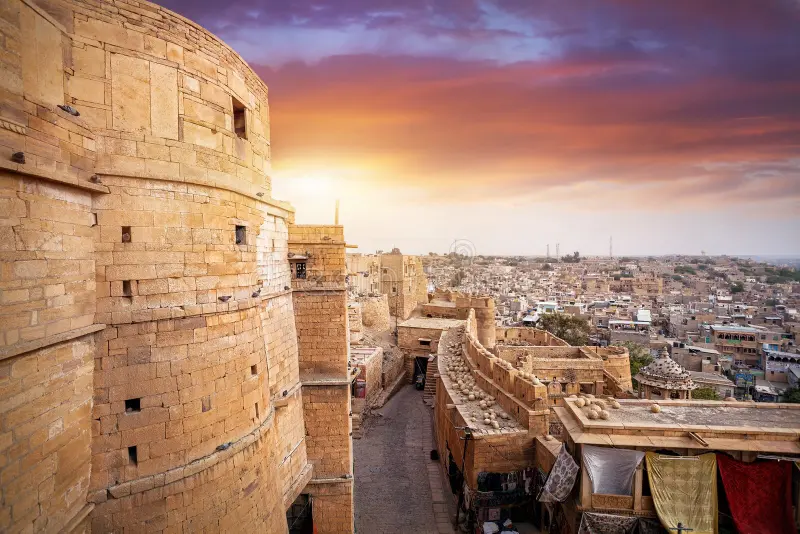
The most common mistake is trying to cover Jaipur, Jodhpur, and Udaipur in an overly compressed schedule without accounting for real transfer time, check-in windows, and recovery blocks. This usually converts monument visits into rushed photo stops. Another frequent error is selecting sites purely by social media popularity rather than route logic. A better method is one major site per session and one secondary site in the same corridor.
Travelers also underestimate weather effects. Rajasthan’s open monuments can be exhausting in direct heat. Always protect midday hours with indoor palace sections, museum pauses, or meal breaks. These adjustments maintain energy and improve attention to architecture details.
Suggested 5-Day Heritage Framework
Day 1: Jaipur core with Amber focus and one city palace component. Day 2: Jaipur extension or transfer buffer. Day 3: Jodhpur fort emphasis plus old-city walk. Day 4: Udaipur palace and lake context. Day 5: Secondary heritage stop and departure-friendly pacing. This framework works for first-time travelers and prevents overload.
If your trip is shorter, remove one city rather than reducing every site to a quick stop. Rajasthan rewards depth, and fewer but fuller visits provide stronger understanding of Rajput history and architecture.
Final Practical Checklist
Keep start times early, pre-book key tickets where possible, and avoid same-day long intercity jumps after major monument sessions. Rajasthan rewards measured pacing and thoughtful sequencing.
If this is your first heritage trip in the state, keep one city as a depth anchor and use second-city visits only when transfer windows are realistic.
Conclusion
Historical places in Rajasthan are best explored through cluster-based route planning, realistic monument counts, and weather-aware execution. Combine iconic forts with quieter heritage layers, keep transit controlled, and prioritize depth over checklist speed. With that approach, Rajasthan becomes one of the most coherent and rewarding heritage journeys in India.
Location
Frequently Asked Questions
Q1.What are the most historical places in Rajasthan?
Q2.How many UNESCO sites are in Rajasthan?
Q3.Best time to visit historical places in Rajasthan?
Q4.Amer Fort vs Mehrangarh Fort - which is better?
Q5.How many days are needed for a Rajasthan heritage circuit?
Recommended For You
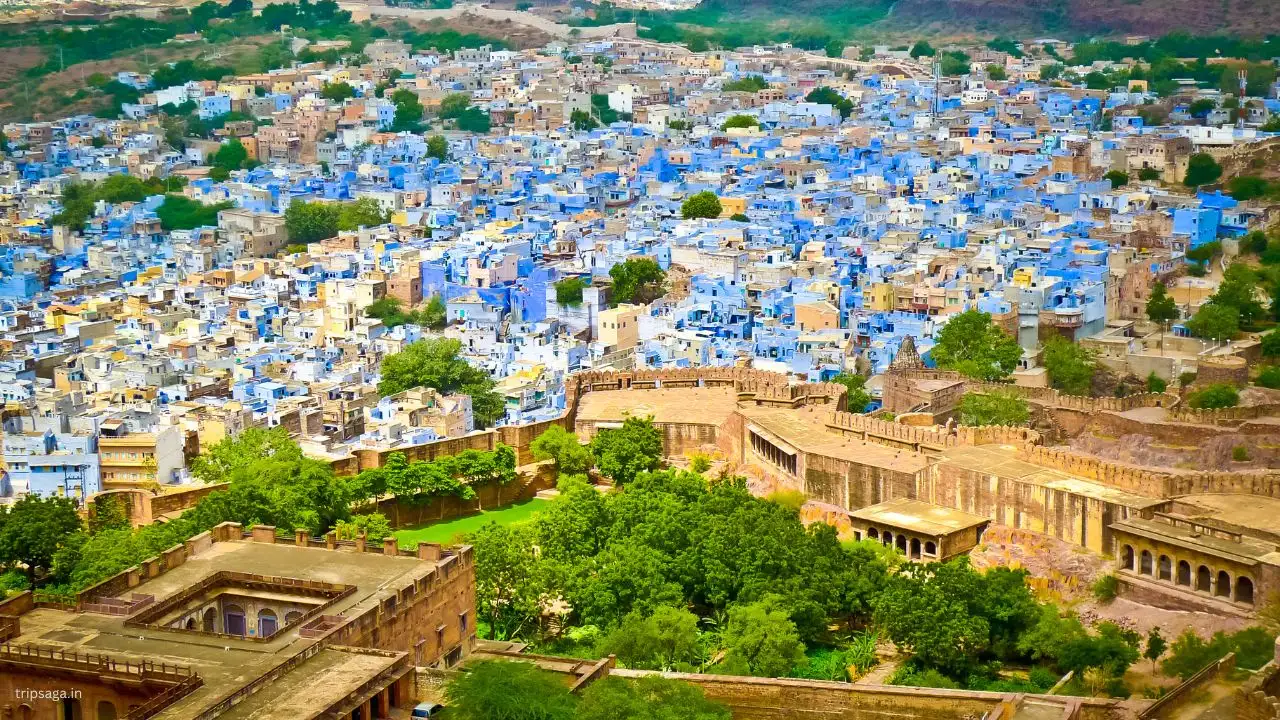
Jodhpur: Complete Travel Plan Forts And Weather
Complete Jodhpur travel guide featuring Mehrangarh Fort, Blue City, Jaswant Thada, Umaid Bhawan, desert safaris & shopping tips.
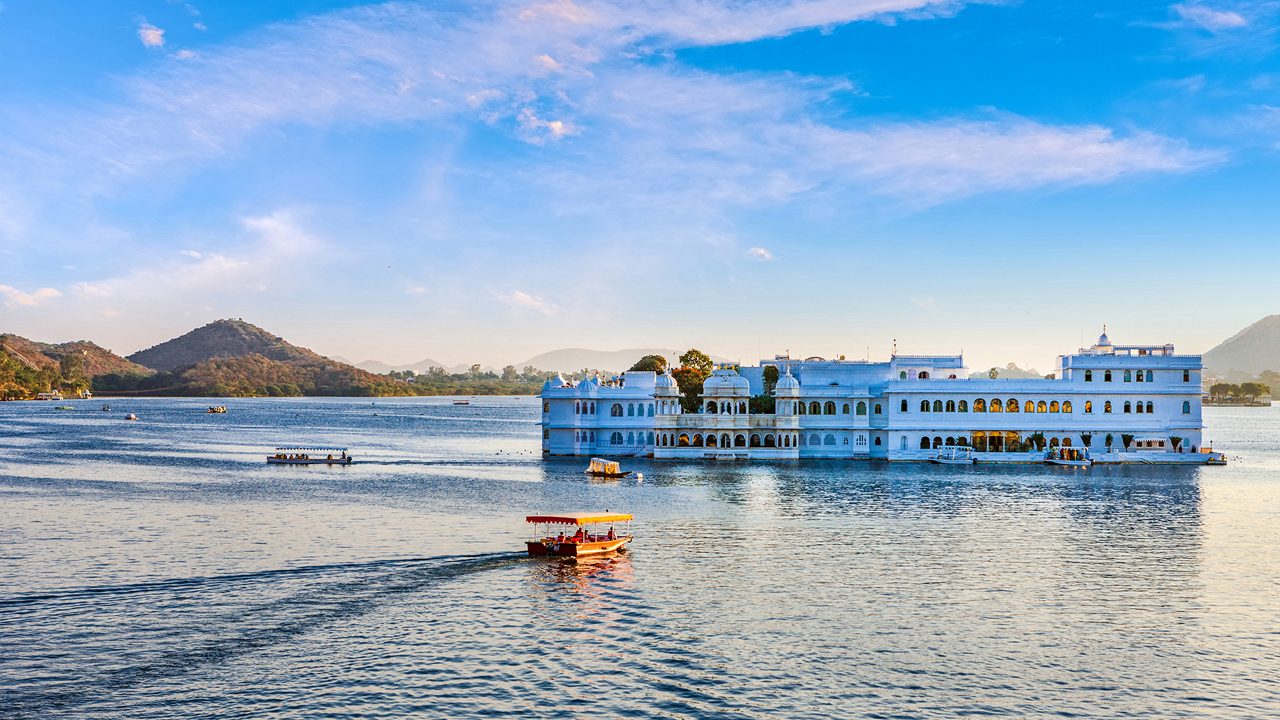
Lake Pichola Udaipur: Boat Ride Timings, Ticket Price & Sunset Points
Plan your Lake Pichola Udaipur visit with practical boat ride tips, route planning, sunset timing strategy, and local travel advice.
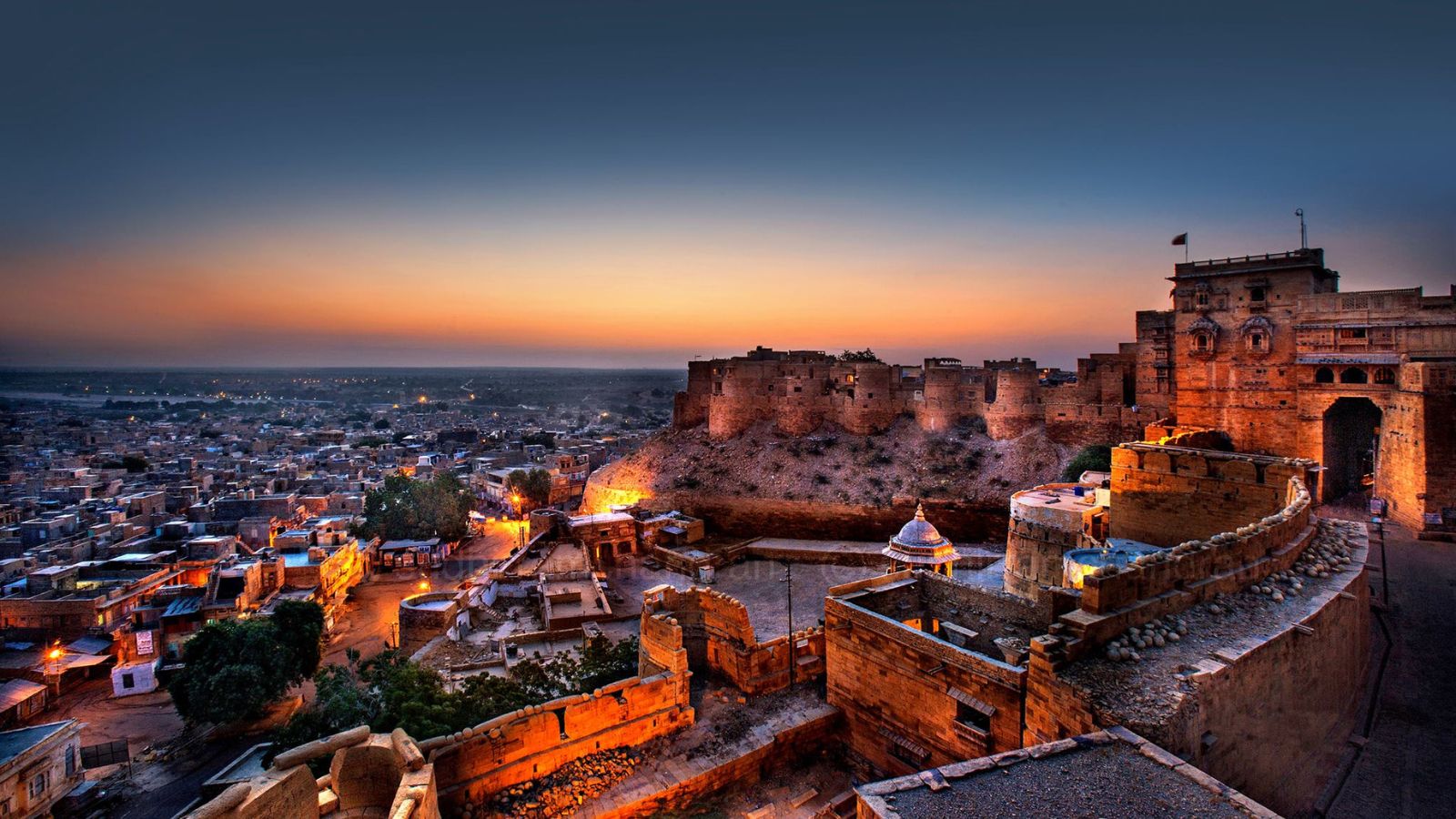
Jaisalmer Fort Rajasthan: Timings, Entry Fee & History
Visit Jaisalmer Fort (Sonar Quila). Discover timings, entry fee, history, Jain temples, and inside guide to Rajasthan's only living fort.
Never Miss an Adventure
Get the latest trekking guides, travel tips, and exclusive offers delivered straight to your inbox.
