
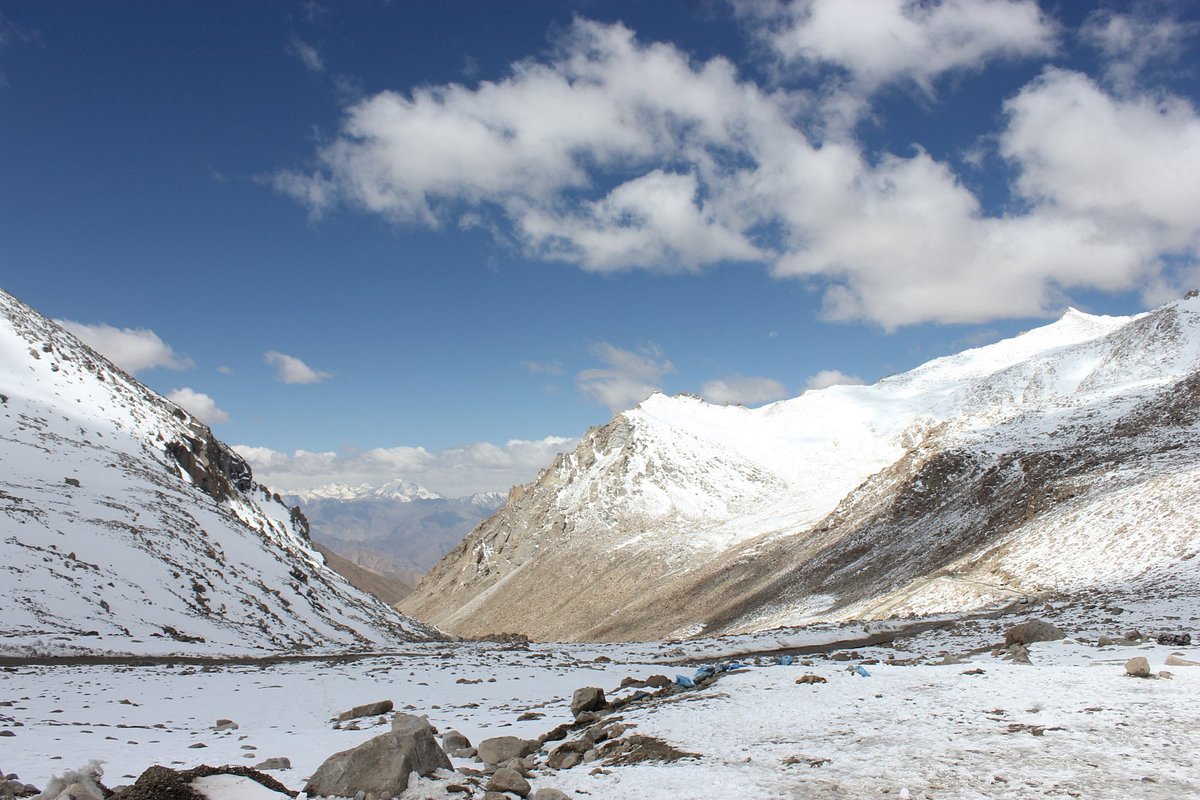
Changla Pass Ladakh: Altitude, Route Conditions & Safety Tips
Rohit Verma
February 19, 2026
Plan Changla Pass Ladakh with altitude facts, Leh route guidance, road-condition realities, and AMS safety tips for a smoother high-pass crossing.
Changla Pass Ladakh: Complete Travel, Altitude, and Safety Planning Guide
Changla Pass in Ladakh is one of the most famous high-altitude mountain passes in India, known for dramatic landscapes, extreme weather shifts, and strategic significance on routes linking Leh-side circuits. For many travelers, crossing Changla is a milestone moment in a Ladakh trip. However, the route is not just scenic; it is physically demanding because of altitude, temperature variation, and road conditions.
This guide helps you plan Changla Pass the right way: season selection, acclimatization strategy, road timing, and practical safety rules. If you are planning a wider itinerary, align this pass visit with best time to visit Ladakh and high-altitude preparation from acute mountain sickness in Ladakh before finalizing your route.
Why Changla Pass Is So Popular
Changla is popular because it delivers the classic Ladakh experience: wide mountain horizons, thin air, prayer-flag viewpoints, and remote high-altitude road drama. It is often included in routes toward Pangong-side circuits, making it both a destination and an important transit segment.
Unlike standard sightseeing spots, Changla requires operational awareness. Weather can shift quickly, and even short stops can feel physically intense for unacclimatized travelers.
Altitude and Acclimatization Reality
The major challenge at Changla is altitude, not walking distance. Travelers often feel breathlessness, fatigue, or mild headache if they ascend too quickly from lower levels without adaptation. This is why itinerary pacing in Leh matters before crossing high passes.
A good rule is to spend sufficient time acclimatizing in Leh region before attempting higher roads. Keep hydration steady, avoid overexertion, and maintain a conservative travel pace. This improves both comfort and safety significantly.
Best Time to Visit Changla Pass
The most reliable period is when mountain roads are operational and weather windows are relatively stable. Even in open-season months, early mornings can be very cold and visibility can vary. Always check local route updates shortly before departure.
Avoid relying on outdated travel assumptions. Mountain roads are dynamic, and temporary restrictions are possible due to maintenance or weather. Build one route buffer in your Ladakh plan to handle such variations.
How to Include Changla in a Ladakh Itinerary
Changla is usually covered as part of a larger route day rather than a standalone destination day. The smartest approach is to keep the crossing efficient, limit long exposure stops, and reserve heavier activity for lower altitudes later in the day.
If your itinerary includes Pangong or eastern sectors, plan departure early to avoid late-evening road pressure. For broader route building, combine with amazing places to visit in Leh Ladakh and region-specific movement planning from car rentals in Ladakh.
Road Conditions and Driving Tips
Road quality on mountain passes can vary segment by segment. Even if one stretch is smooth, another may have rough patches, water crossings, or narrow turns. Self-drivers should maintain low-speed control, avoid risky overtakes, and keep fuel planning conservative.
If you are hiring a driver, choose someone experienced with local high-pass routes. Skilled local driving reduces risk and makes travel less tiring for passengers.
What to Carry for Changla Crossing
Carry layered cold-weather clothing, gloves, windproof outerwear, sunglasses, sunscreen, and basic medication. Keep drinking water and light snacks accessible in the cabin. Do not pack heavy bags for short pass stops; you need mobility and warmth, not extra load.
Network availability may be inconsistent in remote sections, so keep offline maps and key contact details downloaded in advance.
How Long to Stop at the Pass
Many travelers make the mistake of staying too long at extreme altitude checkpoints for photography. Short, controlled stops are usually better for comfort, especially if you are not fully acclimatized. Take your pictures efficiently, keep body warmth stable, and continue descent as planned.
If anyone in your group experiences strong symptoms, prioritize movement to lower altitude and seek local medical guidance as needed.
Photography and Scenic Planning
Changla offers outstanding mountain frames, but weather and light shift rapidly. Cloud cover, snow reflections, and strong wind can alter shooting windows quickly. Keep camera setup simple and avoid prolonged exposure in harsh wind zones.
For travelers interested in a photo-rich circuit, pair Changla with lower-altitude scenic stops before and after the pass day to maintain energy and safety balance.
Common Mistakes to Avoid
The biggest mistake is aggressive scheduling. Travelers often combine too many high-altitude points in one day and end up exhausted. Another issue is inadequate acclimatization before crossing, which increases the chance of discomfort and health risk.
People also ignore weather layering and underestimate wind chill. Proper clothing and pacing are essential even in months considered travel-friendly.
Who Should Take Extra Caution
Travelers with respiratory concerns, cardiovascular issues, or previous altitude sensitivity should take extra medical advice before high-pass routing. Families with children and senior travelers should plan shorter stop durations and prioritize warmth and hydration throughout the day.
Conservative planning is not overcautious in Ladakh; it is the reason many trips remain smooth and enjoyable.
Suggested High-Pass Day Structure
Early departure: Start from your base with warm layers already on and hydration ready. Approach phase: Keep stops short at lower sections and avoid unnecessary delay before pass crossing. Pass window: Spend limited but meaningful time for views and photos, then begin descent without lingering in strong wind. Post-pass phase: Schedule food and longer rest at comparatively lower altitude zones for better recovery.
This structure keeps exposure controlled and improves comfort for families and first-time high-altitude travelers.
Vehicle and Emergency Preparation Checklist
Ensure fuel margin is healthy before departure, keep puncture/emergency tools ready, and confirm driver familiarity with high-pass terrain. Store offline maps, emergency numbers, and basic medication in cabin reach. If weather turns unstable, prioritize route safety over content capture. Ladakh pass travel rewards disciplined decisions, and the best trips are those completed smoothly rather than those packed with risky stopovers.
Post-Crossing Recovery Tips
After crossing Changla, do not immediately continue with physically heavy activity. Take a controlled recovery break at lower altitude, eat light but warm meals, and keep hydration consistent. Many travelers feel fine during the pass crossing but develop fatigue later due to cumulative altitude stress and long driving hours. A short recovery protocol can prevent this.
If your itinerary includes another major point the same day, reassess based on group energy rather than forcing a preset checklist. In Ladakh, flexible pacing improves both safety and trip satisfaction. The most successful high-pass itineraries are those that leave room for weather, health, and road-time variability.
Before sleep on pass day, review next-day route with your driver and reduce morning decision pressure. This helps avoid rushed starts at altitude and keeps the trip safer.
Keep one oxygen and first-aid plan discussed in advance with your team, even if you do not expect to use it. Preparedness keeps decisions calm when conditions change unexpectedly.
Keep your next-day start light after a pass-heavy day so your body can recover fully from altitude and road fatigue before additional long transfers.
Final Takeaway
Changla Pass Ladakh is a major highlight, but it is best experienced through preparation, not impulse. Acclimatize properly, monitor road and weather updates, carry the right gear, and keep pass exposure time controlled.
With a structured route and safety-first mindset, Changla becomes one of the most memorable and rewarding segments of your Ladakh journey.
Location
Frequently Asked Questions
Q1.What is the altitude of Changla Pass?
Q2.Where is Changla Pass located?
Q3.What is Changla Pass famous for?
Q4.What is the best time to visit Changla Pass?
Q5.How can I reach Changla Pass from Leh?
Q6.Is Changla Pass open in winter?
Q7.How are the road conditions at Changla Pass?
Q8.Is AMS a concern at Changla Pass?
Recommended For You
Ladakh Road Trip Permits: Complete Guide (Online Apply)
Ladakh road trip permits guide covering online application, documents, route-wise access, fee components, and practical checkpoint rules.
Acute Mountain Sickness in Ladakh: Prevention
Complete guide to Acute Mountain Sickness in Ladakh. Learn symptoms, prevention, medicines, acclimatization tips & safety measures for high-altitude travel.
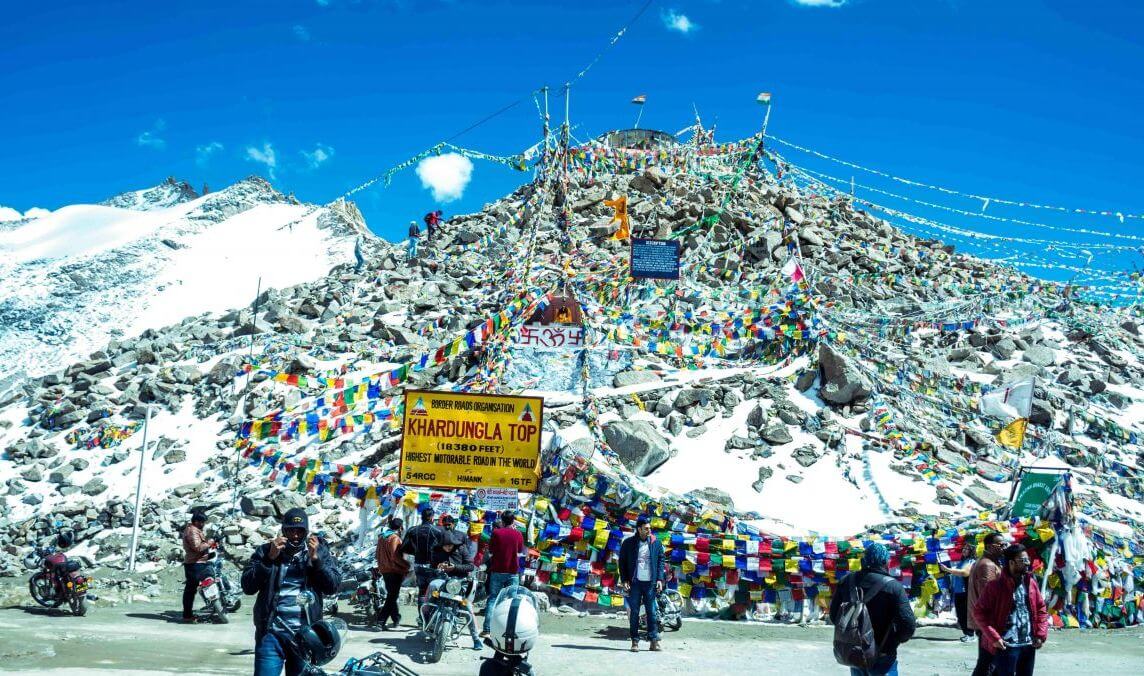
Khardung La Pass: Height, Permit, Weather and Safety
Plan Khardung La Pass with height facts, permit rules, weather windows, AMS safety, route planning, and practical Leh-to-Nubra travel execution tips.
Never Miss an Adventure
Get the latest trekking guides, travel tips, and exclusive offers delivered straight to your inbox.
