
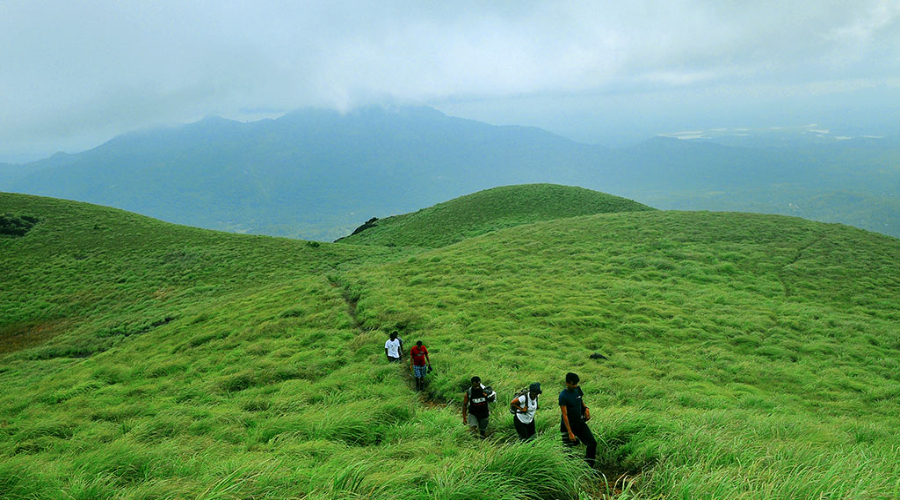
Trekking in Kerala: Best Trails by Difficulty & Region
Rohan Malhotra
February 18, 2026
Comprehensive guide to trekking in kerala: best trails & guide with planning tips, context, and practical logistics.
Introduction: Kerala as a Western Ghats Trekking Destination
Trekking in Kerala offers a powerful mix of rainforest routes, highland ridges, plantation trails, and biodiversity-focused walks across the Western Ghats. The state supports multiple trek profiles: beginner-friendly day hikes, moderate mountain trails, and advanced routes in specific protected belts.
Strong trekking results in Kerala come from three decisions: choosing the right season, matching route difficulty to fitness, and respecting permit and conservation rules.
To build a complete trip, connect this with Munnar travel guide, ecological context from Wayanad Wildlife Sanctuary, and protected-trail planning via Eravikulam National Park.
Top Trek Regions in Kerala
Munnar and High-Elevation Slopes
Known for cool-weather trek windows, tea-estate transitions, and scenic ridgelines. Suitable for mixed-level trekkers.
Wayanad Forest Belts
Blends forest movement, viewpoint climbs, and culture-linked routes. Great for nature enthusiasts.
Idukki and Thekkady Side
Often less crowded and useful for repeat travelers seeking quieter trek alternatives.
| Region | Trek Character | Difficulty Range |
|---|---|---|
| Munnar | Highland and tea-slope routes | Easy to moderate |
| Wayanad | Forest + ridge mix | Moderate |
| Idukki | Quiet scenic routes | Moderate to advanced |
Season Selection
Post-monsoon and cooler dry periods usually provide better traction and visibility. Monsoon can be visually rich but increases slip risk and route uncertainty. Summer treks are possible with early-start strategy and hydration discipline.
Difficulty Matching and Route Safety
Never pick trails only by popularity. Match elevation gain, surface condition, and weather exposure to your group fitness. For first-time trekkers, choose one moderate route per day and avoid stacked high-effort schedules.
Permits and Eco Rules
Protected routes may require permits, timing restrictions, and guide rules. Confirm entry controls in advance. Follow leave-no-trace principles: no littering, no wildlife disturbance, no off-trail shortcuts.
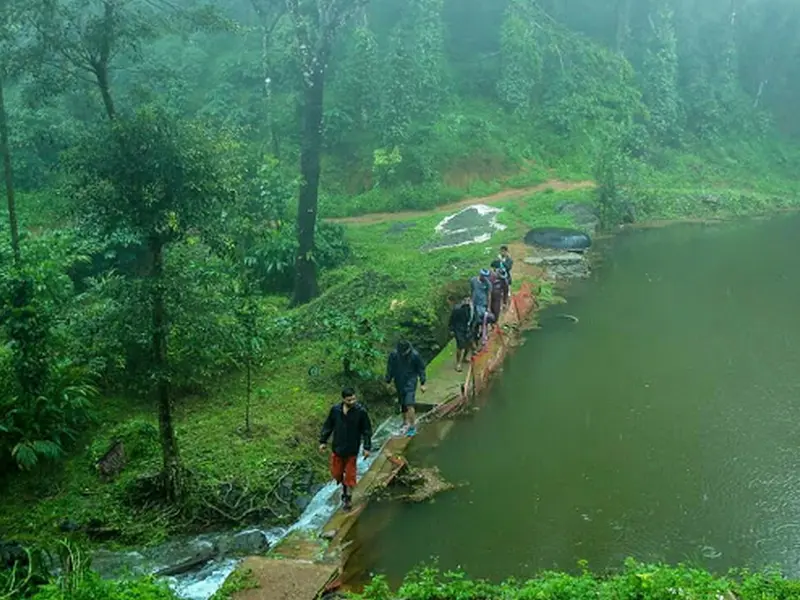
Packing Checklist
- High-grip trekking footwear.
- Hydration + electrolyte support.
- Light rain shell and quick-dry layers.
- First-aid essentials and personal medication.
- Offline map backup in low-network zones.
Sample 4-Day Trek Itinerary
Day 1: arrival and short acclimatization walk. Day 2: moderate trek with early start. Day 3: shorter scenic route + cultural block. Day 4: recovery morning and return movement.
Common Mistakes
- Ignoring humidity-driven dehydration.
- Attempting advanced trails without preparation.
- No weather contingency in monsoon windows.
- Overpacking itinerary with too many climbs.
Conclusion
Kerala trekking delivers exceptional variety when planned by season-fit and difficulty-fit logic. Choose routes realistically, follow conservation rules, and maintain a safety-first pace for a rewarding experience.
For first-time visitors, the right approach is to combine one major anchor experience with one secondary stop and one recovery block. This model improves decision quality and reduces last-minute stress.
For first-time visitors, the right approach is to combine one major anchor experience with one secondary stop and one recovery block. This model improves decision quality and reduces last-minute stress.
For first-time visitors, the right approach is to combine one major anchor experience with one secondary stop and one recovery block. This model improves decision quality and reduces last-minute stress.
For first-time visitors, the right approach is to combine one major anchor experience with one secondary stop and one recovery block. This model improves decision quality and reduces last-minute stress.
For first-time visitors, the right approach is to combine one major anchor experience with one secondary stop and one recovery block. This model improves decision quality and reduces last-minute stress.
For first-time visitors, the right approach is to combine one major anchor experience with one secondary stop and one recovery block. This model improves decision quality and reduces last-minute stress.
For first-time visitors, the right approach is to combine one major anchor experience with one secondary stop and one recovery block. This model improves decision quality and reduces last-minute stress.
For first-time visitors, the right approach is to combine one major anchor experience with one secondary stop and one recovery block. This model improves decision quality and reduces last-minute stress.
For first-time visitors, the right approach is to combine one major anchor experience with one secondary stop and one recovery block. This model improves decision quality and reduces last-minute stress.
For first-time visitors, the right approach is to combine one major anchor experience with one secondary stop and one recovery block. This model improves decision quality and reduces last-minute stress.
For first-time visitors, the right approach is to combine one major anchor experience with one secondary stop and one recovery block. This model improves decision quality and reduces last-minute stress.
For first-time visitors, the right approach is to combine one major anchor experience with one secondary stop and one recovery block. This model improves decision quality and reduces last-minute stress.
For first-time visitors, the right approach is to combine one major anchor experience with one secondary stop and one recovery block. This model improves decision quality and reduces last-minute stress.
Location
Frequently Asked Questions
Q1.What is the best time related to trekking in kerala?
Q2.How many days should I plan?
Q3.Is this suitable for first-time travelers?
Q4.Do I need advance booking?
Q5.What should I carry?
Q6.Can nearby places be combined?
Q7.Are budget options available?
Q8.Any key safety recommendation?
Recommended For You
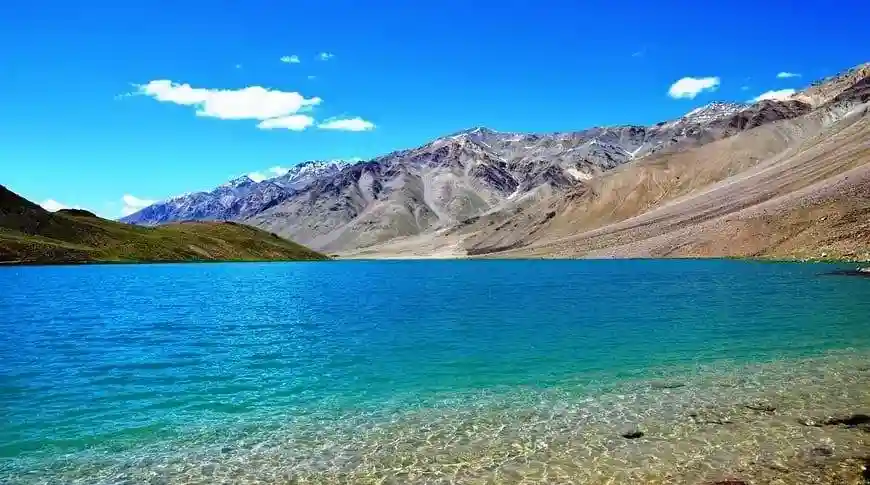
Things to Do in Spiti Valley: Monasteries, Villages & Routes
Discover the top 15 things to do in Spiti Valley including Key Monastery, Chandratal Lake, Pin Valley, ancient villages, and high-altitude adventures. Complete guide with itineraries, costs, and travel tips.
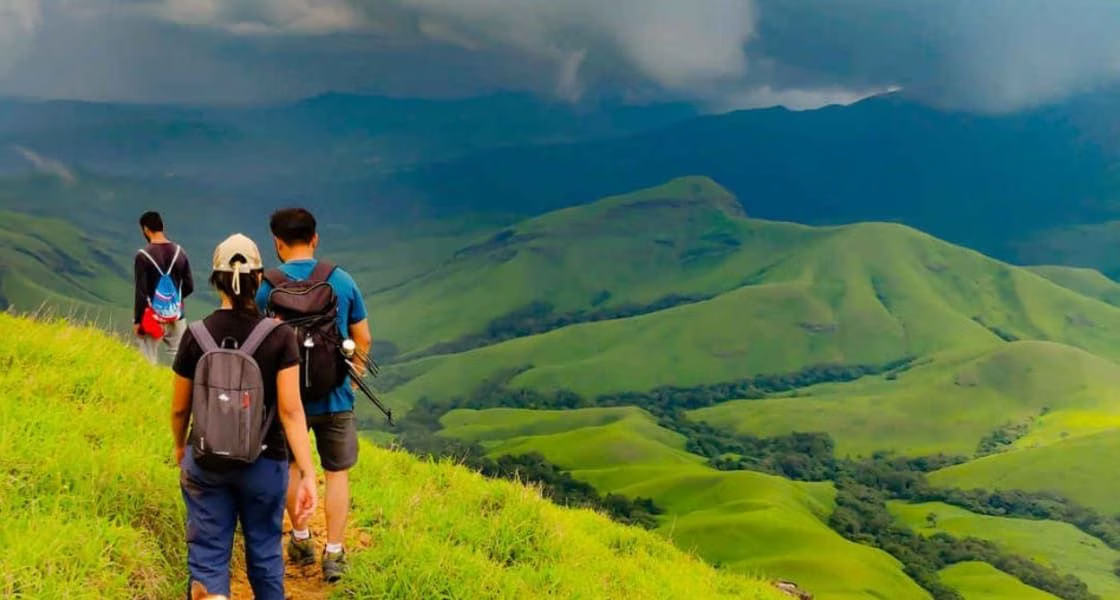
Trekking in Wayanad: Best Trails, Permit Info & Safety Tips
Complete Wayanad trekking guide with Chembra Peak, Pakshipathalam, Edakkal Caves, best trails, permits, season, and preparation tips for adventurers.
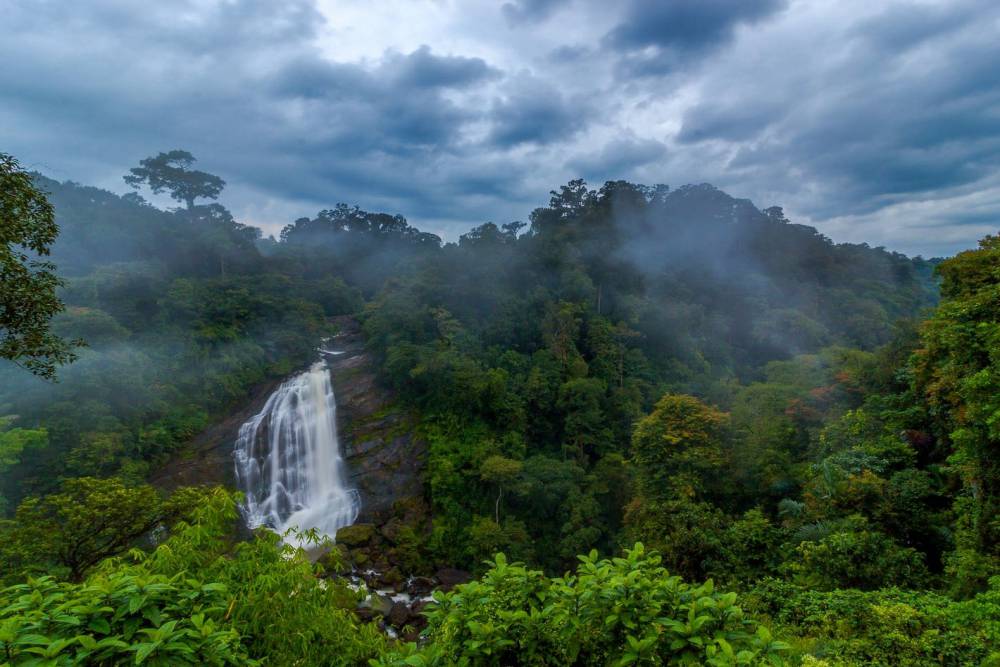
Attukad Waterfalls Munnar: Trek Path, Timings & Travel Tips
Plan your Attukad Waterfalls Munnar visit with trekking details, season guide, route tips, and nearby attraction combinations.
Never Miss an Adventure
Get the latest trekking guides, travel tips, and exclusive offers delivered straight to your inbox.
