
Currency Exchange in Bali: Best Rates, Safety, and Tips

Neha Kapoor
February 20, 2026
Learn currency exchange in Bali with IDR basics, authorized money changer checks, ATM tips, scam prevention, and practical payment planning.
Currency Exchange Bali: Safe and Practical Guide
Currency exchange in Bali can be smooth if you follow a few non-negotiable rules. Most traveler issues come from poor-rate counters, hidden fee practices, or careless cash handling in high-tourism areas. A simple strategy with trusted counters, ATM backup, and spending discipline is usually enough.
This guide explains where to exchange money, what rate practices to avoid, and how to manage day-to-day payments. For full trip logistics, combine with Bali Travel Guide and Is Bali Expensive.
Best Ways to Access Money in Bali
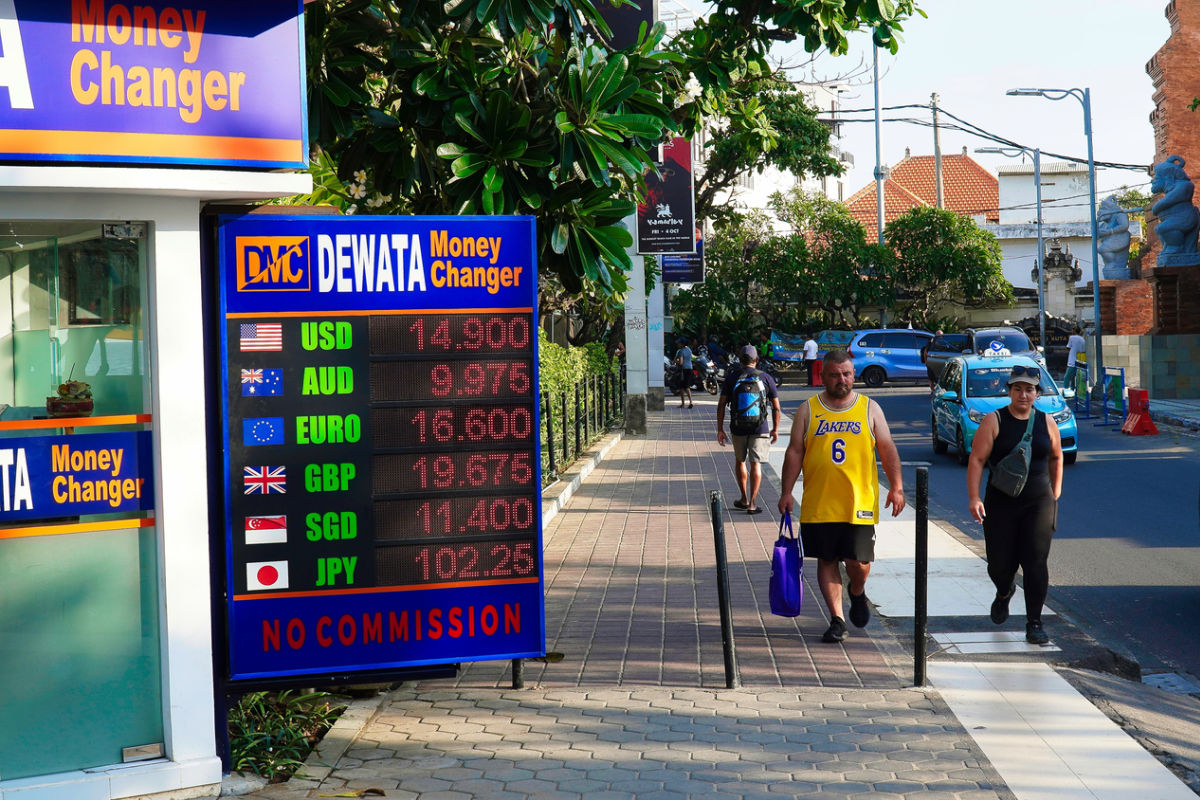
- Authorized money changers with clear display rates.
- ATMs at trusted bank-linked locations.
- Card payments in hotels, restaurants, and large stores.
- Small cash reserves for market and local transport use.
How to Avoid Exchange Scams
| Risk Pattern | Safe Action |
|---|---|
| Unusually high “promo” rate | Cross-check with multiple reputable counters |
| No clear fee explanation | Ask final payable amount before transaction |
| Distracting counting process | Recount cash yourself before leaving |
Always count money carefully and avoid rushed exchanges in crowded tourist strips.
Cash vs Card Balance for Travelers
Use a mixed system: cards for larger transactions and controlled cash for local day-to-day spending.
- Keep small denominations for taxis and small shops.
- Use cards for hotels and bigger restaurant bills.
- Do not carry all trip cash in one wallet.
When to Exchange and How Much
Avoid exchanging your full budget at once. Split it into stages based on itinerary length and location changes. This protects you from bad rates and cash-loss risk.
| Trip Stage | Recommended Exchange Approach |
|---|---|
| Arrival | Exchange small starter amount |
| Mid-trip | Top up based on actual spend pattern |
| Final days | Avoid over-exchange of leftover cash |
Understanding the Indonesian Rupiah
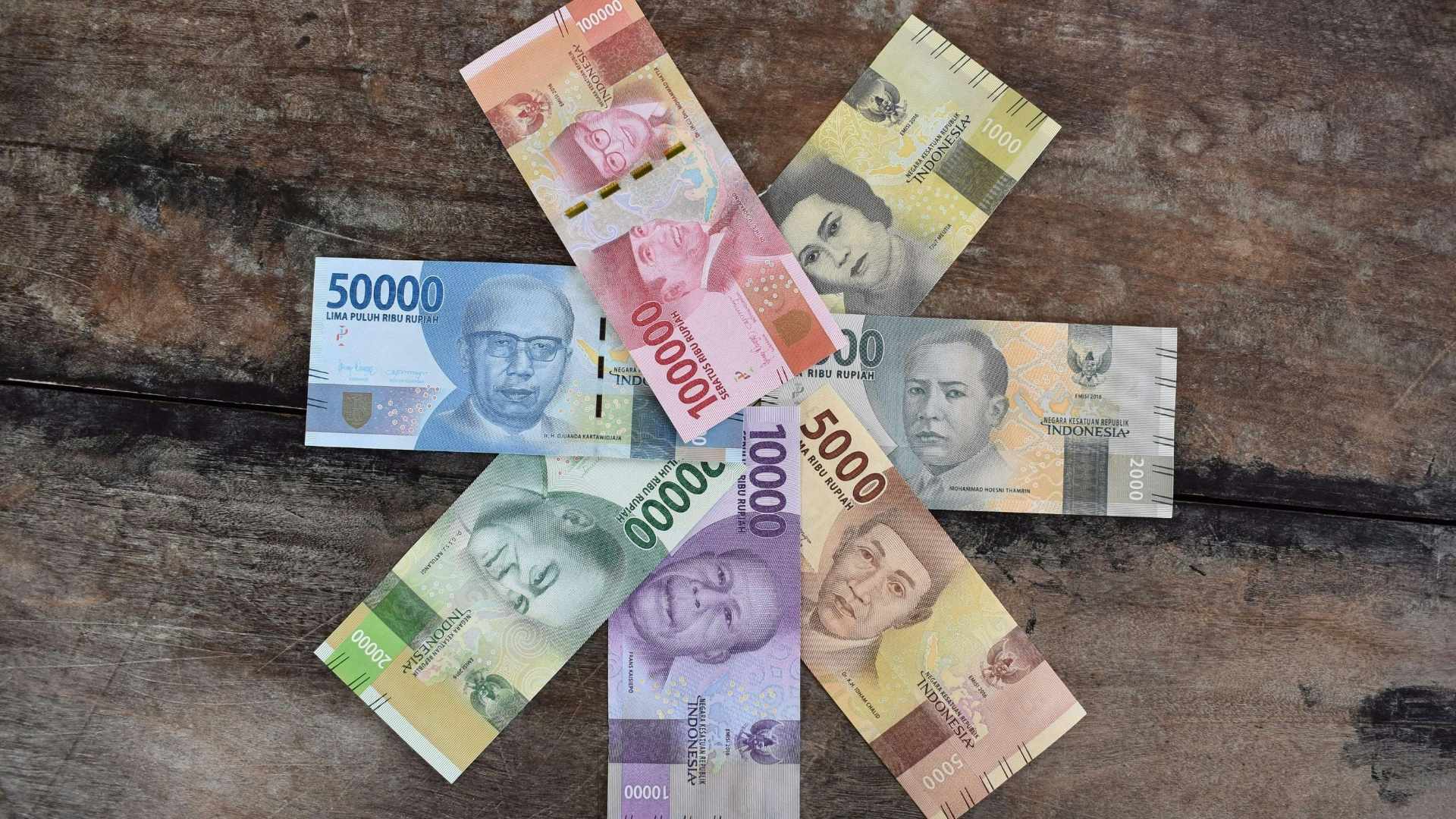
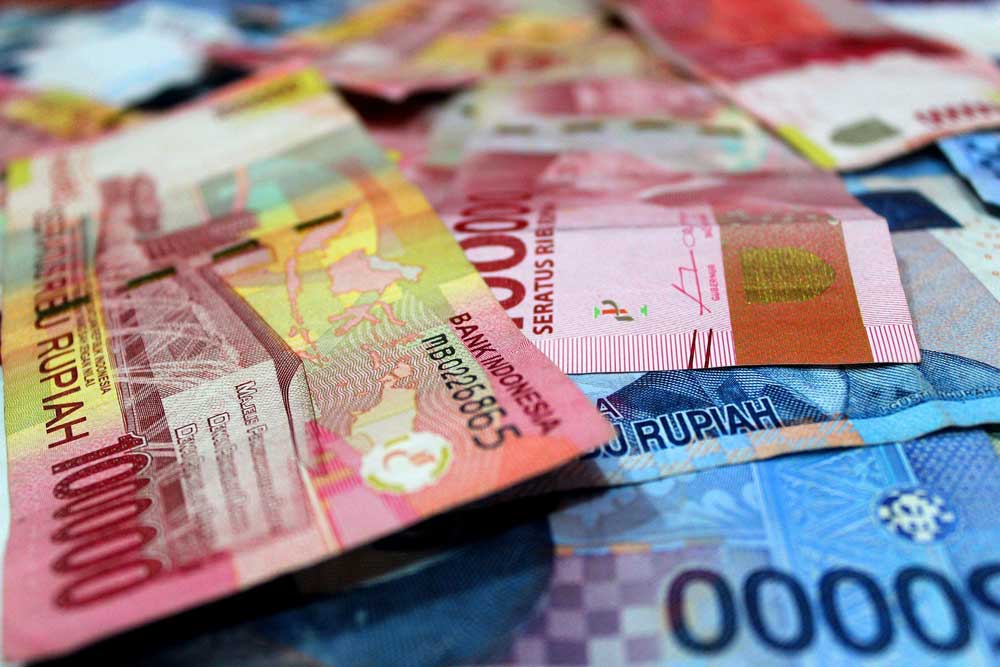
The Indonesian Rupiah (IDR) is issued in large denominations, which can feel confusing for first-time visitors since even everyday purchases involve numbers in the tens or hundreds of thousands. Notes commonly circulate in 1,000, 2,000, 5,000, 10,000, 20,000, 50,000, and 100,000 denominations, and it helps to mentally simplify by dropping the last three zeros when estimating rough value. Keeping a small denomination breakdown handy avoids overpaying for minor purchases like bottled water or parking fees, where vendors may not always have change for larger notes.
Digital payment apps have also become increasingly common in Bali’s tourist areas, with QR-code based systems used at some cafes, warungs, and retail counters. While these can be convenient, they are not universally accepted outside major towns like Seminyak, Canggu, and Ubud, so travelers should not rely on them as a sole payment method, particularly when visiting rural villages, temples, or local markets where cash remains the norm.
Practical Tips for First-Time Bali Travelers
- Photograph rate board before exchange for record.
- Keep receipts for all major transactions.
- Use secure bags in crowded markets.
- Track daily spend to prevent cash drain.
For route and arrival planning, use How to Reach Bali from Delhi and How to Reach Bali from India.
Tipping and Small Change Etiquette
Tipping is not mandatory in Bali but is increasingly appreciated in tourist-heavy areas, particularly for drivers, spa staff, and restaurant service where a service charge is not already included in the bill. Rounding up to the nearest convenient note or leaving a modest amount in cash is generally sufficient. It also helps to keep a stash of small notes specifically for tips and minor purchases, since breaking a large note for a small tip can be awkward for both traveler and vendor. Always check your restaurant bill for an existing service charge before adding an additional tip on top.
Final Takeaway
Safe currency exchange in Bali is about discipline: trusted counters, clear fee checks, staged exchange, and secure cash handling. With these basics, you can avoid common money mistakes and travel with confidence.

Location
Frequently Asked Questions
Q1.What currency is used in Bali?
Q2.Should I exchange money before arriving in Bali?
Q3.Where can I get good exchange rates in Bali?
Q4.Is currency exchange available at Bali airport?
Q5.Is it better to use ATMs or exchange counters in Bali?
Q6.How do I avoid money changer scams in Bali?
Q7.Are cards accepted widely in Bali?
Q8.How much cash should I carry daily in Bali?
Recommended For You

Bali: Complete Travel Plan Places And Weather
Complete Bali travel guide with 7-day itinerary, best time to visit, cost breakdown, top attractions, transport options & insider tips for first-time visitors to Indonesia's Island of Gods.

Best Places to Visit Bali: Region Guide and Tips
Plan the best places to visit in Bali with region-wise route strategy, timing guidance, and practical travel tips for smoother itineraries.

Is Bali Expensive? Complete Cost Guide for Budget & Luxury
Is Bali expensive? Discover complete cost breakdown for budget to luxury travel. Real prices for accommodation, food, activities & Bali budget guide.
Never Miss an Adventure
Get the latest trekking guides, travel tips, and exclusive offers delivered straight to your inbox.
