
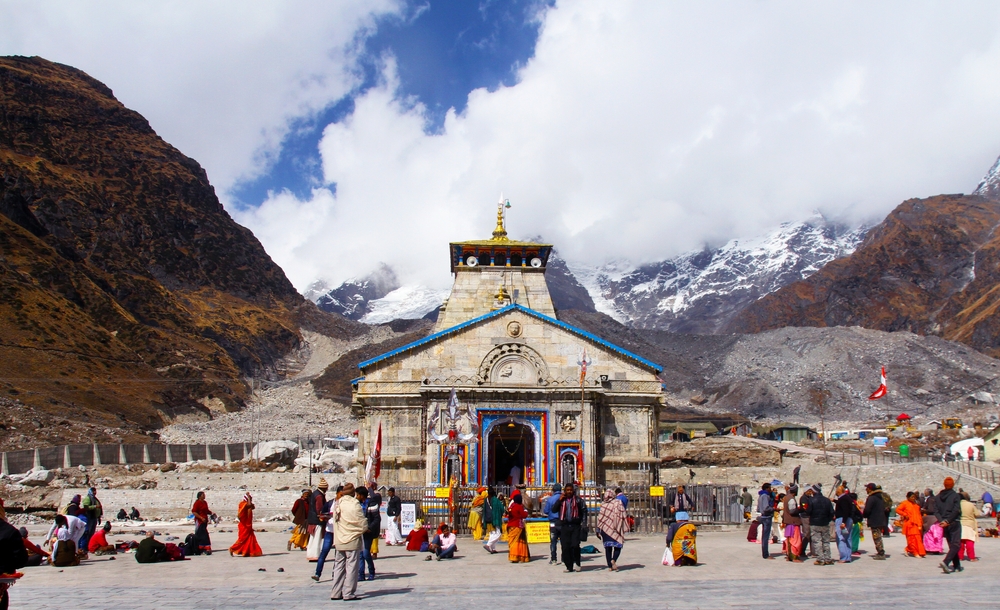
Delhi to Kedarnath: Distance, Route Options & Yatra Plan

Ananya Sharma
February 20, 2026
Plan Delhi to Kedarnath with distance, road routes, train options, helicopter details, trek prep, and seasonal tips for a safer pilgrimage.
Kedarnath is one of the most important Char Dham shrines, and for many travelers from Delhi, the biggest challenge is not devotion but planning. The route includes long road transfers, mountain weather uncertainty, registration checkpoints, and limited accommodation during peak season. This guide is built for practical decisions: which route to take, where to halt, what timeline works for families, and how to avoid common mistakes that make the yatra tiring. If you are comparing mountain routes first, read Delhi to Spiti Valley for road-condition planning logic that also helps in Uttarakhand trips.
Delhi to Kedarnath Distance and Route Snapshot
From Delhi to Sonprayag, the road distance is usually around 450-470 km depending on your starting point and detours. From Sonprayag, pilgrims take local shuttle transport to Gaurikund, and from there the Kedarnath trek begins. The trekking distance is roughly 16-18 km one way, depending on the route segment and crowd control diversions in season. In clear conditions, many travelers complete the climb in 6-9 hours, while descent is often faster. If you are planning a combined mountain circuit, this planning style also helps with long transfer trips like How to Reach Pahalgam from Delhi.

Best Route from Delhi by Road
The most common driving route is Delhi - Haridwar - Rishikesh - Devprayag - Srinagar (Uttarakhand) - Rudraprayag - Guptkashi - Sonprayag. Roads are mostly motorable throughout the yatra season, but landslides and traffic bottlenecks can add major delays, especially after Rudraprayag and near Sonprayag. Start very early from Delhi if you want to reach around Guptkashi by evening. Night driving in upper hills is avoidable unless absolutely necessary. Always keep one time buffer day in your itinerary, because mountain highways do not run on plain-city timings.
Delhi to Kedarnath by Flight + Road
If time is limited, fly from Delhi to Dehradun (Jolly Grant Airport), then continue by taxi to Guptkashi or Sonprayag. This option saves one long day of highway travel, but total cost increases significantly for families. During peak season, last-mile traffic around Sonprayag can still slow your plan even if you arrive by air. Helicopter options to Kedarnath operate from points like Phata, Guptkashi, and Sirsi, but weather delays are common. Book refundable accommodation and avoid same-day return assumptions unless your schedule is very flexible.
Suggested Itinerary (5 to 6 Days)
Day 1: Delhi to Guptkashi/Sitapur halt.
Day 2: Drive to Sonprayag, local transfer to Gaurikund, begin trek, stay at Kedarnath or return midway depending on fitness.
Day 3: Darshan and descend to Gaurikund, night halt near Guptkashi.
Day 4: Buffer for weather, traffic, or fatigue recovery.
Day 5: Return drive toward Rishikesh/Haridwar.
Day 6: Return to Delhi.
Families with senior citizens should choose palki/pony or helicopter segments instead of forcing a one-day up-down trek. If you enjoy destination comparison before committing to one route, you may also find Jaipur vs Udaipur useful as a planning framework for trip-style decisions.

Registration, Health, and Packing Essentials
Yatra registration is mandatory in most seasons. Complete your registration online or at designated counters and carry valid ID proof. Keep multiple photocopies of ID, medical essentials, and emergency cash because digital payments may fail in poor network zones. Layered clothing is critical: mornings and late evenings can be very cold even when afternoons feel warm. Carry a rain layer, trekking shoes with grip, wool socks, gloves, sunscreen, lip balm, and oral hydration salts. If you have asthma, blood pressure issues, or knee concerns, consult your doctor before travel and plan a slower ascent profile.
Where to Stay and How to Book Smartly
Most pilgrims split stays between Guptkashi/Sitapur and upper-route points. Book cancellable options wherever possible. In high season, many travelers overbook without checking transfer times from parking to shuttle points, then miss planned check-ins. Prefer accommodations with clear parking guidance and early breakfast support. Near temple regions, keep expectations realistic: cleanliness and hot water availability vary by crowd load and weather conditions.
Food, Connectivity, and Budget Planning
Basic vegetarian meals are widely available, but choice reduces as you move higher. Keep dry snacks, energy bars, and glucose for trek hours. Network availability is inconsistent; download maps and booking proofs offline. Budget depends on mode: self-drive can be economical for groups, while flight + helicopter combinations can be expensive. Keep emergency budget for weather-based extensions, which are common in mountain pilgrimages.

Final Planning Checklist Before You Leave Delhi
Confirm registration, accommodation, route weather, and local transfer updates one day before departure. Keep a buffer day, start road legs early, avoid rigid darshan timing assumptions, and prioritize safety over speed. Kedarnath is deeply rewarding when planned with patience. If you are building a broader north-India mountain calendar, compare this route with Pantnagar Airport travel planning to understand airport-led hill itineraries and transfer logistics. A calm itinerary always delivers a better yatra than an overpacked schedule.
Location
Frequently Asked Questions
Q1.What is the distance from Delhi to Kedarnath?
Q2.How can I reach Kedarnath from Delhi?
Q3.Can I drive directly from Delhi to Kedarnath Temple?
Q4.Is helicopter service available for Kedarnath?
Q5.How difficult is the Kedarnath trek?
Q6.What is the best time to visit Kedarnath from Delhi?
Q7.How many days should I keep for Delhi to Kedarnath travel?
Q8.Do I need registration for Kedarnath Yatra?
Recommended For You
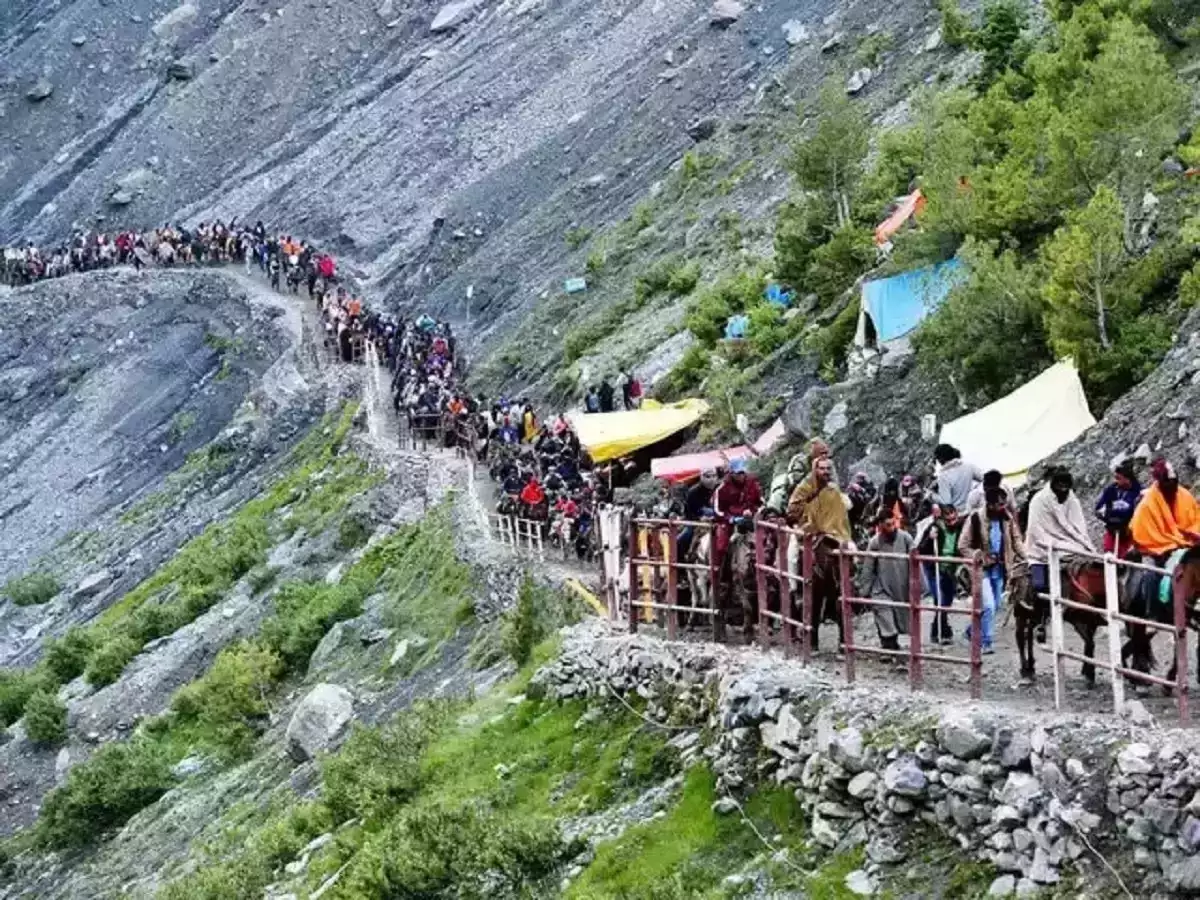
How to Reach Amarnath Temple: Complete Travel Guide 2026
Complete guide on how to reach Amarnath Temple by Pahalgam and Baltal routes. Includes transportation, registration, preparation, costs, and helicopter services.
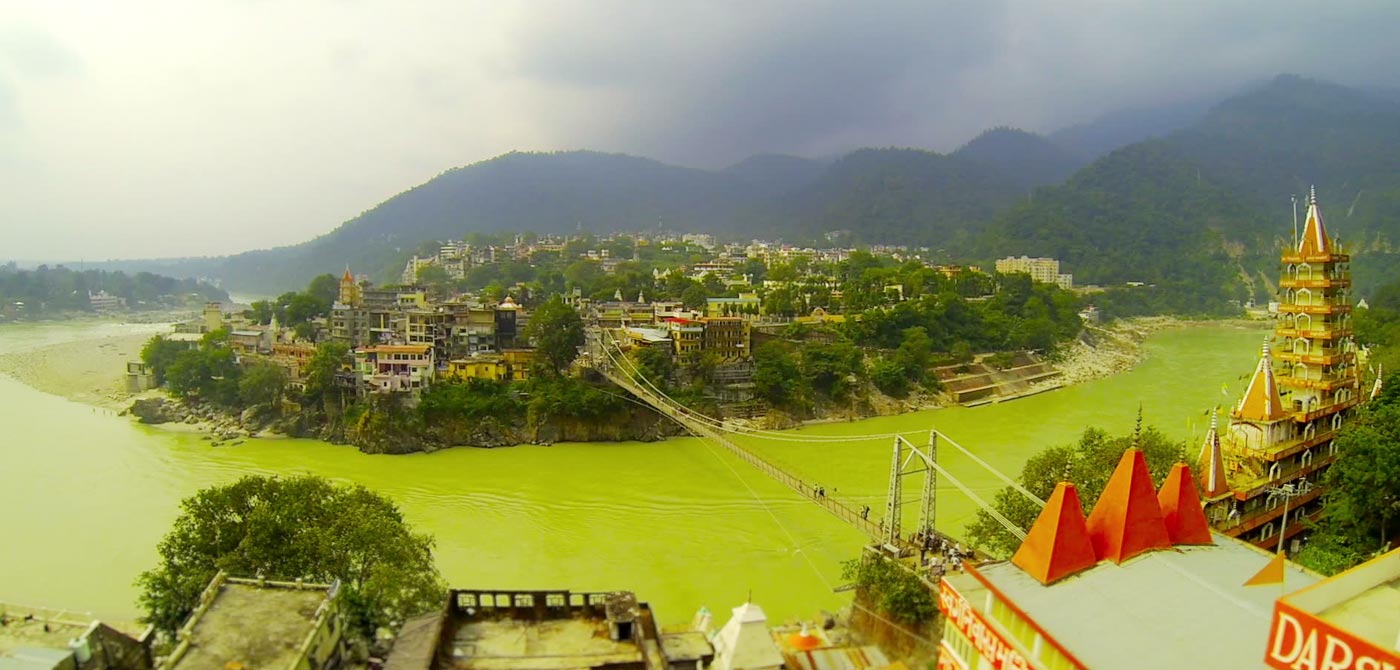
Ganga Aarti Rishikesh: Complete Guide to Divine Evening Ritual
Witness the divine Ganga Aarti in Rishikesh at Triveni Ghat. Experience sacred Hindu rituals, temple ceremonies & spiritual energy by the holy Ganges. Complete guide.
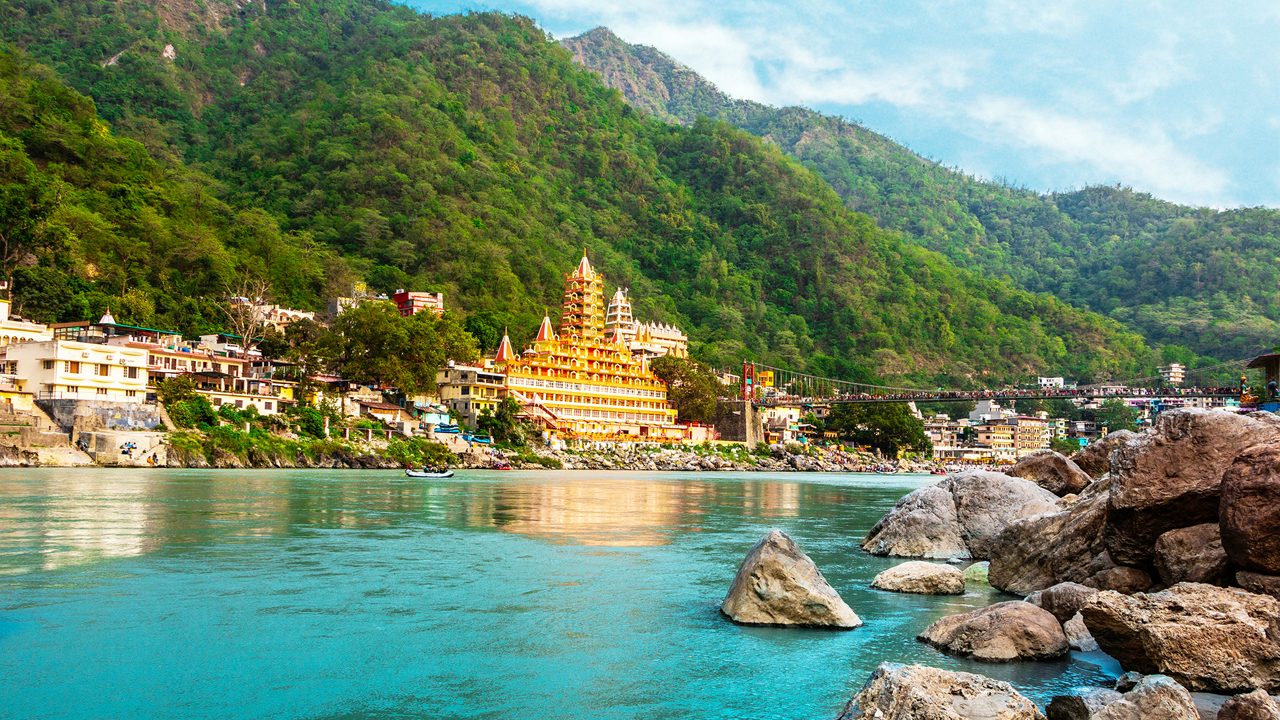
Rishikesh: Complete Travel Plan Places And Weather
Complete Rishikesh travel guide featuring the Yoga Capital of the World with white water rafting, bungee jumping, ashrams, temples, best time to visit & practical tips.
Never Miss an Adventure
Get the latest trekking guides, travel tips, and exclusive offers delivered straight to your inbox.
