
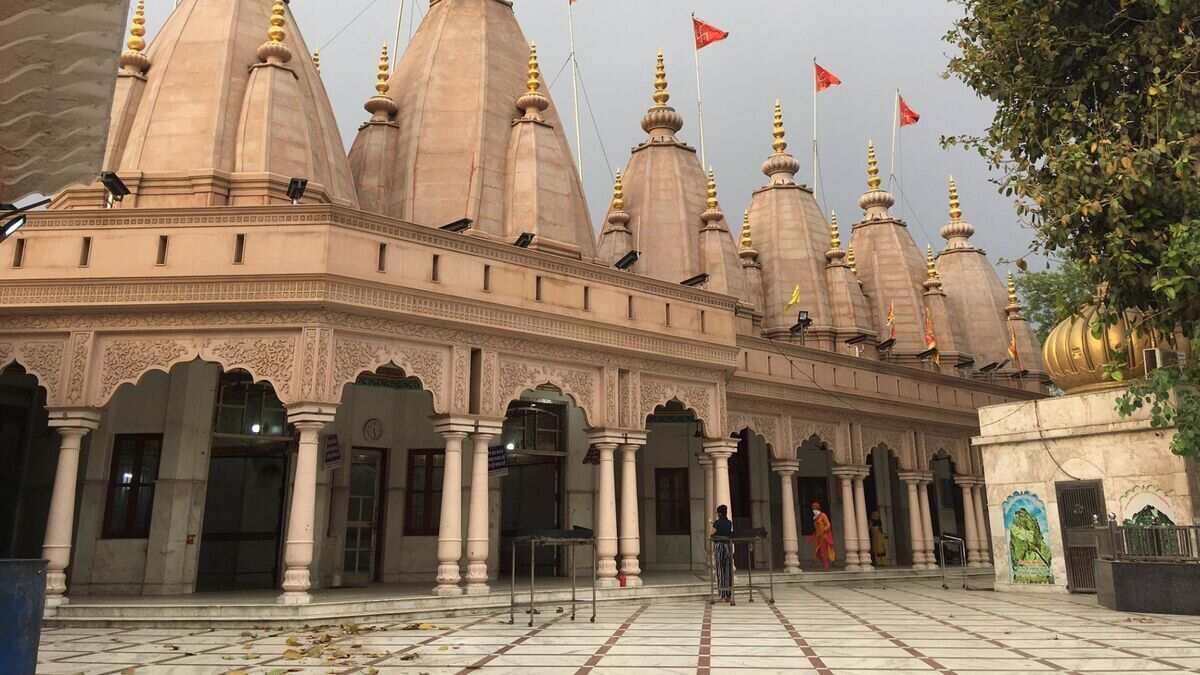
Devi Temple Panipat Haryana: History, Timings & Visitor Information

Neha Kapoor
February 20, 2026
Visit Devi Temple Panipat Haryana with this practical guide covering history, timings, darshan planning, travel routes, etiquette, and nearby attractions.
Introduction: Why Devi Temple Is Important in Panipat
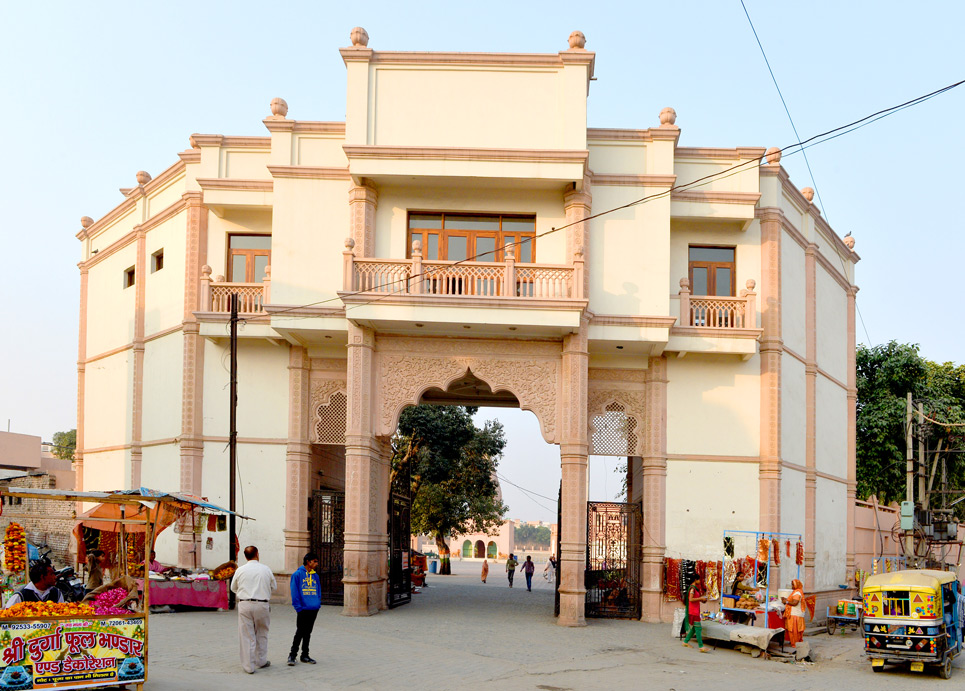
Devi Temple Panipat Haryana is one of the most visited religious sites in the city and holds strong local devotion, especially during Navratri and Durga-related observances. For many residents, it is not just a temple stop but a long-standing community landmark linked with festival gatherings, evening prayers, and regional religious identity. Travelers exploring Panipat often know the city for battle history, but this temple adds a devotional and living-cultural dimension to the itinerary.
The shrine is dedicated to Goddess Durga and is associated with local historical narratives tied to the 18th century and Maratha-era memory in Panipat. It is also known for its vibrant festive atmosphere, recurring Ramlila traditions in the adjoining area, and regular footfall from devotees across Haryana and neighboring regions. If you are planning a spiritual visit or building a one-day Panipat circuit, this guide covers history, significance, timings, rituals, route options, best visiting window, and nearby attractions with practical planning tips. You can combine it with places to visit in Panipat, Panipat Museum, and Panipat Battlefield Memorial.
Historical Background and Local Legends
Devi Temple in Panipat has both institutional references and oral tradition. Public tourism descriptions from district and state sources describe it as an old temple dedicated to Goddess Durga and connect its establishment to the period around the Third Battle of Panipat. A commonly repeated local belief links the temple’s origin to the discovery of a deity idol near a water body, after which the shrine became a long-term devotional center in the area.
18th Century Association
Temple narratives often mention Maratha-era presence in Panipat and the role of regional military or administrative figures in initiating worship structures. While fine-grain chronology can vary across retellings, the broader historical framing is consistent: the temple has deep local roots and has remained active for generations.
Community Continuity
Unlike heritage monuments that function mainly as tourist sites, Devi Temple continues as a living worship center. This continuity matters because it shapes daily rituals, festival management, and social involvement far beyond occasional pilgrimage traffic.
Religious Significance of Devi Temple Panipat
The temple is primarily a Durga shrine and draws devotees seeking blessings for health, protection, family welfare, and life stability. It is especially important during Navratri, when special puja, decorative lighting, and larger community participation create a high-energy spiritual environment.
Core Devotional Themes
- Shakti worship centered on Goddess Durga.
- Navratri fasting and special ritual observances.
- Collective aarti participation by local devotees.
- Temple offerings tied to gratitude and vow fulfillment.
Festival Importance
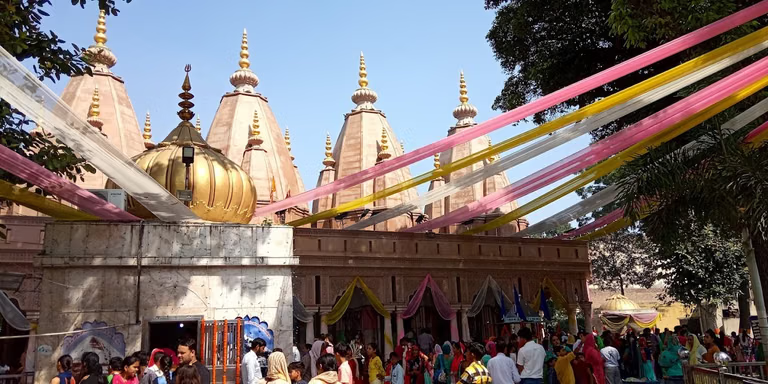
Navratri is the peak spiritual period, and the surrounding temple area often sees heavier movement, devotional programs, and cultural engagement. Visitors looking for quiet darshan should choose non-festival weekdays, while festival visitors should plan for crowd management and longer wait time.
Architecture and Temple Campus Experience
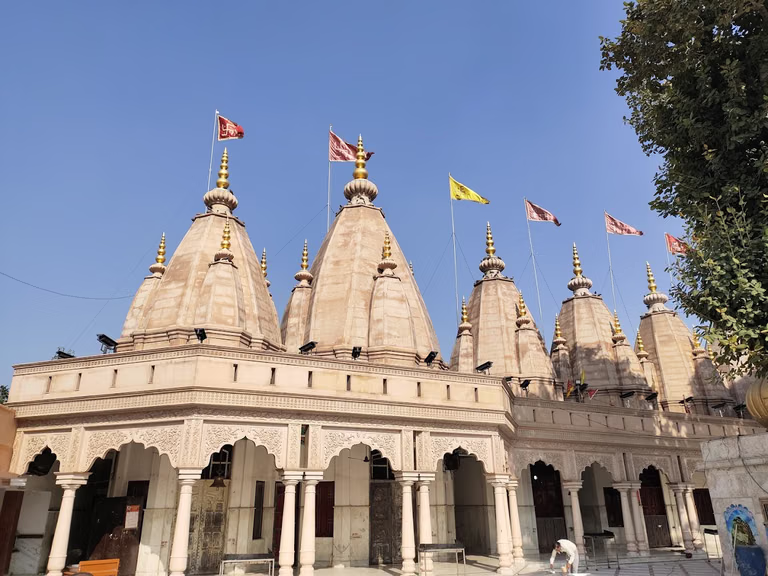
Devi Temple Panipat is appreciated for devotional architecture and practical worship flow rather than giant monumental scale. Over time, the site has seen restoration and development to support larger devotee movement during major occasions.
What You Will Notice On-Site
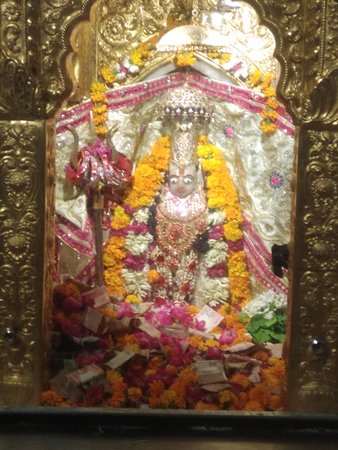
- Main shrine area dedicated to Goddess worship.
- Multiple deity idols and ritual spaces in the complex.
- Prayer zones designed for daily darshan lines.
- Adjoining open area/park influence in local narratives.
The temple atmosphere changes by time of day. Morning visits are usually calmer and better for uninterrupted prayer, while evenings can feel more vibrant and socially active.
Timings, Aarti, and Darshan Planning
Because temple timings can vary by season, day, and festival program, always verify on arrival or through local contacts. Publicly listed timings from local listings may differ, so it is better to treat online time as indicative and keep flexibility.
| Visit Element | Typical Pattern | Practical Tip |
|---|---|---|
| Morning opening | Early morning darshan window | Best for less crowd and peaceful prayer |
| Evening period | Higher local footfall and aarti activity | Arrive early to avoid queue pressure |
| Navratri days | Heavy crowd and extended rituals | Keep buffer time and plan transport ahead |
| Special puja days | Variable schedule | Check same-day announcements at temple |
Best Time for Most Travelers
Weekday mornings generally offer the easiest darshan flow. If you want festival ambience and devotional intensity, visit during Navratri evenings with extra time margin.
How to Reach Devi Temple in Panipat
The temple is located in Panipat city area and is accessible by local road networks. Reaching the temple is generally straightforward through private vehicle, auto-rickshaw, or app-based taxi depending on your starting point.
By Road (Private Vehicle)
If you are coming from Delhi-NCR or nearby Haryana cities, Panipat is well connected by highway routes. Once in Panipat city, local navigation to the temple area is manageable through map directions and common local references.
By Train
Panipat Junction is a practical arrival point for rail travelers. From the station, local auto or cab transfer can take you to Devi Temple and nearby attractions.
By Bus
Panipat has frequent intercity bus connectivity from major Haryana and NCR nodes. Last-mile local transit from bus stand is usually available through auto-rickshaw.
| Mode | Convenience | Best For |
|---|---|---|
| Private car/taxi | High | Families and same-day multi-stop circuit |
| Train + local auto | High | Intercity visitors from Delhi/NCR belt |
| Bus + local auto | Moderate | Budget-conscious travelers |
Parking and Access
During normal days, local access is manageable. During Navratri and major festival windows, traffic and parking demand can increase sharply, so earlier arrival is recommended.
Best Time to Visit Devi Temple Panipat
The temple is open to visitors across the year, but experience quality changes by weather and festival calendar.
Season-Based Planning
- October to March: Most comfortable weather for temple visits and city exploration.
- April to June: Hot afternoons; plan morning or post-sunset darshan.
- Monsoon period: Visit possible, but keep travel cushion for rain delays.
Festival vs Regular Day
- Navratri: Spiritually rich, culturally active, but crowded.
- Regular weekdays: Better for calm darshan and shorter waits.
If your priority is peaceful prayer, avoid peak festival evenings. If your priority is festival atmosphere, choose Navratri and plan patience for queues.
Nearby Attractions You Can Combine in One Trip
A Devi Temple visit can be part of a meaningful half-day or full-day Panipat itinerary.
History and Culture Stops
- Panipat Museum Haryana for regional history context.
- Panipat Battlefield Memorial for military history connection.
- Panipat city highlights for broader sightseeing options.
Regional Extension
- Places to visit in Haryana for onward travel planning.
- Shopping in Panipat if you want textile and market add-ons.
This mix gives a balanced spiritual + historical day plan.
One-Day Practical Itinerary
| Time Slot | Suggested Plan | Why It Works |
|---|---|---|
| 7:00 AM - 9:00 AM | Devi Temple darshan | Cooler weather and easier crowd levels |
| 10:00 AM - 12:00 PM | Panipat Museum | Adds historical depth to visit |
| 1:00 PM - 3:00 PM | Lunch and local break | Useful midday rest in warm months |
| 4:00 PM - 6:00 PM | Battlefield Memorial / city loop | Completes cultural circuit |
| Evening | Return for aarti (optional) | Experience temple atmosphere at peak devotional hour |
Visitor Guidelines and Etiquette
Since this is an active temple, respectful behavior is essential.
- Wear modest clothing suitable for temple premises.
- Keep noise low near active worship areas.
- Follow local queue and footwear instructions.
- Ask before photographing rituals or close worship moments.
- Maintain cleanliness and avoid plastic littering.
Simple etiquette helps preserve the spiritual environment and improves everyone’s visit.
Common Planning Mistakes to Avoid
- Assuming fixed timings from old listings without local verification.
- Visiting during festival rush without buffer time.
- Combining too many stops in a short window.
- Ignoring summer heat and hydration needs.
- Not pre-arranging return transport on crowded evenings.
A little preparation prevents most day-of problems.
Festival Season Planning and Crowd Management
Navratri is the most active period at Devi Temple Panipat, and many first-time visitors underestimate crowd size, parking pressure, and queue duration. If you plan to visit in festival season, reach early, keep your group together, and avoid hard deadlines immediately after darshan. Families with elders should prioritize morning windows or relatively less crowded slots instead of peak evening rush. Carry only essentials to move through queues comfortably and keep footwear, offering items, and water management practical.
Festival visits are highly rewarding, but they require patience and simple planning discipline. If your purpose is extended prayer, choose a calm day outside the highest rush dates. If your purpose is to experience the full devotional energy, choose Navratri evenings and keep extra transit buffer for return movement.
- Arrive early and pre-check local access roads.
- Use lightweight offering kits and avoid carrying extra bags.
- Hydrate well in warmer months and plan shaded breaks.
- Confirm aarti slot details with temple staff on arrival.
Balanced timing decisions can significantly improve your spiritual experience at the temple.
Conclusion
Devi Temple Panipat Haryana is an important spiritual landmark that offers both devotional depth and local historical context. Whether you visit for darshan, Navratri atmosphere, or as part of a Panipat heritage circuit, the experience is strongest when you plan by time slot, season, and crowd patterns.
Start early, keep your itinerary realistic, and combine temple visit with selected nearby attractions for a complete day. For broader planning, continue with things to do in Panipat, Haryana travel ideas, and places to visit near Panipat.
Location
Frequently Asked Questions
Q1.Where is Devi Temple located in Panipat?
Q2.What is Devi Temple Panipat known for?
Q3.What are the temple timings?
Q4.When is the best time to visit Devi Temple Panipat?
Q5.How can I reach Devi Temple from Panipat Junction?
Q6.Is photography allowed in Devi Temple?
Q7.Can I combine Devi Temple with other Panipat attractions?
Q8.What should I wear when visiting the temple?
Recommended For You
Things to Do in Panipat: Historic Sites, Museums & Local Food
Explore top things to do in Panipat with battlefield history, museums, heritage landmarks, market experiences, and practical one- or two-day planning.

15 Best Places to Visit in Haryana: Heritage, Lakes & Weekend Trips
Discover the best places to visit in Haryana including Kurukshetra, Sultanpur, Panipat, Damdama Lake, Surajkund, and Pinjore with a practical travel plan.
Places Near Panipat Haryana: 15 Best Spots
Explore the best places to visit near Panipat Haryana including Kurukshetra, Delhi, Karnal, museums and nature getaways with practical trip tips.
Never Miss an Adventure
Get the latest trekking guides, travel tips, and exclusive offers delivered straight to your inbox.
