
Dhankar Village Spiti: Monastery, Lake & Stay Options

Rahul Garg
January 13, 2026
Explore Dhankar Village in Spiti Valley. Visit ancient monastery, Dhankar Lake, homestays, trekking & travel guide.
Introduction: The Cliff-Perched Village
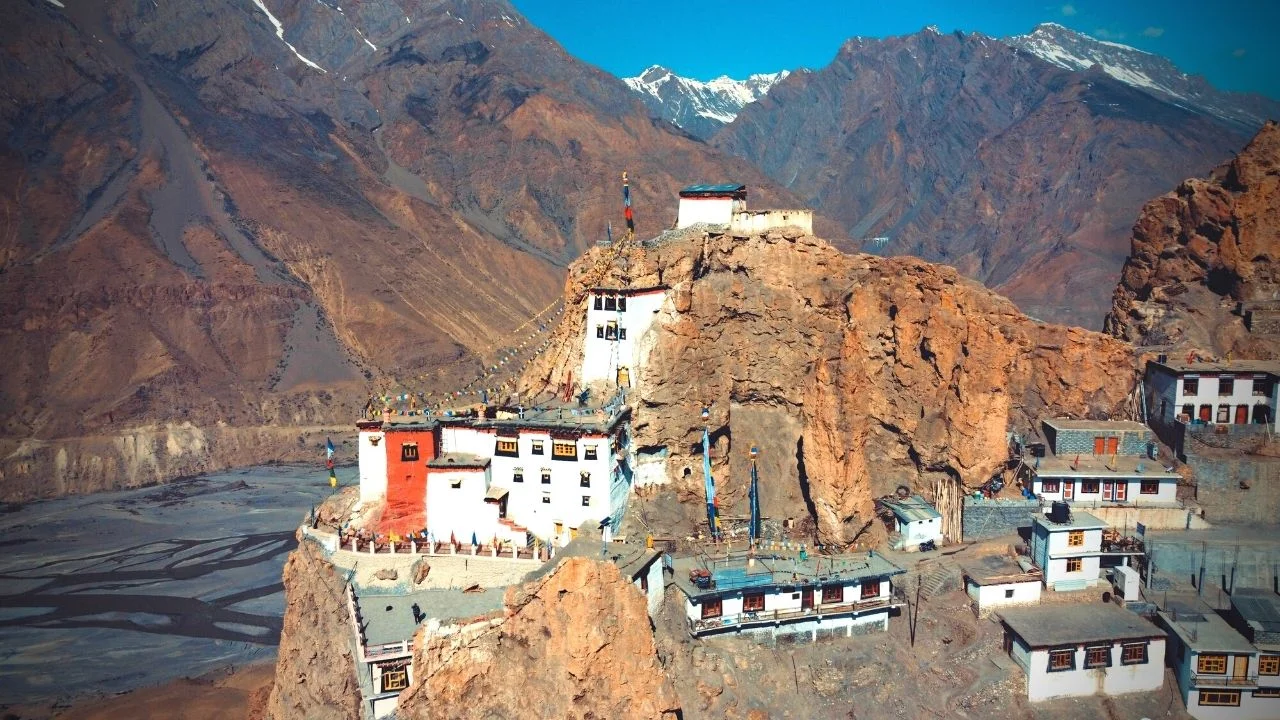
Perched dramatically on a cliff overlooking the confluence of the Spiti and Pin rivers, Dhankar Village is one of the most spectacularly located settlements in the Himalayas. At 3,894 meters (12,774 feet) above sea level, this ancient capital of Spiti offers breathtaking views, a rich Buddhist heritage, and an authentic glimpse into traditional Spitian life. The village is dominated by the Dhankar Monastery (Dhankar Gompa), built precariously on the edge of a cliff, creating a sight that seems almost impossible - yet has stood for centuries.
What makes Dhankar special is its perfect blend of spiritual significance, natural beauty, and cultural authenticity. Unlike more commercialized destinations, Dhankar retains its traditional character, with villagers continuing age-old agricultural practices and Buddhist traditions. The journey to reach Dhankar is an adventure in itself, winding through spectacular mountain scenery before revealing this cliff-top gem. For travelers seeking an authentic Spiti experience away from the crowds, Dhankar Village delivers in every way.
About Dhankar Village
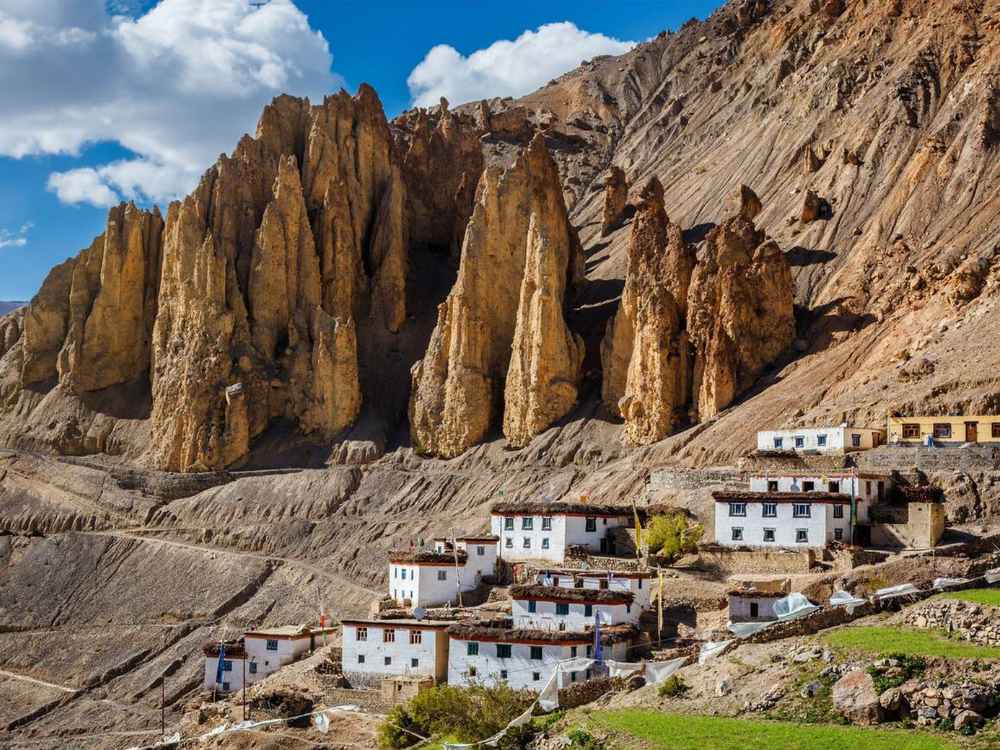
Dhankar Village has deep historical significance as the ancient capital of the Spiti Valley. Located in the Lahaul-Spiti district of Himachal Pradesh, the village is home to approximately 80 households that have maintained their traditional way of life for generations. The traditional houses are built using mud bricks and wood, designed to withstand the harsh Himalayan winters while keeping interiors warm and comfortable.
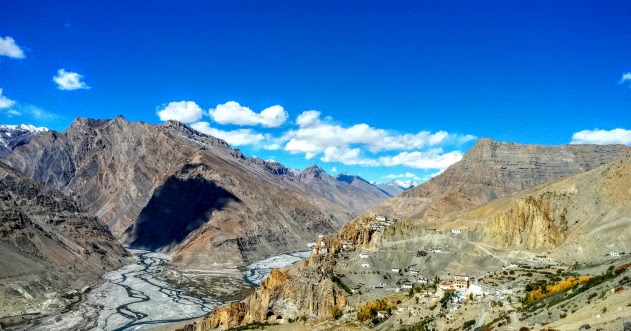
The village's geography is dramatic - situated on a spur between the Spiti and Pin rivers, it offers panoramic views of both valleys. The name 'Dhankar' translates to 'place on a cliff,' perfectly describing its location. The landscape around Dhankar is characterized by rugged mountains, deep valleys, and the distinctive geological formations that make Spiti so unique. The small population and remote location have helped preserve traditional Spitian culture, making Dhankar a living museum of Himalayan village life.
Dhankar Monastery
Also known as Dhankar Gompa, this 16th-century monastery (built approximately 1570 AD) is the spiritual heart of the village. Affiliated with the Gelugpa school of Tibetan Buddhism, it's one of the five main monasteries in Spiti and serves as an important pilgrimage site for Buddhists.
Architecture: The monastery's location is its most striking feature - built on a precarious cliff edge, it seems to defy gravity. Traditional Tibetan architecture with prayer flags, chortens (stupas), and whitewashed walls create a striking contrast against the brown mountains. The main prayer hall houses ancient statues of Buddhist deities, thangkas (scroll paintings), and wall paintings that have survived centuries.
Religious Significance: The monastery houses ancient Buddhist scriptures and was traditionally the seat of the Head Lama of Spiti. It continues to be an active center of Buddhist practice, with monks performing daily rituals and ceremonies. The meditation caves around the monastery were used by monks for solitary retreat - a practice that continues today.
UNESCO Monitoring: Due to its precarious location, the monastery is at risk from landslides and erosion. UNESCO has been monitoring the structure, and a new monastery has been built nearby to preserve the ancient artifacts and provide a safer location for religious practices.
Dhankar Lake Trek
A highlight of visiting Dhankar Village is the trek to Dhankar Lake (Dhankar Tso), a stunning high-altitude lake that rewards trekkers with spectacular views and serene surroundings.
Trek Details: The lake is approximately 2.5 km from the village at an altitude of 4,270 meters (14,010 feet). The trek takes 1-1.5 hours each way and is considered moderate in difficulty due to altitude rather than technical challenges. The trail is rocky and steep in sections, gaining about 400 meters in elevation from the village.
The Experience: Starting from Dhankar Village, follow the marked trail that gradually ascends through stunning mountain scenery. The path offers panoramic views of the Spiti Valley below. As you climb higher, the landscape becomes more dramatic, with the turquoise waters of the lake suddenly appearing like a gem amidst the mountains.
Lake Features: The crystal-clear water is surrounded by towering peaks, creating perfect reflections on calm days. The lake is considered sacred and contains no fish. Its color changes with sunlight - ranging from deep blue to turquoise to emerald green. The peaceful atmosphere makes it ideal for meditation and quiet contemplation.
Tips: Start early morning for best lighting and calmer winds. Carry water and snacks. Wear good trekking shoes with grip. Respect the sacred nature of the lake - don't litter or disturb the ecosystem. Acclimatize properly before attempting the trek.
Best Time to Visit
Summer (June-September): Ideal for trekking when the lake is accessible and temperatures are pleasant. August offers the best conditions with clear views.
Monsoon (July-August): Risk of landslides - check road conditions before traveling.
Autumn (October): Clear views and pleasant weather, but getting colder.
Winter (November-May): Extremely cold with heavy snow - roads close and the region becomes inaccessible.
Accommodation & Homestays
Dhankar offers authentic homestay experiences that allow you to live with local families and experience traditional Spitian hospitality:
- Homestays: Basic but comfortable village homes with traditional Spitian architecture. Prices range from Rs. 500-800 per night including meals.
- Facilities: Basic bedding, home-cooked traditional food (momos, thukpa, local dishes), shared bathrooms, and limited hot water.
- Electricity: Solar power provides basic lighting - charging facilities may be limited.
Booking in advance isn't always necessary, but recommended during peak season. The homestay experience is the highlight for many visitors - warm hospitality, delicious food, and genuine insight into Spitian culture.
How to Reach
From Kaza: Dhankar is approximately 32 km from Kaza (the headquarters of Spiti). The drive takes about 1.5 hours via the Kaza-Tabo-Dhankar route. Road conditions are mostly good with some rough patches.
From Manali: Travel via Kaza (2 days). The Manali-Kaza journey is spectacular but long, crossing Kunzum La Pass.
From Shimla: Travel via Kinnaur (2-3 days). This route is longer but more gradual, better for acclimatization.
Nearby Attractions
- Tabo Monastery (48 km): Known as the 'Ajanta of the Himalayas' for its ancient wall paintings.
- Kaza (32 km): The main town and administrative center of Spiti.
- Pin Valley: A cold desert national park with unique wildlife and landscape.
- Lhalung Monastery: Ancient monastery with stunning mountain views.
Travel Tips
- Acclimatize Properly: Spend time in Kaza before attempting the Dhankar Lake trek.
- Cash Only: There are no ATMs in Dhankar - carry sufficient cash from Kaza.
- Limited Connectivity: Mobile network is poor (BSNL postpaid works sometimes).
- Warm Clothing: Even in summer, nights are cold - layers are essential.
- Respect Local Customs: Dress modestly, ask permission before photographing people or religious ceremonies.
- Carry Medicines: Basic medical facilities are limited - bring essential medications and first aid.
Weather, Altitude, and Acclimatization Reality
Dhankar sits at high altitude, so weather can shift quickly within the same day. Morning sun can feel warm, afternoons can turn windy, and nights usually get cold even in peak season. Many travelers underestimate how dry and dehydrating Spiti air can be. Drink water consistently, avoid overexertion on day one, and keep your first day light if you have just arrived from lower altitude regions.
Because Dhankar Lake is higher than the village, symptoms like headache, fatigue, and breathlessness can appear during the climb if acclimatization is incomplete. A practical approach is to spend at least one night in Kaza or Tabo before moving to Dhankar, then attempt the lake trek the next day. Slow, steady walking is safer than fast hiking at this elevation.
Sample 2-Day Dhankar Plan
Day 1: Arrive from Kaza or Tabo, check into a homestay, and visit Dhankar Monastery in the afternoon when light is good for photography. Spend sunset at a viewpoint above the village where the Pin-Spiti confluence becomes clearly visible. Keep dinner early and rest well.
Day 2: Start the Dhankar Lake trek early morning, return by late morning, and have lunch in the village. If road and weather are stable, continue toward Tabo or Kaza depending on your onward plan. This schedule keeps altitude effort manageable while covering Dhankar's two main highlights without rushing.
Local Etiquette and Responsible Travel
Dhankar is not only a scenic destination but also a living village with active Buddhist traditions. While entering prayer halls, follow local instructions, keep voice low, and avoid touching murals or religious objects unless invited. Some interior sections may not permit photography, so ask politely first.
Carry back all plastic waste, avoid loud music near monastery zones, and use water carefully in homestays because resources are limited in high-altitude desert regions. Buying local meals and handmade products directly from village families supports the community better than quick-stop tourism. If you are exploring more of the circuit, pair Dhankar with things to do in Spiti Valley for a better-paced route plan.
Budget Snapshot for Dhankar Visit
- Homestay: usually budget-friendly, with meals often charged separately or as a package.
- Transport: shared taxis and private cabs from Kaza vary by season and road condition.
- Food: simple local meals are available; menu options are limited but fresh and filling.
- Trek Cost: Dhankar Lake trek is self-guided for most fit travelers, so no mandatory permit fee for the walk itself.
Dhankar Village offers an authentic Spiti Valley experience that combines stunning natural beauty, rich Buddhist culture, and genuine Himalayan hospitality. Whether you're exploring the ancient monastery, trekking to the sacred lake, or simply soaking in the panoramic views from the cliff edge, Dhankar creates memories that stay with you long after the journey ends.
Location
Frequently Asked Questions
Q1.Where is Dhankar Village located?
Q2.How far is Dhankar from Kaza?
Q3.What is special about Dhankar Monastery?
Q4.Is the Dhankar Lake trek difficult?
Q5.What is the altitude of Dhankar Lake?
Q6.Are there homestays in Dhankar Village?
Q7.What is the best time to visit Dhankar Village?
Q8.Is there mobile network in Dhankar Village?
Recommended For You
Golden Temple Sarnath: Where Buddha Began His Journey
Visit the Golden Temple Sarnath where Buddha delivered his first sermon 2,500 years ago. Explore Dhamekh Stupa, Ashoka Pillar, and sacred Buddhist heritage.
Key Monastery Spiti: Timings, History, Stay & Viewpoint Details
Explore Key Monastery in Spiti Valley! Discover 1000-year-old history, timings, best time to visit, how to reach from Kaza, stay options, and complete travel guide.
Meenakshi Temple Madurai: Complete Guide to the Temple City
Explore the magnificent Meenakshi Temple in Madurai - a 7th-century architectural marvel with 12 towering gopurams, musical pillars, and sacred tanks. Discover history, timings, Chittirai festival, travel tips, and nearby attractions in this comprehensive guide.
Never Miss an Adventure
Get the latest trekking guides, travel tips, and exclusive offers delivered straight to your inbox.
