
Golden Temple Sarnath: Where Buddha Began His Journey

Rohan Malhotra
December 5, 2025
Visit the Golden Temple Sarnath where Buddha delivered his first sermon 2,500 years ago. Explore Dhamekh Stupa, Ashoka Pillar, and sacred Buddhist heritage.
The Birthplace of Buddhist Dharma
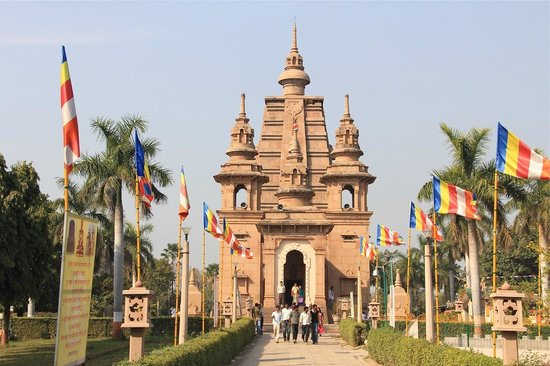
Imagine standing on the sacred ground where, 2,500 years ago, a newly enlightened Buddha delivered his first sermon. The Golden Temple in Sarnath, officially known as Mulagandha Kuti Vihar, marks this profound moment in human history. This is where the wheel of Dharma was set in motion, where Buddha's teachings transformed from personal enlightenment to a path for all humanity.
Located just 10 kilometers from the ancient city of Varanasi, Sarnath represents one of Buddhism's four most sacred pilgrimage sites. The Golden Temple stands as a modern masterpiece built by the Mahabodhi Society, celebrating the spot where Buddha taught his first five disciples the Middle Way, the Four Noble Truths, and the Noble Eightfold Path.
What makes this temple extraordinary is not just its golden spire rising against the sky, but what it represents: the moment wisdom became compassion, the moment enlightenment found its voice. For millions of Buddhists worldwide, Sarnath is where Buddhism truly began as a teaching tradition.
The Historical Significance of Sarnath
Sarnath's history begins with Buddha's arrival after attaining enlightenment in Bodh Gaya. Having spent seven weeks in meditation under the Bodhi tree, Buddha traveled to the Deer Park of Isipatana in Sarnath to find his five former companions who had abandoned him during his ascetic practices. This meeting marked Buddha's first sermon, known as the Dhammacakkappavattana Sutta, or "Setting in Motion the Wheel of Dharma."
In this sermon, Buddha taught the Middle Way, avoiding both extreme indulgence and extreme self-denial. He explained the Four Noble Truths: the truth of suffering, its cause, its cessation, and the path to liberation. This teaching formed the foundation of Buddhist philosophy and practice.
For over 1,500 years, Sarnath flourished as a major center of Buddhist learning. Emperor Ashoka, who converted to Buddhism around 260 BCE, visited Sarnath and erected a pillar with his edicts. The great Dhamekh Stupa was built later to mark the exact spot of Buddha's first sermon. Chinese travelers like Xuanzang (7th century CE) documented a thriving monastic complex with thousands of monks studying here.
The site declined after repeated invasions in the 12th century and lay forgotten until British archaeologists rediscovered it in the 19th century. The Golden Temple we see today represents the revival of Buddhist heritage in modern India.
The Golden Temple Architecture
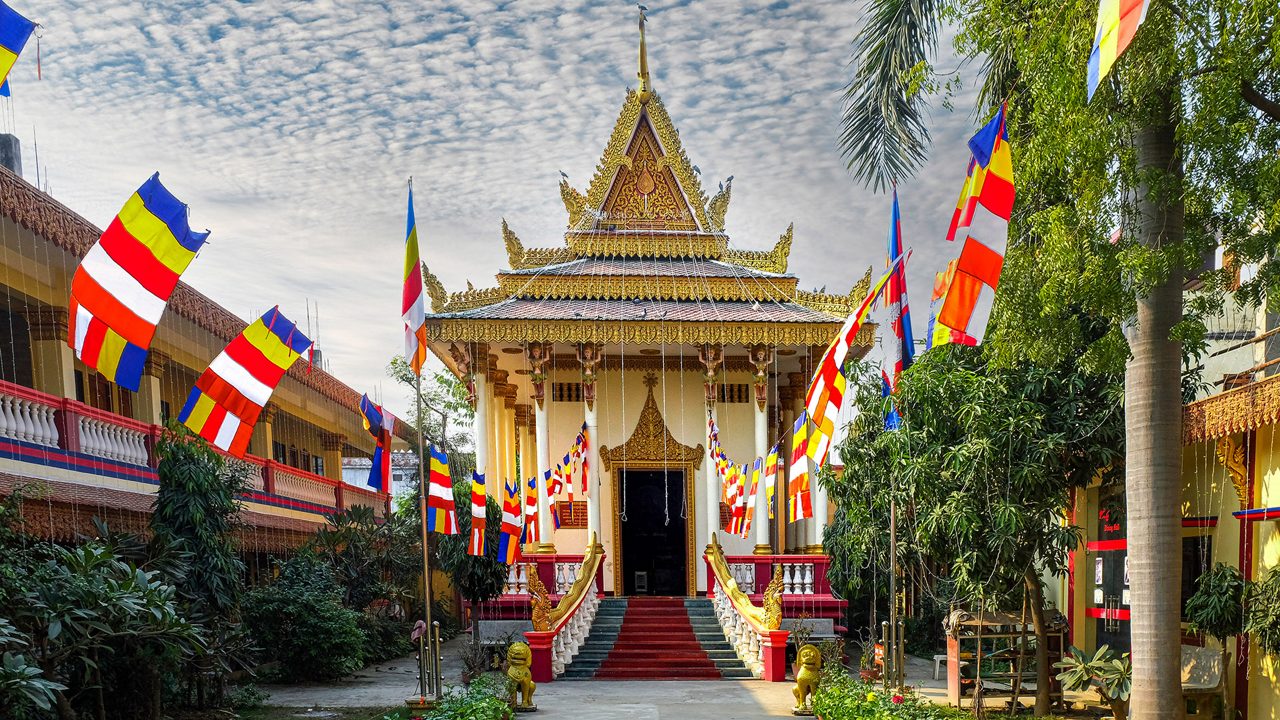
The Mulagandha Kuti Vihar, built in 1931 by the Mahabodhi Society under the guidance of Anagarika Dharmapala, represents a beautiful synthesis of ancient Buddhist architecture and modern construction techniques. The temple's most striking feature is its golden-colored spire that rises dramatically above the complex, gleaming in the sunlight.
The temple follows traditional Buddhist design principles. The main shrine houses a magnificent statue of Buddha in the teaching posture (dharmachakra mudra), representing the moment he turned the wheel of Dharma. The statue's serene expression and graceful proportions capture the essence of Buddha's compassion and wisdom.
The interior walls are adorned with frescoes depicting significant events from Buddha's life, painted by the Japanese artist Kosetsu Nosu. These paintings bring to life scenes from Buddha's birth, enlightenment, first sermon at Sarnath, and mahaparinirvana (final passing). The artwork serves as visual storytelling, helping visitors connect with Buddha's journey.
The temple complex includes beautifully maintained gardens, meditation spaces, and structures containing sacred relics. The atmosphere is one of profound peace, making it ideal for contemplation and spiritual practice.
The Sacred Relics
One of the Golden Temple's greatest treasures is the preservation of Buddha's original relics. Enshrined within the temple are bone fragments of Gautama Buddha, discovered during archaeological excavations at Taxila, Piprahwa, and other ancient sites. These relics represent the physical presence of the historical Buddha and are objects of deep veneration for Buddhists.
The relics are kept in a special casket and displayed to devotees on special occasions. Being in the presence of these 2,500-year-old remains creates a tangible connection to Buddha himself, making Sarnath not just a historical site but a living spiritual center.
Relic worship in Buddhism represents the connection between the historical Buddha and contemporary practitioners. It reminds visitors that enlightenment is achievable, that Buddha was a real person who walked this earth, and that his teachings continue to guide millions toward liberation from suffering.
Exploring the Sarnath Complex
The Golden Temple is part of the larger Sarnath archaeological complex, which includes several significant monuments that every visitor should explore:
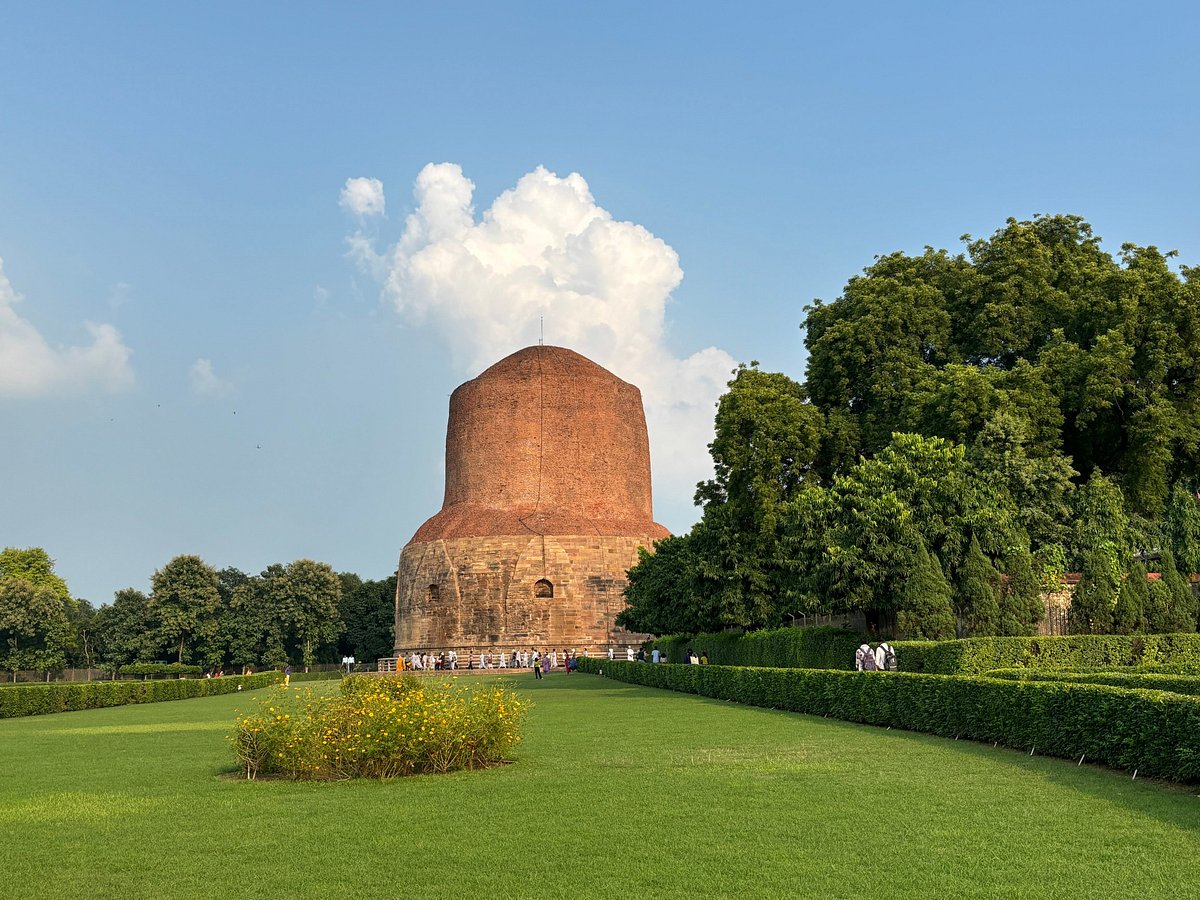
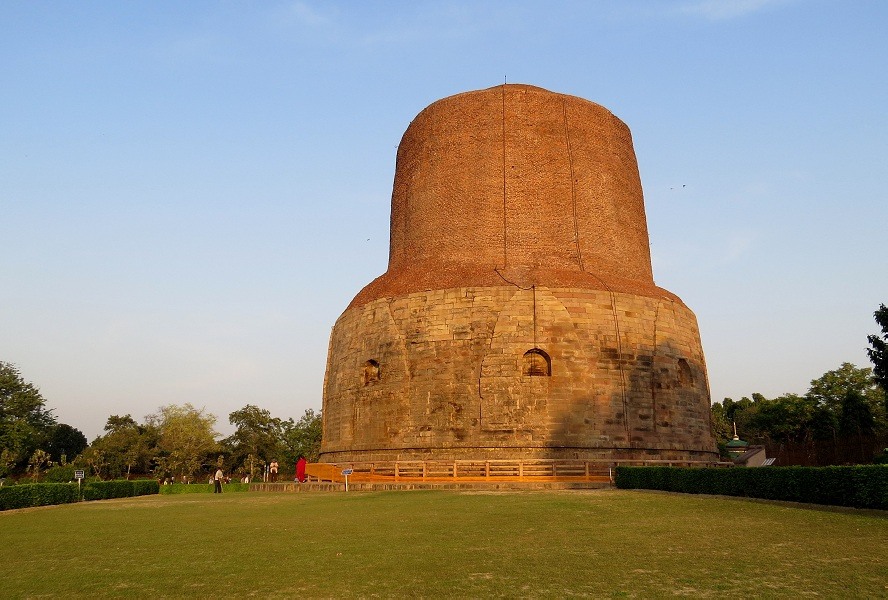
Dhamekh Stupa: This massive 43-meter-high stupa is the most imposing structure in Sarnath. Built in 500 CE on the site of an earlier Ashokan structure, it marks the exact location where Buddha delivered his first sermon. The stupa's cylindrical stone base features beautiful floral and geometric carvings, though the upper brick portions have been reconstructed. The Sanskrit word "Dhamekh" comes from "Dharma" (teaching) and "chekha" (to proclaim), symbolizing the proclamation of Dharma.
Dharmarajika Stupa: Built by Emperor Ashoka, this stupa originally contained Buddha's relics. Though partially damaged by excavation work in the 18th century, it remains an important testament to Ashoka's role in spreading Buddhism.
Ashoka Pillar: The broken yet magnificent pillar erected by Emperor Ashoka once stood 15 meters tall. Its most famous feature—the four lions back-to-back—has become India's national emblem. The original lion capital is now displayed in the Sarnath Museum, but a replica stands at the site. The pillar's edicts demonstrate Ashoka's commitment to Buddhist principles and ethical governance.
Mulagandha Kuti Vihar: The main temple where monks still conduct daily prayers and ceremonies. The chanting of Buddhist sutras in Pali creates an ethereal atmosphere that transports visitors to a different time and space.
The Sarnath Archaeological Museum
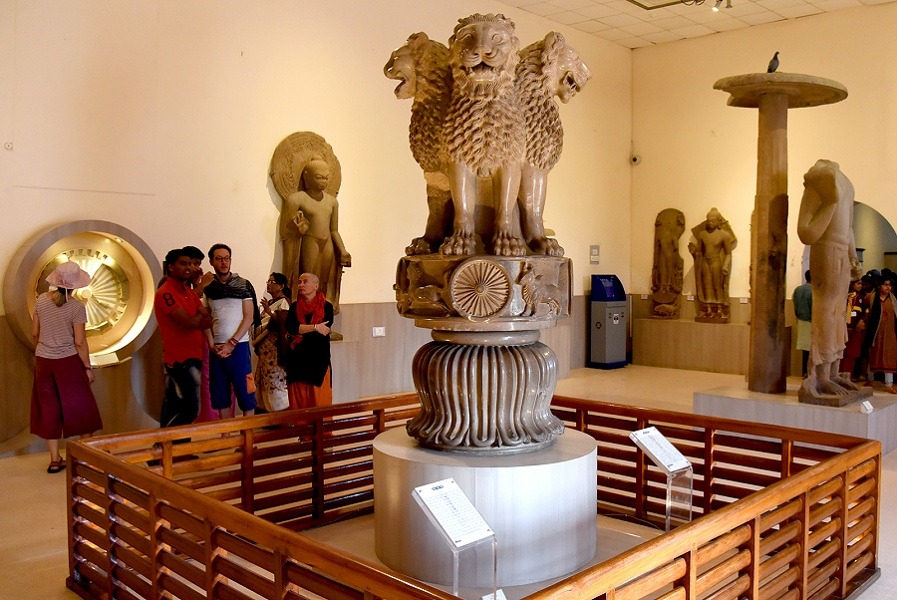
No visit to Sarnath is complete without exploring the excellent Sarnath Archaeological Museum, located just 1 kilometer from the Golden Temple. The museum houses one of India's most important collections of Buddhist art, spanning from the 3rd century BCE to the 12th century CE.
The museum's crown jewel is the original Ashokan Lion Capital, a masterpiece of Mauryan art. The four lions, symbolizing power, courage, pride, and confidence, stand back-to-back, representing Buddha's voice spreading in all directions. The abacus beneath features sculptures of animals—an elephant, horse, bull, and lion—representing the four stages of Buddha's life. The inverted lotus base symbolizes the flowering of consciousness.
Other notable exhibits include beautifully carved Buddha images in various mudras (postures), Bodhisattva figures, and ancient inscriptions. The museum provides crucial context for understanding the evolution of Buddhist art and the historical significance of Sarnath.
Best Time to Visit Golden Temple Sarnath
The Golden Temple remains open throughout the year, but the best time to visit depends on your preferences for weather and crowds:
October to March (Winter): The most comfortable time to visit with pleasant temperatures ranging from 10°C to 25°C. This is also the peak tourist season, so expect more visitors. The cool weather makes exploring the outdoor archaeological complex enjoyable. November's full moon day celebrates Dev Deepawali, when the ghats of Varanasi are illuminated, and Sarnath sees special ceremonies.
April to June (Summer): Hot and humid with temperatures reaching 40°C. However, this is the off-season with fewer tourists, making for a quieter, more contemplative experience. Early morning visits (7-9 AM) are recommended during summer months.
July to September (Monsoon): Rainy and humid, but the complex turns lush green. This is the least crowded period. The monsoon clouds create dramatic lighting for photography, though rain can disrupt outdoor exploration.
Buddha Jayanti (Vesak): Celebrated in April or May on the full moon day, this marks Buddha's birth, enlightenment, and death. Sarnath hosts special ceremonies, processions, and teachings. It's crowded but spiritually charged—the perfect time to experience Buddhist devotion.
Daily Rituals and Ceremonies
The Golden Temple maintains a rhythm of daily rituals that visitors are welcome to observe and participate in. The morning puja begins at 6:00 AM with chanting of Buddhist sutras in Pali, the language of Buddha's teachings. Monks in saffron robes perform offerings of flowers, incense, and light to the Buddha image.
The evening ceremony at 6:00 PM includes the chanting of the Dhammacakkappavattana Sutta—Buddha's first sermon. Listening to these ancient words in the very place they were first spoken creates a powerful spiritual experience. The rhythmic chanting, accompanied by the sound of temple bells, creates an atmosphere of deep peace.
Special full moon days (Purnima) see extended ceremonies with additional prayers, offerings, and sometimes Dhamma talks by visiting monks. Vesak (Buddha Jayanti) is celebrated with particular grandeur, including processions around the stupa, offerings of light, and community meals.
Meditation and Spiritual Practice
Sarnath's peaceful atmosphere makes it an ideal place for meditation and spiritual reflection. The temple grounds include designated meditation spaces where visitors can sit quietly and absorb the spiritual energy of this sacred place. The sound of monks chanting, the sight of devotees offering prayers, and the knowledge that Buddha walked here create conditions conducive to inner peace.
Many meditation groups and retreat centers organize programs in Sarnath, ranging from day-long introductions to meditation to week-long intensive retreats. The Mahabodhi Society sometimes offers meditation instruction and Dhamma talks for international visitors.
Even if you're not formally Buddhist, simply sitting in silence near the Dhamekh Stupa or in the Golden Temple gardens can be a profound experience. This is a place where millions have sought truth and liberation over two and a half millennia. Their collective spiritual intention seems to permeate the very air.
How to Reach Golden Temple Sarnath
By Air: The nearest airport is Lal Bahadur Shastri International Airport in Varanasi (Babatpur), approximately 30 kilometers from Sarnath. The airport is well-connected to major Indian cities including Delhi, Mumbai, and Kolkata. From the airport, take a taxi or app-based cab (Ola/Uber) to Sarnath. The ride takes 45-60 minutes and costs ₹500-800.
By Train: Varanasi Cantt Railway Station is the main railhead, located 10 kilometers from Sarnath. Varanasi is well-connected to all major Indian cities. From the railway station, hire an auto-rickshaw (₹80-120) or taxi (₹200-300) to reach Sarnath. The journey takes 20-30 minutes depending on traffic.
By Road: Sarnath is easily accessible by road from Varanasi city. Auto-rickshaws, taxis, and buses connect the two places regularly. If driving from Varanasi, take the road towards the cantonment area—Sarnath is well-signposted. The journey takes 30-40 minutes from Godowlia in central Varanasi.
Local Transport: Once in Sarnath, all sites are within walking distance. Auto-rickshaws and cycle-rickshaws are available for local travel.
Temple Timings and Entry Fees
The Golden Temple (Mulagandha Kuti Vihar) is open from 5:30 AM to 12:00 PM and again from 2:00 PM to 8:30 PM. There is no entry fee, but donations are welcome. Photography inside the main shrine may be restricted—always ask permission.
The Sarnath Archaeological Museum is open from 10:00 AM to 5:00 PM, closed on Fridays. Entry fee is ₹5 for Indian citizens and ₹100 for foreign nationals. Camera fee is additional. Allow 1-2 hours to properly explore the museum collection.
The archaeological excavation site (including Dhamekh Stupa) is open from sunrise to sunset (6:00 AM to 6:00 PM). Entry fee is ₹10 for Indians and ₹100 for foreigners. The combined ticket for the site and museum is ₹110 for foreigners and ₹15 for Indians.
Where to Stay Near Sarnath
Luxury Options: The Taj Nadesar Palace (Varanasi) offers colonial-era luxury 8 kilometers from Sarnath. The BrijRama Palace on the ghats of Varanasi combines heritage with modern comfort. Both cost ₹10,000-20,000 per night but offer world-class service and beautiful gardens.
Mid-Range Hotels: Several good hotels exist in the Cantonment area near Sarnath. Hotel Sarnath, Lotus Place, and The Gateway Hotel Ganges offer comfortable rooms in the ₹3,000-6,000 range. These provide easy access to Sarnath while keeping you close to Varanasi's main attractions.
Budget Accommodation: Guesthouses near Sarnath offer basic rooms for ₹800-1,500. The Mahabodhi Society runs simple accommodation for Buddhist pilgrims. In Varanasi, budget options abound—especially near Assi Ghat and Godowlia.
Monastic Guesthouses: Several Buddhist monasteries in Sarnath offer simple accommodation to serious practitioners. Contact the Mahabodhi Society or specific monasteries well in advance.
Combining Sarnath with Varanasi
Sarnath and Varanasi represent two complementary spiritual traditions—Buddhist and Hindu—and visiting both provides a richer understanding of Indian spirituality. Varanasi, one of the world's oldest continuously inhabited cities, is dedicated to Lord Shiva and represents the Hindu path to liberation through devotion and ritual.
A typical itinerary might include morning exploration of Sarnath (7-11 AM) when it's peaceful and cool, followed by an afternoon in Varanasi exploring temples, markets, and the ghats. In the evening, witness the spectacular Ganga Aarti at Dasaswamedh Ghat—a fire ceremony that complements the peaceful atmosphere of Sarnath, and consider pairing it with a walk through Kashi Vishwanath Temple for a fuller sense of the city's Hindu devotional life.
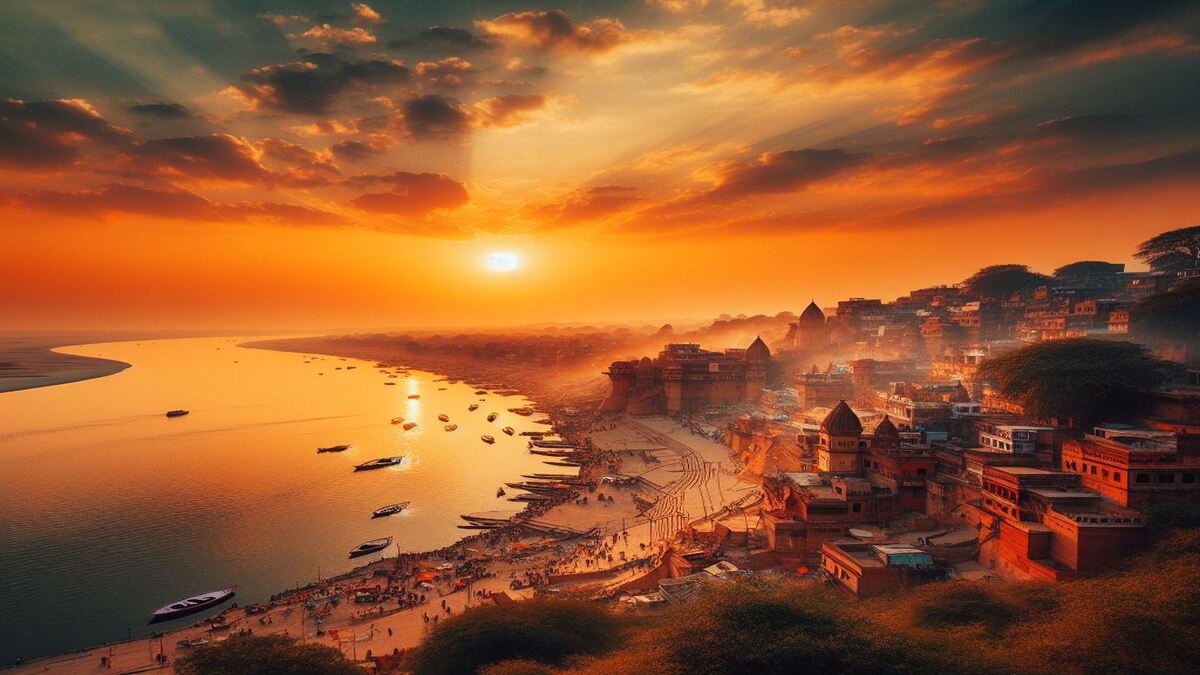
For sunrise experiences, visit Varanasi's ghats at dawn to see the city come alive along the sacred Ganges, then spend the afternoon in Sarnath's contemplative atmosphere, closing the day with a calmer sunset view back along the riverfront. The contrast between Varanasi's vibrant energy and Sarnath's peaceful reflection creates a perfect spiritual journey.
Tips for Visitors
Dress Code: Dress modestly with shoulders and knees covered. Remove footwear before entering temple buildings. Carry a small bag for your shoes—it's helpful when visiting multiple sites.
Best Time of Day: Early morning (7-9 AM) offers the most peaceful experience and the best light for photography. The Golden Temple's morning chanting at 6:30 AM is a spiritually uplifting experience.
Hire a Guide: While you can explore independently, a knowledgeable guide (₹500-800 for 2-3 hours) brings the ruins to life, explaining Buddhist symbolism and the historical context of each structure.
Photography: The golden temple spire looks best during sunrise and early morning. Dhamekh Stupa photographs beautifully in the late afternoon sun. Ask permission before photographing monks or religious ceremonies.
Respect Religious Practices: Maintain silence in temple areas. Walk clockwise around stupas and Buddha images. Don't point your feet toward Buddha statues or monks. Don't touch monks, especially nuns, without permission.
Allow Enough Time: Plan at least 3-4 hours to properly see the Golden Temple, archaeological site, and museum. Serious students of Buddhism can easily spend a full day.
The Spiritual Significance Today
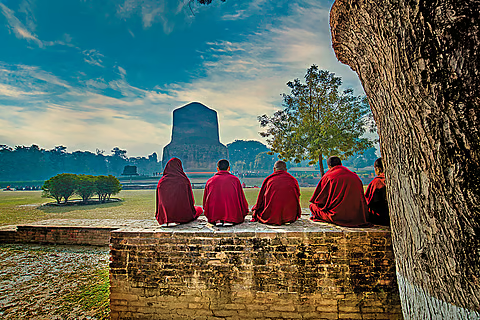
For contemporary Buddhists, Sarnath represents the living tradition of Dharma. Monastics from Theravada, Mahayana, and Vajrayana traditions all maintain centers here, creating a rare space of Buddhist unity. The annual Kathina ceremony (offering of cloth to monks) draws devotees from across the Buddhist world.
The Golden Temple's message of peace, compassion, and wisdom feels particularly relevant in today's troubled world. Buddha's first sermon spoke of suffering and its cause—but also of the path to liberation. This message of hope continues to resonate with seekers from all backgrounds, not just Buddhists.
The temple's founder, Anagarika Dharmapala, envisioned Sarnath as a place where the Buddha's teachings would flourish again in the land of their birth. Today, as monks chant the same sutras that Buddha spoke 2,500 years ago, his vision is being realized. The Golden Temple stands not just as a monument to the past, but as a beacon for the future.
Nearby Attractions
Varanasi Ghats: The sacred riverfront steps of Varanasi, just 10 kilometers away, offer sunrise boat rides, the evening Ganga Aarti, and a window into Hindu spirituality. The contrast between Sarnath's Buddhist peace and Varanasi's Hindu intensity provides deep insight into India's religious landscape.
Banaras Hindu University: One of Asia's largest residential universities, BHU includes the beautiful Bharat Kala Bhavan museum with an excellent collection of Indian art, including Buddhist sculptures and miniature paintings.
Ramnagar Fort: Located across the Ganges from Varanasi, this 18th-century fort houses a museum with royal artifacts, vintage cars, and an impressive armory collection. Reach it by boat for a scenic journey.
Sarnath Village: Explore the local village around the temple complex to see traditional rural life. Small shops sell Buddhist statues, incense, and religious items.
If you want a broader sense of the region before finalizing your trip, the Varanasi travel guide covers stay options, transport, and seasonal planning that apply equally well to a combined Varanasi-Sarnath itinerary.
Conclusion: Why Sarnath Matters
The Golden Temple in Sarnath is more than an ancient monument or tourist attraction—it's a place where human history changed course. Here, a newly enlightened teacher found his voice and shared a path to liberation that would eventually spread across Asia and the world.
What makes Sarnath special is not just its historical importance, but the fact that it remains a living spiritual center. The chanting of monks, the offerings of devotees, the silent meditation of seekers—these activities continue the tradition Buddha began here 2,500 years ago.
Whether you're a Buddhist practitioner, a student of history, or simply a traveler seeking peace, Sarnath has something to offer. The Golden Temple's golden spire rising against the sky reminds us that enlightenment is possible, that compassion is powerful, and that wisdom is accessible to all who seek it.
As you walk the same grounds where Buddha taught his first disciples, as you stand before the magnificent Dhamekh Stupa, as you listen to the ancient Pali chants, you become part of an unbroken spiritual lineage stretching back two and a half millennia. This is Sarnath's gift—a timeless connection to the moment the wheel of Dharma began to turn, changing human history forever.
Location
Frequently Asked Questions
Q1.What is the best time to visit Golden Temple Sarnath?
Q2.Is there any dress code for visiting Golden Temple Sarnath?
Q3.How do I reach Golden Temple Sarnath from Varanasi?
Q4.What are the Golden Temple Sarnath timings and entry fees?
Q5.What is the significance of Golden Temple Sarnath in Buddhism?
Q6.Can non-Buddhists visit Golden Temple Sarnath?
Q7.How much time should I spend at Golden Temple Sarnath?
Q8.What are the main attractions to see in Sarnath?
Q9.Is photography allowed inside Golden Temple Sarnath?
Q10.What should I not miss when visiting Sarnath?
Recommended For You
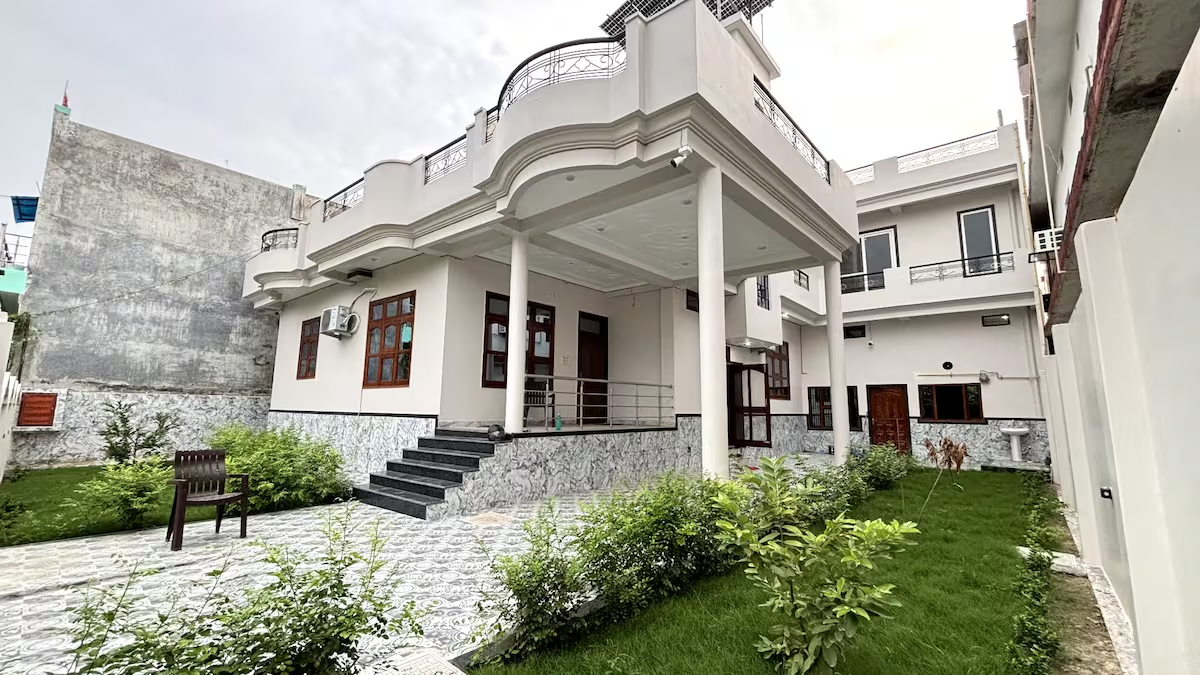
Best Airbnbs in Varanasi: Ghat-View Stays, Budget & Booking Tips
Find the best Airbnbs in Varanasi with location-wise advice, ghat access tips, pricing patterns, and booking checks for a smoother stay.
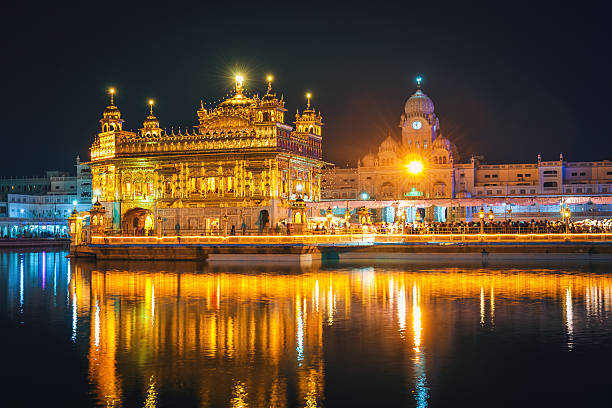
Golden Temple Amritsar: Darshan Timings, Langar & Travel Tips
Experience divine serenity at Golden Temple Amritsar. Discover its rich history, sacred rituals, and the world's largest langar serving 100,000 daily. Complete guide with timings, dress code, and travel tips.
Photography Spots in Varanasi: Ghats, Alleys & Golden Hour Locations
Discover the best photography spots in Varanasi with sunrise, aarti, lane, and river-shooting tips for stronger visual storytelling.
Never Miss an Adventure
Get the latest trekking guides, travel tips, and exclusive offers delivered straight to your inbox.
