
Key Monastery Spiti: Timings, History, Stay & Viewpoint Details

Priya Mehta
December 28, 2025
Explore Key Monastery in Spiti Valley! Discover 1000-year-old history, timings, best time to visit, how to reach from Kaza, stay options, and complete travel guide.
Introduction to Key Monastery
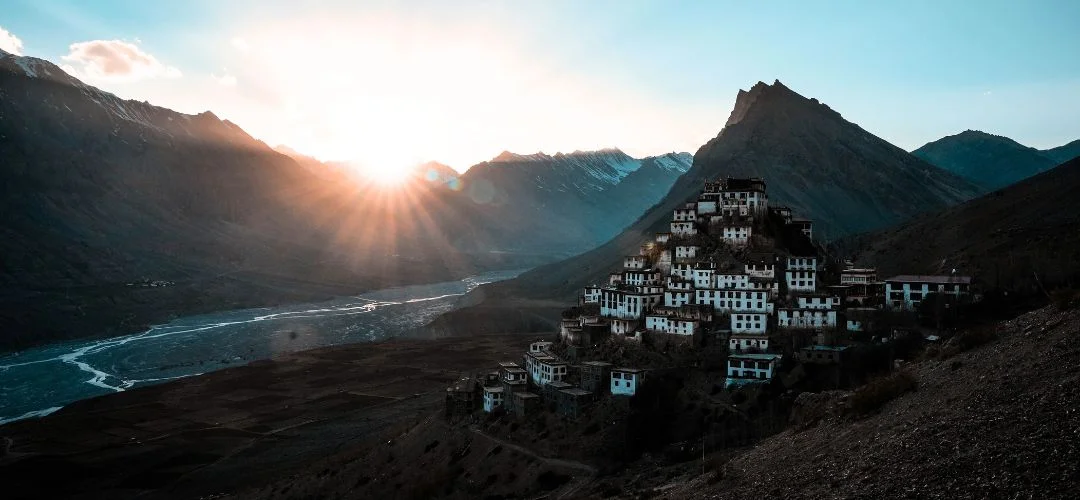
Perched dramatically at 13,668 feet in the Spiti Valley of Himachal Pradesh, Key Monastery stands as one of the most sacred and ancient Tibetan Buddhist sites in India. This magnificent thousand-year-old monastery, also known as Kye Gompa, is not just the largest in Spiti but also a living testament to Buddhist spirituality, art, and architecture. The monastery's striking white-washed buildings cascade down a hilltop, creating an awe-inspiring sight against the rugged brown mountains of the Trans-Himalayan region.
What makes Key Monastery truly special is its perfect blend of historical significance, spiritual atmosphere, and breathtaking location. As you approach the monastery, prayer flags flutter in the wind, and the scent of butter lamps fills the air. The monastery has been a training center for Lamas (monks) for centuries and continues to house over 300 monks who maintain its rich traditions. Whether you're a spiritual seeker, history enthusiast, or simply a traveler looking for extraordinary experiences, Key Monastery offers something profound for everyone.
This comprehensive guide covers everything you need to know about visiting Key Monastery. While monasteries in India offer unique spiritual experiences, Key stands out for its ancient history and breathtaking location.: its fascinating history spanning a millennium, practical information about timings and entry, the best time to visit, how to reach from Kaza, accommodation options, photography tips, and much more. By the end, you'll have all the information needed to plan a meaningful visit to this crown jewel of Spiti Valley.
History and Significance
Origins and Foundation
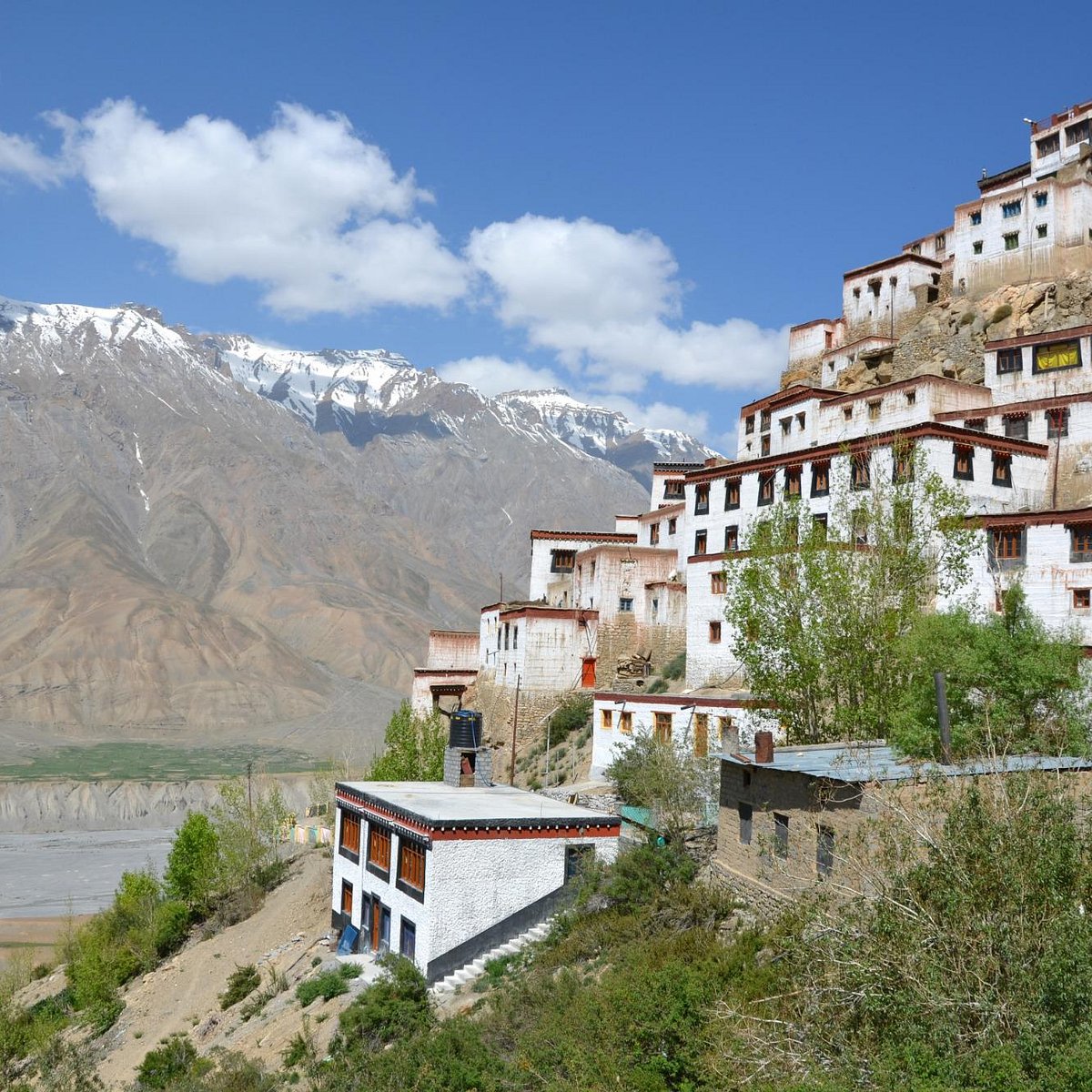
Key Monastery was founded in the 11th century, specifically around 1031 AD, by Dromton, a dedicated disciple of the renowned Buddhist teacher Atisha. This makes the monastery nearly 1,000 years old, placing it among the oldest continuously operating monasteries in the Himalayan region. The monastery belongs to the Gelugpa school, also known as the Yellow Hat sect. Similar to how other spiritual sites in India have distinct traditions, Key Monastery follows the Gelugpa lineage, which is one of the newest but most influential schools of Tibetan Buddhism founded by Je Tsongkhapa in the 14th century.
The name 'Key' or 'Kye' is derived from the Tibetan word for 'key,' symbolizing the monastery as a key to spiritual enlightenment. Throughout its millennium-long existence, the monastery has served as a crucial center for Buddhist learning, meditation, and preservation of Tibetan culture. It has survived Mongol invasions, devastating earthquakes, and harsh Himalayan winters, only to be rebuilt and restored each time by devoted monks and local communities.
Historical Events and Challenges
The monastery's history is marked by both triumph and tragedy. In the 17th century, Mongol invaders attacked and damaged the original structure. The monastery was repeatedly plundered and rebuilt over the centuries. A major earthquake in 1975 caused significant damage to the buildings, leading to extensive restoration work. Despite these challenges, the monastery has stood as a resilient symbol of Buddhist faith and perseverance.
The architectural evolution of Key Monastery reflects these turbulent times. The current structure, with its three floors and distinctive box-like design, is the result of numerous rebuilding phases. The walls, built with stone and mud, have withstood centuries of harsh weather, while the ancient murals and thangkas (Buddhist scroll paintings) inside have been carefully preserved by generations of monks.
Religious Significance
Key Monastery holds immense religious importance for Tibetan Buddhists. It serves as a primary training center for Lamas, where young monks learn Buddhist philosophy, scriptures, and ritual practices. The monastery houses a precious collection of ancient scriptures, including rare manuscripts that are centuries old. These texts are not just religious documents but invaluable historical artifacts that offer insights into Buddhist thought and Himalayan culture.
The monastery is particularly renowned for its meditation caves, where monks have practiced solitary retreats for generations. These caves, carved into the mountainside near the monastery, offer a space for deep contemplation and spiritual growth. The peaceful atmosphere of Key Monastery, combined with its remote location, makes it an ideal place for meditation and self-reflection.
Key Monastery Timings
Opening Hours
Understanding the timings is essential for planning your visit to Key Monastery. The monastery follows different schedules based on the season, primarily to accommodate weather conditions and prayer times:
- Summer (May to October): 6:00 AM to 7:00 PM
- Winter (November to April): 7:00 AM to 5:00 PM
- Best Time to Visit: Early morning (6:00 AM) or evening prayers (5:00 PM)
- Prayer Times: Morning prayers at 6:00 AM, Evening prayers at 5:00 PM
Entry Fee and Facilities
One of the most welcoming aspects of Key Monastery is that entry is completely free. Unlike many tourist attractions, there is no entrance fee for visitors. Photography is also allowed without any additional charge, though it's always respectful to ask permission before taking pictures inside the prayer halls, especially during ceremonies.
The monastery operates on donations, and visitors are welcome to contribute if they wish. These donations help maintain the monastery, support the monks, and preserve the ancient traditions. There's no fixed amount—give what feels appropriate from your heart. The monastery also has basic facilities for visitors, including a small guest house and simple vegetarian meals available on request.
Best Time to Visit Key Monastery
Summer (May-June) - Best Season
Weather: Pleasant temperatures ranging from 10°C to 20°C during the day, with cold nights around 0°C to 5°C.
Accessibility: Roads from Manali and Shimla are open and in good condition.
Best For: Clear views of the surrounding mountains, comfortable weather for exploration, excellent photography conditions.
Rating: 10/10 - The most recommended time for first-time visitors.
Summer is undoubtedly the best time to visit Key Monastery. The weather is pleasant, making it easy to explore the monastery complex and the surrounding areas. The roads from both Manali and Shimla are accessible, though the Manali route via Kunzum Pass is more scenic and popular among travelers. During these months, you can witness the monastery in its full glory, with clear blue skies providing perfect conditions for photography. The summer months also see several Buddhist festivals, giving visitors a chance to experience the monastery's vibrant cultural traditions.
Monsoon (July-August)
Weather: Rain is possible, though Spiti receives less rainfall compared to other Himalayan regions. Temperatures remain mild (12°C to 18°C).
Road Conditions: Some stretches may be slippery, and occasional landslides can cause delays.
Rating: 7/10 - Suitable for travelers who don't mind occasional rain and road delays.
While monsoon is not the worst time to visit, it does come with challenges. Spiti Valley falls in the rain-shadow area, so rainfall is relatively limited compared to other parts of Himachal Pradesh. However, the roads leading to Spiti, especially from Manali, can become slippery and dangerous due to rain in lower regions. If you plan to visit during monsoon, keep buffer days for potential delays and check road conditions regularly.
Autumn (September-October)
Weather: Days are pleasant (5°C to 15°C), but nights start getting colder (-2°C to 5°C).
Best For: Clear skies, excellent visibility, fewer crowds than summer, festival season.
Rating: 9/10 - Excellent for travelers seeking solitude and stunning views.
Autumn is a fantastic time to visit Key Monastery. The monsoon rains have cleared, leaving the skies crystal clear and the mountains visible in all their glory. The temperatures are still comfortable during the day, though you'll need warm clothing for evenings and early mornings. This season also sees fewer tourists than summer, making for a more peaceful and intimate experience at the monastery. September and October are also festival months, and if you time your visit right, you might witness the spectacular Cham Dance festival.
Winter (November-April)
Weather: Heavy snowfall, with temperatures plummeting to -10°C to -20°C. Extremely cold conditions.
Road Status: Roads are often closed due to snow. The Kunzum Pass route from Manali remains blocked.
Best For: Hardcore adventure travelers seeking a truly remote Himalayan experience.
Rating: 5/10 - Only recommended for experienced winter travelers with proper preparation.
Winter in Spiti is not for the faint-hearted. Heavy snowfall closes most roads, making the monastery largely inaccessible from the Manali side. The only access is via the Shimla route, which remains open but can be challenging due to snow and ice. The extreme cold (-10°C to -20°C) requires specialized gear and preparation. However, if you're an experienced winter traveler, you'll be rewarded with a magical, snow-covered monastery that looks like something out of a fairytale, with very few tourists around.
How to Reach Key Monastery
From Kaza
Distance: 14 kilometers
Travel Time: 30-40 minutes by road
Road Condition: Well-paved and generally in good condition
Transport Options: Taxi, shared cab, rented bike, or even a challenging hike for the adventurous
Key Monastery is conveniently located just 14 kilometers from Kaza, the headquarters of Spiti Valley. The road from Kaza to the monastery is well-paved and offers beautiful views of the Spiti River and surrounding mountains. Most visitors choose to stay in Kaza and make a day trip to Key Monastery. Taxis and shared cabs are readily available in Kaza for the journey. If you're feeling adventurous, you can even rent a bike in Kaza and ride to the monastery—a thrilling experience on the winding mountain roads.
From Manali
Route: Manali -> Rohtang Pass -> Kunzum Pass -> Kaza -> Key Monastery
Distance: Approximately 210 kilometers
Travel Time: 8-10 hours, depending on road conditions and stops
Best For: Scenic beauty, adventure, summer travel (June to October)
The Manali to Key Monastery route is one of the most spectacular road journeys in India. The route takes you through Rohtang Pass and Kunzum Pass, both offering breathtaking views of the Himalayas. The road is open only from June to October (when Kunzum Pass is accessible) and is an adventure in itself. The journey is long and can be tiring, but the stunning landscapes make every kilometer worth it. Make sure to start early from Manali to reach Kaza before evening, and then continue to Key Monastery the next day.
From Shimla
Route: Shimla -> Rampur -> Kinnaur -> Kaza -> Key Monastery
Distance: Approximately 420 kilometers
Travel Time: 12-14 hours, typically broken into a 2-day journey
Best For: Year-round access (unlike the Manali route), scenic diversity
The Shimla route to Spiti is longer but remains open throughout most of the year, unlike the Manali route which closes in winter due to snow. This route takes you through the beautiful Kinnaur region, offering diverse landscapes from lush green valleys to barren mountains. The journey is typically broken into two days, with an overnight halt in places like Recong Peo or Kalpa. While longer, this route is often considered safer and more reliable, especially for early season (May-June) or late season (October-November) travel.
Architecture and Design
Structural Style
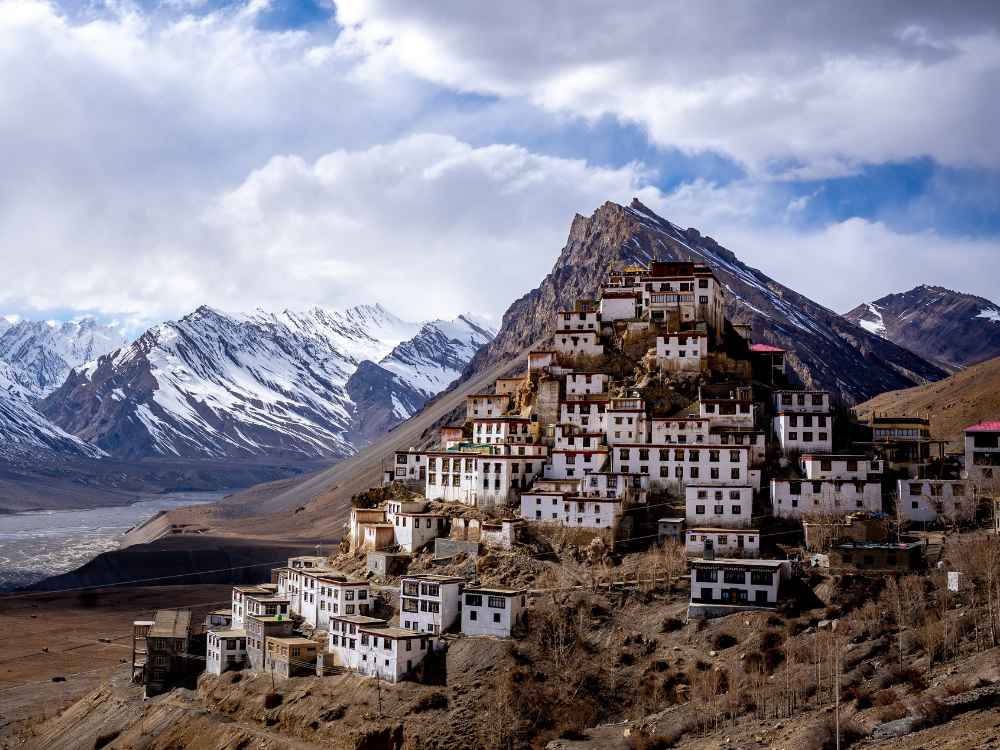
Key Monastery showcases the traditional Pasada style of Tibetan monastery architecture, characterized by a box-like, fortified structure built on a hilltop. This design was both practical and symbolic—the elevated location offered protection from invaders, while the fortified structure could withstand harsh Himalayan winters. The monastery consists of three floors, each serving specific purposes, built using locally available stone and mud. The white exterior walls contrast beautifully with the brown mountains, creating a striking visual effect.
Key Architectural Features
The monastery complex is a fascinating maze of rooms, corridors, and courtyards spread across multiple levels. As you explore, you'll encounter narrow staircases and tunnel-like passages connecting different parts of the monastery. This design was intentional, providing both defensive advantages and creating a sense of mystery and exploration. The walls are adorned with ancient murals depicting Buddhist deities, mandalas, and scenes from the life of Buddha—these artworks are centuries old and remarkably preserved.
One of the most distinctive features of Key Monastery is its collection of prayer wheels—cylindrical wheels containing prayers that are spun clockwise by devotees. The monastery has numerous prayer wheels of various sizes, from small handheld ones to large wheels along the walls. Spinning these wheels is believed to spread blessings and positive energy. The central courtyard is another architectural highlight, often used for ceremonies and gatherings, offering panoramic views of the Spiti Valley.
Sacred Elements
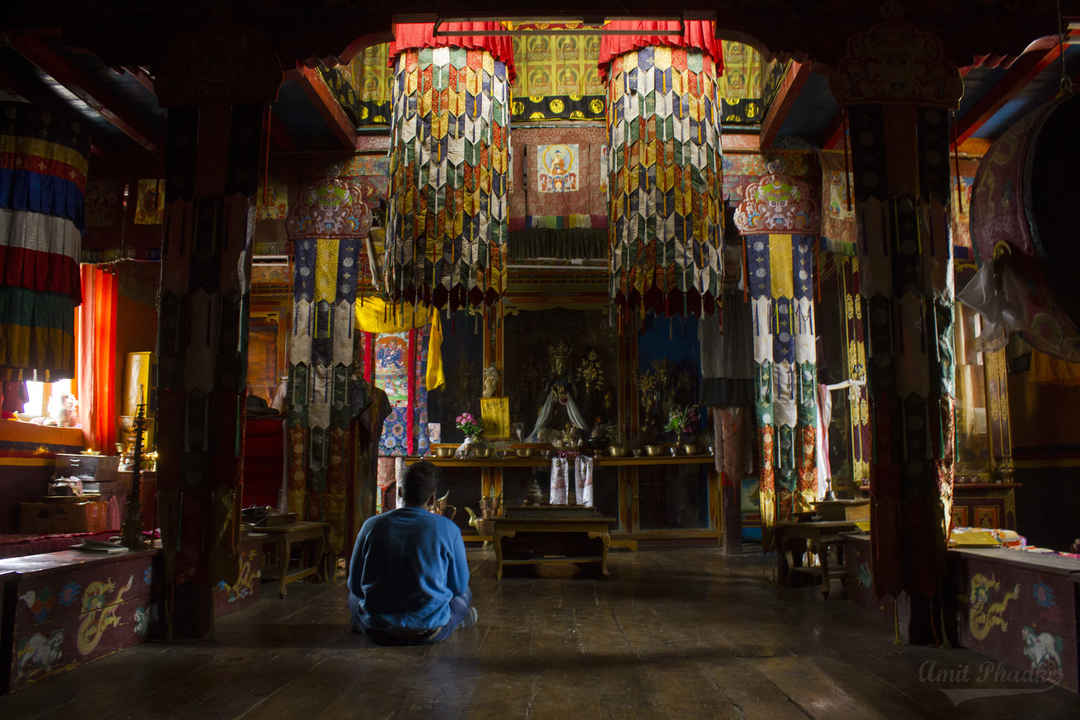
Inside the monastery, you'll find three sacred stupas, each representing different aspects of Buddhist philosophy. These stupas contain relics and are objects of veneration. The main assembly hall, known as Du-Khang, is the heart of the monastery where monks gather for prayers and ceremonies. The hall features a large statue of Buddha, along with numerous butter lamps that are kept burning continuously as offerings. The interplay of light from these lamps with the ancient murals creates a mystical atmosphere that stays with visitors long after they leave.
Inside the Monastery
Main Prayer Hall
The main prayer hall of Key Monastery is a space that radiates spiritual energy. As you enter, you'll be greeted by a large golden statue of Buddha, seated in meditation posture. The walls around are covered in ancient murals—paintings that depict various Buddhist deities, symbols, and narratives. These murals are not just art; they serve as educational tools, teaching Buddhist philosophy through visual storytelling. The hall is filled with the scent of butter lamps and the sound of chanting during prayer times.
The throne in the main hall is reserved for the head Lama, the spiritual leader of the monastery. Below the throne are cushions for the senior monks, while younger monks sit on the floor. During prayer ceremonies, the hall comes alive with the sound of drums, trumpets, bells, and the deep, resonant chanting of the monks. Witnessing a prayer ceremony is a profound experience that connects you to a spiritual tradition that has continued here for a thousand years.
Rare Collections
Key Monastery houses an impressive collection of Buddhist artifacts and religious objects. The library contains ancient scriptures, some of which are over 1,000 years old. These texts are written in Tibetan and contain Buddhist philosophy, teachings, and historical accounts. The monastery also has a collection of musical instruments used in ceremonies, including long trumpets (dungchen), drums, bells, and cymbals. Each instrument has symbolic significance and is used to create specific sounds during rituals.
The thangka collection is another treasure of the monastery. Thangkas are Tibetan Buddhist scroll paintings on cotton or silk appliqué, usually depicting a deity, mandala, or scene. These paintings are not just art objects but are used for meditation and teaching. The monastery also has numerous statues of various Buddhist deities, each with their own symbolism and significance. These rare collections offer a glimpse into the rich artistic and spiritual heritage of Tibetan Buddhism.
Sacred Areas
Beyond the main prayer hall, the monastery has several sacred areas that are worth exploring. The Chamber of Protector Deities houses statues of fierce protector deities who are believed to guard the monastery and its teachings. The atmosphere in this chamber is intense, with dramatic masks and statues that embody the protective aspect of Buddhist philosophy.
The monastery's meditation rooms are simpler spaces where monks engage in solitary meditation. These rooms are sparsely furnished, reflecting the Buddhist emphasis on simplicity and detachment from material possessions. Some monks spend years in these rooms, meditating for hours each day. While visitors cannot enter these private meditation spaces, knowing that such intense spiritual practice continues within the monastery adds to its significance.
Meditation and Stay Options
Meditation Opportunities
Key Monastery offers unique opportunities for meditation, whether you're an experienced practitioner or a beginner seeking inner peace. The monastery's remote location and serene atmosphere create ideal conditions for meditation. Group meditation sessions are sometimes available, where visitors can join the monks for morning or evening meditation. These sessions are usually guided and can be a powerful experience, even for those new to meditation.
For those seeking deeper engagement, the monastery sometimes offers meditation retreats that last from a few days to a week. These retreats include instructions on meditation techniques, teachings on Buddhist philosophy, and opportunities to participate in the monastery's daily routines. Retreats need to be arranged in advance, and spaces are limited. Even if you're not doing a formal retreat, finding a quiet corner in the monastery complex or sitting outside with views of the mountains can be meditative in itself.
Accommodation Options
Monastery Guest House: Key Monastery has a basic guest house that offers simple rooms for visitors. The rooms are modest but clean, with basic bedding and shared bathrooms. Staying at the monastery guest house allows you to experience the monastery's daily rhythm—waking up to morning prayers and ending the day with evening chanting. Meals are often available, usually simple vegetarian food. It's important to note that facilities are basic, and hot water may be limited or unavailable in winter.
Homestays in Kaza: For more comfortable accommodation, many travelers choose to stay in Kaza and visit Key Monastery as a day trip. Kaza has numerous homestays and guesthouses ranging from budget to mid-range. Homestays offer a chance to experience local Spitian culture and hospitality. Families that run homestays are warm and welcoming, often treating guests like family. Meals are typically home-cooked Spitian food, which is delicious and hearty.
Camping: For adventure travelers, camping near Key Monastery is an option, though it requires proper preparation due to the high altitude and cold temperatures. There are designated camping areas, and some local operators offer camping setups with tents and meals. Waking up to views of the monastery against the backdrop of snow-capped mountains is a magical experience, but be sure you have warm sleeping bags rated for cold weather.
Hotels in Kaza: Kaza has a few hotels ranging from basic to comfortable. These are the most expensive option but offer amenities like attached bathrooms, hot water (sometimes), and heating in rooms. Hotels are a good choice if you want a bit more comfort after a day of exploring Spiti Valley.
Festivals - Cham Dance
Key Gompa Festival
The Key Gompa Festival, also known as the Key Monastery Festival, is one of the most important and colorful events in Spiti Valley. The festival usually takes place in July or August, though the exact dates vary each year based on the Tibetan lunar calendar. The festival lasts for three days and attracts monks, locals, and tourists from across the region. It's a time of celebration, prayer, and cultural display, offering a glimpse into the rich traditions of Tibetan Buddhism.
The highlight of the festival is the Cham Dance, a sacred ritual dance performed by monks wearing elaborate masks and colorful costumes. The Cham Dance is not just a performance—it's a form of meditation and an offering to the deities. Each movement, gesture, and step in the dance has symbolic significance, representing various aspects of Buddhist philosophy and the triumph of good over evil.
The Cham Dance Experience
Watching the Cham Dance is a mesmerizing experience. The monks, wearing masks representing various deities, animals, and demons, move in slow, deliberate steps accompanied by the sound of drums, cymbals, and trumpets. The masks are intricate works of art, each with specific symbolism. Some dances depict the subduing of evil forces, while others represent the protection of the dharma (Buddhist teachings).
The atmosphere during the festival is electric yet spiritual. The monastery courtyard is filled with prayer flags, and the air is thick with the scent of incense and butter lamps. Locals dress in their finest traditional clothes, and the entire community comes together to celebrate. For visitors, the festival offers a rare opportunity to witness Tibetan Buddhist culture in its most vibrant form.
Planning for Festival Visit
If you plan to visit Key Monastery during the festival, it's essential to plan ahead. Accommodation in Kaza and around fills up quickly, so book at least 2-3 months in advance. The festival attracts a significant number of tourists, and the limited accommodation options in Spiti can get overwhelmed. Carry warm clothing, as July and August nights in Spiti can still be cold. Respect the sacred nature of the festival—maintain silence during ceremonies, don't interrupt the dancers, and follow instructions from the monks. Photography may be restricted during certain parts of the ceremony, so always ask before taking pictures.
Photography Tips
Best Times for Photography
Early Morning (6:00 AM - 8:00 AM): The golden hour shortly after sunrise offers soft, warm light that makes the monastery's white walls glow. The morning light is ideal for capturing the exterior of the monastery against the mountains. You'll also have the chance to photograph monks going about their morning routines, offering candid glimpses into monastic life.
Late Afternoon to Sunset (4:00 PM - 6:30 PM): The hours leading up to sunset provide dramatic lighting, with long shadows and warm tones. The monastery's west-facing structures catch the setting sun, creating beautiful contrasts. This is also when evening prayers begin, offering opportunities to capture the spiritual atmosphere of the monastery.
During Festivals: If you can time your visit during the Key Gompa Festival, you'll have incredible photographic opportunities. The colorful Cham Dance, with its elaborate masks and costumes, against the backdrop of the monastery, makes for stunning images. The energy and vibrancy of the festival add life to your photographs.
Photography Rules and Etiquette
While Key Monastery is generally photographer-friendly, it's important to follow certain rules and show respect. Inside the prayer halls, ask for permission before taking photographs. Some areas, especially those with ancient murals or sacred objects, may have restrictions. Use natural light whenever possible—flash photography can damage ancient artworks and is disrespectful during ceremonies.
During prayer times, maintain silence and avoid blocking the view of devotees. If monks are praying or performing rituals, observe from a respectful distance. Some monks may be uncomfortable with close-up photography, so always ask before pointing your camera directly at someone. Photography of some sacred objects and inner sanctum areas may be prohibited—respect these restrictions.
Equipment Recommendations
For exterior shots of the monastery and landscapes, a wide-angle lens is ideal to capture the entire structure against the mountains. For portraits of monks and details of murals and artifacts, a prime lens (50mm or 85mm) works well. A tripod is useful for low-light conditions inside the prayer halls and for capturing the starry sky at night (Spiti has incredibly clear skies perfect for astrophotography).
Carry extra batteries—cold temperatures at high altitude drain batteries faster than usual. Keep batteries warm by keeping them close to your body when not in use. If visiting during the day, a polarizing filter can help reduce glare and enhance the blue of the sky. Lastly, don't forget to put your camera down and experience the monastery with your own eyes—some moments are best captured in memory, not on memory cards.
Nearby Attractions
Key Monastery is part of a circuit of fascinating attractions in Spiti Valley. If you've traveled all the way to this remote region, it's worth exploring some nearby places to get a fuller experience of Spiti's unique landscape and culture.
Kibber Village: Located at an elevation of 14,200 feet. For adventure enthusiasts exploring high-altitude destinations, Hanle Observatory in Ladakh is another remarkable location offering similar high-altitude experiences, Kibber is one of the highest inhabited villages with a motorable road in the world. The village offers stunning views and a glimpse into the traditional life of Spitians. The drive from Key Monastery to Kibber is scenic, and the village itself is charming with traditional Spitian houses. Kibber is also known for its wildlife—you might spot snow leopards, blue sheep, and Himalayan birds if you're lucky.
Kaza: The headquarters of Spiti Valley, Kaza is the largest town in the region and serves as a base for exploring Spiti. It has facilities like ATMs, hospitals, fuel stations, and a range of accommodation options. The town itself has some attractions, including the Sakya Tangyud Monastery, which is worth a visit. Kaza is also where you'll find restaurants serving local Spitian food and other cuisines.
Komic Village: At an altitude of 15,027 feet, Komic is one of Asia's highest villages. The village is home to the Tangyud Monastery, which is similar in style to Key Monastery but smaller and less crowded. The drive to Komic offers spectacular views, and the village's remote location makes it feel like you're on top of the world.
Langza: Known as the 'fossil village,' Langza is famous for its marine fossils, which are found in abundance here. The village sits at 14,500 feet and offers stunning views of the Chau Chau Kang Nilda peak. You can hire local guides who will take you fossil hunting—a unique experience of finding ancient sea creatures in the high Himalayas.
Hikkim: Hikkim is home to the world's highest post office, situated at 14,567 feet. Sending postcards from here is a unique experience—your mail will bear the postmark of the world's highest post office. The village itself is small and picturesque, with traditional houses and friendly locals.
Pin Valley National Park: Located in the Pin Valley, this national park is known for its unique cold desert ecosystem and wildlife. It's home to the endangered snow leopard, Himalayan marmot, and numerous bird species. The park offers trekking opportunities for adventure enthusiasts.
Chandratal Lake: While a bit farther away, Chandratal (the 'moon lake') is one of Spiti's most beautiful attractions. The lake is accessible only during summer months (June to September) and is a spectacular sight—its crystal-clear waters reflect the surrounding mountains, changing color throughout the day.
Travel Tips for Visiting Key Monastery
Practical Considerations
Visiting Key Monastery requires some preparation due to its remote location and high altitude. Carry enough cash—there are no ATMs near the monastery, and card payments are not accepted. The last ATM is in Kaza. Mobile connectivity is limited, with BSNL being the most reliable network. Internet access is available only in Kaza and that too can be slow.
Pack warm clothing regardless of the season. Even in summer, temperatures can drop significantly in the evening and early morning. Layering is key—wear multiple layers that you can add or remove as needed. A windproof jacket is essential, as the monastery location is exposed and can be windy. Comfortable walking shoes with good grip are recommended, as you'll be walking on uneven surfaces and stairs.
Respect monastery rules and local customs. Remove your shoes before entering the prayer halls—there's usually a designated area for leaving footwear. Dress modestly, covering your shoulders and knees. Ask permission before photographing people or religious objects. Maintain silence during ceremonies and prayer times. The monastery is a place of worship, not just a tourist attraction—show the respect it deserves.
Health and Safety
Altitude sickness is a real concern at Key Monastery's elevation of 13,668 feet. Spend a day or two in Kaza (or wherever you're coming from) to acclimatize before visiting the monastery. Symptoms of altitude sickness include headache, nausea, dizziness, and shortness of breath. If you experience these symptoms, descend to a lower elevation immediately. Drink plenty of water to stay hydrated—altitude and dry air can lead to dehydration faster than you expect.
Carry any personal medications you need, along with a basic first-aid kit. The nearest medical facilities are in Kaza, so it's wise to be prepared. Travel insurance that covers high-altitude travel is strongly recommended. If you have any pre-existing health conditions, especially related to the heart or lungs, consult your doctor before planning a trip to Spiti.
Sun protection is important—at high altitudes, UV radiation is stronger, and the thin atmosphere offers less protection. Use sunscreen with high SPF, wear sunglasses with UV protection, and consider wearing a hat or cap. The dry air can also cause lip and skin cracks, so carry moisturizer and lip balm.
Making the Most of Your Visit
To truly experience Key Monastery, consider timing your visit with prayer sessions. The morning prayers at 6:00 AM and evening prayers at 5:00 PM offer a glimpse into the monastery's spiritual life. Attending a prayer session can be a moving experience, even if you don't understand the language—the chanting, drums, and atmosphere create a powerful sense of peace and devotion.
If possible, interact with the monks. Many of the younger monks speak basic English and are happy to answer questions about the monastery and Buddhism. Respectful conversation with the monks can offer insights into monastic life and Buddhist philosophy that you won't find in guidebooks. Some monks may be willing to show you around or explain the significance of various artifacts and paintings.
Take time to explore at your own pace. Don't rush through the monastery—sit quietly, observe, and absorb the atmosphere. Find a spot to watch the clouds move over the mountains, listen to the wind in the prayer flags, and appreciate the thousand-year legacy of this sacred place. In our fast-paced world, Key Monastery offers a rare opportunity to slow down and connect with something ancient and profound.
Conclusion
Key Monastery Spiti Valley is more than just a tourist attraction—it's a living bridge to an ancient spiritual tradition, a masterpiece of Himalayan architecture, and a testament to human resilience and faith. For over a thousand years, this monastery has stood on its hilltop, witnessing the passage of empires, the changing seasons, and the countless travelers who have found their way here seeking wisdom, peace, or simply a glimpse of the sublime.
Whether you're drawn by the history, the spirituality, the art, or the breathtaking landscape, Key Monastery delivers on all fronts. It's a place that leaves a mark on everyone who visits—some find clarity in its quiet corridors, others inspiration in its murals, and still others a profound connection to a tradition that has flourished here for a millennium.
As you plan your visit, remember that Key Monastery is not just something to see—it's something to experience. Take time to sit with its silence, to walk its paths with mindfulness, and to appreciate the extraordinary effort that has gone into preserving this sacred space for a thousand years. In return, you may discover that Key Monastery gives you something unexpected—a moment of peace, a new perspective, or perhaps even a key to understanding something within yourself.
Location
Frequently Asked Questions
Q1.What is Key Monastery famous for?
Q2.How old is Key Monastery?
Q3.What is the height of Key Monastery?
Q4.What are Key Monastery timings?
Q5.What is the best time to visit Key Monastery?
Q6.Is there any entry fee for Key Monastery?
Q7.How to reach Key Monastery from Kaza?
Q8.Can we stay at Key Monastery?
Recommended For You
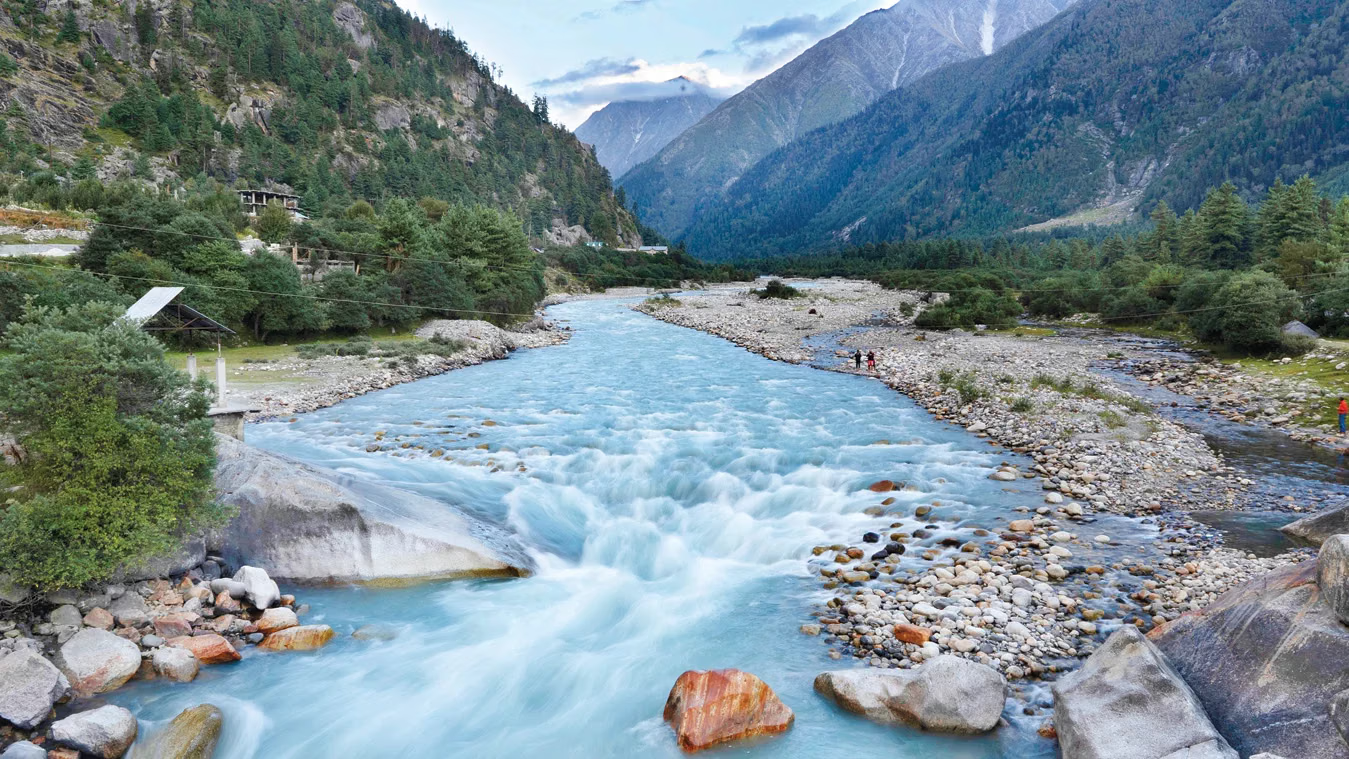
Spiti River: The Lifeline of the Cold Desert
Spiti River: Complete guide to the lifeline of Spiti Valley - rafting, monasteries, geography, best time to visit & cultural significance in the cold desert.
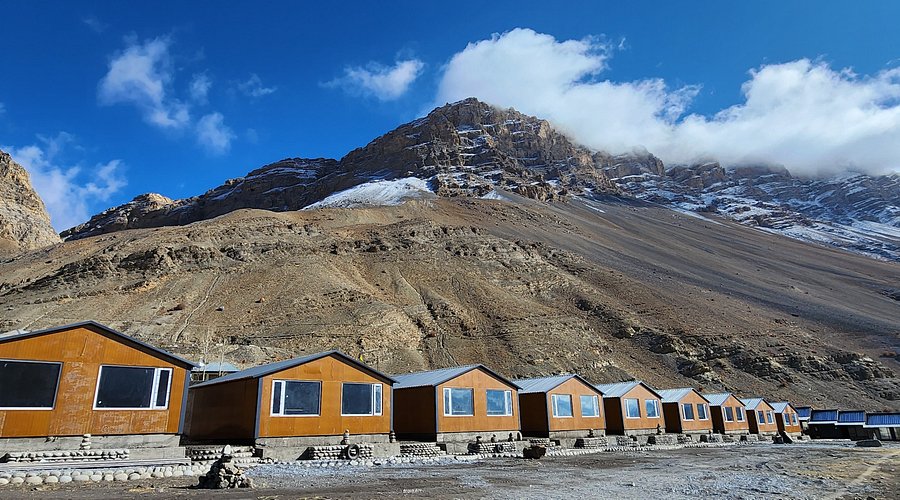
Best Hotels in Spiti Valley: Areas, Budget and Tips
Choose the best hotels in Spiti Valley with area-first planning, season timing, and practical booking tips for reliable stays.
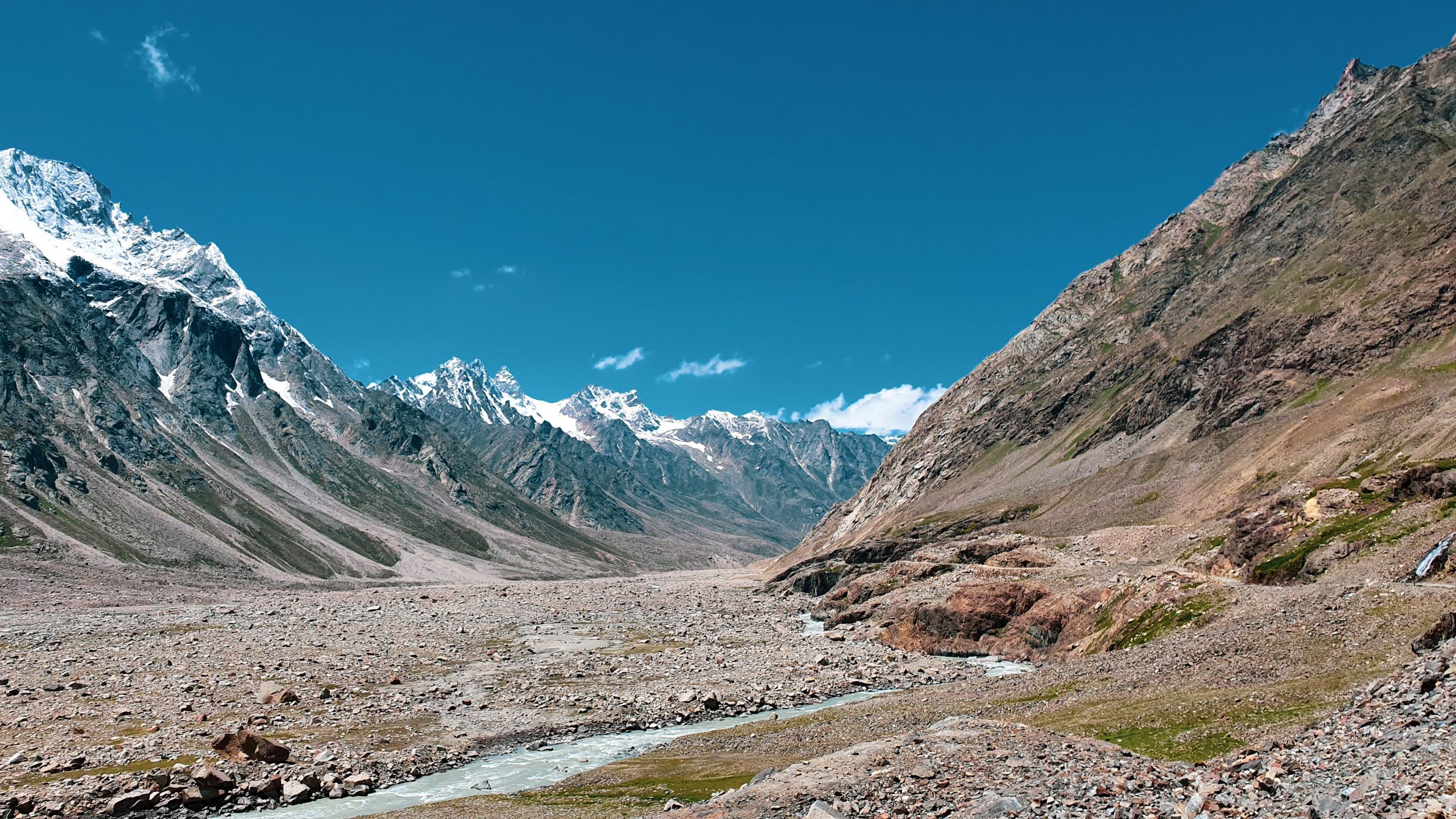
Delhi to Spiti Valley: Routes, Distance, Itinerary, and Travel Tips
Plan your Delhi to Spiti Valley road trip with route options, distance, itinerary, season guide, permits, and vehicle preparation for safer travel.
Never Miss an Adventure
Get the latest trekking guides, travel tips, and exclusive offers delivered straight to your inbox.
