
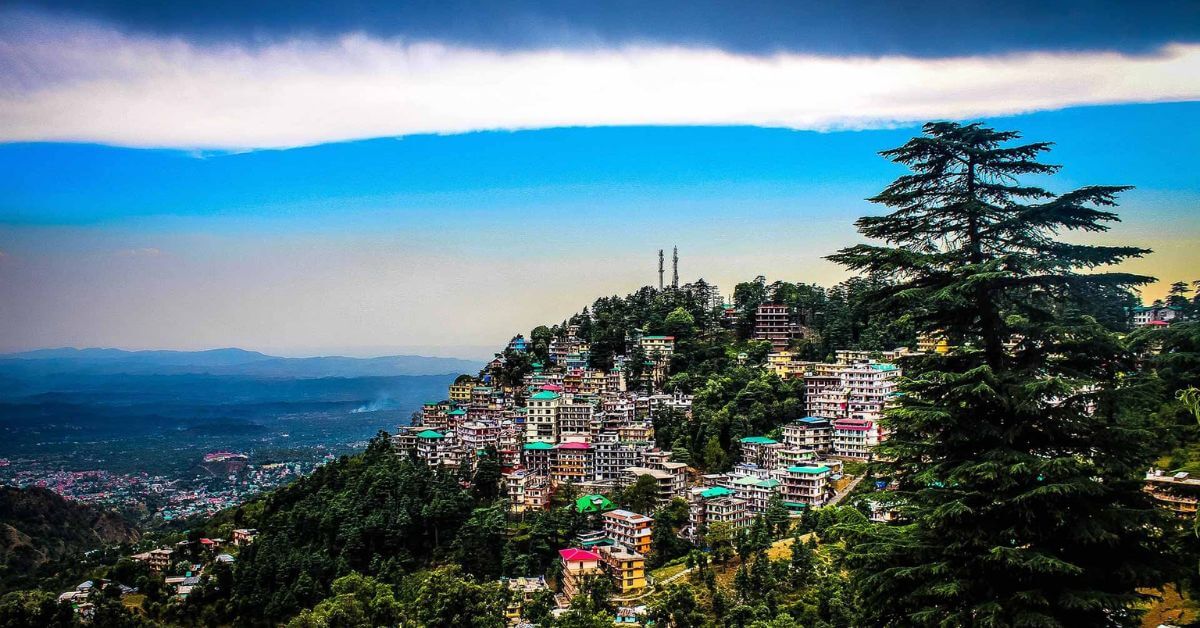
Dharamshala Himachal Pradesh Travel Guide: Stay Areas, Itinerary Planning, and Smart Local Movement

Rahul Garg
February 26, 2026
Plan Dharamshala with practical stay area strategy, route logic, and a calm itinerary framework for better mountain travel outcomes.
Introduction
Dharamshala in Himachal Pradesh is often marketed as a simple hill station break, but in practice it works as a layered destination with multiple sub-zones, changing elevation comfort, and mixed traveler intent. Some visitors prioritize monasteries and local culture, some focus on cafés and remote-work pace, and others combine short trekking with slow town exploration. If you arrive without a route logic, most of your day goes into unnecessary movement between upper and lower pockets. This guide is built to prevent that. You will learn how to structure your days, choose stay areas, and combine activities with realistic timing so the trip feels calm, productive, and memorable rather than rushed and fragmented.
Understanding Dharamshala Geography First
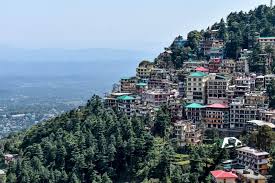
The single biggest planning mistake is treating Dharamshala as one compact walking district. In reality, movement between key zones requires time, especially during high-traffic windows and rain-affected periods. Before you build an itinerary, define your anchor area and keep at least sixty percent of daily activities in that same movement cluster. This dramatically reduces transit fatigue. If your main objective includes Tibetan culture and upper-town vibe, keep your planning aligned with Mcleodganj tourism context. If your priority is broader sightseeing coverage, map stops through places to visit in Dharamshala and choose only the highest-value points for each day.
Best Time to Visit and Seasonal Strategy
Dharamshala works across much of the year, but comfort and route behavior change with season. In cooler windows, full-day movement is easier and outdoor sessions can be extended. In monsoon months, visibility can still be beautiful, but roads and walking surfaces need extra caution and time buffers. Peak holiday periods add crowd pressure around cafés and taxi points, so pre-booking and early starts matter more. A practical approach is to keep one high-mobility day and one low-mobility day alternating through the trip. This protects energy and improves trip quality for families, solo travelers, and mixed-age groups. Slow and intentional pacing nearly always outperforms checklist-style movement in mountain towns.
Where to Stay: Area Selection by Purpose
Your stay location decides whether the trip feels smooth or constantly interrupted. Choose your hotel or homestay based on your dominant purpose, not just room aesthetics. For café culture, monastery walks, and social evenings, upper belts are usually more functional. For quieter nights and easier road access, lower areas can be practical. If you are remote-working, prioritize power reliability, calm daytime environment, and food options within short walking distance. Do not over-optimize for views alone if daily connectivity and meal convenience will suffer. Area-first decisions reduce friction every day and help you spend more time experiencing the destination instead of negotiating transport repeatedly.
How to Build a Practical 3-Day Itinerary
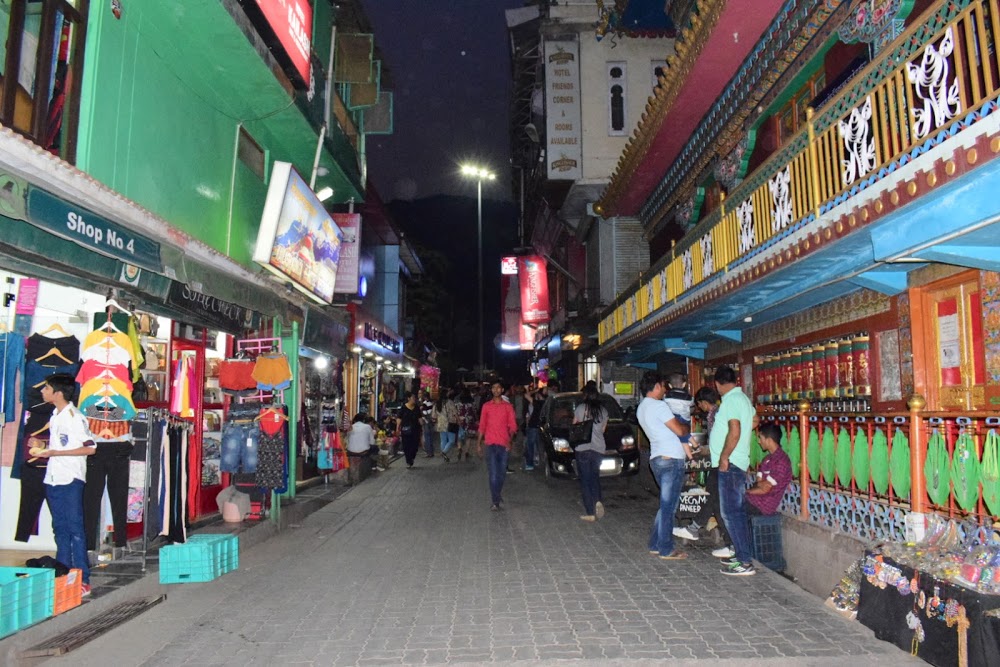
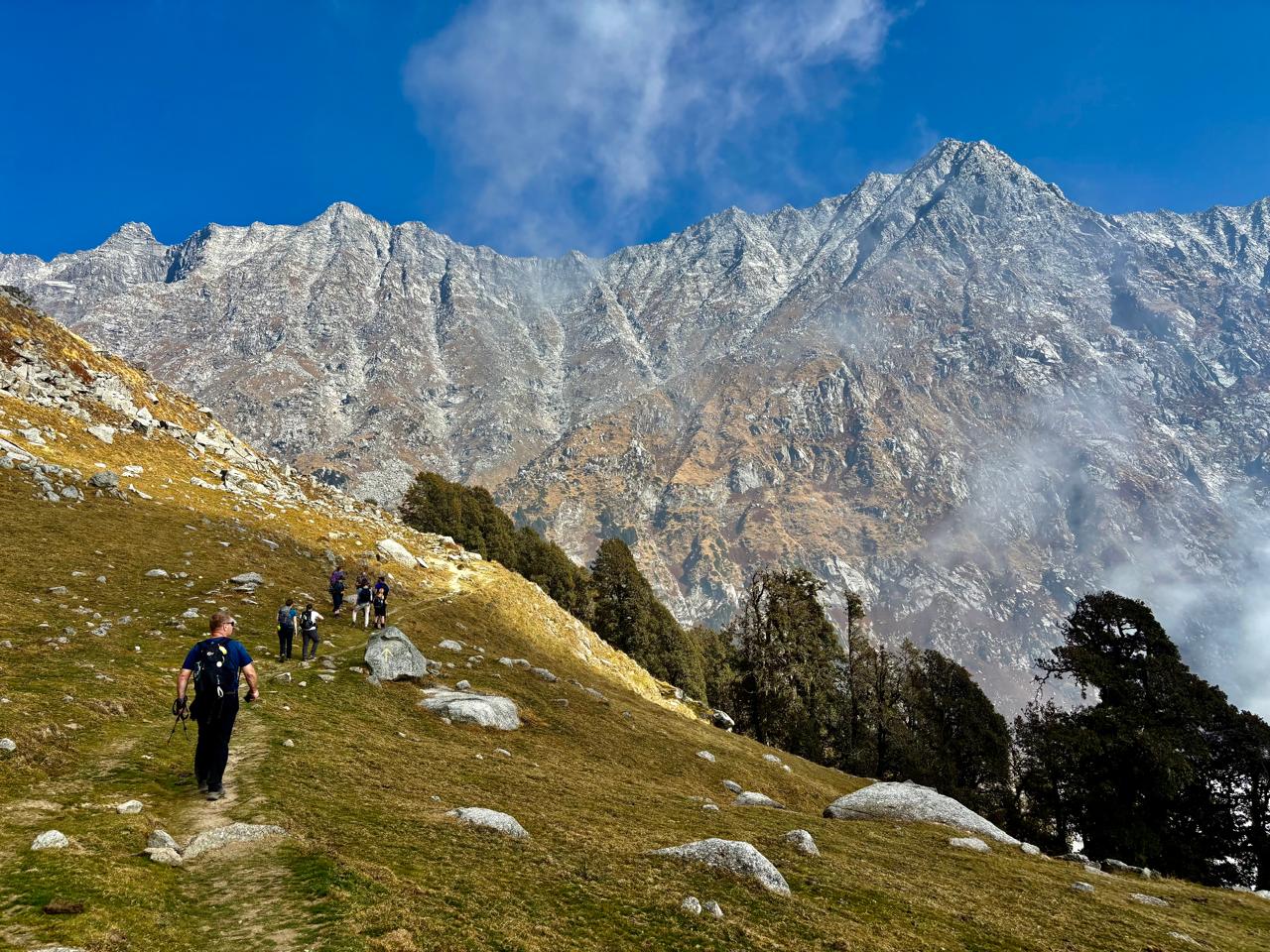
Day 1: orientation walk, one local cultural stop, and one relaxed café block. Day 2: one active morning segment plus one scenic evening block. Day 3: flexible day for shopping, food trail, and short local experiences. This format covers variety without overloading. If your group wants trails, integrate one structured morning using treks in Dharamshala and keep the same day light after lunch. Avoid stacking long trail and long town hops in a single day. Balanced days produce better memories and fewer avoidable cancellations due to fatigue, weather shifts, or late starts.
Local Transport and Movement Discipline
Short distances on maps can become long in real conditions because of slope, narrow roads, and peak traffic pockets. Lock your daily first destination the night before and leave buffer at both ends of every transfer. If you depend entirely on on-demand taxis without pre-planning, you risk losing prime morning hours. For families and senior travelers, keep a strict no-rush rule after sunset and avoid route experimentation late in the day. Movement discipline is a core travel skill in hill regions. It reduces stress, protects budget, and allows you to arrive with enough mental space to actually enjoy each place.
Food Planning and Daily Energy Management
Dharamshala has enough range for local Himachali dishes, Tibetan options, and café menus, but random eating can disrupt the day. Keep breakfast simple, keep hydration consistent, and place your heavier meal after the main movement block. If you want local flavor depth, reserve one focused food session through known streets and compare with street food in Dharamshala before finalizing where to spend your evening. Families should keep snacks and water ready during transit intervals to avoid unnecessary detours. Energy stability is essential in mountain travel because even light walking can feel heavier when slopes and weather variability are involved.
Remote Work and Long-Stay Suitability
Dharamshala is increasingly chosen by slow travelers and remote workers. The destination can work well if your stay setup is intentional. Before booking, confirm Wi-Fi speed consistency, backup power, mobile network performance, and quiet hours. Choose work blocks during low-noise windows and keep sightseeing in compact morning or evening segments. This hybrid format prevents both travel FOMO and work spillover. Long stays are most successful when you design a weekly rhythm rather than repeating the same unstructured day. One exploration day, three focused workdays, and flexible recovery blocks generally create sustainable pace without reducing productivity or travel value.
Common Mistakes That Reduce Trip Quality
Typical errors include planning too many geographically separated stops, underestimating slope walking effort, skipping weather buffers, and selecting stay locations that look good online but complicate daily logistics. Another major issue is late starts followed by overcompensation, which makes every segment feel rushed. Avoid all this with one simple rule: each day gets one primary objective and one secondary optional add-on. If the primary runs long, skip the add-on without guilt. Good mountain itineraries are adaptive by design. Trip quality comes from consistent calm execution, not maximum number of check-ins.
Sample Budget Framework
You can keep Dharamshala budget-friendly with practical choices: area-optimized stays, shared transport where suitable, early bookings in busy seasons, and meal planning around one major food stop daily. Keep one contingency margin for weather-related movement changes. Budget travel does not mean constant compromise; it means aligning spending to trip priorities. If scenic stays matter most, save on shopping. If food exploration is your main objective, reduce paid attractions and focus on local walking clusters. Purpose-driven spending creates better outcomes than evenly distributing budget across low-value activities.
Safety and Comfort Checklist
Carry light rain protection, walking shoes with grip, a warm layer for evening drops, and a charged phone power backup. Keep offline maps and one printed hotel contact as redundancy. Families should define regroup points in crowded areas. Solo travelers should share daily route intent with one trusted contact. Safety in Dharamshala is mostly about preparedness rather than risk intensity. Simple habits prevent avoidable disruptions and keep your attention on the destination experience.
How to End the Trip Well
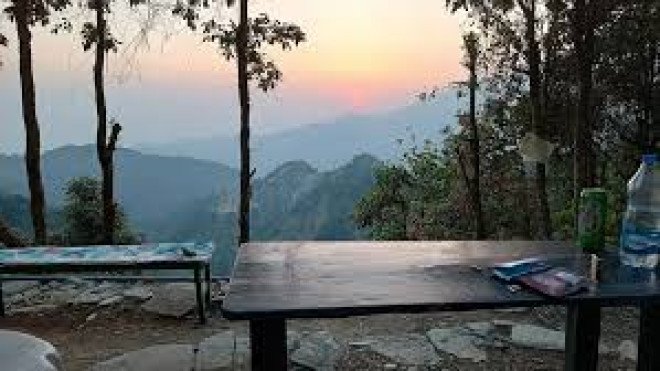
Many travelers waste the final day with scattered unfinished plans. Instead, keep a closure format: one sunrise or quiet morning walk, one meaningful local meal, and one focused shopping or reflection block. Do not add distant detours before departure. Closing days should reduce pressure, not increase it. This final design helps you leave with clarity, not hurry.
Conclusion
Dharamshala Himachal Pradesh rewards travelers who plan by movement logic, purpose-based area selection, and realistic daily pacing. Keep your itinerary balanced, weather-aware, and buffer-friendly. Combine cultural exploration, local food, and scenic sessions without forcing every possibility into one day. With this approach, Dharamshala becomes not just a hill station stop but a deeply satisfying mountain-town experience.
Location
Frequently Asked Questions
Q1.How many days are ideal for Dharamshala?
Q2.Should I stay in upper or lower Dharamshala?
Q3.What is the biggest planning mistake in Dharamshala?
Q4.Is Dharamshala good for a monsoon visit?
Q5.Can Dharamshala be visited without a vehicle?
Recommended For You
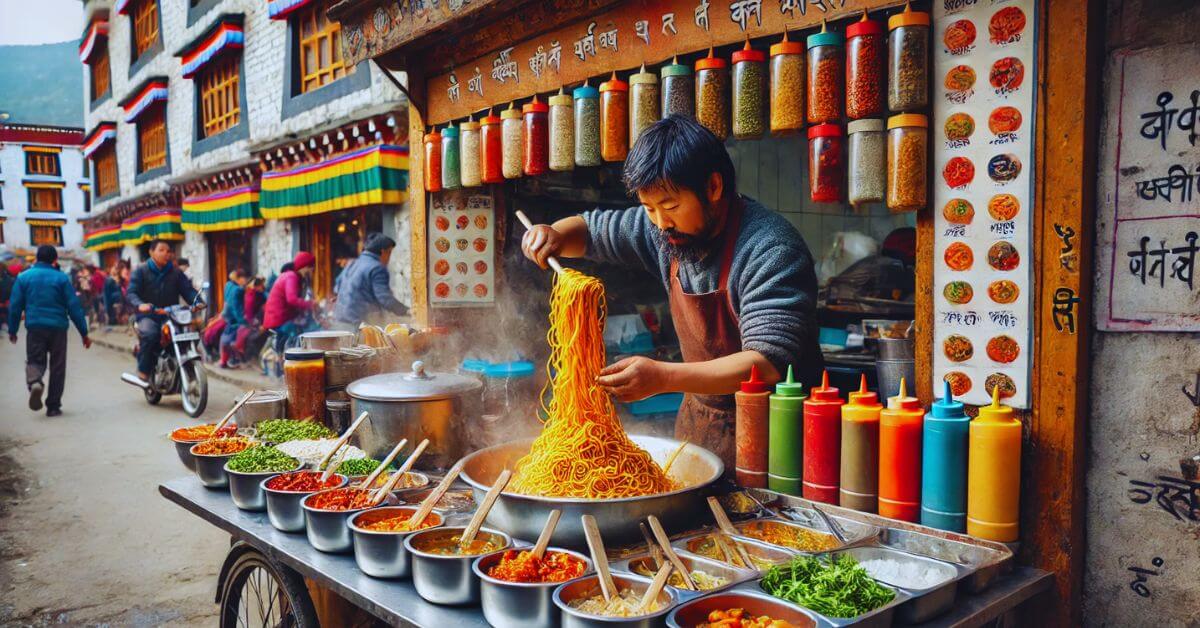
Street Food in Dharamshala: A Foodie's Guide to Tibetan & Local Delights
Discover the vibrant street food scene in Dharamshala, from authentic Tibetan momos and thukpa to spicy chowmein and traditional Indian sweets. Explore the best locations, seasonal specialties, and hidden gems in this Himalayan food paradise.
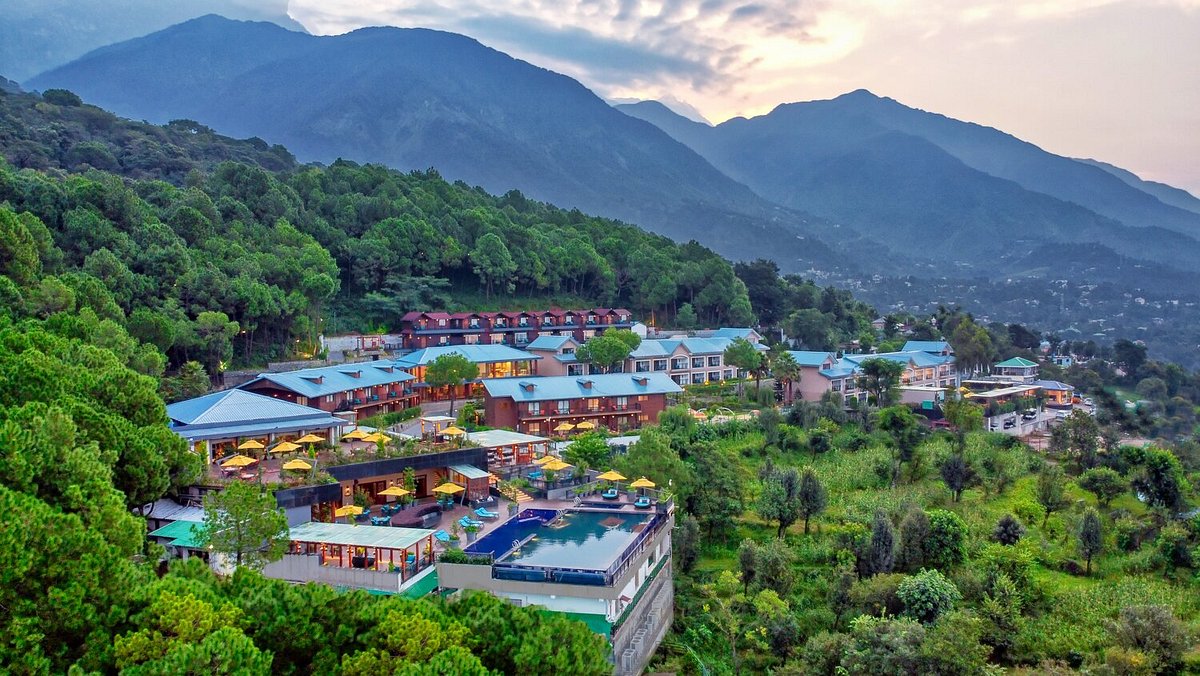
Best Hotels in Dharamshala: Area-Wise Picks, Budget to Luxury
Find the best hotels and resorts in Dharamshala with area-wise stay advice, budget planning, and practical booking checks.
Things to Do in Dharamshala: Tibetan Culture, Treks & Cafes
Plan things to do in Dharamshala with monastery circuits, Triund trek planning, McLeod Ganj culture, cafe experiences, and practical multi-day itineraries.
Never Miss an Adventure
Get the latest trekking guides, travel tips, and exclusive offers delivered straight to your inbox.
