
Things to Do in Dharamshala: Tibetan Culture, Treks & Cafes

Rohan Malhotra
February 20, 2026
Plan things to do in Dharamshala with monastery circuits, Triund trek planning, McLeod Ganj culture, cafe experiences, and practical multi-day itineraries.
Introduction
Dharamshala is one of Himachal’s most distinctive destinations because it blends Tibetan cultural depth, mountain scenery, monasteries, and adventure routes in one compact region. If you are planning things to do in Dharamshala, the best method is to split your itinerary between Upper Dharamshala-McLeod Ganj experiences and wider Kangra Valley excursions. This prevents repetitive movement and helps you experience both spiritual and outdoor dimensions.
This guide covers temple circuits, Triund planning, nature activities, cafe culture, and practical route sequencing for two to four days. It is built for families, solo travelers, and trekking-focused visitors. For complementary planning, refer to Dharamshala activity ideas and places to visit in Dharamshala.
McLeod Ganj and Tibetan Cultural Experiences
McLeod Ganj is central to things to do in Dharamshala. The Tsuglagkhang complex, monastery spaces, and Tibetan cultural pockets give the destination its distinct identity. Keep enough time for a calm walk through monastery areas instead of quick photos-only visits.
Local handicraft shopping, Tibetan cafes, and cultural museums add context that many short itineraries miss. If you are interested in living culture, include one intentional slow block for conversation, reading spaces, and observation of everyday community life.
Respectful behavior and modest dress are essential near religious sites.
Triund Trek Planning
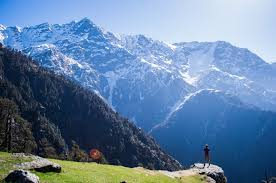
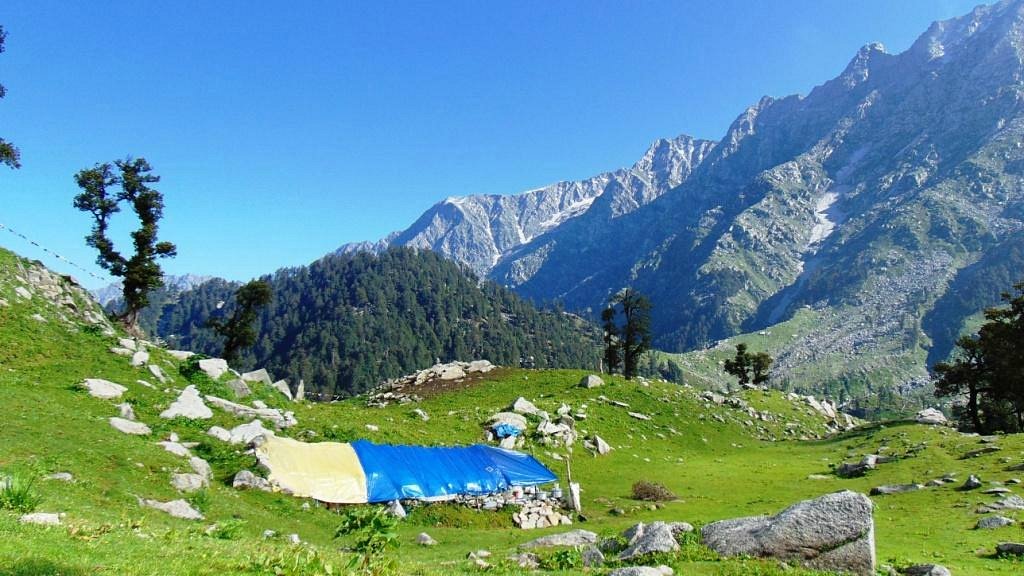
Triund is the most popular adventure activity near Dharamshala and works well for fit beginners with proper pacing. Start early, check weather and trail status, and avoid summit pressure if conditions deteriorate. The trek rewards steady movement, not speed.
Keep hydration, layers, snacks, and a descent plan ready. If you are uncertain about fitness or conditions, use local guidance. For many travelers, a partial hike with viewpoint return can still be a high-value experience without overextension.
Temples, Monasteries, and Spiritual Stops
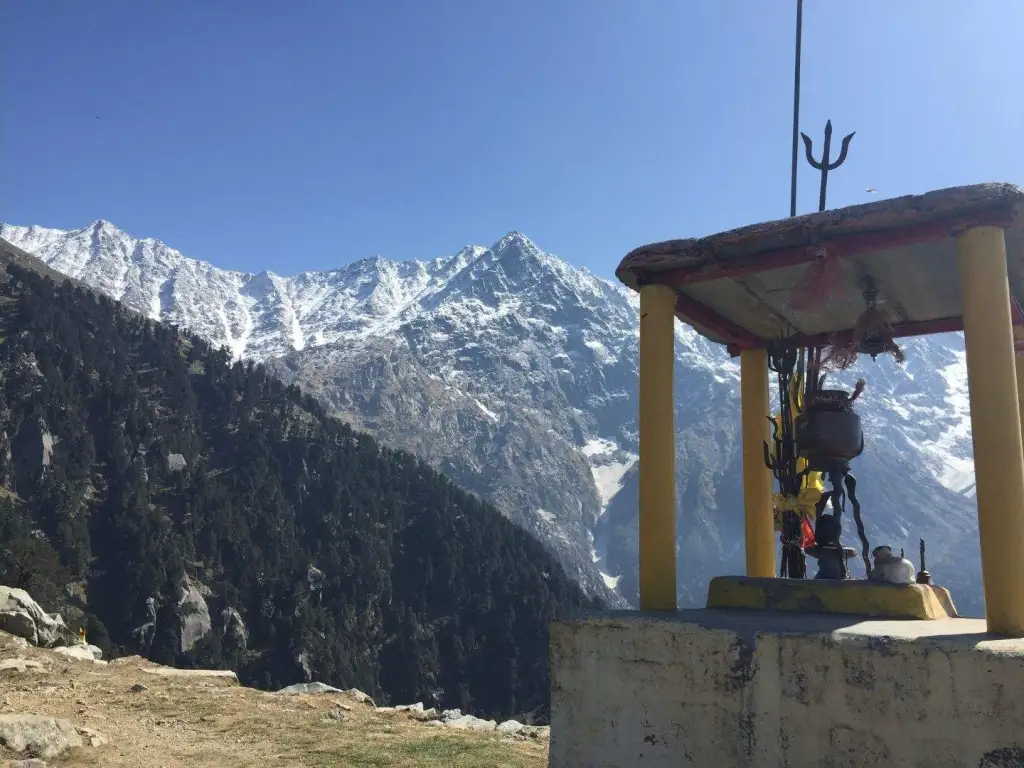
Dharamshala is ideal for spiritual and reflective travel. Beyond major monasteries, include Bhagsunag temple zones, Dal Lake area temples, and quiet prayer spaces depending on your route. These stops are often best in morning hours before crowd build-up.
Travelers with spiritual interests should keep one full low-intensity day for monastery visits and contemplation rather than mixing them with long road trips.
Kangra Valley Extensions
If you have three or more days, add one Kangra Valley extension day. Kangra Fort, Norbulingka-focused art experiences, and tea-garden side routes can deepen your understanding of regional history and landscape. Keep distance and return-time buffers in mind while planning.
Avoid trying to combine Triund and long valley road trips on the same day; this often results in fatigue and reduced experience quality.
Adventure Activities Beyond Triund
Dharamshala also supports activities like short nature hikes, mountain biking windows, and access toward nearby adventure hubs. Choose activities based on group fitness and weather confidence. Families can keep to easy routes and scenic drives, while advanced travelers can target higher-effort excursions.
Always prioritize conservative time planning in mountain terrain. Late returns reduce both safety and enjoyment.
Food and Cafe Culture
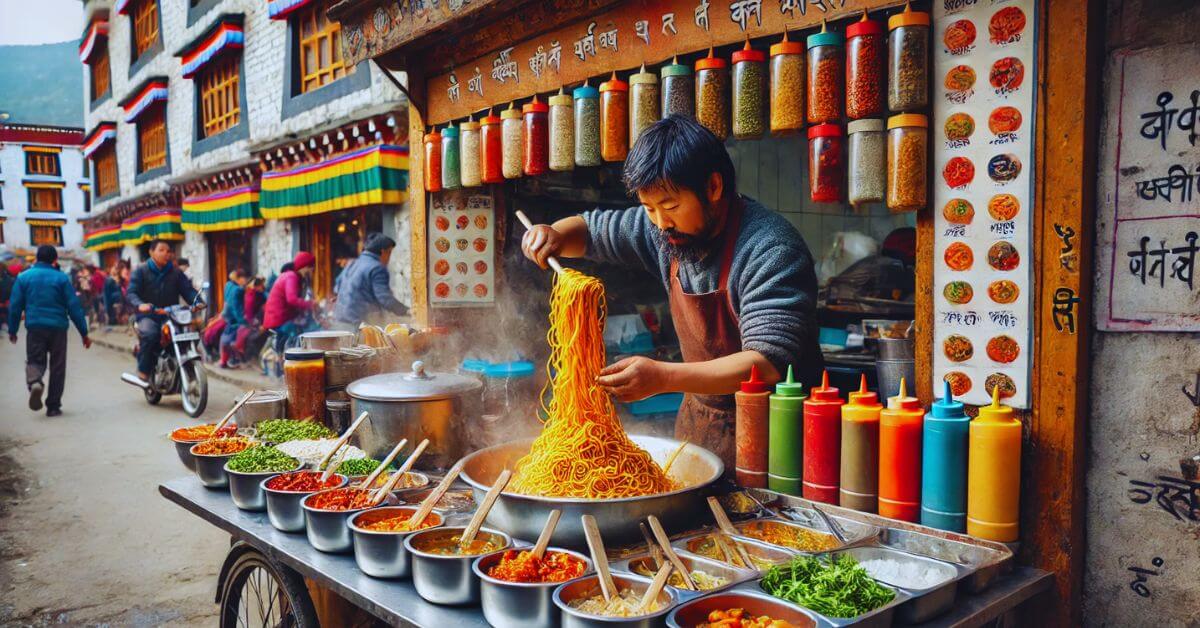
The cafe scene in McLeod Ganj and surrounding stretches is a strong part of things to do in Dharamshala. Use cafes as planned breaks between activity blocks instead of only end-of-day stops. This improves pacing and gives time to absorb mountain views and local culture.
For deeper culinary variety, combine Tibetan dishes with Himachali meals and a few comfort options. If you are traveling with children or seniors, keep meal timing predictable around trek and transport windows.
Best Time to Visit Dharamshala
Spring and autumn are generally ideal for mixed sightseeing and trekking. Summer works well for cooler-weather breaks compared with plains. Winter can be beautiful but requires stronger layering and weather-aware mobility. Monsoon travel is possible with flexible plans and reduced trek dependency.
For trek-led itineraries, always check local weather updates the night before departure.
2-Day, 3-Day, and 4-Day Itinerary Models
| Duration | Suggested Focus |
|---|---|
| 2 Days | McLeod Ganj culture + monastery circuit + cafe and market block |
| 3 Days | Add Triund trek or partial hike day |
| 4 Days | Add Kangra Valley extension and slower recovery windows |
This structure helps balance spirituality, outdoor activity, and travel comfort.
Budget and Transport Notes
- Budget day: INR 1,800-3,200 with basic stays and local transport
- Mid-range day: INR 3,500-6,500 with guided activity and better comfort
- Premium day: INR 7,500+ with private movement and curated experiences
Use short route clusters and avoid unnecessary backtracking between lower and upper sections repeatedly in one day.
Common Planning Mistakes
The biggest mistake is overloading a short trip with both heavy trekking and long valley excursions without rest buffers. Another is ignoring altitude and weather when planning Triund attempts. Conservative planning leads to better outcomes.
Also avoid treating monastery visits as checklist stops. These spaces are best experienced slowly and respectfully.
Upper vs Lower Dharamshala: How to Plan Efficiently
One major source of itinerary friction is unclear split between upper and lower zones. Upper Dharamshala and McLeod Ganj are better for monastery circuits, cafe culture, and trail access. Lower sections are more suited for transit, local errands, and selected city services. Planning full days by zone reduces commute fatigue and gives cleaner activity flow.
For first-time travelers, dedicate one day entirely to upper cultural experiences, one day to adventure or trek, and one day to wider valley add-ons if time permits. This sequence keeps spiritual, physical, and scenic experiences balanced rather than mixed chaotically.
Trek Readiness and Recovery Windows
Triund or similar routes should not be treated as casual add-ons between cafe visits. Keep pre-trek sleep, hydration, and early start as non-negotiable basics. Post-trek, schedule recovery with warm meals and light movement instead of immediate road transfers. This improves safety and reduces next-day fatigue.
If weather is unstable, shift to monastery and culture blocks rather than forcing summit goals. Good mountain travel is flexible travel.
Cafe, Market, and Cultural Balance
Dharamshala is not only trekking. One of its strongest values is the way reflective spaces, Tibetan culture, and mountain cafes combine in a compact region. Keep one half-day for unstructured exploration: tea breaks, quiet streets, local bookstores, and artisan shopping. This slower layer often becomes more memorable than aggressive route plans.
Support local businesses where possible and keep behavior respectful in monastery-adjacent neighborhoods.
Sample 72-Hour Structure
Day 1: McLeod Ganj culture circuit + monastery + evening cafe.
Day 2: Triund trek or alternative nature walk + recovery dinner.
Day 3: Kangra-side extension or slow market and food day.
This format works for most first-time visitors and can be adjusted for weather without major disruption.
Experience Design for Spiritual and Adventure Balance
Dharamshala is most rewarding when travelers intentionally balance spiritual time with physical activity. A day that begins in a monastery and ends with a short nature walk often feels more complete than a day focused only on trekking. This blend helps avoid burnout and gives deeper connection to place identity.
Travelers who rush between multiple monasteries and then attempt long treks on the same day usually experience fatigue and reduced engagement. Instead, dedicate separate themed blocks: one for culture, one for adventure, one for slow food and reflection. This style aligns with the destination’s pace and improves overall satisfaction.
For repeat visitors, consider revisiting one familiar monastery or cafe rather than constantly chasing new points. Returning to a known place often reveals details missed on the first trip and gives Dharamshala a richer, more personal experience arc.
Mindful Travel Etiquette in Dharamshala
Dharamshala receives travelers for both spiritual and outdoor reasons, so respectful conduct matters across monastery, market, and trail spaces. Keep noise moderate near temples, avoid intrusive photography, and follow local guidance at cultural sites. These basic practices create better interactions and preserve the atmosphere that makes the destination special.
On trekking routes, carry your waste back, respect trail boundaries, and avoid loud music. Responsible behavior protects mountain ecosystems and improves experience for everyone sharing the route.
When travelers align with local pace and values, Dharamshala feels far richer than a standard hill-station stop.
Keep one flexible half-day in every itinerary for weather or recovery adjustments. This buffer improves decision quality and allows you to enjoy the destination without constant schedule pressure.
Dharamshala also works very well for reflective travel. Beyond famous points, allow time for quiet monastery courtyards, local bookshops, and short hillside walks without fixed outcomes. These slower windows reduce travel fatigue and create emotional balance between trek effort and cultural immersion. If your itinerary includes Triund, keep the day before and after lighter to avoid overexertion. For couples, one calm cafe afternoon with mountain views can be as meaningful as a full activity day. For solo travelers, structured mornings and unstructured evenings often provide the best mix of safety and discovery. In Dharamshala, intentional pacing is the key differentiator between a rushed trip and a memorable one.
Conclusion
The best things to do in Dharamshala come from blending Tibetan cultural immersion, mindful monastery visits, mountain activity, and realistic route pacing. With two to four structured days, the destination can feel both energizing and grounding.
Plan by zones, prioritize one major experience per day, and keep weather flexibility in your itinerary for a smoother and more meaningful Dharamshala trip.
Location
Frequently Asked Questions
Q1.How many days are enough for Dharamshala?
Q2.What are top things to do in Dharamshala?
Q3.Is Triund trek difficult?
Q4.Can families enjoy Dharamshala without trekking?
Q5.What is the best time to visit Dharamshala?
Q6.Is McLeod Ganj different from Dharamshala?
Q7.What should I pack for Dharamshala?
Q8.Can I do Dharamshala in 2 days?
Recommended For You
Street Food in Dharamshala: A Foodie's Guide to Tibetan & Local Delights
Discover the vibrant street food scene in Dharamshala, from authentic Tibetan momos and thukpa to spicy chowmein and traditional Indian sweets. Explore the best locations, seasonal specialties, and hidden gems in this Himalayan food paradise.
Best Hotels in Dharamshala: Area-Wise Picks, Budget to Luxury
Find the best hotels and resorts in Dharamshala with area-wise stay advice, budget planning, and practical booking checks.
Shopping in Dharamshala: McLeodGanj & Tibetan Market
Discover the best shopping places in Dharamshala! From McLeodGanj's Tibetan markets to local bazaars, find authentic handicrafts, Buddhist artifacts & souvenirs.
Never Miss an Adventure
Get the latest trekking guides, travel tips, and exclusive offers delivered straight to your inbox.
