
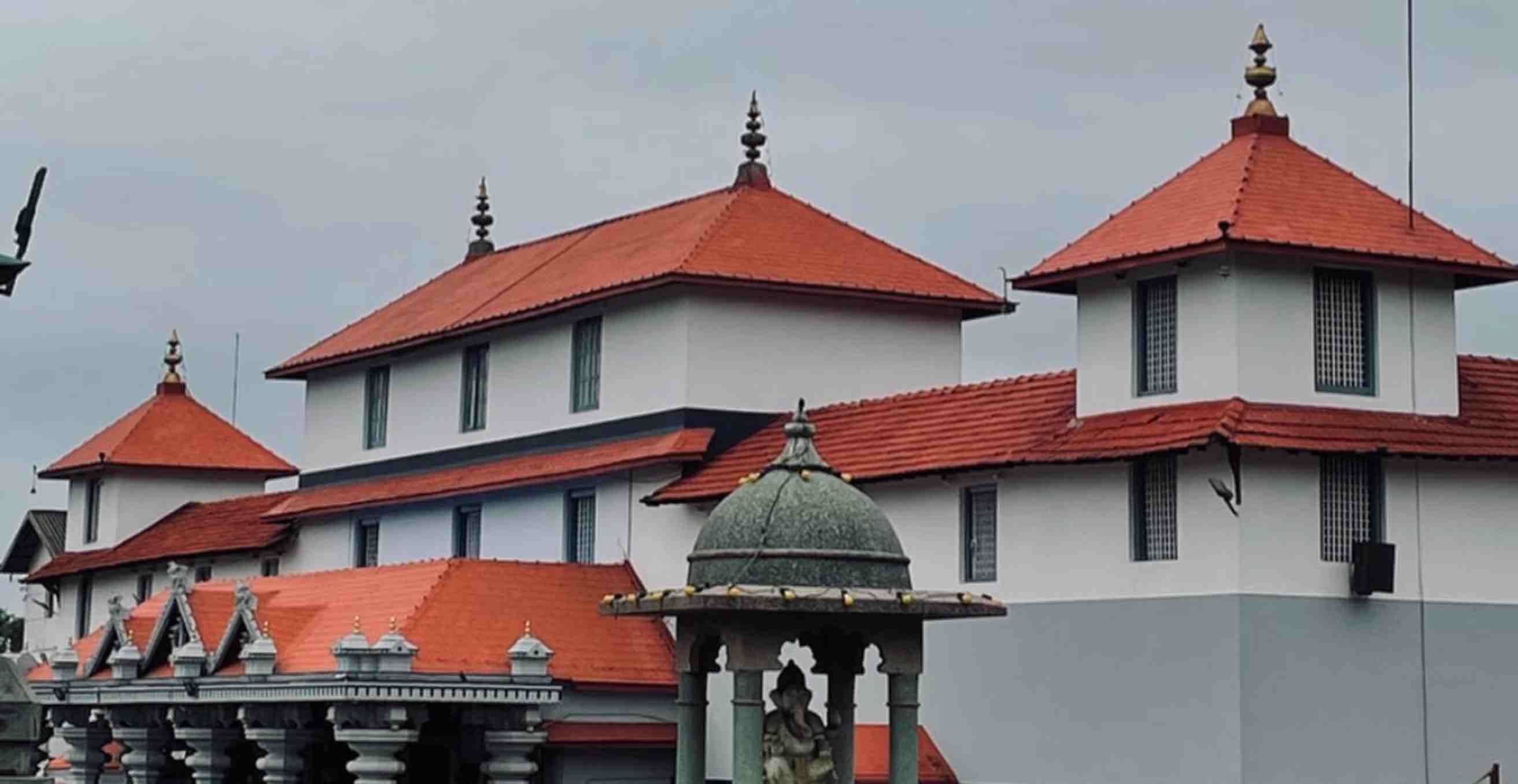
Dharmastala Manjunatha Temple: Darshan, Sevas & Travel Information

Neha Kapoor
February 19, 2026
Visit Dharmastala Temple, dedicated to Lord Manjunatha. Discover the free meals tradition, Bahubali statue, timings, and complete travel guide.
Dharmastala Temple: Complete Pilgrimage Guide for Darshan, Stay, and Seva Planning
Dharmastala Temple in Karnataka is one of South India’s most respected pilgrimage centers, known for spiritual discipline, community service traditions, and large-scale anna prasada. Pilgrims often come with family and multi-generation groups, which makes planning essential. The destination is deeply devotional, but the visit runs smoothly only when you understand darshan timing, queue behavior, accommodation patterns, and local mobility around the temple area.
If you are building a wider Karnataka route, combine this visit with places to visit Karnataka, spiritual extensions like Murudeshwar Temple, and broader state-season planning from Karnataka monsoon travel guide. Many families also combine temple visits with coastal or hill breaks after darshan.
Why Dharmastala Is Unique
Dharmastala is not just a temple stop. It is a living spiritual ecosystem with long-standing traditions of religious harmony, community meal service, and disciplined pilgrim management. For many visitors, the strongest memory is the organized spiritual atmosphere rather than just architecture. The temple experience feels different from urban shrines because the full area is structured around service, simplicity, and devotional flow.
Best Time and Visit Windows
| Time Window | Crowd Pattern | Best For |
|---|---|---|
| Early Morning | Manageable | Focused darshan and calm movement |
| Midday | High | General pilgrims and group arrivals |
| Evening | Moderate to high | Devotional ambience and family visits |
Weekends and festival periods typically see heavier queues. If you travel with seniors, prioritize morning slots and keep buffer time.
How to Reach Dharmastala Efficiently
Most pilgrims reach Dharmastala by road from nearby Karnataka hubs. Road planning matters because hill and ghat sections can increase travel time. Keep hydration, snacks, and light medicines during transit. If your family includes elders or children, avoid late-night arrivals and prioritize daylight movement for better comfort. Reaching early and staying overnight usually gives a more peaceful darshan experience than same-day rushed return.
Darshan Etiquette and Spiritual Conduct
Modest attire, calm behavior, and queue discipline are essential. Keep footwear and belongings organized before entering temple lines. Maintain respectful silence near prayer sections and avoid obstructing movement for photos. Religious centers like Dharmastala run smoothly when pilgrims cooperate with local instructions. For first-time visitors, observing line behavior for a few minutes before joining helps reduce confusion.
- Wear simple, respectful clothing.
- Carry minimum valuables in queue areas.
- Follow signage and volunteer guidance.
- Keep children close in dense sections.
Anna Prasada and Seva Experience
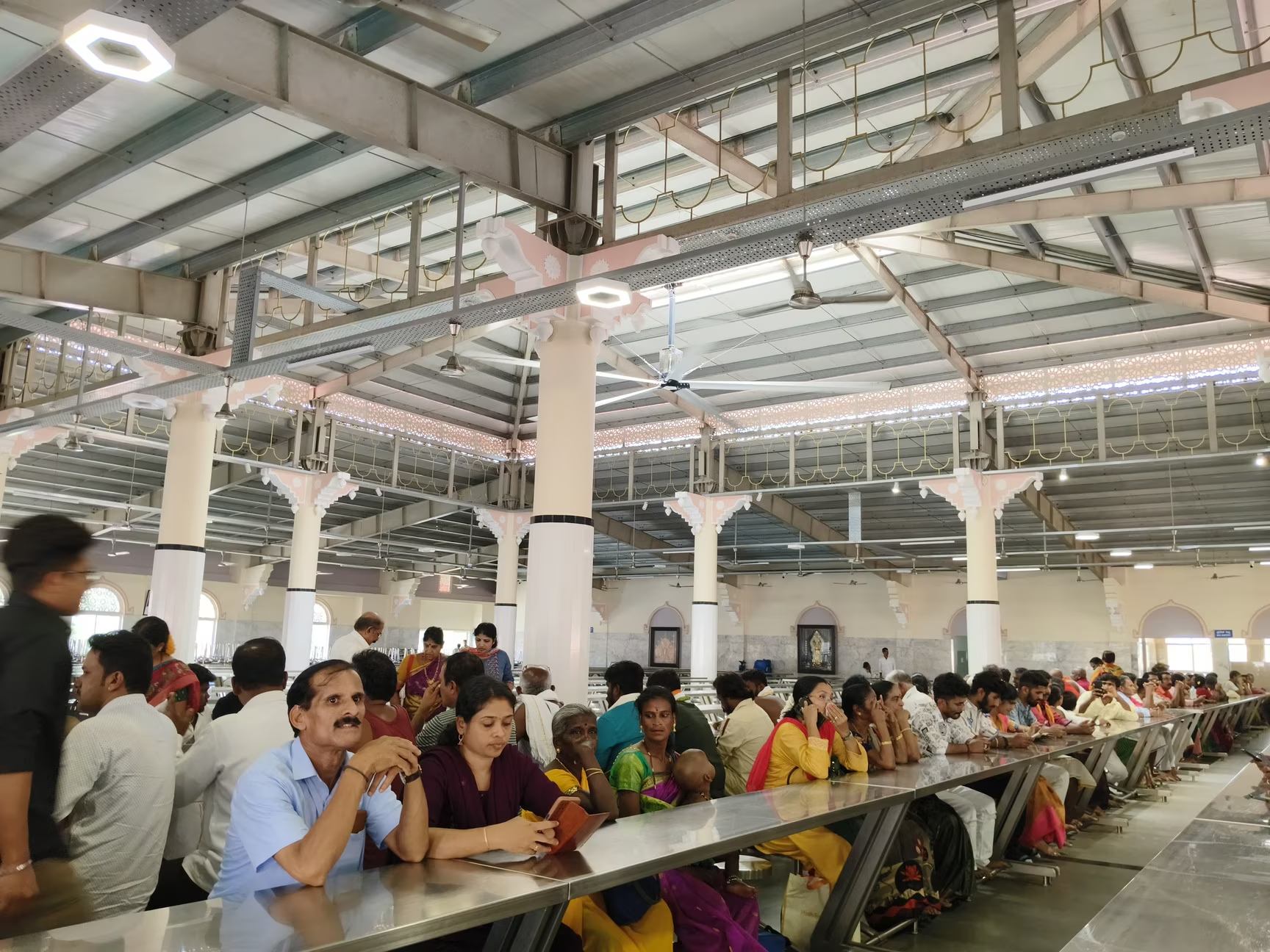
Dharmastala is widely known for its food service tradition. The meal experience is not a side activity; it is central to the place’s ethos of service and equality. Participate respectfully, avoid food waste, and follow seating instructions in dining areas. Families often describe this part as the most grounding element of the pilgrimage because it reflects community spirit in action.
Accommodation and Family Planning
Temple-area stays can fill quickly during peak pilgrimage periods, so pre-booking is recommended. Choose accommodation based on group need: proximity for elders, easier parking for self-drive families, and quieter lanes for children. If your itinerary includes other Karnataka points such as Mangalore or coastal routes, keep one rest block after darshan to avoid exhaustion.
Avoid overloading day one with long road transfer plus darshan plus onward journey. A two-day format is usually better.
Combining Dharmastala with Nearby Pilgrimage Stops
You can plan a meaningful spiritual circuit by pairing Dharmastala with one additional temple destination and one rest destination. Keep the temple sequence realistic and avoid checklist-style rushing. Spiritual travel quality usually drops when transfer time dominates the schedule. If your group prefers slower pace, combine one pilgrimage day with one nature or beach recovery day.
Budget and Comfort Tips
Dharmastala can be budget-friendly if you keep spending simple: transport, stay, basic meals, and devotional offerings. Keep a small contingency amount for route changes and seasonal delays. Carry weather-ready clothing because humidity and rain variation can affect comfort across the day. Small practical decisions improve the spiritual experience significantly.
Sample 2-Day Dharmastala Plan
Day 1: Arrival, light rest, evening orientation walk. Day 2: Early darshan, anna prasada, short reflection time, controlled return.
This pattern works well for families and first-time pilgrims because it reduces pressure and allows devotional focus.
Festival-Day Planning at Dharmastala
On major religious dates, Dharmastala receives heavy pilgrim inflow. Queue times increase, accommodation fills earlier, and meal halls run at full capacity. If you are visiting during these dates, pre-book stay, start movement early, and keep one full buffer slot in your schedule. Avoid same-day round trips from far cities during peak periods unless your group is physically prepared for long travel windows.
Children and Elder-Care Checkpoints
Families traveling with seniors should prioritize rest, early darshan, and shorter standing intervals. Children should be briefed on queue conduct and regroup rules before entering temple lines. Carry basic weather protection and avoid dehydration. For elder pilgrims, a two-day plan with overnight stay is often safer and more spiritually satisfying than rushed same-day itineraries.
Local Culture and Seva Spirit
Dharmastala’s character is built around service and discipline. Participate with gratitude, avoid waste in community dining areas, and follow local flow even when lines are long. The pilgrimage experience here becomes deeper when visitors align with the seva culture instead of treating the temple like a tourism checkpoint. Devotional value grows through patience and shared respect.
Practical 2-Night Pilgrimage Model
Night 1: Arrival and rest. Day 2: Morning darshan, anna prasada, light spiritual activity. Night 2: Recovery and optional nearby short visit. Day 3: Calm return journey.
This model reduces fatigue and helps families maintain devotional focus through the trip.
What Makes Repeat Pilgrims Return to Dharmastala
Repeat visitors often return because the temple offers consistency: disciplined darshan flow, service culture, and community-centered spiritual experience. Unlike highly commercialized circuits, Dharmastala still feels rooted in seva and simplicity. Pilgrims who visit multiple times usually report that each journey feels different depending on their mental state and purpose, even when the physical route remains similar.
This is why many families make Dharmastala part of annual devotional travel rather than a one-time visit. The place supports both ritual continuity and inner reflection.
Quiet Practices to Deepen the Visit
Before leaving Dharmastala, spend a few minutes in silent gratitude rather than rushing to the next transfer. This small practice helps integrate the pilgrimage emotionally and keeps the journey centered on devotion, not checklist completion. Families who do this often report a calmer overall travel experience.
Many devotees recommend carrying a small written prayer intention and reading it silently before darshan. This simple practice helps maintain focus and reduces distraction in crowded pilgrimage settings.
When planning return travel, keep one slow transition after darshan and avoid immediate long-distance driving. A rested return improves safety and preserves the devotional calm created during your temple experience. Families especially benefit from this deliberate pacing strategy.
Before departure, review what you learned from the visit: patience in queue, gratitude in service, and discipline in movement. These lessons are central to Dharmastala’s spiritual culture and remain meaningful after the journey ends.
Final Takeaway
Dharmastala Temple offers a spiritually rich experience when approached with patience, respect, and practical planning. Keep your schedule simple, prioritize morning darshan, and honor the service traditions that define this sacred place. Done well, the pilgrimage feels both peaceful and deeply memorable.
Location
Frequently Asked Questions
Q1.Who manages Dharmastala Temple?
Q2.Are meals really free at Dharmastala?
Q3.What is the height of the Bahubali statue at Dharmastala?
Q4.What are Dharmastala Temple timings?
Q5.How far is Dharmastala from Mangalore?
Q6.What is special about Dharmastala Temple?
Q7.When is the Lakshadeepotsava festival at Dharmastala?
Q8.Can anyone visit Dharmastala Temple?
Recommended For You
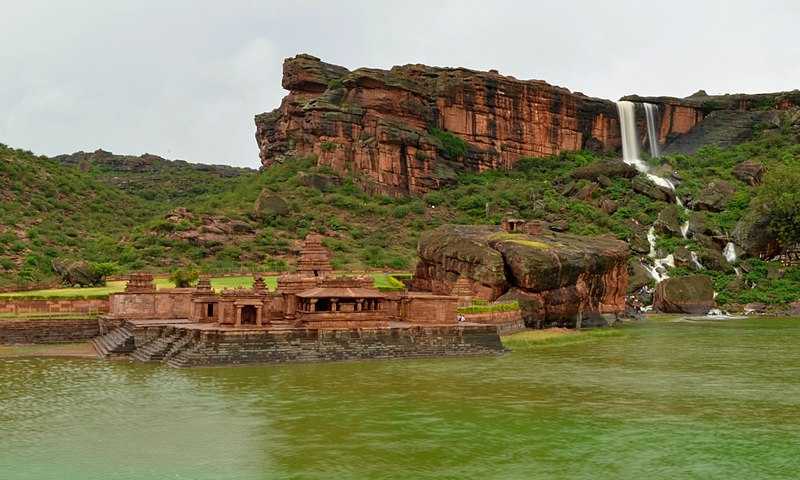
Places to Visit in Karnataka: Coast, Hills & Heritage Cities
Explore the best places to visit in Karnataka with a complete guide to Hampi, Coorg, Mysore, beaches, wildlife parks, trekking routes, and practical travel planning.
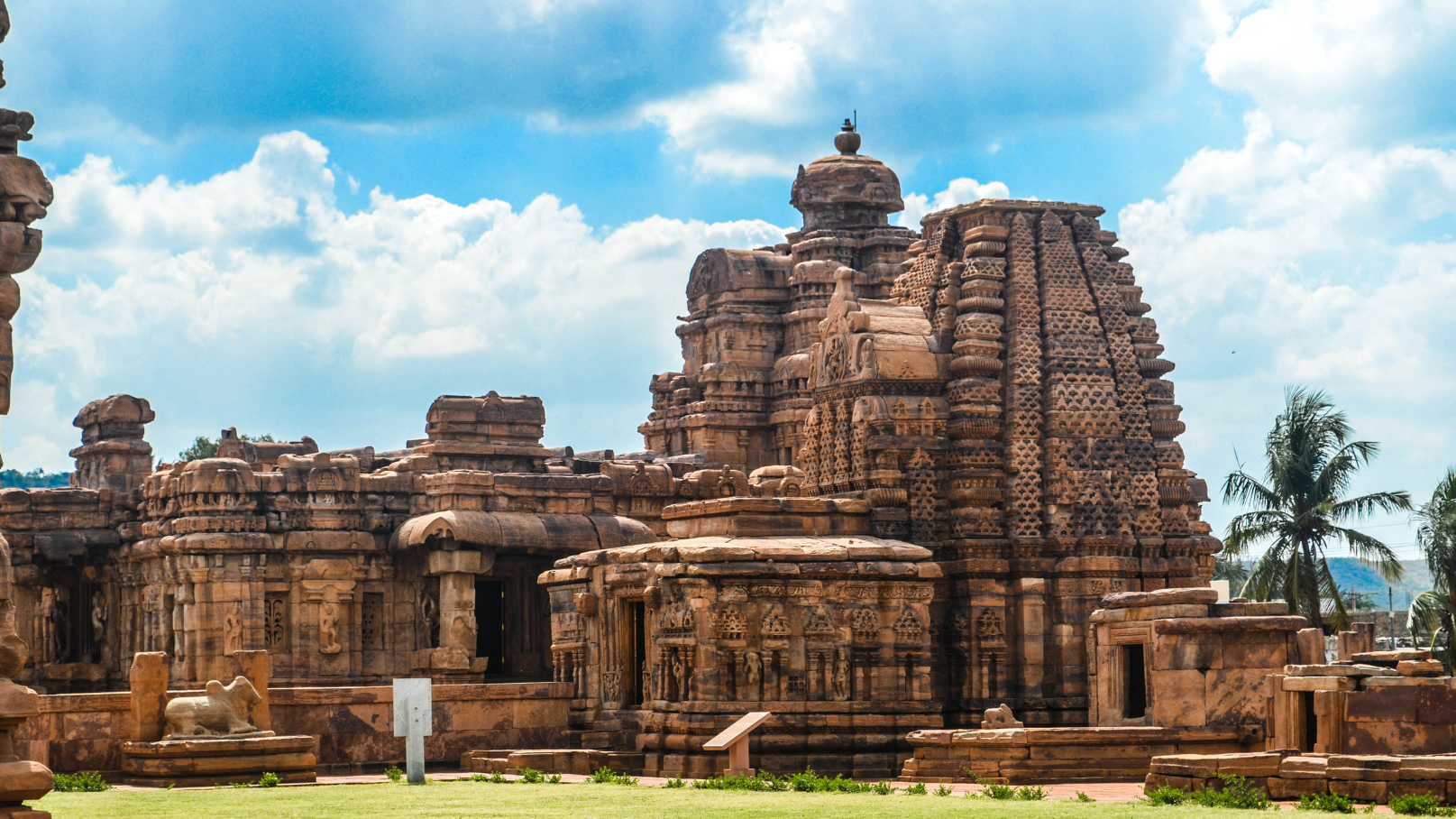
Aihole Temples: Cradle of Chalukya Architecture
Visit Aihole temples, the cradle of Chalukya architecture. Discover 125+ ancient temples, Durga Temple, history & travel guide.
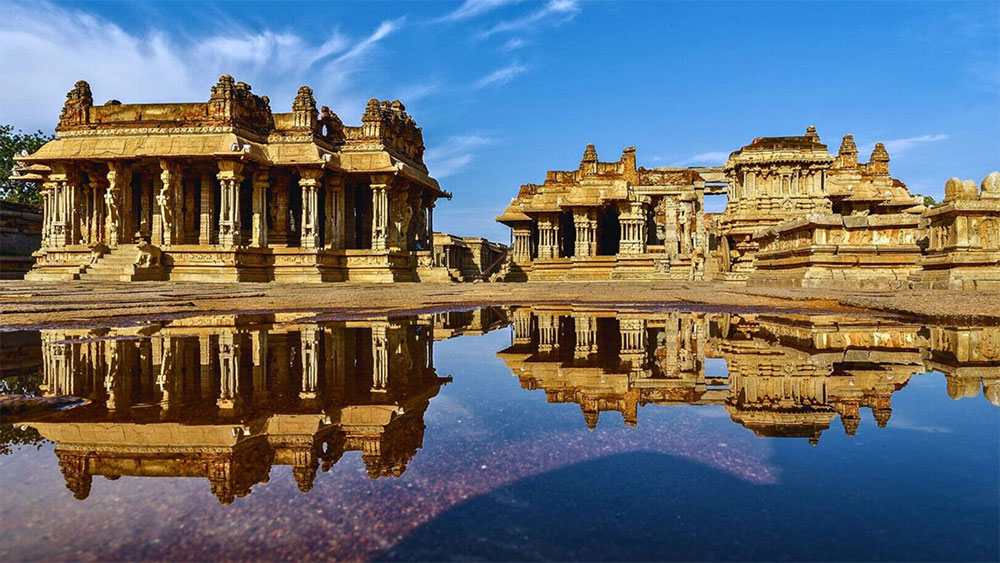
Temples of Hampi: Complete Guide to Vijayanagara Empire's Sacred Heritage
Discover the magnificent temples of Hampi, a UNESCO World Heritage Site. Explore Virupaksha, Vittala, and more Vijayanagara empire temples with our complete travel guide.
Never Miss an Adventure
Get the latest trekking guides, travel tips, and exclusive offers delivered straight to your inbox.
