
Temples of Hampi: Complete Guide to Vijayanagara Empire's Sacred Heritage

Ananya Sharma
November 13, 2025
Discover the magnificent temples of Hampi, a UNESCO World Heritage Site. Explore Virupaksha, Vittala, and more Vijayanagara empire temples with our complete travel guide.
Introduction: The Sacred Ruins of Vijayanagara
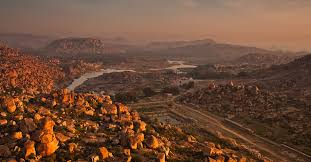
Hampi, a UNESCO World Heritage Site nestled in the heart of Karnataka, stands as a testament to the grandeur of the Vijayanagara Empire, one of South India's most powerful kingdoms. Spread across 4,100 hectares of rugged terrain dotted with granite boulders, ancient temple complexes, and crumbling palaces, Hampi is not just an archaeological wonder but a living spiritual center. The temples of Hampi, with their exquisite Dravidian architecture, intricate carvings, and profound religious significance, continue to draw millions of devotees, history enthusiasts, and curious travelers from around the world.
What makes Hampi truly extraordinary is the seamless blend of mythology and history. According to the Ramayana, Hampi was the kingdom of Kishkindha, home to the monkey gods Sugriva and Hanuman. Historically, it served as the magnificent capital of the Vijayanagara Empire from the 14th to 16th centuries. This dual identity creates an atmosphere where every stone seems to whisper stories of gods and kings, making a visit to Hampi's temples a journey through both time and spirituality. The region is also home to other ancient temple complexes like Aihole temples in Karnataka, which represent the evolution of temple architecture in South India.
The Historical Significance of Hampi
The Vijayanagara Empire, founded in 1336 by Harihara I and Bukka Raya, rose to become one of the greatest Hindu empires in Indian history. At its peak under Krishnadevaraya (1509-1529), the empire controlled most of peninsular India and was renowned for its military prowess, trade, and cultural patronage. Hampi, then known as Vijayanagara, was the empire's glittering capital, said to be one of the largest and most prosperous cities of its time, comparable to Rome or Beijing. The architectural legacy of this era can also be seen in other remarkable temple complexes like Belur and Halebidu temples, which showcase the same exquisite craftsmanship.
Portuguese travelers who visited Hampi in the 16th century described it with awe and wonder. Domingo Paes wrote of magnificent buildings, bustling markets, and incredible wealth. The city's temples were not just places of worship but centers of art, culture, and learning. However, this golden age ended dramatically in 1565 when the Vijayanagara army suffered a crushing defeat at the Battle of Talikota. The victorious Deccan Sultanate armies sacked Vijayanagara, and the once-great city was abandoned to the elements, its magnificent monuments left to the encroaching jungle.
Today, Hampi's ruins are protected as a UNESCO World Heritage Site, recognized for their outstanding universal value. The ongoing archaeological excavations continue to reveal new insights into this remarkable civilization, while the temples that remain active serve as bridges between the ancient and modern worlds.
Must-Visit Temples in Hampi
Virupaksha Temple
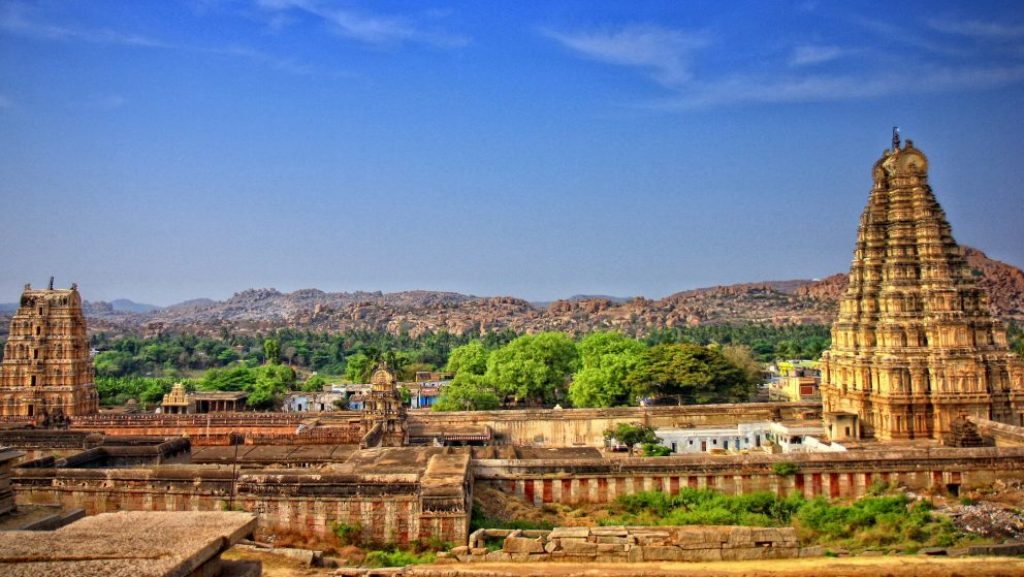
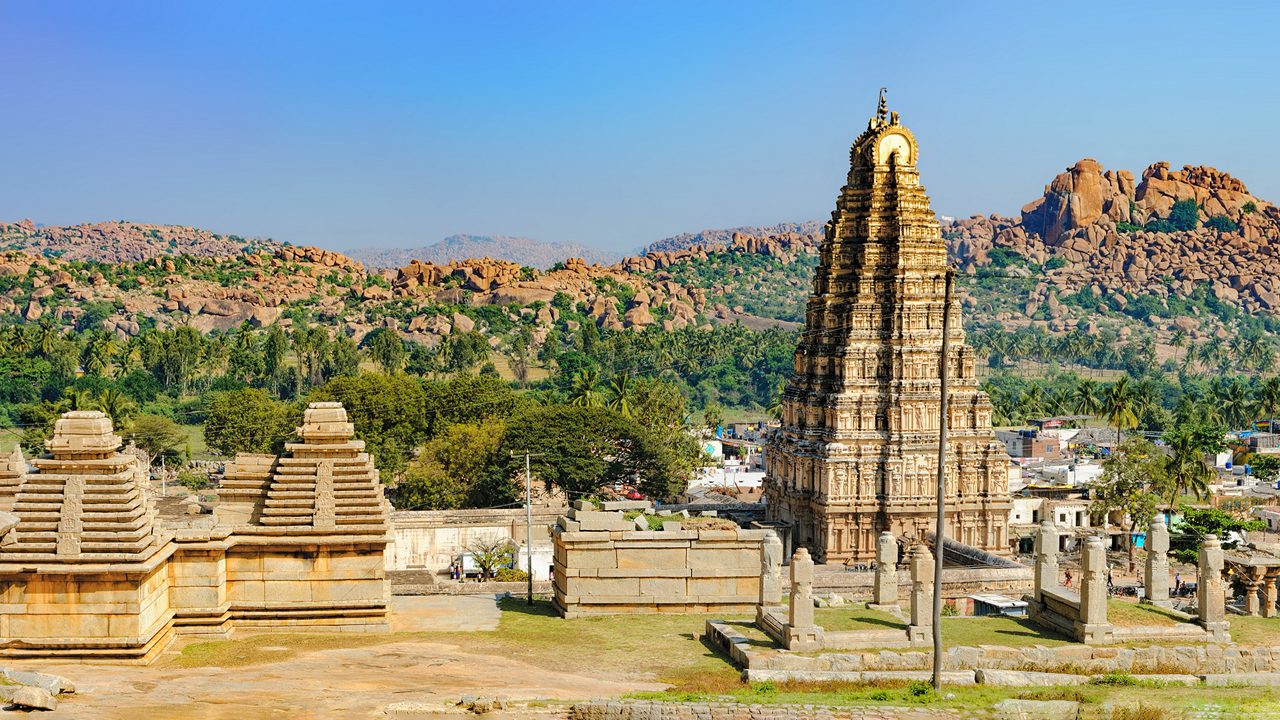
The Virupaksha Temple, dedicated to Lord Shiva, is undoubtedly the crown jewel of Hampi and the only temple that has remained an active place of worship since the Vijayanagara era. Located at the foot of Hemakuta Hill, this temple is not just an architectural marvel but a living testament to the enduring spiritual legacy of Hampi. Lord Shiva, the presiding deity, is worshipped across India in various forms, from the Amarnath Temple in Kashmir to the ancient temples of South India.
The temple's main gopuram (gateway tower) rises to an impressive height of 50 meters, dominating the Hampi skyline. As you pass through its intricately carved gateway, you enter a sacred space that has witnessed centuries of continuous worship. The temple's history predates the Vijayanagara Empire, with inscriptions suggesting its existence since the 7th century CE.
Inside the temple complex, you'll find several shrines dedicated to various deities. The main sanctum houses Lord Virupaksha (an aspect of Shiva) and his consort Pampa. The temple is famous for its intricate carvings depicting scenes from Hindu mythology, including episodes from the Ramayana and Mahabharata. Don't miss the beautifully painted ceiling of the Ranga Mantapa, which depicts scenes from the life of Shiva and Parvati.
One of the temple's most fascinating features is the use of optical illusions in its architecture. The inverted shadow of the main gopuram falls on a wall within the temple complex through a small pinhole camera effect created by ancient architects. The temple also features a marvel of engineering - a narrow fissure from which the Tungabhadra River's waters can be seen flowing underground.
Vittala Temple Complex
The Vittala Temple, dedicated to Lord Vishnu in his Vittala form, is arguably Hampi's most spectacular monument and the iconic symbol of Hampi's architectural brilliance. Located about 2 kilometers from the Virupaksha Temple, this temple complex is renowned for its exquisite craftsmanship and innovative architectural features.
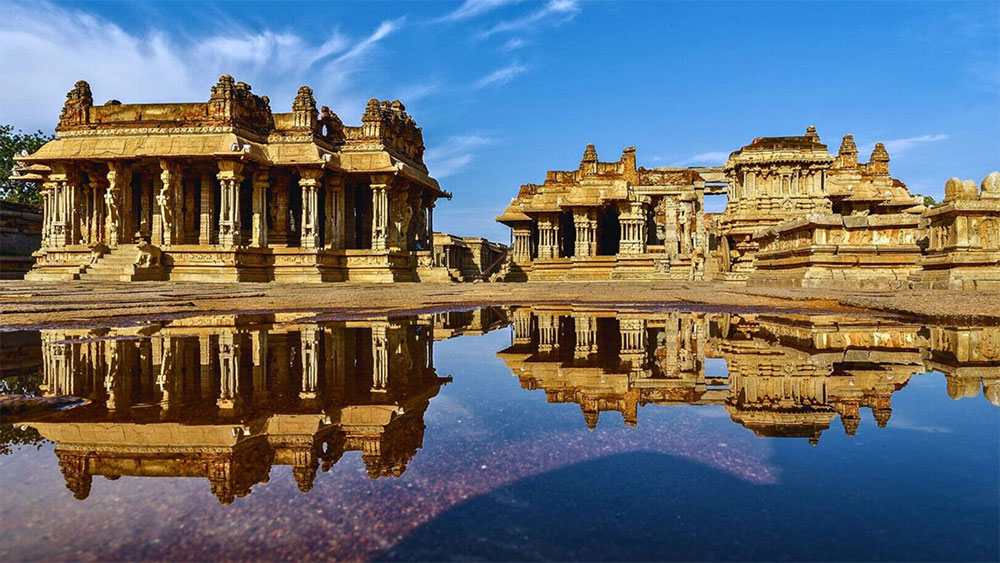
The temple's most famous attraction is the Stone Chariot, an ornate shrine carved in the shape of a chariot, which has become the emblem of Karnataka tourism. This incredible structure, featuring wheels that once rotated (now cemented to prevent damage), is a masterpiece of Vijayanagara artistry. Originally, the stone wheels were designed to revolve around their axles, demonstrating the extraordinary engineering skills of ancient craftsmen.
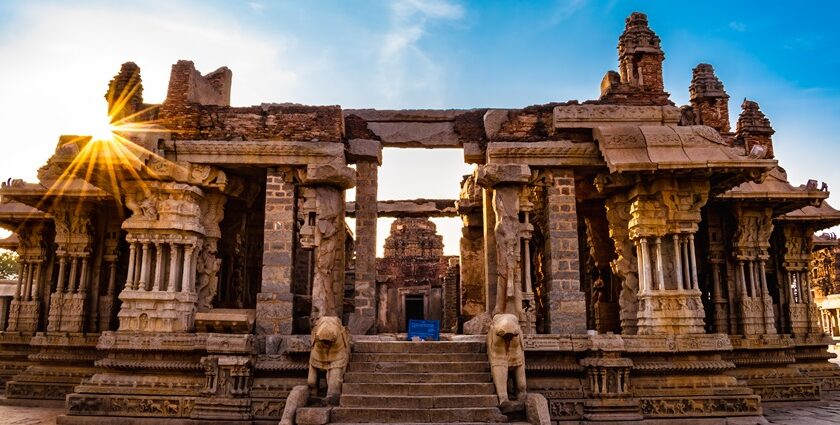
Equally fascinating are the temple's 56 musical pillars, known as the Sangeetha Mandapa. Each pillar, when tapped gently, produces different musical notes. The secret lies in their hollow construction, which resonates like musical instruments. Unfortunately, visitors are no longer allowed to test this feature to preserve the pillars, but the mere concept speaks volumes about the scientific knowledge of Vijayanagara architects.
The temple's mahamantapa (great hall) features stunning pillars carved with sculptures of horses, elephants, and various deities. The intricacy of these carvings is breathtaking - every muscle, every strand of hair, every ornament is rendered with precision and artistry. The temple, though partially in ruins, continues to inspire awe and admiration for the craftsmen who created it.
Hazara Rama Temple
The Hazara Rama Temple, meaning 'Temple of a Thousand Ramas,' was the royal temple of the Vijayanagara kings, located within the royal enclosure area. Dedicated to Lord Rama, this temple is renowned for its extraordinary bas-reliefs and sculptures depicting the entire Ramayana epic in remarkable detail.
What makes this temple unique is its narrative storytelling through stone. The outer walls feature rows of carved panels that tell the story of the Ramayana, from Rama's birth to his coronation. These carvings are not just religious art but historical records, providing insights into the costumes, jewelry, architecture, and daily life of the Vijayanagara period.
The temple's inner walls feature carvings of the Dasavatara (ten avatars of Vishnu), and beautifully sculpted representations of celestial beings and divine couples. The temple was originally the private worship place of the royal family, and its relative seclusion within the royal complex gave it an atmosphere of exclusivity and sanctity.
Achyutaraya Temple
Named after King Achyutaraya, one of Vijayanagara's most powerful rulers, this temple is dedicated to Lord Tiruvengalanatha, another form of Vishnu. Located at the foot of Matanga Hill, this temple complex is less crowded than Virupaksha and Vittala but offers equally impressive architecture and a serene atmosphere. Lord Vishnu, to whom this temple is dedicated, is also worshipped in his various forms at other magnificent temples across India, including the Akshardham Temple.
The temple features two enclosures (prakaras) with impressive gateways. The main gopuram stands 30 meters tall and is beautifully carved. The temple is particularly known for its ornate pillars, some of which are Yali pillars (pillars with mythical lion-like creatures). The complex also includes a large stepped tank (pushkarini) with numerous small shrines around it.
The approach to the temple follows the ancient Courtesan Street, lined with the remains of pavilions that once housed the empire's famed courtesans. This walk offers beautiful views of the surrounding boulder-strewn landscape and provides a sense of how the temple must have appeared in its heyday.
Other Notable Temples
Kodanda Rama Temple: Located near the Tungabhadra River, this temple features beautiful carvings of Rama, Lakshmana, and Sita. It's one of the few temples in Hampi that images of all three principal figures of the Ramayana together.
Pattabhirama Temple: Located in the suburban area of Hampi, this temple dedicated to Lord Rama is known for its well-preserved central hall and beautiful pillars. The temple complex, though less visited, offers a quieter, more intimate temple experience.
Balakrishna Temple: Built by Krishnadevaraya to commemorate his victory over Udayagiri, this temple dedicated to Lord Krishna once housed a magnificent idol of Balakrishna (child Krishna), now housed in a Chennai museum. The temple features beautiful carvings and a peaceful atmosphere.
Underground Shiva Temple (Prasanna Virupaksha): This partially submerged temple gets its name because its sanctum remains below ground level. Dedicated to Lord Shiva, the temple features beautiful pillars and is partly filled with water during the monsoon season.
Sugriva's Cave: While not a temple in the traditional sense, this natural cave is believed to have been the home of Sugriva, the monkey king from the Ramayana. It's a site of mythological significance and attracts devotees and tourists alike.
Architectural Features of Hampi Temples
The temples of Hampi represent the pinnacle of Dravidian temple architecture, characterized by several distinctive features:
Gopurams (Gateway Towers)
These monumental towers mark the entrance to temple complexes and serve as visual statements of the temple's importance. Hampi's gopurams are pyramidal structures divided into tiers, each featuring intricate carvings of deities, mythical creatures, and decorative motifs. The Virupaksha Temple's gopuram, at 50 meters, is particularly impressive.
Garbhagriha (Sanctum Sanctorum)
The innermost sanctum where the main deity is housed is typically a small, dark chamber that creates an atmosphere of mystery and reverence. This space connects to a larger hall (mantapa) where devotees gather for worship and ceremonies.
Mantapas (Pillared Halls)
These open or covered halls with elaborately carved pillars serve multiple purposes - as gathering spaces for devotees, venues for festivals and rituals, and resting places for pilgrims. The pillars in Hampi temples are particularly noteworthy for their sculptural quality, with each pillar often telling a story through its carvings.
Pushkarinis (Temple Tanks)
Every major temple complex in Hampi features a sacred tank used for ritual purification. These stepped tanks are architectural marvels themselves, with symmetrical steps leading down to the water, surrounded by small shrines and pavilions.
Rock-Cut Architecture
Hampi's landscape of granite boulders was ingeniously incorporated into temple architecture. Many structures feature elements carved directly from the rocky terrain, creating a harmonious relationship between natural and built environments.
Religious Significance and Rituals
The temples of Hampi continue to be active centers of worship, maintaining religious traditions that have continued unbroken for centuries. The Virupaksha Temple, in particular, witnesses daily rituals, festivals, and ceremonies that draw devotees from across India.
Major Festivals
Virupaksha Car Festival: Held in February or March, this festival sees the temple deity taken out in a grand procession on a decorated chariot. The streets are filled with devotees pulling the chariot, creating a vibrant spectacle of devotion.
Phalapuja Festival: Celebrated in December, this festival at the Virupaksha Temple involves offering special prayers to Shiva and Pampa (Parvati). The temple is beautifully decorated, and special rituals are performed.
Diwali and Vijayadashami: These major Hindu festivals are celebrated with great enthusiasm across all temples in Hampi, with special decorations, rituals, and cultural programs.
Marriage Festival of Virupaksha and Pampa: Celebrated in December, this symbolic wedding ceremony of Shiva and Parvati is one of the most important festivals at Virupaksha Temple.
Daily Rituals
The temples follow traditional Hindu worship protocols, with multiple daily rituals including abhisheka (ritual bathing), archana (offering prayers), and aarti (ceremonial light offering). The sound of temple bells, the chanting of mantras, and the fragrance of incense create an atmosphere of sanctity that transports visitors to a different realm.
Planning Your Visit to Hampi
Best Time to Visit
The ideal time to visit Hampi is from October to February, when the weather is pleasant and suitable for exploring the extensive ruins. Avoid the summer months (March to May) when temperatures can soar above 40°C, making temple visits uncomfortable. The monsoon season (June to September) brings some relief from the heat but can make exploration challenging due to wet conditions.
For a special experience, consider visiting during one of the major festivals, particularly the Virupaksha Car Festival (February/March) or the Vijaya Utsav, a cultural festival usually held in November that features classical music and dance performances against the backdrop of Hampi's monuments.
How to Reach Hampi
By Air: The nearest airport is in Bellary, about 60 kilometers away, but it has limited connectivity. The better option is Hubli Airport, approximately 160 kilometers from Hampi, with more frequent flights from major Indian cities. From either airport, taxis and buses are available to reach Hampi.
By Rail: Hospet, the closest railway station, is just 13 kilometers from Hampi and is well-connected to major cities like Bangalore, Hyderabad, and Goa. From Hospet, auto-rickshaws, taxis, and local buses are readily available for the short journey to Hampi.
By Road: Hampi is well-connected by road to major cities in Karnataka and neighboring states. KSRTC (Karnataka State Road Transport Corporation) operates regular buses from Bangalore (overnight journey, approximately 8-9 hours). Private buses and taxis are also available. The drive to Hampi offers beautiful views of rural Karnataka.
Where to Stay
Hampi Bazaar Area: This area, located near the Virupaksha Temple, offers numerous guest houses, homestays, and budget hotels. It's convenient for temple visits and has a lively atmosphere with restaurants and cafes catering to international travelers.
Hospet: If you prefer more comfortable accommodations, Hospet offers better hotels with modern amenities. It's only 13 kilometers away, and you can easily travel to Hampi for sightseeing.
Virupapur Gaddi (Across the River): This area on the opposite side of the Tungabhadra River has developed as a backpacker haven with numerous guest houses, cafes, and a relaxed vibe. You reach here by crossing the river in a coracle (round boat). Note that coracle service depends on water levels.
Getting Around Hampi
Hampi's temple sites are spread over a large area, so you'll need transportation to explore efficiently:
- Walking: Many temples are within walking distance of each other, especially around the Virupaksha Temple and Hampi Bazaar area.
- Bicycles: Available for rent in Hampi Bazaar, bicycles are an excellent way to explore the ruins at your own pace.
- Auto-rickshaws: Convenient for visiting temples further apart. Drivers can also double as guides.
- Mopeds/Motorcycles: Available for rent, these give you maximum flexibility but require careful navigation on rough roads.
- Jeep Tours: For a comprehensive tour of all major sites, you can hire a jeep for a full day (approximately ₹1500-2000).
- Coracle Rides: To reach temples and sites across the Tungabhadra River, you can take a coracle, a traditional round boat unique to this region.
Recommended Itinerary
Day 1: Sacred Hampi
Morning: Visit Virupaksha Temple and explore its complex
Late Morning: Explore temples on Hemakuta Hill
Afternoon: Lunch and rest
Evening: Visit Kadalekalu Ganesha and Sasivekalu Ganesha temples
Sunset: View from Matanga Hill
Day 2: Royal Hampi
Morning: Explore the Royal Enclosure (Hazara Rama Temple, Mahanavami Dibba)
Mid-Morning: Visit the Lotus Mahal and Queen's Bath
Afternoon: Lunch at Hospet or Hampi Bazaar
Late Afternoon: Vittala Temple Complex (must-visit!)
Evening: Relax at riverside cafes
Day 3: Beyond the Main Sites
Morning: Achyutaraya Temple and Courtesan Street
Mid-Morning: Anegundi village across the river
Afternoon: Durga Temple and other riverside temples
Evening: Coracle ride on Tungabhadra River
Tips for Temple Visits
- Dress Modestly: Both men and women should dress conservatively - shoulders and knees should be covered. This is respectful to local customs and required for temple entry.
- Remove Footwear: You must remove shoes before entering temple sanctums. It's advisable to wear easily removable footwear. Carry socks if you don't want to walk barefoot on hot stone floors.
- Respect Rituals: If worship is being conducted, maintain silence and observe respectfully. Don't photograph people performing rituals without permission.
- Temple Timings: Most temples open early morning (around 6 AM) and close in the evening (around 9 PM). Plan your visits accordingly.
- Photography Rules: Photography is generally allowed in temple complexes but may be prohibited inside sanctums. Look for signs or ask temple priests.
- Carry Water: Hampi can get very hot, especially around noon. Carry water and stay hydrated during temple explorations.
- Hire a Guide: Consider hiring an authorized guide to understand the historical and religious significance of each temple. The stories behind the carvings add immense value to your visit.
Nearby Attractions
While Hampi's temples are the main attraction, the area offers other experiences that complement temple visits:
Anegundi: Located across the Tungabhadra River, this ancient village is believed to be part of Kishkindha from the Ramayana. It features ancient temples, caves, and a more traditional, less touristy atmosphere.
Sanapur Lake: A beautiful reservoir perfect for swimming, coracle rides, and watching the sunset. A relaxing break from temple hopping.
Tungabhadra Dam: Located near Hospet, this impressive dam offers panoramic views of the surrounding area and is a popular picnic spot.
Daroji Bear Sanctuary: About 15 kilometers from Hampi, this sanctuary is home to the Indian sloth bear. A visit supports conservation efforts and offers a different kind of wildlife experience.
Queen's Bath and Lotus Mahal: Part of the Royal Enclosure, these secular structures showcase the architectural sophistication of Vijayanagara beyond temple architecture.
Conclusion: The Eternal Spirit of Hampi
A visit to the temples of Hampi is more than a sightseeing tour; it's a journey through India's rich spiritual and architectural heritage. These sacred monuments, whether standing tall in their full glory or weathering gracefully in partial ruin, continue to inspire awe and devotion. They remind us of the incredible artistic achievements of the Vijayanagara Empire and the enduring power of faith and creativity.
As you walk among these ancient stones, listening to the chanting of priests, the ringing of temple bells, and the whispers of history carried by the wind, you become part of Hampi's continuing story. The gods worshipped here centuries ago still receive prayers today, the carvings still inspire wonder, and the spiritual energy that drew kings and commoners alike continues to captivate all who visit.
Hampi's temples are not just relics of the past; they are living monuments where the divine and the human, the historical and the mythological, the ancient and the contemporary converge. Whether you're a devotee seeking blessings, a history enthusiast marveling at architecture, or a traveler in search of unique experiences, Hampi's temples offer something profound and transformative.
So come to Hampi with an open heart and curious mind. Walk among the ruins where gods once walked, touch the stones that have witnessed centuries of devotion, and let the sacred energy of this extraordinary place touch your soul. In Hampi, the past lives, the gods speak, and every stone tells a story.
Location
Frequently Asked Questions
Q1.What is the best time to visit Hampi temples?
Q2.How many days are required to explore Hampi temples?
Q3.What are the timings of Virupaksha Temple?
Q4.Is there an entry fee for Hampi temples?
Q5.How do I reach Hampi from Bangalore?
Q6.What is special about the Stone Chariot at Vittala Temple?
Q7.Are there dress code requirements for Hampi temples?
Q8.Can I hire a guide for Hampi temples?
Recommended For You
Hampi: Complete Travel Plan Temples And History
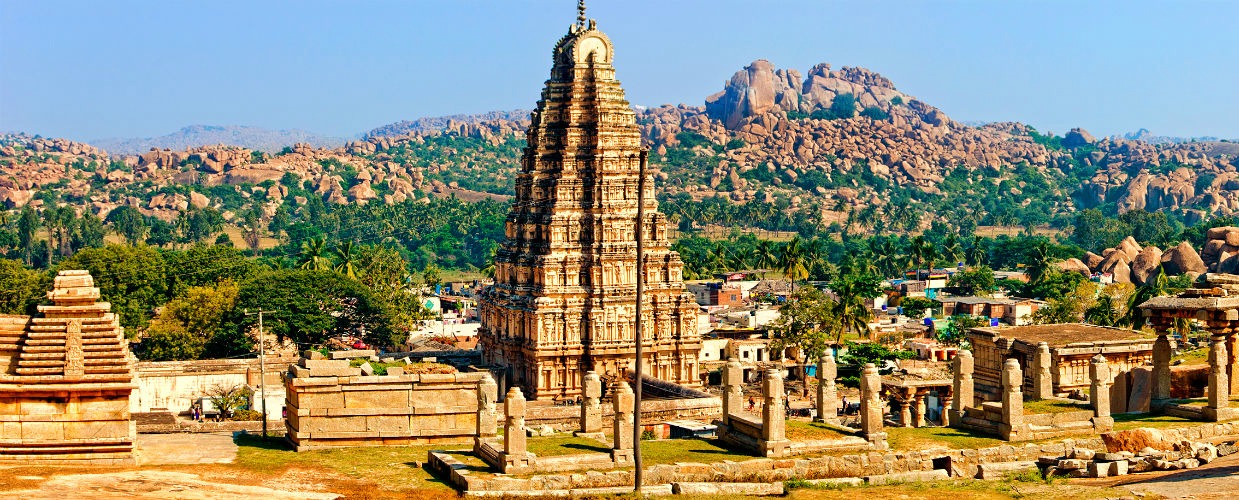
Complete Hampi travel guide featuring Vijayanagara ruins, Virupaksha Temple, Vittala Temple, Royal Enclosure, best time to visit & practical tips.
Hampi: 20 Best Places to Visit - Karnataka Heritage
Explore places to visit in Hampi with temples, royal enclosures, viewpoints, river activities, and practical zone-based itinerary planning.
Virupaksha Temple Hampi: Timings, History & Hampi Circuit Highlights
Discover Virupaksha Temple in Hampi, a 1400-year-old living shrine showcasing Vijayanagara architecture, sacred shrines, and spiritual heritage.
Never Miss an Adventure
Get the latest trekking guides, travel tips, and exclusive offers delivered straight to your inbox.
