
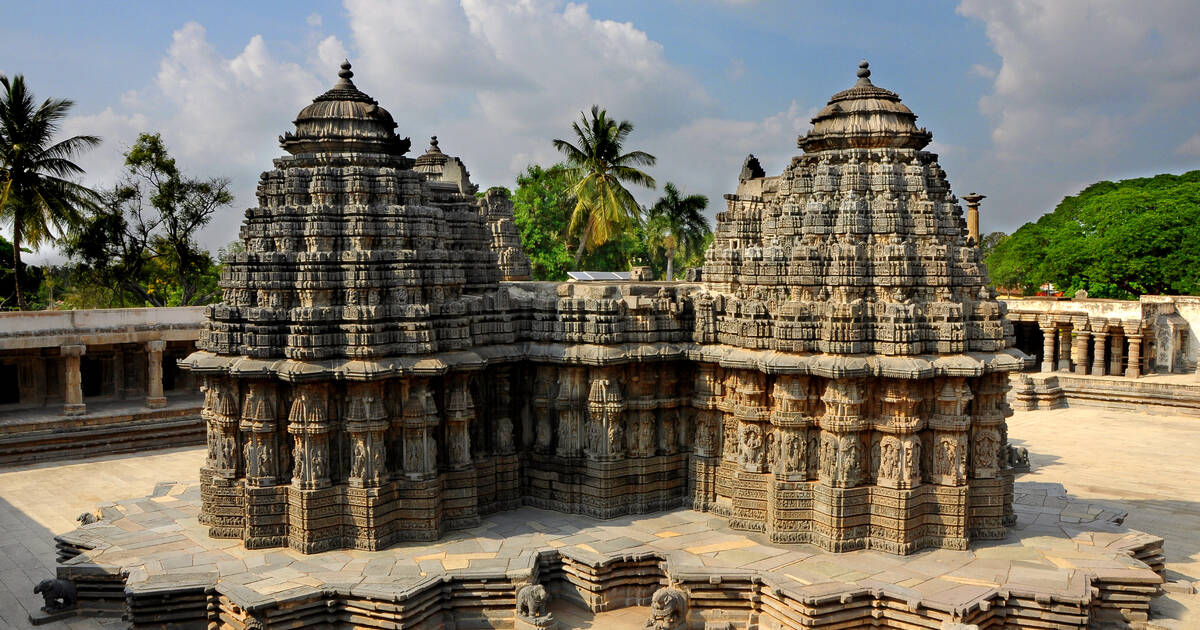
Hoysala Temples Karnataka: Belur-Halebidu Circuit, Timings & Route

Rohan Malhotra
February 19, 2026
Complete guide to Hoysala temples in Karnataka including Belur, Halebidu, and Somnathpura with temple circuit planning, history, and travel tips.
Hoysala Temples Karnataka Guide
Hoysala temples in Karnataka are among India's finest examples of sculptural temple architecture. Travelers interested in stone detailing, narrative friezes, and stylistic evolution often treat this circuit as a highlight of south Indian heritage travel. The most practical route combines Belur, Halebidu, and other nearby points depending on trip length.
For chronology context, compare this circuit with Aihole and Badami before or after your Hoysala segment. This makes stylistic transitions easier to understand.
Why Hoysala Architecture Is Distinctive
Hoysala temple design is known for star-like plans, high-detail stone carving, layered narrative bands, and precise ornamental treatment. The architecture balances structural logic with sculptural abundance, giving visitors both spatial and visual richness.
What makes this style memorable is not only quantity of carving but clarity of craftsmanship. Repeated motifs still show variation and control, which rewards close observation.
Core Sites in the Hoysala Circuit
Belur and Halebidu are usually the primary pair for first-time travelers. Depending on your time, you can add additional temples and nearby cultural stops. A one-day rush is possible, but a two-day model gives far better observation quality.
If you need route simplification, start with one major temple in the morning and one in late afternoon, with a full rest and transfer block between them.

How to Observe Temples Better
Use a repeatable checklist at every temple: base frieze sequence, deity-panel placement, bracket figures, pillar finishing, and restoration lines. This method helps avoid random scanning and creates comparable notes across sites.
A second pass after initial orientation is highly recommended. Most visitors notice major details only after they understand the layout.
Best Time to Visit
October to February is generally most comfortable for long on-foot temple exploration. Summers can still be managed with early starts and hydration planning, but midday glare can reduce detail readability on carved surfaces.
Weekdays are usually better for uninterrupted viewing and photography. Festival periods can be vibrant but crowded.

How to Reach and Move Efficiently
Most travelers use Hassan region as a practical base and move by private vehicle for better schedule control. Public transport can work but may reduce flexibility for multi-site same-day plans.
For wider planning, use Karnataka route guides and decide whether your trip is temple-first, mixed heritage, or heritage-plus-nature.
One-Day vs Two-Day Planning
| Plan | Who It Suits | Result |
|---|---|---|
| One-Day | Time-limited travelers | Covers highlights but can feel rushed |
| Two-Day | Architecture-focused visitors | Better depth, less fatigue, stronger retention |
For serious heritage travelers, two days are strongly recommended.
Photography Tips
Capture one full elevation frame at each site, then move to motif-level detail. Side light reveals carving depth better than frontal noon light. Keep one lens for wide contextual shots and one for close detailing.
Avoid touching surfaces or leaning equipment on fragile carvings. Conservation-sensitive photography protects the site and still produces strong results.

Common Mistakes to Avoid
- Trying to cover too many temples in one day
- Skipping orientation and jumping straight into photos
- Ignoring heat and hydration planning
- Relying on one outdated timing source
- Treating all temples as visually identical
The biggest improvement comes from slower pacing and comparative observation.
Useful Internal Route Links
To extend your trip, include Virupaksha Temple Hampi and route comparisons with Hampi travel planning. These additions broaden your understanding of Karnataka's architectural timeline.
A structured route with thematic days always performs better than random city hopping.
Final Take
Hoysala temples are essential for travelers who value architectural detail, sculptural storytelling, and historical craftsmanship. The circuit is manageable, rewarding, and adaptable for different travel styles.
Plan by quality, not quantity. A focused Hoysala itinerary will give you one of the richest heritage experiences in India.
Extended Planning Notes
A common reason travelers under-enjoy this destination is over-compressed scheduling. Heritage exploration improves when you keep transit buffers, climate buffers, and one optional stop instead of forcing fixed minute-level plans. This destination works best when viewed as a contextual experience rather than a checklist item. Use realistic movement assumptions, especially if your group includes elders or children. A slower pace increases observation quality, reduces fatigue, and gives better decision-making for the second half of the day.
For stronger route continuity, pair this guide with places to visit karnataka and aihole temples karnataka. These internal references help you connect architecture, local culture, and practical movement planning without repeating the same attraction type all day. In multi-stop routes, alternate high-effort and low-effort segments. This keeps energy stable and avoids the common pattern of early enthusiasm followed by rushed final stops.
Advanced Observation Checklist
- Start with macro layout before focusing on details
- Identify what is original, restored, or weathered
- Map movement paths and visitor pressure points
- Use two viewing passes: orientation pass and detail pass
- Take notes on interpretation, not just photos
This method is especially useful for travelers who want meaningful recall after the trip. Without structured observation, even major monuments can blur together. A short note-taking discipline can dramatically improve retention and storytelling quality.
Photo and Timing Strategy
For most locations, first light and late light are best for texture and depth. Midday can still work for documentation shots, but nuanced details are easier to capture in softer directional light. Keep one wide contextual frame, one medium narrative frame, and one close detail frame for each section. This simple three-frame model gives a complete visual record without overshooting.
If crowds are high, wait for flow gaps instead of forcing frames. Patience usually produces cleaner compositions and safer movement. Also avoid physically risky positions for dramatic angles. Strong storytelling images come more from composition discipline than from dangerous viewpoints.
Final Field Guidance
Before ending the visit, verify that you covered primary sections, essential context points, and one reflective pause to synthesize what you observed. If you still have time, use badami caves to decide your next stop based on effort level rather than popularity alone. This approach improves total trip quality and prevents late-day burnout.
The most successful heritage days are not the busiest ones. They are the ones where you understand the place, remember key details, and finish with enough energy for the next day. Plan accordingly, and this destination will deliver much stronger value.
Additional practical note: keep digital map backups, verify local timings close to visit date, and maintain a flexible one-hour buffer in your schedule. This small margin usually absorbs traffic, queue variation, or weather disruption without compromising core site quality.
Additional practical note: keep digital map backups, verify local timings close to visit date, and maintain a flexible one-hour buffer in your schedule. This small margin usually absorbs traffic, queue variation, or weather disruption without compromising core site quality.
Additional practical note: keep digital map backups, verify local timings close to visit date, and maintain a flexible one-hour buffer in your schedule. This small margin usually absorbs traffic, queue variation, or weather disruption without compromising core site quality.
Additional practical note: keep digital map backups, verify local timings close to visit date, and maintain a flexible one-hour buffer in your schedule. This small margin usually absorbs traffic, queue variation, or weather disruption without compromising core site quality.
Additional practical note: keep digital map backups, verify local timings close to visit date, and maintain a flexible one-hour buffer in your schedule. This small margin usually absorbs traffic, queue variation, or weather disruption without compromising core site quality.
Location
Frequently Asked Questions
Q1.What are the main Hoysala temples in Karnataka?
Q2.How many days are needed for Hoysala temple circuit?
Q3.How do I reach Hoysala temples from Bangalore?
Q4.What is special about Hoysala temple architecture?
Q5.What is the best time to visit Hoysala temples?
Q6.What is the entry fee for Hoysala temples?
Q7.Are Hoysala temples still active places of worship?
Q8.Which Hoysala temple is best preserved?
Recommended For You
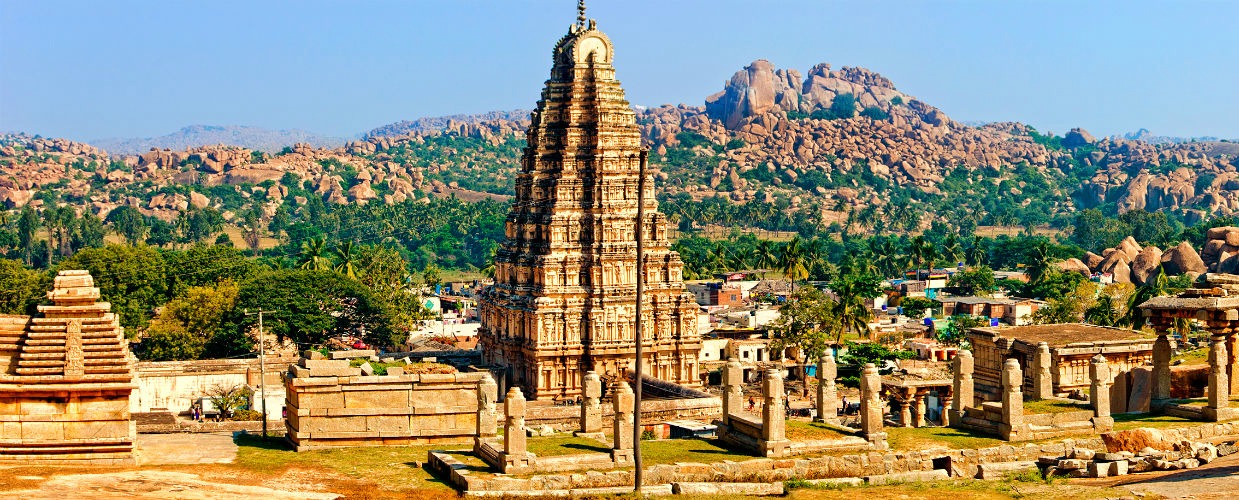
Hampi: Complete Travel Plan Temples And History
Complete Hampi travel guide featuring Vijayanagara ruins, Virupaksha Temple, Vittala Temple, Royal Enclosure, best time to visit & practical tips.
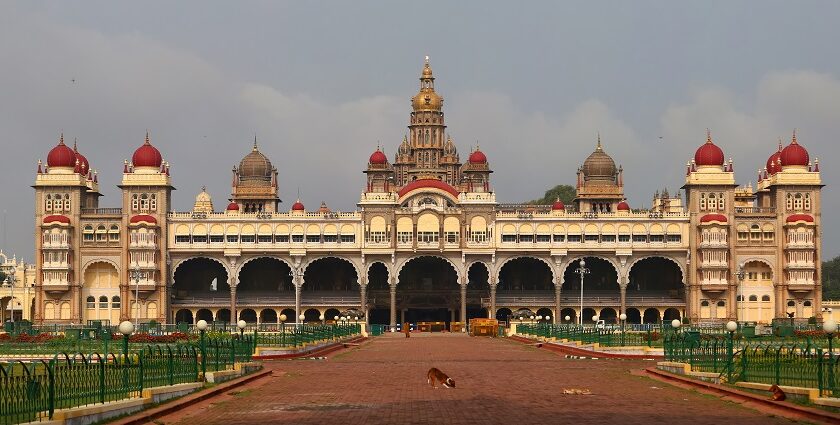
Mysore Palace: Complete Guide to India's Grandest Royal Residence
Discover Mysore Palace, India's most magnificent royal residence featuring stunning Indo-Saracenic architecture and rich cultural heritage.
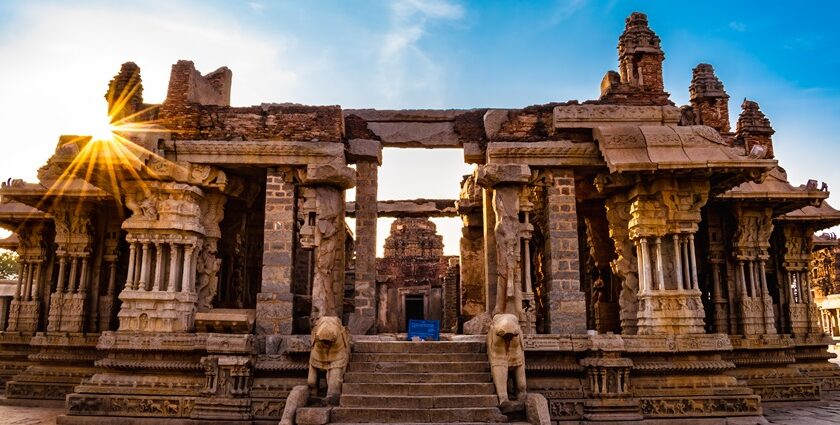
Hampi: 20 Best Places to Visit - Karnataka Heritage
Explore places to visit in Hampi with temples, royal enclosures, viewpoints, river activities, and practical zone-based itinerary planning.
Never Miss an Adventure
Get the latest trekking guides, travel tips, and exclusive offers delivered straight to your inbox.
