
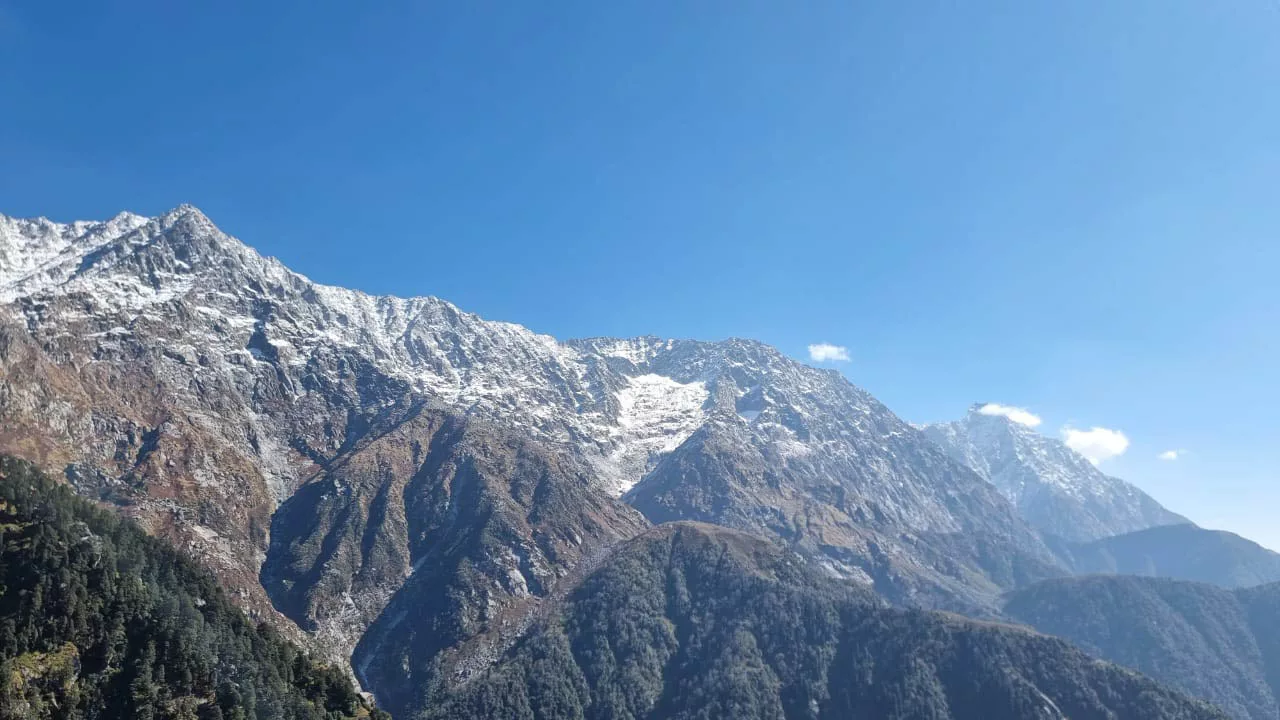
Dhauladhar Range Himachal: Trek Routes, Peaks & Best Season
Rahul Garg
February 25, 2026
Plan the Dhauladhar Range trip with the right season, trail strategy, safety rules, and practical Dharamshala-McLeodganj logistics.
Introduction
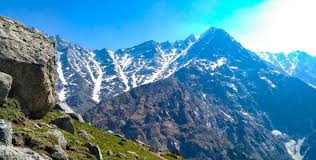
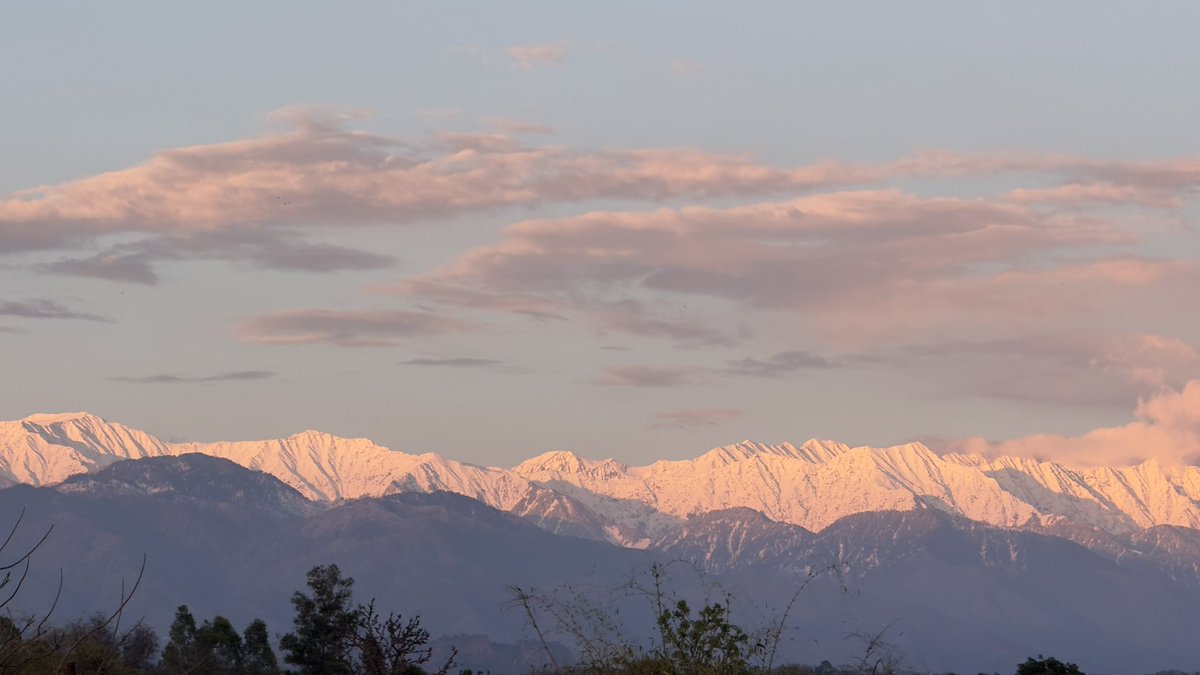
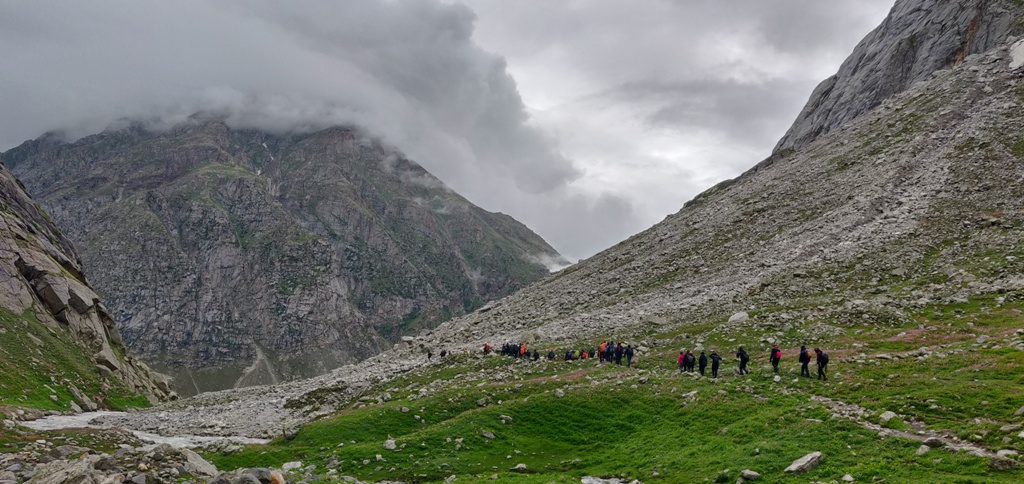
The Dhauladhar Range is the dramatic mountain wall you see behind Dharamshala and McLeodganj, and it is one of the main reasons travelers fall in love with Kangra. Rising sharply from the valley, these snow-lined ridges create a strong contrast between pine forests below and rocky alpine terrain above. If you are planning Himachal travel focused on trekking, viewpoints, local culture, and short mountain escapes, Dhauladhar deserves a dedicated plan and not just a drive-by stop. Most visitors underestimate weather shifts, trail difficulty, and transport timing, so they lose both safety and experience quality. This guide gives you a practical route-first framework with realistic timelines, preparation rules, crowd strategy, and best seasonal windows. For local town planning and stay clusters, pair this with McLeodganj travel guide and places to visit in Dharamshala before you finalize your itinerary.
Where the Dhauladhar Experience Starts
For most travelers, the operational base is Dharamshala-McLeodganj, with day movement into nearby villages and trailheads. Bhagsu, Naddi, Dharamkot, and Gallu are useful starting pockets depending on whether your priority is easy viewpoints, day hikes, or full treks. If your goal is to experience Dhauladhar without technical climbing, focus on connected ridge walks, moderate ascents, and sunrise/sunset points that still deliver wide Himalayan views. The key is to keep buffer time. Mountain weather in this zone can change from clear to foggy within an hour, especially in pre-monsoon and post-monsoon shoulder days. Do not over-pack your itinerary with five viewpoints in one day. Instead, block one primary hike and one optional short walk. That gives you room for weather, transport delays, and proper rest. If trekking is your main intent, this guide works best when combined with treks in Dharamshala planning and season selection from best time to visit Himachal Pradesh.
Best Time to Visit Dhauladhar Range
March to June is strong for clear mornings, mild days, and stable trail movement. September to early November is usually the best visibility phase after monsoon washout, with cleaner skies and crisp mountain profiles. Monsoon months are green and photogenic but trail risk increases due to slippery surfaces, leeches in lower forest stretches, and sudden cloud cover that cuts visibility. Peak winter gives striking snow visuals, but access can become limited and some routes turn unsafe without proper gear and local guidance. If your priority is first-time trekking plus dependable weather, target April-May or October. If your priority is snowline visuals with less hiking, December-January can still work from select viewpoints, but you need warm layering and transport flexibility. Start outdoor movement early morning, because post-lunch cloud build-up is common in many seasons here. In short: choose season by objective, not by calendar popularity. The range rewards those who align timing with route difficulty and personal fitness.
Popular Trails and Viewpoint Logic
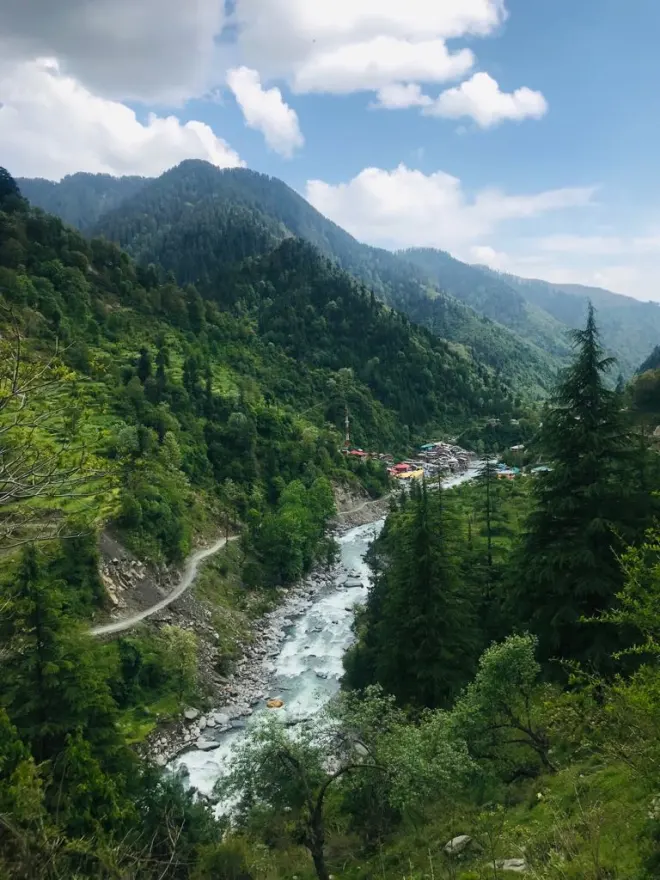
Dhauladhar is not one single trail; it is a network of approaches with different effort levels. Beginners often pick short ascents from McLeodganj side that offer mountain views without long exposure sections. Regular hikers usually target higher camps and ridge traverses where weather awareness becomes essential. Instead of chasing social media names, classify trails into three buckets: half-day acclimatization walks, full-day moderate climbs, and multi-day trekking routes with elevation gain. This decision should be based on how you handle altitude, not how much time you have. Even if the absolute altitude is not extremely high compared to Ladakh, quick gain still tires unprepared travelers. Keep hydration consistent, avoid heavy oily food before steep climbs, and maintain a controlled pace. If this is your first Himalayan trek cycle, start with a shorter route, test recovery speed, then attempt tougher lines. That sequence improves safety and enjoyment while reducing the chance of early fatigue ruining the rest of your trip.
How to Reach and Move Efficiently
The nearest airport is Gaggal (Kangra), while many budget travelers come via Pathankot railhead followed by road transfer. Overnight Volvo options from Delhi to Dharamshala are practical when booked early in high season. Once in town, local taxis and short auto hops work for trailhead connectivity, but rates vary by season and time block. Confirm round-trip pricing before departure, especially for early drop and late pickup from less crowded points. If you are doing sunrise plans, keep transport reserved the previous evening; on-demand rides can fail in early hours. For self-drive travelers, parking near popular trail starts is often limited on weekends, so start before crowd build-up. Public buses are affordable but less reliable for tightly planned trekking windows. Keep one backup route and one backup day in your schedule. This small planning discipline prevents cascading disruption in mountain itineraries, where one delayed start can affect weather windows, return safety, and even accommodation check-ins.
Where to Stay: Practical Base Selection
Choose stay based on route access, not just view from balcony. McLeodganj is convenient for cafés, guides, and quick trail briefing access. Dharamkot gives quieter mornings and shorter starts for selected hikes. Lower Dharamshala works if your plan includes temple visits, local market walks, and mixed family travel with fewer early starts. If trekking days are back-to-back, prioritize properties with early breakfast support, hot water reliability, and responsive hosts who understand mountain schedules. During peak months, book refundable options first, then lock final stay after weather check three to five days before travel. For budget stays, verify room heating and blanket quality in shoulder winter periods. For mid-range stays, verify power backup and transport assistance. Most itinerary failures in mountain towns happen due to late starts, poor sleep quality, and unrealistic daily movement plans. A strategically chosen stay saves both energy and time and significantly improves your trail output.
Safety, Gear, and Weather Discipline
Dhauladhar terrain can feel friendly at lower sections and then become demanding quickly. Carry layered clothing, rain cover, headlamp, power bank, reusable water bottle, and a compact first-aid kit in every hike, even short ones. Good ankle-support shoes matter more than expensive accessories. Weather forecast is useful but not absolute; always ask local operators or homestay hosts about same-day trail condition. Avoid isolated movement after dusk on unfamiliar routes. If cloud visibility drops hard, stop pushing uphill blindly and reassess. During monsoon or post-rain windows, avoid exposed boulder hopping unless you are experienced. Do not rely only on online maps in dense forest sections; battery drop and route confusion are common. For group travel, keep one front lead and one back lead so pace remains controlled. Responsible mountain movement is not about fear; it is about reducing avoidable risk while keeping the experience enjoyable for everyone.
Sample 2-Day Dhauladhar Itinerary
Day 1: Arrive in Dharamshala/McLeodganj by morning, settle in, do an evening acclimatization walk at a nearby viewpoint, and keep dinner early. Use this day to evaluate weather and confirm next-day route timing. Day 2: Start before sunrise for a moderate Dhauladhar trail, keep three controlled breaks, complete descent before evening fog window, and close day with recovery meal and stretching. If you have a third day, add one easy culture-led walk in town instead of another steep climb. This gives recovery and reduces travel fatigue before onward journey. If you are extending to a larger Himachal circuit, connect with Solang Valley Manali or treks in Manali only after a rest night, not immediately after heavy descent.
Conclusion
Dhauladhar Range is best experienced through smart pacing, weather-aware planning, and route realism. Travelers who treat it as a checklist location miss the depth of the landscape. Travelers who plan around sunrise starts, recovery windows, and contextual local advice get far better outcomes: safer hikes, cleaner views, and richer mountain memory. Build your trip around one or two well-executed trail days, not ten rushed points. Keep internal logistics simple, respect terrain signals, and use nearby town guides to strengthen planning. Done right, Dhauladhar gives a high-quality Himalayan experience even in a short trip, with a strong balance of nature, effort, and accessibility.
Location
Frequently Asked Questions
Q1.What is the best time to visit the Dhauladhar Range?
Q2.Can beginners experience Dhauladhar without difficult trekking?
Q3.Is Dhauladhar safe for solo travel?
Q4.What is the highest peak in the Dhauladhar Range?
Q5.What should I pack for a Dhauladhar trip?
Recommended For You
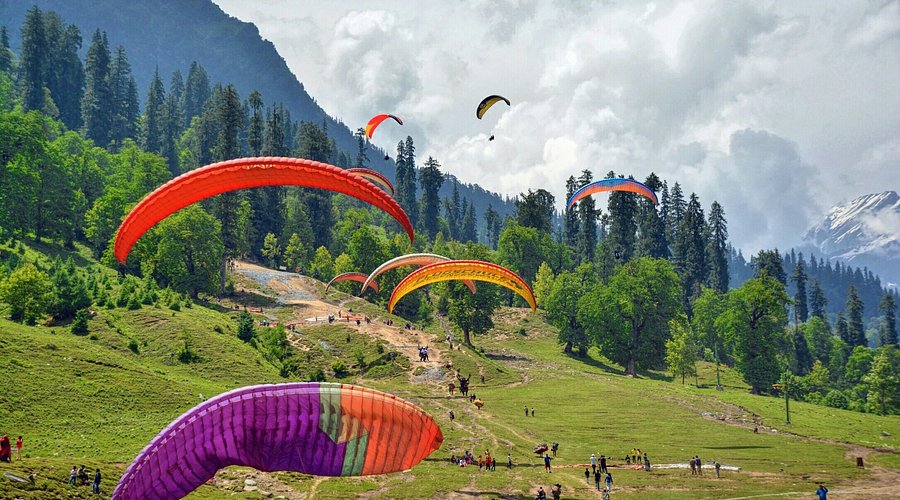
Solang Valley Manali: Activities, Ropeway & Winter Sports
Explore Solang Valley Manali! Guide to adventure activities, best time, how to reach, skiing, paragliding & travel tips.
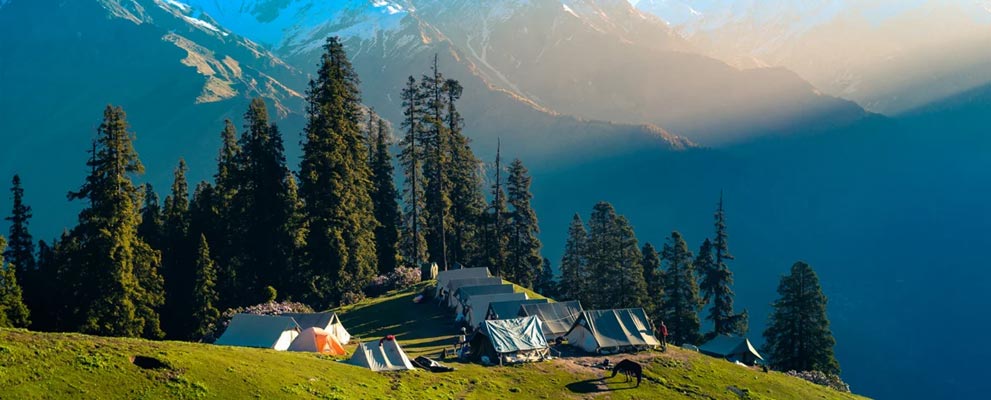
Best Time to Visit Himachal Pradesh: Season-Wise Guide by Region
Find the best time to visit Himachal Pradesh with season-wise guidance for families, snow trips, road journeys, and trekking routes.
Treks in Manali: Best Routes, Camps & Difficulty Levels
Explore the best treks in Manali with difficulty-wise options, season planning, fitness prep, and practical trekking tips.
Never Miss an Adventure
Get the latest trekking guides, travel tips, and exclusive offers delivered straight to your inbox.
