
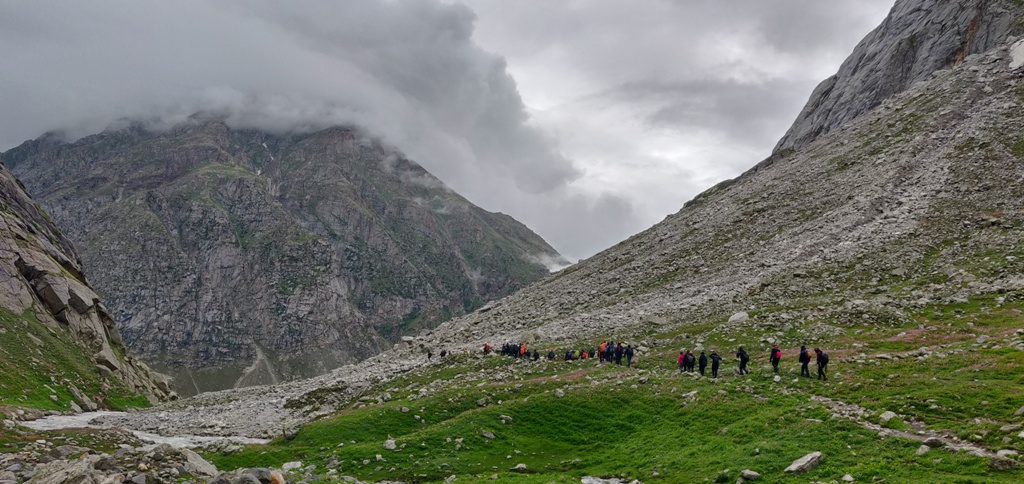
Treks in Manali: Best Routes, Camps & Difficulty Levels
Rohan Malhotra
February 18, 2026
Explore the best treks in Manali with difficulty-wise options, season planning, fitness prep, and practical trekking tips.
Introduction
Manali is one of the strongest trekking gateways in North India because it gives access to beginner-friendly day trails, moderate multi-day routes, and high-altitude expedition-style crossings. Whether you want a first Himalayan trek or a tougher pass route, Manali gives multiple options within practical reach. The key challenge is not finding a trek, but choosing the right trail for your fitness, altitude experience, and available days.
This guide breaks down treks in Manali by difficulty, season, and route style. For base planning, combine with travel tips for Manali and Solang Valley guide.
High-Altitude Treks from Manali
Popular high-altitude routes are chosen for dramatic terrain shifts, glacier views, and pass crossings. These usually require good fitness and careful acclimatization. Hampta Pass remains one of the most searched options due to scenic contrast and structured trekking camps.
| Trek Type | Typical Duration | Difficulty |
|---|---|---|
| Pass crossing treks | 4-7 days | Moderate to difficult |
| Base camp style treks | 3-6 days | Moderate |
| Short acclimatization treks | 1-2 days | Easy to moderate |
Moderate Treks for Active Travelers
Moderate trails around Manali are ideal for travelers with basic endurance who want altitude experience without extreme technical demands. These routes often include long walking days, variable weather, and gradual climbs that reward steady pacing.
Always confirm route status and weather before departure, especially during shoulder-season transitions.
Easy Treks for Beginners
If you are new to Himalayan trekking, start with short routes that build confidence. Easy trails around Manali help you test footwear, stamina, and pace management before attempting larger expeditions. These are also good for families and mixed-age groups.
Best Time for Trekking in Manali
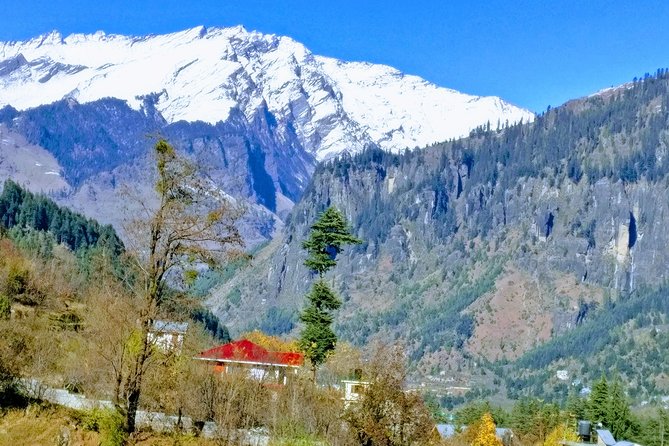
Trekking windows vary by altitude. Summer and post-monsoon periods are usually preferred for broader access and clearer trail conditions. Winter routes are possible but require specialized planning and snow-appropriate gear.
- Summer: wider route access and active trekking operations.
- Post-monsoon: stable views in many sectors.
- Winter: limited routes, snow prep required.
For seasonal comparison, see best time to visit Himachal.
Fitness and Preparation
Good trekking outcomes come from preparation, not last-minute effort. Train for endurance, leg strength, and breath rhythm at least a few weeks before departure. Practice with a loaded backpack and focus on controlled pace rather than speed.
Packing Essentials
- Layered clothing and rain/wind protection
- Trekking shoes with proven grip
- Hydration setup and electrolyte support
- First-aid and basic personal medication
- Headlamp, sunscreen, gloves, and cap
Permits, Guides, and Safety
Some routes may need local permissions or guided support depending on region and season. Professional trek operators add value through route judgment, risk handling, and emergency response planning. Avoid high-altitude self-navigation without proper mountain experience.
Route Selection by Trip Length
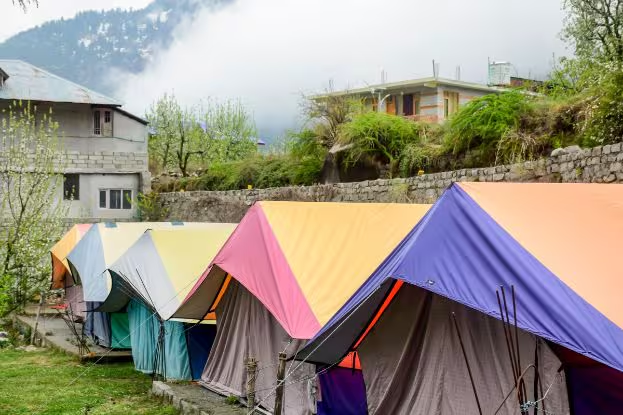
If you only have two days, choose acclimatization-style routes with low transfer load. For three to five days, select one moderate route with a conservative pace and one backup weather option. For longer windows, you can plan pass-oriented treks with professional operators and adequate recovery days before and after expedition segments.
This simple day-based structure prevents one of the most common mistakes in Manali: trying to do high-altitude routes inside a short holiday timeline.
How to Build a Safe Trek Day
- Start early and keep first hour deliberately slow.
- Hydrate before thirst and fuel every 60 to 90 minutes.
- Use short rest breaks instead of long fatigue stops.
- Track weather shifts and set turnaround time in advance.
- Keep descent margin instead of pushing late summit attempts.
These basics matter more than fancy gear. Teams with disciplined pacing usually have better safety and better views because they are not constantly rushed.
Common Trek Planning Mistakes
- Choosing route by social media trends instead of fitness level.
- Ignoring acclimatization and hydration basics.
- Underpacking for cold evening conditions.
- No buffer day for weather delays.
Winter Treks and Snow Conditions in Manali
Winter trekking around Manali needs a different mindset than summer routes. Even on shorter trails, temperature drop, wind chill, and slippery surfaces increase effort significantly. Snow makes landscapes spectacular, but it also slows movement and can hide trail edges. If you are not used to snow trekking, start with low risk routes and go with local support rather than experimenting on isolated paths.
Footing quality is often the main challenge in winter. A trail that felt easy in dry weather can become technical when ice patches build up near shaded sections. Keep pace conservative, avoid late descents, and prioritize safety over viewpoint chasing. Winter success in Manali is mostly about judgment, not speed.
Best Treks by Experience Level
| Experience Level | Suggested Route Style | Why It Works |
|---|---|---|
| First time trekker | Short day trails and meadow routes | Builds confidence without altitude pressure |
| Beginner with fitness | 2 to 3 day moderate trails | Adds overnight mountain rhythm safely |
| Intermediate | Beas Kund or similar moderate climbs | Strong balance of views and challenge |
| Advanced | Hampta side pass routes and long traverses | Higher altitude and terrain variation |
Choose trek category based on your recent activity level, not old fitness memories. Most trekking setbacks happen when travelers overestimate current endurance.
Trek Cost and Operator Choice
Manali trekking budgets vary based on route length, transport style, and operator quality. Low cost packages can look attractive but may compromise on acclimatization planning, meal quality, or emergency preparedness. Instead of selecting by headline price, compare what is included: guide ratio, camp quality, support staff, and weather backup decisions.
For many travelers, a mid range professionally managed trek gives the best value because logistics are smoother and risk handling is stronger. If you are comparing routes, keep total cost in mind, including permits, transfer days, gear rental, and extra stay nights for weather buffers.
Sample 5 Day Trek Framework
- Day 1: Arrival in Manali, gear check, short acclimatization walk.
- Day 2: Drive to trek start point, gradual climb, first camp.
- Day 3: Main ascent section with controlled pace and hydration focus.
- Day 4: Pass crossing objective and staged descent.
- Day 5: Return transfer, recovery, and reserve buffer for weather delay.
If your trek window has a spare day before departure, use it around solang-valley-manali and compare seasonal windows through best-time-to-visit-himachal-pradesh. You can also add a short cultural stop at hidimba-devi-temple-manali for a balanced mountain itinerary.
Final Takeaway
Treks in Manali can suit every level, from first-time hikers to seasoned pass-crossers. Pick the right trail, prepare honestly, and plan by weather windows for a safer and more rewarding Himalayan experience. If you build your route around fitness reality instead of checklist pressure, Manali can become one of your strongest mountain bases in North India.
Location
Frequently Asked Questions
Q1.Which is the best trek in Manali for beginners?
Q2.When is the best time for trekking in Manali?
Q3.Do I need a guide for Manali treks?
Q4.Can families do treks in Manali?
Q5.Is Hampta Pass difficult?
Q6.What should I pack for Manali treks?
Q7.Are permits required for treks near Manali?
Q8.How many days should I keep for trekking in Manali?
Recommended For You
Places to Shop in Manali: Market Streets, Woollens & Souvenirs
Discover the best places to shop in Manali with this practical market guide covering Mall Road, Tibetan Market, Old Manali, woolens, handicrafts, and local specialties.
Best Time to Visit Himachal Pradesh: Season-Wise Guide by Region
Find the best time to visit Himachal Pradesh with season-wise guidance for families, snow trips, road journeys, and trekking routes.
Pin Parvati Pass Trek: Itinerary, Cost, and Safety Plan
Plan Pin Parvati Pass Trek with realistic itinerary design, cost components, and safety-first high-altitude preparation.
Never Miss an Adventure
Get the latest trekking guides, travel tips, and exclusive offers delivered straight to your inbox.
