
Dilwara Temples Mount Abu: Timings, Carvings & Visitor Rules

Rohit Verma
December 28, 2025
Explore Dilwara Temples in Mount Abu. Complete guide with timings, entry fee, history, architecture & visiting tips for these stunning Jain temples.
Jain Architectural Marvel in the Aravalli Hills
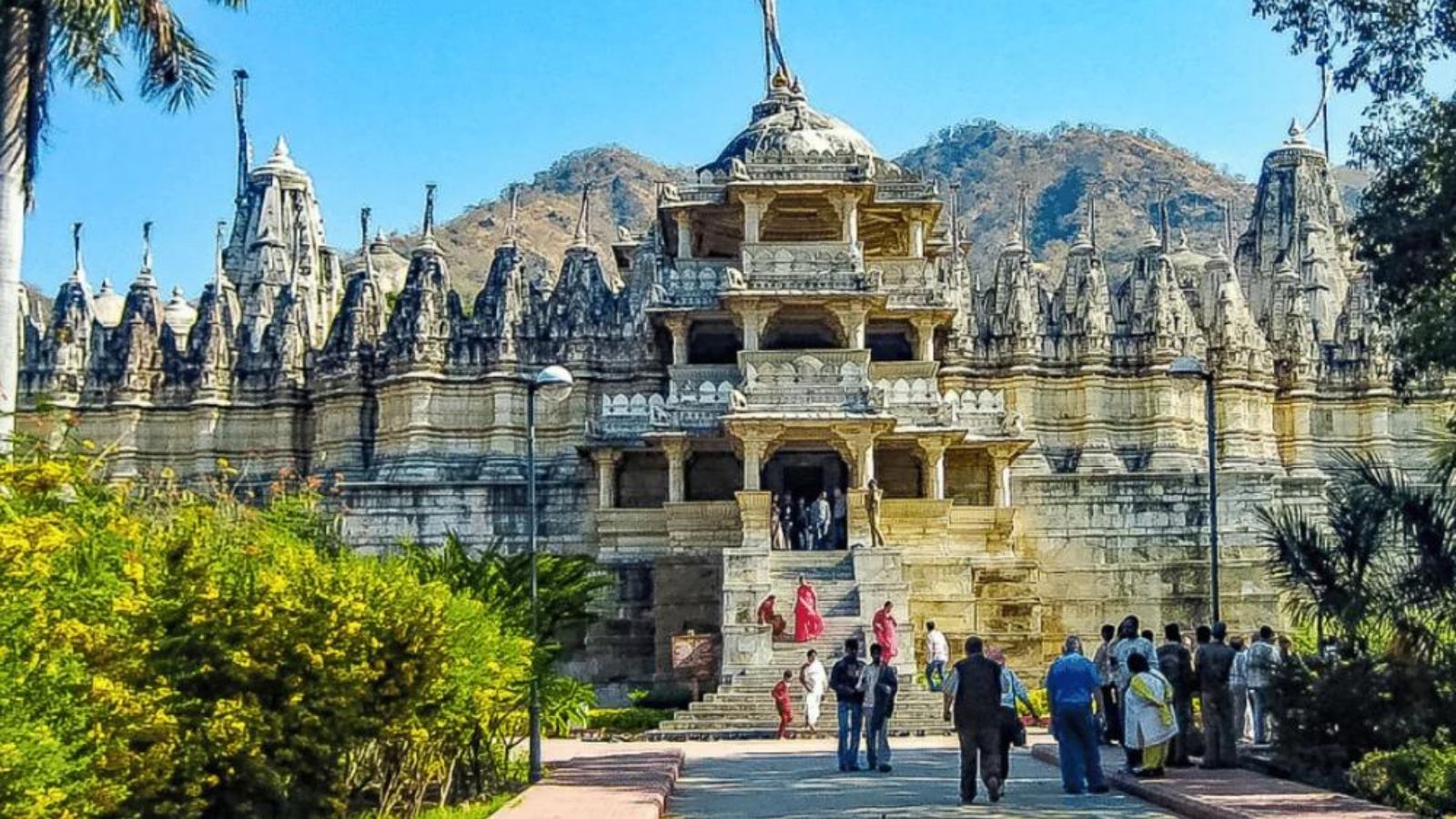
The Dilwara Temples stand as India's finest examples of Jain temple architecture, hidden away in the serene hills of Mount Abu, Rajasthan's only hill station. Built between the 11th and 13th centuries, these five magnificent temples are renowned for their extraordinary marble carvings and architectural perfection. What makes the Dilwara Temples truly remarkable is that they appear modest from the outside, yet their interiors showcase some of the most intricate stone craftsmanship ever created by human hands.
Located approximately 2.5 kilometers from Mount Abu town, the temple complex sits at an elevation of 1,200 meters in the Aravalli Range. The cool climate and peaceful surroundings of Mount Abu provide the perfect setting for these sacred spaces dedicated to Jain Tirthankaras (spiritual teachers). Unlike many famous Indian temples that boast grand exteriors, the Dilwara Temples' beauty lies entirely within—a deliberate architectural choice that reflects Jain values of internal purity over external showiness.
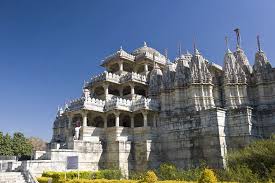
For travelers and pilgrims alike, the Dilwara Temples offer an experience that transcends mere sightseeing. These are active places of worship where devotion and artistry merge seamlessly. The temples have been continuously maintained for over 900 years, with generations of caretakers ensuring that the delicate marble carvings remain pristine. Visiting Dilwara isn't just about viewing historical monuments—it's about witnessing a living tradition of faith, art, and preservation that represents the pinnacle of India's temple-building heritage.
History of Dilwara Temples
The story of the Dilwara Temples begins in the 11th century, during the golden age of Jain temple architecture in western India. The temples were commissioned by Jain ministers and wealthy merchants who served the Chalukya rulers of Gujarat. Their patronage reflected both religious devotion and the immense wealth of the Jain community during this period, which controlled much of the region's trade.
Construction spanned several centuries, with each temple built during different periods but following consistent architectural principles. The first and most famous temple, Vimal Vasahi, was completed in 1031 AD by Vimal Shah, a minister of the Chalukya king Bhimdev I. Legend tells that Vimal Shah vowed to build a magnificent temple after his fleet was miraculously saved from a storm at sea. The subsequent temples—the Luna Vasahi (completed 1230 AD), Pittalhar, Parshvanath, and Mahavir Swami—were added over the next two centuries, each representing the pinnacle of contemporary craftsmanship.
The marble used in the temples was transported from Makrana, over 200 kilometers away. Makrana marble, famous for its pure white appearance and durability, was the same stone later used for the Taj Mahal. Transporting massive marble blocks through mountainous terrain in the 11th century was an extraordinary feat of logistics and engineering, reflecting the dedication and resources of the temple's patrons.
Throughout their 900-year history, the temples have survived invasions, natural disasters, and the passage of time remarkably intact. This survival is attributed to both their remote location in the hills and the reverence they commanded even among conquerors. The temples have undergone periodic restoration, most notably in the 20th century when conservation experts carefully cleaned centuries of accumulated soot from oil lamps without damaging the delicate carvings. Today, the Archaeological Survey of India maintains the temples, ensuring that these architectural treasures survive for future generations.
The Five Temples Complex
The Dilwara complex comprises five separate temples, each dedicated to different Jain Tirthankaras and each with its own distinct architectural personality. Understanding each temple's unique character helps visitors appreciate the diversity and evolution of Jain temple architecture.
Vimal Vasahi Temple
Dedicated to the first Tirthankara, Lord Adinath (Rishabhdev), Vimal Vasahi is the oldest and most celebrated temple in the complex. Completed in 1031 AD, it set the standard for subsequent Jain temple architecture in western India. The temple's name comes from its patron, Vimal Shah, whose devotion and wealth made this architectural masterpiece possible.
The temple's centerpiece is its magnificent assembly hall (Ranga Mandapa), featuring 12 elaborately carved pillars and a central dome with intricate pendant ornamentation. The ceiling carvings are particularly breathtaking—tier upon tier of lotus flowers, geometric patterns, and figurative scenes create a visual symphony in marble. Each pillar tells stories from Jain mythology through its intricate carvings, with every square inch covered in detailed sculpture.
What makes Vimal Vasahi extraordinary is the density and delicacy of its carvings. The marble has been pierced, carved, and shaped into lace-like patterns that seem to defy the material's inherent limitations. Artisans spent decades perfecting these details, working with simple tools and immense patience. The temple's sanctum (garbhagriha) houses a beautiful marble image of Lord Adinath, surrounded by smaller carvings of attendant deities.
Luna Vasahi Temple
Built nearly 200 years after Vimal Vasahi in 1230 AD, Luna Vasahi is dedicated to the 22nd Tirthankara, Lord Neminath. The temple was commissioned by two brothers, Vastupal and Tejpal, who served as ministers to the Vaghela ruler of Gujarat. Like Vimal Shah before them, they vowed to build a temple after being rescued from a life-threatening situation.
Luna Vasahi is slightly smaller than Vimal Vasahi but equally magnificent. Its most famous feature is the Hathishala (elephant cell), a rectangular hall with ten life-sized marble elephants. These elephants are masterpieces of sculpture, each with distinct trunks, tusks, and decorations that showcase the artisans' keen observation of nature. The elephants originally supported the temple's weight, though today they serve as artistic elements.
The temple's ceiling features some of the finest carvings in the entire complex. The central dome, in particular, displays 16 goddess figures of extraordinary grace and beauty. These representations of vidyadevis (goddesses of knowledge) demonstrate the refined aesthetic sensibilities of 13th-century artisans. The brackets supporting the pillars are carved into female figures in various poses—some playing musical instruments, others holding flowers or in dance postures. Each figure is unique and anatomically perfect, despite being carved from hard marble.
Pittalhar Temple
Dedicated to the first Tirthankara, Adinath, this temple is named after its massive brass (pital) idol of the deity. Unlike the other Dilwara temples that feature primarily marble sculpture, Pittalhar contains a five-foot-high brass statue that dominates the sanctum. The temple was built by Bhima Shah, a minister of the Gujarat ruler, though the exact date of construction is uncertain.
Pittalhar Temple is architecturally simpler than its neighbors, with less elaborate carving. This simplicity may reflect the builder's focus on creating a worthy home for the massive brass image rather than competing with the earlier temples' ornate style. The main shrine features a solid metal statue of Adinath, flanked by subsidiary shrines containing smaller images. The temple's relatively plain appearance contrasts with the extravagance of Vimal Vasahi and Luna Vasahi, but this restraint gives it a dignified presence within the complex.
Parshvanath Temple
Dedicated to the 23rd Tirthankara, Lord Parshvanath, this is the tallest temple in the complex. Its most distinctive feature is a four-faced image of Parshvanath in the main sanctum, allowing devotees to view the deity from multiple angles. The temple was constructed in the 15th century, making it one of the later additions to the complex.
The temple's architecture shows the evolution of Jain temple design over the centuries. While it incorporates the intricate carving style of earlier temples, it also features more elaborate spires (shikharas) and a more vertical emphasis. The exterior has some beautiful carvings, though the interior decorations are somewhat less ornate than those in Vimal Vasahi and Luna Vasahi. The temple's height and spires make it a prominent landmark within the complex.
Mahavir Swami Temple
The youngest temple in the complex, Mahavir Swami was built in 1582 AD and is dedicated to the 24th Tirthankara, Lord Mahavira. Located slightly apart from the other four temples, it represents the final phase of classical Jain temple architecture in the Dilwara style.
Though smaller and simpler than the earlier temples, Mahavir Swami features some beautiful wall paintings and carvings. The paintings, added in later centuries, depict various Jain legends and provide color contrast to the predominately white marble aesthetic. The temple's relatively recent construction means its carvings are better preserved than those of the older temples, offering visitors a sense of how the complex must have appeared when first completed.
Exquisite Marble Architecture
The architectural brilliance of the Dilwara Temples lies in their seamless blend of structural engineering and artistic expression. These temples were built without modern construction materials—no steel, no cement, no synthetic resums. Instead, they rely on the precise fitting of stone components, the principles of gravity and balance, and the immense skill of craftsmen who understood their materials intimately.
The marble used throughout the complex is exceptionally pure white, virtually flawless, and fine-grained—perfect for the intricate carving it would undergo. This Makrana marble has remarkable durability, which explains why the temples have survived nearly a millennium with minimal deterioration. The stone can be carved into paper-thin translucent sections, a property exploited by artisans to create delicate screens, pendant ornaments, and lace-like tracery that seem to defy architectural logic.
The most extraordinary feature of Dilwara's carving is its three-dimensional quality. Unlike relief carving where designs are raised from a flat surface, Dilwara artisans carved completely in the round, creating free-standing elements within the marble itself. The ceiling pendants, for example, are carved from solid blocks of marble, with undercutting so delicate that light passes through in places. These floral and geometric motifs hang from ceilings like stone chandeliers, demonstrating complete mastery over the medium.
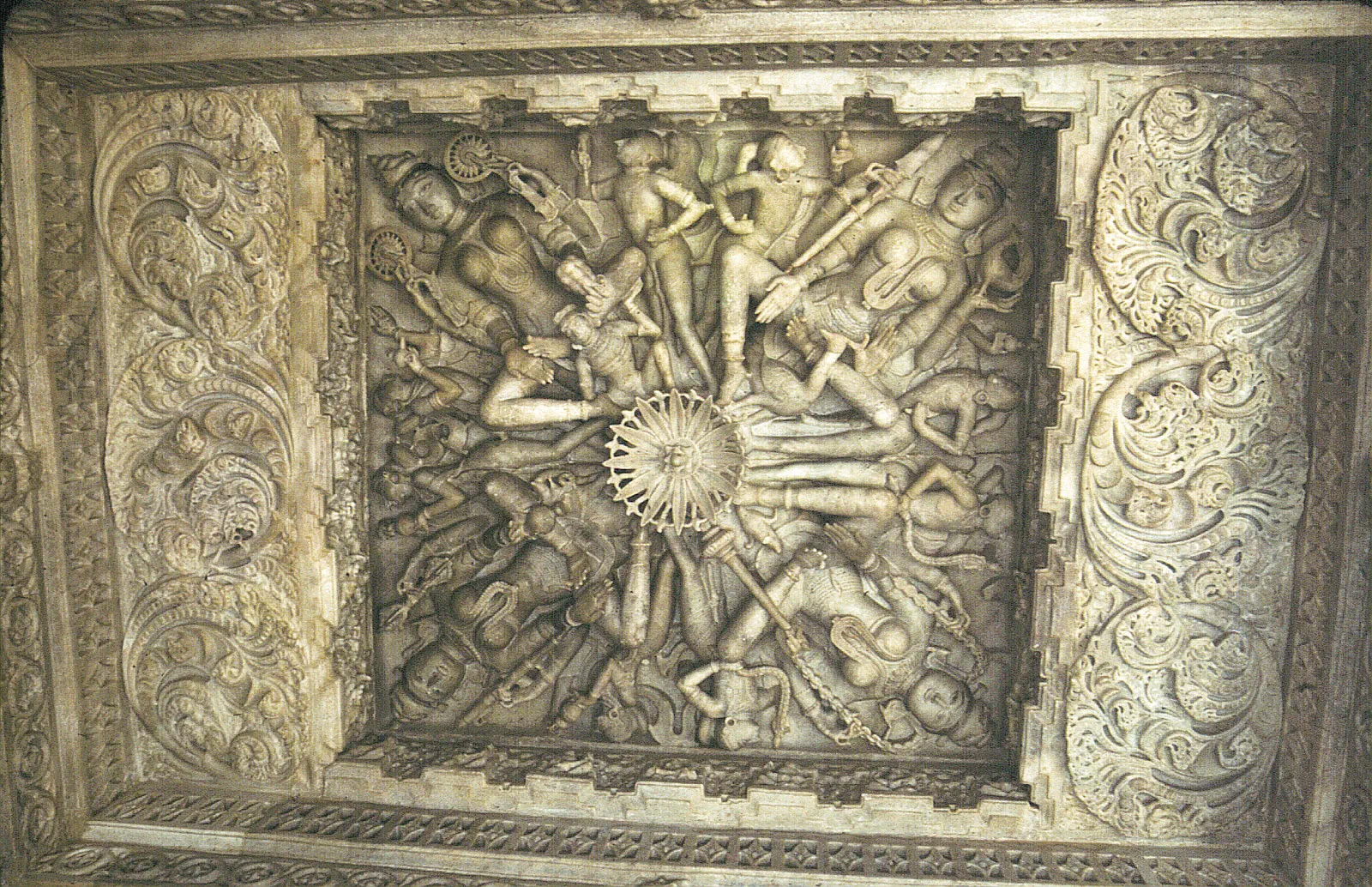
Pillar carving at Dilwara represents another technical triumph. Each pillar is essentially a three-dimensional sculpture, carved on all four sides with different designs and figures. The brackets where pillars meet ceilings feature elaborate female figures, each in unique poses that showcase both artistic imagination and anatomical knowledge. These figures, called salabhanjikas, stand in graceful tribhanga (thrice-bent) poses that create natural curves and counterposes.
The temples also demonstrate sophisticated understanding of light and space. Despite being enclosed structures with limited natural light sources, the interior spaces feel bright and airy. This effect is achieved through carefully placed open windows, reflective marble surfaces, and the strategic use of light-colored stone that maximizes available illumination. The play of light on carved surfaces creates changing visual effects throughout the day, adding another dimension to the viewing experience.
Visiting Timings & Entry Fee
Planning your visit to the Dilwara Temples requires understanding their operational schedule and visitor regulations. Unlike many tourist attractions that have fixed hours year-round, Jain temples follow specific timing patterns based on religious considerations and seasonal variations.
Opening Hours: The temples are open to visitors from 12:00 PM to 3:00 PM and from 5:00 PM to 7:00 PM during summer months (April to September). In winter (October to March), hours are 12:00 PM to 3:00 PM and 4:00 PM to 6:00 PM. This split schedule accommodates both tourist visits and religious rituals. Note that the temples are closed to tourists during specific times when religious ceremonies are conducted, generally in the morning hours.
Entry Fee: Remarkably, there is no entry fee for visiting the Dilwara Temples. This free access reflects the Jain principle of hospitality and the temples' function as places of worship rather than commercial tourist attractions. However, visitors may be charged nominal fees for photography (approximately ₹50-100 for cameras) and for shoe storage (₹5-10). Foreign tourists sometimes pay a small fee (around ₹300) for guided tours, which are highly recommended for understanding the temples' history and iconography.
Best Time to Visit: The ideal time to visit is early afternoon when the temples first open to tourists (12:00 PM). At this time, the marble is relatively cool, crowds are thinner, and photography conditions are optimal within the temples. Late afternoon visits offer beautiful golden hour lighting on the exterior but may coincide with larger crowds. Weekdays are generally less crowded than weekends, and the winter season (October-March) brings more visitors than summer months.
Duration: Allow 2-3 hours for a comprehensive visit that includes all five temples. rushed visits in 60 minutes miss significant details. Serious architecture and photography enthusiasts might spend 4-5 hours examining the intricate carvings. Combine the temple visit with other Mount Abu attractions for a full day of sightseeing.
How to Reach from Mount Abu
The Dilwara Temples' location just 2.5 kilometers from Mount Abu town makes them easily accessible by various transportation methods. Most visitors stay in Mount Abu and visit the temples as part of a day's sightseeing, though dedicated pilgrims do make special trips just for the temples.
By Taxi/Cab: The most convenient option is hiring a taxi from your hotel in Mount Abu. The drive takes approximately 10-15 minutes through scenic mountain roads. Taxis charge ₹150-300 for a round trip, depending on negotiation and waiting time. Taxis can drop you at the temple entrance and wait while you explore, then return you to town. This door-to-door convenience is particularly valuable during summer when walking can be exhausting.
By Auto-Rickshaw: Auto-rickshaws serve the route for ₹50-100 each way. They're more economical than taxis but less comfortable, especially for groups or families with luggage. Auto-rickshaws drop you at the main road, requiring a short walk (approximately 200 meters) to the temple entrance. Negotiate the price before starting the journey and clarify whether it's one-way or round-trip.
By Bus: Local buses run between Mount Abu town and the Dilwara Temples, but the service is infrequent and unreliable for tourists with fixed schedules. Buses cost approximately ₹10-20 per person but may not run on specific schedules. This option is best for budget travelers with flexible timing and familiarity with Indian local transport.
Walking: For those who enjoy hiking, walking to the temples is feasible but challenging. The uphill route takes approximately 30-40 minutes each way and climbs approximately 200 meters in elevation. The walk passes through scenic forest areas and offers good views, but the heat and gradient make it difficult for many visitors, especially in summer. Wear comfortable walking shoes, carry water, and start early to avoid peak heat. The walk is most pleasant during winter months or early morning.
Parking: If you're driving yourself, ample parking is available near the temple complex for ₹20-50. The parking area is approximately 100 meters from the temple entrance, requiring a short walk. Parking attendants are generally helpful with directions and vehicle security. Two-wheelers and four-wheelers are both accommodated.
Photography Rules & Guidelines
Photography at the Dilwara Temples requires understanding and respecting specific regulations designed to protect the monuments and maintain their sanctity. Unlike many tourist sites where unrestricted photography is permitted, Dilwara has specific rules that visitors must follow.
Interior Photography: Photography inside the temples is restricted and may be completely prohibited depending on current regulations and the discretion of temple authorities. When permitted, photography typically requires a special ticket (₹50-100 for still cameras, higher for video cameras). Flash photography is almost always prohibited as it can damage ancient pigments and disturb worshippers. Tripods may also be restricted due to space constraints and safety concerns.
Exterior Photography: Photography of the temple exteriors is generally permitted without restrictions. The temple facades, though architecturally modest compared to interiors, offer excellent photographic opportunities, especially during golden hour. The surrounding hill scenery and temple silhouettes against the sky make beautiful images. Drone photography from outside the temple complex may be possible with permission from authorities.
General Guidelines: Always ask for permission before photographing religious ceremonies or worshippers. Many pilgrims prefer not to be photographed during prayer. Turn off camera sounds and flash to avoid disturbing the sanctity of the space. Be mindful of blocking pathways or other visitors' views while composing shots. Photography should never interfere with religious practices or other visitors' experiences.
Respectful Behavior: Remember that these are active places of worship, not museum exhibits. Speak quietly, avoid disruptive behavior, and follow dress codes. Photography should be secondary to experiencing the temples respectfully. When in doubt about whether photography is permitted in a specific area, ask temple staff or guards. They generally appreciate respectful inquiries more than rule-breaking.
Nearby Attractions in Mount Abu
While the Dilwara Temples alone justify a visit to Mount Abu, this Mount Abu travel guide covers several other attractions that can be combined with the temple visit for a comprehensive sightseeing experience. Mount Abu's relatively compact size makes it easy to cover multiple attractions in a single day.
Nakki Lake: Located approximately 3 kilometers from the Dilwara Temples, Nakki Lake is Mount Abu's most famous attraction. This artificial lake, surrounded by hills and rock formations, is perfect for boating and peaceful walks. Legend says the lake was dug by gods using their fingernails (nakh) hence the name. The lake area has cafes, souvenir shops, and a pleasant promenade that's particularly beautiful at sunset. Boat rentals cost approximately ₹100-200 for 30 minutes, and the lake offers excellent photography opportunities, especially during early morning when reflections are clearest.
Guru Shikhar: At 1,722 meters, this is the highest point in the Aravalli Range and offers panoramic views of the surrounding hills and plains. Located approximately 15 kilometers from the Dilwara Temples, Guru Shikhar can be reached by road or a challenging hike. The summit has a temple dedicated to Lord Dattatreya and several viewpoints. On clear days, visitors can see for miles across the arid landscape that contrasts dramatically with Mount Abu's greenery. The drive to Guru Shikhar is scenic and passes through beautiful forest areas.
Sunset Point: As the name suggests, this viewpoint offers spectacular sunset views over the surrounding hills and valleys. Located approximately 5 kilometers from town, Sunset Point is accessible by road followed by a short walk. The viewpoint gets crowded in the evening, so arrive early to secure a good position. The changing colors of the landscape as the sun sets create beautiful photographic opportunities. Sunset Point is particularly popular during winter when skies are clearest.
Achalgarh Fort: This medieval fort, located approximately 11 kilometers from the Dilwara Temples, offers historical interest and good views. Built in the 14th century, the fort houses several temples including the Achaleshwar Mahadev Temple with a brass Nandi (Shiva's bull) said to weigh over 4 tonnes. The fort's ruins are interesting to explore, and the hilltop location provides panoramic views. The fort is less crowded than other Mount Abu attractions, making it appealing for those who prefer quieter sites.
Mount Abu Wildlife Sanctuary: Surrounding the town, this sanctuary covers approximately 288 square kilometers and is home to various wildlife species including langur monkeys, sambar deer, and numerous bird species. While tiger sightings are extremely rare, the sanctuary offers excellent opportunities for nature walks and birdwatching. The best areas for wildlife viewing are Trevor's Tank and the forests around Guru Shikhar. The sanctuary is particularly beautiful during the monsoon when the hills turn lush green.
The Dilwara Temples stand as a testament to human devotion, artistic excellence, and architectural genius. For over 900 years, these marble marvels have inspired awe in all who visit, from casual tourists to serious art historians. Their remote location in the hills of Mount Abu only adds to their mystical appeal, as if the mountains themselves were chosen specifically to house these sacred spaces. Whether you're drawn by spiritual curiosity, artistic appreciation, or historical interest, the Dilwara Temples offer an experience that lingers in memory long after leaving—a reminder of what human hands can achieve when inspired by faith and dedicated to perfection.
Location
Frequently Asked Questions
Q1.What are the opening hours of Dilwara Temples?
Q2.What is the entry fee for Dilwara Temples?
Q3.How much time is needed to visit Dilwara Temples?
Q4.Who built the Dilwara Temples?
Q5.How old are the Dilwara Temples?
Q6.Why are the Dilwara Temples famous?
Q7.Is photography allowed inside Dilwara Temples?
Q8.What is the dress code for visiting Dilwara Temples?
Recommended For You
Places to Visit in Mount Abu: Lake, Temples & Hills
Explore the best places to visit in Mount Abu, Rajasthan's only hill station. Guide to Nakki Lake, Dilwara Temples, Guru Shikhar & Sunset Point with travel tips.
Nakki Lake Mount Abu: Boating, Guide & Tips
Discover Nakki Lake in Mount Abu - Rajasthan's only hill station lake. Enjoy boating, explore ancient temples, and experience serene natural beauty. Complete guide with timings, boating prices, and travel tips.
Things to Do in Mount Abu: Scenic Points, Lakes & Temples
Explore top things to do in Mount Abu with Dilwara temples, Nakki Lake, Guru Shikhar, sunset points, and practical itinerary plus seasonal planning tips.
Never Miss an Adventure
Get the latest trekking guides, travel tips, and exclusive offers delivered straight to your inbox.
