
Ajmer Sharif Dargah: Complete Guide for Pilgrims

Priya Mehta
February 19, 2026
Complete guide to Ajmer Sharif Dargah including history, rituals, best time to visit, how to reach, and travel tips for pilgrims.
Ajmer Sharif Dargah Rajasthan: Complete Pilgrimage Planning Guide
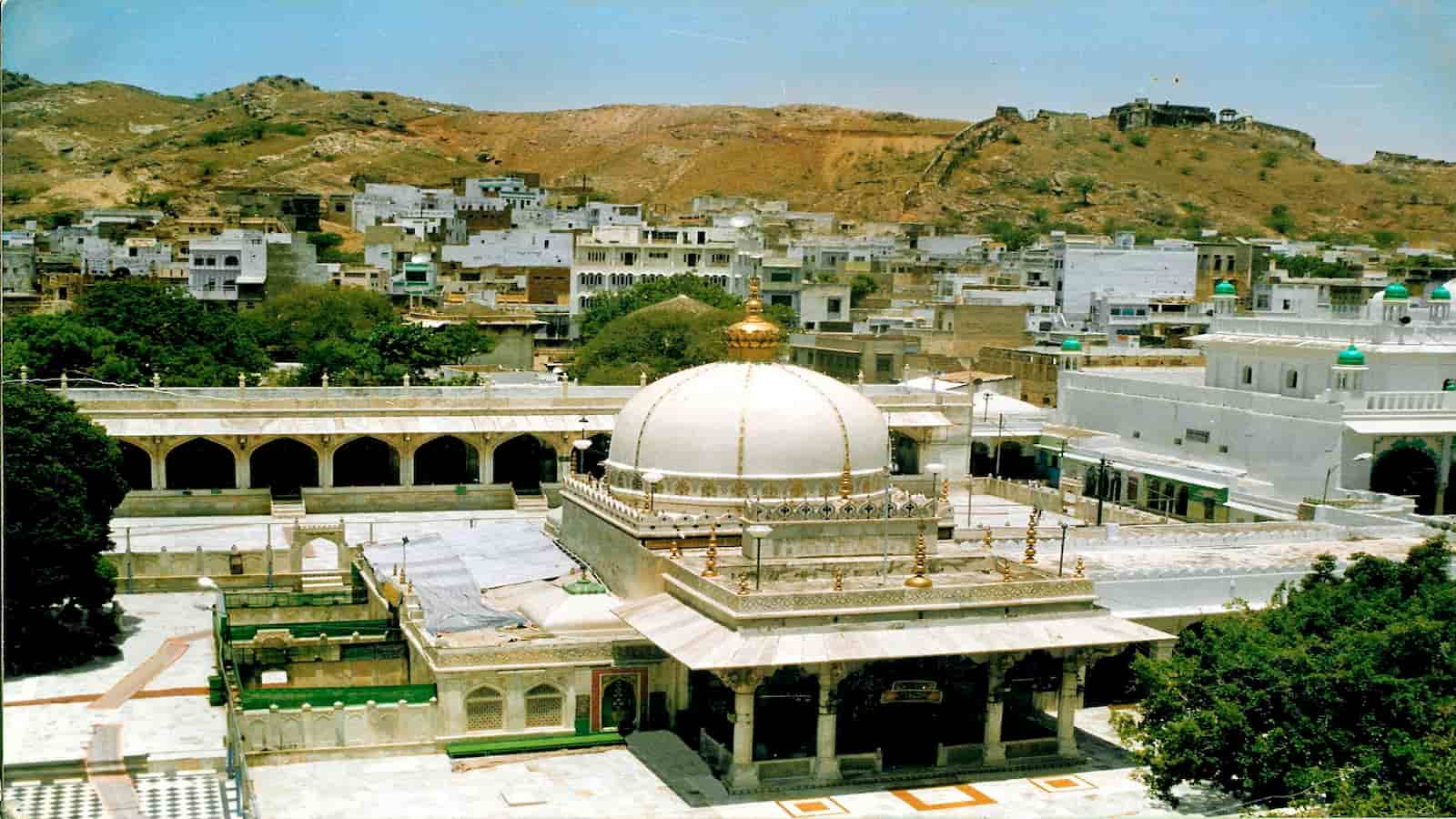
Ajmer Sharif Dargah is one of India’s most visited spiritual destinations and a major center of Sufi devotion. People from all faith backgrounds come here for prayer, gratitude, and personal reflection. Because of its religious importance and high daily footfall, the experience can feel overwhelming if you arrive without planning. A better visit comes from understanding entry flow, peak hours, etiquette, and local movement around the old city lanes before you reach the shrine.
If you are planning a broader Rajasthan spiritual route, pair this visit with places to visit Ajmer, regional context through best places to visit Rajasthan, and timing support from best time to visit Rajasthan. For nearby extension, many travelers also connect Ajmer with Pushkar circuits linked through Pushkar travel and festival routes.
Why Ajmer Sharif Matters
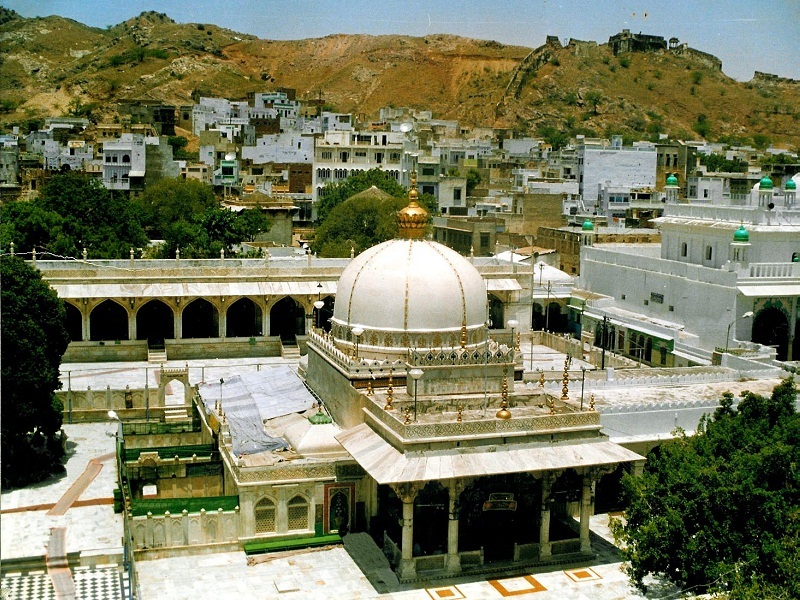
The shrine of Khwaja Moinuddin Chishti has deep historical and spiritual significance. Devotees come seeking blessings, peace, and fulfillment of prayers. Beyond ritual practice, the dargah symbolizes inclusion and compassion, which is why its influence extends far beyond regional boundaries. For many visitors, the strongest part of the experience is not architecture alone but the emotional atmosphere of devotion inside the complex and nearby prayer spaces.
Best Time to Visit and Crowd Patterns
| Visit Window | Crowd Level | Best For |
|---|---|---|
| Early Morning | Moderate | Peaceful darshan and easier movement |
| Late Morning to Afternoon | High | General visits with more waiting |
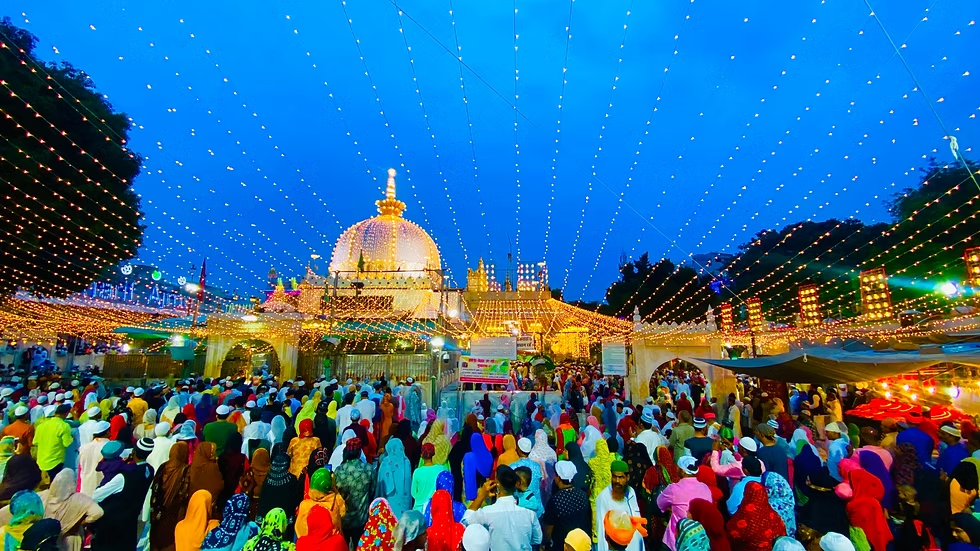
| Evening | Very High (on weekends/festive days) | Devotional ambience and qawwali atmosphere |
If your priority is spiritual focus and shorter queues, early morning is usually best. If your priority is atmosphere and collective devotion, evening windows can be meaningful but crowded.
How to Reach and Approach the Dargah
Most visitors arrive in Ajmer city by train or road and then move through inner lanes toward the shrine area. Final approach is typically on foot due to narrow streets and dense market flow. Keep your footwear, bag strategy, and valuables planned before entering crowded lanes. Use simple luggage and avoid carrying unnecessary items. If you are with elders or children, keep movement slow and define one regroup point before entering.
Entry Etiquette and Devotional Conduct
Respectful attire is essential. Head covering is generally expected, and modest clothing is recommended for all visitors. Keep voice low, follow queue direction, and avoid pushing in narrow sections. Photography policies can vary by area, so ask or observe local guidance before recording inside prayer-sensitive zones. Religious spaces in Ajmer Sharif are emotionally important for devotees, so mindful behavior improves the experience for everyone.
- Carry a clean scarf or head covering.
- Keep mobile use minimal near prayer lines.
- Follow volunteer and security instructions.
- Avoid blocking pathways for photos.
Offerings, Donations, and Common Questions
Many pilgrims bring chadar, flowers, or symbolic offerings. If you are first-time visitor, follow official and transparent channels for offerings and donations. Do not feel pressured into unplanned spending in crowded lanes. Set your devotional budget in advance and stay with your group. Spiritual value does not depend on the size of spending; sincere prayer and respectful conduct remain central to the visit.
Combining Ajmer Sharif with Nearby Routes
Ajmer Sharif is often part of a larger Rajasthan itinerary. The most practical format is a half-day spiritual block plus one nearby local site, then rest. Overloading the same day with long transfers usually reduces spiritual focus and increases fatigue. Travelers who combine Ajmer with Pushkar should keep one buffer window for traffic and crowd variation. If you are on a long Rajasthan circuit, use Rajasthan route planning to avoid rushed scheduling.
Food, Stay, and Family Travel Notes
Accommodation options in Ajmer vary from budget stays to comfortable hotels. Staying close to the shrine area saves transit time but may involve denser street noise. Families with seniors often prefer slightly outer stays with easier vehicle access, then enter the dargah zone during quieter hours. Keep meals light before darshan to avoid discomfort in queue conditions, especially in warmer weather.
Safety and Practical Tips
Ajmer Sharif is a high-footfall religious area, so basic crowd awareness is essential. Keep children close, avoid separated movement, and carry only essential valuables. Use secure pockets and avoid displaying cash in busy market lanes. If you are visiting during festivals or Urs period, arrive with extra time and flexible expectations.
Sample Half-Day Pilgrimage Flow
Step 1: Early arrival and calm lane entry. Step 2: Darshan and prayer window. Step 3: Controlled offering and short reflection pause. Step 4: Exit through planned route and light meal.
This format works well for both first-time and repeat pilgrims.
Urs Period Planning and Peak-Day Advice
During Urs and major devotional dates, crowd levels rise significantly and lane movement slows. Pilgrims should arrive with extra buffer, lighter luggage, and clear family coordination. Keep children close, avoid separated movement, and identify one emergency regroup point before entering dense sections. If your elders are traveling, morning slots are usually safer and more manageable than late-evening peaks.
On very high-footfall days, simplify your plan: darshan, brief prayer, and controlled return. Trying to combine too many market stops can create avoidable stress.
Women, Senior Citizens, and Group Travel Tips
Women and family groups generally prefer clear, well-lit routes and early time windows. Senior pilgrims should avoid long standing in dense queue clusters without rest breaks. Keep drinking water, essential medicines, and weather-appropriate clothing ready. For large groups, assign one lead for movement and one lead for communication. This basic coordination greatly improves safety in crowded spiritual corridors.
Responsible Pilgrimage Conduct
Ajmer Sharif represents shared faith and deep emotional devotion. Visitors should avoid littering, keep food waste controlled, and respect prayer-focused zones. Do not convert sacred spaces into content-production areas. A short, respectful visit can be more meaningful than a long, distracted one. Responsible conduct protects both spiritual dignity and public flow.
Suggested 1-Day Ajmer Spiritual Circuit
Morning: Dargah darshan and quiet reflection. Afternoon: Rest and light local meal. Evening: One additional Ajmer/nearby heritage stop from Ajmer route options.
This format keeps the visit spiritually centered while still allowing city exploration.
Travel With Intention, Not Rush
Ajmer Sharif visits are most meaningful when travelers allow emotional and spiritual space in their schedule. Keep one quiet reflection block after darshan instead of moving immediately into shopping lanes. This helps the pilgrimage remain centered and prevents fatigue in crowded conditions. If you are on a multi-city Rajasthan trip, treat Ajmer as a spiritual pause day rather than a transit stop.
Travelers who keep devotional focus, simple movement, and respectful conduct usually describe Ajmer Sharif as emotionally powerful even on crowded days. Spiritual quality here depends more on intention than itinerary length.
For pilgrims coming from outside Rajasthan, it helps to reach Ajmer a day early, rest, and then visit the dargah with a clear mind. This avoids transit fatigue and allows better spiritual focus during darshan.
Plan your exit with the same care as your entry. After prayer, move slowly through the lanes, avoid crowd surges, and close your visit with a short gratitude pause before leaving Ajmer Sharif.
Final Takeaway
Ajmer Sharif Dargah is best experienced with humility, timing discipline, and respectful behavior. Plan your arrival, keep expectations realistic, and focus on spiritual intention rather than checklist speed. With the right approach, the pilgrimage can be deeply meaningful and emotionally grounding.
Location
Frequently Asked Questions
Q1.What is Ajmer Sharif Dargah famous for?
Q2.Can Hindus visit Ajmer Sharif Dargah?
Q3.What is the dress code for Ajmer Sharif Dargah?
Q4.When is the Urs festival at Ajmer Sharif Dargah?
Q5.How do I reach Ajmer Sharif Dargah?
Q6.What offerings should I make at Ajmer Sharif Dargah?
Q7.What is the best time to visit Ajmer Sharif Dargah?
Q8.How much time is needed to visit Ajmer Sharif Dargah?
Recommended For You
Pushkar Mela: Camel Fair Dates, Events & Rajasthan Trip Plan
Complete Pushkar Camel Fair Guide with 2025 dates, booking information, photography tips, accommodation, and travel advice for experiencing this iconic Rajasthan festival.
Brahma Temple Pushkar: Timings, Aarti, History & Visit Details
Discover Brahma Temple Pushkar - one of the world's few temples dedicated to Lord Brahma. Learn about timings, history, architecture, darshan guide, and how to reach this sacred 14th-century shrine in Rajasthan.
Nizamuddin Dargah Delhi: Sufi Shrine Guide and Timings
Visit Nizamuddin Dargah in Delhi, Hazrat Nizamuddin Aulia's Sufi shrine. Qawwali timings, history, how to reach, and respectful visitor guidance.
Never Miss an Adventure
Get the latest trekking guides, travel tips, and exclusive offers delivered straight to your inbox.
