
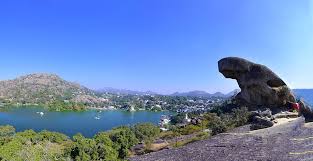
Things to Do in Mount Abu: Scenic Points, Lakes & Temples

Neha Kapoor
February 20, 2026
Explore top things to do in Mount Abu with Dilwara temples, Nakki Lake, Guru Shikhar, sunset points, and practical itinerary plus seasonal planning tips.
Introduction
Mount Abu is Rajasthan’s only hill station and offers a distinct mix of temples, lakeside leisure, viewpoint culture, and heritage spaces. If you are planning things to do in Mount Abu, the most practical approach is to split activities into spiritual mornings, scenic afternoons, and sunset-led evenings. This structure works well for families, couples, and weekend travelers from nearby cities.
This guide covers temple architecture, Nakki Lake planning, Guru Shikhar timing, wildlife and fort add-ons, and itinerary logic for two to three days. For deeper location context, also refer to Mount Abu activity highlights, places to visit in Mount Abu, and destination anchors like Dilwara Temples.
Dilwara Temples: Core Heritage Experience
Dilwara Temples are among the most important things to do in Mount Abu for history and architecture lovers. The marble craftsmanship is highly detailed and deserves a slower visit rather than a quick stop. Keep at least one focused hour for observation and temple etiquette.
Visitors should dress respectfully and follow photography rules, which can vary by area. Morning visits are usually calmer and better for crowd management.
If spiritual travel is a priority, combine Dilwara with one additional temple stop and keep the afternoon for scenic activities.
Nakki Lake and Town Leisure
Nakki Lake is central to Mount Abu’s relaxed travel rhythm. Boating, lakeside walks, and nearby market browsing make this a good all-age zone. For best comfort, avoid noon heat and prioritize morning or evening windows.
The area works well as a low-intensity block between temple visits and viewpoint sessions. Couples often prefer sunset-adjacent boating while families usually enjoy earlier daytime slots with lighter crowd pressure.
Guru Shikhar and Viewpoint Planning
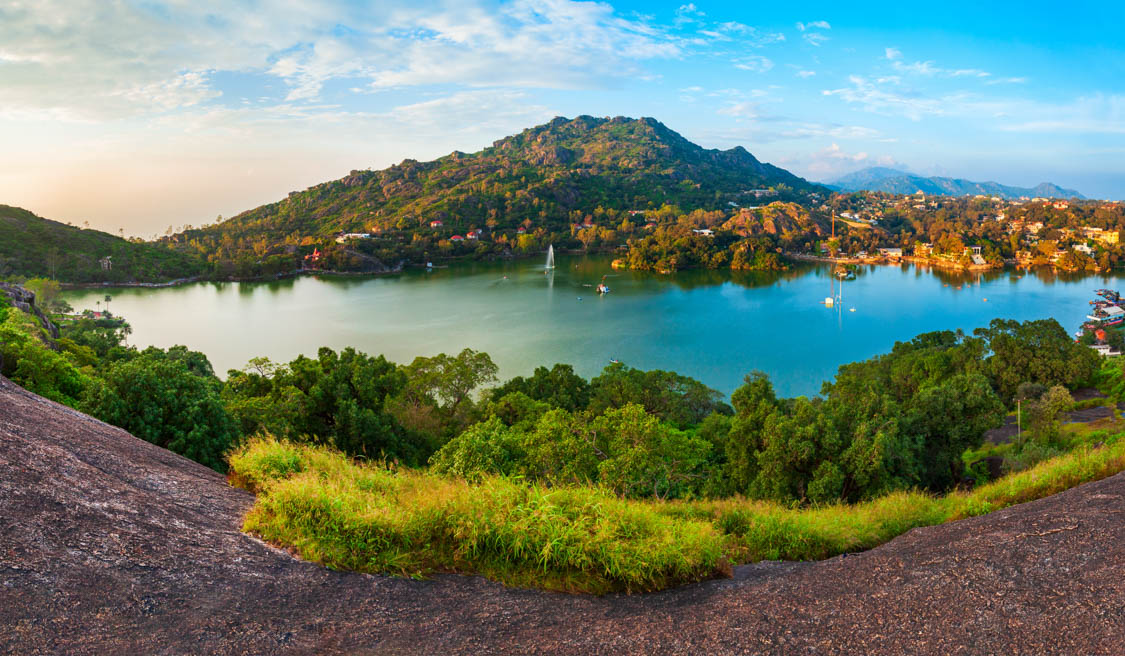
Guru Shikhar is the highest point in the region and offers panoramic views when weather is clear. Start early to avoid traffic and to get better visibility. Keep basic layers handy as temperature and wind can shift quickly at elevated points.
Pair Guru Shikhar with one secondary viewpoint only. Trying to cover too many scattered points in one day often reduces quality and increases travel fatigue.
Sunset Points and Evening Circuit
Sunset Point and nearby outlooks are iconic in Mount Abu itineraries. Reach early enough to secure a good viewing spot, especially in peak travel periods. These evening windows are often the emotional highlight of the trip, so avoid overpacked late-afternoon movement.
After sunset, a short local market and food walk can complete the day effectively without extra transport stress.
Achalgarh and Additional Heritage Stops
Achalgarh Fort and associated temple spaces provide historical contrast to the lake-and-viewpoint circuit. These stops are useful for travelers who want depth beyond the mainstream checklist. Keep expectations practical around restoration condition, but the overall heritage context remains valuable.
If you are interested in photography, fort textures and surrounding landscapes provide strong frames in softer afternoon light.
Wildlife and Nature Experiences
Mount Abu Wildlife Sanctuary adds a nature layer for visitors who enjoy forest routes and low-intensity exploration. Activity availability can vary by season, so check local advisories before planning detailed routes. Keep responsible behavior and minimal-noise movement in natural zones.
Nature blocks work best as morning add-ons before heavier tourist zones fill up.
2-Day and 3-Day Itinerary Models
| Duration | Suggested Plan |
|---|---|
| 2 Days | Temples + Nakki Lake + Sunset Point + Guru Shikhar |
| 3 Days | Add Achalgarh and sanctuary or slow-market food day |
Keep one flexible weather slot in both plans for better comfort and adaptation.
Best Time to Visit Mount Abu
Mount Abu is especially popular in warmer months as a cooler escape relative to Rajasthan plains. Winter can be pleasant for sightseeing but requires stronger layering in mornings and evenings. Shoulder seasons can offer good balance between comfort and crowd levels.
Choose season based on your priority: cooler climate, festival atmosphere, or low-crowd pacing.
Budget, Stay, and Mobility Tips
- Budget day: local stays, temple visits, lake sessions, and market meals
- Mid-range day: curated transport + mixed sightseeing + comfortable dining
- Premium day: scenic stays + private movement + slower curated experiences
Most costs are driven by stay category and local transport. Book peak-season weekends early to avoid pricing spikes.
Common Mistakes to Avoid
A common error is clustering far-apart points without route logic, which creates road-heavy days. Another is skipping hydration and sun management during daytime sightseeing even in hill weather. Keep your plan simple and zone-based.
Also avoid turning every day into a high-count checklist. Mount Abu rewards calmer pacing and repeat scenic moments.
Mount Abu by Traveler Type
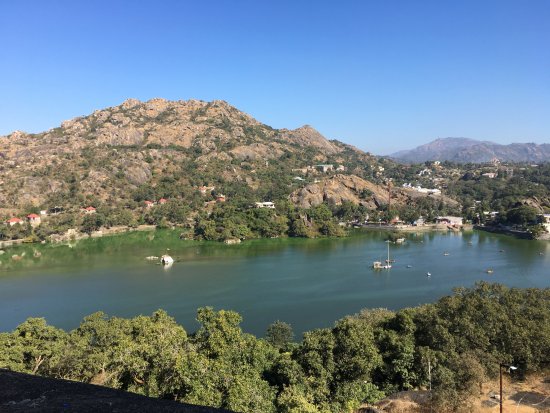
Mount Abu planning becomes easier when adjusted by traveler profile. Families should focus on low-intensity loops: temple visit, lake session, and evening viewpoint. Couples usually prefer slower scenic days with sunset windows and quieter cafe stops. Senior travelers benefit from shorter transfer plans and structured rest periods between attractions. This profile-led planning creates better comfort and fewer rushed decisions.
For solo travelers, Mount Abu is manageable with area-cluster planning and early starts. Keep key routes pinned offline and use daylight windows effectively. A simpler plan with deeper visits generally gives better results than long location checklists.
Detailed 3-Day Seasonal Plan
Day 1: Dilwara Temples, town orientation, Nakki Lake evening.
Day 2: Guru Shikhar morning, Achalgarh heritage block, sunset point.
Day 3: Wildlife/nature route, local market and departure prep.
In summer, shift walking-heavy activities to morning and evening. In winter, add warm layers and avoid very late unplanned outdoor movement. If monsoon weather is active, keep indoor and short-distance alternatives ready.
Photography and Cultural Etiquette Notes
Mount Abu offers good diversity for photography: marble detail at temples, wide landscapes at viewpoints, and lake reflections near dusk. Respect site-specific photography rules, especially in religious spaces. Ask before photographing people at small markets or temple approach lanes.
Responsible behavior preserves both destination atmosphere and visitor experience quality.
Practical Movement and Budget Control
Use one primary transport contact for daily movement and pre-confirm day-end return timing. Split spend into transport, entry/activity, and meals to avoid drift. Mount Abu can remain budget-friendly if you avoid frequent unplanned transfers and keep one area focus per half-day.
With this approach, even short trips feel calm, complete, and well-paced.
Route Logic for Two-Night Travelers
For short trips, keep your base central and avoid frequent room changes. On arrival day, complete one low-intensity circuit: Nakki Lake, local market walk, and sunset viewpoint. On full day, prioritize Dilwara Temples and Guru Shikhar with an afternoon rest gap. On departure day, keep one short heritage stop or sanctuary loop depending on timing.
This sequencing prevents rushed checkouts and ensures you still cover spiritual, scenic, and leisure dimensions of Mount Abu.
Temple and Heritage Etiquette Guidance
Mount Abu’s temple experiences are a core part of the destination, so respectful conduct improves both access and atmosphere. If you want broader context on Rajasthan’s temple architecture beyond Dilwara, see this guide to Hindu temples in Rajasthan. Dress modestly, follow photography rules, and maintain quiet behavior in worship areas. During peak hours, move with patience and avoid blocking pathways for extended photography.
Travelers who approach these sites with attention and respect usually find the experience more meaningful than surface-level visits.
Summer vs Winter Planning Tradeoffs
Summer offers relief from Rajasthan plain heat but can still include warm daylight windows. Use early starts and evening plans for comfort. Winter brings crisp weather and clearer daylight, but mornings can be cold enough to require heavier layering. Choose season based on your preferred activity style, not just temperature expectations.
If you are sensitive to weather shifts, keep one flexible indoor or short-distance alternative in your itinerary.
Food and Market Experience in Mount Abu
Mount Abu’s food scene is compact but useful for regional flavors, quick snacks, and traveler-friendly options. Keep one dedicated market-food evening to sample local specialties and observe town rhythm after sunset. This low-cost activity adds cultural context and works well for all age groups.
For shopping, set clear expectations around small souvenirs and local handicrafts rather than large retail experiences.
Mountain Safety Basics
Even easy hill-station trips benefit from basic precautions: carry water, wear grippy footwear, avoid risky edges at viewpoints, and keep return timing realistic after sunset. If traveling with children or seniors, assign fixed meetup points in crowded areas.
Simple safety habits keep the trip relaxed and prevent avoidable stress.
Conclusion
The best things to do in Mount Abu combine temple heritage, lake leisure, panoramic viewpoints, and practical route timing. With a two- or three-day structure, the destination can feel both restful and culturally rich.
Plan by activity zones, protect sunset windows, and keep one flexible block for weather to enjoy Mount Abu with less rush and more depth.
If you prefer a quieter trip, choose one less-crowded morning route and one scenic evening stop daily. This simple pattern improves comfort, reduces waiting time, and keeps Mount Abu enjoyable across seasons.
Another useful approach is to keep one repeat visit to your favorite location at a different time of day. Morning and evening perspectives can feel completely different and add depth without extra travel distance. This is especially helpful when weather is stable and you want a low-effort but high-value activity in a short itinerary.
Use early starts for calmer roads and clearer views.
Location
Frequently Asked Questions
Q1.How many days are enough for Mount Abu?
Q2.What are top things to do in Mount Abu?
Q3.Is Nakki Lake boating worth it?
Q4.What is the best time to visit Mount Abu?
Q5.Can Mount Abu be done in a weekend?
Q6.Is Mount Abu family-friendly?
Q7.Are Dilwara Temples open for tourists?
Q8.What should I pack for Mount Abu?
Recommended For You
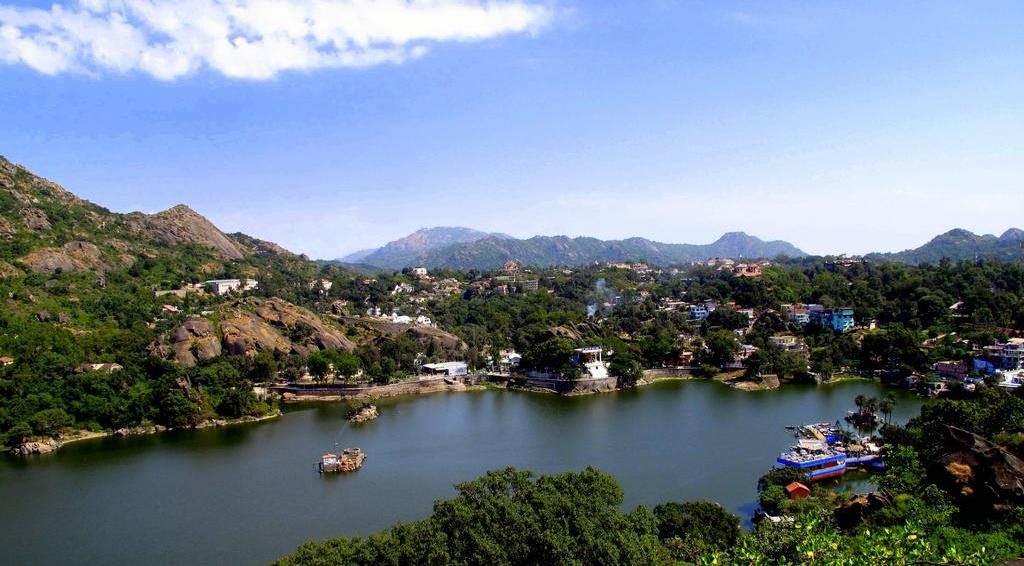
Nakki Lake Mount Abu: Boating, Guide & Tips
Discover Nakki Lake in Mount Abu - Rajasthan's only hill station lake. Enjoy boating, explore ancient temples, and experience serene natural beauty. Complete guide with timings, boating prices, and travel tips.
Things to Do in Pushkar: Ghats, Cafes, Desert Activities & Markets
Explore top things to do in Pushkar with temple, lake, market, and cafe plans plus practical tips for a smooth Rajasthan trip.
Things to Do in Kolar: Heritage Sites, Temples & Weekend Activities
Discover Kolar, Karnataka's golden city! Explore ancient temples, KGF history, Antargange caves, trekking & more in this comprehensive travel guide.
Never Miss an Adventure
Get the latest trekking guides, travel tips, and exclusive offers delivered straight to your inbox.
