
Hill Stations
Places to Visit in Mount Abu: Lake, Temples & Hills

Ananya Sharma
February 18, 2026
23 min read4,475 views
Explore the best places to visit in Mount Abu, Rajasthan's only hill station. Guide to Nakki Lake, Dilwara Temples, Guru Shikhar & Sunset Point with travel tips.
Introduction: The Oasis in the Desert
Nestled in the Aravalli Range at an elevation of 1,220 meters, Mount Abu stands as Rajasthan's only hill station—a refreshing escape from the scorching desert heat that dominates the region. This enchanting destination, often called the "oasis in the desert," offers a unique blend of natural beauty, spiritual significance, and colonial charm that attracts millions of visitors each year.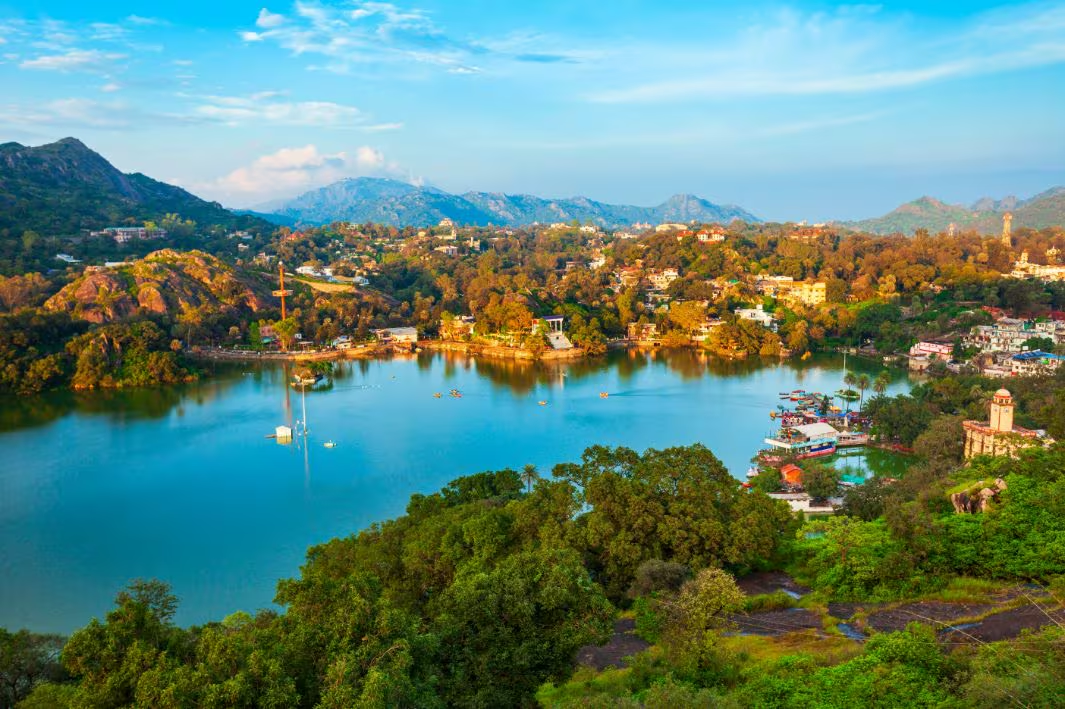 What makes Mount Abu truly special is its remarkable diversity. Within a single destination, you'll find ancient temples with architectural marvels that rival the Taj Mahal in intricacy, serene lakes perfect for boating, the highest peak of the Aravalli range, and viewpoints that offer spectacular sunset views. The town's pleasant climate, with temperatures rarely exceeding 30°C even in summer, makes it a year-round destination.
The hill station's history is equally fascinating. According to Hindu mythology, Mount Abu derives its name from Arbuda, the powerful serpent who saved Lord Shiva's bull, Nandi. Historically, it served as a summer retreat for royalty and later became a favorite sanatorium for British officials seeking refuge from the harsh Rajasthani summers. This rich heritage is reflected in the town's architecture, cuisine, and culture.
Whether you're a spiritual seeker, nature enthusiast, history buff, or simply someone looking to unwind in a serene environment, Mount Abu offers something special. From the sacred Nakki Lake, believed to be dug by gods with their nails, to the magnificent Dilwara Temples that showcase the pinnacle of Jain temple architecture, this destination promises an unforgettable experience.
What makes Mount Abu truly special is its remarkable diversity. Within a single destination, you'll find ancient temples with architectural marvels that rival the Taj Mahal in intricacy, serene lakes perfect for boating, the highest peak of the Aravalli range, and viewpoints that offer spectacular sunset views. The town's pleasant climate, with temperatures rarely exceeding 30°C even in summer, makes it a year-round destination.
The hill station's history is equally fascinating. According to Hindu mythology, Mount Abu derives its name from Arbuda, the powerful serpent who saved Lord Shiva's bull, Nandi. Historically, it served as a summer retreat for royalty and later became a favorite sanatorium for British officials seeking refuge from the harsh Rajasthani summers. This rich heritage is reflected in the town's architecture, cuisine, and culture.
Whether you're a spiritual seeker, nature enthusiast, history buff, or simply someone looking to unwind in a serene environment, Mount Abu offers something special. From the sacred Nakki Lake, believed to be dug by gods with their nails, to the magnificent Dilwara Temples that showcase the pinnacle of Jain temple architecture, this destination promises an unforgettable experience.
Nakki Lake: The Heart of Mount Abu
Nakki Lake is undoubtedly the centerpiece of Mount Abu and the most beloved attraction in this hill station. This sacred lake, situated at the heart of the town, is not just a scenic waterbody but a place steeped in mythology and legend. According to local folklore, the lake was dug by the gods using their nails (nakh in Hindi), which is how it got its name Nakki Lake.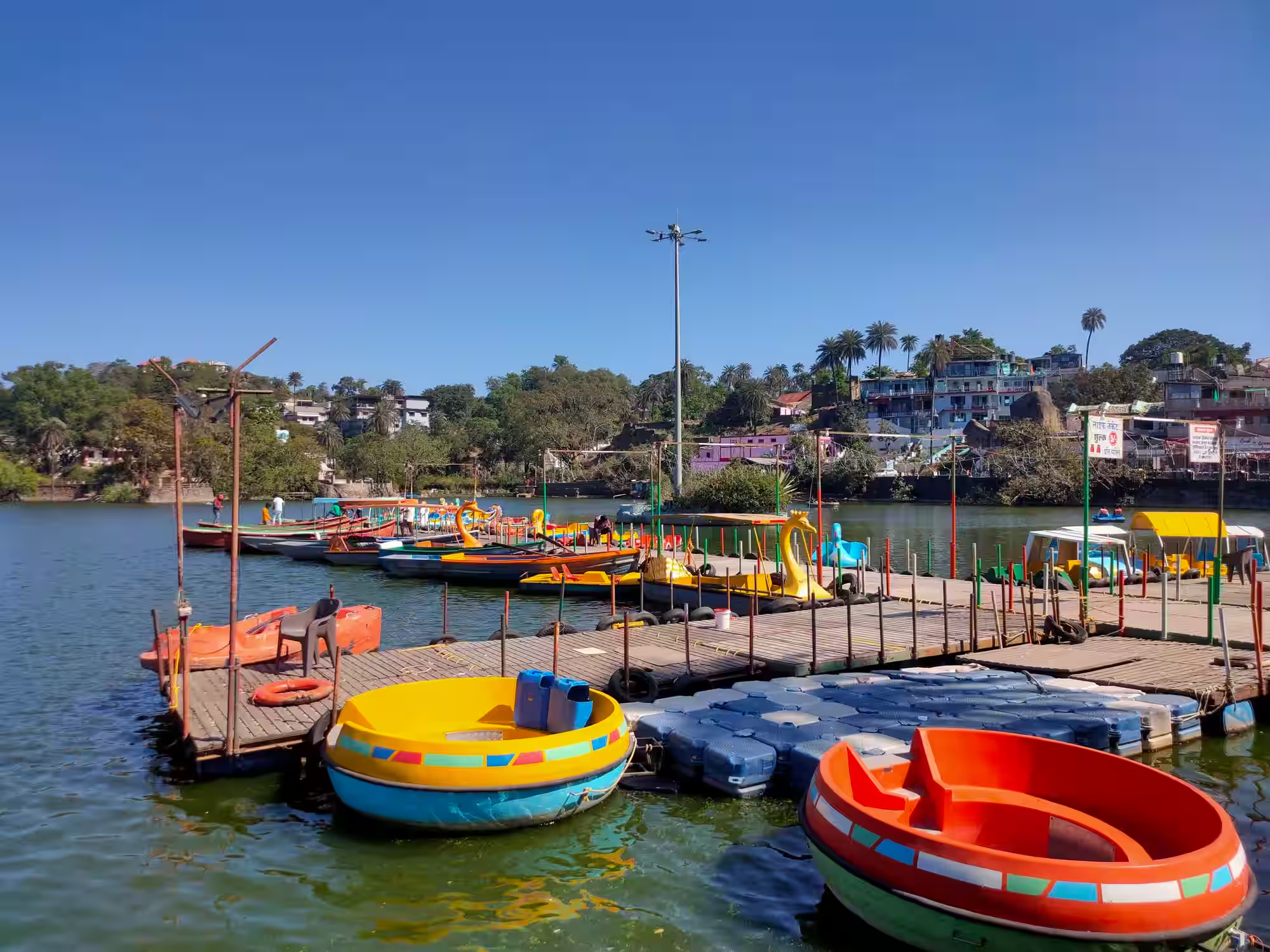 The lake's crystal-clear waters reflect the surrounding hills and create a mesmerizing sight, especially during sunset. Spanning approximately a quarter mile in length and a quarter mile in width, Nakki Lake is surrounded by lush greenery, rocky outcrops, and beautifully landscaped gardens that make it perfect for leisurely walks.
Boating Experience:
One of the most popular activities here is boating. You can choose from paddle boats, rowboats, or the more romantic shikara-style boats that allow you to explore the lake at your own pace. The boating experience is particularly enchanting in the evening when the lake is illuminated, and the surrounding hills create a magical backdrop. Boat rides typically cost between ₹150-300 per person, depending on the type of boat and duration.
Toad Rock:
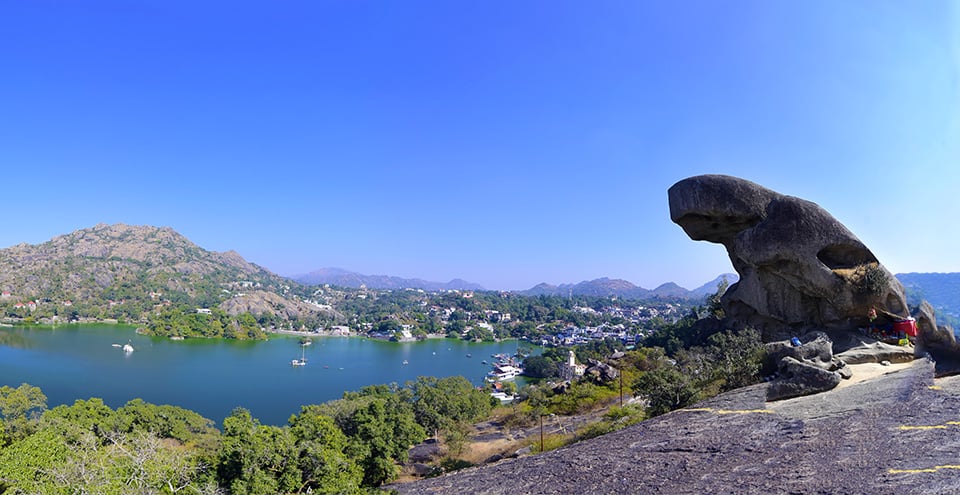
Overlooking Nakki Lake is the famous Toad Rock, a unique rock formation that remarkably resembles a toad about to jump into the lake. It's one of Mount Abu's most photographed landmarks and offers panoramic views of the lake and the town below. The short trek to Toad Rock is worth it for the stunning views and photo opportunities.
Evening Vibes:
The area around Nakki Lake comes alive in the evening, with a bustling market selling souvenirs, handicrafts, and local Rajasthani items. The street food here is exceptional—try the local flavors, piping hot chai, and snacks as you stroll along the lake's promenade. The atmosphere is vibrant, with families, couples, and friends gathering to enjoy the cool breeze and scenic beauty.
Sacred Significance:
Nakki Lake holds great religious significance for Hindus. It is believed that the sage Yajurveda performed penance here, and the lake's waters are considered sacred. During festivals, particularly during the summer festival, the lake becomes the venue for cultural performances and boat races that attract visitors from across the country.
The lake's crystal-clear waters reflect the surrounding hills and create a mesmerizing sight, especially during sunset. Spanning approximately a quarter mile in length and a quarter mile in width, Nakki Lake is surrounded by lush greenery, rocky outcrops, and beautifully landscaped gardens that make it perfect for leisurely walks.
Boating Experience:
One of the most popular activities here is boating. You can choose from paddle boats, rowboats, or the more romantic shikara-style boats that allow you to explore the lake at your own pace. The boating experience is particularly enchanting in the evening when the lake is illuminated, and the surrounding hills create a magical backdrop. Boat rides typically cost between ₹150-300 per person, depending on the type of boat and duration.
Toad Rock:
Overlooking Nakki Lake is the famous Toad Rock, a unique rock formation that remarkably resembles a toad about to jump into the lake. It's one of Mount Abu's most photographed landmarks and offers panoramic views of the lake and the town below. The short trek to Toad Rock is worth it for the stunning views and photo opportunities.
Evening Vibes:
The area around Nakki Lake comes alive in the evening, with a bustling market selling souvenirs, handicrafts, and local Rajasthani items. The street food here is exceptional—try the local flavors, piping hot chai, and snacks as you stroll along the lake's promenade. The atmosphere is vibrant, with families, couples, and friends gathering to enjoy the cool breeze and scenic beauty.
Sacred Significance:
Nakki Lake holds great religious significance for Hindus. It is believed that the sage Yajurveda performed penance here, and the lake's waters are considered sacred. During festivals, particularly during the summer festival, the lake becomes the venue for cultural performances and boat races that attract visitors from across the country.
Dilwara Jain Temples: Architectural Marvel
The Dilwara Jain Temples are, without doubt, the crown jewel of Mount Abu and a testament to the exceptional craftsmanship of ancient Indian artisans. Built between the 11th and 13th centuries, these five magnificent temples are dedicated to Jain Tirthankaras and are renowned worldwide for their extraordinary marble carvings—many experts believe the intricate detail here surpasses even that of the Taj Mahal.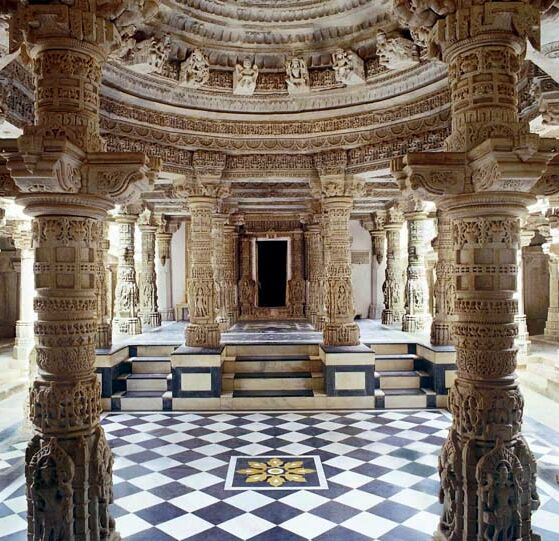 What makes these temples truly remarkable is that they were constructed at an altitude of 1,200 meters, a challenging task considering the period and the transportation limitations of that era. The marble had to be transported from Makrana, over 200 kilometers away, and the precision with which it was carved remains a mystery even today.
The Five Temples:
1. Vimal Vasahi Temple: Dedicated to the first Jain Tirthankara, Adinath, this is the oldest and most famous temple, built in 1031 AD by Vimal Shah, a minister of the Solanki ruler of Gujarat. The temple's ceiling features exquisite lotus flowers, petals, and scenes from Jain and Hindu mythology carved with such precision that they seem almost real.
2. Luna Vasahi Temple: Built in 1230 AD by the brothers Vastupal and Tejpal, this temple is dedicated to the 22nd Tirthankara, Neminath. The hallmark of this temple is the intricate lace-like carving on the marble pillars and the stunning dome featuring 72 figures of Tirthankaras in sitting posture.
3. Pittalhar Temple: This temple houses a massive brass statue of Adinath, standing nearly 2 meters tall and weighing around 4 tons. The temple's simplicity contrasts with the elaborate carvings of the other temples.
4. Parshvanath Temple: Known for its dedication to the 23rd Tirthankara, this temple features beautiful sculptures and carved pillars depicting various scenes from Jain mythology.
5. Mahavir Swami Temple: The smallest of the five, built in 1582 AD, this temple is dedicated to the 24th Tirthankara, Mahavira. Though simple in structure, it features beautiful paintings and carvings.
Architectural Highlights:
The temples feature an incredible level of detail in their carvings. The ceilings are adorned with delicate flower patterns, geometric designs, and scenes from Jain mythology. The pillars are carved with such precision that they appear to be made of lace rather than stone. The doorways feature intricate carvings of dancers, musicians, and celestial beings, each detail executed with microscopic accuracy.
Important Visitor Information:
- Photography: Photography is strictly NOT allowed inside the temples. This rule is strictly enforced to preserve the sanctity of the site and protect the ancient carvings.
- Dress Code: Modest clothing is required. Shorts, short skirts, and revealing attire are not permitted. Leather items (bags, belts, shoes) are also prohibited within the temple complex.
- Timing: The temples are open from 12:00 PM to 3:00 PM for free entry, and from 3:00 PM to 5:00 PM for tourists (small fee applies). Morning hours are reserved for prayers.
- Best Time to Visit: Early morning or late afternoon to avoid crowds and appreciate the intricate carvings in peaceful surroundings.
A visit to the Dilwara Temples is not just about admiring architecture; it's a spiritual experience that transports you to a realm of devotion, artistry, and timeless beauty. The serene atmosphere, combined with the sheer magnificence of the carvings, makes this a must-visit destination.
What makes these temples truly remarkable is that they were constructed at an altitude of 1,200 meters, a challenging task considering the period and the transportation limitations of that era. The marble had to be transported from Makrana, over 200 kilometers away, and the precision with which it was carved remains a mystery even today.
The Five Temples:
1. Vimal Vasahi Temple: Dedicated to the first Jain Tirthankara, Adinath, this is the oldest and most famous temple, built in 1031 AD by Vimal Shah, a minister of the Solanki ruler of Gujarat. The temple's ceiling features exquisite lotus flowers, petals, and scenes from Jain and Hindu mythology carved with such precision that they seem almost real.
2. Luna Vasahi Temple: Built in 1230 AD by the brothers Vastupal and Tejpal, this temple is dedicated to the 22nd Tirthankara, Neminath. The hallmark of this temple is the intricate lace-like carving on the marble pillars and the stunning dome featuring 72 figures of Tirthankaras in sitting posture.
3. Pittalhar Temple: This temple houses a massive brass statue of Adinath, standing nearly 2 meters tall and weighing around 4 tons. The temple's simplicity contrasts with the elaborate carvings of the other temples.
4. Parshvanath Temple: Known for its dedication to the 23rd Tirthankara, this temple features beautiful sculptures and carved pillars depicting various scenes from Jain mythology.
5. Mahavir Swami Temple: The smallest of the five, built in 1582 AD, this temple is dedicated to the 24th Tirthankara, Mahavira. Though simple in structure, it features beautiful paintings and carvings.
Architectural Highlights:
The temples feature an incredible level of detail in their carvings. The ceilings are adorned with delicate flower patterns, geometric designs, and scenes from Jain mythology. The pillars are carved with such precision that they appear to be made of lace rather than stone. The doorways feature intricate carvings of dancers, musicians, and celestial beings, each detail executed with microscopic accuracy.
Important Visitor Information:
- Photography: Photography is strictly NOT allowed inside the temples. This rule is strictly enforced to preserve the sanctity of the site and protect the ancient carvings.
- Dress Code: Modest clothing is required. Shorts, short skirts, and revealing attire are not permitted. Leather items (bags, belts, shoes) are also prohibited within the temple complex.
- Timing: The temples are open from 12:00 PM to 3:00 PM for free entry, and from 3:00 PM to 5:00 PM for tourists (small fee applies). Morning hours are reserved for prayers.
- Best Time to Visit: Early morning or late afternoon to avoid crowds and appreciate the intricate carvings in peaceful surroundings.
A visit to the Dilwara Temples is not just about admiring architecture; it's a spiritual experience that transports you to a realm of devotion, artistry, and timeless beauty. The serene atmosphere, combined with the sheer magnificence of the carvings, makes this a must-visit destination.
Guru Shikhar: Highest Peak of the Aravallis
At an elevation of 1,722 meters (5,650 feet), Guru Shikhar stands as the highest point in the Aravalli Range and offers visitors some of the most spectacular panoramic views in Rajasthan. The name "Guru Shikhar" translates to "the peak of the guru," honoring the memory of Guru Dattatreya, who is believed to have meditated here.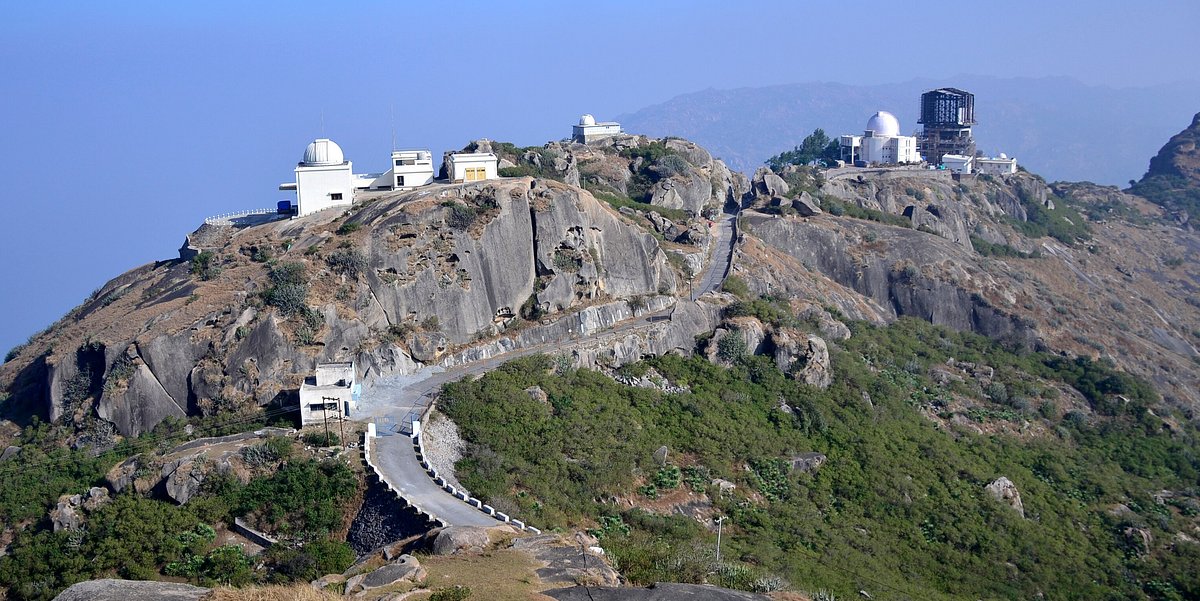 The journey to Guru Shikhar is an adventure in itself. Located approximately 15 kilometers from the main town, the road to the peak winds through the Mount Abu Wildlife Sanctuary, offering glimpses of the region's rich flora and fauna. As you ascend, the temperature drops, and the air becomes crisper, making the drive refreshing and enjoyable.
Dattatreya Temple:
At the summit stands a temple dedicated to Lord Dattatreya, an incarnation of the Hindu trinity—Brahma, Vishnu, and Shiva. The temple, while simple in architecture, holds great religious significance and attracts devotees throughout the year. The serene atmosphere at the top, combined with the distant chanting of prayers and the cool mountain breeze, creates a deeply spiritual experience.
The Views:
The primary attraction of Guru Shikhar is undoubtedly the breathtaking 360-degree view from the summit. On a clear day, you can see miles into the distance, with the rugged Aravalli hills stretching as far as the eye can reach. The view is particularly stunning during sunrise and sunset when the sky is painted in hues of orange and pink, creating a magical atmosphere.
From the peak, you can also see the Dilwara Temples in the distance, Nakki Lake looking like a sparkling gem, and the vast plains of Rajasthan and Gujarat spreading below. The contrast between the green hills of Mount Abu and the arid desert landscape that surrounds it is striking and highlights why this hill station is truly an oasis.
Visiting Tips:
- The best time to visit is early morning (around 6-7 AM) to catch the sunrise and avoid crowds.
- Carry a light jacket or sweater, as it can be quite windy and cool at the top.
- There are a few small shops selling tea, snacks, and souvenirs at the summit.
- If you're interested in photography, the golden hours (sunrise and sunset) offer the best lighting.
How to Reach:
You can reach Guru Shikhar by taxi, private vehicle, or even by trekking if you're feeling adventurous. The road is well-maintained, but it can be narrow and winding in sections. There's parking available near the summit, from where it's a short walk to the temple and viewpoint.
A visit to Guru Shikhar is incomplete without spending some time simply taking in the vastness of the landscape and appreciating the natural beauty of the Aravalli Range. It's a place that puts things in perspective and reminds you of the grandeur of nature.
The journey to Guru Shikhar is an adventure in itself. Located approximately 15 kilometers from the main town, the road to the peak winds through the Mount Abu Wildlife Sanctuary, offering glimpses of the region's rich flora and fauna. As you ascend, the temperature drops, and the air becomes crisper, making the drive refreshing and enjoyable.
Dattatreya Temple:
At the summit stands a temple dedicated to Lord Dattatreya, an incarnation of the Hindu trinity—Brahma, Vishnu, and Shiva. The temple, while simple in architecture, holds great religious significance and attracts devotees throughout the year. The serene atmosphere at the top, combined with the distant chanting of prayers and the cool mountain breeze, creates a deeply spiritual experience.
The Views:
The primary attraction of Guru Shikhar is undoubtedly the breathtaking 360-degree view from the summit. On a clear day, you can see miles into the distance, with the rugged Aravalli hills stretching as far as the eye can reach. The view is particularly stunning during sunrise and sunset when the sky is painted in hues of orange and pink, creating a magical atmosphere.
From the peak, you can also see the Dilwara Temples in the distance, Nakki Lake looking like a sparkling gem, and the vast plains of Rajasthan and Gujarat spreading below. The contrast between the green hills of Mount Abu and the arid desert landscape that surrounds it is striking and highlights why this hill station is truly an oasis.
Visiting Tips:
- The best time to visit is early morning (around 6-7 AM) to catch the sunrise and avoid crowds.
- Carry a light jacket or sweater, as it can be quite windy and cool at the top.
- There are a few small shops selling tea, snacks, and souvenirs at the summit.
- If you're interested in photography, the golden hours (sunrise and sunset) offer the best lighting.
How to Reach:
You can reach Guru Shikhar by taxi, private vehicle, or even by trekking if you're feeling adventurous. The road is well-maintained, but it can be narrow and winding in sections. There's parking available near the summit, from where it's a short walk to the temple and viewpoint.
A visit to Guru Shikhar is incomplete without spending some time simply taking in the vastness of the landscape and appreciating the natural beauty of the Aravalli Range. It's a place that puts things in perspective and reminds you of the grandeur of nature.
Sunset Point & Honeymoon Point: Evening Delights
No visit to Mount Abu is complete without experiencing its famous sunset views, and the town offers not one but several spectacular viewpoints that attract visitors every evening. The most popular among these are Sunset Point and Honeymoon Point, each offering a unique perspective on the natural beauty of the region.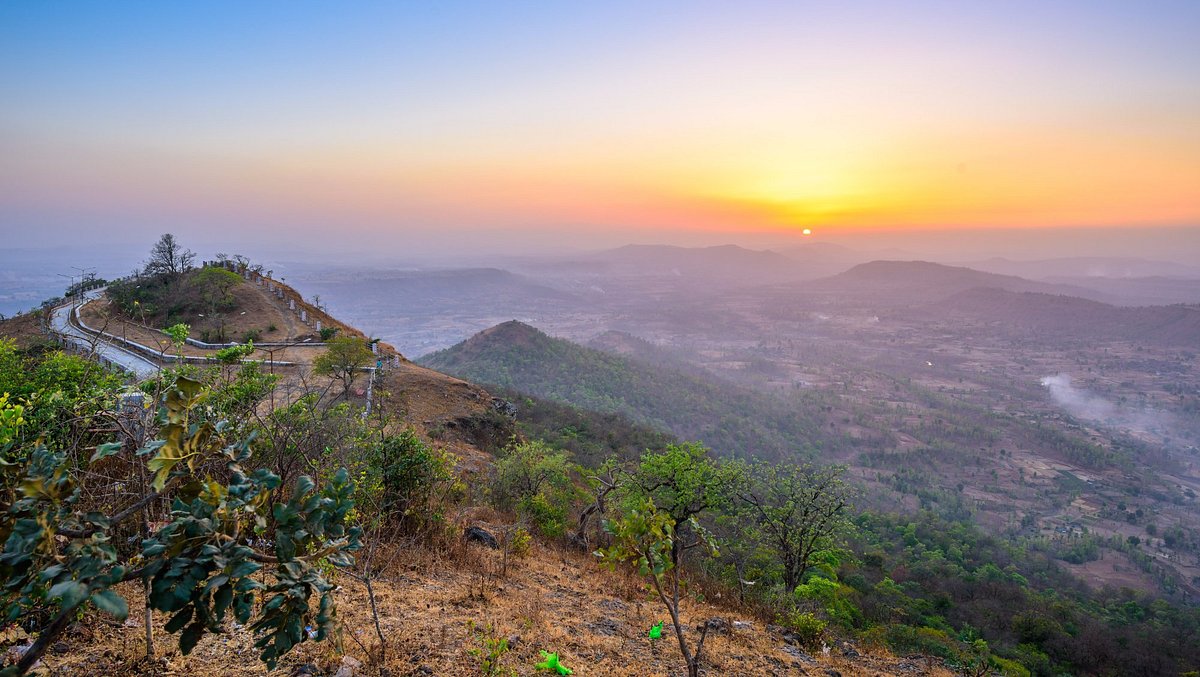 Sunset Point:
Located about 2 kilometers from the main town center, Sunset Point lives up to its name by offering what many consider to be the best sunset views in Rajasthan. The viewpoint is situated on a ridge that overlooks the lush green valleys and rugged hills of the Aravalli Range. As the sun begins its descent, the entire landscape is bathed in golden light, creating a mesmerizing spectacle that draws visitors day after day.
The experience of watching the sunset here is truly magical. The sky transforms through a spectrum of colors—deep blues, fiery oranges, soft pinks, and purples—each moment more beautiful than the last. The silhouettes of the hills against the colorful sky create picture-perfect frames that photographers and nature lovers cherish.
The area around Sunset Point becomes particularly lively in the evening, with small stalls selling tea, snacks, and souvenirs. The atmosphere is festive, with families, couples, and friends gathering to witness nature's daily show. It's also a great place to interact with locals and learn more about the region's culture and traditions.
Honeymoon Point:
Also known as Anadra Point, Honeymoon Point is another popular viewpoint that offers stunning views of the surrounding landscape. The name "Honeymoon Point" reflects the romantic atmosphere of this spot, which is particularly popular among couples. The viewpoint offers panoramic views of the lush green valleys, rocky cliffs, and the distant plains.
What makes Honeymoon Point special is its serene and romantic ambiance. The spot is less crowded than Sunset Point, making it ideal for those seeking a quieter, more intimate experience. The view here is particularly beautiful during the monsoon season when the hills are covered in lush greenery and waterfalls cascade down the cliffs.
Reaching the Viewpoints:
Both Sunset Point and Honeymoon Point are easily accessible from the main town. You can walk to these points (approximately 20-30 minutes from Nakki Lake) through scenic paths that wind through the hills. Alternatively, you can hire a taxi or auto-rickshaw. For those who prefer not to walk, pony rides are also available, adding a touch of traditional charm to the experience.
Best Time to Visit:
The ideal time to visit these viewpoints is about 30-45 minutes before sunset. This gives you time to find a good spot, settle in, and watch as the landscape transforms through the golden hour into twilight. The winter months (October to March) offer particularly clear views, though the experience is magical year-round.
Photography Tips:
- Bring a camera with a good zoom lens to capture the distant hills and valleys.
- The time just after sunset (blue hour) offers beautiful moody shots.
- Include the silhouettes of the hills in your composition for dramatic effect.
- Don't forget to photograph the changing colors of the sky.
Watching the sunset from these points is not just about the visual spectacle; it's about taking a moment to pause, appreciate nature's beauty, and create memories that will last a lifetime. Whether you're with family, friends, or that special someone, the experience is guaranteed to be unforgettable.
Sunset Point:
Located about 2 kilometers from the main town center, Sunset Point lives up to its name by offering what many consider to be the best sunset views in Rajasthan. The viewpoint is situated on a ridge that overlooks the lush green valleys and rugged hills of the Aravalli Range. As the sun begins its descent, the entire landscape is bathed in golden light, creating a mesmerizing spectacle that draws visitors day after day.
The experience of watching the sunset here is truly magical. The sky transforms through a spectrum of colors—deep blues, fiery oranges, soft pinks, and purples—each moment more beautiful than the last. The silhouettes of the hills against the colorful sky create picture-perfect frames that photographers and nature lovers cherish.
The area around Sunset Point becomes particularly lively in the evening, with small stalls selling tea, snacks, and souvenirs. The atmosphere is festive, with families, couples, and friends gathering to witness nature's daily show. It's also a great place to interact with locals and learn more about the region's culture and traditions.
Honeymoon Point:
Also known as Anadra Point, Honeymoon Point is another popular viewpoint that offers stunning views of the surrounding landscape. The name "Honeymoon Point" reflects the romantic atmosphere of this spot, which is particularly popular among couples. The viewpoint offers panoramic views of the lush green valleys, rocky cliffs, and the distant plains.
What makes Honeymoon Point special is its serene and romantic ambiance. The spot is less crowded than Sunset Point, making it ideal for those seeking a quieter, more intimate experience. The view here is particularly beautiful during the monsoon season when the hills are covered in lush greenery and waterfalls cascade down the cliffs.
Reaching the Viewpoints:
Both Sunset Point and Honeymoon Point are easily accessible from the main town. You can walk to these points (approximately 20-30 minutes from Nakki Lake) through scenic paths that wind through the hills. Alternatively, you can hire a taxi or auto-rickshaw. For those who prefer not to walk, pony rides are also available, adding a touch of traditional charm to the experience.
Best Time to Visit:
The ideal time to visit these viewpoints is about 30-45 minutes before sunset. This gives you time to find a good spot, settle in, and watch as the landscape transforms through the golden hour into twilight. The winter months (October to March) offer particularly clear views, though the experience is magical year-round.
Photography Tips:
- Bring a camera with a good zoom lens to capture the distant hills and valleys.
- The time just after sunset (blue hour) offers beautiful moody shots.
- Include the silhouettes of the hills in your composition for dramatic effect.
- Don't forget to photograph the changing colors of the sky.
Watching the sunset from these points is not just about the visual spectacle; it's about taking a moment to pause, appreciate nature's beauty, and create memories that will last a lifetime. Whether you're with family, friends, or that special someone, the experience is guaranteed to be unforgettable.
Achalgarh Fort: Historical Legacy
Perched on a hilltop approximately 11 kilometers from the main town of Mount Abu, Achalgarh Fort stands as a testament to the region's rich history and architectural heritage. Built in the 14th century by Rana Kumbha of Mewar, one of the most powerful rulers of the Mewar dynasty, this fort offers a fascinating glimpse into Rajasthan's martial past and strategic importance.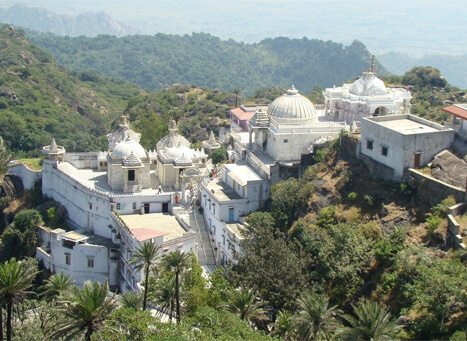 Historical Significance:
Achalgarh Fort was strategically built to protect the region from invasions and served as an important military outpost for the Mewar kingdom. The fort's location on a hilltop provided a natural advantage, offering panoramic views of the surrounding area and making it easier to spot approaching enemies. Over the centuries, the fort witnessed numerous battles and changed hands several times, each chapter adding to its rich historical tapestry.
Today, while much of the fort lies in ruins, what remains is still impressive and evocative. The massive fortification walls, some of which are several meters thick, speak to the fort's former glory and the military prowess of its builders. Walking through the ruins, you can almost imagine the soldiers who once stood guard here and the battles that were fought for control of this strategic position.
Achaleshwar Mahadev Temple:
Within the fort complex lies the Achaleshwar Mahadev Temple, dedicated to Lord Shiva. This temple is particularly unique and holds great religious significance. According to legend, the temple houses a toe of Lord Shiva, making it a sacred pilgrimage site for devotees.
The temple features a magnificent Nandi (Lord Shiva's bull) statue carved from a single rock, which is one of the largest of its kind in India. The statue is impressive not just for its size but for the fine craftsmanship evident in its details. The temple's architecture is simple yet elegant, and the peaceful atmosphere within its walls provides a stark contrast to the fort's martial history.
Scenic Beauty:
Beyond its historical and religious significance, Achalgarh Fort offers stunning views of the surrounding landscape. From the fort's ramparts, you can see the lush green valleys, rocky hills, and distant plains that characterize this region. The view is particularly beautiful during the monsoon season when the hills are covered in verdant greenery and waterfalls cascade down the cliffs.
Mandakini Lake:
Near the fort is the picturesque Mandakini Lake, a serene waterbody surrounded by hills. According to local legend, this lake was created by the gods and holds spiritual significance. The lake's calm waters reflect the surrounding hills, creating beautiful reflections that are perfect for photography. It's a peaceful spot to sit and contemplate, far from the crowds of the main tourist areas.
Visitor Information:
- The fort is open from sunrise to sunset, and there's no entry fee.
- The best time to visit is early morning or late afternoon to avoid the heat and enjoy pleasant lighting.
- Wear comfortable walking shoes as exploring the fort involves walking on uneven surfaces and climbing stairs.
- Carry water, especially during the summer months.
- The fort can be reached by taxi or private vehicle. The road is scenic but narrow in sections.
Exploring the Fort:
Plan to spend about 1-2 hours exploring Achalgarh Fort and the surrounding area. Start with the fort itself, walking through the massive gates and along the fortification walls. Visit the Achaleshwar Mahadev Temple and spend some time in peaceful contemplation. Then, make your way to Mandakini Lake and enjoy the serene atmosphere.
For those interested in history and architecture, Achalgarh Fort is a fascinating destination that offers insights into Rajasthan's rich heritage. For nature lovers, the scenic beauty and peaceful atmosphere make it worth the visit. And for those seeking spiritual experiences, the ancient temple and sacred lake provide a tranquil retreat.
Historical Significance:
Achalgarh Fort was strategically built to protect the region from invasions and served as an important military outpost for the Mewar kingdom. The fort's location on a hilltop provided a natural advantage, offering panoramic views of the surrounding area and making it easier to spot approaching enemies. Over the centuries, the fort witnessed numerous battles and changed hands several times, each chapter adding to its rich historical tapestry.
Today, while much of the fort lies in ruins, what remains is still impressive and evocative. The massive fortification walls, some of which are several meters thick, speak to the fort's former glory and the military prowess of its builders. Walking through the ruins, you can almost imagine the soldiers who once stood guard here and the battles that were fought for control of this strategic position.
Achaleshwar Mahadev Temple:
Within the fort complex lies the Achaleshwar Mahadev Temple, dedicated to Lord Shiva. This temple is particularly unique and holds great religious significance. According to legend, the temple houses a toe of Lord Shiva, making it a sacred pilgrimage site for devotees.
The temple features a magnificent Nandi (Lord Shiva's bull) statue carved from a single rock, which is one of the largest of its kind in India. The statue is impressive not just for its size but for the fine craftsmanship evident in its details. The temple's architecture is simple yet elegant, and the peaceful atmosphere within its walls provides a stark contrast to the fort's martial history.
Scenic Beauty:
Beyond its historical and religious significance, Achalgarh Fort offers stunning views of the surrounding landscape. From the fort's ramparts, you can see the lush green valleys, rocky hills, and distant plains that characterize this region. The view is particularly beautiful during the monsoon season when the hills are covered in verdant greenery and waterfalls cascade down the cliffs.
Mandakini Lake:
Near the fort is the picturesque Mandakini Lake, a serene waterbody surrounded by hills. According to local legend, this lake was created by the gods and holds spiritual significance. The lake's calm waters reflect the surrounding hills, creating beautiful reflections that are perfect for photography. It's a peaceful spot to sit and contemplate, far from the crowds of the main tourist areas.
Visitor Information:
- The fort is open from sunrise to sunset, and there's no entry fee.
- The best time to visit is early morning or late afternoon to avoid the heat and enjoy pleasant lighting.
- Wear comfortable walking shoes as exploring the fort involves walking on uneven surfaces and climbing stairs.
- Carry water, especially during the summer months.
- The fort can be reached by taxi or private vehicle. The road is scenic but narrow in sections.
Exploring the Fort:
Plan to spend about 1-2 hours exploring Achalgarh Fort and the surrounding area. Start with the fort itself, walking through the massive gates and along the fortification walls. Visit the Achaleshwar Mahadev Temple and spend some time in peaceful contemplation. Then, make your way to Mandakini Lake and enjoy the serene atmosphere.
For those interested in history and architecture, Achalgarh Fort is a fascinating destination that offers insights into Rajasthan's rich heritage. For nature lovers, the scenic beauty and peaceful atmosphere make it worth the visit. And for those seeking spiritual experiences, the ancient temple and sacred lake provide a tranquil retreat.
Mount Abu Wildlife Sanctuary: Nature's Paradise
Spread across an area of 288 square kilometers, the Mount Abu Wildlife Sanctuary is one of the oldest protected areas in Rajasthan, established in 1960. The sanctuary encompasses the entire mountain range of Mount Abu and is home to a remarkable diversity of flora and fauna, making it a paradise for nature enthusiasts, wildlife photographers, and trekkers.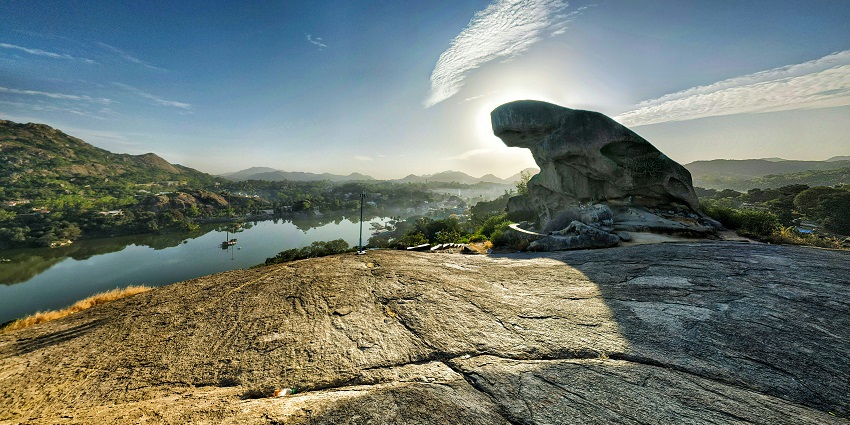 Biodiversity:
The sanctuary's unique location—at the junction of the Aravalli Range and the Deccan Plateau—creates a distinctive ecosystem that supports a wide variety of species. The terrain is rugged and hilly, with altitudes ranging from 300 meters to 1,722 meters (Guru Shikhar), creating diverse habitats that support different types of wildlife.
Flora:
The sanctuary is home to over 820 plant species, making it a botanist's dream. The vegetation ranges from subtropical thorn forests in the lower elevations to temperate deciduous forests at higher altitudes. You'll find species like dhok, khair, salar, and bamboo dominating the landscape. During the monsoon season, the sanctuary bursts into color with a variety of flowering plants, including the famous orchids that grow in the higher, more humid regions.
One of the sanctuary's most famous botanical attractions is the Mount Abu rose, which grows exclusively in this region. The sanctuary also has several medicinal plants, many of which are used by local communities for traditional healing.
Wildlife:
While sightings are not guaranteed due to the dense forest cover, the sanctuary is home to a variety of animal species. The most commonly sighted animals include langurs (the gray langur is particularly abundant here), wild boar, sambar deer, chinkara, and Indian hare. The sanctuary also has a population of leopards, though these elusive cats are rarely seen.
Birdwatchers will find much to appreciate here, with over 250 bird species recorded in the sanctuary. Common sightings include parakeets, bulbuls, babblers, sunbirds, and birds of prey like the crested serpent eagle. During the winter months, migratory birds add to the diversity, making it an excellent destination for birdwatching.
Trevor's Tank:
One of the most popular attractions within the sanctuary is Trevor's Tank, a man-made reservoir named after the British officer who commissioned it. This beautiful spot is surrounded by hills and forests, creating a serene and picturesque setting. The tank is particularly popular for birdwatching, and crocodiles can sometimes be spotted in its waters.
Trevor's Tank is also a great spot for a peaceful picnic, and there's a small temple nearby dedicated to Lord Shiva. The area around the tank is easily accessible and makes for a pleasant half-day trip, especially for those interested in nature and photography.
Activities and Experiences:
- Trekking: The sanctuary offers numerous trekking trails of varying difficulty levels, from easy walks to challenging hikes. The trails take you through diverse landscapes, from dense forests to rocky outcrops, offering different perspectives on the sanctuary's natural beauty.
- Wildlife Photography: With its diverse wildlife and stunning landscapes, the sanctuary is a fantastic destination for wildlife photographers. Early morning and late afternoon are the best times for photography, when animals are most active and the light is soft and golden.
- Nature Walks: For those who prefer a more relaxed pace, nature walks are an excellent way to explore the sanctuary. Guided walks are available, and local guides can help you spot wildlife and identify different plant species.
- Camping: Camping is permitted in designated areas of the sanctuary, allowing you to spend the night under the stars and experience the forest after dark. The sounds of the forest at night—the calls of nocturnal birds, the rustling of leaves—create a magical atmosphere.
Best Time to Visit:
The sanctuary is at its most beautiful during the monsoon season (July to September), when the entire region is lush and green. However, wildlife sightings are more common in the summer months (March to June), when animals come out in search of water. The winter months (October to February) offer pleasant weather for trekking and outdoor activities.
Visitor Tips:
- Wear comfortable walking shoes with good grip, as the terrain can be uneven.
- Carry sufficient water, especially if you're planning a longer trek.
- Wear neutral-colored clothing to increase your chances of wildlife sightings.
- Hire a local guide for a richer experience—they know the best spots for wildlife sightings and can share interesting information about the sanctuary's ecosystem.
- Be patient and quiet—wildlife is more likely to reveal itself to calm, quiet observers.
Visiting the Mount Abu Wildlife Sanctuary offers a different perspective on the region, one that focuses on its natural heritage rather than its historical or religious significance. It's a reminder of the importance of conservation and the need to protect these precious ecosystems for future generations.
Biodiversity:
The sanctuary's unique location—at the junction of the Aravalli Range and the Deccan Plateau—creates a distinctive ecosystem that supports a wide variety of species. The terrain is rugged and hilly, with altitudes ranging from 300 meters to 1,722 meters (Guru Shikhar), creating diverse habitats that support different types of wildlife.
Flora:
The sanctuary is home to over 820 plant species, making it a botanist's dream. The vegetation ranges from subtropical thorn forests in the lower elevations to temperate deciduous forests at higher altitudes. You'll find species like dhok, khair, salar, and bamboo dominating the landscape. During the monsoon season, the sanctuary bursts into color with a variety of flowering plants, including the famous orchids that grow in the higher, more humid regions.
One of the sanctuary's most famous botanical attractions is the Mount Abu rose, which grows exclusively in this region. The sanctuary also has several medicinal plants, many of which are used by local communities for traditional healing.
Wildlife:
While sightings are not guaranteed due to the dense forest cover, the sanctuary is home to a variety of animal species. The most commonly sighted animals include langurs (the gray langur is particularly abundant here), wild boar, sambar deer, chinkara, and Indian hare. The sanctuary also has a population of leopards, though these elusive cats are rarely seen.
Birdwatchers will find much to appreciate here, with over 250 bird species recorded in the sanctuary. Common sightings include parakeets, bulbuls, babblers, sunbirds, and birds of prey like the crested serpent eagle. During the winter months, migratory birds add to the diversity, making it an excellent destination for birdwatching.
Trevor's Tank:
One of the most popular attractions within the sanctuary is Trevor's Tank, a man-made reservoir named after the British officer who commissioned it. This beautiful spot is surrounded by hills and forests, creating a serene and picturesque setting. The tank is particularly popular for birdwatching, and crocodiles can sometimes be spotted in its waters.
Trevor's Tank is also a great spot for a peaceful picnic, and there's a small temple nearby dedicated to Lord Shiva. The area around the tank is easily accessible and makes for a pleasant half-day trip, especially for those interested in nature and photography.
Activities and Experiences:
- Trekking: The sanctuary offers numerous trekking trails of varying difficulty levels, from easy walks to challenging hikes. The trails take you through diverse landscapes, from dense forests to rocky outcrops, offering different perspectives on the sanctuary's natural beauty.
- Wildlife Photography: With its diverse wildlife and stunning landscapes, the sanctuary is a fantastic destination for wildlife photographers. Early morning and late afternoon are the best times for photography, when animals are most active and the light is soft and golden.
- Nature Walks: For those who prefer a more relaxed pace, nature walks are an excellent way to explore the sanctuary. Guided walks are available, and local guides can help you spot wildlife and identify different plant species.
- Camping: Camping is permitted in designated areas of the sanctuary, allowing you to spend the night under the stars and experience the forest after dark. The sounds of the forest at night—the calls of nocturnal birds, the rustling of leaves—create a magical atmosphere.
Best Time to Visit:
The sanctuary is at its most beautiful during the monsoon season (July to September), when the entire region is lush and green. However, wildlife sightings are more common in the summer months (March to June), when animals come out in search of water. The winter months (October to February) offer pleasant weather for trekking and outdoor activities.
Visitor Tips:
- Wear comfortable walking shoes with good grip, as the terrain can be uneven.
- Carry sufficient water, especially if you're planning a longer trek.
- Wear neutral-colored clothing to increase your chances of wildlife sightings.
- Hire a local guide for a richer experience—they know the best spots for wildlife sightings and can share interesting information about the sanctuary's ecosystem.
- Be patient and quiet—wildlife is more likely to reveal itself to calm, quiet observers.
Visiting the Mount Abu Wildlife Sanctuary offers a different perspective on the region, one that focuses on its natural heritage rather than its historical or religious significance. It's a reminder of the importance of conservation and the need to protect these precious ecosystems for future generations.
Best Time to Visit Mount Abu
Mount Abu's pleasant climate makes it a year-round destination, but different seasons offer different experiences, and the best time to visit depends on what you're looking for—whether it's ideal weather for sightseeing, lush green landscapes, or a quiet, crowd-free experience.| Season | Months | Temperature Range | Pros | Cons |
|---|---|---|---|---|
| Winter | October - March | 12°C - 25°C | Ideal weather, perfect for sightseeing and outdoor activities | Peak tourist season, higher prices, more crowds |
| Summer | April - June | 22°C - 33°C | Pleasant weather compared to rest of Rajasthan, fewer tourists | Can get warm during the day |
| Monsoon | July - September | 18°C - 28°C | Lush green landscapes, waterfalls, lowest prices | Heavy rainfall can disrupt travel plans |
How to Reach Mount Abu
Mount Abu is well-connected to major cities in Rajasthan and neighboring states, making it accessible by road, rail, and air. Here's a comprehensive guide on how to reach this beautiful hill station. By Air: The nearest airport is the Maharana Pratap Airport in Udaipur, located approximately 185 kilometers (115 miles) from Mount Abu. The airport is well-connected to major Indian cities including Delhi, Mumbai, Jaipur, and Ahmedabad. From the airport, you can hire a taxi or take a bus to Mount Abu; the journey takes about 3.5-4 hours by road. Alternatively, you can fly into the Sardar Vallabhbhai Patel International Airport in Ahmedabad, which is approximately 225 kilometers (140 miles) away. Ahmedabad has better flight connectivity and more options, particularly if you're coming from international destinations or major metros. The drive from Ahmedabad to Mount Abu takes about 4-5 hours. By Rail: The nearest railway station is Abu Road Railway Station, located approximately 27 kilometers (17 miles) from Mount Abu down in the plains. Abu Road is well-connected to major cities like Delhi, Mumbai, Jaipur, Ahmedabad, and Jodhpur via regular trains. Some popular trains that connect to Abu Road include: - Delhi to Abu Road: Ashram Express, Chetak Express - Mumbai to Abu Road: Aravali Express, Pune Jaipur Express - Ahmedabad to Abu Road: Jaipur Passenger, Intercity Express From Abu Road Railway Station, you can take a taxi (₹500-700) or a shared jeep (₹50-100 per person) to Mount Abu. The journey takes about 45-60 minutes and involves a scenic uphill drive through the mountains. There are also regular state transport buses that ply between Abu Road and Mount Abu. By Road: Mount Abu is well-connected by road, and the journey through the Aravalli hills is scenic and enjoyable. National Highway 27 connects Mount Abu to major cities in Rajasthan and Gujarat. Distance from Major Cities: - Udaipur: 185 km (3.5 hours) - Ahmedabad: 225 km (4.5 hours) - Jaipur: 490 km (8 hours) - Jodhpur: 320 km (6 hours) - Delhi: 750 km (13-14 hours) - Mumbai: 780 km (14 hours) You can drive to Mount Abu, hire a taxi, or take a state-run or private bus. Rajasthan Roadways and Gujarat State Transport operate regular buses to Mount Abu from various cities. Private buses, including luxury Volvo coaches, are also available, particularly from Ahmedabad and Udaipur. Getting Around in Mount Abu: Once in Mount Abu, the town is compact and most attractions are within a 5-10 kilometer radius. You can explore the town on foot, especially the areas around Nakki Lake and the main market. For attractions farther away, like Guru Shikhar and Achalgarh Fort, you'll need to hire a taxi or auto-rickshaw. Taxis are available for half-day or full-day sightseeing tours, and this is often the most convenient option if you want to cover multiple attractions in a day. Pony rides are also available to Sunset Point and Honeymoon Point, adding a traditional touch to your experience.Where to Stay in Mount Abu
Mount Abu offers a wide range of accommodation options to suit every budget, from luxury heritage hotels to budget guesthouses and homestays. The town's compact size means that most hotels are conveniently located, with easy access to the main attractions. Luxury Hotels: For those seeking a luxurious stay, there are several heritage properties and modern luxury hotels that offer excellent facilities, stunning views, and impeccable service. These hotels often feature colonial-era architecture, beautifully landscaped gardens, and restaurants serving both local and international cuisine. The area around Nakki Lake has some of the most prestigious properties, offering lake views and easy access to the town center. These hotels are particularly popular during the peak winter season, so advance booking is essential. Budget and Mid-Range Options: Mount Abu has numerous budget hotels and guesthouses that offer clean, comfortable accommodation at reasonable rates. These are concentrated in the main market area and around Nakki Lake, making them convenient for exploring the town on foot. Many of these properties offer stunning views of the surrounding hills and provide basic amenities like attached bathrooms, hot water, and room service. Some also have in-house restaurants serving delicious Rajasthani cuisine. Homestays: For a more authentic experience, consider staying in a homestay. These are typically family-run establishments that offer comfortable rooms, home-cooked meals, and a glimpse into the local way of life. Homestays are particularly popular among solo travelers and families who want a more personal experience. Booking Tips: - Book well in advance if you're visiting during the peak winter season (December-January) or during festivals. - If you're visiting during the monsoon or summer, you may be able to negotiate better rates, especially for longer stays. - Check if the hotel offers parking if you're driving to Mount Abu. - Consider booking a hotel with a view—the sunrises and sunsets over the hills are spectacular.Local Cuisine and What to Eat
No trip to Mount Abu is complete without sampling the local cuisine, which reflects the rich culinary traditions of Rajasthan. The food here is predominantly vegetarian, influenced by Jain traditions and the scarcity of water in the region, which historically shaped the cooking methods. Must-Try Dishes: - Dal Baati Churma: Rajasthan's most famous dish, consisting of lentil curry (dal), hard wheat rolls (baati), and sweet crushed wheat (churma). It's a hearty meal that's particularly satisfying in the cooler weather. - Gatte ki Sabzi: Gram flour dumplings cooked in a spicy yogurt-based curry. This dish showcases the ingenuity of Rajasthani cooking, which developed recipes that require minimal water. - Ker Sangri: A unique dish made from desert berries (ker) and dried beans (sangri), cooked with spices. It's an acquired taste but offers an authentic flavor of the region. - Pyaaz Kachori: Deep-fried pastries filled with spiced onions. These are perfect for breakfast or as a snack, especially when paired with hot chai. - Mawa Kachori: A sweet version of the kachori, filled with reduced milk (mawa) and sugar syrup. It's a popular dessert that originated in Jodhpur but is widely available in Mount Abu. Where to Eat: The main market area around Nakki Lake has numerous restaurants and street food stalls. For a fine dining experience, the restaurants in luxury hotels offer both Rajasthani and international cuisine. For authentic local flavors, try the smaller restaurants frequented by locals—they often serve the most delicious and authentic food. Beverages: Don't miss the masala chai, which is especially enjoyable in Mount Abu's cool climate. During the winter months, hot milk with saffron and nuts (kund) is a popular beverage. If you're visiting during the summer, fresh fruit juices and lassi are refreshing options.Conclusion: A Hill Station Like No Other
Mount Abu is a destination that defies expectations. In a state known for its deserts, forts, and palaces, this hill station offers a completely different experience—one of lush green hills, serene lakes, ancient temples, and a climate that's pleasant year-round. It's a place where nature, history, and spirituality come together to create an experience that's both rejuvenating and inspiring. What makes Mount Abu truly special is its diversity. Within a short radius, you can marvel at the intricate marble carvings of the Dilwara Temples, enjoy a peaceful boat ride on the sacred Nakki Lake, trek to the highest point of the Aravalli Range at Guru Shikhar, and watch spectacular sunsets paint the sky in brilliant colors. Each attraction offers a different experience, yet together they create a cohesive whole that is uniquely Mount Abu. For history enthusiasts, the Dilwara Temples and Achalgarh Fort offer glimpses into the region's rich past. For nature lovers, the wildlife sanctuary and numerous viewpoints provide opportunities to connect with nature. For spiritual seekers, the ancient temples and sacred sites offer spaces for contemplation and peace. And for everyone, the simple pleasure of boating on Nakki Lake or watching a sunset from Sunset Point creates memories that last a lifetime. As you explore Mount Abu, take the time to slow down and appreciate the little things—the call of a bird in the sanctuary, the intricate carving on a temple pillar, the reflection of the hills in Nakki Lake, the taste of authentic Rajasthani cuisine. It's these moments, these small experiences, that truly capture the essence of this magical hill station. Whether you're visiting for a weekend getaway or a longer vacation, traveling solo, with family, or with that special someone, Mount Abu promises an experience that will refresh your mind, rejuvenate your body, and inspire your spirit. It's not just a destination—it's an escape from the ordinary, a chance to experience something different, and a reminder of the incredible diversity of India's landscapes and cultures. So pack your bags, head to Rajasthan's only hill station, and discover for yourself why Mount Abu has been captivating travelers for centuries. The oasis in the desert awaits.Location
Frequently Asked Questions
Q1.How many days are enough to visit Mount Abu?
A 2-3 day trip is ideal to cover the main attractions of Mount Abu at a leisurely pace. This allows you to explore Nakki Lake, visit the Dilwara Temples, hike to Sunset Point and Guru Shikhar, and spend time in the wildlife sanctuary. If you're interested in extensive trekking or want to relax and soak in the hill station atmosphere, consider staying for 4-5 days.
Q2.What is the best time to visit Mount Abu?
The best time to visit Mount Abu is during the winter months from October to March, when the weather is pleasant with temperatures ranging from 12°C to 25°C. This is ideal for sightseeing and outdoor activities. Monsoon (July-September) offers lush greenery but heavy rainfall, while summer (April-June) is less crowded but can get warm during the day.
Q3.Is photography allowed inside Dilwara Temples?
No, photography is strictly prohibited inside the Dilwara Temples. This rule is strictly enforced to preserve the sanctity of the site and protect the ancient marble carvings. You must also leave behind leather items (bags, belts, shoes) before entering the temple complex. The best way to experience these temples is to observe the intricate details with your own eyes and create mental memories.
Q4.Can we swim in Nakki Lake?
No, swimming is not allowed in Nakki Lake. The lake is considered sacred, and only boating activities are permitted. You can enjoy paddle boats, rowboats, or shikara-style boats to explore the lake. Boating is available from 9:00 AM to 6:00 PM, and rates typically range from ₹150-300 per person depending on the boat type and duration.
Q5.How do I reach Guru Shikhar from Mount Abu town?
Guru Shikhar is located approximately 15 kilometers from the main town. You can reach it by taxi, private vehicle, or even by trekking if you're feeling adventurous. The road winds through the Mount Abu Wildlife Sanctuary and is well-maintained but narrow in sections. Taxis charge around ₹600-800 for a round trip. There's parking near the summit, from where it's a short walk to the temple and viewpoint.
Q6.What is the nearest railway station to Mount Abu?
The nearest railway station is Abu Road Railway Station, located approximately 27 kilometers (17 miles) from Mount Abu. It's well-connected to major cities like Delhi, Mumbai, Jaipur, and Ahmedabad. From Abu Road, you can take a taxi (₹500-700) or shared jeep (₹50-100) for the 45-60 minute uphill drive to Mount Abu.
Q7.Is Mount Abu safe for couples?
Yes, Mount Abu is considered safe for couples. It's a popular honeymoon destination and has a romantic, peaceful atmosphere. Places like Honeymoon Point and Sunset Point are particularly popular among couples. The town is generally safe, but like any tourist destination, it's advisable to exercise basic precautions and respect local customs and sentiments.
Q8.Is it very cold in Mount Abu during winter?
Mount Abu experiences pleasant winter weather, with daytime temperatures around 20-25°C and cool evenings that can drop to 12°C. It's not extremely cold, but you should carry light woolens, especially for early mornings and evenings. The cool climate is actually one of the reasons it's such a popular destination during the winter months.
Q9.What is Mount Abu famous for?
Mount Abu is famous for being Rajasthan's only hill station, offering a cool escape from the desert heat. Key attractions include the sacred Nakki Lake (legend says it was dug by gods with their nails), the magnificent Dilwara Jain Temples with intricate marble carvings, Guru Shikhar (highest point in the Aravalli Range at 1,722 meters), and stunning sunset viewpoints. It's also known for the Mount Abu Wildlife Sanctuary and its pleasant year-round climate.
Q10.Are there any trekking trails in Mount Abu?
Yes, Mount Abu offers excellent trekking opportunities, particularly within the Mount Abu Wildlife Sanctuary. Trails range from easy walks to challenging hikes, taking you through diverse landscapes from dense forests to rocky outcrops. Popular treks include the trail to Guru Shikhar, walks to Sunset Point and Honeymoon Point, and nature trails in the sanctuary. The monsoon season offers particularly lush green landscapes but trails can be slippery.
Q11.What should I wear when visiting Mount Abu?
For winter (October-March), carry light woolens or jackets for early mornings and evenings. During summer, light cotton clothing is comfortable, but carry a light jacket for air-conditioned venues and cool evenings. For monsoon visits, pack rain gear and waterproof shoes with good grip for walking. Wear comfortable walking shoes as exploring involves walking on uneven surfaces, especially at attractions like Achalgarh Fort and viewpoints. When visiting Dilwara Temples, wear modest clothing covering shoulders and knees.
Q12.Is Mount Abu worth visiting?
Absolutely! Mount Abu offers a unique experience as Rajasthan's only hill station. It's particularly worth visiting if you want to escape the desert heat, explore magnificent Jain temples at Dilwara, enjoy peaceful boating on sacred Nakki Lake, witness spectacular sunsets, and experience a different side of Rajasthan beyond deserts and forts. The combination of natural beauty, spiritual sites, historical attractions, and pleasant climate makes it a versatile destination appealing to different types of travelers.
Recommended For You
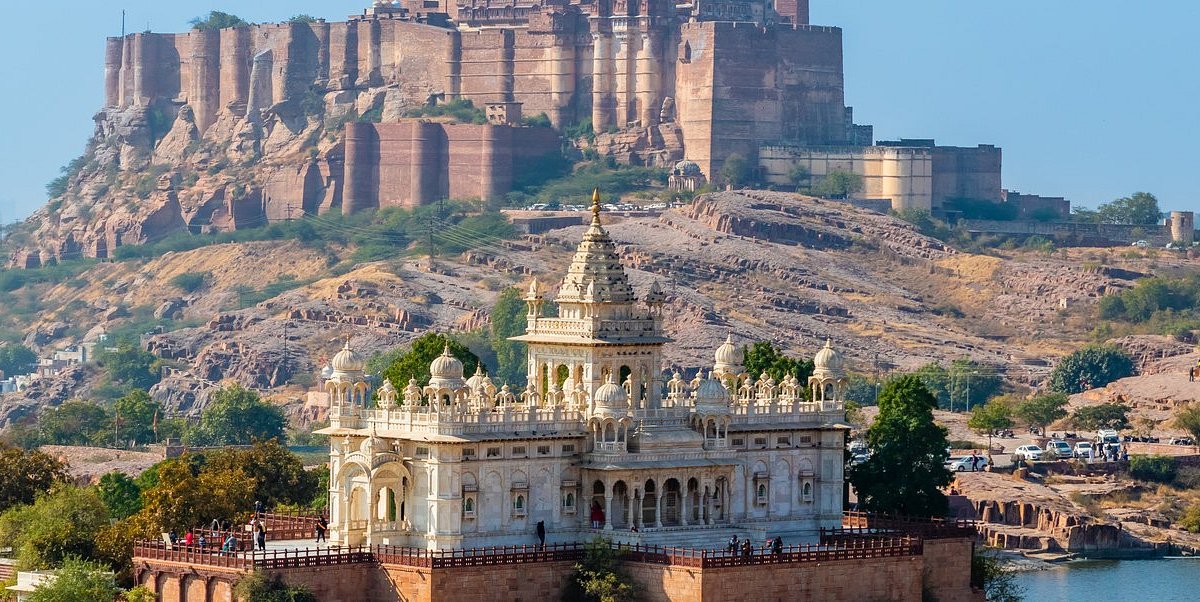
Adventure
Things to Do in Rajasthan: Desert, Heritage & Cultural Experiences
Discover 50 amazing things to do in Rajasthan - explore forts, palaces, deserts, culture & cuisine. Complete guide with timings, fees & tips for 2026.
Feb 20Read More
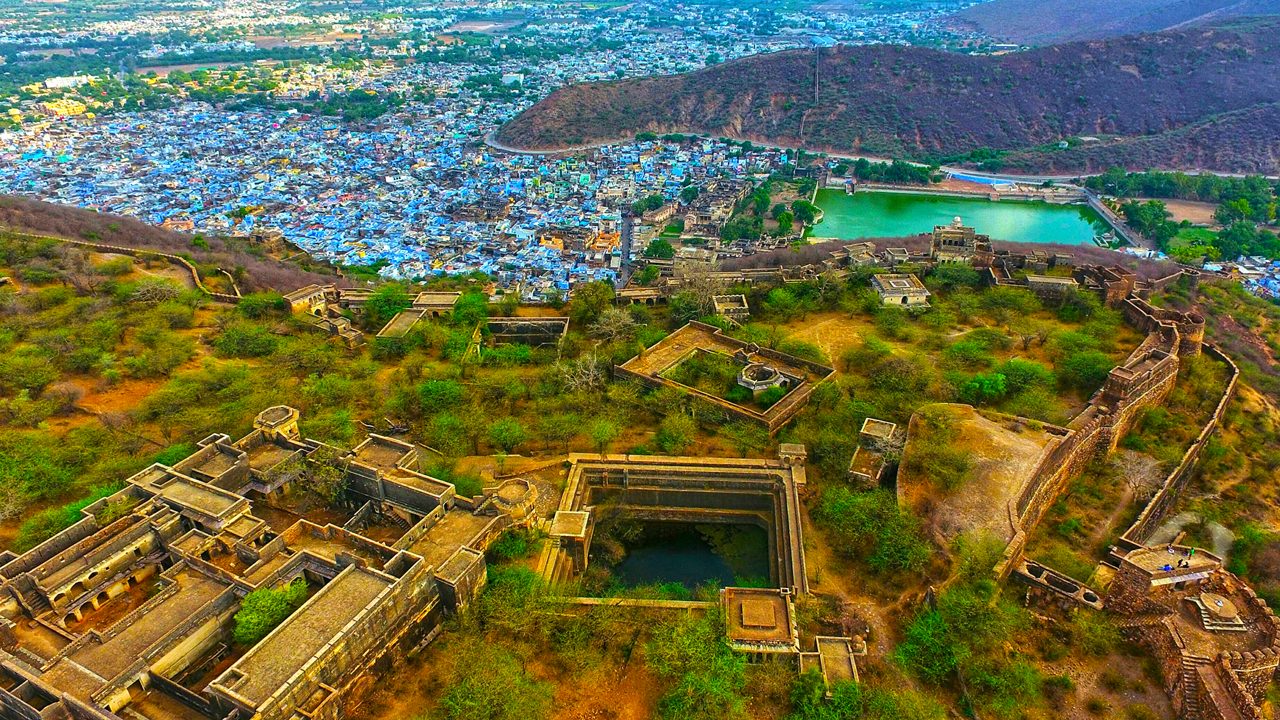
City Guides
Best Time to Visit Rajasthan: Weather by City & Ideal Travel Months
Plan the best time to visit Rajasthan with season-wise weather, month-by-month insights, activity timing, festival impact, and smart itinerary guidance.
Feb 18Read More
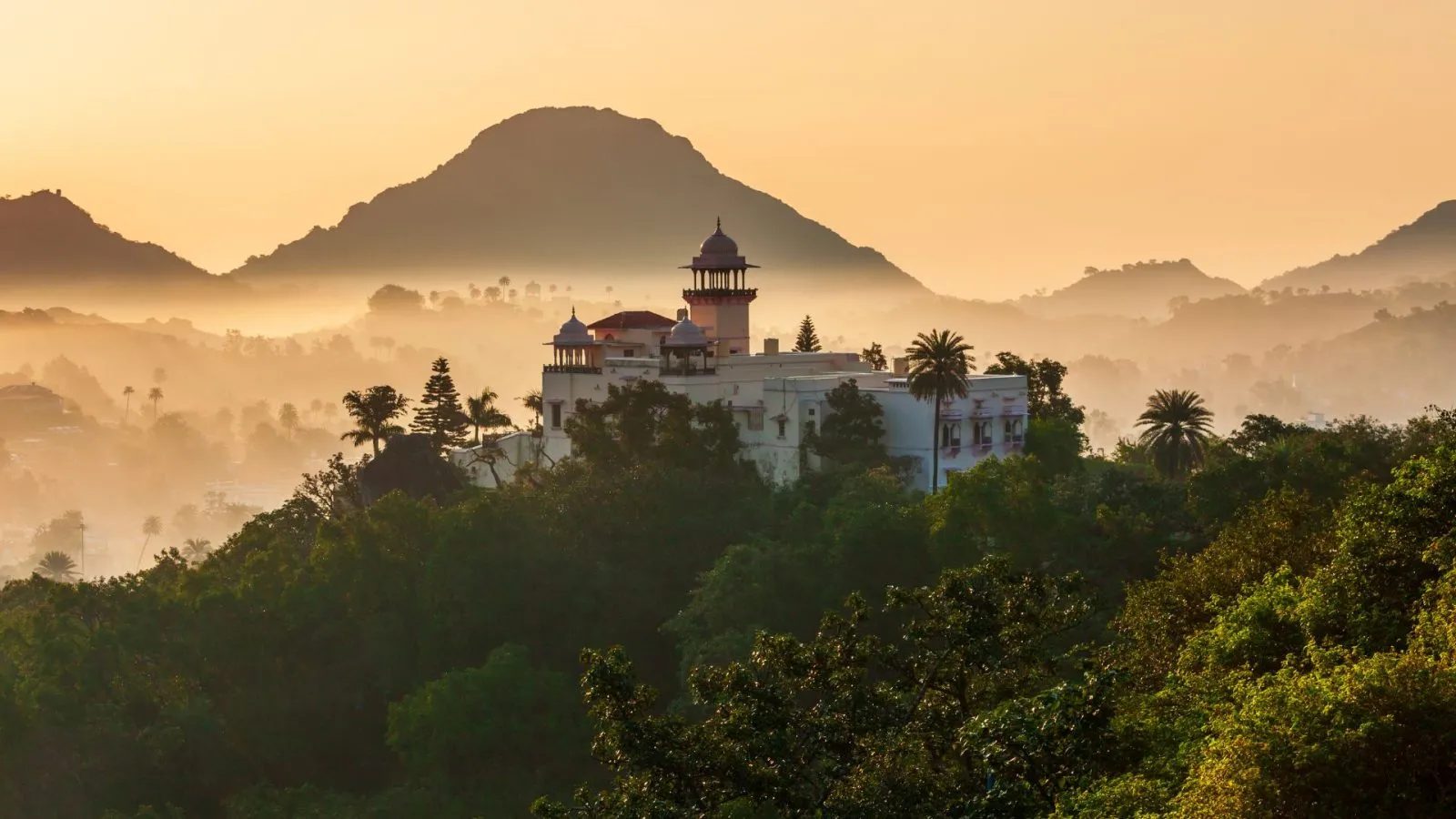
Hill Stations
Hill Stations in Rajasthan: Weather, Routes & Best Time to Visit
Discover Rajasthan hill-station travel with a complete Mount Abu guide, season breakdown, routes, and practical tips for a smooth 2-3 day itinerary.
Feb 18Read More
Never Miss an Adventure
Get the latest trekking guides, travel tips, and exclusive offers delivered straight to your inbox.
