
Diskit Monastery Ladakh: Timings, History & Nubra Valley Visit

Ananya Sharma
February 20, 2026
Plan Diskit Monastery Ladakh with history, Maitreya statue context, route from Leh, timing guidance, festival notes, and practical Nubra travel tips.
Introduction: Why Diskit Monastery Is a Nubra Valley Highlight
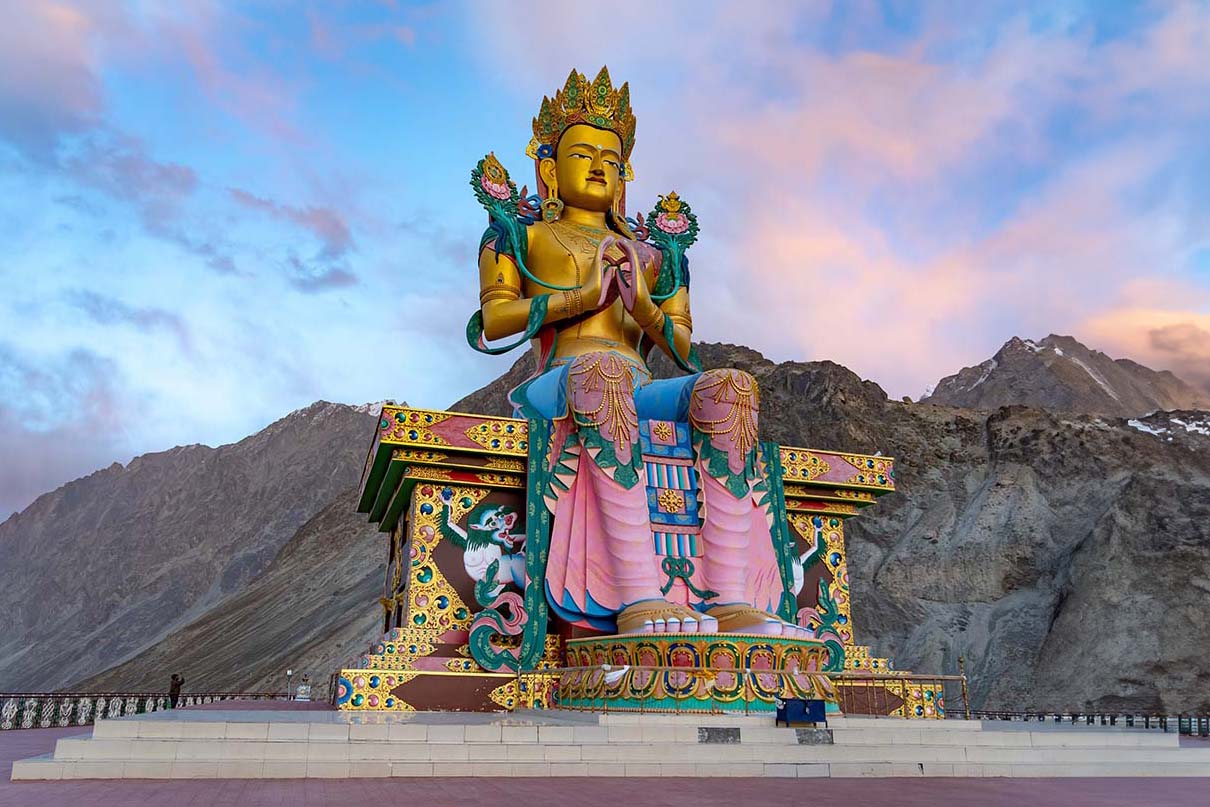
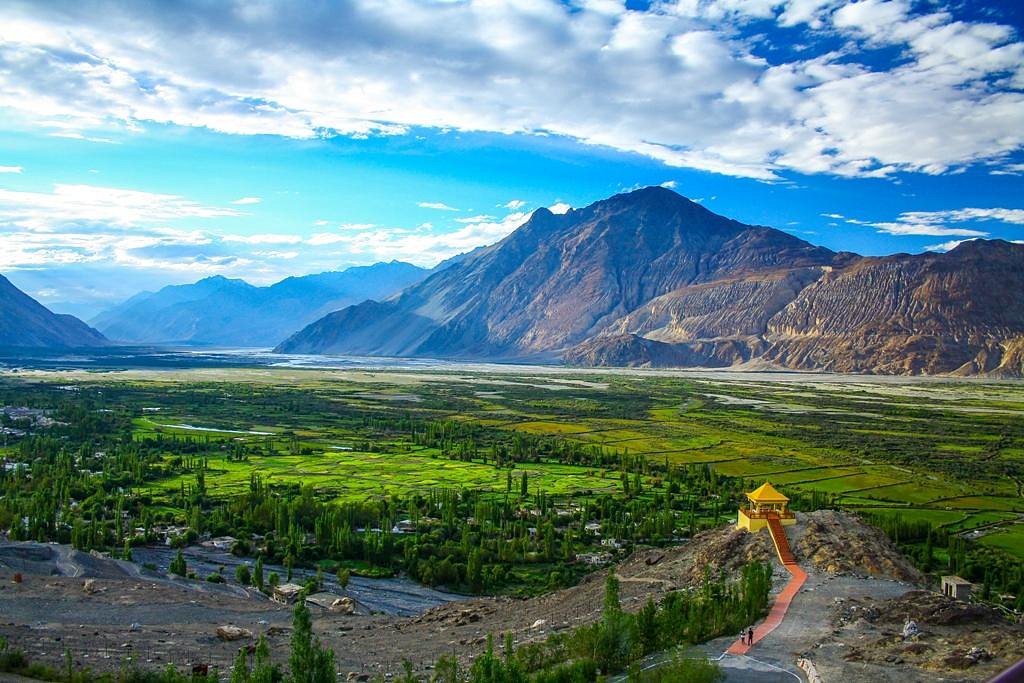
Diskit Monastery Ladakh is one of the most important spiritual and visual landmarks in Nubra Valley. Perched above Diskit village, it offers a classic combination travelers look for in Ladakh: Buddhist heritage, high-altitude landscape views, and a peaceful monastery atmosphere that contrasts with the busy road journey from Leh. It is widely known for being the largest and oldest monastery in Nubra Valley and for the giant Maitreya Buddha statue that overlooks the valley.
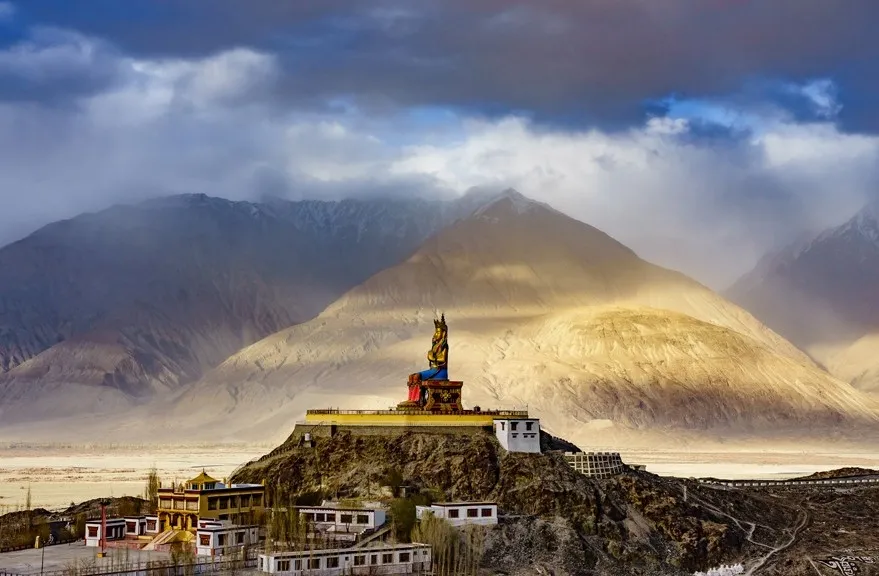
Most visitors stop here while doing the Leh-Nubra circuit, but many rush through in under 30 minutes and miss the deeper experience: prayer halls, monastery rhythm, views over the Shyok-Nubra terrain, and the cultural context of the Gelugpa school in this region. This guide explains history, architecture, statue significance, timings, how to reach, festival context, and practical travel tips so you can plan a better visit. For wider route planning, combine this with Khardung La Pass, Diskit Village Ladakh, and Monasteries in Ladakh.
History of Diskit Monastery
Diskit Monastery (often called Diskit Gompa) is generally dated to the 14th century and associated with Changzem Tserab Zangpo, a disciple linked to the Gelug tradition. Over centuries, the monastery became a key religious center in Nubra Valley, preserving Buddhist practice, monastic education, and ritual traditions in a strategically important trans-Himalayan corridor.
Historical Significance
- One of Nubra Valley's oldest monastic institutions.
- Connected with the Gelugpa (Yellow Hat) Buddhist lineage.
- Longstanding role in regional religious and social life.
Like many Himalayan monasteries, it evolved through restoration phases, local patron support, and adaptation to climate and terrain realities.
The Maitreya Buddha Statue at Diskit
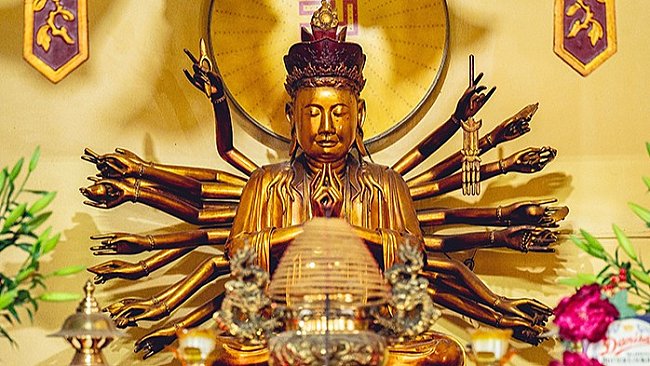
The large Maitreya Buddha statue near Diskit Monastery is one of the most recognizable visual icons of Nubra Valley. Common references describe it as around 32 meters (roughly 106 feet), with some sources citing near-33 meter measurements depending on method. Built in the late 2000s period and inaugurated in 2010, it symbolizes peace and protective intent for the region.
Why the Statue Matters
- Spiritual symbol of compassion and protection.
- Major viewpoint marker for visitors entering Diskit area.
- Important photo location with wide valley backdrop.
The statue area is also useful as a pause point before/after monastery exploration, especially for travelers managing altitude fatigue.
| Element | Commonly Referenced Detail | Planning Note |
|---|---|---|
| Height | Approx. 32 m / 106 ft (some sources near 33 m) | Use as broad reference, not precision metric |
| Inauguration period | 2010 | Widely cited across travel references |
| Main symbolism | Peace and protection | Respect local spiritual context when visiting |
Architecture and Monastery Complex Experience
Diskit Monastery reflects traditional Tibetan-Buddhist hilltop monastic architecture with layered structures, prayer areas, and living quarters adapted to terrain. The visual character includes whitewashed walls, prayer flags, narrow paths, and elevated vantage points over the valley.
What to See Inside and Around
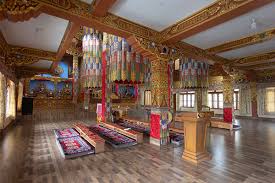
- Prayer halls with Buddhist iconography and ritual spaces.
- Murals, thangkas, and old devotional elements in key sections.
- Monastic residential areas (respect access boundaries).
- Panoramic Nubra Valley views from higher points.
Move quietly, avoid blocking prayer movement, and follow monastery instructions for restricted rooms.
Diskit Monastery Timings and Entry Information
Timings can vary by season, prayer schedule, and local operations. Many travel pages show broad daytime visiting windows, but exact prayer-access patterns may shift. Entry is often described as free or donation-based in many references, though local fee practices can change. Because this information is operationally dynamic, verify on-site.
| Info Type | What Visitors Commonly See | Best Practice |
|---|---|---|
| Visiting window | Daytime access in most seasons | Confirm at arrival point |
| Entry model | Donation/nominal pattern in many reports | Carry small cash |
| Photo policy | Outdoor generally easier; interiors may be restricted | Ask before indoor photography |
| Recommended duration | 1 to 2 hours | Keep extra time for viewpoint stops |
Early morning and late afternoon usually give better light and relatively calmer movement.
How to Reach Diskit Monastery from Leh
The classic route is Leh to Nubra Valley via Khardung La, then onward to Diskit. Distances vary by route tracking method, but most travelers plan this as a long mountain-road transfer requiring acclimatization awareness.
Route Pattern
- Leh to Khardung La crossing.
- Descent toward Nubra Valley sectors.
- Continue to Diskit village and monastery access road.
Transport Options
- Private taxi (most common for comfort and reliability).
- Self-drive car/bike (for experienced high-altitude drivers).
- Shared transport in limited/flexible scenarios.
Road conditions can change due to weather and maintenance. Start early and avoid overpacked same-day plans.
Permits
Nubra travel generally requires permits for eligible travelers per prevailing administration rules. Verify latest permit requirements before departure from Leh.
Best Time to Visit Diskit Monastery
The most practical travel window aligns with broader Nubra accessibility months.
- May to September: most common and comfortable for valley circuits.
- October shoulder period: often clearer skies but colder conditions.
- Deep winter: possible with preparation, but logistics can be tougher.
For photography and comfort, morning and late-afternoon hours are usually better than midday glare.
Dosmoche Festival at Diskit Monastery
Diskit is one of the monasteries associated with Dosmoche observances in Ladakh's ritual calendar. The festival is linked with masked cham dances and ceremonial practices oriented around protection and purification themes near the Tibetan lunar year-end cycle.
Planning Festival Visits
- Dates vary each year by lunar calendar.
- Crowds and logistics differ from regular days.
- Winter weather can add travel complexity.
As of 2026 web references, mid-February listings for Diskit-associated Dosmoche appear on multiple travel calendars, but always reconfirm with current local/official event channels before locking travel.
Nearby Attractions to Combine with Diskit Monastery
Diskit is best visited as part of a wider Nubra itinerary rather than in isolation.
- Diskit Village for local context.
- Turtuk Village for extended northern-cultural route.
- Leh to Turtuk bike trip for road-travel planning.
- Khardung La Pass for gateway crossing context.
- Places to visit in Kargil if extending regionally.
This layered route gives better value than rushing only one monastery stop.
Sample 2-Day Nubra Segment Including Diskit
| Day | Plan | Why It Works |
|---|---|---|
| Day 1 | Leh to Nubra transit, acclimatized pace, evening local rest | Reduces fatigue and altitude stress |
| Day 2 | Diskit Monastery + Maitreya statue + nearby village segment | Allows meaningful cultural visit |
If returning same day to Leh, keep strong buffer and early start.
Visitor Etiquette and Practical Tips
- Dress modestly and behave quietly in prayer areas.
- Ask before photographing monks or interior shrines.
- Carry water and basic altitude-safety essentials.
- Keep weather layers even in sunny hours.
- Do not rush steep stair/paths at altitude.
Respectful pace improves both safety and spiritual experience.
Common Mistakes to Avoid
- Treating Diskit as a 10-minute photo stop only.
- Ignoring altitude and hydration needs.
- Assuming fixed timings from outdated pages.
- Planning festival-day visits without weather/route buffer.
- Not carrying permit and ID documents properly.
Correcting these basics makes the visit smoother and more rewarding.
Altitude, Weather, and Responsible Visit Planning
Diskit Monastery visits are heavily influenced by altitude and mountain weather behavior. Even when road conditions are manageable, fatigue can rise quickly if travelers rush from Leh without acclimatization rhythm. The most common mistake is combining long drive, monastery steps, multiple photo stops, and immediate return without hydration or rest windows. A better method is to plan short activity blocks with pause points, especially for families and first-time high-altitude travelers.
Layered clothing is essential because conditions can shift from warm sun to cold wind in the same hour. Keep sunscreen and lip protection ready, but also carry a light thermal layer for late-afternoon monastery visits. During shoulder and winter periods, wind chill near the statue viewpoint can be stronger than expected, so do not rely only on daytime temperature forecasts.
Practical Health and Safety Checklist
- Hydrate steadily before and during Nubra movement.
- Avoid sprinting stair climbs at monastery levels.
- Keep simple carbs and warm fluids available.
- Monitor headache, nausea, and breathlessness signs.
- Add schedule buffer for weather or checkpoint delays.
Respecting altitude pace also improves spiritual experience quality. When visitors are less rushed, they engage better with monastery etiquette and local context instead of treating the stop as only a photography point. A calm visit benefits both travelers and the sanctity of the site.
Quick Practical Checklist Before You Leave Leh
- Confirm permit and ID documents are packed and accessible.
- Start early to avoid rushed Khardung La crossing.
- Keep cash for small local payments in Nubra stretches.
- Carry water, energy snacks, and basic medication.
- Download offline maps before network drops begin.
- Check same-day weather and route advisories in Leh.
- Plan one flexible halt for delays or fatigue.
These simple checks reduce stress and help you enjoy Diskit Monastery at a calmer, more respectful, and safer pace overall.
Conclusion
Diskit Monastery Ladakh is one of Nubra Valley's most meaningful cultural stops, combining historical depth, active Buddhist practice, and striking landscape viewpoints. With realistic timing, respectful behavior, and proper route planning from Leh, the visit can become a highlight of your Ladakh journey.
Plan with flexibility for weather and operations, and combine Diskit with nearby valley experiences for the best outcome. Continue with Ladakh monasteries guide, Diskit village guide, and Khardung La planning.
Location
Frequently Asked Questions
Q1.What are the opening hours of Diskit Monastery?
Q2.Is there an entry fee for Diskit Monastery?
Q3.How far is Diskit Monastery from Leh?
Q4.How tall is the Maitreya Buddha statue at Diskit?
Q5.When was Diskit Monastery founded?
Q6.Is photography allowed at Diskit Monastery?
Q7.What is Dosmoche festival at Diskit?
Q8.How much time should I keep for visiting Diskit Monastery?
Recommended For You
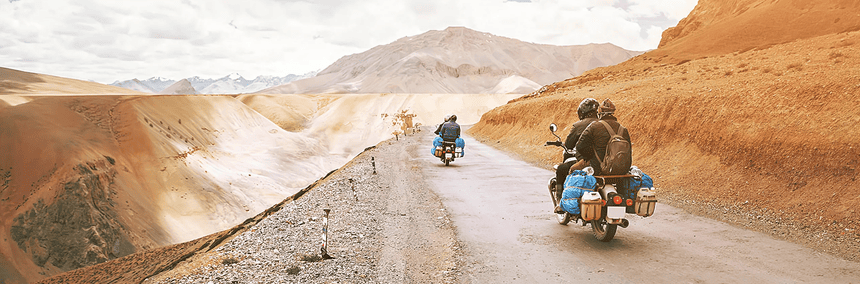
Leh to Turtuk Bike Trip: Route, Permits, and Itinerary
Plan the Leh to Turtuk bike trip with route details, permit essentials, fuel strategy, and practical itinerary models for a safer high-altitude ride.
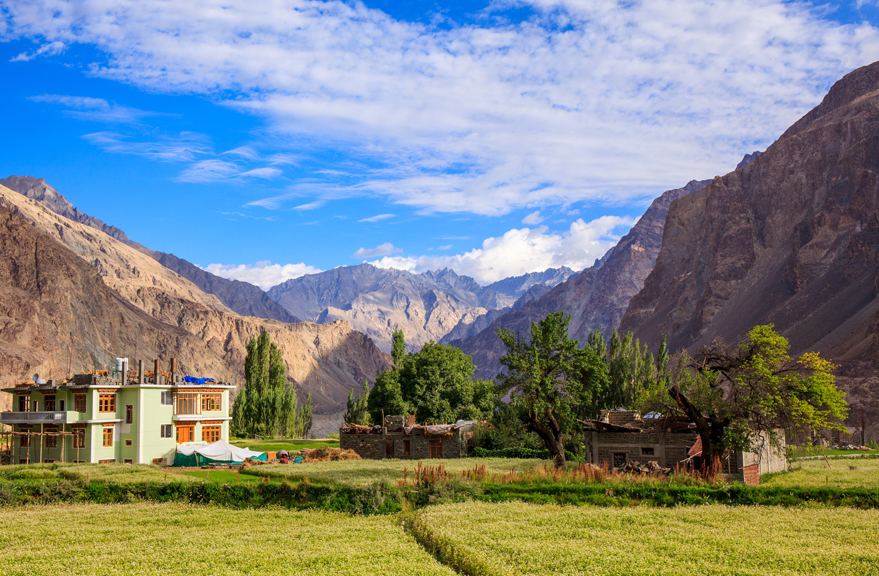
Turtuk Village Ladakh: Balti Culture, Stay Options & Border Views
Explore Turtuk Village in Nubra Valley, Ladakh. Complete guide to Balti culture, how to reach, places to visit, homestays & best time.
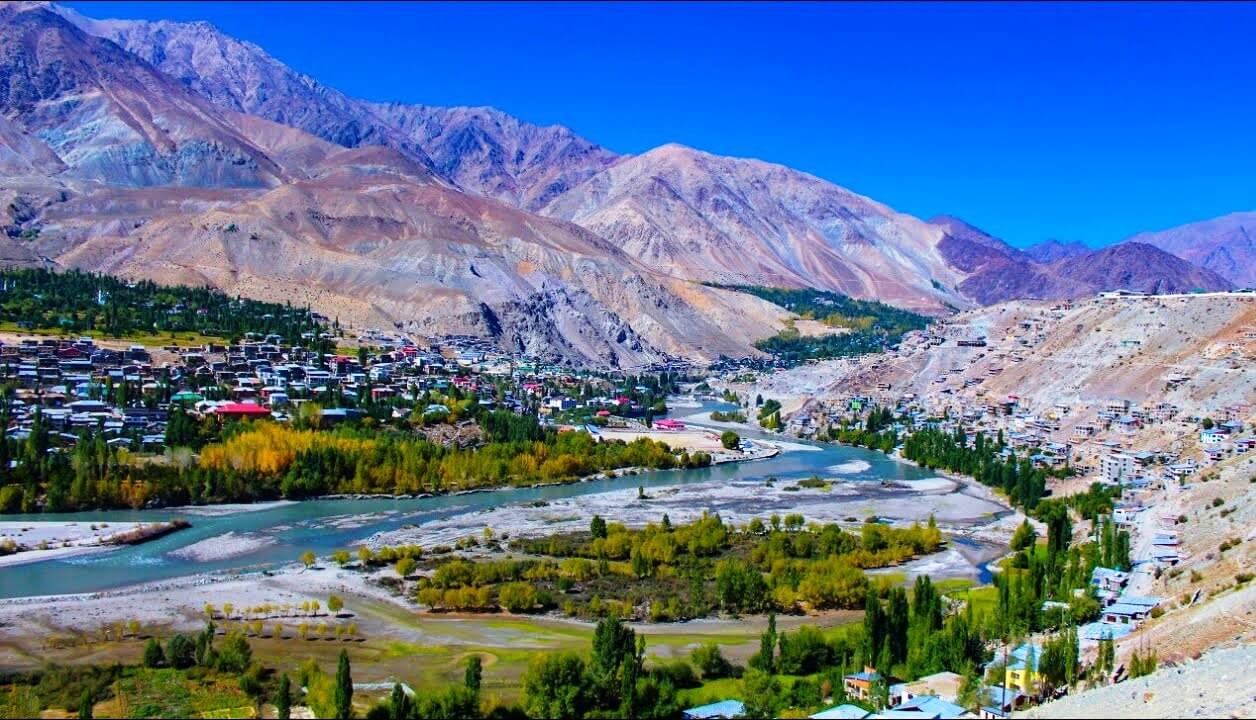
Places to Visit in Kargil: Monasteries, War Memorials & Valley Routes
Explore places to visit in Kargil with War Memorial, Drass, Suru Valley, monastery routes, road-trip planning, and practical mountain travel tips.
Never Miss an Adventure
Get the latest trekking guides, travel tips, and exclusive offers delivered straight to your inbox.
