
Leh to Turtuk Bike Trip: Route, Permits, and Itinerary

Ananya Sharma
February 20, 2026
Plan the Leh to Turtuk bike trip with route details, permit essentials, fuel strategy, and practical itinerary models for a safer high-altitude ride.
Introduction: Riding to India's Northern Frontier
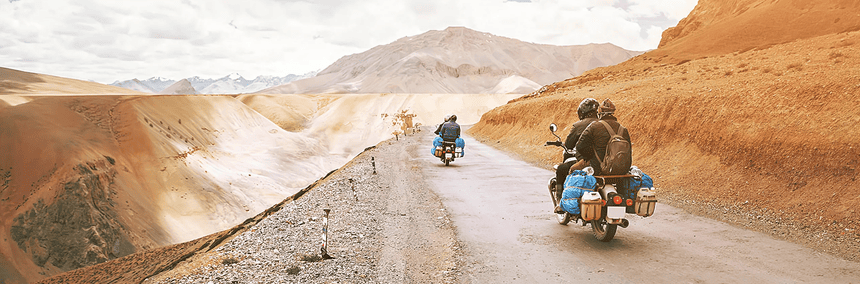
The Leh to Turtuk bike trip is one of Ladakh's most rewarding frontier rides, combining high-altitude passes, Nubra Valley landscapes, military-road dynamics, and a unique Balti cultural destination near the border region. Unlike short scenic rides around Leh, this route demands full-day planning, fuel discipline, permit readiness, and weather-aware pacing. If prepared well, the experience offers both adventure depth and rare cultural context.
Use this guide with route support from Khardung La Pass, terrain context from Nubra Valley Ladakh, and trip extension options via Leh to Pangong bike route.
About Turtuk and Why Riders Choose It
Turtuk is known as one of India's northernmost accessible villages and stands out for its Balti cultural identity, apricot orchards, and unique valley settlement character. Riders choose this route not only for scenery but also for the sense of reaching a meaningful frontier destination. The shift from Leh's urban mountain base to Turtuk's village rhythm is a major part of the journey's appeal.
Because the route includes remote stretches, preparation quality matters more than speed.
Route and Distance Breakdown
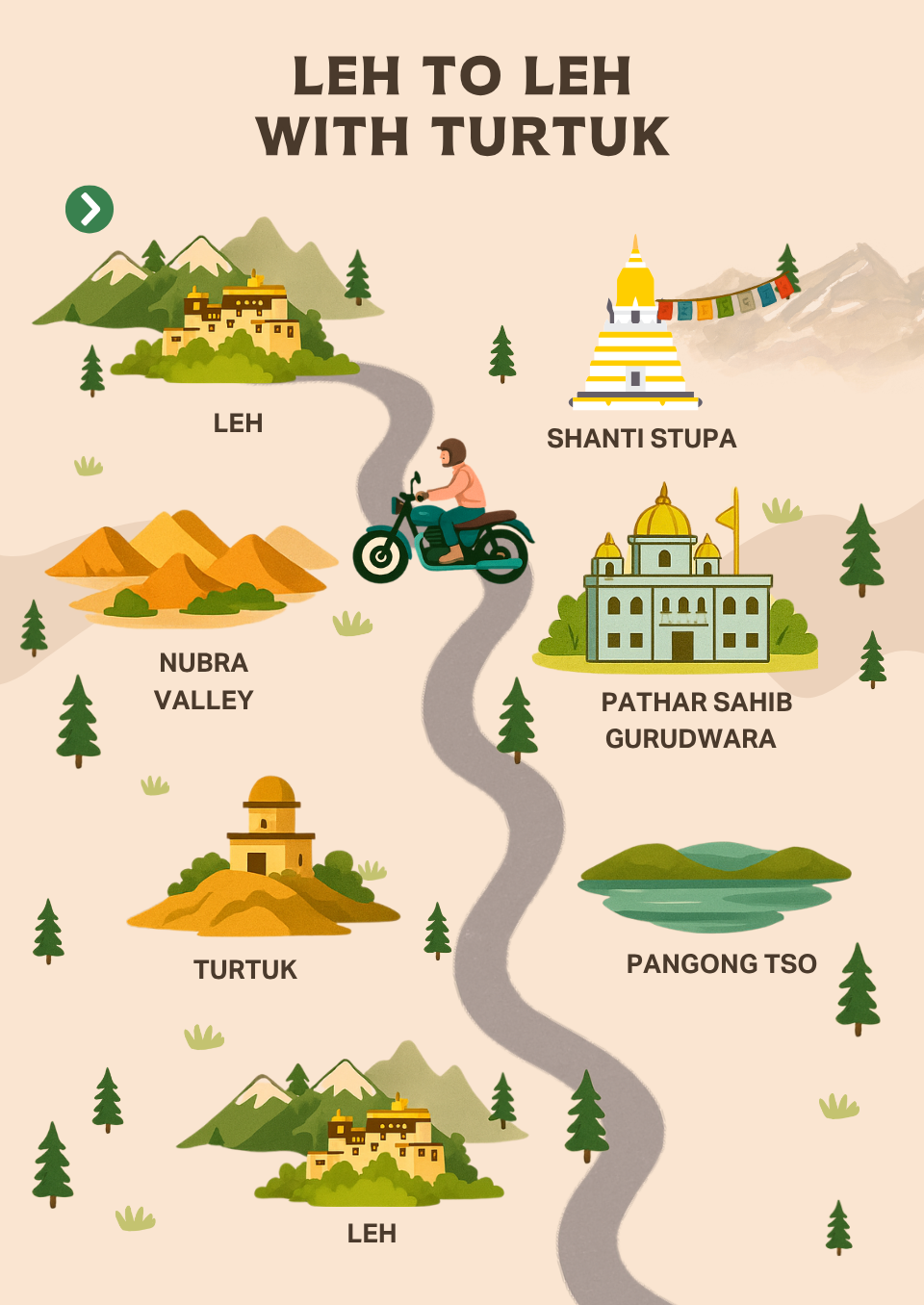
The route generally follows Leh to Khardung La, descends through Nubra sectors, and continues via Diskit-Hunder corridor toward Turtuk. Total distance can feel longer than maps suggest due to surface variation and altitude factors. Start early to manage both daylight and weather windows.
- Primary route: Leh → Khardung La → Khalsar → Diskit → Hunder → Turtuk
- Ride style: mixed surface with scenic and exposed sections
- Fuel rule: tank up fully at Leh and keep reserve strategy
Khardung La and Diskit Stop Strategy
Khardung La crossing is a core milestone and should be managed with acclimatization awareness. Avoid long idle halts at peak altitude and keep body warm and hydrated. Down-route breaks are better planned in lower sections where oxygen and comfort improve. Diskit and nearby stretches make practical points for rest, food, and short orientation stops.
Over-aggressive riding at the start of the day often causes fatigue by the second half. Maintain steady pace and preserve margin.
Turtuk Village Experience
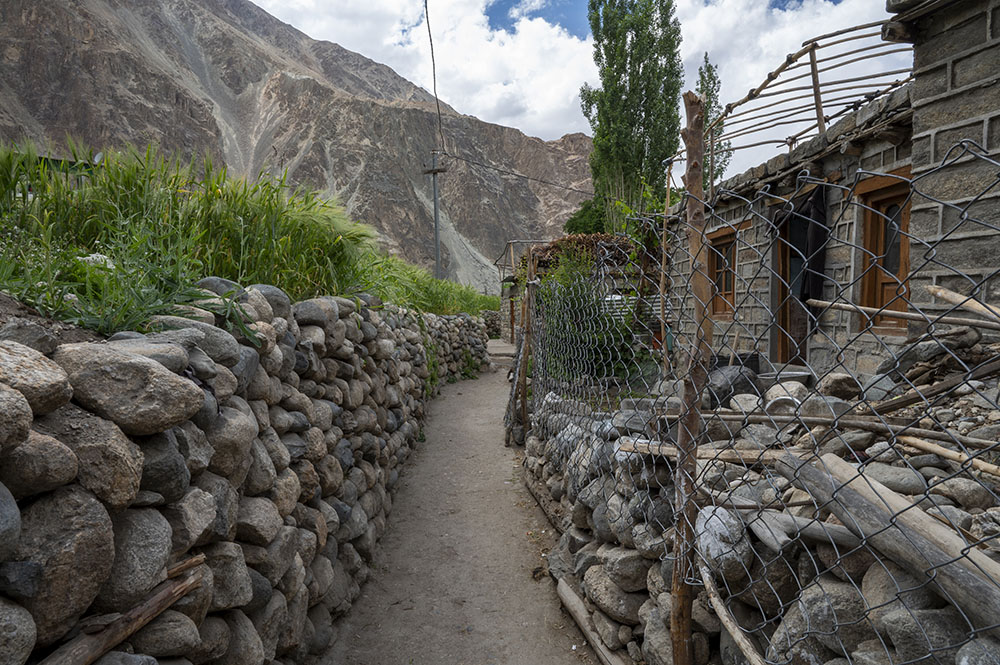
Once in Turtuk, shift from ride mode to slow exploration. Walk village paths, observe local architecture, and engage respectfully with Balti cultural setting. The destination is strongest when treated as a lived community rather than a quick checkpoint. If time permits, overnight stay improves the quality of the visit and allows calmer return planning.
Local produce and simple meals are part of the experience; keep expectations aligned with a remote village context.
Permits, Safety, and Bike Preparation
| Item | Recommendation | Reason |
|---|---|---|
| Permits | Carry valid inner-line documents | Required for route sections |
| Bike check | Brakes, tires, clutch, chain, lights | Remote stretches need reliability |
| Rider gear | Thermal layers + rain layer + gloves | Rapid weather shifts |
| Emergency kit | Basic medical and repair essentials | Low-service intervals |
Suggested Itinerary Models
2-day direct model: Day 1 Leh to Turtuk with controlled stops, Day 2 return with Nubra break windows.
3-day model: Day 1 Leh to Nubra base, Day 2 Nubra to Turtuk overnight, Day 3 return to Leh. This is better for riders prioritizing comfort and photography.
Extended model: Link Turtuk with other Ladakh circuits only if your acclimatization and bike condition are strong.
Execution Framework for Leh to Turtuk bike expedition planning
Strong travel outcomes come from practical sequencing rather than long checklists. In Leh to Turtuk bike expedition planning, set one primary objective for each half-day, then place supporting activities nearby. This limits backtracking and protects energy for the most meaningful experiences. Build short transition buffers between stops to absorb delays without breaking the whole itinerary. When a route changes due to weather or crowds, switch to a preselected fallback in the same zone. This makes your plan resilient and keeps the day enjoyable even if conditions shift.
Group travel benefits from explicit role assignment. One person handles tickets and confirmations, another manages navigation, and another tracks time and meal windows. This reduces repeated decisions and keeps everyone aligned. If the group has mixed preferences, use optional extension blocks so people can split for 30-60 minutes and regroup at a fixed point. This approach prevents itinerary conflict and improves overall satisfaction, especially in destinations with long travel windows.
Responsible behavior should be part of your route plan. Follow local customs, respect religious and cultural spaces, and keep waste minimal across public and natural areas. Avoid risky photo positions, especially near roads, water edges, or high viewpoints. The best itinerary is not the one with maximum stops; it is the one that remains safe, respectful, and high-quality under real conditions. This is the practical difference between rushed tourism and well-executed travel.
Conclusion
The Leh to Turtuk bike trip delivers one of Ladakh's best combinations of route challenge, scenery, and cultural discovery when planned with realistic timing and safety margins.
Prepare permits, protect ride pace, and treat Turtuk as a meaningful destination rather than a fast turnaround point.
Deep-Dive Planning for Leh to Turtuk bike rides
A high-quality visit to Leh to Turtuk bike rides depends on preparation discipline and adaptive decision-making. Before departure, set one non-negotiable objective for the day and build all other stops around it. This helps avoid the common problem of rushed checklists with low on-ground quality. Break your timeline into three blocks: entry and orientation, core experience, and controlled exit. If you are traveling with family or mixed-energy groups, assign flexible windows between blocks so slower travelers do not feel pressured and faster travelers do not become idle. This simple structure improves comfort, reduces conflict, and gives everyone clarity. The practical result is stronger travel satisfaction with less fatigue.
Context planning also matters. Read local etiquette, understand weather behavior, and know the service limitations around your route. If your destination includes cultural or spiritual spaces, treat those norms as part of the itinerary, not optional reminders. Carry only essential gear during active segments and leave non-critical items at your stay. Overpacking increases friction during transitions and makes short walks feel harder than they should. Keep a compact essentials kit: hydration, weather layer, phone power backup, and a basic medical pouch. Most travel disruptions can be managed when these basics are in place. Small operational habits like these often determine whether your day stays smooth under real conditions.
Time-Block Strategy and Decision Rules
Use decision rules before the day starts. For example, define what happens if a queue is too long, if a road delay exceeds your buffer, or if weather lowers visibility. Pre-deciding these actions prevents indecision and preserves momentum. A good model is the 30-minute rule: if any delay crosses thirty minutes, switch to a nearby backup stop and protect your next anchor activity. This keeps your overall itinerary healthy even when one component fails. Travelers often lose hours because they keep waiting for uncertain recovery. Structured switch-rules remove emotional decisions and preserve quality.
Another useful rule is one-intensive plus one-light segment per half-day. Avoid stacking multiple high-effort activities back-to-back, especially when altitude, humidity, or heavy walking is involved. The body responds better to alternating effort and recovery. This is also where meal timing becomes strategic: a light meal before high-effort windows and a fuller meal after major activity completion. If your destination is crowded, add a hydration checkpoint every ninety minutes. These techniques are simple but effective and are widely used by experienced route planners to maintain stable energy through full travel days.
Budget, Access, and On-Ground Efficiency
Budget optimization in Leh to Turtuk bike rides is about allocating spend where it creates certainty. For most travelers, certainty means reliable transport, confirmed access where required, and one dependable meal anchor. Save aggressively on low-impact extras, but avoid under-spending on transitions that control your day. Transport uncertainty is often the biggest hidden cost because it creates delay chains and missed windows. If possible, confirm both onward and return movement before your first activity starts. Keep digital confirmations offline and share them with at least one travel partner. This prevents avoidable stress in low-network stretches.
On-ground efficiency improves when you cluster stops by geography and purpose. Keep one neighborhood or zone per block and avoid unnecessary cross-city switches. If your plan includes photography, schedule it when light conditions support your shot goals instead of trying to photograph everything all day. Capture in focused bursts, then return to experience mode. This avoids screen-heavy travel and improves memory quality. In longer trips, add one unscheduled half-day. That buffer can absorb weather shifts, extra rest, or an unexpected highlight worth repeating. Flexible space is not wasted time; it is an intentional reliability mechanism for real-world travel.
Safety, Respect, and Experience Quality
Safety should remain operational and non-negotiable. Stay on marked or locally advised paths, avoid unstable edges for photos, and never assume route conditions remain constant after rain. In spiritually important locations, keep voice levels low, clothing appropriate, and gestures respectful. If photography is restricted, comply immediately. Responsible behavior protects both the site and your own trip continuity. A single rule breach can disrupt the entire day through preventable conflict or access loss. Respect is practical, not symbolic.
Finally, evaluate your day based on quality indicators rather than stop count: Were transitions smooth? Did you have enough time at the primary site? Did energy remain stable? Did the group stay aligned? These indicators provide a better measure of success than raw attraction quantity. Travel at Leh to Turtuk bike rides becomes genuinely rewarding when decisions are intentional, pace is realistic, and local context is honored. This is the framework that turns standard itineraries into repeatable, high-performing travel experiences.
Location
Frequently Asked Questions
Q1.How far is Turtuk from Leh?
Q2.Do I need permits for Turtuk?
Q3.Is the road suitable for beginner riders?
Q4.Can I do Leh to Turtuk in one day?
Q5.What is Turtuk famous for?
Q6.When is the best time for this ride?
Q7.Is fuel available throughout the route?
Q8.Where should I stay on this route?
Recommended For You
Leh Ladakh Bike Trip: Complete Route And Itinerary Plan
Plan Leh Ladakh bike trip with route choices, itinerary, cost, permits, acclimatization tips, and practical riding prep for a safer high-altitude ride.
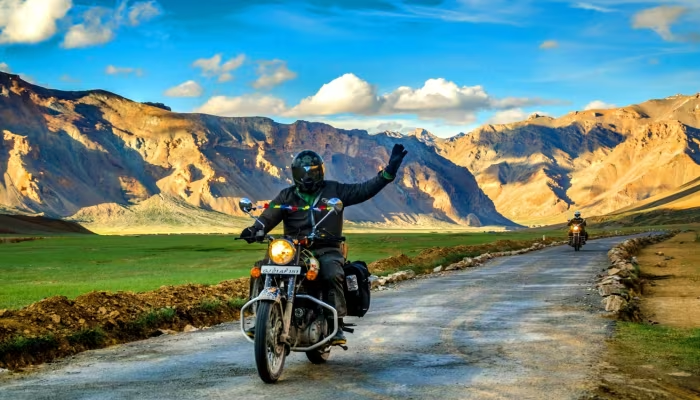
Leh to Kargil Bike Trip: Route, Distance, Passes & Tips
Leh to Kargil bike trip guide with route, 218 km distance, pass details, stop planning, road conditions, and practical ride tips for safe highway travel.
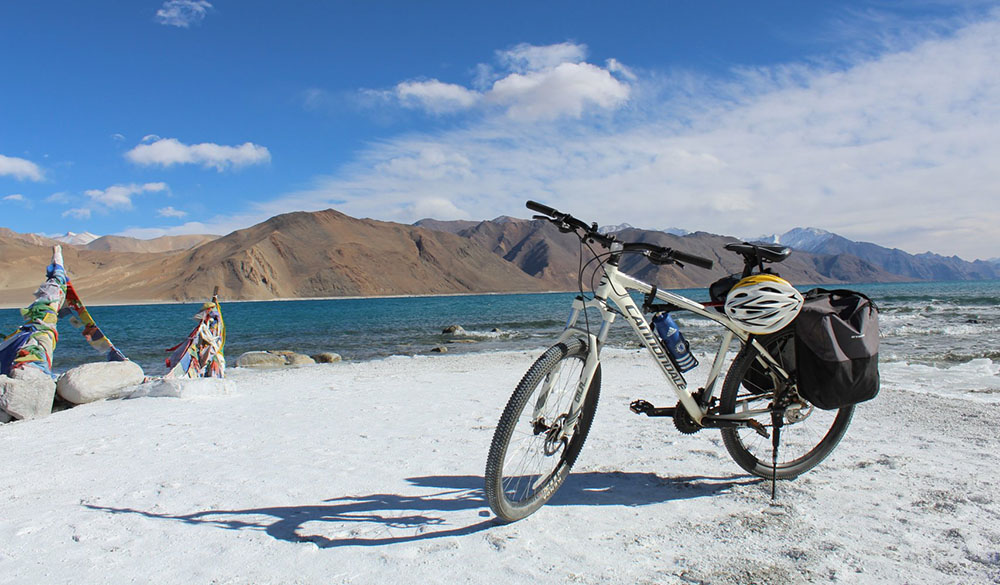
Leh to Pangong Lake Bike Trip: Route, Distance & Tips
Leh to Pangong Lake bike trip guide with route, distance, Chang La crossing tips, permits, stay options, and practical safety planning for riders.
Never Miss an Adventure
Get the latest trekking guides, travel tips, and exclusive offers delivered straight to your inbox.
