
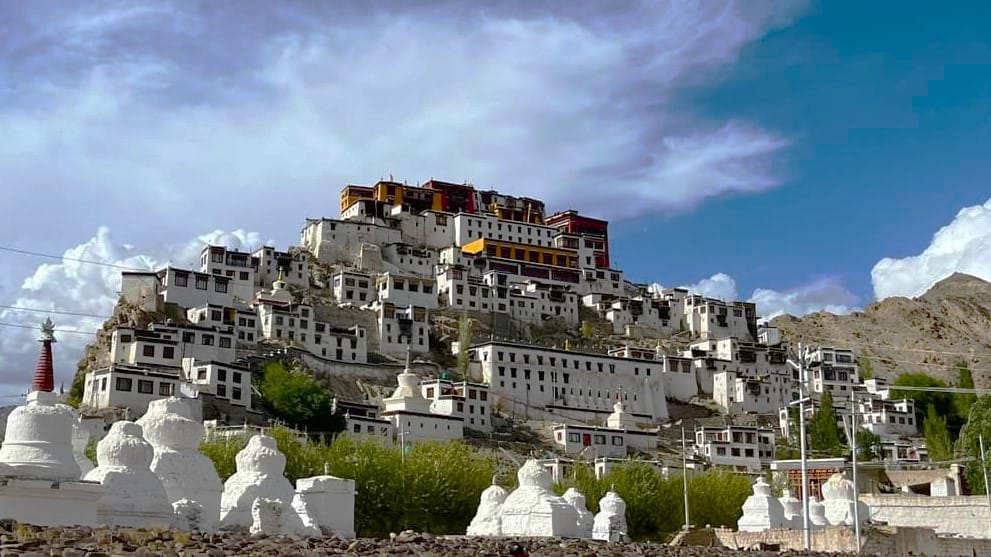
Monasteries in Ladakh: Routes, Etiquette and Top Gompas
Rohit Verma
February 18, 2026
Explore monasteries in Ladakh with practical route planning, key gompa highlights, and respectful visitor etiquette.
Monasteries in Ladakh: Complete Route, Culture, and Etiquette Guide
Monasteries in Ladakh are the cultural backbone of the region, not just sightseeing stops. Each gompa preserves ritual traditions, sacred art, local history, and a way of life adapted to high-altitude landscapes. Travelers often arrive with a checklist mindset, but the experience is far better when planned by route, altitude comfort, and monastery type. A thoughtful circuit gives you both spiritual atmosphere and a clearer understanding of Ladakhi Buddhist heritage.
This guide helps you build a practical monastery itinerary around Leh and nearby valleys, with focus on what to prioritize and how to visit respectfully. For deeper planning of individual sites, combine this with Thiksey Monastery Ladakh, Hemis Monastery Ladakh, and Diskit Monastery Ladakh.
Why Monastery Planning Matters in Ladakh
Unlike city attractions, monastery visits in Ladakh depend heavily on road distance, altitude, weather windows, and daily prayer rhythms. Two monasteries that look close on a map may require longer travel because of mountain roads and acclimatization pace. Overpacked day plans usually reduce both safety and cultural depth.
A better approach is to select one major monastery and one supporting stop per day. This gives enough time for prayer hall observation, mural study, and quiet movement without fatigue. It also leaves room for weather delays and road uncertainty, which are normal in high-altitude travel.
Core Monasteries to Prioritize
Thiksey: known for dramatic multi-level architecture and iconic valley views. Good for first-time orientation. Hemis: large and culturally significant, especially during festival periods. Diskit: key Nubra-side stop, often paired with valley routes. Alchi: strong for heritage art and historical style differences. Matho: valued for Sakya lineage context and ritual depth. Shey area connections: useful for shorter cultural circuits near Leh.
| Monastery Type | Best For | Suggested Visit Style |
|---|---|---|
| Large ceremonial gompas | Architecture and ritual scale | Half-day with slow walkthrough |
| Art-focused heritage sites | Mural and iconography depth | Guided or research-led visit |
| Quieter monasteries | Reflection and atmosphere | Low-rush morning visits |
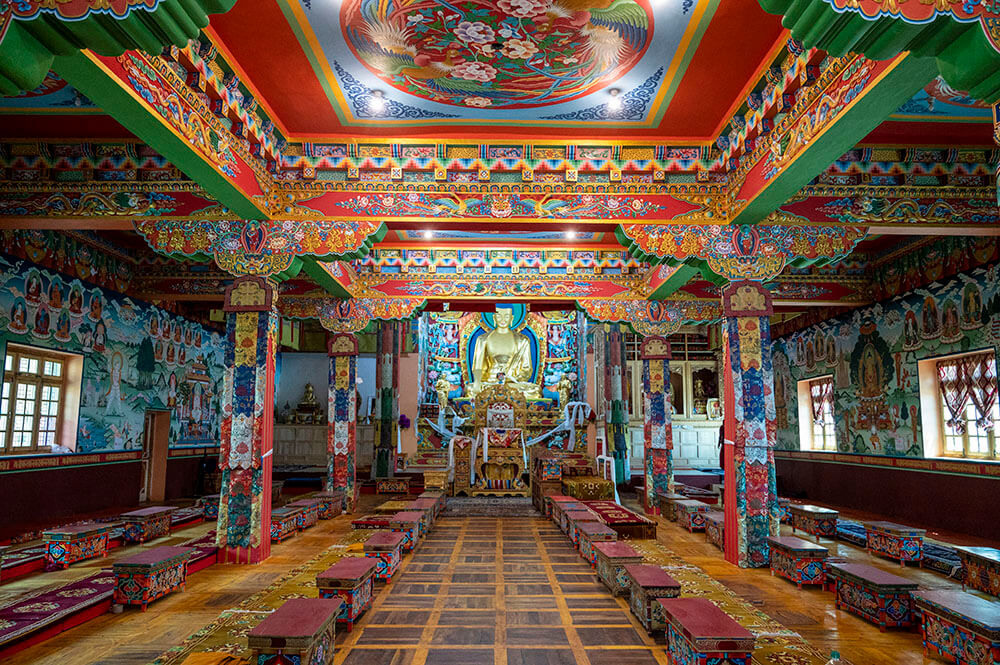
Sample 2-Day Monastery Circuit
Day 1: Leh-side architecture route with one major gompa and one nearby support site. Day 2: heritage-art or valley-focused circuit depending on acclimatization and road conditions.
- Start early to avoid afternoon wind and traffic delays.
- Keep hydration and altitude pacing as top priority.
- Avoid rushing between prayer spaces for photos.
- Leave one buffer slot for weather or energy changes.
If you want a cultural extension, pair the route with Alchi Monastery Ladakh and Matho Monastery Ladakh. For nearby heritage context, add Shey Palace Leh Ladakh.
Festival vs Non-Festival Visits
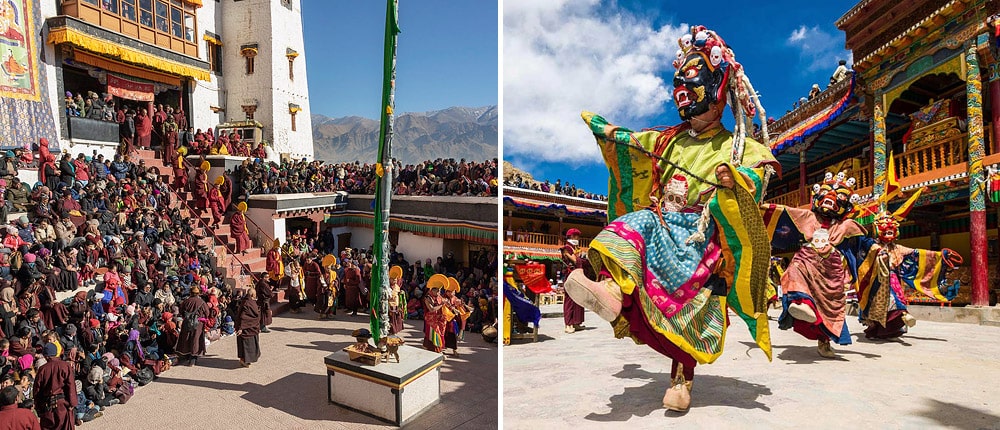
Festival periods can be extraordinary for ritual observation, masked dances, and local participation, but they also bring higher crowd pressure and tighter logistics. If your goal is ceremony and cultural energy, festivals are ideal with preparation. If your goal is quiet architecture and reflection, choose non-festival weekdays.
Always verify festival calendars locally before finalizing routes. In Ladakh, date assumptions without confirmation can disrupt full-day planning.
Monastery Etiquette You Should Follow
Monasteries are active religious spaces. Treat them with the same respect you would offer in any prayer environment. Quiet movement and permission-based photography are basic expectations.
- Remove shoes where directed and follow signboards strictly.
- Do not touch sacred objects, drums, or scriptures without permission.
- Keep voice low and avoid blocking worship pathways.
- Ask before photographing monks or ongoing rituals.
- Dress modestly and carry layers for changing temperatures.
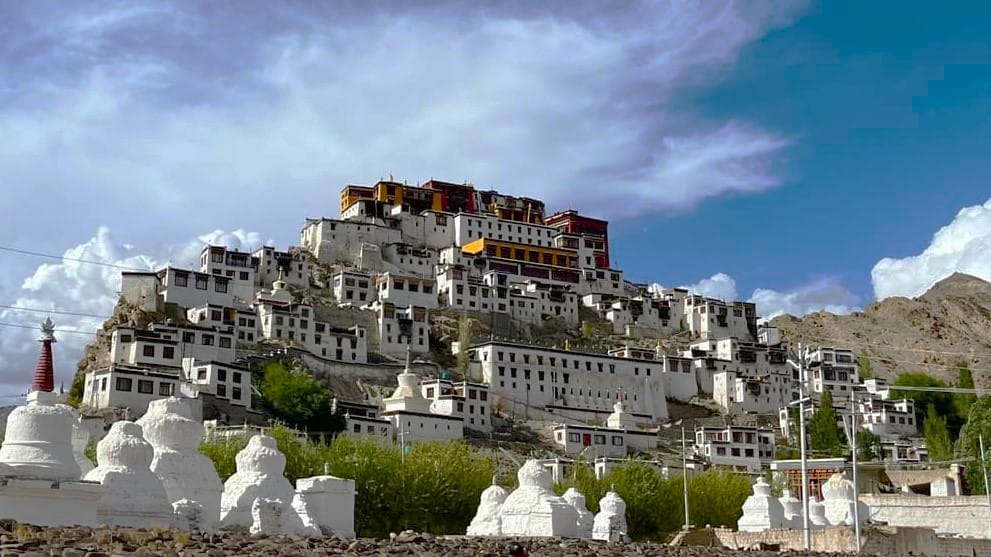
Altitude, Timing, and Practical Logistics
Even short monastery days can feel physically demanding if you have not acclimatized. Plan lighter circuits for your first one or two days in Leh. Avoid combining long road transfers with multiple monastery climbs on the same day.
For first-time visitors, a simple structure works best: one primary monastery, one nearby add-on, and early return to rest. This preserves energy and improves comprehension. You can tune seasonal route decisions using best time to visit Ladakh and offbeat extensions such as Hanle Village Ladakh.
Conclusion
Monasteries in ladakh are best experienced with depth, not speed. Build your circuit around altitude comfort, cultural priorities, and respectful conduct. With realistic pacing and focused planning, monastery travel becomes one of the most meaningful parts of a Ladakh journey.
Detailed Monastery-Day Planning Framework
A reliable Ladakh monastery day starts with altitude-aware pacing. Begin after a light breakfast, keep travel legs moderate, and avoid long back-to-back climbs if you are still acclimatizing. Prioritize one primary monastery where you spend real time in prayer halls and courtyards, then add one secondary stop only if energy and weather remain stable. This approach delivers better spiritual understanding and avoids the exhaustion that comes from checklist-style travel.
Carry a small cultural kit: water, light scarf, warm layer, and cash for local entry or donation counters. Keep shoes easy to remove, and follow all instructions around restricted ritual zones. If you are using a local driver, align return timing before departure and include a weather buffer. In mountain regions, small delays are normal and should not force rushed monastery exits. Respectful travel in Ladakh is mostly about patience, silence, and deliberate movement. When you allow enough time per site, the visual beauty, ritual rhythm, and local monastic culture become much more meaningful.
Photography and Cultural Sensitivity in Monasteries
Photography is usually one of the biggest reasons travelers rush monastery circuits, but respectful timing produces better results than fast shooting. Enter prayer halls only when permitted, observe local flow first, and avoid blocking devotional movement for camera setups. Wide contextual frames of courtyards, valley backdrops, and architecture often communicate monastery identity better than intrusive close-ups.
If you are unsure about permissions, ask politely and accept restrictions immediately. Monastic spaces are active religious environments, and the best travel outcomes come when spiritual dignity is prioritized over content collection. This approach also builds better interactions with local communities and guides.
For most travelers, two carefully chosen monasteries per day are enough to preserve both cultural depth and physical comfort. This rhythm keeps the journey sustainable and spiritually meaningful.
Respect, pacing, and preparation are the three principles that consistently improve every Ladakh monastery circuit.
Location
Frequently Asked Questions
Q1.How many monasteries can I cover in one day near Leh?
Q2.Which monastery is best for first-time visitors?
Q3.Is photography allowed in monasteries?
Q4.What is the best season for monastery visits?
Q5.Do monasteries have entry fees?
Q6.Can I attend monastery festivals?
Q7.What should I wear at monasteries?
Q8.Can monastery routes be combined with Nubra or Pangong plans?
Recommended For You
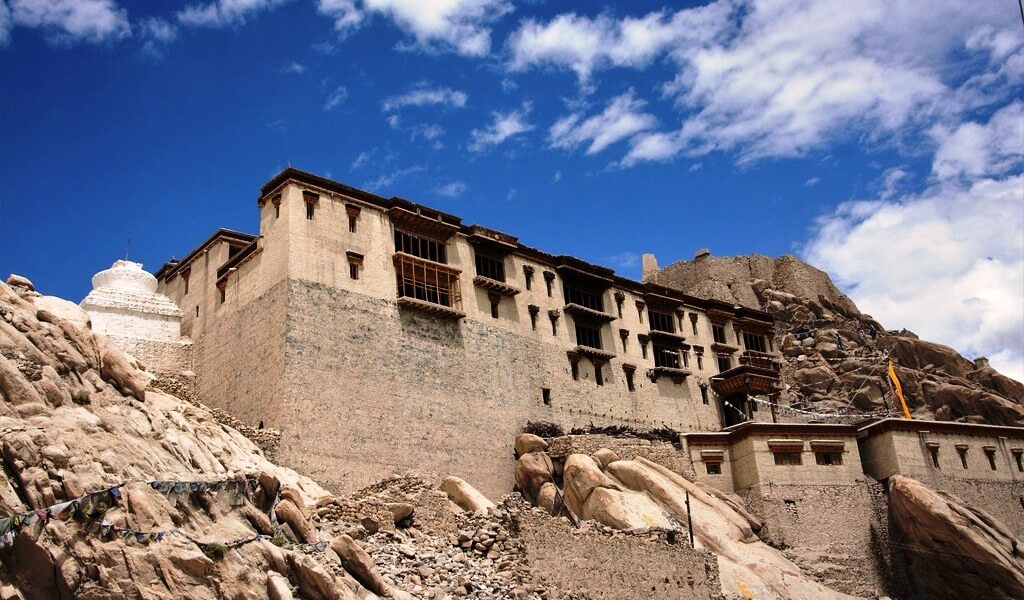
Shey Palace Leh Ladakh: Buddha Statue, Timings & Route Details
Plan your Shey Palace Leh Ladakh visit with Buddha statue insights, history, route from Leh, timings guidance, and practical tips for a meaningful heritage stop.
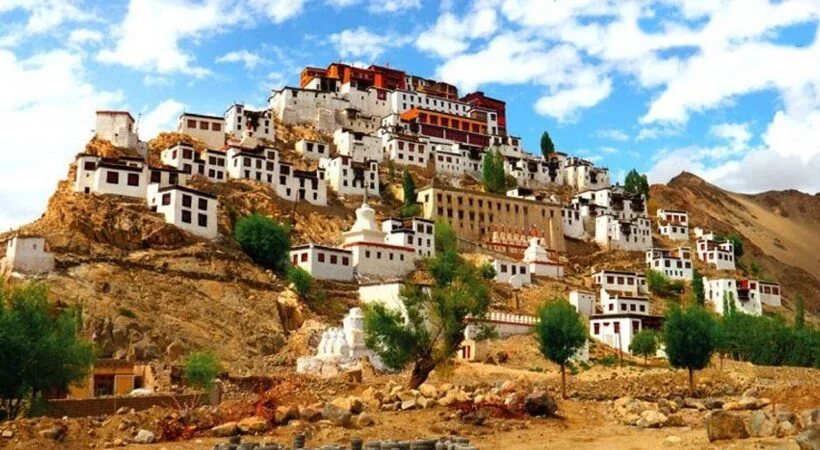
Alchi Monastery Ladakh: Murals, Timings & Travel Information
Explore Alchi Monastery Ladakh – the oldest monastery in Ladakh with 1000-year-old paintings. Complete guide with history, timings, entry fee & travel tips.
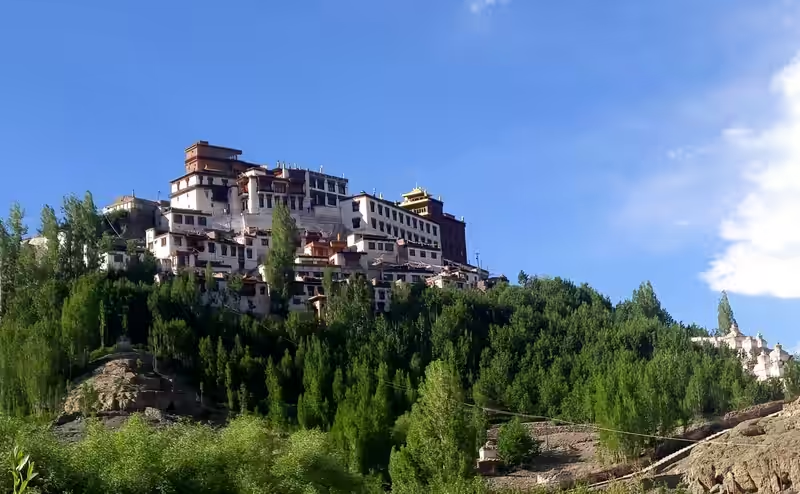
Matho Monastery Ladakh: History, Festival Dates & Visit Tips
Explore Matho Monastery Ladakh with practical festival timing, route planning, and respectful spiritual travel guidance.
Never Miss an Adventure
Get the latest trekking guides, travel tips, and exclusive offers delivered straight to your inbox.
