
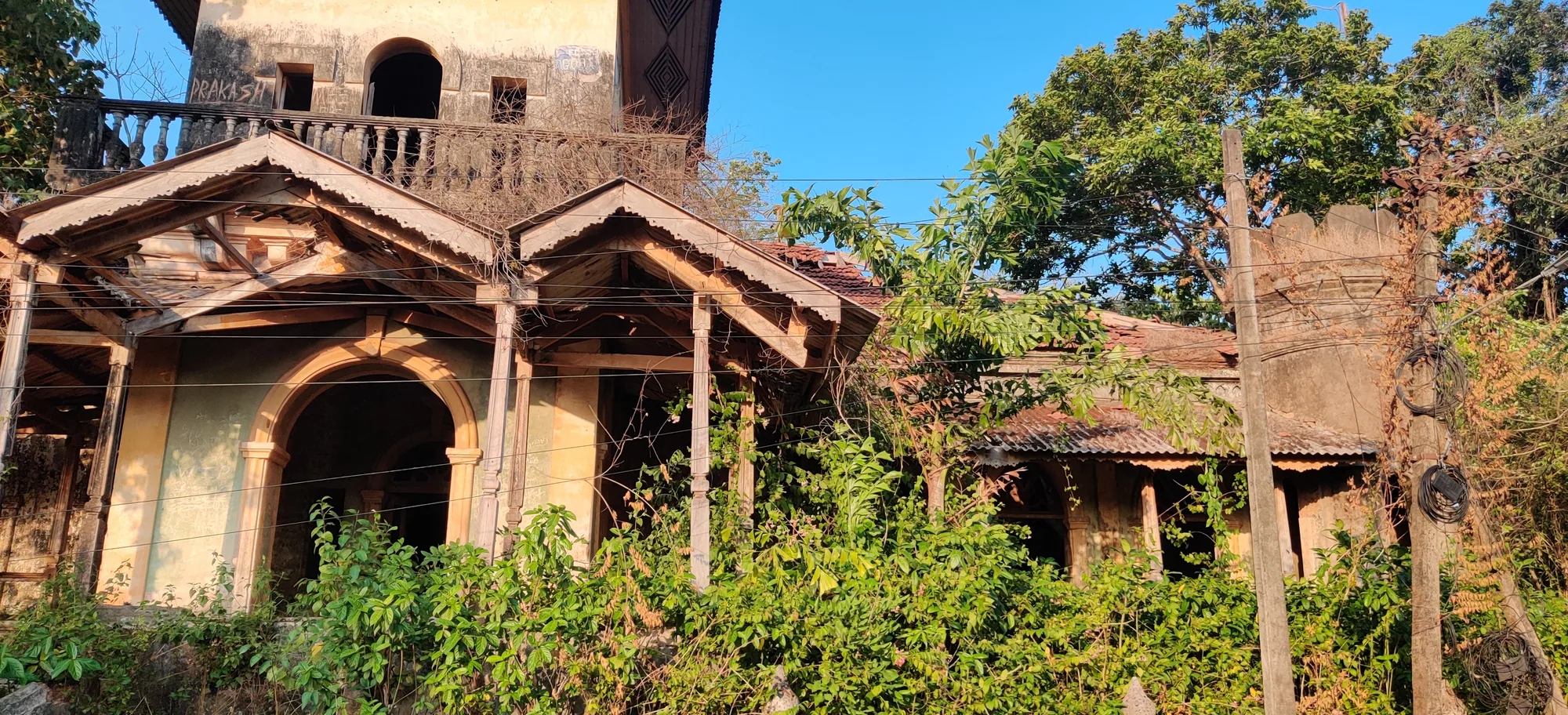
D’Mello House Goa: History, Architecture & Visitor Access Info

Priya Mehta
February 20, 2026
Explore Dmello House in Goa with architecture context, responsible visit tips, route planning, photography etiquette, and nearby South Goa attractions.
Introduction: Why Dmello House in Goa Is Getting Attention
Dmello House in Goa has become a popular offbeat search because travelers are increasingly interested in heritage architecture beyond the standard beach itinerary. Unlike mainstream Goa attractions that focus on nightlife or coastlines, this location is discussed for its old-world character, visual detail, and cultural curiosity value. For architecture lovers and slow-travel visitors, it can be an interesting stop when paired with South Goa heritage circuits.
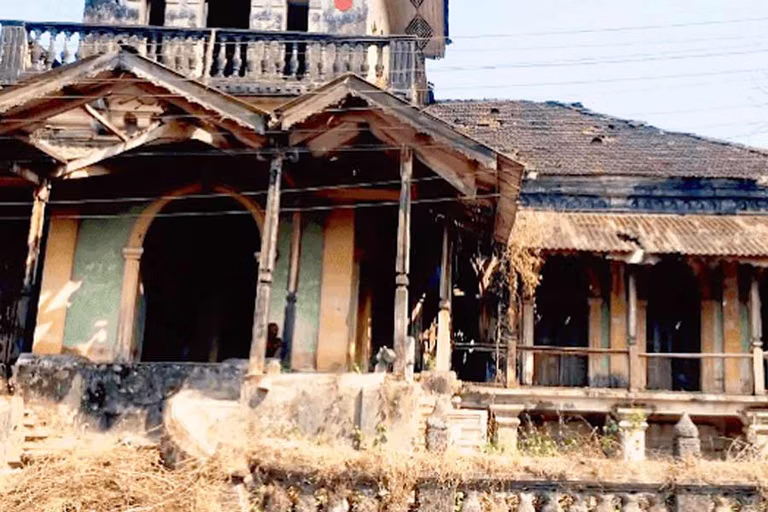
At the same time, this is not a typical ticketed tourist monument with fixed visitor infrastructure. Access conditions, entry expectations, and on-site etiquette can vary, so the correct planning approach is respectful and verification-first. This guide explains what the place is known for, how to approach a visit responsibly, when to go, what to combine nearby, and how to avoid common mistakes. You can pair this with places to visit in Cuncolim, Cabo de Rama Fort, and Dona Paula Beach for a broader South Goa plan.
What Is Dmello House and Why It Matters
The term Dmello House in Goa is generally used in travel conversations to describe a heritage-style residential structure linked with old Goan architectural aesthetics. Its appeal comes from visual form, layered design elements, and the broader Indo-Portuguese residential tradition associated with parts of Goa.
Why Travelers Visit
- Architectural curiosity and facade photography.
- Interest in old Goan residential heritage style.
- Offbeat stop for content creators and cultural travelers.
It is best treated as a contextual heritage stop rather than a large public monument experience.
Architecture and Design Features to Observe
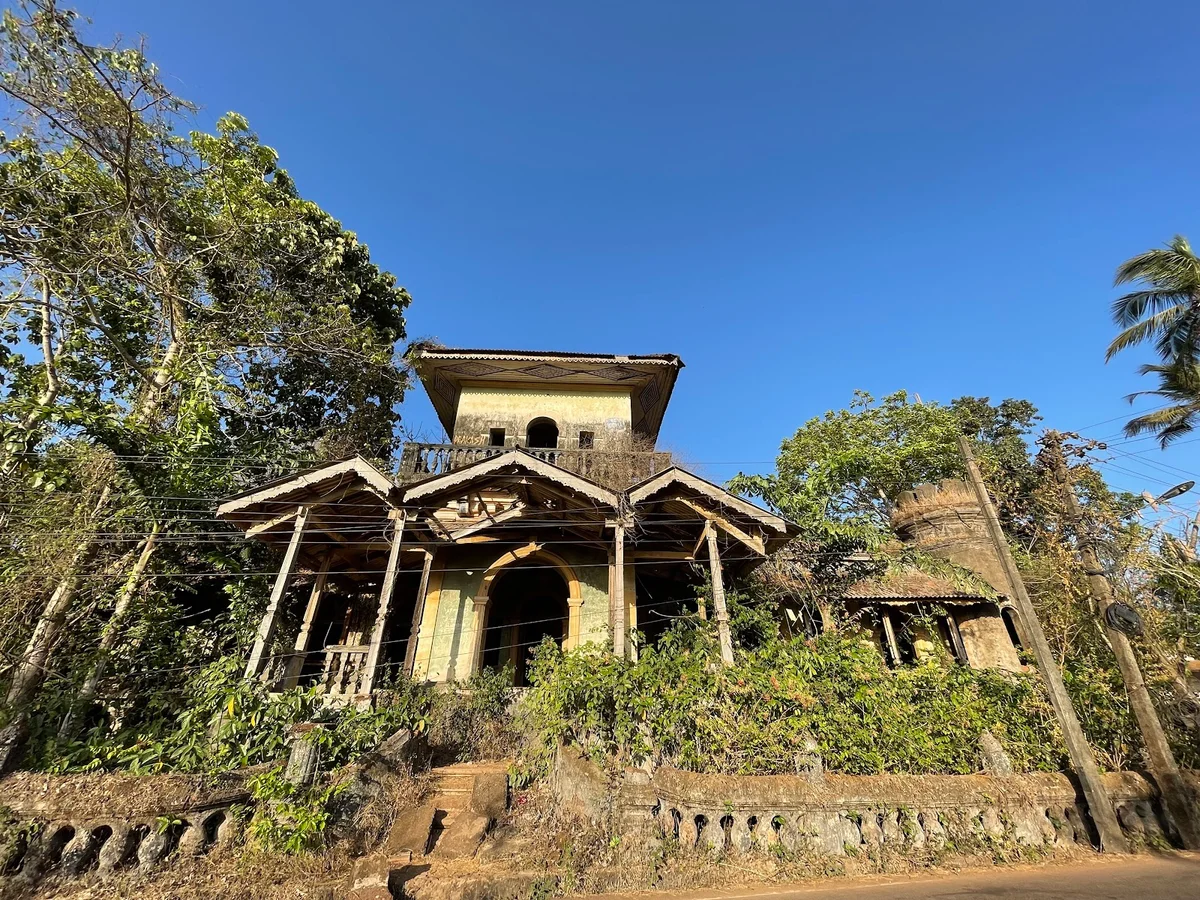
Visitors are usually drawn to details such as proportion, frontage style, window profiles, balconies, and ornamental patterns that reflect local colonial-era design influence blended with regional adaptation.
What to Look For
- Facade symmetry and color treatment.
- Balcony/veranda expression in old Goan style.
- Decorative elements with Indo-Portuguese influence.
- Material aging patterns that reflect climate history.
For architecture enthusiasts, spending time on detail observation can be more rewarding than quick photo-only visits.
Historical and Cultural Context
Goa's heritage house landscape represents social history, trade influence, religious interaction, and climate-responsive design patterns. Dmello House is often discussed within this broader cultural framework. Even if specific archival detail is limited in public travel content, the structure's value lies in representing a style tradition that shaped many old settlements.
Contextual Significance
- Part of Goa's layered built-heritage narrative.
- Reflects residential architecture beyond churches and forts.
- Useful for travelers studying cultural landscapes, not just beaches.
This perspective helps visitors engage respectfully and meaningfully.
Best Time to Visit Dmello House
As an outdoor visual and locality-based stop, season and time-of-day matter for comfort and photography quality.
- November to February: most comfortable weather for heritage circuits.
- Summer: visit early morning to avoid heat strain.
- Monsoon: lush surroundings but weather can affect mobility and shooting conditions.
Best Time of Day
- Morning for softer light and lower movement pressure.
- Late afternoon for warm facade tones and calmer pace.
Avoid harsh midday slots if combining multiple South Goa stops.
How to Reach Dmello House in Goa
Route planning depends on your base location in Goa. Most travelers use self-drive scooter/car or app/local taxi services when doing offbeat heritage points.
Access Strategy
- Use map pin plus local confirmation (names can vary in on-ground usage).
- Plan as part of a route cluster, not standalone long detour.
- Keep flexible time for navigation in smaller settlement roads.
| Mode | Convenience | Best For |
|---|---|---|
| Scooter rental | High flexibility | Solo/couple offbeat explorers |
| Private cab | High comfort | Families and multi-stop day trips |
| Self-drive car | Medium to high | Structured heritage circuits |
Parking conditions can vary by locality, so avoid blocking residential access points.
Photography Tips and Etiquette
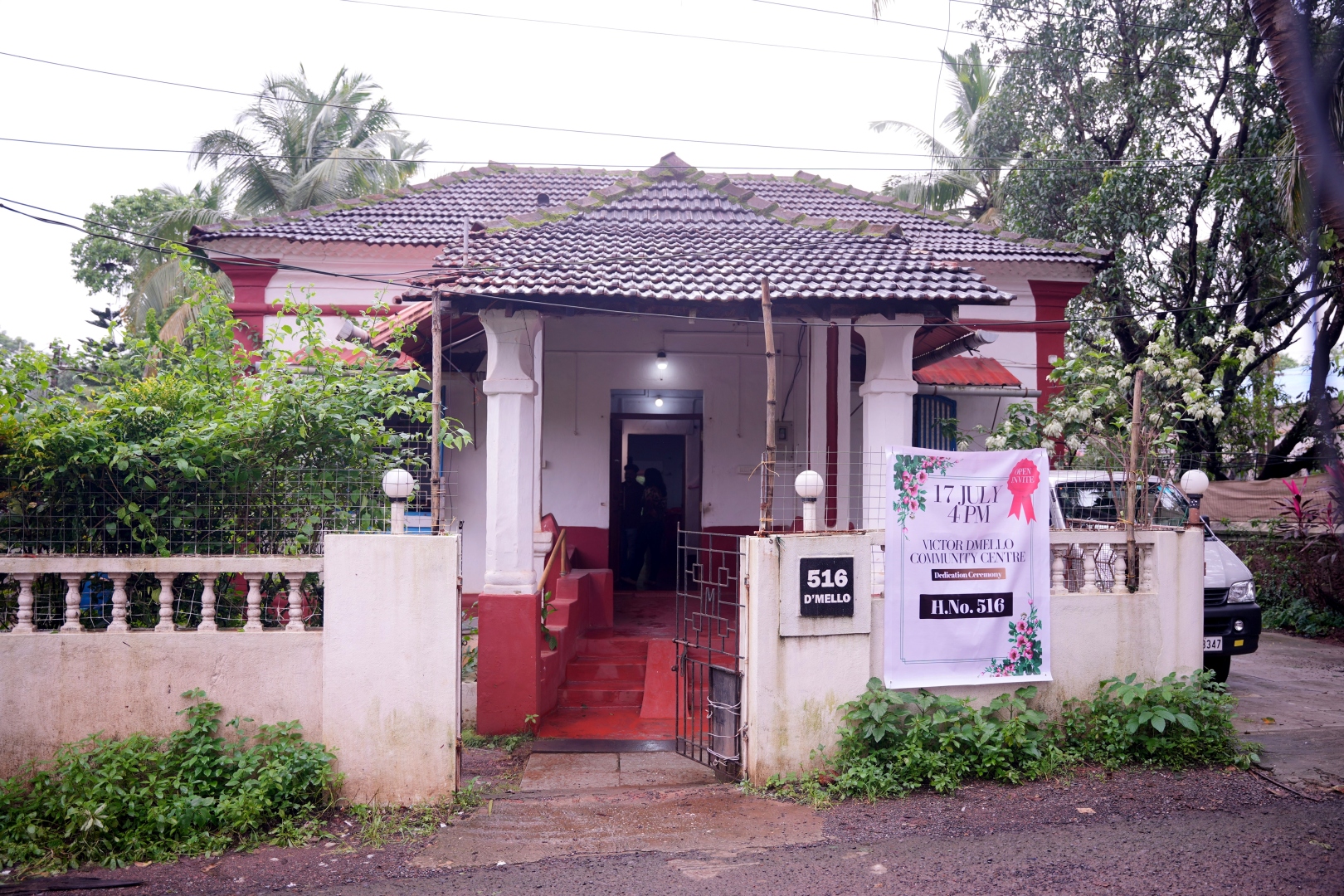
Photography is a major reason people visit, but respectful conduct is essential, especially if the structure is in or near private/residential use patterns.
Good Practices
- Shoot from public-access points unless explicit permission exists.
- Avoid intrusive close-up shots through private openings.
- Respect no-entry or local caution signage.
- Keep sessions concise to avoid neighborhood disruption.
Responsible photography protects both visitor reputation and site dignity.
Nearby Attractions to Combine in South Goa
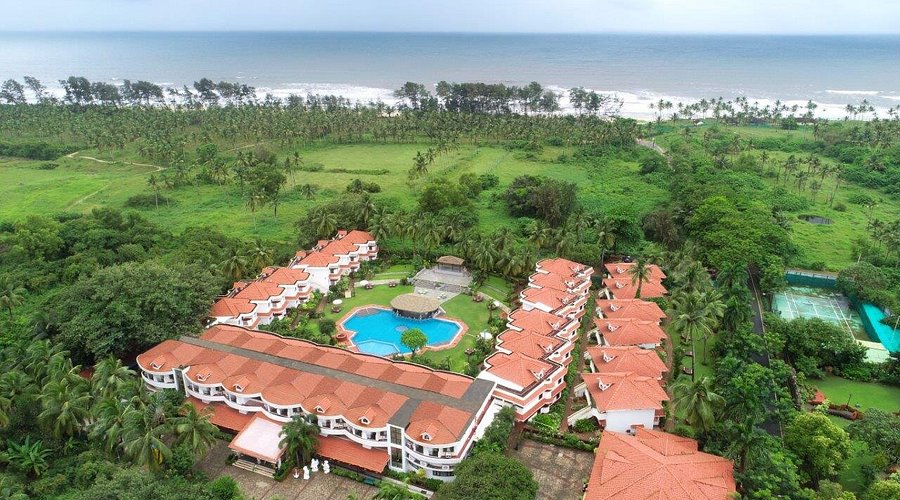
Dmello House works best when integrated into a wider South Goa heritage and coastal route.
This combination provides heritage, spirituality, and coastline variety in one circuit.
Sample Offbeat South Goa Half-Day Plan
| Time Slot | Plan | Purpose |
|---|---|---|
| 8:30 AM - 10:00 AM | Dmello House and heritage observation | Cool weather, better photos |
| 10:30 AM - 12:00 PM | Nearby heritage/church stop | Cultural continuity |
| Lunch | Local food break | Route comfort |
| Late afternoon | Fort or beach extension | Balanced finish |
This plan works well for architecture and photography-oriented travelers.
Common Mistakes to Avoid
- Treating it like a fully ticketed tourist monument.
- Ignoring privacy norms around residential heritage spaces.
- Arriving at harsh midday without weather planning.
- Not combining nearby attractions, reducing trip value.
Simple planning makes this offbeat stop more rewarding.
Practical Visitor Checklist
- Confirm exact map location before departure.
- Carry water and sun protection.
- Wear respectful clothing in heritage-locality circuits.
- Keep cash buffer for local transport variations.
- Plan one backup stop if access is restricted on arrival.
This checklist helps prevent day-of disruption.
Conclusion
Dmello House in Goa is a valuable offbeat stop for architecture and heritage-curious travelers, especially when planned as part of a broader South Goa route. Its strength lies in visual-cultural context, not in large-scale tourist infrastructure.
Visit respectfully, verify access conditions, and combine nearby heritage/coastal points for a fuller experience. Continue with South Goa planning ideas, fort routes, and Goa heritage houses context.
Architectural Details Worth Observing
D'Mello House belongs to a distinctive category of Indo-Portuguese residential architecture found across South Goa's older village settlements. Typical features associated with this style include sloped Mangalore-tile roofing, ornate wooden window frames often finished in vivid colors, wide balcao seating areas at the entrance used historically for greeting visitors, and lime-plastered walls that give the facade its characteristic soft texture compared to modern concrete construction. Observing these elements up close, without trespassing onto private sections of the property, gives visitors a genuine sense of how colonial-era domestic architecture adapted European influences to Goa's tropical climate.
Photographers should pay particular attention to the interplay between the house's pastel or white-washed exterior and the surrounding greenery, which is a hallmark of Goan heritage house photography. Morning light tends to bring out the texture of the lime plaster more effectively than the flatter light of midday, making an early visit worthwhile for anyone documenting the architecture in detail.
Best Season for Visiting Heritage Houses in Goa
South Goa's heritage house circuit, including stops like D'Mello House, is most comfortable between November and February, when daytime temperatures stay moderate and humidity is lower than in the peak summer months. March through May brings noticeably higher heat, which can make walking tours of multiple heritage stops tiring if not paced with shaded breaks. The monsoon season from June to September gives the surrounding landscape a vivid green backdrop that many photographers find appealing, though intermittent heavy rain can disrupt outdoor viewing plans, so travelers visiting during this period should build flexibility into their itinerary.
Location
Frequently Asked Questions
Q1.Where is Dmello House located in Goa?
Q2.What makes Dmello House architecturally unique?
Q3.Is there a fixed entry fee for Dmello House?
Q4.What is the best time to visit Dmello House?
Q5.Is photography allowed at Dmello House?
Q6.How much time should I keep for this stop?
Q7.Can I combine Dmello House with other South Goa attractions?
Q8.Is Dmello House worth visiting for non-architecture travelers?
Recommended For You
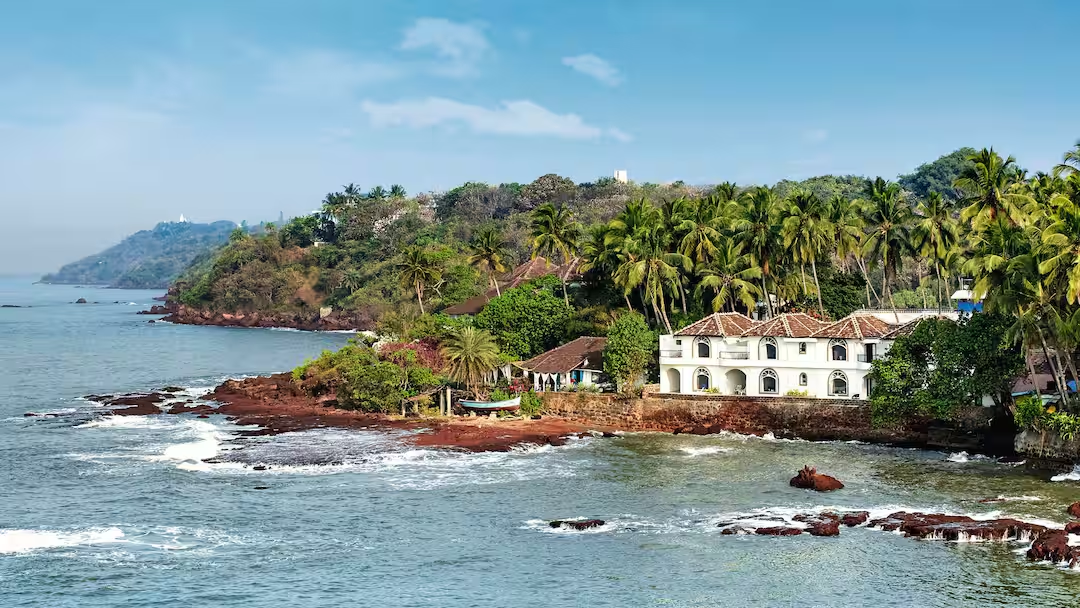
Dona Paula Beach Goa: Attractions & Travel Tips
Discover Dona Paula Beach in Goa, famous for its viewpoint & water sports. Complete guide with activities, best time to visit & nearby attractions.
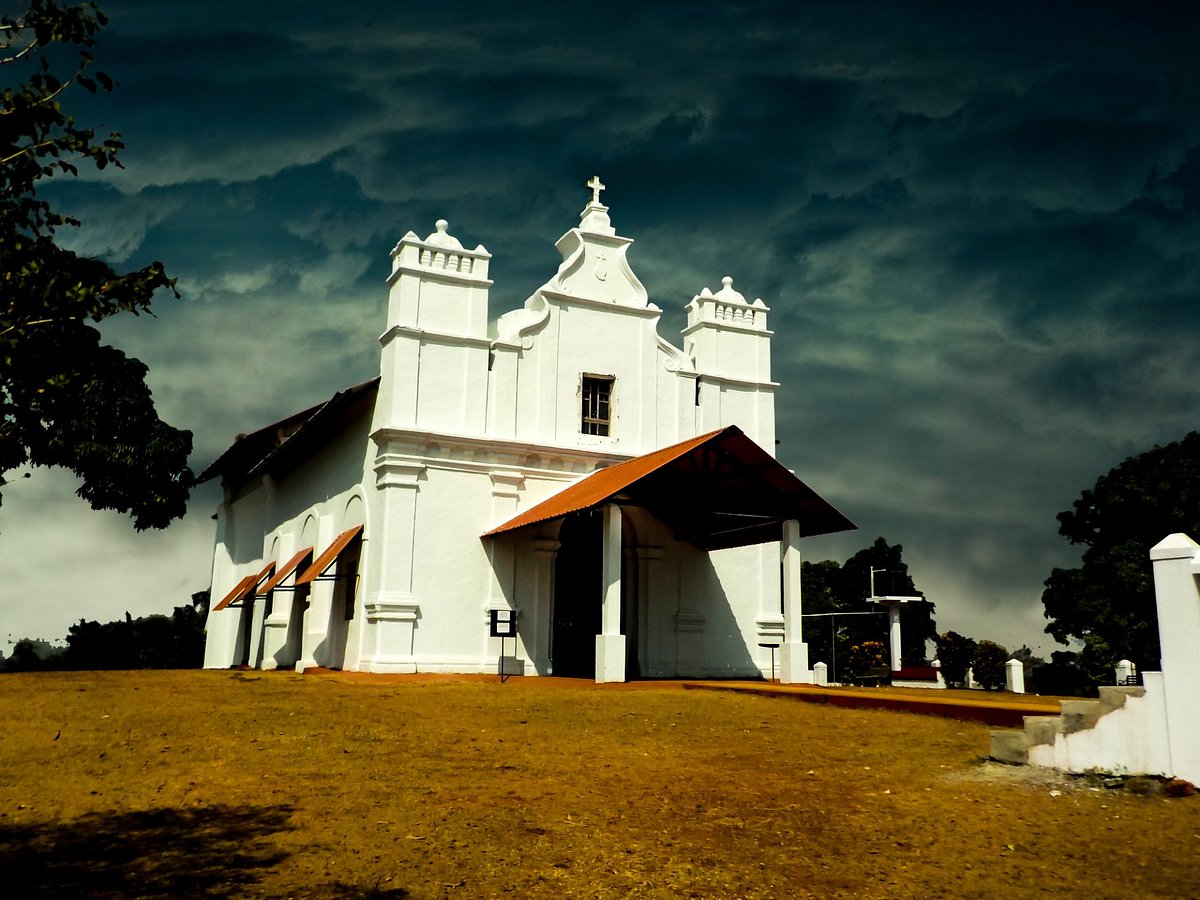
Three Kings Church Goa: Local Legend, Feast Date & Route
Explore Three Kings Church in Cansaulim, Goa with its famous legend, Epiphany feast context, route details, nearby attractions, and practical visit tips.
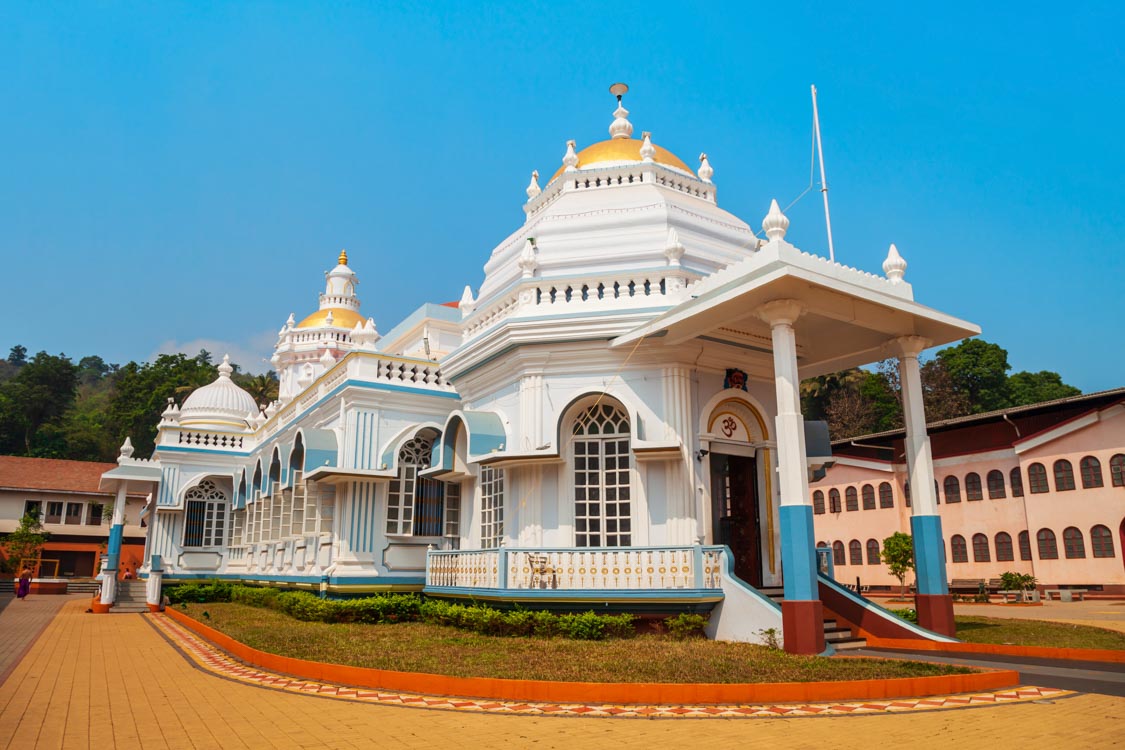
Mangeshi Temple Goa: Timings, History & Visitor Etiquette
Visit Mangeshi Temple in Goa - ancient Lord Shiva temple with unique architecture, rich history of Portuguese persecution survival, and beautiful seven-story Deepa Stambha.
Never Miss an Adventure
Get the latest trekking guides, travel tips, and exclusive offers delivered straight to your inbox.
