
Mangeshi Temple Goa: Timings, History & Visitor Etiquette

Rohit Verma
December 11, 2025
Visit Mangeshi Temple in Goa - ancient Lord Shiva temple with unique architecture, rich history of Portuguese persecution survival, and beautiful seven-story Deepa Stambha.
Introduction: Goa's Most Sacred Shiva Temple
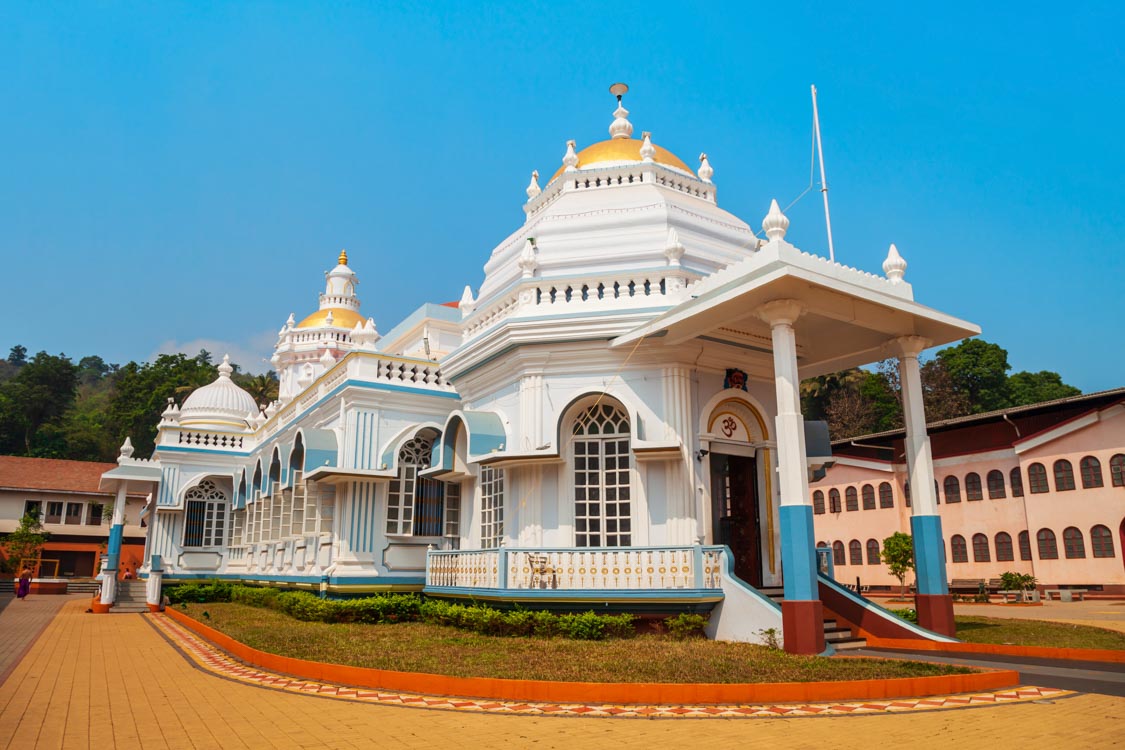
Nestled in the lush green village of Priol in Ponda taluka, the Mangeshi Temple stands as one of Goa's most revered and beautiful Hindu temples. While Kollur Mookambika Temple in nearby Karnataka is another major South Indian pilgrimage site, Mangeshi Temple holds a unique place in Goan spiritual heritage. Dedicated to Lord Mangesh (a form of Lord Shiva), this temple is not only a significant pilgrimage site for devotees but also a stunning example of the unique architectural fusion that characterizes Goa's temple heritage. The temple's distinctive seven-story Deepa Stambha (lamp tower) and beautiful white dome make it instantly recognizable, while its peaceful atmosphere offers a spiritual retreat away from Goa's busy beaches. What makes the Mangeshi Temple particularly fascinating is its rich history of survival and resilience. Originally located in Kushasthali (present-day Cortalim) during the early centuries, the temple was forced to relocate multiple times during the Portuguese persecution of Hindu temples. The final move to Priol in the 16th-17th century preserved this sacred site, allowing it to flourish and become the magnificent structure we see today.
The temple attracts thousands of devotees and tourists throughout the year, with peak crowds during festivals like Mahashivratri. Whether you're a spiritual seeker, a student of architecture, or simply curious about Goa's rich cultural heritage beyond beaches, the Mangeshi Temple offers a profound and beautiful experience.
What makes the Mangeshi Temple particularly fascinating is its rich history of survival and resilience. Originally located in Kushasthali (present-day Cortalim) during the early centuries, the temple was forced to relocate multiple times during the Portuguese persecution of Hindu temples. The final move to Priol in the 16th-17th century preserved this sacred site, allowing it to flourish and become the magnificent structure we see today.
The temple attracts thousands of devotees and tourists throughout the year, with peak crowds during festivals like Mahashivratri. Whether you're a spiritual seeker, a student of architecture, or simply curious about Goa's rich cultural heritage beyond beaches, the Mangeshi Temple offers a profound and beautiful experience.
History of Mangeshi Temple
The Mangeshi Temple's history spans over four centuries, marked by adversity, resilience, and enduring faith. Understanding this historical journey adds depth to your visit.Origins in Kushasthali
The temple's original location was in Kushasthali, in the Salcette taluka of Goa. This region was part of the original territory of the Saraswat Brahmins, the community to which the temple belongs. According to legend, the deity Lord Mangesh is the family deity (Kuladevata) of many Gaud Saraswat Brahmin families. The name "Mangesh" derives from "Mangireesh" or "Manjireesh," meaning "Lord of the Mountain." The deity is believed to be a manifestation of Lord Shiva who appeared to the sage Mudgal when he was performing penance on a mountain. The temple was thus established to honor this divine manifestation.The Portuguese Persecution and Relocation
The most significant chapter in the temple's history came with the arrival of the Portuguese in Goa in the 16th century. The Portuguese, driven by religious zeal, launched systematic campaigns to destroy Hindu temples and convert the local population to Christianity. Between 1541 and 1568, hundreds of temples were destroyed in the Salcette and Bardez regions. Faced with this threat, the Saraswat Brahmin community made the difficult decision to relocate their beloved deity to safety. The sacred Shivling was moved from Kushasthali to Priol, in the Ponda taluka, which at that time was under the control of the Bijapur Sultanate and thus safe from Portuguese destruction.
The journey itself is a testament to the devotion of the priests and devotees who carried the sacred deity through forests and difficult terrain to ensure its survival. This migration occurred sometime in the mid-16th century, likely around 1560-1565, when Portuguese persecution was at its peak.
Faced with this threat, the Saraswat Brahmin community made the difficult decision to relocate their beloved deity to safety. The sacred Shivling was moved from Kushasthali to Priol, in the Ponda taluka, which at that time was under the control of the Bijapur Sultanate and thus safe from Portuguese destruction.
The journey itself is a testament to the devotion of the priests and devotees who carried the sacred deity through forests and difficult terrain to ensure its survival. This migration occurred sometime in the mid-16th century, likely around 1560-1565, when Portuguese persecution was at its peak.
Establishment in Priol
In Priol, the temple was re-established with the support of the local ruling authorities and the community. The current temple structure, however, was built later in the 18th century (around 1739-1743) during the more peaceful period following the decline of Portuguese power in the region. The new location in Priol proved ideal for the temple's growth. Surrounded by natural beauty and removed from the immediate threat of Portuguese forces, the temple flourished as a center of Shaivite worship and Saraswat Brahmin culture. Over the centuries, various rulers and devotees contributed to the temple's expansion and beautification, resulting in the magnificent structure we see today.Survival and Revival
Unlike many temples that were completely destroyed during the Portuguese Inquisition, the Mangeshi Temple survived thanks to the timely relocation. The temple became a symbol of resilience for Goa's Hindu community, representing their ability to preserve their faith and culture despite adverse circumstances. Following Goa's liberation from Portuguese rule in 1961, the temple entered a new phase of growth and development. The Devasthan Committee (temple management) undertook various renovation and beautification projects while maintaining the temple's traditional character. Today, it stands as one of the most well-maintained and active temples in Goa, attracting both devotees and tourists.Architecture and Design
The Mangeshi Temple showcases a unique architectural style that blends traditional Hindu temple elements with influences from Portuguese church architecture. This fusion is characteristic of Goan temples that were built or rebuilt during the colonial period.Temple Complex Layout
The temple complex is beautifully laid out, with several structures arranged around a central courtyard. The main elements include:- Garbhagriha: The sanctum sanctorum housing the main deity
- Sabha Mandap: The assembly hall where devotees gather
- Ardha Mandap: The intermediate hall between the sanctum and assembly hall
- Deepa Stambha: The magnificent seven-story lamp tower
- Agrashala: Pilgrim rest rooms and residential quarters for priests
- Temple Tank: The sacred water tank for ritual purification
The Seven-Story Deepa Stambha
The most striking feature of the Mangeshi Temple is its Deepa Stambha (lamp tower), which stands at the entrance of the temple complex. This seven-story structure rises approximately 30-40 feet high and is beautifully crafted in the traditional style. During festival times, especially Diwali and Karthik Purnima, this lamp tower is illuminated with hundreds of oil lamps (deepas), creating a spectacular sight. The tower is decorated with niches for placing lamps, intricate carvings, and ornamental elements that showcase the craftsmanship of traditional Goan artisans.
The Deepa Stambha serves both practical and spiritual purposes: it provides illumination during evening rituals and symbolizes the presence of divine light dispelling ignorance and darkness.
During festival times, especially Diwali and Karthik Purnima, this lamp tower is illuminated with hundreds of oil lamps (deepas), creating a spectacular sight. The tower is decorated with niches for placing lamps, intricate carvings, and ornamental elements that showcase the craftsmanship of traditional Goan artisans.
The Deepa Stambha serves both practical and spiritual purposes: it provides illumination during evening rituals and symbolizes the presence of divine light dispelling ignorance and darkness.
The Unique Dome
Another distinctive architectural feature is the temple's dome, which sits atop the main sanctum. Unlike the typical shikaras (spires) of North Indian temples or the vimanas of South Indian temples, the Mangeshi Temple's dome shows clear influence from Portuguese church architecture. The dome is white-painted, hemispherical, and topped with a kalash (pitcher). This architectural blending is unique to Goan temples and represents the cultural synthesis that occurred in Goa during the colonial period. The dome's clean lines and pure white color create a striking contrast against the blue sky and surrounding greenery.The Sabhā Mandap (Assembly Hall)
The Sabha Mandap is a spacious, beautifully designed hall where devotees gather for prayers and rituals. The hall features:- Traditional Columns: Wooden pillars with carved bases and capitals
- Intricate Ceiling: Decorated with traditional patterns and motifs
- Open Sides: Allowing natural light and ventilation
- Cool Flooring: Stone or marble flooring that remains cool even in summer
The Sacred Temple Tank
The temple tank (pushkarini) is an essential feature of traditional Hindu temples, and Mangeshi Temple is no exception. This ancient water tank, located within the temple complex, is used for ritual purification before worship and during various ceremonies. The tank features:- Stepwell Design: Steps leading down to the water level
- Sacred Fish: The tank contains fish that are considered sacred and never harmed
- Clean Water: The water is maintained and considered pure for ritual purposes
- Surrounding Area: A peaceful space for circumambulation (pradakshina)
Material and Construction
The temple is primarily constructed using laterite stone, a material abundantly available in Goa. Laterite is soft when quarried but hardens on exposure to air, making it ideal for construction. The stone is often covered with lime plaster and painted white, giving the temple its bright, clean appearance. Wood is used extensively for pillars, doors, and decorative elements. The wood is typically treated and carved by skilled craftsmen to create the intricate designs seen throughout the temple.Deity and Worship
Understanding the spiritual significance of the Mangeshi Temple enriches your visit beyond mere sightseeing.The Main Deity: Lord Mangesh
The presiding deity of the temple is Lord Mangesh, a manifestation of Lord Shiva. Similar to the Kashi Vishwanath Temple in Varanasi, which is another major Shiva shrine, this temple represents the rich Shaivite tradition of India. The deity is in the form of a Shivlinga, which is housed in the Garbhagriha (sanctum sanctorum). The Shivlinga is believed to be swayambhu (self-manifested), meaning it was not created by human hands but appeared naturally. Lord Mangesh is particularly revered as the Kuladevata (family deity) of Gaud Saraswat Brahmins. These families have a special connection to the temple and often return for important life events, ceremonies, and festivals to seek the deity's blessings.Other Deities in the Complex
While Lord Mangesh is the presiding deity, the temple complex houses several other deities:- Goddess Parvati: Lord Shiva's consort, often housed in a separate shrine
- Lord Ganesha: The elephant-headed god, worshipped before any new beginning
- Lord Kubera: The treasurer of the gods, associated with wealth
- Nandi Bull: Lord Shiva's vehicle, placed outside the sanctum facing the deity
Worship Practices and Rituals
The temple follows traditional Shaivite worship practices that have been observed for centuries:- Daily Puja: Multiple worship services performed throughout the day
- Abhishekam: Ritual bathing of the Shivlinga with water, milk, honey, and other sacred substances
- Archana: Recitation of deity's names with offerings of flowers
- Arti: Waving of lamps before the deity accompanied by devotional songs
- Offerings: Devotees offer bel leaves, bilva patra, milk, and other items favored by Lord Shiva
Festivals Celebrated
The temple comes alive during various Hindu festivals, with Mahashivratri being the most significant:| Festival | Significance |
|---|---|
| Mahashivratri | Great Night of Shiva; most important festival with special rituals and large crowds |
| Ganesh Chaturthi | Birthday of Lord Ganesha; celebrated with enthusiasm |
| Diwali | Festival of Lights; Deepa Stambha illuminated with hundreds of lamps |
| Karthik Purnima | Full moon day in Kartik month; special night ceremony at lamp tower |
Temple Timings and Rituals
Planning your visit according to the temple timings ensures you have the best experience and can participate in the rituals.Daily Temple Timings
| Session | Timings | Significance |
|---|---|---|
| Morning Session | 6:00 AM - 1:00 PM | Early morning abhishekam, arti, and darshan; ideal time for peaceful worship |
| Afternoon Break | 1:00 PM - 3:00 PM | Temple closes; priests rest and prepare for evening rituals |
| Evening Session | 3:00 PM - 8:30 PM | Evening arti, special rituals, and darshan; sunset visits are popular |

Best Time for Darshan
Early Morning (6:00-8:00 AM): This is the ideal time for devotees seeking a peaceful darshan. The temple is less crowded, the morning atmosphere is spiritually charged, and you can participate in the morning abhishekam and arti rituals. The cool morning air and soft natural light add to the serene experience. Evening (5:00-7:00 PM): Evening is also a wonderful time to visit, especially during sunset when the temple takes on a golden glow. The evening arti ceremony is spiritually uplifting, and the lamp tower is often illuminated, creating a beautiful ambiance. The temperature is pleasant, and the day's heat has subsided. Mid-day (10:00 AM - 12:00 PM): This is the busiest time, especially on weekends and holidays. If you don't mind crowds and prefer vibrant temple atmosphere, mid-day visits offer more energy and activity but less peaceful contemplation.Recommended Duration of Visit
Plan for 1-2 hours for a relaxed visit to the Mangeshi Temple. This allows you to:- Observe the rituals and ceremonies
- Walk around the temple complex
- Spend time in quiet contemplation
- Take photographs (in permitted areas)
- Visit the temple tank and surrounding areas
How to Reach Mangeshi Temple
The Mangeshi Temple is easily accessible from various parts of Goa. Here's a comprehensive guide to reaching this sacred site.From Panjim (Panaji)
Panjim, Goa's capital, is approximately 22 kilometers from the Mangeshi Temple. The journey takes about 45 minutes to 1 hour by road.| Transport Mode | Time | Cost (Approx.) |
|---|---|---|
| Taxi/Cab | 40-50 minutes | ₹400-700 |
| Auto-Rickshaw | 50-60 minutes | ₹200-350 |
| Two-Wheeler Rental | 40-50 minutes | ₹300-500/day rental |
| Private Car | 40-50 minutes | Fuel cost ~₹100 |
From Madgaon (Margao)
Madgaon, South Goa's major city, is approximately 26 kilometers from the temple. The journey takes about 50 minutes to 1 hour by road, following similar transport options as from Panjim.From Popular Beach Areas
| From | Distance | Approximate Time |
|---|---|---|
| Calangute/Baga | 35 km | 1 hour - 1 hour 15 minutes |
| Vagator | 32 km | 1 hour - 1 hour 10 minutes |
| Colva | 28 km | 50 minutes - 1 hour |
By Bus
State transport buses and private buses connect Panjim, Madgaon, and Ponda. From Ponda, local buses or auto-rickshaws can take you to Priol. However, buses may be infrequent and less convenient than private transport options.Road Route Details
The temple is located in Priol village, Ponda taluka. From Panjim, take the NH4A toward Ponda, then follow local roads to Priol. The route is well-marked with signboards directing to "Mangeshi Temple." The last stretch through Priol village is narrow, so drive carefully.Parking
The temple has a designated parking area where visitors can park their cars, two-wheelers, or tour buses. Parking is generally free but can get crowded during festivals and weekends. Arrive early during peak times to secure parking.Nearby Attractions
While visiting the Mangeshi Temple, you can explore other attractions in the Ponda region, creating a comprehensive cultural tour of Goa.Shanta Durga Temple
Located just 2 kilometers from the Mangeshi Temple, the Shanta Durga Temple is another important religious site. Dedicated to Goddess Shanta Durga, this temple is also the Kuladevata of many Saraswat Brahmin families.- Distance: 2 km from Mangeshi Temple
- Travel Time: 5-10 minutes by road
- Significance: One of Goa's largest and most beautiful temples
- Architecture: Features a six-story Deepa Stambha and beautiful dome
Other Ponda Temples
Ponda is known as the "Temple Town of Goa" and houses numerous other temples including. For devotees interested in exploring more spiritual sites, the Somnath Temple in Gujarat is another significant jyotirlinga shrine worth visiting.- Mahalaxmi Temple: Dedicated to Goddess Laxmi
- Nagueshi Temple: Another ancient Shiva temple
- Ramnath Temple: Dedicated to Lord Rama
Sahakari Spice Farm
For a different kind of experience, visit the Sahakari Spice Farm located near Ponda:- Distance: Approximately 8-10 km from Mangeshi Temple
- Experience: Guided tour of spice plantations
- Activities: Elephant rides, traditional Goan lunch
- Duration: 2-3 hours
Old Goa Churches
For those interested in Goa's religious diversity, Old Goa is approximately 15-20 kilometers away. While Akshardham Temple Delhi represents modern Hindu temple architecture, Old Goa showcases centuries of Christian heritage.- Basilica of Bom Jesus: Houses the relics of St. Francis Xavier
- Se Cathedral: One of Asia's largest churches
- Church of St. Cajetan: Modeled on St. Peter's in Rome
Visitor Guidelines and Tips
Following proper etiquette and being prepared will ensure a respectful and enjoyable visit to the Mangeshi Temple.Dress Code
While there is no strictly enforced dress code, modest attire is appreciated and appropriate for a religious site:- Men: Full trousers or jeans, shirts or t-shirts (avoid sleeveless)
- Women: Salwar kameez, sarees, or long skirts/dresses (avoid shorts, miniskirts, or revealing clothing)
- Footwear: You will need to remove footwear before entering the temple
Temple Etiquette
- Footwear: Remove shoes/sandals before entering the main temple complex. There are designated areas for leaving footwear.
- Photography: Photography is generally allowed in the temple complex and outer areas. However, photography inside the Garbhagriha (sanctum) is usually prohibited. Respect any signs regarding photography.
- Behavior: Maintain silence and respect the peaceful atmosphere. Avoid loud conversations or disruptive behavior.
- Offerings: If you wish to make offerings, puja materials are available near the temple entrance. You can also donate to the temple at the designated counter.
- Respect Rituals: Do not interrupt or disturb priests performing rituals. Maintain an appropriate distance during ceremonies.
What to Carry
- Offerings: If you wish to perform puja, carry flowers, fruits, or other offerings (or purchase at the temple)
- Cash: Small denominations for donations and offerings
- Water Bottle: Especially important during summer months
- Scarf/Dupatta: For covering head if desired
- Camera: For photography (respecting guidelines)

Best Time of Year to Visit
- Winter (November-February): Pleasant weather, ideal for temple exploration
- Festival Seasons: Experience vibrant celebrations, especially Mahashivratri (February-March)
- Monsoon (June-September): Lush green surroundings, but rain may be heavy
- Avoid: Peak summer (April-May) when temperatures are very high
Facilities Available
- Parking: Free parking area available
- Drinking Water: Water facilities available
- Restrooms: Basic facilities available
- Puja Materials: Shop near temple entrance selling offerings
- Prasad: Distributed after certain rituals and festivals
Tips for a Meaningful Visit
- Arrive Early: Early morning visits are peaceful and allow you to experience the temple at its serene best
- Combine with Nearby Attractions: Visit Shanta Durga Temple and other Ponda temples together
- Respect Customs: Follow all temple guidelines and respect local customs
- Learn the History: Understanding the temple's history of relocation and resilience enhances your appreciation
- Photography: Capture memories but be respectful of worshippers and rituals
- Donate Responsibly: If making donations, use the official donation counter rather than giving to random individuals
Conclusion: Why Mangeshi Temple Should Be on Your Goa Itinerary
Goa is famous worldwide for its beaches, nightlife, and parties, but the Mangeshi Temple offers a completely different and equally rewarding side of this beautiful state. It represents Goa's rich spiritual heritage, architectural innovation, and the resilience of its Hindu community during challenging historical periods. The temple's unique architecture—blending traditional Hindu elements with Portuguese influences—creates a visual experience unlike any other temple in India. The gleaming white dome, the magnificent Deepa Stambha, and the peaceful temple tank surrounded by greenery create an atmosphere of tranquility and spiritual energy. Beyond the physical beauty, the temple holds deep spiritual significance as the Kuladevata of thousands of Saraswat Brahmin families who have maintained their connection across generations. The story of how the sacred deity was moved from its original location to protect it from destruction is a powerful reminder of faith and devotion. Visiting the Mangeshi Temple allows you to experience authentic Goan culture beyond the tourist stereotypes. It's a place where ancient rituals continue uninterrupted, where faith has preserved tradition through centuries of change, and where the spiritual energy is palpable even to casual visitors. Whether you're a devotee seeking blessings, a student of architecture interested in unique fusion styles, a photographer drawn to beautiful structures, or simply a traveler looking to experience Goa's cultural depth, the Mangeshi Temple offers something meaningful. The temple reminds us that Goa is not just about sun, sand, and seafood—it's also about sacred spaces that have nurtured faith for centuries, about architectural innovation under challenging circumstances, and about communities that have preserved their identity despite overwhelming odds. A visit to Mangeshi Temple is, in many ways, a journey into the heart and soul of real Goa.Location
Frequently Asked Questions
Q1.Where is Mangeshi Temple located in Goa?
Q2.How far is Mangeshi Temple from Panjim?
Q3.What are the timings of Mangeshi Temple?
Q4.What is the history of Mangeshi Temple?
Q5.Who built Mangeshi Temple?
Q6.Is there a dress code for Mangeshi Temple?
Q7.What is the entry fee for Mangeshi Temple?
Q8.How to reach Mangeshi Temple from Panjim?
Recommended For You
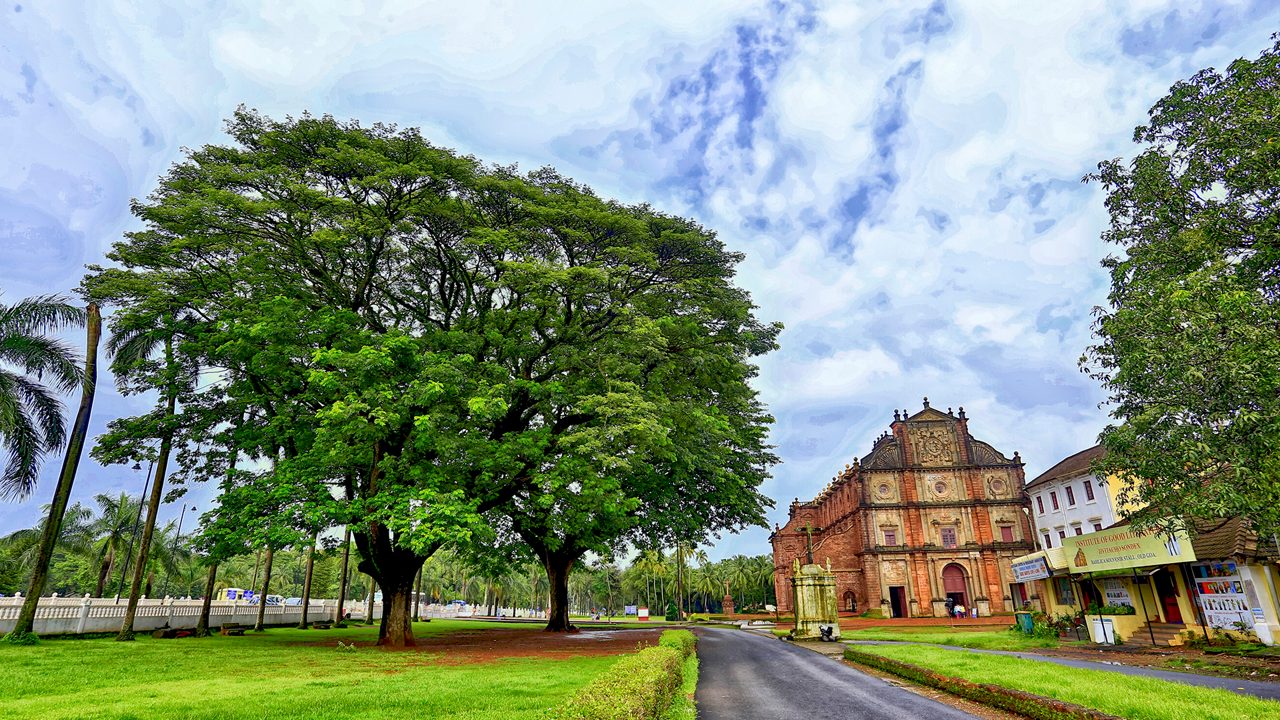
Basilica of Bom Jesus Goa: History, Timings and Tips
Visit Basilica of Bom Jesus Goa with historical context, pilgrimage significance, architecture insights, and practical Old Goa planning tips.
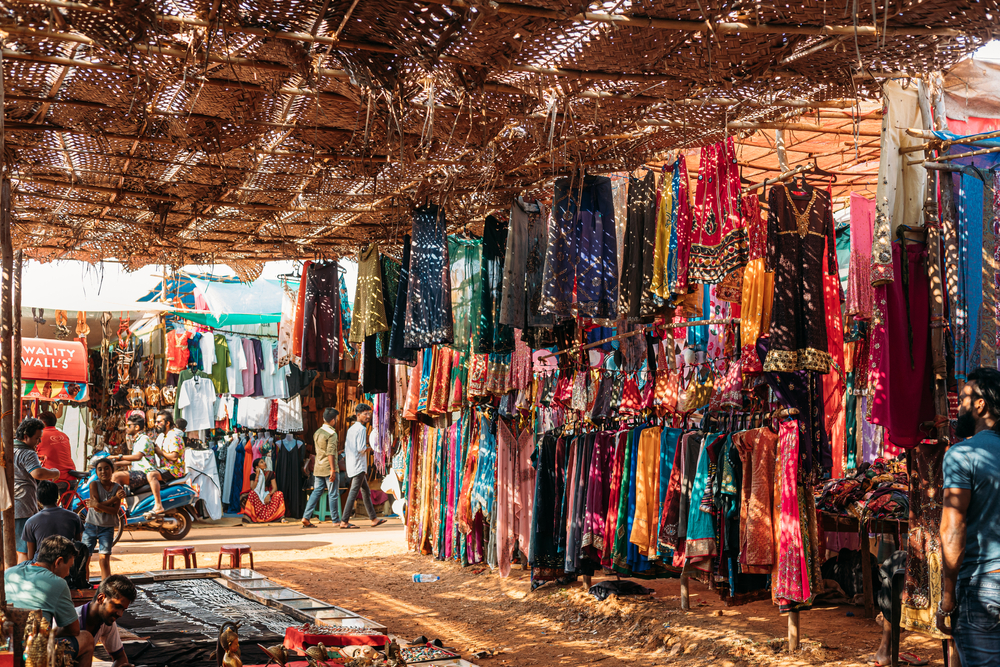
Anjuna Flea Market Goa: Timings, Bargaining Tips & What to Buy
Shop at Goa's legendary Anjuna Flea Market every Wednesday. Discover handicrafts, jewelry, clothes, bargaining tips, timing & complete guide to Asia's famous hippie market.
Goa in July: Monsoon Weather, Waterfalls & Travel Tips
Discover the best places to visit in Goa in July with monsoon-friendly itineraries, Dudhsagar plans, heritage routes, weather tips, and safety guidance.
Never Miss an Adventure
Get the latest trekking guides, travel tips, and exclusive offers delivered straight to your inbox.
