
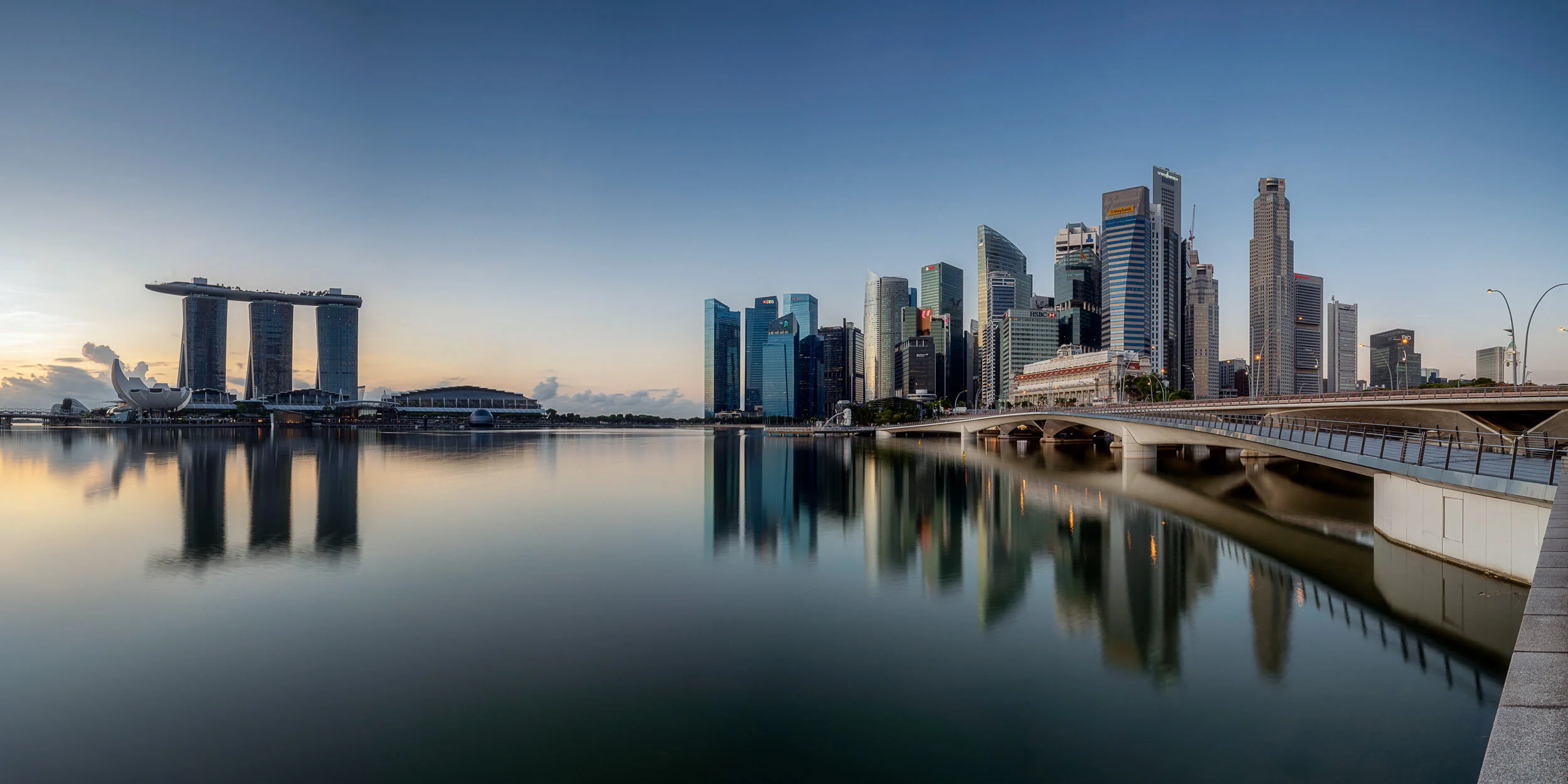
Dubai vs Singapore: Which Destination is Better for Your 2026 Trip?

Rahul Garg
February 20, 2026
Can't decide between Dubai vs Singapore? Our comprehensive guide compares cost, weather, attractions, food, shopping, nightlife & safety for your 2026 trip.
Introduction: The Ultimate Showdown of Two Global Icons
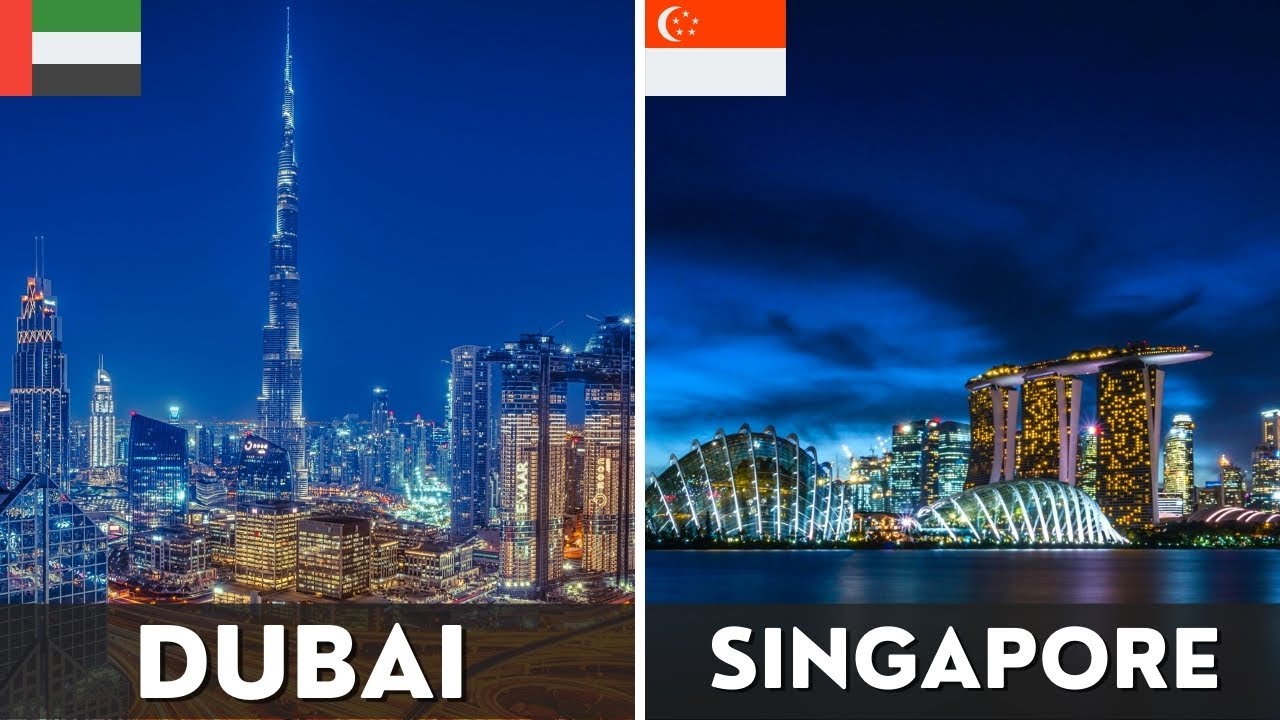
When it comes to choosing between two of Asia's most spectacular destinations, travelers often find themselves in a delightful dilemma. Dubai and Singapore represent the pinnacle of modern urban development, each offering unique experiences that captivate millions of visitors annually. This comprehensive dubai vs singapore comparison will help you make an informed decision based on your travel preferences, budget, and what you seek from your next vacation.Dubai, the gleaming gem of the United Arab Emirates, has risen from desert sands to become a global tourism powerhouse in just a few decades. With its record-breaking architecture, luxury shopping, and Arabian hospitality, Dubai offers an escape into a world of opulence and ambition. Meanwhile, Singapore, the Lion City, has transformed from a modest trading post to one of the world's most sophisticated metropolises. This city-state seamlessly blends Chinese, Malay, Indian, and Western influences into something entirely unique.
Both destinations boast world-class infrastructure, incredible food scenes, and stunning attractions, yet they offer fundamentally different experiences. Dubai dazzles with its grandiose ambition and desert-meets-sea luxury, while Singapore charms with its multicultural heritage, pristine urban planning, and tropical greenery. Whether you're planning a family vacation, honeymoon, adventure trip, or business travel, understanding the key differences between these two destinations is crucial for crafting your perfect itinerary.
Quick Comparison: Dubai vs Singapore at a Glance
Before diving deep into each aspect, here's a comprehensive overview to help you quickly grasp the fundamental differences between these two incredible destinations:| Aspect | Dubai | Singapore |
|---|---|---|
| Country | United Arab Emirates | Independent City-State |
| Best Time to Visit | November-March | February-April |
| Average Daily Budget | $150-400 USD | $100-250 USD |
| Climate | Desert (Hot summers) | Tropical Rainforest |
| Summer Temperature | 40-45°C (104-113°F) | 31-33°C (88-91°F) |
| Currency | AED (Dirham) | SGD (Singapore Dollar) |
| Language | Arabic, English | English, Malay, Mandarin, Tamil |
| Public Transport | Metro, Taxi, Car | MRT, Bus (Excellent) |
| Nightlife | Luxury clubs, bars | Rooftop bars, Clarke Quay |
| Shopping | Malls, souks, duty-free | Malls, street markets |
| Famous For | Burj Khalifa, Desert | Marina Bay, Gardens |
| Safety | Very Safe | Extremely Safe |
| Alcohol Laws | Restricted (Licensed venues) | Available widely |
| Beaches | Natural & man-made | Mostly man-made (Sentosa) |
| Visa for Indians | Required (E-visa available) | Required (Easy process) |
Location & Geography: Desert Island vs Tropical City-State
Dubai's Desert Coastal Setting
Dubai is situated on the southeast coast of the Persian Gulf, part of the seven emirates that make up the United Arab Emirates. What makes Dubai's geography remarkable is its transformation from a small fishing village to a global metropolis built essentially on sand and desert. The city spans approximately 4,114 square kilometers and is characterized by its desert landscape, with the Arabian Desert surrounding the urban areas.The city's coastline stretches along the Gulf, featuring both natural beaches and incredible man-made developments like the Palm Jumeirah and The World islands. Dubai's geography also includes the Dubai Creek, a natural seawater inlet that divides the city into Deira and Bur Dubai. This creek historically served as the heart of Dubai's pearl diving and fishing industries.
The desert setting means Dubai enjoys vast, open spaces with dramatic dunes just outside the city. This unique geography allows for desert adventures like dune bashing, camel riding, and desert camping just an hour from the city center. The contrast between modern skyscrapers and ancient desert landscapes creates a distinctive allure that draws visitors from around the world.
Singapore's Island Nation Status
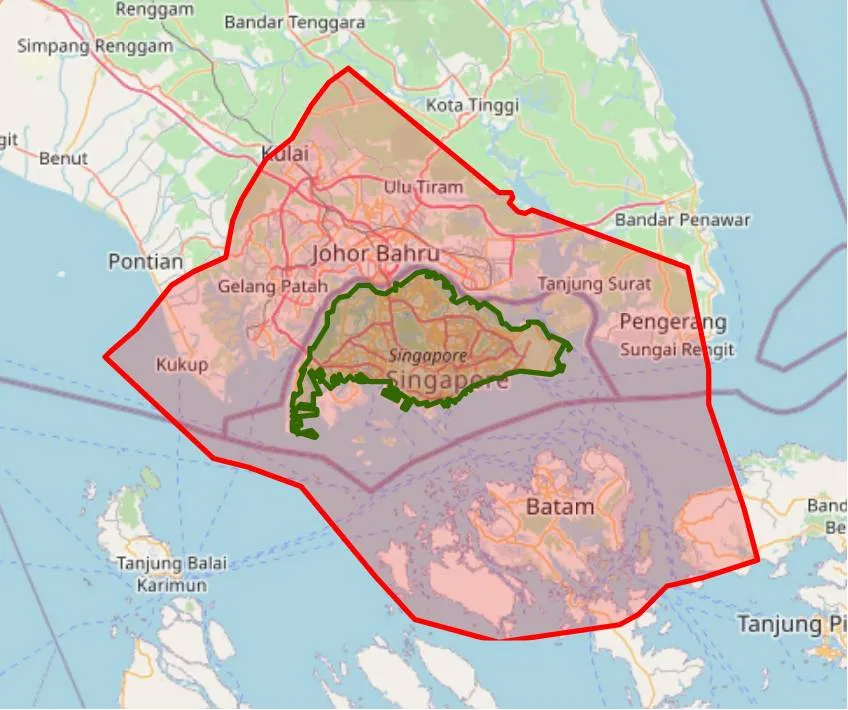
Singapore is a sovereign city-state and island country in Southeast Asia, located at the southern tip of the Malay Peninsula. The main island spans approximately 728 square kilometers, making it significantly smaller than Dubai. Singapore's strategic position at the crossroads of major shipping routes has shaped its history as a vital trading hub.The country consists of one main island and 63 smaller islets. Unlike Dubai's desert setting, Singapore is covered in lush tropical greenery, earning it the nickname "The Garden City." The city's master planning has integrated nature seamlessly into urban development, with numerous parks, gardens, and nature reserves scattered throughout.
Singapore's geography includes miles of coastline, though most beaches are man-made, particularly on Sentosa Island. The city-state is connected to Malaysia by two causeways and bridges, making overland travel possible. Its tropical location means consistent warm temperatures year-round, with high humidity being the main characteristic of the climate.
Geographic Advantages for Travelers
Dubai's Geographic Perks:
- Desert adventures accessible from the city
- Stunning Persian Gulf coastline
- Proximity to other Emirates (Abu Dhabi, Sharjah)
- Easy access to Oman's mountains
- Year-round sunshine (though summer is extreme)
Singapore's Geographic Perks:
- Centrally located in Southeast Asia
- Easy access to Malaysia, Indonesia, Thailand
- Lush tropical greenery throughout
- Multiple islands to explore (Sentosa, Pulau Ubin)
- Consistent tropical climate
Weather & Climate: Desert Heat vs Tropical Humidity
Understanding the weather patterns is crucial when deciding between Dubai vs Singapore, as both destinations have distinct climates that can significantly impact your travel experience.Dubai's Desert Climate
Dubai features a hot desert climate characterized by extremely hot summers and pleasantly warm winters. The city is famous for its sunshine, receiving clear blue skies almost year-round, but the intensity of heat varies dramatically by season.Summer (June-September): This is when Dubai experiences extreme heat, with temperatures regularly exceeding 40°C (104°F) and sometimes reaching 45°C (113°F). The heat is intense and often accompanied by high humidity, making outdoor activities uncomfortable during daylight hours. However, this is also when hotels and attractions offer significantly lower rates, making it appealing for budget travelers who don't mind staying indoors during the day. Most activities during summer happen in air-conditioned spaces or at night.
Winter (November-March): This peak tourist season offers absolutely delightful weather. Daytime temperatures range from 23-30°C (73-86°F), with cool evenings around 15-20°C (59-68°F). This is the perfect time for beach activities, desert safaris, outdoor dining, and exploring Dubai's attractions. The skies remain clear and sunny, making it ideal for sightseeing and photography. This is when Dubai hosts most of its major events and festivals, but also when prices are at their highest.
Shoulder Seasons (April-May, October): These transitional months offer warm but manageable temperatures, ranging from 25-35°C (77-95°F). April and May see increasing temperatures, while October brings cooling weather. These months can offer good value with fewer crowds than peak winter season, though October sometimes experiences occasional sandstorms.
Singapore's Tropical Climate
Singapore sits near the equator and has a tropical rainforest climate, meaning it's warm and humid throughout the year with no distinct seasons. Unlike Dubai, Singapore doesn't have a traditional summer or winter – the temperature remains relatively consistent.Temperature: Daily temperatures typically range from 25-31°C (77-88°F) during the day and rarely drop below 23°C (73°F) at night. The consistency makes Singapore a year-round destination, but the high humidity (often 80-90%) can make it feel warmer than the actual temperature.
Rainfall: Singapore experiences rainfall throughout the year, usually in the form of intense tropical showers. The wettest months are November-January during the Northeast Monsoon, when afternoon thunderstorms are common. The drier period is typically February to April, though rain is still possible. The Southwest Monsoon (June-September) brings somewhat less rain but can still see occasional showers.
Best Weather: February to April is generally considered the best time to visit Singapore, as these months tend to be slightly drier and less humid. However, weather patterns are changing, and Singapore can be enjoyed any time of year. The key is to be prepared for sudden rain showers and dress appropriately for the humidity.
Climate Comparison: What's Better?
Choose Dubai If You Prefer:
- Definite seasonal variation
- Dry heat with low humidity
- Pleasant winter months for outdoor activities
- Year-round sunshine
- Avoiding rain during your trip
Choose Singapore If You Prefer:
- Consistent temperatures year-round
- Green, lush environment
- Tropical island vibe
- Visiting during any month
- Not worrying about extreme heat
Cost Comparison: Budget Breakdown
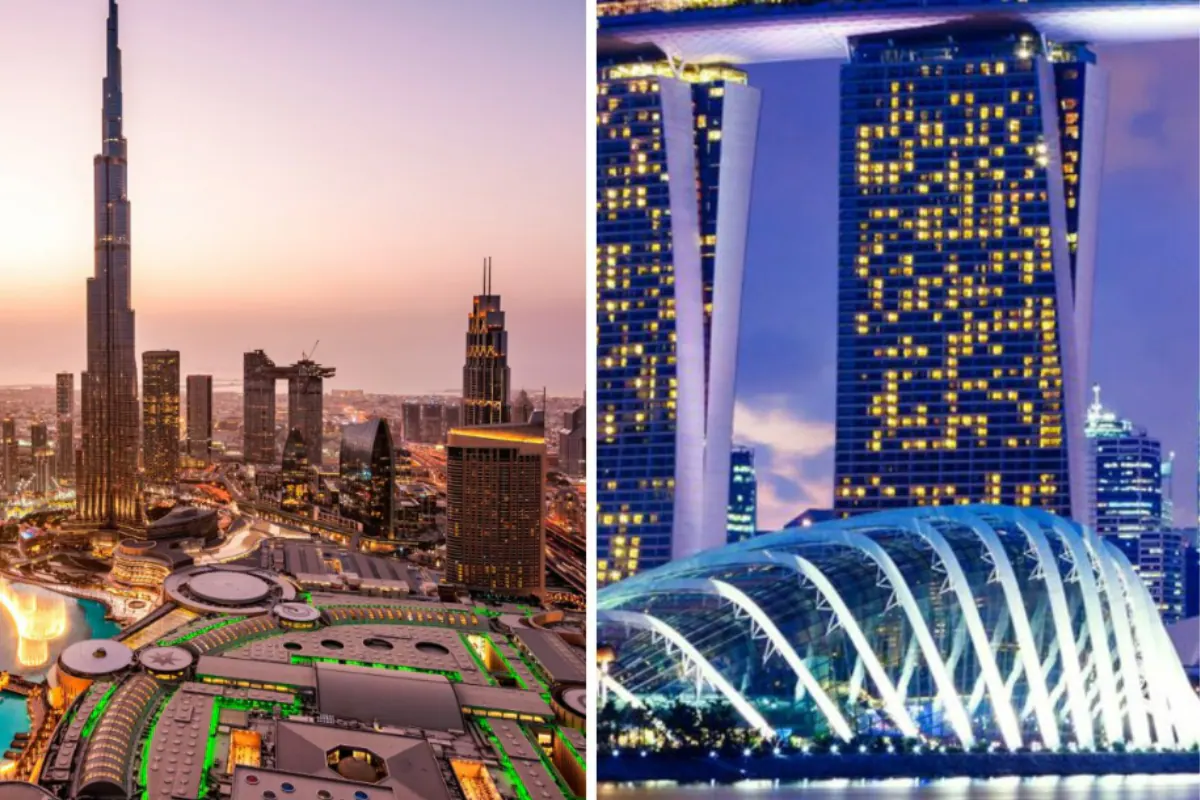 One of the most important factors when choosing between Dubai vs Singapore is the cost. Both destinations are known for being relatively expensive, but there are significant differences in where your money goes.
Accommodation Costs
Dubai:
- Budget: $50-100 per night (hostels, budget hotels)
- Mid-range: $120-250 per night (3-4 star hotels)
- Luxury: $300-1000+ per night (5-star resorts, iconic hotels)
Dubai offers incredible luxury accommodation options, including the world's only 7-star hotel, Burj Al Arab. However, budget options have increased in recent years, especially in areas like Deira and Bur Dubai. During summer (June-August), luxury hotels can offer discounts of 30-50%, making high-end stays surprisingly affordable.
Singapore:
- Budget: $40-80 per night (hostels, budget hotels)
- Mid-range: $100-180 per night (3-4 star hotels)
- Luxury: $250-600+ per night (5-star hotels)
Singapore's accommodation costs are generally consistent year-round since there's no peak season based on weather. Location matters significantly in Singapore – staying in Orchard Road or Marina Bay costs more than areas like Little India or Geylang. The city also has excellent backpacker hostels, particularly around the Bugis area.
Food & Dining Expenses
Dubai:
- Street Food/Casual: $5-15 per meal
- Mid-range Restaurant: $20-50 per person
- Fine Dining: $80-200+ per person
Dubai's food scene is diverse and caters to all budgets. For affordable meals, explore areas like Al Karama, Satwa, and Deira, where you'll find excellent Indian, Pakistani, and Lebanese cuisine. Mid-range dining options are plentiful throughout the city. Fine dining in Dubai is among the world's best, with celebrity chefs and stunning views, but comes with premium prices.
Singapore:
- Hawker Centers: $3-6 per meal
- Casual Restaurants: $10-25 per person
- Fine Dining: $50-150+ per person
Singapore's hawker centers are legendary and offer incredible value. These open-air food centers serve diverse, delicious meals at unbeatable prices. Michelin recognizes Singapore's street food, with some hawker stalls even earning Michelin stars. Casual dining is affordable and widespread. Fine dining in Singapore is exceptional but generally less expensive than Dubai's ultra-luxury restaurants.
Transportation Costs
Dubai:
- Metro: $0.50-1.50 per ride
- Taxi: $3-15 for most trips
- Uber/Careem: Similar to taxis, sometimes cheaper
- Rental Car: $30-60 per day
Dubai's Metro is clean, efficient, and affordable, covering major attractions. Taxis are relatively inexpensive compared to other cities. Many visitors find that having a rental car offers the most flexibility, especially for exploring beyond the main tourist areas.
Singapore:
- MRT/Buses: $0.80-2.30 per ride
- Taxi: $4-20 for most trips
- Grab: Similar to taxis
- Rental Car: $50-80 per day (not recommended)
Singapore's public transport is among the world's best – comprehensive, clean, and affordable. The MRT (Mass Rapid Transit) system reaches virtually every corner of the island. Taxis are readily available but slightly more expensive than Dubai. Renting a car is generally unnecessary and not recommended due to excellent public transport and high costs.
Attraction Costs
Dubai:
- Burj Khalifa: $40-100 depending on level
- Dubai Aquarium: $30-50
- Desert Safari: $40-80
- Theme Parks: $70-100
Dubai's attractions can be expensive, especially the iconic experiences. However, many attractions offer combo deals and online discounts. Free activities include wandering through malls, beach time, and exploring districts like Al Fahidi and Al Seef.
Singapore:
- Gardens by the Bay: $20-30 for conservatories
- Marina Bay Sands: $20-30 for observation deck
- Sentosa Island: Free entry, attractions priced separately
- S.E.A. Aquarium: $30-40
Singapore offers many free attractions including Gardens by the Bay's outdoor gardens, Merlion Park, and various neighborhoods. Botanic Gardens are free, and many temples have free or nominal entry. Paid attractions are generally less expensive than Dubai's.
Overall Budget Comparison
Budget Traveler: Singapore may be slightly cheaper due to affordable food options and efficient public transport.
Mid-range: Both destinations are comparable, though Dubai offers better luxury deals during summer.
Luxury: Dubai offers unparalleled luxury experiences if budget is not a constraint.
Top Attractions: Iconic Landmarks Compared
Both destinations boast incredible attractions, but they offer fundamentally different experiences. Here's how Dubai vs Singapore compare when it comes to must-visit sights and experiences.Dubai's Iconic Attractions
Burj Khalifa: Standing at 828 meters, the world's tallest building is Dubai's crown jewel. Visitors can ascend to the observation decks on the 124th, 125th, and 148th floors for breathtaking views of the city and desert beyond. At sunset, watching the city light up from this vantage point is truly magical. The building also features the Dubai Fountain show at its base, the world's largest choreographed fountain system.
The Dubai Mall: The world's largest mall by total area is far more than a shopping destination. It houses the Dubai Aquarium & Underwater Zoo, an ice rink, a virtual reality park, and countless entertainment options. Even if you're not a shopper, the mall's sheer scale and attractions make it worth visiting. It's connected to Burj Khalifa, making it easy to combine both experiences.
Palm Jumeirah: This man-made palm tree-shaped island is an engineering marvel. Whether you view it from above (perhaps on a helicopter tour) or visit the Atlantis resort at its tip, Palm Jumeirah represents Dubai's ambition. The island features luxury hotels, private beaches, upscale restaurants, and stunning views back toward the Dubai skyline.
Desert Safari: No Dubai visit is complete without venturing into the desert. Desert safaris typically include dune bashing in 4x4 vehicles, camel riding, sandboarding, and traditional dinners at desert camps. The experience provides a fascinating contrast to the modern city and offers insight into Bedouin culture. Sunset in the desert, with golden dunes stretching to the horizon, is unforgettable.
Old Dubai (Deira & Bur Dubai): Explore the historic districts along Dubai Creek to see the city's humble beginnings. The Al Fahidi Historical Neighborhood features traditional wind-tower architecture, while the gold and spice souks offer a sensory journey through traditional market culture. Abra rides across the creek cost just a few cents and provide a authentic local experience.
Dubai Marina: This waterfront development is a showcase of modern urban living. The marina features towering skyscrapers, a promenade lined with restaurants and cafes, and boat tours that offer spectacular views of the architecture. Evening walks around the marina, with the buildings illuminated, are particularly popular.
Singapore's Iconic Attractions
Gardens by the Bay: Perhaps Singapore's most iconic attraction, this futuristic nature park spans 101 hectares and features the famous Supertree Grove – vertical gardens ranging from 25-50 meters tall. The cooled conservatories (Flower Dome and Cloud Forest) house plants from around the world and are architectural marvels. The nightly Garden Rhapsody light and sound show is free and absolutely mesmerizing.
Marina Bay Sands: This integrated resort has become an integral part of Singapore's skyline. The SkyPark observation deck offers stunning views, while the iconic infinity pool (for hotel guests) has appeared in countless photographs. The Shoppes at Marina Bay Sands offer luxury shopping, and a canal runs through the mall offering gondola rides.
Sentosa Island: Dubbed "Asia's Favorite Playground," Sentosa is Singapore's premier island resort getaway. It features beautiful beaches, Universal Studios Singapore, S.E.A. Aquarium, Adventure Cove Waterpark, and numerous other attractions. Accessible by cable car, monorail, or foot, Sentosa offers a full day or more of entertainment.
Chinatown, Little India & Kampong Glam: Singapore's multicultural heritage is best experienced through its heritage districts. Chinatown features the Buddha Tooth Relic Temple and shophouses. Little India offers colorful temples, the Sri Veeramakaliamman Temple, and vibrant markets. Kampong Glam is home to the magnificent Sultan Mosque and Haji Lane, famous for street art and independent boutiques.
Botanic Gardens: Singapore's first UNESCO World Heritage Site is a lush tropical garden founded in 1859. The gardens are free to visit and feature an incredible collection of tropical plants, a swan lake, and the National Orchid Garden (small fee). It's a peaceful oasis in the city and perfect for morning walks or picnics.
Clarke Quay: This historic riverside quay is now Singapore's premier nightlife destination. The colorful shophouses house restaurants, bars, and clubs. Evening boat tours along the Singapore River offer beautiful views of the city and provide historical context. The area comes alive at night and is perfect for evening entertainment.
Attraction Comparison: What Appeals to You?
Dubai Offers:
- Record-breaking architecture
- Desert adventures
- Luxury shopping experiences
- Beach and pool resorts
- Modern Islamic culture
Singapore Offers:
- Lush tropical gardens
- Multicultural neighborhoods
- Street food paradise
- Efficient urban living
- Blend of Asian cultures
Shopping: Retail Therapy Compared
 Both destinations are renowned as shopping paradises, but they offer distinctly different retail experiences.
Dubai Shopping Experience
Dubai has earned its reputation as a shopping capital, attracting visitors from around the world with its tax-free shopping, incredible variety, and Dubai Shopping Festival. The city takes retail to an entirely new level with malls that are destinations in themselves.
Malls: Dubai's malls are among the world's most spectacular. Beyond The Dubai Mall, there's Mall of the Emirates (featuring Ski Dubai), Ibn Battuta Mall (themed after the explorer's journeys), and City Walk. These aren't just shopping centers – they're entertainment complexes featuring aquariums, ice rinks, ski slopes, cinemas, and more.
Souks: For a more traditional shopping experience, explore Dubai's historic souks. The Gold Souk in Deira features hundreds of jewelry shops selling gold at competitive prices. The Spice Souk offers aromatic spices, perfumes, and traditional Arabic items. The Textile Souk in Bur Dubai features fabrics and garments. Bargaining is expected and part of the experience.
Luxury & Designer: Dubai is a haven for luxury brands, with virtually every high-end designer represented. The Dubai Mall's Fashion Avenue is a luxury shopping paradise featuring the world's most prestigious brands. Fashionable neighborhoods like City Walk and Box Park feature high-end boutiques in open-air settings.
Dubai Shopping Festival: This annual event (January-February) transforms Dubai into one giant sale. Massive discounts, lucky draws, fireworks, and entertainment make this a peak shopping period. bargain hunters from around the world time their visits to coincide with this festival.
Singapore Shopping Experience
Singapore offers a sophisticated shopping scene that ranges from ultra-luxury to bustling street markets. The city-state's compact size makes it easy to explore multiple shopping districts in a single day.
Orchard Road: This 2.2 kilometer boulevard is Singapore's most famous shopping street, lined with massive malls including ION Orchard, Ngee Ann City, and Paragon. From luxury brands to high-street fashion, Orchard Road has it all. The street is beautifully decorated during Christmas, making it a major attraction during the holiday season.
Marina Bay: For luxury shopping, Marina Bay Sands Shoppes and The Shoppes at Marina Bay feature high-end brands in a stunning waterfront setting. The malls are connected via pedestrian bridges, making for pleasant shopping experiences with bay views.
Street Markets: Singapore's street markets offer affordable shopping and local culture. Bugis Street Market is famous for cheap clothes, souvenirs, and accessories. Chinatown Street Market offers Chinese crafts, souvenirs, and food. Little India's Mustafa Centre is a 24-hour shopping complex where you can find virtually anything.
Haji Lane: This narrow street in Kampong Glam features independent boutiques, vintage clothing, and local designers. It's the perfect place to find unique items that you won't see elsewhere. The street is also famous for its vibrant street art and trendy cafes.
Local Markets: For everyday items, Singapore's numerous neighborhood centers offer affordable shopping. Wet markets sell fresh produce, while heartland malls serve local communities with reasonably priced goods.
Shopping: Which is Better?
Choose Dubai For:
- Tax-free shopping
- Gold and jewelry
- Luxury brands and designer fashion
- Electronics (competitive prices)
- Traditional souk experiences
Choose Singapore For:
- Bargain shopping at street markets
- Unique local designer boutiques
- Chinese, Malay, and Indian crafts
- Antiques and vintage items
- Compact, walkable shopping districts
Food Scene: Culinary Journey Compared
Both Dubai and Singapore offer incredible food scenes, but they reflect very different culinary traditions. Understanding these differences can help you choose the destination that better matches your food preferences.Dubai Food Scene
Dubai's food landscape is a reflection of its diverse expatriate population, with cuisines from around the world represented. However, the city also offers authentic Emirati cuisine and Middle Eastern specialties that shouldn't be missed.
Emirati Cuisine: Traditional Emirati food features dishes like Machboos (spiced rice with meat or fish), Harees (wheat and meat porridge), and Luqaimat (sweet dumplings). While not as readily available as international cuisines, restaurants like Al Fanar Restaurant & Cafe serve authentic Emirati dishes in a traditional setting.
Lebanese & Middle Eastern: Given Dubai's location and cultural connections, Middle Eastern cuisine is everywhere. Lebanese restaurants like Al Hallab and Awtar serve mezze, grilled meats, and fresh bread. Iranian, Turkish, and Syrian restaurants are also prevalent and generally excellent.
Indian & Pakistani: South Asian cuisine is abundantly available, reflecting the large subcontinental population. Areas like Karama and Satwa are filled with excellent Indian and Pakistani restaurants serving curries, biryanis, and tandoor dishes. Ravi Restaurant in Satwa is legendary for its Pakistani food.
International: Dubai's dining scene rivals any global city, with virtually every international cuisine represented. The city has become a foodie destination, attracting celebrity chefs and Michelin-starred restaurants. Zuma, Nobu, and Hakkasan are just a few of the high-end dining options.
Street Food: While Dubai doesn't have a traditional street food scene like other Asian cities, shawarma stands are ubiquitous and excellent. Iranian safis (juice shops) serve fresh juices, and small cafes in areas like Deira offer affordable wraps, sandwiches, and snacks.
Singapore Food Scene
Singapore's food scene is legendary and has rightfully earned the title of Asia's food capital. The city-state's multicultural heritage has created a unique culinary landscape that's unmatched anywhere else.
Hawker Centers: The heart of Singapore's food culture, hawker centers are open-air food courts housing dozens of food stalls. These centers offer incredible variety at unbeatable prices. Maxwell Food Centre, Lau Pa Sat, and Old Airport Road Food Centre are just a few of the famous hawker centers. Dishes to try include Hainanese chicken rice, laksa, char kway teow, and chili crab. Some hawker stalls even hold Michelin stars, demonstrating the exceptional quality of this affordable food.
Chinese Cuisine: From Cantonese dim sum to Sichuan spicy dishes, Chinese food is everywhere. Chinatown is home to numerous excellent restaurants, and hawker centers feature countless Chinese stalls. Don't miss dim sum breakfasts or roast meats.
Malay & Indonesian: Malay food features fragrant rice dishes, satay, and rich curries. Nasi lemak (coconut rice) is the national dish and available everywhere. Indonesian cuisine, particularly from Padang, is also prevalent and incredibly flavorful.
Indian: Singapore's Indian food is exceptional, ranging from South Indian dosas and thosai to North Indian curries and tandoor. Little India is the place to go for authentic Indian cuisine, with restaurants serving everything from vegetarian thalis to spicy fish curries.
Peranakan: This unique cuisine combines Chinese and Malay influences, creating dishes that are entirely Singaporean. Try dishes like laksa, ayam buah keluak, and kueh for a taste of this culinary heritage.
Fine Dining: Singapore has an exceptional fine dining scene, with numerous Michelin-starred restaurants. Odette, Les Amis, and Burnt Ends are just a few of the acclaimed establishments. However, what's remarkable about Singapore is that you can have an exceptional meal at any price point.
Food Scene Comparison
Dubai Offers:
- Authentic Middle Eastern cuisine
- High-end international dining
- Celebrity chef restaurants
- Emirati traditional dishes
- Luxury dining experiences
Singapore Offers:
- World's best hawker centers
- Unbeatable street food value
- Unique Peranakan cuisine
- Michelin-starred affordable meals
- Culinary cultural fusion
Nightlife & Entertainment: After Dark Compared
 Both destinations offer vibrant nightlife, but there are significant differences in what's available and the overall atmosphere.
Dubai Nightlife
Dubai's nightlife scene is sophisticated and glamorous, reflecting the city's luxury orientation. However, it's important to understand that alcohol regulations influence the nightlife landscape.
Alcohol Regulations: Alcohol is only served in licensed venues (hotels, clubs, some restaurants). You cannot purchase alcohol in supermarkets without a license (though this doesn't apply to tourists). Public drinking is prohibited. These regulations mean that most nightlife is concentrated within hotels.
Clubs & Bars: Dubai has an impressive club scene with venues like White Dubai, Base Dubai, and Armani/Privé hosting international DJs and attracting glamorous crowds. Rooftop bars like The Penthouse and Atelier M offer stunning views. Hotel bars like Q's Bar and Bar 44 are popular for sophisticated drinks.
Beach Clubs: Given Dubai's beach lifestyle, beach clubs are incredibly popular. Nikki Beach, Zero Gravity, and Cove Beach offer day-to-night partying with DJs, pools, and ocean views. These venues are particularly lively during winter weekends.
Entertainment: Beyond clubs, Dubai offers diverse entertainment options. The Dubai Opera hosts world-class performances. Comedy clubs, jazz bars, and lounges provide alternatives to high-energy clubs. The city also hosts major concerts and events, especially during the cooler months.
Timing: Most venues stay open until 3 AM on weekends (Thursday and Friday in Dubai). Weekdays are generally quieter, though some venues maintain a steady crowd throughout the week.
Singapore Nightlife
Singapore's nightlife is diverse and relatively liberal compared to Dubai, with more relaxed alcohol laws and a variety of entertainment districts.
Clarke Quay: This is Singapore's premier nightlife district, with dozens of bars, clubs, and restaurants housed in colorful shophouses along the river. The area comes alive at night and offers everything from upscale clubs to casual bars. It's particularly lively on weekends.
Rooftop Bars: Singapore has exceptional rooftop bars with stunning views. Ce La Vi at Marina Bay Sands, Level33, and Lantern Fullerton Bay offer sophisticated drinking experiences with panoramic views. These are perfect for sunset drinks.
Clubs: Clubs like Zouk (one of Asia's most famous) attract international DJs and energetic crowds. The scene is diverse, with venues catering to different music preferences and crowds. Unlike Dubai, Singapore's clubs aren't confined to hotels.
Bars: Singapore has an excellent craft cocktail scene, with bars like ATLAS Bar, Native, and Operation Dagger winning international awards. Jigger & Pony and Other Room are renowned for their cocktails. The quality of bartending in Singapore is world-class.
Late-Night Food: One of Singapore's advantages is late-night eating options. Many hawker centers stay open late, and there are 24-hour eateries like Swee Choon (dim sum) and Supretree (foodcourt). This is perfect for post-clubbing meals.
Timing: Most venues stay open until 3-4 AM on weekends. The nightlife scene is particularly lively on Fridays and Saturdays, though Clarke Quay stays busy throughout the week.
Nightlife Comparison
Dubai is Better For:
- Beach clubs and pool parties
- Luxury club experiences
- International DJ performances
- Hotel-based nightlife
- Glamorous, upscale atmosphere
Singapore is Better For:
- Diverse nightlife districts
- Craft cocktail bars
- Late-night food options
- More liberal drinking laws
- Accessibility without hotel membership
Beaches: Sun, Sand & Sea Compared
Both destinations offer beach experiences, but they're fundamentally different in character and quality.Dubai Beaches
Dubai's coastline along the Persian Gulf features both natural and man-made beaches, offering diverse experiences for beach lovers.
Natural Beaches: Dubai has several beautiful natural beaches. Al Sufouh Beach offers pristine sands with stunning Burj Al Arab views. Kite Beach is popular for water sports and has excellent facilities. JBR (Jumeirah Beach Residence) Beach features a lively promenade with restaurants and activities. La Mer (beach) is a developed beach area with entertainment, dining, and water sports.
Man-Made Beaches: Palm Jumeirah features several hotel beaches with excellent facilities. The World islands (though not fully developed) offer exclusive beach experiences. These man-made beaches often have superior facilities and amenities.
Beach Quality: Dubai's beaches generally feature fine white sand and calm, warm waters. The Persian Gulf offers pleasant swimming temperatures for most of the year (except summer months when water temperatures become very warm). Water quality is generally good, though it can vary by location.
Best Time for Beaches: Winter months (November-March) offer perfect beach weather. Summer is too hot for sunbathing, though some still swim in hotel pools or shaded beaches. Water sports are popular year-round, with peak activity during winter.
Facilities: Dubai's beaches generally feature good facilities including showers, restrooms, and often changing rooms. Many have rental services for sunbeds, umbrellas, and water sports equipment. Beach clubs and hotels offer premium beach experiences with food and beverage service.
Singapore Beaches
Singapore's beaches are primarily man-made, particularly on Sentosa Island, but they offer excellent facilities and convenient access from the city.
Sentosa Beaches: Sentosa Island features three main beaches: Palawan, Siloso, and Tanjong. Palawan Beach is family-friendly with calm, shallow waters. Siloso Beach is the most active, with water sports, beach bars, and a lively atmosphere. Tanjong Beach is quieter and more upscale, perfect for relaxing. These beaches are meticulously maintained and feature excellent facilities.
East Coast Park: This 15-kilometer stretch of coastline is Singapore's local beach destination. Less touristy than Sentosa, East Coast Park features BBQ pits, cycling paths, and numerous food options. It's where locals go for beachside recreation and offers a more authentic experience.
Beach Quality: Singapore's beaches feature fine, white sand that's often imported. The water is generally calm and suitable for swimming, though visibility can vary. These aren't natural tropical beaches in the traditional sense, but they're beautifully maintained and enjoyable.
Year-Round Access: Unlike Dubai, Singapore's beaches are accessible year-round. While tropical rain showers occur, they're usually brief and followed by sunshine. The water temperature is consistently warm and comfortable for swimming.
Facilities: Singapore's beaches have excellent facilities including showers, restrooms, lockers, and often food outlets. The beaches are free to access, with charges only for specific activities or rentals. The maintenance is impeccable, reflecting Singapore's high standards.
Beach Comparison
Dubai Offers:
- Some natural beaches
- Warm Persian Gulf waters
- Beach clubs with luxury service
- Water sports and activities
- Seasonal beach weather
Singapore Offers:
- Year-round beach access
- Immaculately maintained beaches
- Free beach entry
- Convenient city access
- Consistent tropical conditions
Safety: How Secure Are These Destinations?
Safety is a valid concern for any traveler. The good news is that both Dubai and Singapore are among the world's safest destinations.Safety in Dubai
Dubai consistently ranks as one of the world's safest cities. The crime rate is extremely low, with violent crime being rare. Street crime is minimal, and it's generally safe to walk alone at night in most areas. However, there are some considerations to keep in mind:
Legal Considerations: Dubai has strict laws regarding public behavior. Public displays of affection should be modest. Dress modestly in public areas. Alcohol consumption is only permitted in licensed venues. Photography of government buildings and military installations is prohibited. Understanding and respecting these laws is important for a trouble-free visit.
Women's Safety: Dubai is generally safe for solo female travelers. Harassment is rare and not tolerated. However, women should dress modestly and be aware of cultural norms. Using female-only sections in beaches and transportation is available but not required.
Emergency Services: Dubai has efficient emergency services. Police are professional and helpful. The emergency number is 999. Medical facilities are world-class, though expensive (travel insurance is recommended).
Safety in Singapore
Singapore is routinely ranked among the safest cities in the world, often taking the top spot in global safety rankings. The crime rate is exceptionally low, and it's safe to walk alone virtually anywhere at any time. Key safety considerations:
Strict Laws: Singapore is known for its strict laws and harsh penalties. Littering, jaywalking, and chewing gum (importing and selling) are illegal. Drug offenses carry severe penalties including death for trafficking. These strict laws contribute to Singapore's safe environment.
Women's Safety: Singapore is exceptionally safe for solo female travelers. Harassment is extremely rare. Women can feel comfortable walking alone at night and using public transportation alone.
Natural Hazards: The main safety concern in Singapore is the tropical weather. Sudden rain showers can create slippery conditions. Lightning is common during storms – seek shelter when thunder is heard. Air quality can occasionally be affected by regional forest fires, though this is infrequent.
Emergency Services: Emergency services are efficient and professional. The emergency number is 999. Medical facilities are excellent and accessible. Public hospitals and numerous private clinics serve the population.
Safety Comparison
Both destinations are exceptionally safe by global standards. Singapore may have a slight edge in terms of personal safety and low crime, but Dubai is also very safe. The main difference is in the type of precautions needed – Dubai requires cultural sensitivity regarding laws and customs, while Singapore requires respect for strict civil laws.
Best Time to Visit: Seasonal Comparison
Choosing when to visit can significantly impact your experience. Here's how Dubai vs Singapore compare in terms of seasonal considerations.Dubai: When to Visit
Peak Season (November-March): This is when Dubai experiences its best weather. Pleasant temperatures, clear skies, and comfortable conditions make this the ideal time for outdoor activities, beach visits, and desert adventures. However, this is also when prices are highest and crowds are largest. Christmas and New Year are particularly popular and expensive.
Shoulder Season (April-May, October): These months offer a balance between weather and value. April and October see warm but manageable temperatures. May begins getting quite hot, while October is cooling down. Prices are lower than peak season, and crowds are thinner. This can be a great time to visit if you don't mind warm weather.
Off-Peak Season (June-September): Summer is extremely hot, with temperatures regularly exceeding 40°C. Outdoor activities during daylight are uncomfortable. However, this is when Dubai offers the best value, with hotels and attractions offering significant discounts. If you're primarily interested in indoor activities (malls, attractions, indoor entertainment), summer can work, especially for budget travelers.
Ramadan Considerations: The dates for Ramadan change each year (moving forward by approximately 11 days annually). During Ramadan, Muslims fast from sunrise to sunset. While non-Muslims aren't required to fast, eating, drinking, and smoking in public during daylight hours is prohibited. Many restaurants are closed during the day, though some operate behind screened areas. Nightlife is quieter during Ramadan, but evenings become festive as people break their fast. Hotels and tourist areas generally operate normally, but it's important to be respectful during this holy month.
Singapore: When to Visit
Best Weather (February-April): These months generally experience the least rainfall and slightly lower humidity levels. They're considered the best time to visit Singapore, though weather can vary year to year. This is also when Singapore hosts various events and festivals.
Festive Season (November-January): The year-end period is festive, with Christmas celebrations, New Year's events, and Chinese New Year (January/February). Orchard Road is spectacularly decorated for Christmas. However, this is also rainy season, and hotel prices can be higher, especially around major holidays.
Great Singapore Sale (May-July): This annual shopping event sees malls offering massive discounts. If shopping is a priority, this is an excellent time to visit. Weather can be warm and humid with occasional rain showers, but the shopping deals are exceptional.
Haze Season (June-October): Some years, Singapore experiences haze from forest fires in Indonesia. This can reduce air quality and visibility. Not every year is affected, and the severity varies. Check current conditions if you're concerned about air quality.
Year-Round Destination: Unlike Dubai, Singapore can be visited any time of year. The consistent climate means there's no bad time to visit, though you may encounter more rain during certain months. The key is to be prepared for tropical weather regardless of when you visit.
Visa Requirements & Accessibility
Understanding visa requirements and accessibility is crucial for trip planning.Dubai Visa Requirements
For Indian Citizens: Indians require a visa to visit Dubai. The process is relatively straightforward:
- E-Visa: Available online, typically processed within 2-4 working days
- Visa on Arrival: Available for Indians holding US visa or green card, UK visa, or residence permit from certain countries
- Through Hotel/Travel Agent: Many Dubai hotels and travel agents can arrange visas
For Other Nationals: Visa requirements vary significantly. Citizens of many Western countries receive visa on arrival. Check the latest requirements based on your nationality.
Passport Validity: Passports must have at least 6 months validity from the date of entry.
Singapore Visa Requirements
For Indian Citizens: Indians require a visa to visit Singapore. The process is efficient:
- E-Visa: Apply online through the official Immigration & Checkpoints Authority website or authorized visa agents
- Processing Time: Typically 1-3 working days
- Required Documents: Passport, photos, travel itinerary, proof of funds
For Other Nationals: Visa-free entry is available for citizens of many countries including the US, UK, most EU countries, Australia, and others. Duration of stay varies by nationality (typically 30-90 days).
Passport Validity: Passports must have at least 6 months validity.
Accessibility Comparison
Both destinations have excellent international airports with numerous flight connections from around the world. Dubai International Airport (DXB) is a major global hub, while Singapore's Changi Airport is consistently ranked among the world's best airports.
Flight Connections: Dubai is well-connected to Europe, Africa, and Asia. Singapore is a hub for Southeast Asia with excellent connections throughout the region and to Australia.
Local Transportation: Singapore has the edge in public transportation efficiency, while Dubai offers more flexibility with car rentals.
Family Travel: Kid-Friendly Features
Both destinations are excellent for family travel, but they offer different experiences for families with children.Dubai with Kids
Dubai is incredibly family-friendly and has positioned itself as a top family destination:
- Theme Parks: IMG Worlds of Adventure, Motiongate Dubai, Bollywood Parks, and Legoland Dubai offer world-class entertainment
- Water Parks: Wild Wadi, Aquaventure, and Laguna Waterpark provide relief from the heat
- Dubai Aquarium: The massive aquarium and underwater zoo fascinates children
- Desert Adventures: Kid-friendly desert safaris include camel rides and sandboarding
- Beaches: Calm waters and excellent facilities make beaches family-friendly
- Safety: Extremely safe environment allows families to relax
- Family Amenities: Most hotels and restaurants cater exceptionally well to families
Singapore with Kids
Singapore is perhaps the most family-friendly city in Asia:
- Sentosa Island: The ultimate family destination with Universal Studios, S.E.A. Aquarium, and Adventure Cove Waterpark
- Wildlife: Singapore Zoo, Night Safari, River Wonders, and Bird Paradise are world-class
- Science Centre: The Science Centre Singapore and KidsSTOP are educational and fun
- Playgrounds: Excellent playgrounds throughout the city, including Jacob Ballas Children's Garden
- Safety: Extremely safe environment with excellent healthcare
- Easy Getting Around: Excellent public transport makes traveling with kids easy
- Friendly Culture: Singapore is very accepting of children in all venues
Family Travel Verdict
Both destinations are exceptional for families. Dubai offers more theme parks and water activities, while Singapore has superior wildlife attractions and easier navigation. The choice depends on your family's interests and the time of year you're traveling.
Final Verdict: Which Destination Should You Choose?
After this comprehensive comparison of Dubai vs Singapore, the choice ultimately depends on what you value most in a travel destination and your personal preferences.Choose Dubai If You Want:
- Luxury Experiences: From 7-star hotels to private yacht tours, Dubai offers unparalleled luxury
- Desert Adventures: Dune bashing, camel riding, and desert camping provide unique experiences
- Beach & Pool: Excellent beach clubs and resort pools, especially during winter
- Shopping: Tax-free shopping and the Dubai Shopping Festival attract shopaholics
- Winter Sun: Perfect weather from November-March makes it ideal for escaping cold winters
- Architecture: Record-breaking buildings and ambitious engineering projects fascinate
- Islamic Culture: Experience modern Islamic culture blended with international influences
- Value in Summer: If you don't mind heat, summer offers luxury at significantly reduced prices
Choose Singapore If You Want:
- Cultural Diversity: Experience Chinese, Malay, Indian, and Western cultures seamlessly blended
- Street Food: The world's best hawker centers offer incredible food at unbeatable prices
- Year-Round Travel: Consistent climate means any time is a good time to visit
- Nature & Greenery: Lush gardens and nature reserves offer urban green escapes
- Efficiency: Everything works seamlessly – public transport, services, and infrastructure
- Wildlife: World-class zoo, night safari, and wildlife parks
- Compact Size: Easy to explore the entire country in one trip
- Southeast Asia Gateway: Perfect base for exploring the wider region
Trip Duration Recommendations
Dubai:
- 3-4 Days: Cover the major attractions
- 5-7 Days: Comprehensive experience including desert safari and Abu Dhabi day trip
- 7+ Days: Relaxed pace with time for multiple emirates and activities
Singapore:
- 3-4 Days: Cover the major attractions
- 5-7 Days: Comprehensive experience including day trips to Malaysia or Indonesia
- 7+ Days: Relaxed exploration or combined with regional travel
Combined Itinerary Option
Why not both? Many travelers combine Dubai and Singapore in a single trip:
Option 1: Singapore (4 days) → Dubai (4 days) with stopover in Malaysia or Thailand
Option 2: Dubai (3 days) → Singapore (3 days) via Dubai-Singapore direct flight
Both combinations work well and offer contrasting experiences that complement each other perfectly.
Practical Final Tips
For Budget Travelers: Singapore offers better value for budget-conscious travelers due to affordable food options and efficient public transport. Dubai can be budget-friendly during summer months and if you avoid luxury experiences.
For Luxury Travelers: Dubai offers unparalleled luxury experiences and is worth the splurge. Singapore's luxury market is also excellent but generally less ostentatious.
For Foodies: Singapore wins hands-down for diverse, affordable, exceptional food. Dubai has excellent fine dining but can't match Singapore's street food culture.
For Families: Both are exceptional. Choose Dubai for theme parks and water activities, Singapore for wildlife and easier navigation.
For Adventure: Dubai offers desert adventures and water sports. Singapore provides urban adventures and access to Southeast Asia's adventures.
Whether you choose the desert grandeur of Dubai or the tropical sophistication of Singapore, you're guaranteed an unforgettable travel experience. Both destinations represent the very best of modern Asia and offer world-class facilities, incredible attractions, and warm hospitality. Your choice comes down to the type of experience you seek and what matters most to you in creating your perfect vacation.
Location
Frequently Asked Questions
Q1.Which is better - Dubai or Singapore for tourism?
Q2.Is Dubai cheaper than Singapore for tourists?
Q3.Which is better for honeymoon - Dubai or Singapore?
Q4.What is the best time to visit Dubai vs Singapore?
Q5.Which destination is safer - Dubai or Singapore?
Q6.How many days are enough for Dubai vs Singapore?
Q7.Which has better nightlife - Dubai or Singapore?
Q8.Which is better for families with kids?
Q9.Can I visit both Dubai and Singapore in one trip?
Q10.What are the visa requirements for Dubai and Singapore?
Recommended For You
Al Sufouh Beach Dubai: Access, Facilities & Best Time to Visit
Discover Al Sufouh Beach, Dubai's hidden coastal gem. Complete guide: location, timings, parking, rules & Burj Al Arab views.
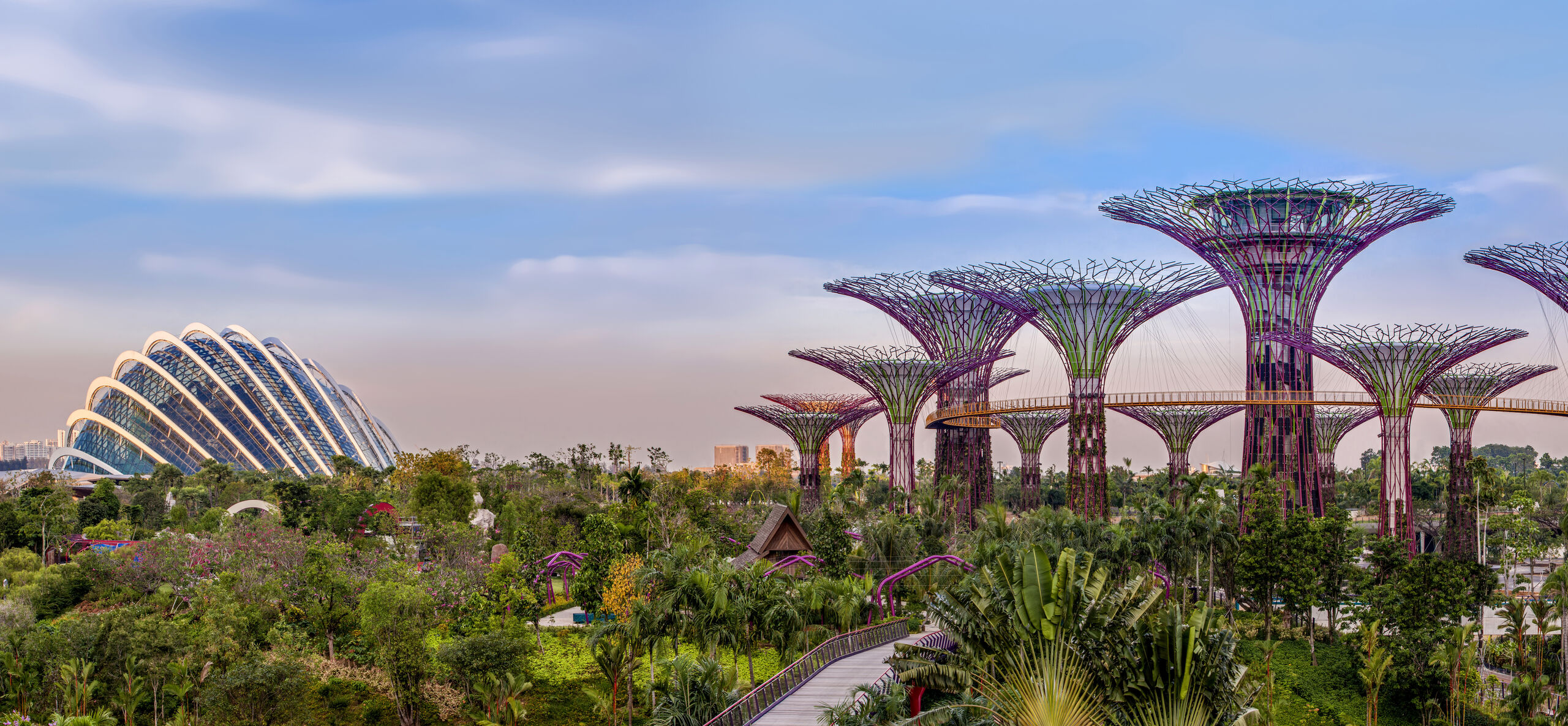
Gardens by the Bay Singapore: Ticket Prices, Light Show & Best Route
Explore Gardens by the Bay in Singapore. Guide to Cloud Forest, Flower Dome, Supertree Grove & Garden Rhapsody light show timings. Plan your visit.
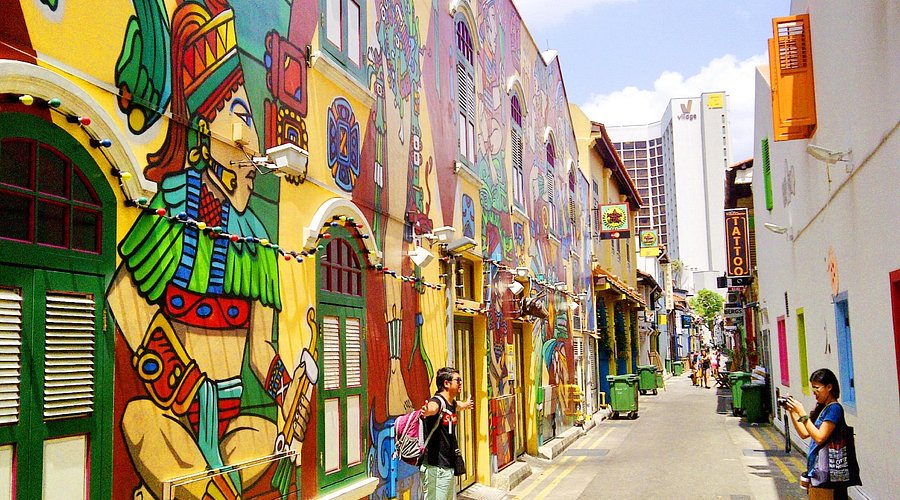
Haji Lane Singapore: Shopping, Cafes & Art
Explore vibrant Haji Lane in Singapore! Discover street art, boutique shops, hip cafes & bars. Complete guide to Kampong Glam's coolest lane.
Never Miss an Adventure
Get the latest trekking guides, travel tips, and exclusive offers delivered straight to your inbox.
