
Famous Foods of Rajasthan: 20 Must-Try Rajasthani Dishes

Rohan Malhotra
February 20, 2026
Discover the famous foods of Rajasthan - from iconic Dal Baati Churma and Laal Maas to Gatte ki Sabzi and Ghevar. Explore 20 must-try Rajasthani dishes with our complete cuisine guide.
Introduction: The Royal Cuisine of Rajasthan
Rajasthan, the land of kings, forts, and golden deserts, offers a culinary heritage as rich and vibrant as its history. The famous foods of Rajasthan are a testament to the ingenuity of its people—who transformed scarcity into art, creating dishes that are not only delicious but also perfectly suited to the harsh desert climate. From the iconic Dal Baati Churma to the fiery Laal Maas, Rajasthani cuisine tells stories of warriors, traders, and royal kitchens.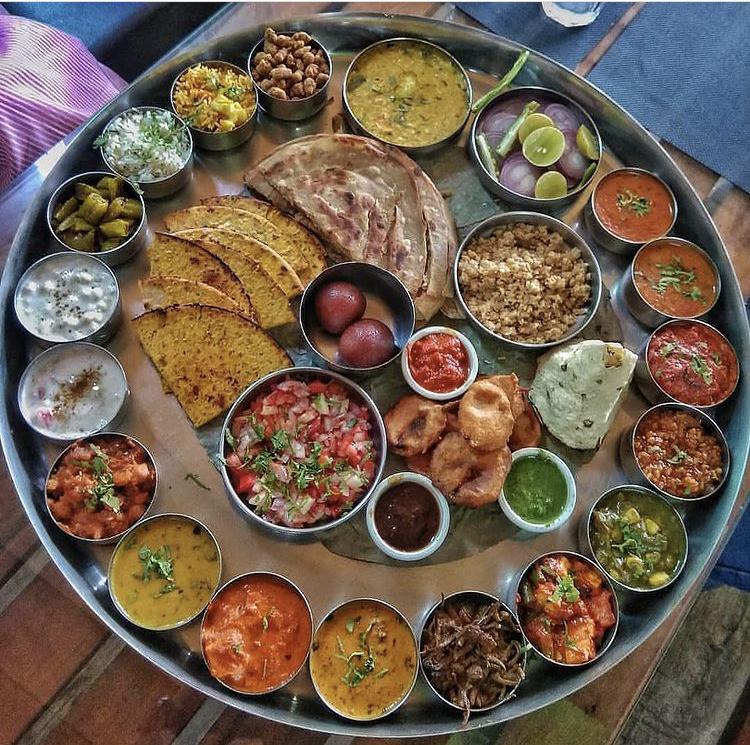 What makes Rajasthani food unique is its clever use of ingredients that thrive in arid conditions—millet (baajra), gram flour (besan), buttermilk, and dried lentils. The cuisine evolved from the need to preserve food in a region with limited water and fresh vegetables. This necessity birthed remarkable dishes like Gatte ki Sabzi, Ker Sangri, and Panchmel Dal that have now become beloved across India and beyond.
The influence of Rajput royalty is evident in the elaborate meat preparations and rich desserts, while the common people's wisdom shines through in the simple yet nourishing everyday fare. Whether you're exploring the pink streets of Jaipur, the golden sands of Jaisalmer, or the blue houses of Jodhpur, understanding Rajasthani food is essential to understanding the soul of this incredible state.
What makes Rajasthani food unique is its clever use of ingredients that thrive in arid conditions—millet (baajra), gram flour (besan), buttermilk, and dried lentils. The cuisine evolved from the need to preserve food in a region with limited water and fresh vegetables. This necessity birthed remarkable dishes like Gatte ki Sabzi, Ker Sangri, and Panchmel Dal that have now become beloved across India and beyond.
The influence of Rajput royalty is evident in the elaborate meat preparations and rich desserts, while the common people's wisdom shines through in the simple yet nourishing everyday fare. Whether you're exploring the pink streets of Jaipur, the golden sands of Jaisalmer, or the blue houses of Jodhpur, understanding Rajasthani food is essential to understanding the soul of this incredible state.
The Iconic Dal Baati Churma: Rajasthan's National Dish
If there's one dish that defines Rajasthani cuisine, it's Dal Baati Churma—a trinity of flavors that represents the perfect balance of textures and tastes. This iconic dish consists of three components: Baati (hard, round wheat breads), Dal (spiced lentil curry), and Churma (sweetened crushed wheat).Baati: The Desert Bread
Baati is made from wheat flour, semolina, and ghee, kneaded into a stiff dough and shaped into round balls. These are traditionally baked in charcoal fires or clay ovens until golden brown and crusty. The slow cooking process gives Baati its characteristic crunchy exterior and soft interior. Modern versions are sometimes baked in ovens or even fried, but the charcoal-cooked Baati remains unrivaled in flavor. What's brilliant about Baati is its shelf life—it stays fresh for days without refrigeration, making it perfect for desert conditions and long journeys. Traditionally, Baatis were cooked in the morning and would remain edible throughout the day, sustenance for travelers and traders crossing the Thar Desert.Dal: The Perfect Accompaniment
The Dal served with Baati is typically Panchmel Dal—a mixture of five different lentils (moong, chana, toor, masoor, and urad). This combination provides complete protein and a complex flavor profile. The dal is cooked with aromatics like garlic, ginger, tomatoes, and a tempering of cumin and mustard seeds in ghee. The tempering (tadka) is what elevates simple dal to something extraordinary. Hot ghee infused with cumin seeds, dried red chilies, and sometimes heeng (asafoetida) is poured over the cooked dal, creating an aromatic sizzle that signals it's ready to serve. This dal is soupy enough to soften the Baati when broken into it, creating a harmonious blend.Churma: The Sweet Finale
Churma is the sweet component that completes this trinity. It's made by coarsely grinding wheat flour, mixing it with ghee and sugar or jaggery, and then cooking it until it forms a crumbly, fudge-like consistency. Some versions add nuts like almonds and cashews, while others include khoya (reduced milk) for richness. Traditionally, Churma was created to use leftover Baatis that would become too hard to eat the next day. These were crushed, mixed with ghee and jaggery, and transformed into a delicious sweet—waste not, want not. Today, Churma is so loved that it's made fresh, often scented with cardamom and sometimes saffron. The magic of Dal Baati Churma lies in eating all three together—crunchy Baati dipped in Dal, with a bite of sweet Churma. The combination of savory dal, crusty bread, and sweet crumble is a flavor explosion that's distinctly Rajasthani.Gatte ki Sabzi: Gram Flour Dumplings in Spiced Gravy
Gatte ki Sabzi is another Rajasthani masterpiece born from necessity. In the desert, fresh vegetables were scarce, especially during summer months. Rajasthani cooks ingeniously used gram flour (besan) to create Gatte—dumplings that are steamed, fried, and then simmered in a spiced yogurt-based gravy. The Gatte are made by kneading besan with spices like turmeric, red chili powder, coriander powder, and sometimes carom seeds (ajwain). The dough is rolled into cylinders, boiled, then cut into pieces and shallow fried. This frying step is crucial—it gives the Gatte a slightly crispy exterior that holds up well in the gravy. The gravy is a tangy, spiced yogurt base tempered with cumin, mustard seeds, curry leaves, and dried red chilies. The yogurt provides a cooling contrast to the spices, creating a perfectly balanced dish. Gatte ki Sabzi is typically served with roti or rice, but it's also delicious with Baati. What makes Gatte ki Sabzi special is its versatility—it tastes as good on the day it's made as it does a day later. The flavors deepen and the Gatte absorb the gravy, making it an excellent dish for travel or picnics. It's a staple in Rajasthani households and a must-try for anyone visiting the state.Laal Maas: The Fiery Royal Meat Curry
Laal Maas (Red Meat) is perhaps the most famous non-vegetarian dish from Rajasthan, and it has a royal lineage. Created for the Rajput warriors and royalty, this fiery meat curry gets its name and distinctive red color from Mathania chilies—local chilies known for their intense red hue but surprisingly manageable heat.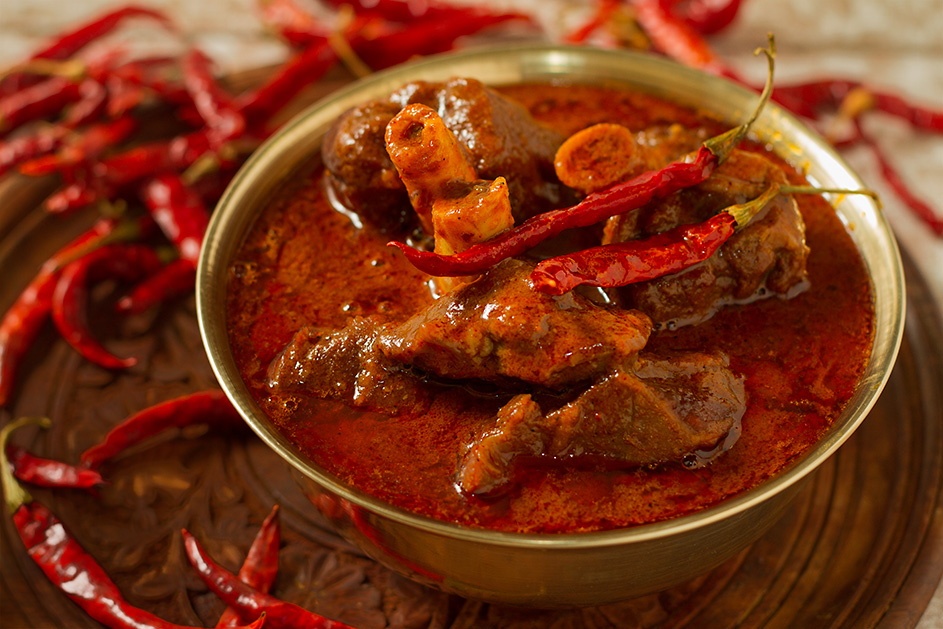 Traditionally, Laal Maas was made with wild game or goat meat. The meat is slow-cooked with onions, garlic, ginger, yogurt, and a generous amount of Mathania chili paste. The slow cooking process allows the meat to become tender while the spices penetrate deeply. Unlike many other Indian meat dishes, Laal Maas doesn't use tomatoes—its flavor comes from the chilies, yogurt, and aromatics.
The heat level can be intense, though it's more about flavor than pure spice. The Mathania chilies provide a unique earthy, smoky flavor that's distinct from regular red chilies. Ghee is essential—rich Rajasthani cuisine relies heavily on it, and Laal Maas is no exception.
Modern versions sometimes use milder chilies for tourists, but authentic Laal Maas remains a fiery dish that's not for the faint-hearted. It's typically served with roti or Baati, and sometimes with simple boiled rice that helps temper the heat. For meat lovers, Laal Maas is an essential Rajasthani experience.
Traditionally, Laal Maas was made with wild game or goat meat. The meat is slow-cooked with onions, garlic, ginger, yogurt, and a generous amount of Mathania chili paste. The slow cooking process allows the meat to become tender while the spices penetrate deeply. Unlike many other Indian meat dishes, Laal Maas doesn't use tomatoes—its flavor comes from the chilies, yogurt, and aromatics.
The heat level can be intense, though it's more about flavor than pure spice. The Mathania chilies provide a unique earthy, smoky flavor that's distinct from regular red chilies. Ghee is essential—rich Rajasthani cuisine relies heavily on it, and Laal Maas is no exception.
Modern versions sometimes use milder chilies for tourists, but authentic Laal Maas remains a fiery dish that's not for the faint-hearted. It's typically served with roti or Baati, and sometimes with simple boiled rice that helps temper the heat. For meat lovers, Laal Maas is an essential Rajasthani experience.
Ker Sangri: The Desert Delicacy
Ker Sangri is perhaps the most unique Rajasthani dish, made from ingredients that grow wild in the Thar Desert. Ker is a type of desert berry, and Sangri is a type of dried bean—both thrive in arid conditions and have been staples in Rajasthani cuisine for centuries. These dried ingredients are rehydrated and cooked with spices like red chili powder, coriander, turmeric, and amchur (dry mango powder) for tanginess. The dish is finished with a tempering of cumin and mustard seeds in ghee. What's remarkable is that Ker Sangri requires no water—only oil and ghee—making it perfect for desert conditions. The flavors are complex—sour from the Ker, earthy from the Sangri, spicy from the chilies, and rich from the ghee. It's an acquired taste for some, but once you develop a palate for it, Ker Sangri becomes addictive. It's typically served as a side dish with roti and dal, and it's an essential part of traditional Rajasthani thalis. Beyond its unique flavor, Ker Sangri represents the genius of Rajasthani cuisine—creating something delicious and nutritious from the most inhospitable landscape. It's a dish that tells the story of survival and adaptation.Panchmel Dal: The Five-Lentil Delight
While Panchmel Dal is part of the Dal Baati Churma trio, it deserves special mention as a standalone dish. As the name suggests (Panch = five, mel = mixture), it's made from five different lentils: moong dal (yellow), chana dal (Bengal gram), toor dal (pigeon peas), masoor dal (red lentils), and urad dal (black gram). The combination is nutritionally brilliant—complete protein, fiber, and a complex carbohydrate profile that provides sustained energy. The dal is cooked with aromatics like garlic, ginger, tomatoes, and spices. What sets it apart is the final tempering of ghee with cumin, mustard seeds, and sometimes heeng. Panchmel Dal is thicker and more flavorful than simple dal. The different lentils provide varied textures—some creamy, some grainy, some that hold their shape. It's typically served with roti or rice, and it's a staple in Rajasthani households, especially during winter when its warming properties are most appreciated.Rajasthani Snacks and Street Food
Pyaaz Kachori: The Onion Sensation
Pyaaz Kachori is Rajasthan's most beloved street food snack. Unlike the smaller North Indian kachoris, Rajasthani Kachoris are large, flat, and filled with a spiced onion mixture. The filling is made with finely chopped onions, fennel, coriander, red chili powder, and sometimes dried mango powder for tanginess. The dough is made from flour and ghee, rolled out, filled with the onion mixture, sealed, and deep-fried until golden and crispy. A good Pyaaz Kachori should be flaky outside, with a hot, spicy onion filling inside. It's typically served with tamarind chutney and green chutney. In Jaipur, the Rawat Mishtan shop is legendary for its Pyaaz Kachoris, drawing crowds from morning till night. In Jodhpur, near the clock tower, you'll find some of the best Kachoris in Rajasthan. These large, satisfying snacks are perfect for breakfast or as a midday meal.Mawa Kachori: The Sweet Variation
While Pyaaz Kachori is savory, Mawa Kachori is its sweet counterpart. Originating in Jodhpur, this indulgent snack is filled with khoya (reduced milk), dried fruits, and cardamom, then deep-fried and dipped in sugar syrup. The process is labor-intensive—the khoya filling must be cooked just right so it doesn't leak during frying. Once fried, the Kachori is soaked in sugar syrup, which creates a crispy, sugary coating. It's rich, sweet, and utterly decadent—a perfect example of Rajasthani royal cuisine. Mawa Kachori is typically served as a dessert or special snack, and it's a must-try in Jodhpur. Jodhpur's shops like Janta Sweet Home and Shahi Samosa are famous for their Mawa Kachoris.Mirchi Vada: Spicy Chili Fritters
Mirchi Vada is a popular street food, especially in Jodhpur. Large green chilies (the milder variety) are slit, stuffed with a spiced potato filling, dipped in gram flour batter, and deep-fried. The contrast between the slightly spicy chili and the mild potato filling, all wrapped in a crispy batter, is addictive. Jodhpur is particularly famous for its Mirchi Vadas, and you'll find stalls selling them across the city, especially near the clock tower and old market areas. These are typically eaten as a snack with chai or as a quick breakfast.Rajasthani Breads: More Than Just Roti
Bajra Rotla: Pearl Millet Flatbread
Bajra (pearl millet) is a staple crop in Rajasthan, thriving in arid conditions where wheat fails. Bajra Rotla is a thick, unleavened flatbread made from Bajra flour, traditionally cooked on a clay griddle over cow dung fires. The dough is simple—just Bajra flour and water, though some recipes add a little salt. It's rolled out thick and cooked until both sides have brown spots. Bajra Rotla has a distinct earthy flavor and dense texture. It's traditionally served with ghee and jaggery, or with spicy preparations like Laal Maas and Ker Sangri. In winter, Bajra Rotla is especially popular—it's warming and provides sustained energy. It's a bread that connects modern Rajasthan to its ancient desert roots.Makki ki Roti: Corn Flatbread
Though more associated with Punjab, Makki ki Roti (corn flatbread) is also eaten in Rajasthan, especially in winter when fresh corn is available. Made from corn flour, it's softer than Bajra Rotla with a slightly sweet flavor. It's typically served with Sarson ka Saag (mustard greens curry) or simple dal and ghee.Rajasthani Sweets: Royal Desserts
Ghevar: The Festival Sweet
Ghevar is perhaps Rajasthan's most iconic sweet, traditionally made during the Teej festival and Raksha Bandhan. This disc-shaped sweet is made from flour, ghee, and sugar syrup, with a unique honeycomb texture that's unlike any other Indian sweet.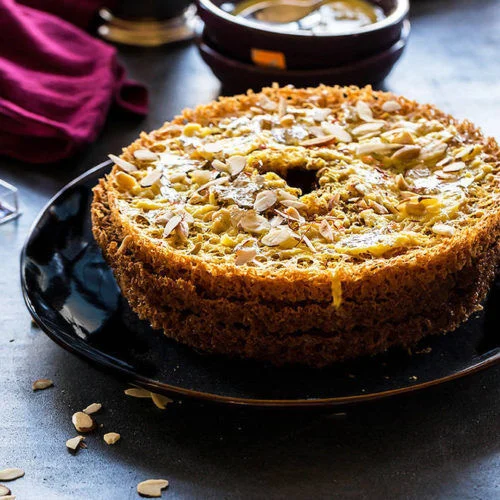 The process is intricate—a batter of flour, ghee, and water is poured into a mould with hot ghee in a specific pattern, creating layers that form a honeycomb structure as it fries. Once fried, it's soaked in sugar syrup and sometimes topped with malai (clotted cream), nuts, and silver leaf.
Ghevar comes in varieties—plain, mawa (with khoya), and sometimes even chocolate versions in modern times. The best Ghevar is found in Jaipur, especially during Teej festival (usually in August) when sweet shops across the city display towering Ghevars.
The process is intricate—a batter of flour, ghee, and water is poured into a mould with hot ghee in a specific pattern, creating layers that form a honeycomb structure as it fries. Once fried, it's soaked in sugar syrup and sometimes topped with malai (clotted cream), nuts, and silver leaf.
Ghevar comes in varieties—plain, mawa (with khoya), and sometimes even chocolate versions in modern times. The best Ghevar is found in Jaipur, especially during Teej festival (usually in August) when sweet shops across the city display towering Ghevars.
Mohanthal: Gram Flour Fudge
Mohanthal is a traditional Rajasthani sweet made from gram flour (besan), ghee, sugar, and nuts. It has a fudge-like texture—dense, rich, and slightly crumbly. The besan is roasted in ghee until fragrant, then cooked with sugar syrup until it thickens. Nuts like almonds and pistachios are added for texture. What sets Mohanthal apart is the cardamom flavor and sometimes saffron, which gives it a luxurious aroma. It's cut into squares and served during festivals and special occasions. Unlike some Indian sweets that are overly sweet, Mohanthal has a more balanced sweetness, allowing the nutty flavor of roasted besan to shine through.Feeni: The Delicate Sweet
Feeni is a delicate Rajasthani sweet made from thin strands of dough, fried in ghee and soaked in sugar syrup. The dough is made from flour and water, then extruded through a special press to create thin noodles. These are fried until crispy, then arranged in layers and soaked in sugar syrup. The result is a sweet that's both crispy and syrupy, with layers that melt in your mouth. Feeni is lighter than many Rajasthani sweets, making it perfect for those who find desserts like Mohanthal too heavy. It's especially popular in Jodhpur and Jaipur.Churma Ladoo: Sweet Wheat Balls
We mentioned Churma as part of Dal Baati Churma, but Churma Ladoo deserves separate mention. These sweet balls are made by grinding wheat flour or coarsely ground wheat, mixing it with ghee, jaggery or sugar, and nuts, then shaping into balls. Churma Ladoo is energy-dense—perfect for desert conditions where food needs to provide sustained energy. The jaggery version is more traditional and has a complex, caramel-like flavor that refined sugar can't match. These ladoos are excellent for travel as they don't spoil easily.Rajasthani Beverages
Chaas: Spiced Buttermilk
In the scorching Rajasthan heat, Chaas (buttermilk) is a lifesaver. Made by churning yogurt and water, it's flavored with roasted cumin powder, black salt, and sometimes curry leaves. The cumin aids digestion, the black salt provides electrolytes, and the buttermilk cools the body. Chaas is consumed with meals, as a midday refresher, and even as a remedy for heat exhaustion. It's a perfect example of how Rajasthani cuisine evolved to suit the climate—ingredients that cool the body and replace lost electrolytes.Thandai: The Cooling Drink
Thandai is especially popular during Holi and Mahashivratri festivals in Rajasthan. It's made from milk, nuts (almonds, cashews, pistachios), poppy seeds, melon seeds, cardamom, saffron, and sometimes rose water. The ingredients are soaked, ground into a paste, and then mixed with cold milk. The name literally means "cooling," and true to its name, Thandai has cooling properties that make it perfect for summer. Some versions add bhaang (cannabis) during Mahashivratri, but the regular version is a delicious, nutritious beverage in its own right.Regional Variations in Rajasthani Cuisine
Marwari Cuisine: Jodhpur and Jaisalmer
The Marwar region (western Rajasthan) has cuisine that's adapted to the harshest desert conditions. Dishes like Ker Sangri, Gatte ki Sabzi, and Panchmel Dal originated here. The food is simpler, with fewer vegetables and more reliance on lentils, gram flour, and dried ingredients. In Jodhpur, you'll find excellent Mirchi Vada, Mawa Kachori, and street food near the clock tower. Jaisalmer's desert location means its cuisine is particularly suited to preservation—dried sweets, long-lasting breads, and dishes that don't spoil easily.Jaipuri Cuisine: The Royal Touch
As the capital of princely states, Jaipur's cuisine has royal influences. Dishes here are richer, with more ghee, nuts, and elaborate preparations. The sweets of Jaipur—especially Ghevar—are legendary. Street food culture is vibrant, with Pyaaz Kachori being a morning ritual for many.Shekhawati Cuisine
The Shekhawati region has unique dishes that blend Rajasthani and neighboring influences. The food here is slightly different—variations in spice levels, different breads, and unique sweets. It's less touristy than Jaipur or Jodhpur, so you'll find more authentic, home-style cooking.Where to Eat Authentic Rajasthani Food
Traditional Thali Restaurants
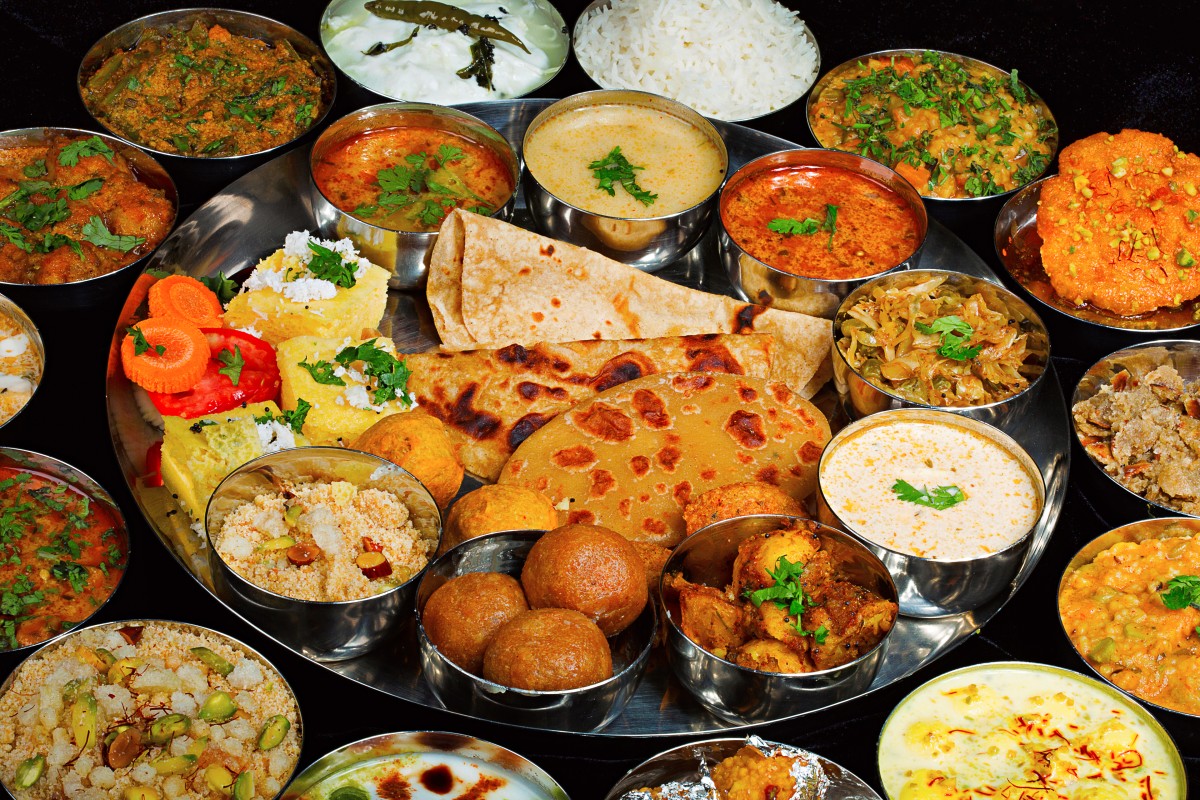
For a comprehensive taste of Rajasthani cuisine, opt for a traditional thali. These large platters include multiple dishes—Dal Baati Churma, Gatte ki Sabzi, Ker Sangri, various breads, sweets, and more. In Jaipur, places like Chokhi Dhani (an ethnic village resort) serve elaborate thalis that are an experience in themselves. In Jodhpur, many restaurants near the fort offer thalis with local specialties.Street Food Spots
For authentic Pyaaz Kachori, head to Rawat Mishtan in Jaipur (morning is best, when they're fresh). In Jodhpur, the area near the clock tower is lined with shops selling Mirchi Vada, Kachori, and other snacks. Look for places with long queues of locals—that's always a good sign.Heritage Hotels
Many heritage hotels and havelis converted into hotels in Rajasthan serve authentic Rajasthani cuisine. These are excellent places to try royal dishes like Laal Maas in a setting that matches the food's grandeur. The buffets often include both vegetarian and non-vegetarian Rajasthani specialties.Dhabas and Local Eateries
For the most authentic, home-style Rajasthani food, eat at dhabas (roadside eateries) and small local restaurants. These places serve what Rajasthani families actually eat—simple Dal Baati, roti with sabzi, and local sweets. The food might not be fancy, but it's often the most flavorful and authentic.Seasonal Rajasthani Specialties
Monsoon Specialties
While Rajasthan is arid, the brief monsoon brings greenery and special dishes. Ghevar is traditionally made during Teej festival (monsoon). Feeni is also popular during weddings and festivals that often coincide with monsoon.Winter Comfort Food
Winter is when Rajasthani cuisine truly shines. Bajra Rotla, Makki ki Roti, and heavy, warming dishes like Laal Maas are most appreciated during the cold desert winters. Gajar ka Halwa (carrot pudding), though not originally Rajasthani, has been adopted and is popular during winter.Festival Foods
Different festivals bring different specialties. Teej brings Ghevar; Diwali sees an array of sweets; Holi is time for Ghewar and Thandai. These seasonal specialties connect Rajasthani food to the cycle of festivals and seasons.Modern Rajasthani Cuisine
While traditional Rajasthani food remains beloved, modern chefs are reinterpreting classics. You'll now find fusion dishes like Ghevar cheesecake, chocolate-dipped Churma, and deconstructed Dal Baati Churma at upscale restaurants. Purists might scoff, but these innovations keep the cuisine alive and relevant for younger generations. What's heartening is that the core of Rajasthani cuisine—the use of local ingredients, the genius of preservation, the balance of flavors—remains unchanged even in modern interpretations. The cuisine continues to evolve while staying rooted in its desert origins.Conclusion: The Enduring Legacy of Rajasthani Food
Rajasthani cuisine is more than just food—it's a lesson in adaptation, innovation, and making the most of what you have. From the humble Gatte ki Sabzi born of vegetable scarcity to the rich Laal Maas created for royalty, every dish tells a story of the land and its people. What makes Rajasthani food special is its honesty. It doesn't pretend to be anything other than what it is—robust, flavorful, hearty food born in one of India's harshest landscapes. The generous use of ghee, the reliance on hardy grains like Bajra, the clever use of dried ingredients—everything about Rajasthani cuisine is a response to its environment. Whether you're enjoying Dal Baati Churma in a Jaipur haveli, savoring Laal Maas in a Jodhpur fort restaurant, or munching on Pyaaz Kachori at a roadside stall, you're participating in a culinary tradition that's centuries old. Rajasthan's food is as much a part of its heritage as its forts and palaces, and understanding it is essential to understanding the state itself. So when you plan your Rajasthan trip, make food a priority. Not just as sustenance between sightseeing, but as a destination in itself. Seek out traditional thalis, brave the spicy Laal Maas, indulge in Ghevar during festival season, and discover why Rajasthani cuisine is considered one of India's most distinctive and beloved regional food traditions.Location
Frequently Asked Questions
Q1.What is the most famous food of Rajasthan?
Q2.What is Laal Maas and why is it famous?
Q3.What are the must-try vegetarian dishes in Rajasthan?
Q4.What are the famous sweets of Rajasthan?
Q5.What is Gatte ki Sabzi?
Q6.What is Pyaaz Kachori and where can I try it?
Q7.What is the best time to visit Rajasthan for food lovers?
Q8.Is Rajasthani food very spicy?
Q9.What is Ker Sangri and why is it unique?
Q10.Where can I find authentic Rajasthani food in Jaipur?
Recommended For You
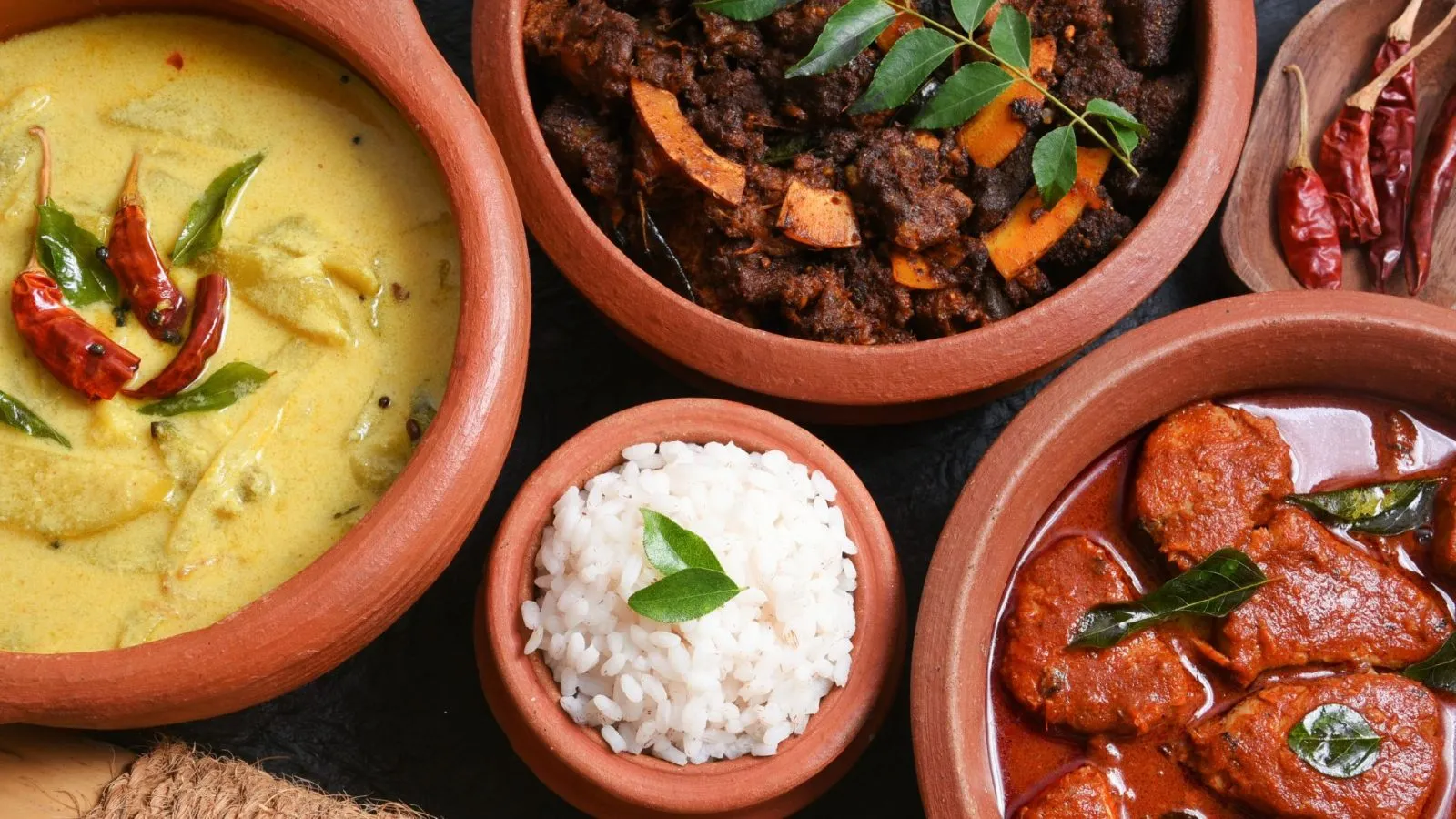
Famous Food in Kerala: 15 Must-Try Dishes
Discover the famous food of Kerala. From Appam & Stew to Karimeen Pollichathu and Sadhya. A culinary journey through God's Own Country with 15 must-try dishes.
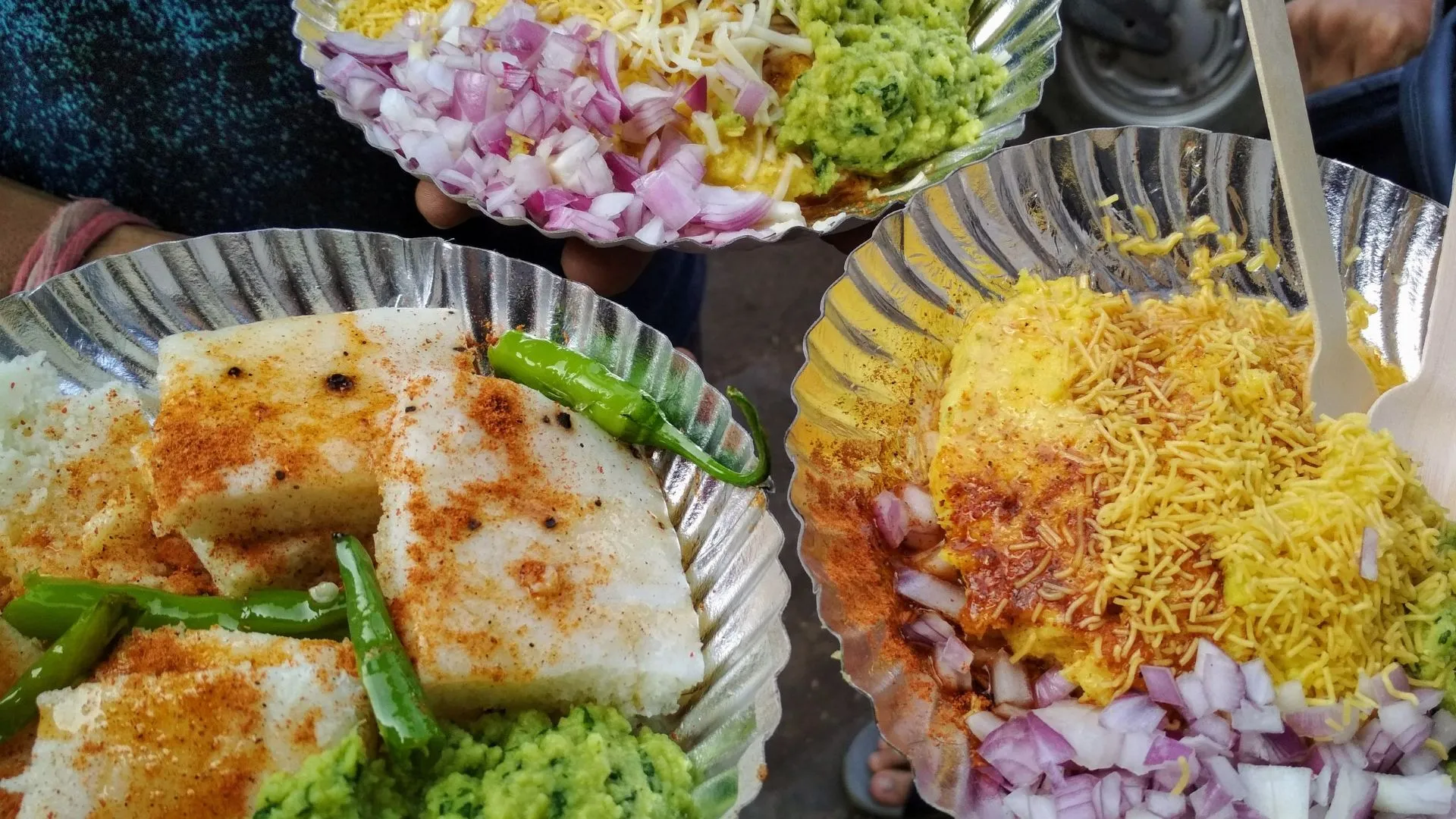
Street Food in Ahmedabad: Must-Try Dishes, Markets & Timings
Discover the best street food in Ahmedabad with must-try dishes, famous eating areas like Manek Chowk and Law Garden, ideal timings, and hygiene tips for travelers.
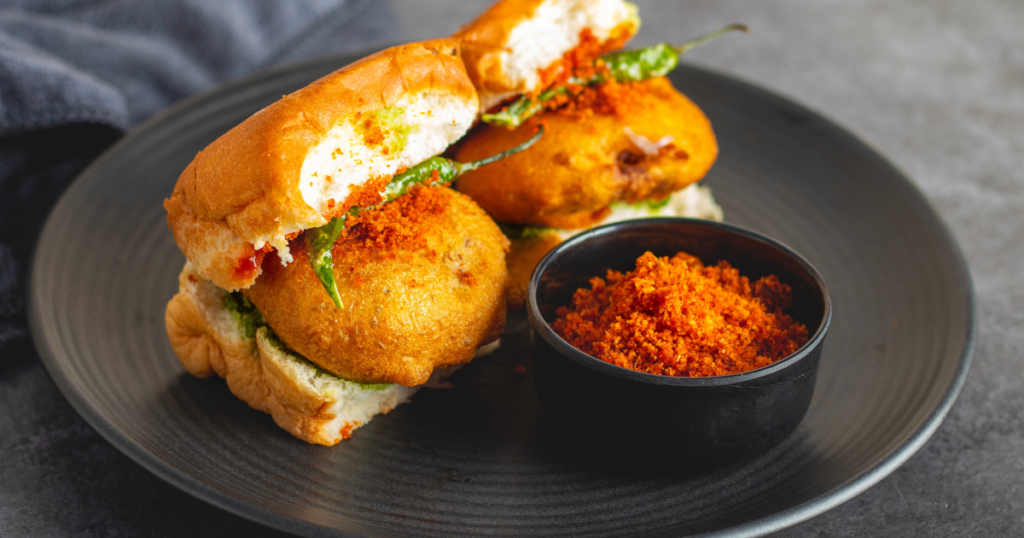
Best Street Food in Mumbai: Top 25 Must-Try Dishes & Locations
Discover the best street food in Mumbai - from iconic vada pav and buttery pav bhaji to spicy misal pav and delicious chaat. Explore 25+ must-try dishes, famous food locations, hygiene tips, and price guides in this comprehensive Mumbai street food guide.
Never Miss an Adventure
Get the latest trekking guides, travel tips, and exclusive offers delivered straight to your inbox.
