
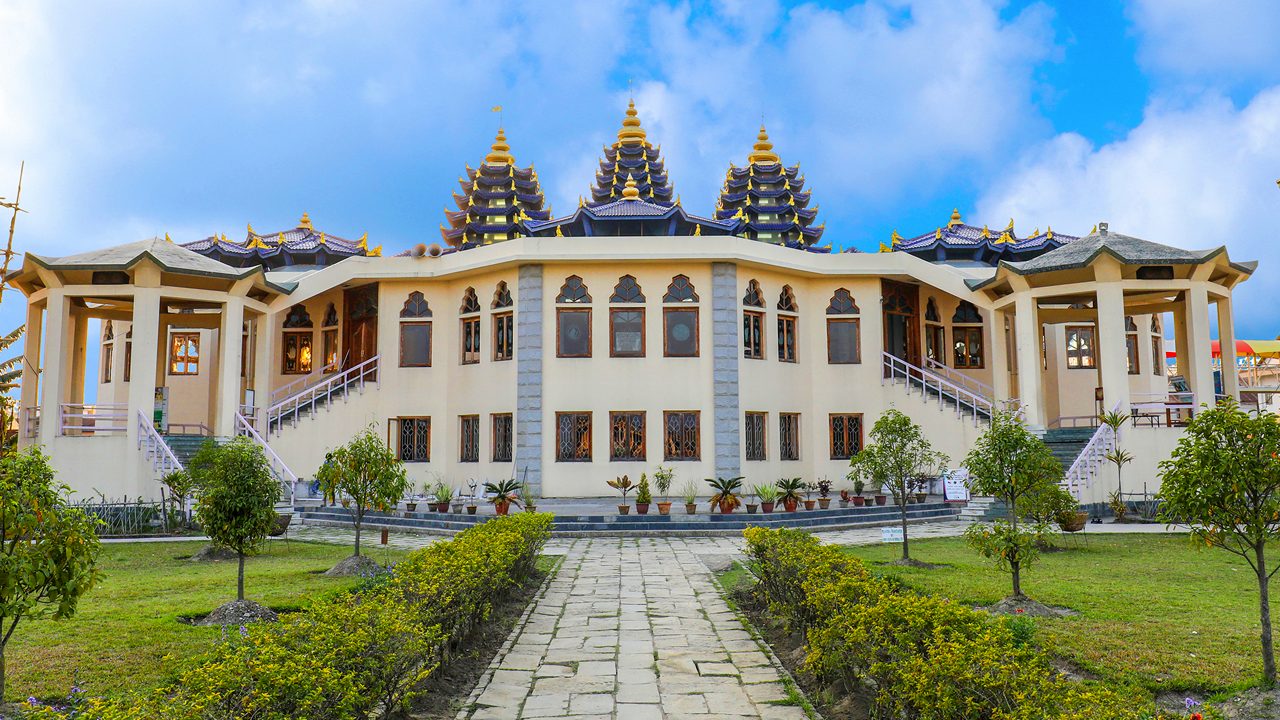
Famous Landmarks of Imphal: Complete Travel Guide 2026

Rohit Verma
February 20, 2026
Explore Imphal's famous landmarks: Loktak Lake, Kangla Fort, INA Memorial & more. Complete 2026 travel guide with timings, best time, how to reach & itinerary.
Discover Imphal: The Jewel of Manipur
Nestled in the lush valley of Manipur, Imphal stands as one of Northeast India's most captivating cultural destinations. As the capital city of Manipur, Imphal offers visitors a unique blend of historical significance, natural beauty, and rich cultural heritage that sets it apart from other Indian cities. From the shimmering waters of Loktak Lake to the ancient grounds of Kangla Fort, Imphal's landmarks tell stories of valor, spirituality, and traditions that have been preserved for centuries.
What makes Imphal truly special is its remarkable diversity of attractions within a relatively small area. In a single day, you can explore ancient palaces, pay respects at India's National War Memorial, witness floating islands on a massive lake, and immerse yourself in vibrant Manipuri culture. The city served as a crucial battleground during World War II, making it a destination of great historical importance for history enthusiasts from around the world.
Imphal is also the heart of Manipuri classical dance, the birthplace of Polo, and home to some of India's most unique ecosystems. Whether you're a history buff, nature lover, spiritual seeker, or cultural enthusiast, Imphal's landmarks offer experiences that will leave you enchanted and inspired. This comprehensive guide will take you through all the must-visit landmarks, practical travel information, and insider tips to make your Imphal journey unforgettable.
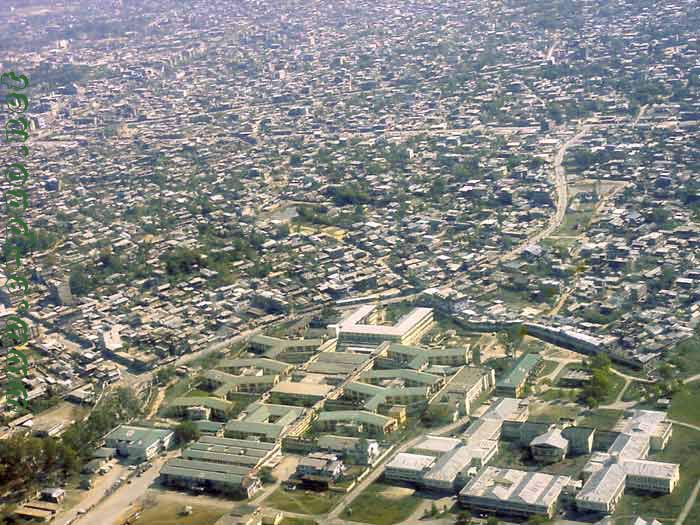
Quick Facts About Imphal
| Aspect | Details |
|---|---|
| Location | Capital of Manipur, Northeast India |
| October to April (pleasant weather) | |
| Nearest Airport | Tulihal Airport (Imphal) - well-connected |
| Average Temperature | 15°C to 30°C (winter), 20°C to 32°C (summer) |
| Famous For | Loktak Lake, Kangla Fort, INA Memorial, Manipuri Dance |
| Ideal Duration | 3-4 days for major landmarks |
| Language | Manipuri (Meitei), English, Hindi |
| Special Permits | Inner Line Permit required for some tourists |
Loktak Lake: The Floating Lake of Manipur
The Loktak Lake, located approximately 48 kilometers from Imphal city, is undoubtedly Manipur's most iconic landmark and the largest freshwater lake in Northeast India. What makes Loktak truly extraordinary is its unique ecosystem featuring phumdis – floating islands of decomposed plant material that cover nearly 40% of the lake surface. These floating islands, ranging from small patches to massive landmasses that can support human habitation, create a landscape found nowhere else on Earth.
Keibul Lamjao National Park
The crown jewel of Loktak Lake is the Keibul Lamjao National Park, the world's only floating national park. This unique sanctuary is home to the endangered Sangai deer (brow-antlered deer), found only in Manipur. Watching these graceful deer navigate the floating marshlands is a once-in-a-lifetime experience. The park also hosts numerous migratory birds, making it a paradise for birdwatchers and wildlife photographers.
The Sangai deer, often called the "dancing deer" of Manipur due to its delicate gait while walking on the floating vegetation, is the state animal of Manipur. With fewer than 300 individuals remaining in the wild, spotting one in its natural habitat is a privileged experience. The park's unique ecosystem consists of a mosaic of water pools, marshes, and grasslands, all floating on the lake's surface.
Sendra Island and Watchtowers
Sendra Island, located in the middle of Loktak Lake, offers visitors the perfect vantage point to experience this magical ecosystem. The island features a tourist resort with a watchtower that provides panoramic views of the lake and its floating islands. From here, you can watch fishermen navigating their traditional canoes through the phumdis and observe the unique lifestyle of lake dwellers who live in floating huts.
Several watchtowers around the lake offer different perspectives of this remarkable ecosystem. The most popular is the Sangai Watchtower, from which you can often spot Sangai deer in their natural habitat during early morning or late afternoon hours. The best time for wildlife viewing is dawn when animals are most active and the lake is shrouded in mist, creating an ethereal atmosphere.
Traditional Fishing Practices
The fishing communities living on Loktak Lake have developed unique techniques adapted to the floating landscape. Fishermen build temporary bamboo huts on the phumdis and use traditional circular nets called phum nga. Witnessing these fishermen at work during sunrise, when the golden light reflects off the calm waters and floating islands, is one of the most photogenic experiences in Manipur.
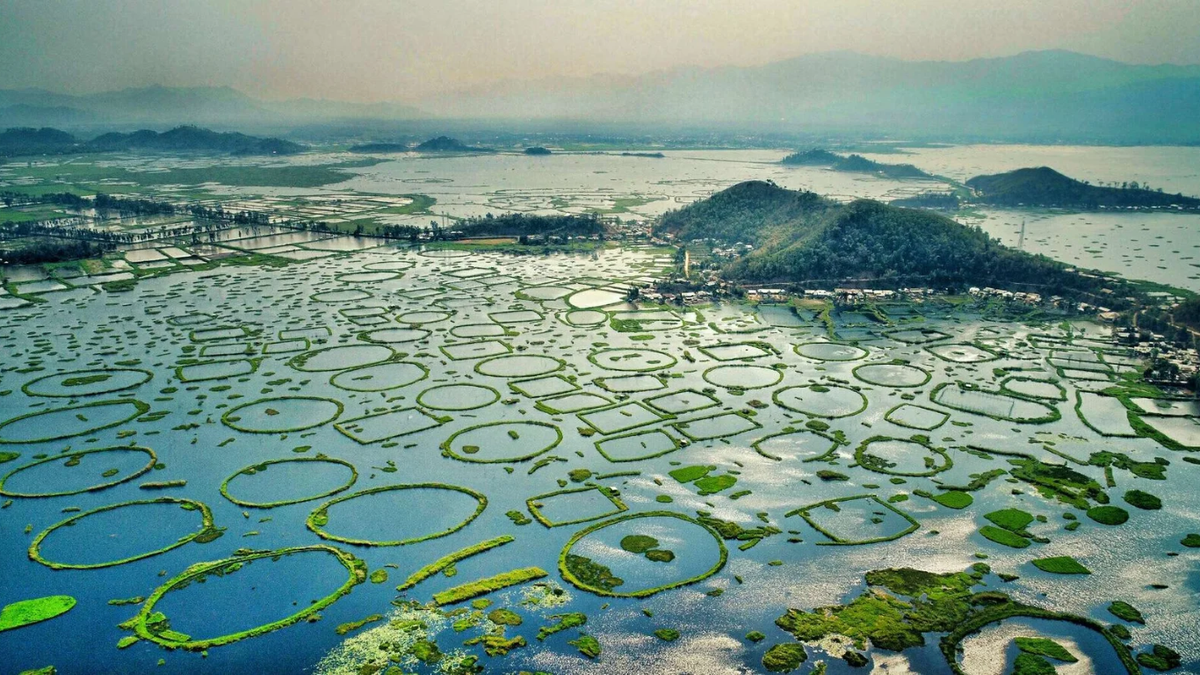
Distance from Imphal: 48 km (approximately 1.5 hours by road)
Best Time to Visit: November to March (pleasant weather, clear skies)
Timings: Sunrise to sunset (6 AM to 6 PM)
Entry Fee: Nominal fee for Keibul Lamjao National Park
Kangla Fort: The Ancient Heart of Manipur
Kangla Fort, situated on the banks of the Imphal River, is the most historically significant landmark in Manipur. For centuries, this was the royal palace of the Manipuri kings, serving as the political, cultural, and religious center of the Manipuri kingdom. The name "Kangla" means "dry land" in Manipuri, referring to its elevated position surrounded by the river on three sides.
Kangla's history spans over 2,000 years, making it one of the oldest archaeological sites in Northeast India. The fort complex covers approximately 238 acres and contains numerous monuments, temples, and structures that reflect the glorious past of Manipur. Unlike many Indian forts that were built by Mughals or British rulers, Kangla is an indigenous Manipuri construction, showcasing unique architectural styles that developed in the region.
Sacred Groves and Temples
The Kangla Uttra, or sacred grove within Kangla, is of immense religious significance to the Manipuri people. This grove houses the Nungjeng Pukhri, a sacred pond believed to be guarded by a deity. According to local beliefs, the pond has no bottom and is home to sacred eels. Religious ceremonies and rituals are still performed here, connecting modern Manipuris to their ancient spiritual traditions.
The fort complex contains several temples, including the Shree Shree Govindajee Temple (though the main temple is now outside the fort complex). The original temple within Kangla was the royal temple where Manipuri kings worshipped. The temple architecture follows the traditional Manipuri style with distinct features like the curved roof (called "falca") that's adapted to the heavy rainfall of the region.
British and Japanese WWII Sites
Kangla Fort also bears witness to more recent history. During World War II, the fort was occupied by British forces and later became a battleground between British and Japanese troops. The War Cemetery within Kangla is a somber reminder of the fierce battles fought in Imphal. The cemetery contains graves of British and Indian soldiers who died during the Imphal Campaign of 1944.
The Cemetery of the Martyrs commemorates Manipuri freedom fighters who sacrificed their lives for India's independence. Walking through Kangla, you'll notice bullet marks on walls – scars from the intense fighting that took place here. This convergence of ancient history and modern wartime events makes Kangla a fascinating destination for history enthusiasts.
Recent Restoration and Significance
For many years, Kangla was under the control of the Assam Rifles (Indian paramilitary force). In 2004, it was handed back to the state government, and extensive restoration work has been undertaken since then. Today, Kangla stands as a symbol of Manipuri pride and heritage, attracting both domestic and international tourists.
The fort is particularly beautiful during the Kangla Rath Yatra, an annual festival celebrating the chariot journey of Lord Jagannath. The festival showcases Manipuri culture at its finest, with traditional music, dance performances, and elaborate rituals. If your visit coincides with this festival (usually in June-July), you're in for a spectacular cultural experience.
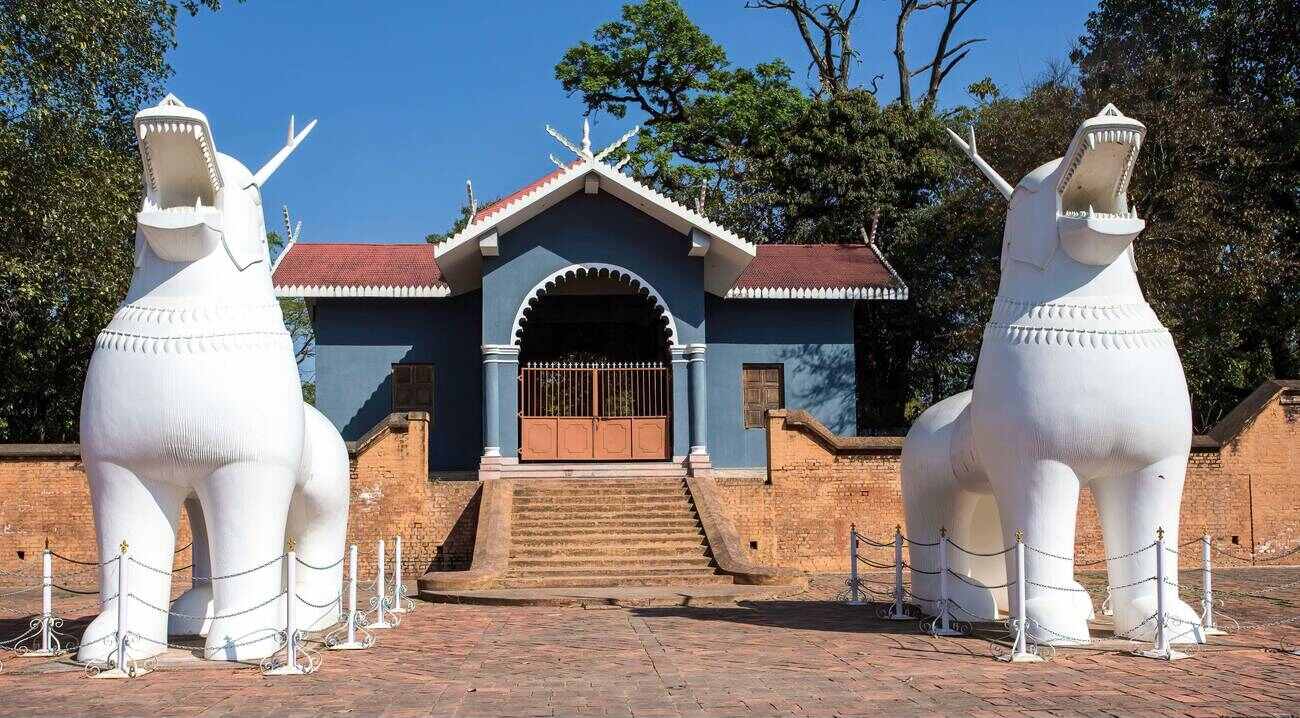
Location: Imphal city center, near the Imphal River
Timings: 9 AM to 5 PM (closed on national holidays)
Entry Fee: ₹10 for Indians, ₹100 for foreign nationals
Time Required: 2-3 hours for comprehensive exploration
Best Time: Early morning or late afternoon to avoid heat
INA Memorial: Reliving India's Freedom Struggle
The Indian National Army (INA) Memorial in Imphal holds a special place in India's struggle for independence. This memorial commemorates the brave soldiers of the Azad Hind Fauj, led by Netaji Subhas Chandra Bose, who fought alongside Japanese forces against the British during World War II.
Imphal was a crucial battleground during WWII, and the INA played a significant role in the battles fought here. The memorial stands at the site where INA soldiers established their headquarters during the Imphal Campaign of 1944. It was here that Netaji gave his famous slogan "Give me blood, and I will give you freedom!" – words that continue to inspire generations of Indians.
The Memorial Complex
The INA Memorial complex features a bronze statue of Netaji Subhas Chandra Bose in his iconic INA uniform. The memorial hall houses photographs, documents, and artifacts from the INA movement, providing detailed information about this often-overlooked chapter of India's freedom struggle.
What makes the Imphal INA memorial particularly significant is its proximity to the actual battlefields. Unlike many other INA memorials in India, this one stands on ground where the actual fighting occurred. The Red Hill (Maibam Lokpa Ching), located nearby, was where fierce battles were fought between British-Indian forces and the Japanese-allied INA troops. A memorial here marks the spot where Japanese and INA soldiers laid down their lives.
Personal Stories and Sacrifices
The memorial also honors Captain Lakshmi Sahgal, the woman officer who led the INA's Rani of Jhansi Regiment – an all-women's military unit that was ahead of its time. The stories of these women, who left their homes to fight for India's freedom, are both inspiring and moving.
Visitors often report feeling a deep emotional connection when walking through the memorial. The exhibits don't just display history – they tell stories of courage, sacrifice, and unwavering determination against overwhelming odds. Many freedom fighters from Northeast India were part of the INA, making this memorial particularly significant for the region's contribution to India's independence.
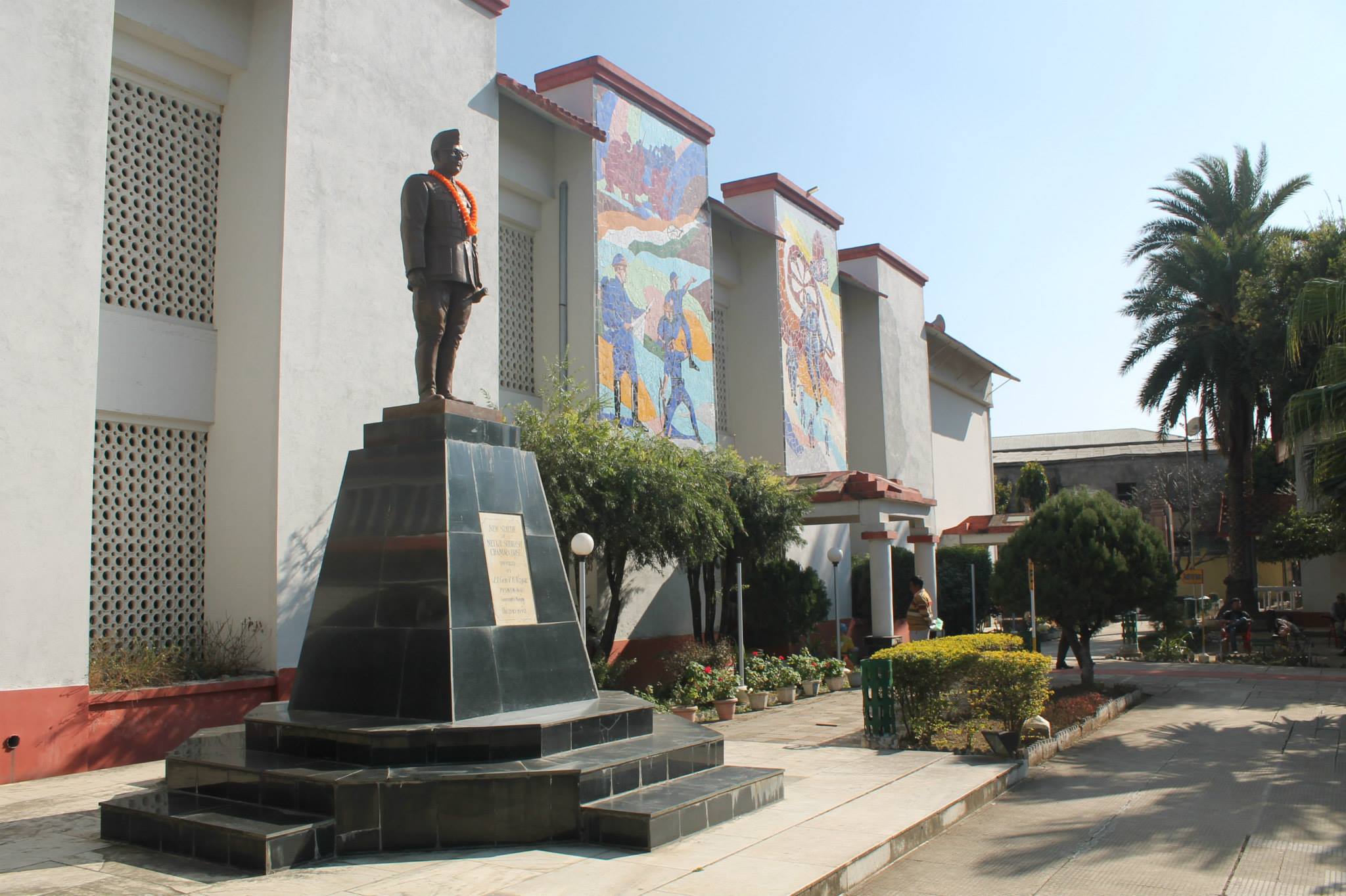
Location: Moirang, about 45 km from Imphal
Timings: 9 AM to 5 PM (closed on Mondays)
Entry Fee: Free
Time Required: 1-2 hours
Best Time: Anytime during daylight hours
Imphal War Cemetery: Honoring WWII Heroes
The Imphal War Cemetery is a beautifully maintained memorial that honors the British and Indian soldiers who died during the decisive battles of Imphal and Kohima in 1944. These battles, fought between British-Indian forces and the Japanese army, marked the turning point of World War II in Asia and are often called Britain's greatest battle.
The cemetery contains the graves of over 1,600 Commonwealth soldiers, with beautifully landscaped lawns and manicured gardens that create a serene atmosphere for reflection. Each grave is marked with a headstone, and many bear personal inscriptions from family members – touching reminders that these were real people who made the ultimate sacrifice.
Historical Significance
The Battle of Imphal (March-July 1944) was one of the most decisive battles of WWII. The Japanese, seeking to invade India, laid siege to Imphal. The British-Indian forces, surrounded and outnumbered, held out for months until reinforcements arrived. The eventual Allied victory here prevented Japan from invading India and marked the beginning of the end for Japanese expansion in Asia.
What's remarkable about this cemetery is that it's maintained by the Commonwealth War Graves Commission, ensuring that the memory of these soldiers is preserved with dignity. The cemetery is not just for British soldiers – many graves belong to Indian soldiers of the British Indian Army, Gurkhas from Nepal, and soldiers from various African countries who were part of the Allied forces.
Visiting Experience
The cemetery is particularly moving in the early morning when mist still lingers over the graves, and in the evening when the setting sun casts long shadows. The silence here is profound, contrasting sharply with the fierce battles that once raged in these surroundings.
A memorial cross at the center of the cemetery bears the inscription: "Here are recorded the names of soldiers who died in the Imphal area and whose graves are not known." This memorial to the "missing" honors those whose remains were never identified – a somber reminder of war's terrible cost.
Location: Deulahland, Imphal (near the city center)
Timings: 9 AM to 5 PM (closed on Sundays)
Entry Fee: Free
Time Required: 30-45 minutes
Note: Maintain silence and respect – this is an active war cemetery
Sacred Temples and Spiritual Landmarks
Shree Shree Govindajee Temple
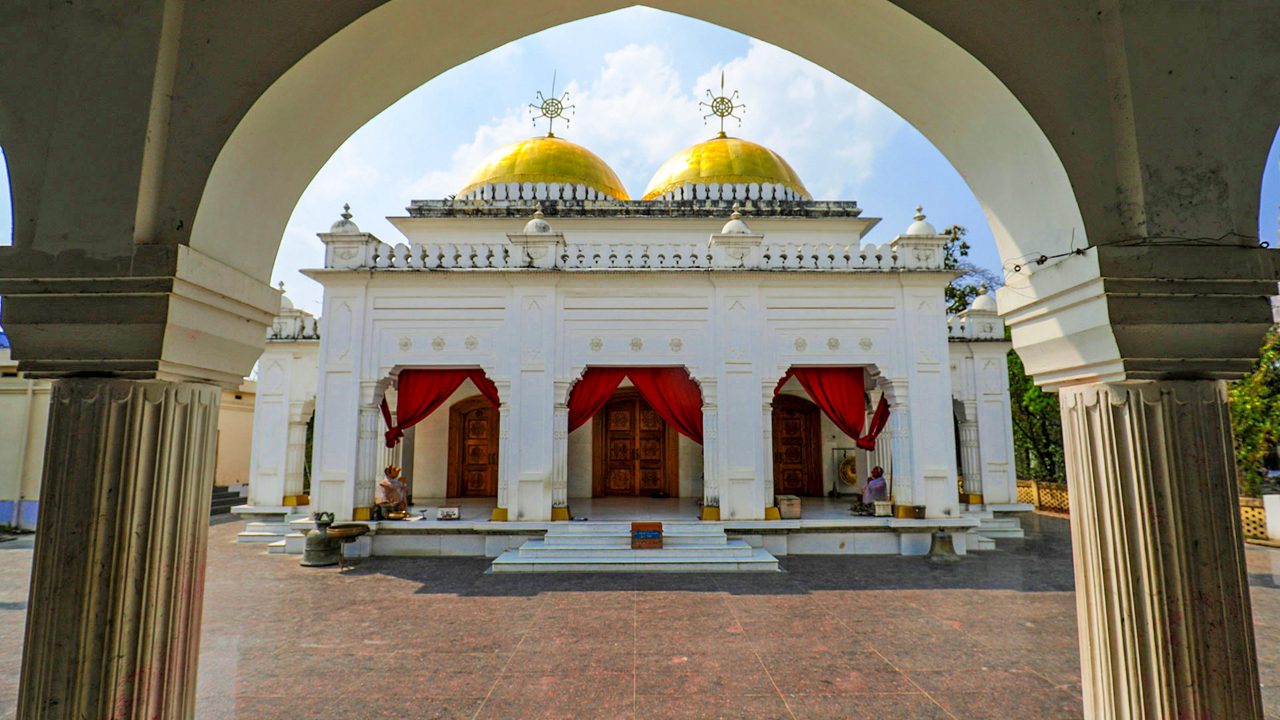
The Shree Shree Govindajee Temple is the most important Hindu temple in Manipur and a magnificent example of traditional Manipuri architecture. Dedicated to Lord Krishna and Lord Balaram, this temple was the royal temple of the Manipuri kings and remains the center of Vaishnavism in Manipur.
The temple's architecture is distinct from other Indian temples. Built in the traditional Manipuri style, it features a double roof with each tier slightly smaller than the one below, creating a pyramidal structure. This design is both functional (ideal for heavy rainfall) and aesthetically beautiful. The golden domes glisten in the sunlight, making it one of Imphal's most photographed landmarks.
The temple is particularly vibrant during Janmashtami (Lord Krishna's birthday) and Ratha Yatra. The celebrations include Manipuri classical dance performances, devotional songs, and elaborate rituals that showcase the unique blend of Vaishnavism and Manipuri culture. The temple's priests maintain traditions passed down through generations, offering visitors a glimpse into Manipur's spiritual heritage.
Location: Near Kangla Fort, Imphal
Timings: 5 AM to 12 PM, 4 PM to 9 PM
Entry Fee: Free
Dress Code: Modest clothing required
ISCON Temple
The ISKCON Temple Imphal, though relatively new compared to the ancient temples, has become an important spiritual center. Built in the traditional Manipuri style but with ISKCON's distinctive architectural elements, the temple is dedicated to Lord Krishna and Radha.
The temple complex is beautifully maintained, with gardens that feature flowers mentioned in Hindu scriptures. The evening aarti (prayer ceremony) is particularly beautiful, with devotees singing devotional songs (kirtans) in both Manipuri and Hindi. The temple also runs a vegetarian restaurant that serves delicious prasadam (sanctified food).
Women's Market (Ima Keithel)
While not a temple in the traditional sense, Ima Keithel (Mother's Market) is a sacred space for Manipuri women. This is the world's only market run entirely by women – over 3,000 women vendors sell everything from vegetables to handicrafts here. The market has been operating for centuries and represents the economic power and independence of Manipuri women.
The market is divided into sections based on products – vegetables, fish, textiles, handicrafts, and more. It's a sensory explosion – the colors of handwoven textiles, the aroma of fresh produce and spices, and the sound of women negotiating in Manipuri. The market is not just a commercial center but a social space where news is exchanged, friendships are forged, and traditions are maintained.
Location: Khwairamband Bazaar, Imphal
Timings: 7 AM to 6 PM (closed on Sundays)
Best Time: Morning for fresh produce, afternoon for textiles
Museums: Discovering Manipuri Culture
Manipur State Museum
The Manipur State Museum is essential for anyone interested in understanding the region's rich cultural heritage. The museum houses an impressive collection of artifacts that tell the story of Manipur from prehistoric times to the present day.
Key exhibits include:
- Ancient Manuscripts: The museum has a collection of old manuscripts written on palm leaves, showcasing Manipur's literary tradition.
- Royal Costumes: Elaborate costumes worn by Manipuri kings and queens, featuring intricate embroidery and traditional designs.
- Weapons and Armor: Swords, shields, and armor used by Manipuri warriors, including those from the famous Manipur cavalry.
- Tribal Artifacts: Items representing the diverse tribal cultures of Manipur, including textiles, jewelry, and ritual objects.
- WWII Memorabilia: Items from the Japanese invasion and British defense of Imphal.
The museum also has a collection of Pena – traditional Manipuri string instruments – and other musical instruments that accompany Manipuri dance performances.
Location: Near the Polo Ground, Imphal
Timings: 10 AM to 4:30 PM (closed on Sundays and government holidays)
Entry Fee: ₹10 for Indians, ₹50 for foreigners
CPI Museum (Contemporary Art)
For art enthusiasts, the CPI Museum (College of Art, Imphal) showcases contemporary Manipuri art. The museum features works by prominent Manipuri artists who have gained recognition both nationally and internationally. The artwork often reflects Manipur's social issues, natural beauty, and cultural traditions.
Natural Landmarks Around Imphal
Sadar Hills
The Sadar Hills, located about 30 kilometers from Imphal, offer breathtaking views of the surrounding valleys and hills. This area is perfect for trekking and nature walks. The hills are home to several tribal villages where visitors can experience traditional Manipuri tribal culture.
One of the most popular viewpoints offers a panoramic view of the Imphal Valley. On clear days, you can see all the way to the mountains of Nagaland. The area is particularly beautiful in spring when the hills are covered in wildflowers.
Langthabal
Langthabal, about 8 kilometers from Imphal, is known for its historical monuments and natural beauty. The area features the ruins of an ancient palace and several temples, all set against a backdrop of rolling hills and lush forests.
The Langthabal Palace complex, though mostly in ruins, gives a sense of the grandeur of Manipuri royalty. The site is particularly atmospheric during sunrise when the mist clears to reveal the ancient structures against the lightening sky.
Best Time to Visit Imphal
Choosing the right time to visit Imphal can significantly impact your experience. Manipur has a pleasant climate for most of the year, but certain seasons offer better conditions for sightseeing and outdoor activities.
Winter Season (October to March) - Recommended
This is the best time to visit Imphal. The weather is pleasant with temperatures ranging from 10°C to 25°C, making it ideal for exploring outdoor landmarks like Loktak Lake and Kangla Fort.
- October-November: Post-monsoon greenery makes the landscape stunningly beautiful.
- December-January: Cool and dry, perfect for outdoor activities.
- February-March: Spring begins, flowers bloom, and the weather is comfortable.
This season also hosts several important festivals, including Yaoshang (Manipuri Holi, usually in March) and Kut (harvest festival of the Kuki tribe, usually in November).
Summer Season (April to June) - Manageable
Summer in Imphal is warm but not scorching like other parts of India. Temperatures range from 20°C to 32°C. The evenings are usually pleasant, making early morning and late evening the best times for outdoor exploration.
The Lai Haraoba festival, celebrating traditional Manipuri deities, usually takes place during this period (May-June). It's an excellent opportunity to witness ancient Manipuri rituals and dance performances.
Monsoon Season (July to September) - Challenging
Manipur receives heavy rainfall during the monsoon. While the region looks incredibly green and lush, outdoor activities can be challenging due to wet and slippery conditions.
However, monsoon is when Loktak Lake is at its fullest and most spectacular. If you don't mind the rain, you'll be rewarded with dramatic landscapes and fewer tourists. Just be prepared for potential travel disruptions and carry adequate rain gear.
How to Reach Imphal
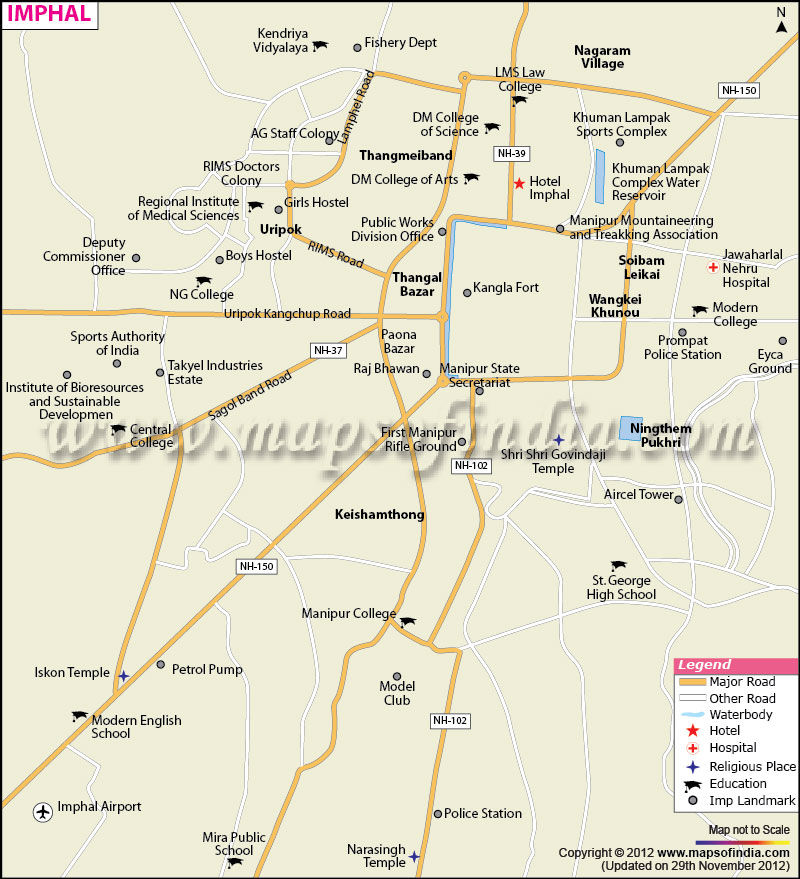
Reaching Imphal has become increasingly convenient in recent years, with improved air connectivity and road infrastructure. Here's how you can reach this beautiful city:
By Air - Recommended
Tulihal Airport (IMF) in Imphal is the primary gateway to Manipur. The airport is well-connected to major Indian cities with direct flights from:
- Kolkata: Multiple daily flights (1.5 hours)
- Guwahati: Daily flights (1 hour)
- Delhi: Direct flights available (2.5 hours)
- Bangalore: Connecting flights via Kolkata or Guwahati
- Mumbai: Connecting flights via Kolkata or Guwahati
The airport is just 8 kilometers from the city center, and taxis/auto-rickshaws are readily available. Pre-paid taxi services are available at the airport for fixed rates to various parts of the city.
By Rail
The railway connectivity to Manipur is still developing. The nearest major railway station is Dimapur Railway Station in Nagaland, approximately 215 kilometers from Imphal. From Dimapur:
- Taxi: 5-6 hours journey (₹4,000-6,000)
- Bus: State transport buses available (₹300-500)
- Shared taxi: Budget-friendly option (₹600-800)
The Jiribam-Silchar gauge conversion project is underway, which will eventually connect Imphal directly to the Indian railway network. However, this project is still in progress and may take a few more years to complete.
By Road
Imphal is connected to the rest of India via National Highway 2 (NH-2), which runs through the entire Northeast region. Road journeys to Imphal are scenic but can be challenging due to mountainous terrain:
- From Guwahati: ~500 km, 10-12 hours via NH-2
- From Dimapur: ~215 km, 5-6 hours
- From Kohima: ~150 km, 4-5 hours
The road journey from Guwahati is particularly beautiful, passing through the hills of Nagaland and offering stunning views. However, be prepared for winding roads and occasional landslides during monsoon. Several private bus operators run overnight sleeper and seater buses from Guwahati to Imphal.
Inner Line Permit (ILP)
Important: Manipur requires an Inner Line Permit (ILP) for Indian citizens who are not permanent residents of Manipur. This permit is required to enter the state and can be obtained:
- Online: Through the official Manipur ILP portal
- On Arrival: At Tulihal Airport, Dimapur railway station, and major entry points
- Offline: From Manipur government offices in major Indian cities
Required documents for ILP:
- Valid ID proof (Aadhaar card, Voter ID, or Passport)
- Passport-size photographs
- Travel itinerary details
Foreign nationals do not need an ILP but must register with the Foreigners' Registration Office (FRO) within 24 hours of arrival if staying longer than 7 days.
Where to Stay in Imphal
Imphal offers accommodation options ranging from budget guesthouses to mid-range hotels. While luxury options are limited, the available accommodations are generally clean, safe, and offer warm Manipuri hospitality.
Mid-Range Hotels (₹2,000-4,000 per night)
Hotel Imphal: Located in the city center, this hotel offers comfortable rooms, a restaurant serving Manipuri cuisine, and easy access to major landmarks.
The Classic Hotel: A popular choice among travelers, featuring modern amenities, including free Wi-Fi, room service, and travel assistance.
Hotel Nirmala: Known for its cleanliness and friendly staff, this hotel offers good value for money and is close to Ima Keithel (women's market).
Budget Options (₹800-1,500 per night)
Guesthouses: Several guesthouses near the market area offer basic but clean accommodations. These are great for budget travelers and backpackers.
Homestays: A growing trend in Imphal, homestays allow you to experience authentic Manipuri hospitality. Many families open their homes to tourists, providing meals and local insights.
Where to Stay Near Loktak Lake
Sendra Tourist Lodge: Located on Sendra Island, this government-run lodge offers basic accommodation with stunning views of Loktak Lake.
Phubala Resort: A private resort offering better amenities and guided tours of the lake and Keibul Lamjao National Park.
Local Cuisine: What to Eat in Imphal
Manipuri cuisine is distinctive, flavorful, and relies heavily on local ingredients. The food is less oily than many other Indian cuisines and features unique preparations that reflect the region's biodiversity.
Must-Try Dishes
Eromba: A iconic Manipuri dish made with boiled vegetables, fermented fish (ngari), and chilies. It's simple, healthy, and packed with flavor. Every household has its own variation.
Singju: A spicy salad made with lots of green vegetables, lots of chilies, and a dressing of fermented fish. It's refreshing, healthy, and incredibly flavorful.
Ooti: A traditional Manipuri curry made with peas, vegetables, and a unique blend of spices. Unlike other Indian curries, it's not overly spicy and has a subtle flavor.
Chamthong: A vegetable stew that's a staple in every Manipuri meal. It's light, nutritious, and the perfect accompaniment to rice.
Iromba: Similar to Eromba but with different vegetables and spices. It's a testament to Manipur's rich culinary heritage.
Where to Eat
Café Moirang: A popular café serving both Manipuri and continental dishes. Great for breakfast.
Ima Keithel Food Stalls: The women's market has several food stalls serving authentic Manipuri meals at very reasonable prices.
Hotel Classic Restaurant: Offers a good mix of Manipuri, North Indian, and Chinese cuisine.
Shopping in Imphal
Imphal offers excellent shopping opportunities, especially for handloom and handicrafts. Manipuri textiles are renowned for their quality and unique designs.
What to Buy
Handloom Textiles: Manipuri sarees, shawls, and fabrics are famous for their quality. The Phanek (traditional Manipuri wrap-around skirt) and Innphi (shawl) make excellent souvenirs.
Manipuri Dolls: Handcrafted dolls dressed in traditional Manipuri attire are popular collectibles.
Bamboo and Cane Products: Baskets, mats, and furniture made from bamboo are both beautiful and functional.
Brassware: Traditional brass utensils and decorative items are crafted with great skill.
Pottery: Manipuri pottery, especially from the village of Andro, is distinctive and makes for great gifts.
Where to Shop
Ima Keithel: Besides food, this all-women's market sells everything from textiles to handicrafts. It's a shopping experience like no other.
GPA Market: A modern market complex with various shops selling handicrafts and souvenirs.
Sangaiprou Handloom Cluster: For high-quality handloom products directly from weavers.
Suggested Itinerary: 3 Days in Imphal
Day 1: Historical Imphal
- Morning: Visit Kangla Fort (2-3 hours)
- Late Morning: Shree Shree Govindajee Temple (1 hour)
- Lunch: Try Manipuri cuisine at a local restaurant
- Afternoon: Manipur State Museum (2 hours)
- Evening: Explore Ima Keithel (Women's Market)
Day 2: Loktak Lake Excursion
- Early Morning: Drive to Loktak Lake (1.5 hours)
- Morning: Visit Keibul Lamjao National Park (2-3 hours)
- Lunch: At Sendra Island
- Afternoon: Boat ride on Loktak Lake, visit Sendra Tourist Complex
- Late Afternoon: Return to Imphal, en route visit INA Memorial if time permits
Day 3: WWII Heritage & Cultural Immersion
- Morning: Imphal War Cemetery (1 hour)
- Late Morning: INA Memorial at Moirang (full morning)
- Lunch: Local Manipuri lunch
- Afternoon: Shopping for handicrafts at Ima Keithel or GPA Market
- Evening: Attend a Manipuri dance performance if available
Travel Tips for Visiting Imphal
Respect Local Customs
Manipur has a rich cultural heritage, and respecting local customs is important. Dress modestly when visiting religious sites. Always ask for permission before photographing people, especially in rural areas.
Cash is King
While ATMs are available in Imphal city, they can be unreliable. Carry sufficient cash, especially when traveling to rural areas or Loktak Lake. Digital payments are gaining acceptance but cash is still preferred in markets.
Plan for Connectivity Issues
Internet connectivity can be intermittent. Download offline maps and important information before traveling. Mobile networks may not work in all areas, especially around Loktak Lake.
Hire a Local Guide
For a deeper understanding of Imphal's landmarks and Manipuri culture, consider hiring a local guide. They can provide historical context, help with language barriers, and take you to hidden gems you might otherwise miss.
Be Prepared for Weather
Manipur's weather can be unpredictable. Carry an umbrella or rain jacket, especially during monsoon season. Even in winter, mornings and evenings can be chilly, so pack layers.
Support Local Communities
When buying handicrafts, try to purchase directly from artisans or cooperatives rather than commercial shops. This ensures your money goes directly to the craftspeople and helps preserve traditional arts.
Conclusion: Imphal Awaits Discovery
Imphal is a destination that rewards those who venture beyond India's usual tourist trail. Its landmarks are not just beautiful – they're repositories of stories, traditions, and a unique way of life that has survived centuries of change. From the floating islands of Loktak Lake to the ancient ramparts of Kangla Fort, from the sacrifices commemorated at the INA Memorial to the living culture of Ima Keithel, Imphal offers experiences that are both profound and unforgettable.
What makes Imphal truly special is its people. The warmth and hospitality of the Manipuri people transform a good trip into an exceptional one. Whether it's the woman at the market explaining how she wove a textile, the guide passionately sharing history at Kangla, or the fisherman inviting you to see his floating home, interactions with locals are often the highlight of a visit to Imphal.
For travelers seeking to explore India's diverse cultural landscape, Imphal is essential. It represents a side of India that many never see – a land of ancient traditions, natural beauty, and a history that's both proud and poignant. As more travelers discover Northeast India's treasures, Imphal stands ready to welcome those willing to look beyond the ordinary and discover the extraordinary.
So pack your bags, obtain your Inner Line Permit, and set out to discover Imphal – the jewel of Manipur. Whether you're standing on the shores of Loktak Lake at dawn, exploring the corridors of Kangla Fort, or paying respects at the INA Memorial, you'll find that Imphal doesn't just show you its landmarks – it shows you a part of yourself you never knew existed.
For those interested in exploring more of Northeast India, Imphal serves as an excellent base. You can combine your visit with trips to Guwahati (the gateway to the Northeast), Shillong (Scotland of the East), or Meghalaya (the abode of clouds). The entire region is connected by good roads and offers diverse experiences that showcase Northeast India's incredible diversity.
Imphal awaits – and once you've experienced its magic, you'll understand why those who visit this enchanting city always return, or at least, never truly leave.
Location
Frequently Asked Questions
Q1.What is Imphal famous for?
Q2.What is the best time to visit Imphal?
Q3.How do I reach Imphal by air and train?
Q4.What are the timings and entry fee for Loktak Lake and Kangla Fort?
Q5.Do I need a permit to visit Imphal?
Q6.How many days are required to visit Imphal?
Q7.What is special about Loktak Lake?
Q8.Is Imphal safe for tourists?
Q9.What should I buy from Imphal?
Q10.What is the distance from Imphal to Loktak Lake and how to reach?
Recommended For You
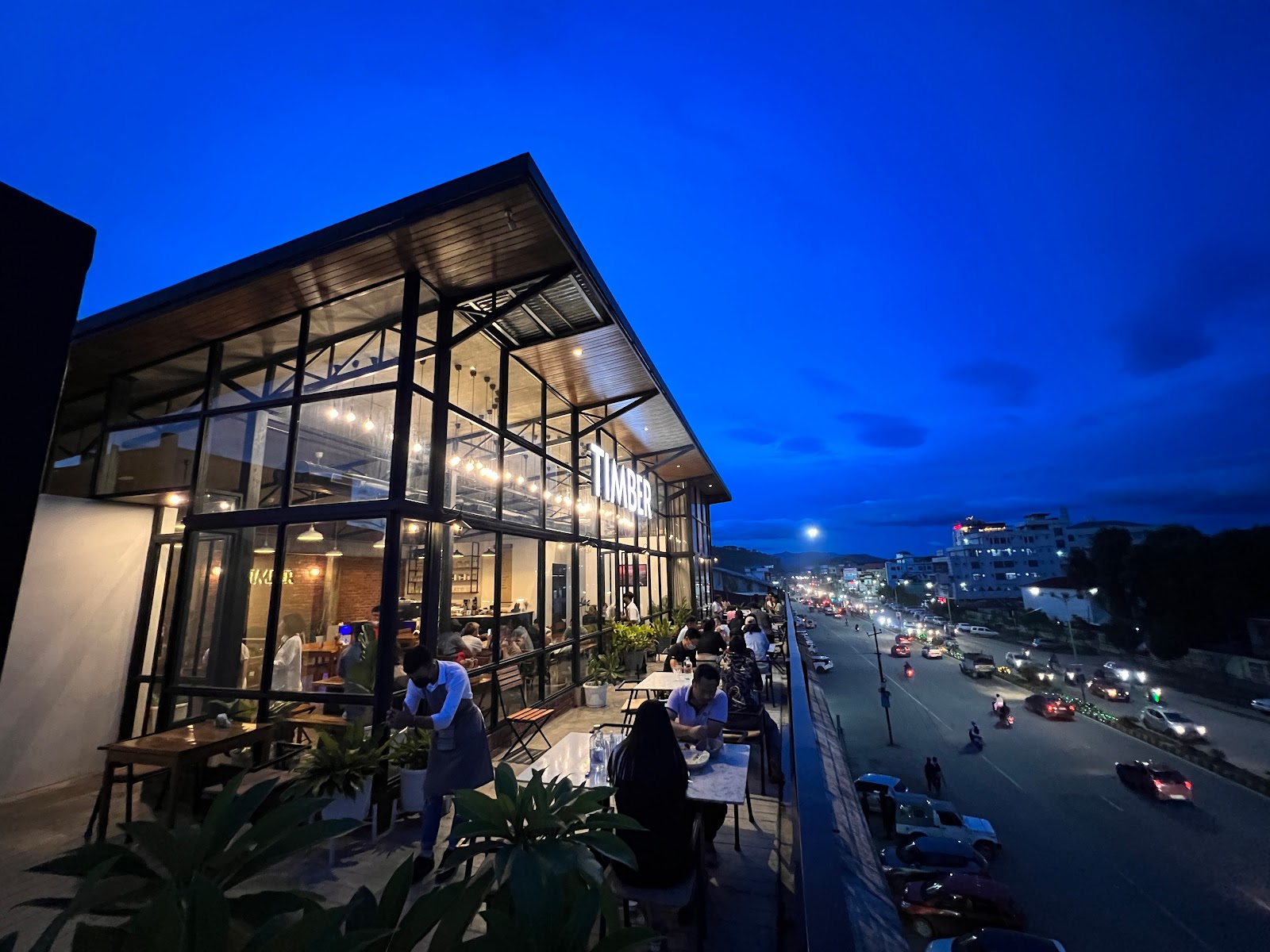
Best Cafes in Imphal: Top 15 Coffee Shops & Local Cafes to Visit
Explore the best cafes in Imphal - from traditional tea houses serving authentic Manipuri tea to modern coffee shops with stunning views. Discover 15+ must-visit cafes, local specialties, and cafe culture tips.
Kaziranga National Park: Complete Wildlife Safari Guide 2026
Explore Kaziranga National Park, home to two-thirds of world's rhinos. Complete safari guide with best time to visit, zones booking, wildlife spotting tips, and accommodation.
Manas National Park: Complete Travel & Safari Guide 2026
Explore Manas National Park, a UNESCO World Heritage Site in Assam. Complete guide with safari booking, wildlife highlights, accommodation, and conservation success story.
Never Miss an Adventure
Get the latest trekking guides, travel tips, and exclusive offers delivered straight to your inbox.
