
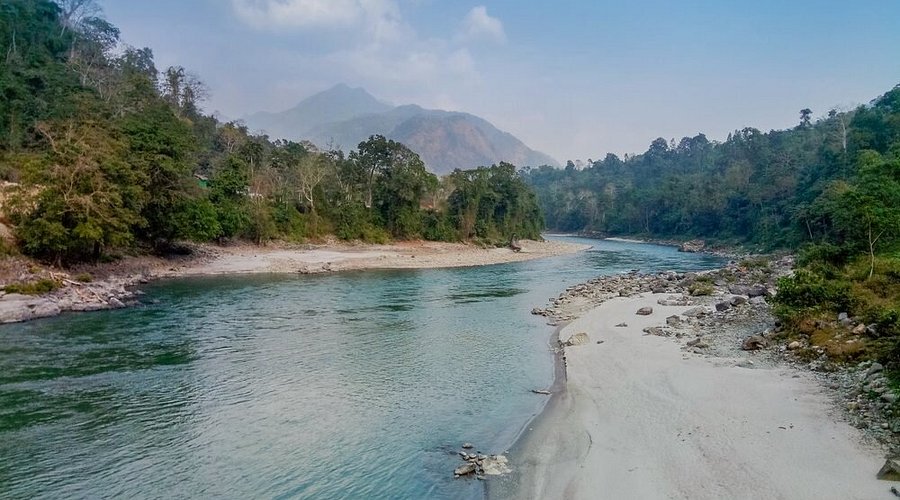
Manas National Park: Complete Travel & Safari Guide 2026

Ananya Sharma
February 19, 2026
Explore Manas National Park, a UNESCO World Heritage Site in Assam. Complete guide with safari booking, wildlife highlights, accommodation, and conservation success story.
Discover Manas National Park's Untamed Beauty
Manas National Park, a UNESCO World Heritage Site and Project Tiger Reserve, represents one of India's most pristine wilderness areas located in the foothills of the Himalayas in Assam. This 950-square-kilometer protected area spans across the Manas River basin and extends into Bhutan, creating a unique transboundary conservation landscape.
The park gained international recognition for its remarkable biodiversity and successful conservation programs after recovering from insurgent activities in the 1990s. Today, it stands as a testament to nature's resilience and dedicated conservation efforts, offering visitors an authentic wilderness experience far from commercialized tourism circuits.
Why Manas is Special
Unlike more crowded wildlife destinations, Manas offers an exclusive experience with limited tourist traffic. The park harbors 22 of India's most threatened species, including the pygmy hog, hispid hare, and golden langur that are rarely found elsewhere. Its diverse terrain ranges from alluvial grasslands to subtropical forests, supporting incredible ecological variety.
The Manas River flowing through the park creates stunning landscapes and serves as a vital lifeline for wildlife. The park's location in the Himalayan foothills provides dramatic scenery with forested hills as backdrop, making every safari drive visually spectacular regardless of wildlife sightings.
Best Time to Visit Manas
The park opens from November to May, with different seasons offering varied experiences. Winter months from November to February bring pleasant weather with cool temperatures perfect for long safari drives. The grass is shorter, improving wildlife visibility in the grassland areas.
Spring months from March to April see increased animal activity as temperatures rise slightly. Many species emerge from winter cover, creating better sighting opportunities. The park closes during monsoon from June to October when heavy rains make roads inaccessible and animals retreat to higher grounds.
| Season | Best For | What to Expect |
|---|---|---|
| November-February | Comfortable exploration | Cool mornings, clear views |
| March-April | Wildlife activity | Animals more active |
| May | Good visibility | Warm but rewarding safaris |
Safari Experience in Manas
Manas offers jeep safaris that take you through diverse habitats within the park. The core area safari provides authentic wilderness experience with minimal human disturbance. Trained naturalists accompany each safari, sharing insights about animal behavior, plant species, and conservation efforts.
The safari routes cross grasslands, riverine forests, and wooded patches, each supporting different wildlife species. Morning safaris typically start at sunrise when animals are most active and the light is magical for photography. Evening safaris offer different perspectives as animals gather near water sources before dusk.

Wildlife Highlights of Manas
Manas is famous for its endemic golden langur, found only in this region and parts of Bhutan. These rare primates with their striking golden-orange fur are frequently seen in forested areas. The park is also home to the world's smallest pig - the pygmy hog, though sightings are extremely rare due to their shy nature and small population.
The park's tiger population has recovered significantly post-insurgency, with healthy breeding populations now established. Asian elephants are commonly seen, particularly near the river and in grassland clearings. Other notable species include Indian rhinoceros, clouded leopard, wild buffalo, swamp deer, and various primates including capped langur and hoolock gibbon.
Birdwatching Paradise
With over 450 bird species recorded, Manas is a birdwatcher's delight. The endangered Bengal florican breeds in the park's grasslands, making it one of the few reliable places to see this spectacular bird. Great hornbills are frequently seen in forested areas, their massive size and distinctive calls creating memorable encounters.
Waterfowl congregate along the Manas River during winter, including various ducks, geese, and waders. Raptors including eagles, hawks, and falcons patrol the skies. The park's altitudinal variation supports both lowland and montane species, creating exceptional bird diversity.

Where to Stay Near Manas
Accommodation options near Manas are limited compared to more popular parks, but this exclusivity adds to the wilderness experience. The Manas Jungle Camp offers comfortable eco-friendly cottages with excellent naturalist services. Bansbari Lodge provides mid-range comfort close to the park entrance, while basic forest rest houses offer budget options for adventurous travelers.
For a unique experience, consider staying at the community-run homestays in nearby villages. These provide authentic cultural immersion while supporting local conservation efforts. Most accommodations arrange safari bookings and provide packed meals for early morning departures.
How to Reach Manas National Park
The nearest airport is Lokpriya Gopinath Bordoloi International Airport in Guwahati, approximately 176 kilometers away. From Guwahati, the drive takes about 4-5 hours through scenic Assamese countryside. The nearest railway station is Barpeta Road, about 20 kilometers from the park entrance, with connecting trains from Guwahati.
Road travel is the most practical option to reach Manas. Private taxis can be hired from Guwahati, and some operators offer shared cab services. The journey itself is part of the experience, passing through tea gardens, rural villages, and beautiful landscapes that set the tone for your wilderness adventure.
Conservation Success Story
Manas National Park's journey from near-destruction to recovery is one of conservation's most inspiring stories. During the 1990s insurgency, poaching and habitat destruction decimated wildlife populations. The park lost its World Heritage status temporarily but regained it in 2011 following remarkable restoration efforts.
Today, successful reintroduction programs have brought back rhinos, swamp deer, and hispid hares. Community-based anti-poaching units involve local villagers in protection efforts, creating sustainable conservation models. The park's recovery demonstrates how dedicated conservation can reverse even severe ecological damage.

Cultural Experiences Around Manas
The area surrounding Manas offers rich cultural experiences that complement wildlife viewing. Bodo tribal communities living near the park have traditional knowledge about forest ecology that they share through village tours. Their colorful festivals, traditional weaving, and unique cuisine provide fascinating cultural insights.
Visit the Manas Maozigendri Ecotourism Society to learn about community conservation initiatives. The nearby town of Barpeta has historic importance with ancient temples and traditional Assamese architecture. These cultural interactions create a holistic travel experience beyond wildlife viewing.
Essential Travel Tips
- Book accommodations and safaris well in advance - options are limited
- Carry warm clothing for cold morning safaris even in summer
- Bring binoculars and camera with good zoom lens
- Respect local customs and dress modestly when visiting villages
- Carry sufficient cash - ATM access is very limited
- Download offline maps - mobile connectivity is poor
- Stay in designated areas during safaris for safety
- Support local communities through responsible tourism practices
Related destinations: kaziranga national park, nameri national park, and orang national park.
Photography Opportunities
Manas offers exceptional photography opportunities with diverse subjects beyond wildlife. The landscape with river, forests, and hills creates stunning compositions. Golden hour light transforms the grasslands, especially during morning safaris when mist rises from the Manas River.
A telephoto lens of 300-400mm is ideal for wildlife, while a wide-angle captures the scenic beauty. The park's varied lighting conditions challenge photographers but reward with unique images. Patience is key - the best shots come to those who wait quietly and observe animal behavior patterns.

Planning Your Manas Safari
Most visitors recommend 2-3 days with 4-6 safaris for satisfying wildlife encounters. The park's exclusive nature means each safari offers unique experiences even in similar areas. Morning safaris generally provide better wildlife activity, while evening drives offer beautiful light and different animal behavior.
Combine Manas with other Northeast destinations like Kaziranga or Nameri for a comprehensive wildlife circuit. The parks are relatively close and offer complementary experiences - Manas for exclusivity and forest species, Kaziranga for grassland megafauna, and Nameri for river adventures and birdlife.
Responsible Tourism Practices
Manas's recovery depends partly on responsible tourism that benefits local communities. Choose accommodations that employ local staff and support conservation initiatives. Avoid products made from wildlife parts and report any poaching activities to forest department authorities.
The park's fragile ecosystem has limited carrying capacity - follow your guide's instructions strictly. Minimize noise pollution during safaris to avoid disturbing wildlife. Support community-based tourism initiatives that create local stakeholdership in conservation.
Medical and Safety Information
Basic medical facilities are available at Barpeta, about 20 kilometers away. For serious conditions, travel to Guwahati is necessary. Carry essential medications and a basic first-aid kit. The park is in a malaria zone - consult your doctor about prophylactic medication before travel.
Weather can change quickly in the Himalayan foothills - carry rain gear even during dry season. During winter, temperatures can drop significantly during early morning safaris. Stay hydrated and protect yourself from sun during daytime activities.
Location
Frequently Asked Questions
Q1.How many days are needed for Manas National Park?
Q2.What is the best time to visit Manas?
Q3.How to reach Manas National Park?
Q4.What makes Manas National Park special?
Q5.Is Manas safe for tourists?
Q6.What wildlife can I see in Manas?
Q7.What accommodation options exist near Manas?
Q8.Can I combine Manas with other parks?
Recommended For You
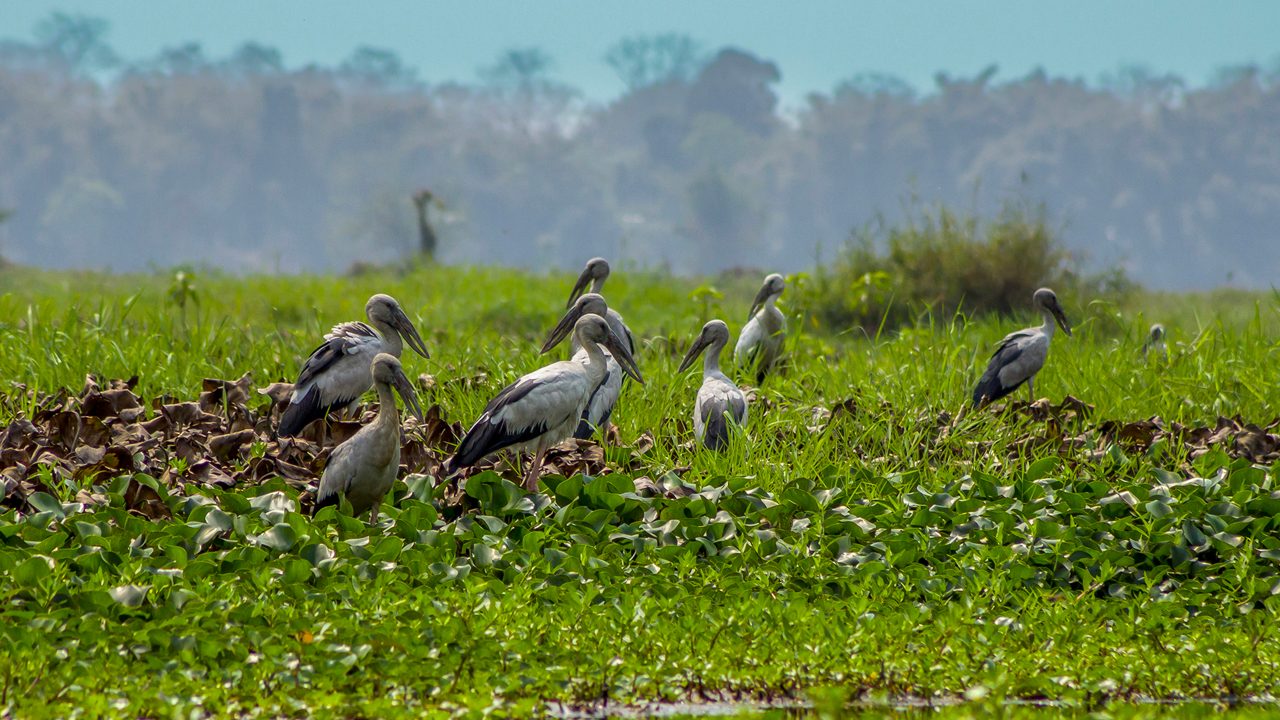
Dibru-Saikhowa National Park: Feral Horses & Wetlands Guide 2026
Explore Dibru-Saikhowa National Park Assam, home to feral horses, Bengal florican, and diverse wetlands. Complete guide with best time, wildlife, and travel tips.
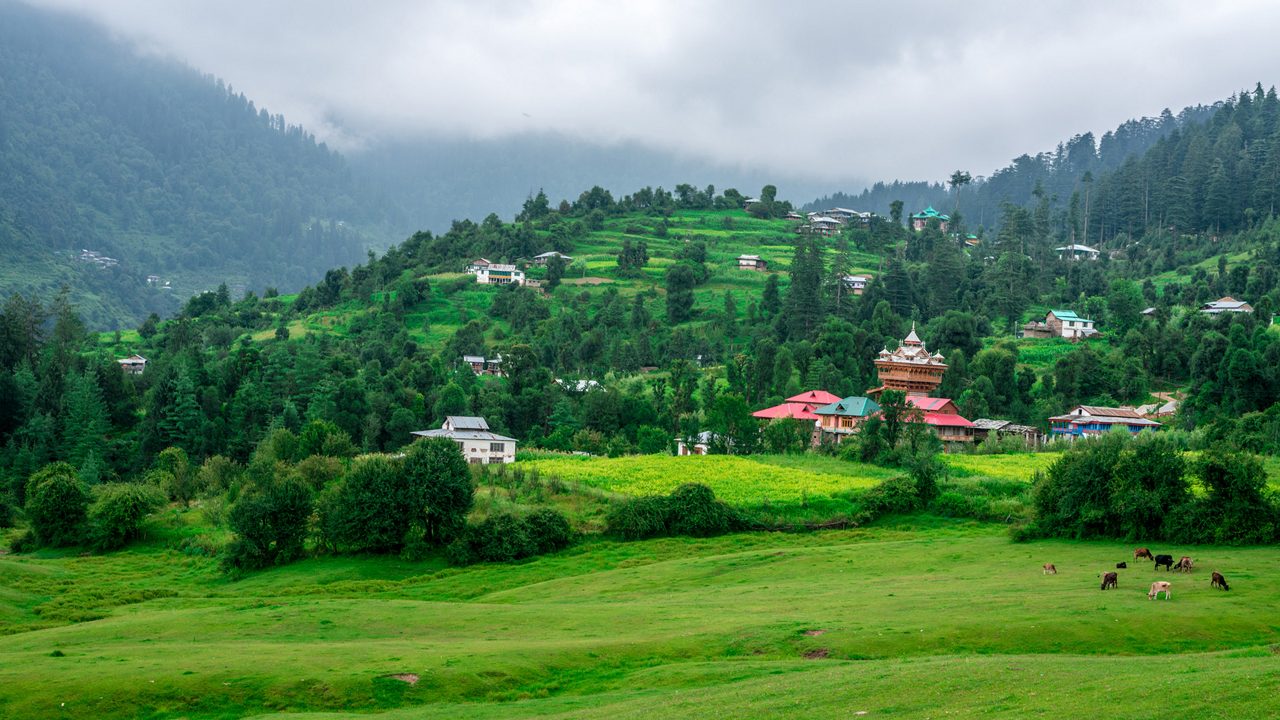
Great Himalayan National Park: Trek Routes, Permits & Wildlife
Explore Great Himalayan National Park (GHNP): UNESCO World Heritage Site in Kullu. Complete guide to trekking routes, wildlife spotting, permits, best time to visit, and accommodation.
Pin Valley National Park Spiti: Wildlife, Trek Routes & Travel Tips
Pin Valley National Park complete guide covering wildlife, snow leopard habitat, treks, best season, route planning from Kaza, permits, and practical stay tips in Spiti.
Never Miss an Adventure
Get the latest trekking guides, travel tips, and exclusive offers delivered straight to your inbox.
