
Famous Places to Visit in Dhamtari: Top Attractions & Day Routes

Rahul Garg
February 20, 2026
Discover famous places to visit in Dhamtari including Gangrel Dam, Sondhur routes, waterfalls, and practical itinerary tips for Chhattisgarh travel.
Introduction to Dhamtari
Dhamtari is one of Chhattisgarh’s most practical nature-led destinations, known for major dams, river systems, waterfall routes, and nearby wildlife landscapes. Unlike cities where tourism is centered around one monument cluster, Dhamtari works as a circuit destination: you plan a mix of water reservoirs, scenic points, local temples, and short road excursions depending on season.
The region’s biggest advantage is variety within manageable travel distance. In one itinerary you can combine dam viewpoints, picnic-friendly locations, monsoon-season waterfalls, and spiritual stops without extreme travel fatigue. If you are planning a broader state route, connect this guide with chhattisgarh-attractions and raipur-tourist-places for better coverage.

Gangrel Dam (Ravishankar Sagar)
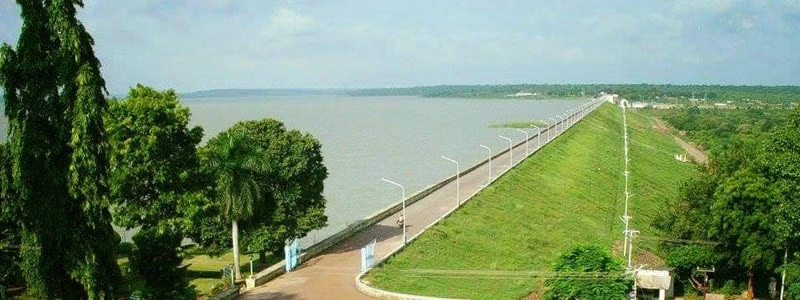
Gangrel Dam is the best-known attraction in Dhamtari district and one of the most important dam sites in Chhattisgarh. Built across the Mahanadi basin system, it attracts visitors for panoramic water views, sunset photography, and family-friendly day outings. District tourism pages and local travel listings consistently highlight this location as the primary anchor point for first-time visitors.
Travelers should treat this as a timing-sensitive stop: morning and late afternoon are better for comfort and visuals. In heavy-rain windows, water-release advisories can affect nearby movement, so always check current local updates before planning close river-edge activity.
| Gangrel Visit Factor | What to Expect | Practical Tip |
|---|---|---|
| Scenery | Large reservoir and open sky views | Best in clear weather windows |
| Family outing | Good for relaxed half-day plans | Carry hydration and sun protection |
| Monsoon period | Stronger visuals, higher caution | Follow authority safety instructions |
Sondhur Dam and Reservoir Belt
Sondhur Dam is another major regional attraction for visitors interested in reservoir landscapes and quieter outdoor stops. It complements Gangrel in itinerary planning and works well for travelers who prefer less-crowded routes. In high-rain months, this area also becomes operationally sensitive, so status checks matter before departure.
A practical approach is to pair Sondhur with one local food break and one cultural or temple stop instead of stacking too many far points in the same day. This balance reduces transfer fatigue and keeps your route usable even when weather or road conditions shift.
Hathi Koringa and Other Nature Spots
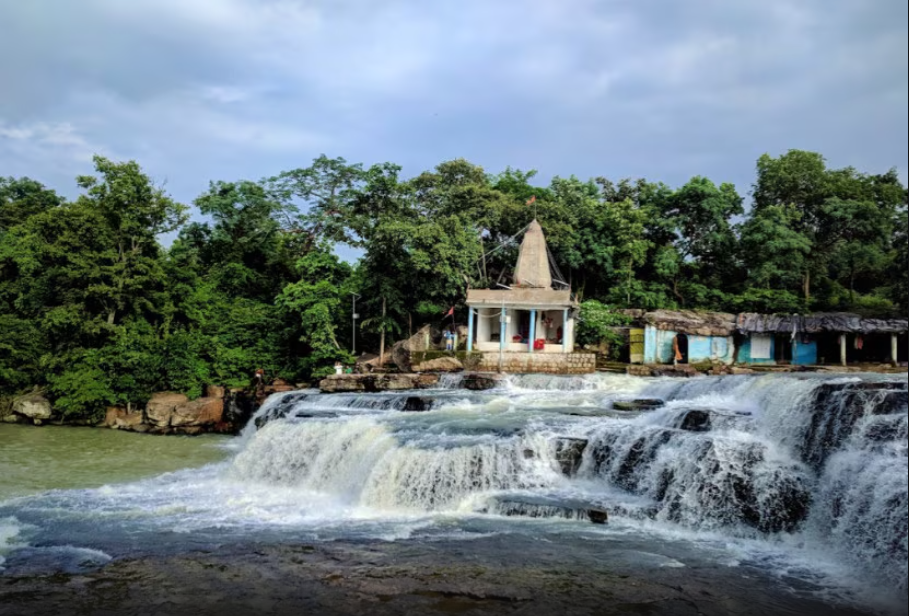
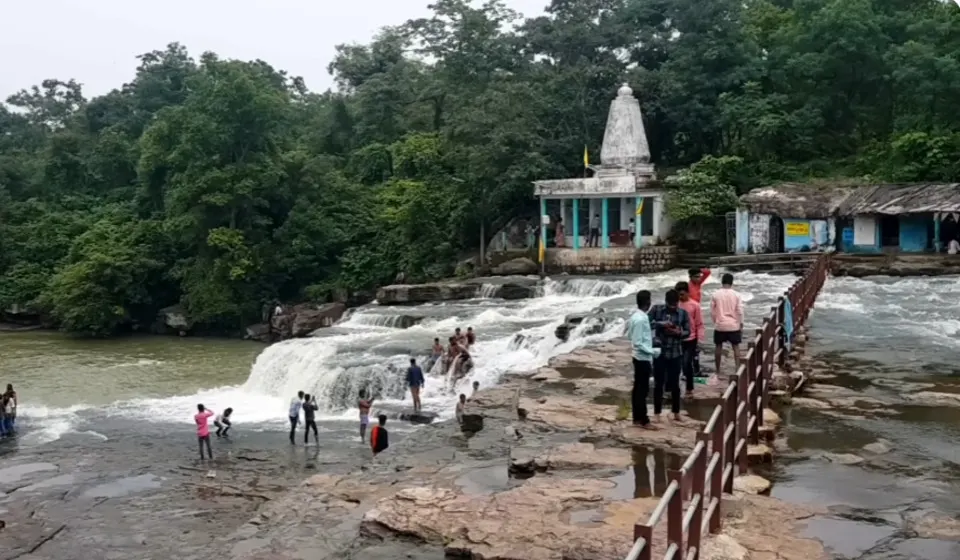
Waterfall-focused travel around Dhamtari is strongly seasonal. During and after monsoon, spots like Hathi Koringa and regional falls become visually rewarding. In drier months, these still work as nature drives, but water volume and overall experience can be lower.
For extended nature planning in the state, combine this route with hajra-waterfall-chhattisgarh and tandula-dam-chhattisgarh. Travelers who enjoy dam-plus-waterfall combinations usually get the best experience from July through early winter, with careful safety checks near slippery sections.
Natural Attractions and Scenic Drives
Dhamtari tourism is not only about two famous dams. The wider district has green corridors, river-adjacent stretches, and countryside roads that make short scenic drives valuable. These segments work well for couples, families, and photography-focused travelers who prefer low-pressure sightseeing.
In practical terms, nature routes in Dhamtari are most enjoyable when you limit the number of stops and spend more time at fewer locations. Overloading six to seven points in one day usually reduces trip quality, especially in warm weather.
Wildlife and Eco-Tourism Pockets
The broader Dhamtari region links well with forest and sanctuary-based travel in Chhattisgarh. While not every visitor includes a full wildlife block, eco-travelers can build a two to three-day itinerary that mixes reservoirs, birding zones, and forest-edge drives. This makes Dhamtari useful for travelers who want nature diversity without jumping across multiple distant districts.
Birding and morning nature observation are usually best in cooler months. If your priority is wildlife photography, begin movement earlier and keep backup plans in case visibility drops.
Religious and Cultural Places
Temple and local spiritual sites play a strong role in regional travel, especially during festival windows. Many visitors combine one spiritual stop with reservoir sightseeing on the same route day. The key is timing: temple visits are usually smoother in early morning or early evening blocks.
If you prefer spiritual-first planning, add one dedicated day and pair it with nearby district temple routes rather than treating temples as rushed add-ons. Travelers frequently combine this segment with temples-in-chhattisgarh for broader coverage.
Adventure and Activity Options
Dhamtari is not an extreme-adventure destination, but it offers practical outdoor activity options around dams and nature zones. Depending on local operations and season, travelers may include boating-style reservoir experiences, short hiking walks near scenic areas, and guided photography circuits.
- Reservoir-edge morning walks for landscape views.
- Soft adventure sessions around water points where permitted.
- Nature-trail style movement in green belts.
- Sunset photography circuits with tripod-friendly stops.
Always verify local permissions and safety rules before attempting any activity near deep water or monsoon-flow zones.
Best Time to Visit Dhamtari
- October to March: Most comfortable season for full-day sightseeing.
- April to June: Hotter weather; keep morning-evening itinerary style.
- July to September: Lush visuals and strong water features, but flexible planning and safety checks are essential.
For first-time visitors and families, winter and post-monsoon are usually the easiest windows. Monsoon can be visually strong, but route plans should remain conservative because conditions can change quickly.
How to Reach Dhamtari
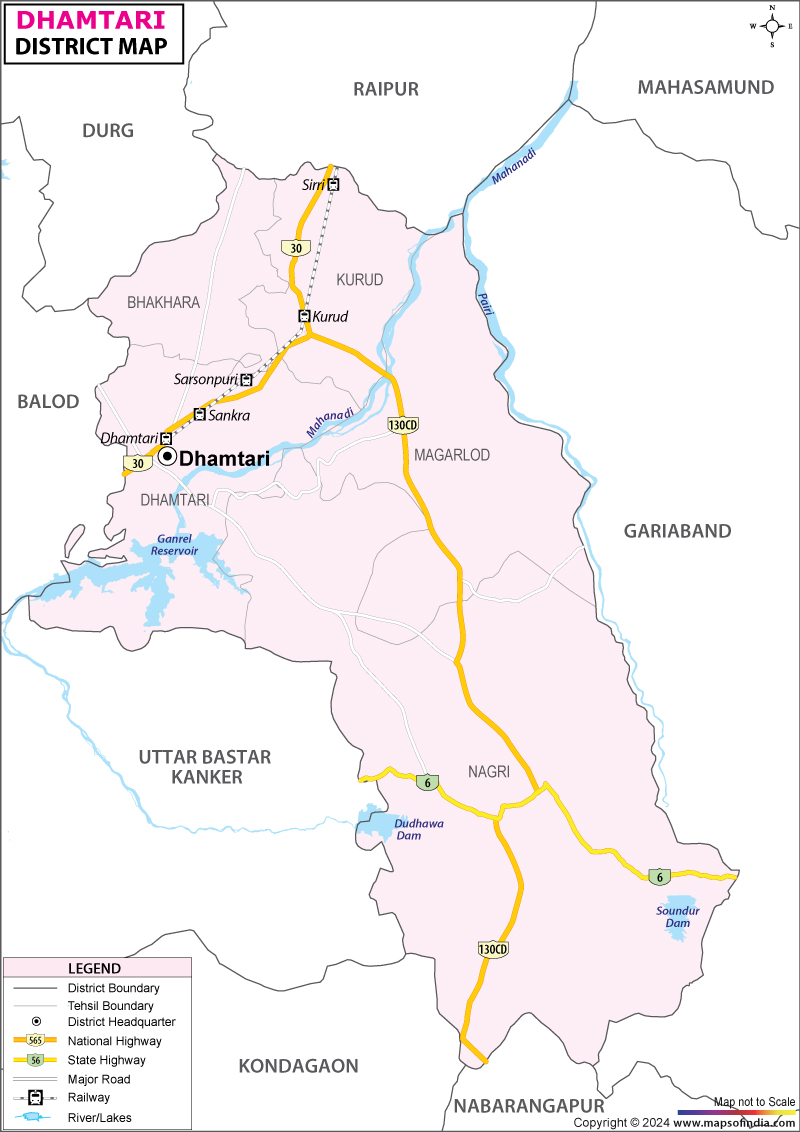
Dhamtari is generally reached via Raipur-side connectivity and road transfers. Regional roads make same-day travel practical for short trips.
| Mode | Planning Approach | Best For |
|---|---|---|
| Road | Direct intercity drive or hired cab | Flexible sightseeing plans |
| Rail + road | Use nearest rail node, then transfer | Budget-focused travelers |
| Air + road | Fly to regional airport and continue by road | Outstation short itineraries |
Use a cluster-based local movement plan: one reservoir block, one nature or temple block, and one meal or market block. This keeps the day realistic.
One-Day and Two-Day Itinerary Ideas
One-day circuit
- Morning: Gangrel Dam and surrounding scenic points.
- Midday: Local lunch and short rest window.
- Afternoon: Sondhur side or one local cultural stop.
- Evening: Return with sunset viewpoint halt.
Two-day circuit
- Day 1: Gangrel + Sondhur route with easy pace.
- Day 2: Waterfall or nature extension + temple and local market block.
This structure helps families and first-time travelers avoid rushed backtracking.
Where to Stay and Budget Planning
Dhamtari has practical stay options for short trips, and many travelers also choose Raipur-base plus day-route combinations. For two-day plans, staying closer to your first-day attraction cluster helps reduce transit fatigue.
- Budget stays: Suitable for quick one-night trips.
- Mid-range options: Better for family comfort and local transfers.
- Circuit model: Stay in Raipur + day trip to Dhamtari for time-bound plans.
Keep a 15% to 20% buffer above planned budget for transport variation, activity changes, and weather-related delays.
Local Food and Regional Experience
A Dhamtari trip is stronger when food is treated as part of route planning. Instead of searching randomly after long drives, pre-select one reliable meal stop on your circuit. Local meal stops near activity hubs save both time and energy.
Travelers exploring deeper Chhattisgarh circuits can combine this with nearby district guides like famous-places-to-visit-rajnandgaon and famous-places-to-visit-korba.
Travel Tips and Safety Notes
- Start early for dam and waterfall routes.
- In monsoon, check district advisories before reservoir visits.
- Keep 20% budget buffer for transport variations.
- Carry cash backup for smaller local points.
- Avoid overpacking distant attractions into one day.
Sample Day Plans by Traveler Type
Different travelers need different pacing in Dhamtari. Families with children usually prefer one reservoir block plus one short cultural stop, while photographers and nature-focused visitors may prioritize early-morning light near water and forest-edge zones. Group travelers often make the mistake of planning all activities in one dense arc, which causes avoidable fatigue by late afternoon.
A better model is to keep one fixed highlight and one optional add-on. For example, if Gangrel is your anchor, choose either Sondhur or a waterfall extension as the secondary block, then return with enough daylight buffer. If your trip is temple-focused, keep spiritual stops early and reserve scenic viewpoints for evening windows.
| Traveler Type | Recommended Plan | Avoid This Mistake |
|---|---|---|
| Family travelers | Dam + meal + short market or temple stop | Long midday drives in heat |
| Nature and photo travelers | Sunrise reservoir + waterfall extension | Late start that misses best light |
| Weekend groups | Two-cluster route with fixed return time | Unplanned multi-point hopping |
Local Insights for Smoother Travel
Ground-level travel in Dhamtari improves when you plan around operational reality: food options can be limited in remote stretches, network strength can vary, and weather can quickly change reservoir conditions. Keep offline directions, confirm one reliable meal stop, and avoid scheduling critical return deadlines too tightly on monsoon days.
If you are extending to nearby districts, keep the second day more flexible than the first. This simple approach protects your itinerary against traffic or weather variations and usually results in a more relaxed experience.
Conclusion
Dhamtari is worth visiting for travelers who prefer scenic reservoirs, nature-led routes, and grounded regional experiences. Its top attractions are best covered with a practical circuit mindset: Gangrel and Sondhur first, seasonal waterfall stops second, and cultural add-ons planned around timing comfort. With this structure, even a short trip can feel complete and memorable.
Location
Frequently Asked Questions
Q1.What is the best time to visit Dhamtari?
Q2.How many days are needed to explore Dhamtari?
Q3.What are the top tourist attractions in Dhamtari?
Q4.How do I reach Gangrel Dam from Dhamtari city?
Q5.Is Sondhur Dam worth visiting?
Q6.What is special about Hathi Koringa Waterfall?
Q7.Is Dhamtari good for family trips?
Q8.How far is Dhamtari from Raipur?
Recommended For You
Tandula Dam Chhattisgarh: Best Viewpoints, Route & Picnic Info
Visit Tandula Dam in Balod, Chhattisgarh. Guide to boating, picnic, timing, how to reach & best time to visit this scenic dam.
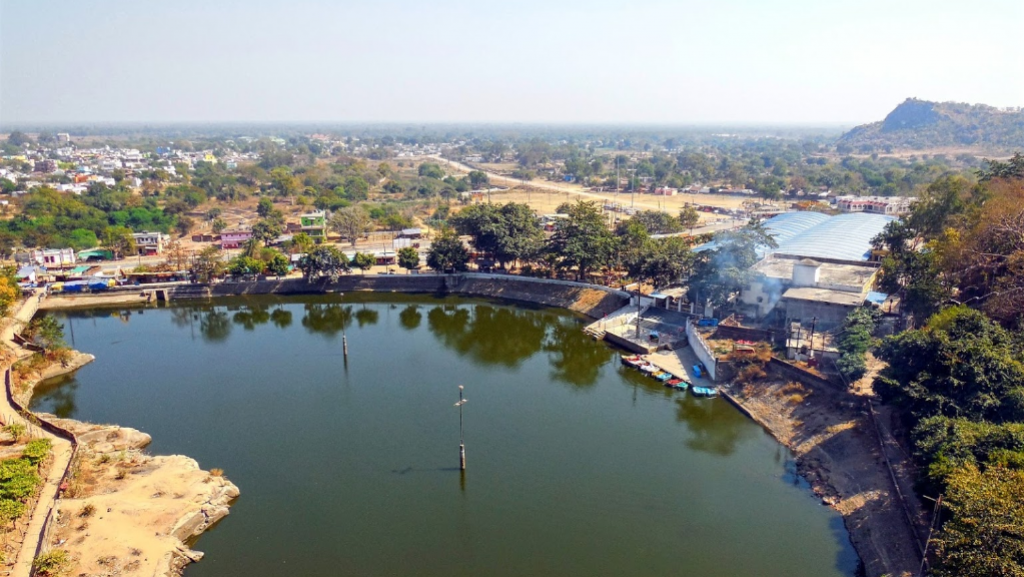
Famous Places to Visit in Rajnandgaon: Top 15 Attractions
Explore famous places to visit in Rajnandgaon with Dongargarh temple circuit, heritage points, nature routes, and practical travel planning tips.
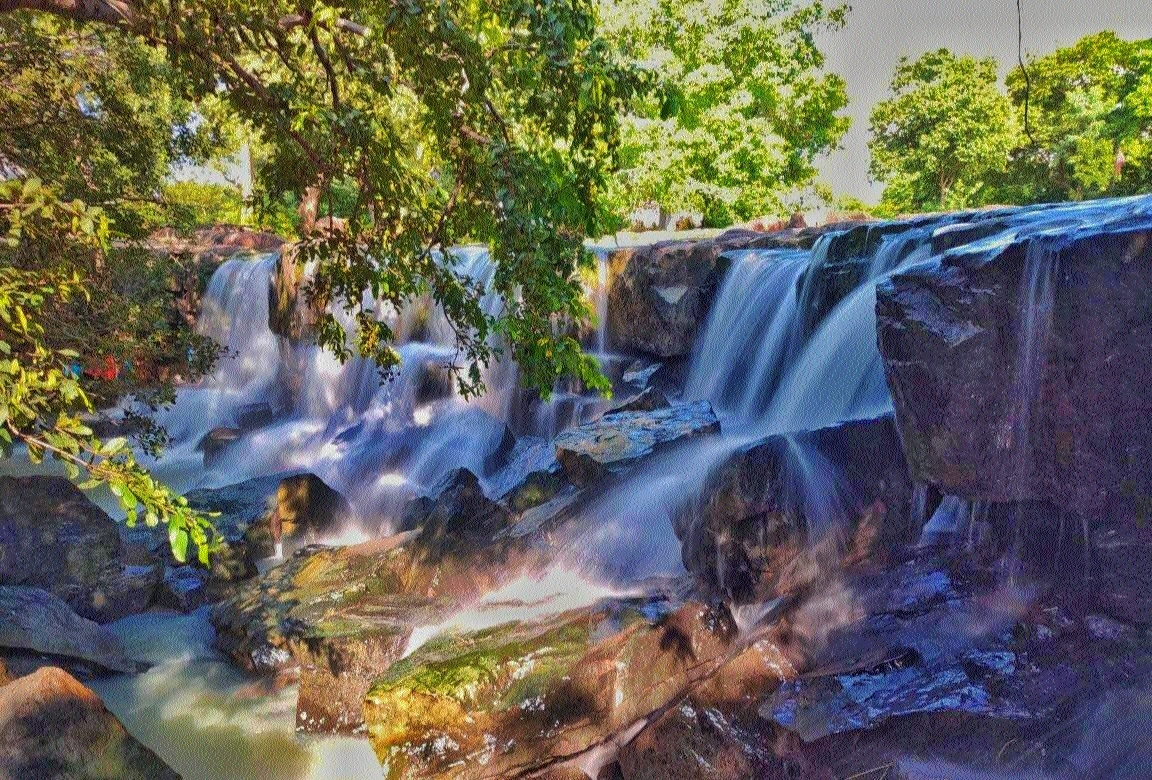
Hajra Waterfall Chhattisgarh: Trek Route, Best Time & Access
Plan Hajra Waterfall Chhattisgarh with best season, route options, trek notes, safety tips, monsoon advice, and nearby attractions for a smooth trip.
Never Miss an Adventure
Get the latest trekking guides, travel tips, and exclusive offers delivered straight to your inbox.
