
Fashion Street Mumbai: Price Range, Bargaining & Best Time

Rohan Malhotra
January 29, 2026
Shop at Fashion Street Mumbai - ultimate budget shopping destination near CSMT. Get trendy clothes, shoes & accessories at unbeatable prices. Complete guide with bargaining tips.
Introduction: Mumbai's Iconic Budget Shopping Paradise
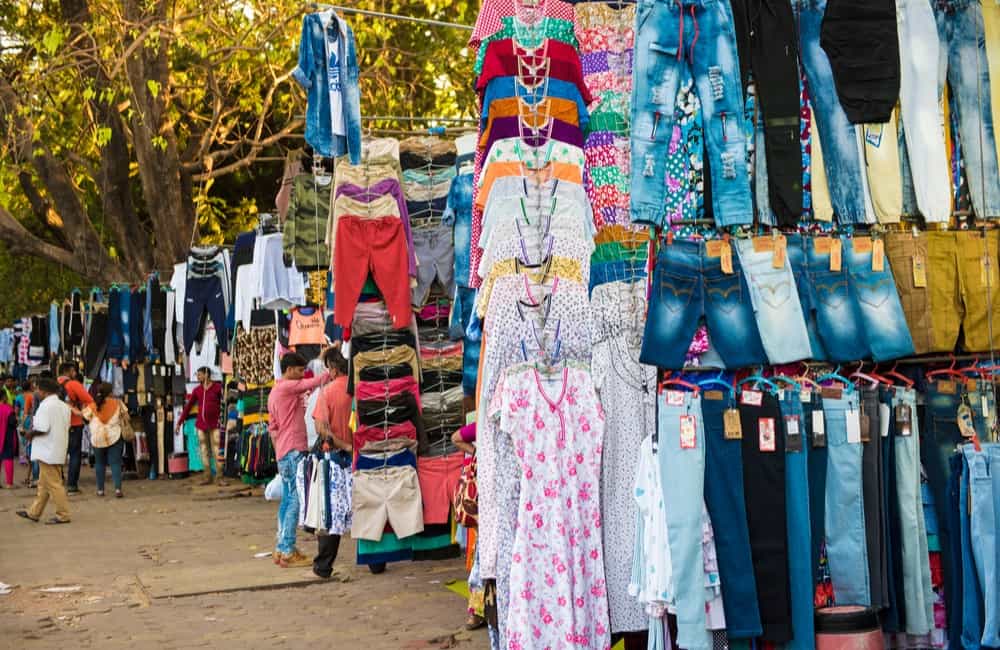
Located in the heart of South Mumbai, just a stone's throw from the iconic Chhatrapati Shivaji Maharaj Terminus (CSMT), Fashion Street is a shopper's paradise that has been delighting bargain hunters for over three decades. This bustling stretch of more than 150 street-side stalls offers trendy clothes, accessories, and footwear at prices that won't burn a hole in your pocket. As someone who has explored Mumbai's markets extensively, I can confidently say that Fashion Street offers one of the best budget shopping experiences in the city. What makes Fashion Street truly special is its unbeatable combination of variety, affordability, and location. Unlike upscale malls where you'll pay premium prices for branded clothing, here you can find trendy fashion pieces at a fraction of the cost. The market is particularly famous for its export surplus clothing, rejected export pieces that are otherwise perfect, and trendy fast fashion that follows the latest styles. Whether you're a college student looking for affordable trendy wear, a tourist wanting to shop like a local, or simply someone who loves a good bargain, Fashion Street has something for everyone. The atmosphere here is electric - rows of colorful stalls displaying clothes of every hue, enthusiastic shopkeepers calling out to passersby, and the constant hum of negotiation. It's shopping in its most raw and authentic form. This comprehensive guide will help you navigate Fashion Street like a pro, from bargaining strategies to the best stalls to visit, ensuring you get the most out of your shopping experience. After exploring Fashion Street, you might want to discover other amazing places to visit in Mumbai to complete your South Mumbai experience.Quick Facts About Fashion Street Mumbai
| Location | MG Road near Azad Maidan, opposite CSMT |
| Nearest Railway Station | CSMT (5-minute walk) / Churchgate (15-minute walk) |
| Timings | 11 AM – 9 PM, Tuesday to Sunday |
| Closed On | Monday (most stalls) |
| Number of Stalls | 150+ stalls spread across the stretch |
| Famous For | Budget clothes, export surplus, shoes, accessories |
| Price Range | Clothes: ₹150-800, Shoes: ₹300-1000, Accessories: ₹50-500 |
| Bargaining | Expected and essential (20-40% discount) |
| Payment | Cash preferred; some stalls accept UPI/cards |
| Best Time to Visit | Weekdays 11 AM-3 PM (less crowded) |
Fashion Street Timings & Best Time to Visit
Operating Hours
Fashion Street operates from 11 AM to 9 PM, Tuesday through Sunday. The market is closed on Mondays, which is important to note if you're planning a dedicated shopping trip. However, it's worth mentioning that a few stalls might remain open on Mondays, but don't count on it - plan your visit for Tuesday onwards to ensure you have access to the full range of stalls. The best time to visit Fashion Street depends on what you're looking for. Early morning (11 AM - 1 PM) is ideal for serious shoppers who want to browse through fresh stock before the crowds arrive. Shopkeepers usually bring out new merchandise in the morning, and you'll have the first pick of the day's arrivals. The stalls are less crowded, making it easier to browse and try on clothes. Afternoon hours (2 PM - 5 PM) see moderate crowds. This is a good time if you want to combine Fashion Street shopping with other South Mumbai attractions. The heat is usually at its peak during these hours, so carry water and wear comfortable clothing. Evening hours (6 PM - 9 PM) are the busiest, with office-goers and college students flocking to the market after work. While the energy is fantastic, bargaining becomes tougher as shopkeepers are tired and less willing to negotiate.Seasonal Considerations
Monsoon season (June - September) makes outdoor shopping challenging. The stalls are open-air, and while some have temporary covers, many don't. If you must visit during monsoon, carry an umbrella and wear waterproof footwear. The market is less crowded during heavy rain, which can work in your favor for bargaining. Winter (November - February) is the best time to visit. Mumbai's pleasant weather makes walking and browsing comfortable. You can spend hours exploring without worrying about heat exhaustion or getting drenched. This is also when you'll find winter clothing and the year's best collections. Summer (March - May) can be oppressive, especially the afternoon hours. If visiting during summer, go early morning (11 AM - 1 PM) or late evening (after 6 PM). The market is less crowded during peak summer afternoons, which can be advantageous for bargaining, but the heat can be exhausting.How to Reach Fashion Street Mumbai
By Local Train (Recommended)
Fashion Street's location near CSMT makes it incredibly accessible by Mumbai's local train network. The nearest station is Chhatrapati Shivaji Maharaj Terminus (CSMT), which is a mere 5-minute walk from the main market stretch. From CSMT: Exit the station from the main entrance opposite Azad Maidan. You'll see Fashion Street stretching along MG Road. It's impossible to miss - just look for rows of colorful stalls displaying clothes. From Churchgate: If you're coming from the Western Line, get off at Churchgate station. From there, it's a 15-minute walk along MG Road toward CSMT. You'll pass by the iconic Oval Maidan on your left, and Fashion Street begins shortly after. From Other Parts of Mumbai: CSMT is connected to both the Central Line and Harbour Line, making Fashion Street easily accessible from across Mumbai. The train is the fastest and most economical way to reach, especially during peak hours when traffic is gridlocked.By Metro
The nearest metro station is CSMT Metro Station (on the Aqua Line), which is just a 3-minute walk from Fashion Street. The metro is air-conditioned and a comfortable option, especially during summer. However, local trains are more frequent and have better connectivity across Mumbai.By Bus
Several BEST buses ply to CSMT and Churchgate. Look for buses heading toward "CST" or "Churchgate." The bus stop is right outside CSMT, from where Fashion Street is a short walk. However, buses can be slow due to Mumbai's notorious traffic, especially during peak hours.By Taxi/Auto-Rickshaw
Taxis and auto-rickshaws can drop you near Fashion Street, but they cannot enter the market area as it's a pedestrian-only zone. The closest drop point is near the CSMT intersection or along MG Road. From there, you'll need to walk to the market. Important Note: Traffic around South Mumbai is perpetually congested, especially during office hours (9 AM - 11 AM and 5 PM - 7 PM). Using public transport (train or metro) is significantly faster and more convenient than driving or taking a taxi.What to Buy at Fashion Street Mumbai
Clothing: The Main Attraction
Fashion Street lives up to its name - clothes are overwhelmingly the primary offering here. The variety is staggering: T-Shirts and Tops: This is Fashion Street's strongest category. You'll find everything from basic solid-colored tees to graphic printed shirts, trendy crop tops, and branded export surplus. Prices range from ₹150-400 for basic tees to ₹400-800 for premium or branded pieces. The quality is generally good, especially export surplus, which are often manufactured for international brands but have minor defects. Jeans and Trousers: Denim lovers can find great deals here. Prices start at ₹400 for basic jeans and go up to ₹800-1000 for branded or premium quality. You'll find skinny fit, straight fit, boyfriend jeans, and everything in between. Trousers, chinos, and joggers are also available in the ₹300-600 range. Dresses and Skirts: The dress collection is impressive, with everything from casual summer dresses to party wear. Mini dresses, maxi dresses, skater dresses, and more are available. Prices range from ₹300-600 for casual dresses to ₹600-1000 for party or designer wear. Skirts (mini, midi, maxi) are priced between ₹250-500. Shirts and Formal Wear: For office-goers, Fashion Street offers decent formal shirts. Prices range from ₹300-600 for cotton shirts to ₹600-800 for premium or branded options. You'll also find blazers, trousers, and complete formal sets. The quality varies, so check fabric and stitching carefully. Ethnic Wear: Surprisingly, Fashion Street has a good selection of kurtas, kurtis, and ethnic fusion wear. Prices are ₹250-500 for kurtis and ₹400-800 for kurta sets. During festive seasons, the collection expands to include festive wear at reasonable prices. Loungewear and Nightwear: Comfortable pajamas, shorts, and nightwear are available at great prices. Most items are in the ₹200-400 range. The fabric quality is usually good cotton or blends.Footwear: Step in Style
Fashion Street has a dedicated section for footwear, with several stalls specializing in shoes: Sneakers and Canvas Shoes: Trendy sneakers and canvas shoes are available from ₹300-600. You'll find copies of popular brands, generic canvas shoes, and some export surplus branded footwear. The quality is decent for the price, though not comparable to genuine branded shoes. Formal Shoes: Leather formal shoes for men and women are priced ₹500-1000. The range includes oxfords, loafers, and formal heels. Quality varies, so inspect stitching and leather quality carefully. Casual Footwear: Floaters, sandals, and flip-flops are priced ₹200-500. These are great for everyday wear and come in trendy designs. The quality is generally good for casual use. Sports Shoes: Running shoes and trainers are available ₹400-800. Many are copies of popular brands or unbranded sports footwear. Suitable for light exercise or casual use, but serious athletes should invest in genuine branded shoes.Accessories: Complete Your Look
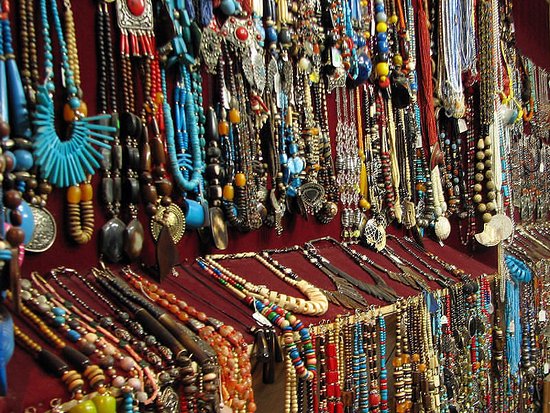
The accessories collection at Fashion Street is extensive and budget-friendly: Belts: Leather and synthetic belts are priced ₹100-300. Formal, casual, and trendy belts are all available. Some stalls even offer branded belts at reasonable prices. Caps and Hats: Baseball caps, beanies, and trendy hats cost ₹100-250. The variety includes solid colors, printed designs, and branded options. Sunglasses: Fashion sunglasses (copies of luxury brands and generic designs) are priced ₹100-300. The quality is decent for casual use but don't expect UV protection comparable to branded eyewear. Jewelry: Fashion jewelry including earrings, necklaces, bracelets, and rings is available ₹50-300. The designs are trendy and updated regularly. This is great for costume jewelry that matches current fashion trends. Watches: Casual and trendy watches are priced ₹200-500. Most are unbranded or local brands. Suitable for fashion purposes but not for serious watch enthusiasts. Bags and Wallets: Handbags, backpacks, clutches, and wallets are available ₹200-600. The variety includes trendy designs suitable for college and casual use. Quality varies, so check zippers and stitching.Prices and Bargaining Tips at Fashion Street
Price Guide
| Item | Starting Price | Bargained Price |
|---|---|---|
| Basic T-Shirt | ₹250-300 | ₹150-200 |
| Branded T-Shirt | ₹500-700 | ₹300-450 |
| Jeans | ₹600-800 | ₹400-550 |
| Dress | ₹500-700 | ₹300-500 |
| Shirt (Formal) | ₹500-600 | ₹350-450 |
| Kurta/Kurti | ₹400-500 | ₹250-350 |
| Sneakers | ₹500-600 | ₹350-450 |
| Formal Shoes | ₹800-1000 | ₹500-700 |
| Sandals/Floaters | ₹300-400 | ₹200-300 |
| Belt | ₹200-250 | ₹100-150 |
| Sunglasses | ₹200-250 | ₹100-150 |
| Handbag | ₹500-700 | ₹300-500 |
The Art of Bargaining
Bargaining is not just accepted at Fashion Street - it's expected! Here's how to bargain like a pro: Start Low: Shopkeepers quote inflated prices, expecting you to bargain. A good rule of thumb is to counter at 40-50% of the quoted price. For example, if they say ₹500, start your negotiation at ₹200-250. Walk Away Tatic: If the shopkeeper isn't budging on price, politely say "it's too expensive" and start walking away. Often, they'll call you back with a better price. This psychological trick works surprisingly well. Bundle Deals: Buying multiple items gives you more bargaining power. If you're buying 3-4 items, ask for a "bundle price." Shopkeepers are more willing to discount on larger purchases. Compare Prices: Don't buy from the first stall you see. Browse multiple stalls selling similar items and compare prices. This knowledge gives you leverage in negotiations. Point Out Defects: If an item has minor flaws (loose thread, small stain, missing button), use this to justify a lower price. Export surplus items often have minor defects - use this to your advantage. Be Polite: There's a difference between firm negotiation and being rude. Smile, maintain a friendly tone, and keep the conversation light. Shopkeepers are more likely to give good prices to pleasant customers. Know When to Stop: Sometimes, despite your best efforts, the shopkeeper won't go below a certain price. If it's still within your budget and the item is good quality, it might be worth paying. Not every item needs to be bargained down to the lowest possible price. Cash Advantage: Some shopkeepers offer better prices for cash payments (as opposed to UPI or cards). Mention you're paying in cash - it might help in negotiations.Famous Shops & Quality Guide
While Fashion Street doesn't have named stores like a mall, there are several stalls that have gained popularity for their quality and variety: Clothing Specialists: Look for stalls that have organized displays and clearly labeled sections. These stalls usually take their business seriously and offer better quality. Stalls that separate clothes by size (S, M, L, XL) rather than dumping everything in piles tend to be more professional. Export Surplus Experts: Several stalls specialize in export surplus clothing. These are often among the best quality items you'll find. Look for stalls with branded clothing that might have minor defects or be from previous seasons. The quality is comparable to retail brands, but at half the price. Footwear Dedicated Stalls: Some stalls focus exclusively on footwear. These are better for shoe shopping than general clothing stalls that also sell some shoes. The dedicated footwear stalls have wider variety, better size options, and staff who know their products. Accessories Specialists: Stalls that display only accessories (bags, belts, jewelry, sunglasses) often have better quality and newer designs than clothing stalls that have a small accessories section.Quality Check Guide
Fabric Quality: Check the fabric composition. Cotton and cotton blends are generally better quality than pure polyester. For t-shirts, stretch the fabric gently - good quality fabric should snap back, not stay stretched. Hold the fabric up to light - tightly woven fabric is better quality. Stitching: Inspect seams and hems. Loose threads, uneven stitching, or gaps indicate poor quality. For jeans and trousers, check the crotch seam - this area undergoes the most stress and should be double-stitched. Zippers and Buttons: Test zippers to ensure they run smoothly. Check that buttons are secure and buttonholes are cleanly cut. For clothes with multiple buttons, ensure all are present and intact. Print and Color: Check that prints are aligned and colors are even. For patterned clothes, ensure the pattern matches at seams. Hold the item up to light to check for fading or uneven dyeing. Shoes: For footwear, check the sole attachment - it should be firmly glued or stiched. Flex the shoe to ensure it bends naturally at the toe. Check inside for rough edges or uncomfortable protrusions.Shopping Tips for First-Time Visitors
Carry Cash: While some stalls accept UPI and cards, cash is still king. Carry adequate cash (₹2000-3000 for a good shopping session). Not only does it make transactions smoother, but it also gives you more leverage in bargaining. Wear Comfortable Clothing: You'll be walking, browsing, and trying on clothes. Wear comfortable shoes and loose, breathable clothing. Avoid wearing multiple layers as it can get hot while browsing. Dress in clothes that are easy to change in and out of. Bring a Reusable Bag: Most stalls give thin plastic bags that tear easily. Bring your own sturdy tote or backpack to carry your purchases. It's eco-friendly and practical. Start Early: Arrive when the market opens (11 AM) to avoid crowds and have first pick of new arrivals. Shopkeepers are also more willing to bargain earlier in the day when they're eager to make their first sales. Check Trial Rooms: Not all stalls have trial rooms. Those that do often have small, cramped spaces. Wear appropriate undergarments if you plan to try on clothes. For stalls without trial rooms, ask about their exchange policy before buying. Inspect Before Paying: Once you've paid, returns are rarely accepted. Thoroughly check each item for defects, stains, or damage before finalizing the purchase. Check size, fit, and quality carefully. Ask About Exchanges: Some shopkeepers allow exchanges within 24-48 hours if you don't use the item and bring the bill. Clarify this before buying, especially for expensive items or shoes. Avoid Peak Hours: If possible, avoid visiting during evening rush (6-8 PM) when office crowds descend. The market becomes extremely crowded, bargaining becomes difficult, and shopkeepers are tired and less willing to negotiate. Visit on Weekdays: Weekends are busy with college students and families. Tuesdays, Wednesdays, and Thursdays are relatively less crowded, making for a more pleasant shopping experience. Stay Hydrated: Shopping can be exhausting, especially in Mumbai's heat. Carry a water bottle and take breaks in the shade. There are also several juice stalls and cafes nearby where you can refresh. Secure Your Belongings: Like any crowded market, pickpockets operate here. Keep your phone and wallet secure, preferably in a crossbody bag or front pocket. Don't carry unnecessary valuables.Nearby Attractions: Complete Your South Mumbai Day
Fashion Street's location in South Mumbai means you're surrounded by some of Mumbai's most iconic attractions. Here's how to combine your shopping trip with sightseeing: Chhatrapati Shivaji Maharaj Terminus (CSMT): A UNESCO World Heritage Site, this magnificent railway station is just a 5-minute walk from Fashion Street. Built in 1887, it's an architectural marvel blending Victorian Gothic and traditional Indian styles. Even if you're not catching a train, it's worth walking through to admire the architecture. The CSMT station is not only a transportation hub but also a historic monument that showcases Mumbai's colonial heritage. Azad Maidan: Right opposite Fashion Street, this vast maidan (ground) is a historic sports ground. It's often filled with cricket matches and is a great spot to take a break from shopping and watch some local sports action. Oval Maidan: A short walk from Fashion Street, this is another iconic maidan with a great view of the University of Mumbai buildings. It's a peaceful spot to rest your feet after shopping. Marine Drive: About 15-20 minutes walk from Fashion Street, Marine Drive is one of Mumbai's most iconic spots. After shopping, walk to Marine Drive and enjoy the sea breeze. It's particularly beautiful at sunset. Gateway of India: Located about 2 km from Fashion Street, the Gateway is Mumbai's most famous landmark. You can take a taxi or auto-rickshaw, or walk if you enjoy long walks along the waterfront. Colaba Causeway: If one shopping street isn't enough, head to Colaba Causeway, another famous market about 3 km away. It offers a different shopping experience with more jewelry, artifacts, and café options. Horniman Circle Gardens: A beautiful garden near CSMT, perfect for a peaceful break. The surrounding area also has several heritage buildings and good cafes. Mumbai University and Rajabai Clock Tower: These architectural marvels are visible from Oval Maidan and are worth viewing up close. The clock tower is particularly stunning when lit up at night.Budget Shopping Guide: How Much to Spend
Mini Shopping Spree (₹500-1000)
With a budget of ₹500-1000, you can get: - 2-3 basic t-shirts (₹150-200 each after bargaining) - 1 pair of jeans or trousers (₹400-600) - 1 belt or accessory (₹100-150) This is good for quick updates to your wardrobe or picking up basics.Comfortable Shopping Session (₹1500-2500)
With ₹1500-2500, you can shop more extensively: - 4-5 t-shirts/tops (₹150-250 each) - 1 pair of jeans (₹400-600) - 1 dress or shirt (₹300-500) - 1 pair of shoes (₹350-500) - 2-3 accessories (belts, caps, etc.) This budget allows for a good mix of clothing and footwear.Full Wardrobe Refresh (₹3000-5000)
With ₹3000-5000, you can do serious shopping: - 6-8 t-shirts/tops - 2-3 pairs of jeans/trousers - 2-3 dresses or shirts - 1-2 pairs of shoes - Multiple accessories - Maybe even some ethnic wear or branded items This is ideal for seasonal wardrobe updates or college students stocking up for the semester.Fashion Street vs. Other Mumbai Markets
Fashion Street is just one of Mumbai's many famous markets. Here's how it compares: vs. Colaba Causeway: Colaba Causeway has more variety in terms of jewelry, artifacts, and curios, plus better café options. However, Fashion Street wins on pure clothing variety and lower prices. Colaba is more tourist-oriented, while Fashion Street caters more to locals. vs. Crawford Market: Crawford Market is famous for food, household items, and pet supplies. While it has some clothing, Fashion Street is far better for fashion shopping. Crawford is worth visiting for its historic architecture and wholesale prices on non-clothing items. vs. Linking Road (Bandra): Linking Road has more branded stores and slightly better quality, but prices are higher. Fashion Street is better for budget shopping, while Linking Road is better for branded or premium items. vs. Hill Road (Bandra): Similar to Linking Road but slightly more affordable. Fashion Street still beats it on price, but Hill Road has better variety in terms of brands. vs. Chor Bazaar: Chor Bazaar is famous for antiques, vintage items, and second-hand goods. It's an interesting experience but not ideal for regular clothes shopping. Fashion Street is your best bet for new, trendy clothing.Payment Methods and Facilities
Cash is Preferred: The majority of stalls prefer cash. It makes transactions faster and gives you bargaining advantage. Carry sufficient cash in smaller denominations (₹100, ₹200 notes) for easier change. UPI and Digital Payments: Many stalls now accept UPI payments through PhonePe, Google Pay, Paytm, etc. Look for QR codes displayed at stalls. However, during peak hours, network issues can make payments slow. Cards: Very few stalls accept credit/debit cards. Don't rely on card payments - you'll likely be disappointed. Carry cash as your primary payment method. Trial Rooms: Only some larger stalls have trial rooms, and they're often basic. Many stalls don't have trial facilities at all. Ask before trying on clothes. For stalls without trial rooms, measure against clothes you're wearing to check size. Parking: There is no designated parking for Fashion Street. The surrounding streets have paid parking, but it's limited and fills up quickly. Using public transport is highly recommended over driving. Food and Refreshments: There are several juice stalls, ice cream vendors, and small cafes in and around Fashion Street. For a proper meal, head to nearby Cafe Mondegar or Leopold Cafe in Colaba, or explore the cafes near CSMT. Restrooms: Public restrooms are limited. Your best bet is to use facilities at CSMT station or nearby restaurants/cafes for customers.Fashion Street for Different Shoppers
For College Students
Fashion Street is paradise for budget-conscious students. You can completely revamp your wardrobe for a fraction of mall prices. The trendy, casual clothing is perfect for college wear. Visit during weekday mornings for the best experience and maximum bargaining power.For Tourists
Tourists get a unique experience of Mumbai's vibrant street culture. The prices are incredibly affordable compared to Western standards, making it easy to buy gifts and souvenirs. Be prepared for the chaos and don't be shy about bargaining - it's part of the experience!For Families
Fashion Street has something for everyone - clothes for men, women, and kids, plus footwear and accessories. The variety ensures family members can shop together. Visit early to avoid overwhelming crowds, especially with children.For Office-Goers
The collection of formal wear is decent for everyday office clothing. You can find good quality shirts, trousers, and formal shoes at reasonable prices. The proximity to CSMT makes it convenient for quick shopping trips during lunch breaks or after work.Sustainable Shopping at Fashion Street
Fashion Street is, in some ways, an eco-friendly shopping destination. Much of the merchandise is export surplus - clothing that would otherwise go to waste. By buying export surplus, you're giving these items a second life and reducing waste. The market also promotes reuse and longevity. The clothes, while affordable, are often good quality and can last years if cared for properly. This is in contrast to fast fashion from some brands that is designed to wear out quickly. However, be mindful of overconsumption. Just because prices are low doesn't mean you need to buy everything. Shop thoughtfully, choosing items you truly need and will use. Consider bringing your own bag to reduce plastic bag usage.Final Thoughts: Why Fashion Street is Mumbai's Shopping Gem
Fashion Street represents everything that makes Mumbai special - energy, diversity, affordability, and an indomitable spirit. It's not just a market; it's an experience that encapsulates the city's essence. The chaos, the noise, the constant negotiation - this is Mumbai at its most authentic. What sets Fashion Street apart is its democratic nature. Here, college students shop alongside office-goers, tourists bargain alongside locals. Everyone is welcome, and everyone can find something within their budget. It's fashion made accessible, fashion for the masses. The shopping experience here is visceral and engaging. Unlike sterile malls where everything is organized and prices are fixed, Fashion Street is raw and dynamic. Every purchase feels like a victory, a result of your bargaining skills and perseverance. You don't just buy clothes here; you earn them through negotiation. For visitors to Mumbai, Fashion Street offers a glimpse into local life that you won't find in tourist guides or polished shopping malls. It's where Mumbaikars actually shop, where real transactions happen, and where the city's pulse is most visible. My advice: embrace the experience. Come with time, patience, and an open mind. Don't rush - browse, compare, bargain, and engage with the shopkeepers. Try on clothes even if you're not sure you'll buy them. Soak in the atmosphere. Fashion Street is not just about what you buy; it's about the experience of buying it. Whether you leave with a full shopping bag or just a few items, the memories of Fashion Street - the colors, the sounds, the negotiations, the energy - will stay with you long after you've returned home. And that, ultimately, is the mark of a truly great shopping destination. Happy shopping, and may your bargaining skills be sharp!Location
Frequently Asked Questions
Q1.What is Fashion Street in Mumbai famous for?
Fashion Street Mumbai is famous for being one of the city's most popular budget shopping destinations. It's renowned for offering trendy clothes, footwear, and accessories at extremely affordable prices.
The market is particularly known for export surplus clothing, rejected export pieces, and fast fashion that follows current trends.
With over 150 stalls, it offers an incredible variety of t-shirts, jeans, dresses, shoes, and accessories at prices that are a fraction of what you'd pay in malls.
The bargaining culture here is also famous - shoppers can negotiate prices and get great deals if they know how to haggle effectively.
Q2.Where is Fashion Street located in Mumbai?
Fashion Street is located on MG Road near Azad Maidan in South Mumbai, opposite the iconic Chhatrapati Shivaji Maharaj Terminus (CSMT).
It stretches along the main road and is impossible to miss due to rows of colorful stalls displaying clothes.
The market is extremely accessible - just a 5-minute walk from CSMT railway station and a 15-minute walk from Churchgate station.
The central location in South Mumbai makes it easily reachable by local train, metro, or bus.
The nearest metro station is CSMT Metro Station on the Aqua Line, just 3 minutes away.
Q3.What are the timings of Fashion Street Mumbai?
Fashion Street is open from 11 AM to 9 PM, Tuesday through Sunday.
The market is closed on Mondays, with most stalls remaining shut on this day.
However, a few stalls might be open on Monday, but don't rely on this - plan your visit for Tuesday onwards to ensure you have access to the full range of stalls.
The best time to visit is early morning (11 AM - 1 PM) when new stock arrives and crowds are thinner.
Evening hours (6 PM - 9 PM) are busiest with office-goers and students, but bargaining becomes tougher as shopkeepers get tired.
For the best shopping experience with fewer crowds and better bargaining opportunities, weekday mornings are ideal.
Q4.Is Fashion Street Mumbai open on Sundays?
Yes, Fashion Street is open on Sundays.
In fact, Sunday is one of the busiest days at Fashion Street, with college students, families, and tourists flocking to the market in large numbers.
The market operates from 11 AM to 9 PM on Sundays, just like other days.
However, if you prefer a less crowded shopping experience, weekdays (Tuesday to Friday) are better.
Sundays are vibrant and energetic but can get overwhelming due to the crowds.
The market is only closed on Mondays, not Sundays.
If you must visit on a Sunday, go early (11 AM) for relatively fewer crowds and better bargaining opportunities.
Q5.What can I buy at Fashion Street Mumbai?
Fashion Street offers an extensive range of products.
For clothing: you'll find t-shirts (₹150-800), jeans and trousers (₹400-800), dresses and skirts (₹300-1000), shirts (₹300-800), ethnic wear like kurtas and kurtis (₹250-800), and loungewear (₹200-400).
Footwear: includes sneakers and canvas shoes (₹300-600), formal shoes (₹500-1000), casual sandals and floaters (₹200-500), and sports shoes (₹400-800).
Accessories: include belts (₹100-300), caps and hats (₹100-250), sunglasses (₹100-300), fashion jewelry (₹50-300), watches (₹200-500), and bags/wallets (₹200-600).
The variety is incredible, with something for every budget and style preference.
Q6.How do I reach Fashion Street from CSMT?
Reaching Fashion Street from CSMT is incredibly easy - it's just a 5-minute walk!
Exit CSMT station from the main entrance opposite Azad Maidan.
You'll immediately see rows of colorful stalls along MG Road - this is Fashion Street.
It's so close that you can see the market stalls from the station exit.
Simply turn left or right from the station, and you're in the market.
This proximity makes Fashion Street one of the most easily accessible shopping destinations in Mumbai.
Whether you're coming from the Central Line, Harbour Line, or Western Line (via Churchgate), reaching Fashion Street is convenient.
Q7.Are clothes at Fashion Street good quality?
The quality at Fashion Street varies widely, ranging from basic to excellent.
The export surplus items are generally excellent quality - these are clothes manufactured for international brands but have minor defects or are from previous seasons. They offer retail quality at half the price.
Regular items can range from good to average quality.
Always inspect fabric, stitching, zippers, and buttons before buying.
Check for loose threads, uneven seams, or poor fabric quality.
The key is to carefully examine each item. Shopkeepers will let you check thoroughly - take your time and don't be rushed.
For the price you pay (even after bargaining), the quality is generally decent, especially compared to similar-priced items in malls.
Q8.What is the best time to visit Fashion Street?
The best time to visit Fashion Street is weekday mornings (Tuesday-Friday, 11 AM - 1 PM).
During these hours, new stock has just arrived, crowds are thinner, and shopkeepers are more willing to bargain as they're eager to make their first sales.
The weather is also more pleasant in the morning.
Winter (November-February) is the best season as Mumbai's weather makes outdoor shopping comfortable.
Avoid afternoons in summer (March-May) when heat is oppressive.
For fewer crowds, avoid weekends and evening rush hours (6-8 PM).
Early morning visits also give you first pick of new arrivals before other shoppers have gone through them.
Plan for at least 2-3 hours to browse properly.
Recommended For You
Best Places to Visit in Mumbai: Top Tourist Attractions
Discover the best places to visit in Mumbai from iconic Gateway of India and Marine Drive to Elephanta Caves and Juhu Beach. Explore Mumbai's top tourist attractions, heritage sites, beaches, and practical travel tips.
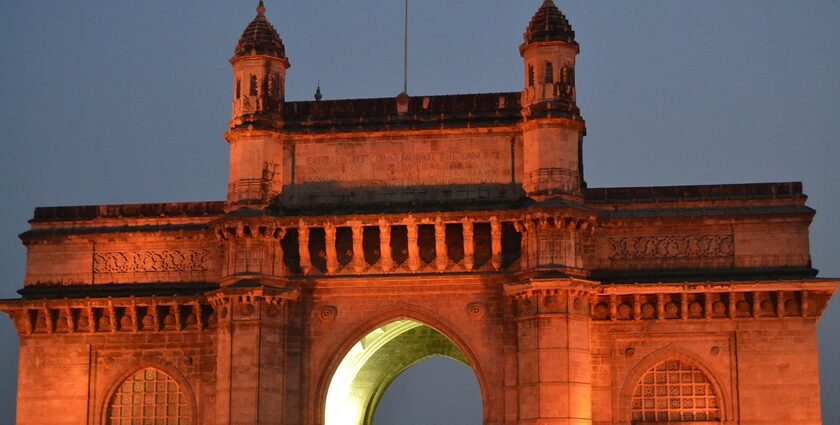
12 Best Places Near Gateway of India: Walkable Mumbai Attractions
Discover 12 best places to visit near Gateway of India Mumbai. From Elephanta Caves to Colaba Causeway, explore attractions, ferries & local experiences with practical travel guide.
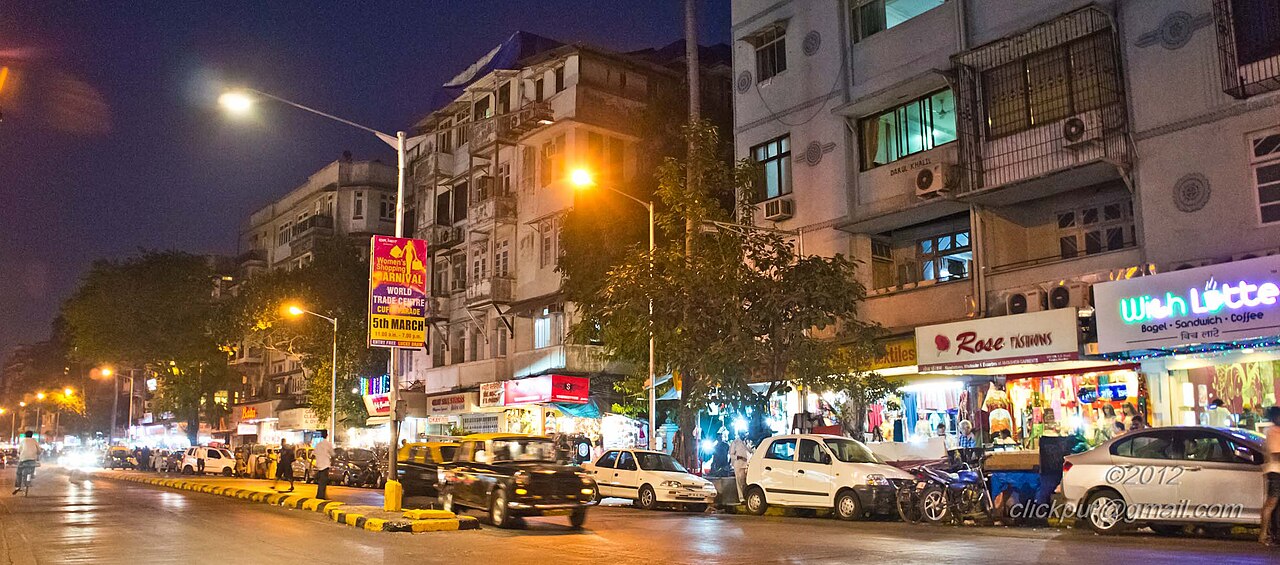
Colaba Causeway Mumbai: Shopping Guide with Tips & Timings
Discover Mumbai's iconic Colaba Causeway shopping destination. Learn what to buy, bargaining strategies, best times to visit, nearby cafes, and practical tips for budget shopping in South Mumbai.
Never Miss an Adventure
Get the latest trekking guides, travel tips, and exclusive offers delivered straight to your inbox.
