
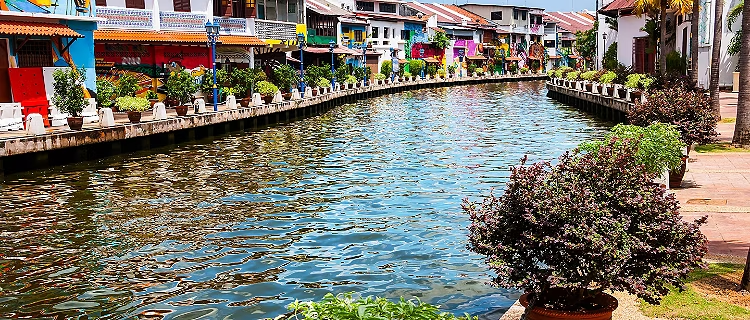
Jonker Street Melaka: Night Market Timings, Food & Shopping

Ananya Sharma
December 8, 2025
Explore Jonker Street Malaysia! Discover Jonker Walk Night Market, best street food, antique shops, heritage buildings, and complete Melaka travel guide with timings and tips.
Jonker Street Malaysia: Night Market, Food, and Shopping Guide
Jonker Street in Melaka is one of Malaysia’s most popular heritage-market experiences, known for weekend night buzz, street food variety, and culture-rich shopping lanes. Travelers search this keyword for practical planning: best time to visit, what to eat, what to buy, and how to navigate the crowd without wasting hours. This guide is designed for that exact need.
Most ranking pages focus only on the night market. A stronger trip uses Jonker Street as part of a wider Melaka heritage walk. If you are combining city segments, compare with things to do in Malaysia and cuisine of Malaysia for a fuller route context.

Why Jonker Street Is Worth Visiting
Jonker Street blends living heritage with high-energy commerce. You get old architecture, market stalls, antiques, and food counters in one compact corridor. It works for families, solo travelers, and couples because the area is easy to walk and highly visual.
The weekend night market is the core draw, but weekday day visits are better for slower shopping and heritage photography.
What to Eat on Jonker Street
Street snacks and local desserts
Try a mix of savory and sweet items instead of one heavy meal. This lets you sample more without food fatigue.
Iconic Melaka flavors
Nyonya influences appear in several food corners and nearby eateries. Ask for house specials instead of generic menu picks.
Cafe breaks
Use short cafe windows between market rounds to manage crowd fatigue and heat.

What to Buy
Jonker Street is strong for souvenirs, vintage-inspired pieces, handmade accessories, and giftable local products. Bargaining may be possible in selected stalls, but do it politely. For fragile items, ask for reinforced packing before checkout.
A practical approach is two rounds: first round for scanning prices, second for final purchases. This prevents impulse overpaying.

Best Time to Visit Jonker Street
Weekend evenings: most vibrant, most crowded. Weekday mornings/afternoons: calmer browsing and better photos. Late evening: lively atmosphere but higher queue pressure at food stalls.
If you prefer controlled movement and less crowd stress, do one weekday heritage walk plus one short weekend evening market visit.
How to Reach from Kuala Lumpur
Common options include bus, private transfer, or self-drive. Travel time depends on traffic windows, especially around weekends and holidays. If doing a same-day return, leave early and keep buffer for evening congestion.
For longer Malaysia circuits, align with Malaysia beaches and SkyAvenue Mall to balance heritage days with leisure shopping days.
Nearby Attractions to Pair
Jonker Street pairs naturally with Dutch Square, river walk sections, and heritage museum stops. Walking these nearby points before market peak gives a fuller Melaka experience and better use of time.
Plan meals around the market surge and keep hydration ready in humid evenings.

Budget Planning
Budget visit: snack sampling and light souvenir shopping. Mid-range visit: curated food plus multiple purchases. Higher spend visit: antiques, boutique items, and sit-down dining additions.
Set a spending cap before entering heavy-crowd zones to avoid unplanned overbuying.
Safety and Crowd Tips
- Use cross-body bags in dense crowd sections.
- Keep cash and card split in different pockets.
- Avoid blocking food lanes for long photos.
- Choose meeting points if traveling in groups.
- Return transport should be confirmed before late hours.
Final Verdict
Jonker Street is one of Malaysia’s strongest street experiences when planned with timing discipline. Visit once for crowd energy, once for calmer heritage texture, and you will get the best of both worlds: food, shopping, and cultural atmosphere.
If your Malaysia itinerary includes city attractions, you can also connect this with Berjaya Times Square and Batu Caves for a well-balanced multi-city travel plan.
Detailed Itinerary Optimization
A stronger trip comes from sequencing, not just destination count. Keep each day focused on one core movement axis and one flexible backup option. For example, in mountain routes, start with viewpoint windows in the morning and keep denser transfers for later only if weather remains stable. This pattern protects both safety and travel satisfaction while reducing rushed decision-making.
Meal and rest planning also influence experience quality more than most travelers expect. Schedule one stable meal stop and one lighter break in every active day. Hydration and temperature management are especially important in high-altitude or coastal humidity conditions. These small decisions improve energy, photography outcomes, and your ability to adapt when plans shift.
Accommodation selection should be based on route logic, not only visuals. A scenic stay that adds two hours of daily commute can reduce overall trip quality. Prioritize location, access reliability, and essential comfort features. If remote work or calls are needed, confirm network consistency before booking. For family travel, check meal timing and heating or cooling support in advance.
When weather uncertainty is high, build a layered plan: primary route, secondary route, and local fallback loop. This avoids day loss and keeps momentum during unpredictable windows. Keep offline maps, cash backup, and emergency essentials ready. Experienced travelers treat these as standard planning, not optional extras.
If you are extending the journey, useful related reading includes things to do in malaysia, cuisine of malaysia, beaches malaysia, skyavenue mall malaysia.
Local Culture and Responsible Travel
Respect for local culture improves both safety and hospitality outcomes. Dress appropriately in spiritual spaces, ask before close-up photography, and avoid high-noise behavior in quiet settlements. In sensitive ecological zones, follow no-litter discipline and avoid single-use plastics where possible. Responsible behavior helps preserve destinations and keeps local communities supportive of tourism.
Support local businesses where feasible: guides, homestays, regional eateries, and small handicraft sellers. This gives your trip stronger local value and often produces better insight than standardized tourist circuits. Authentic recommendations usually come from people who live in the destination, so leave time for conversation and flexible discovery.
Finally, maintain realistic pace. High-output itineraries look impressive on paper but often reduce enjoyment in real conditions. A good trip is not measured by maximum check-ins, but by quality of experience, safety, and meaningful memory retention. Plan smart, stay flexible, and let the destination unfold with its natural rhythm.
Detailed Itinerary Optimization
A stronger trip comes from sequencing, not just destination count. Keep each day focused on one core movement axis and one flexible backup option. For example, in mountain routes, start with viewpoint windows in the morning and keep denser transfers for later only if weather remains stable. This pattern protects both safety and travel satisfaction while reducing rushed decision-making.
Meal and rest planning also influence experience quality more than most travelers expect. Schedule one stable meal stop and one lighter break in every active day. Hydration and temperature management are especially important in high-altitude or coastal humidity conditions. These small decisions improve energy, photography outcomes, and your ability to adapt when plans shift.
Accommodation selection should be based on route logic, not only visuals. A scenic stay that adds two hours of daily commute can reduce overall trip quality. Prioritize location, access reliability, and essential comfort features. If remote work or calls are needed, confirm network consistency before booking. For family travel, check meal timing and heating or cooling support in advance.
When weather uncertainty is high, build a layered plan: primary route, secondary route, and local fallback loop. This avoids day loss and keeps momentum during unpredictable windows. Keep offline maps, cash backup, and emergency essentials ready. Experienced travelers treat these as standard planning, not optional extras.
If you are extending the journey, useful related reading includes things to do in malaysia, cuisine of malaysia, beaches malaysia, skyavenue mall malaysia.
Local Culture and Responsible Travel
Respect for local culture improves both safety and hospitality outcomes. Dress appropriately in spiritual spaces, ask before close-up photography, and avoid high-noise behavior in quiet settlements. In sensitive ecological zones, follow no-litter discipline and avoid single-use plastics where possible. Responsible behavior helps preserve destinations and keeps local communities supportive of tourism.
Support local businesses where feasible: guides, homestays, regional eateries, and small handicraft sellers. This gives your trip stronger local value and often produces better insight than standardized tourist circuits. Authentic recommendations usually come from people who live in the destination, so leave time for conversation and flexible discovery.
Finally, maintain realistic pace. High-output itineraries look impressive on paper but often reduce enjoyment in real conditions. A good trip is not measured by maximum check-ins, but by quality of experience, safety, and meaningful memory retention. Plan smart, stay flexible, and let the destination unfold with its natural rhythm.
Location
Frequently Asked Questions
Q1.What is Jonker Street famous for?
Q2.When is Jonker Walk Night Market open?
Q3.What is the famous food in Jonker Street?
Q4.How to reach Jonker Street from Kuala Lumpur?
Q5.What is the best time to visit Jonker Street?
Q6.Where to buy antiques in Melaka?
Q7.Is Jonker Street safe at night?
Q8.What to buy in Jonker Street?
Recommended For You

Beaches in Malaysia: Island Picks, Activities & Travel Planning
Discover Malaysia's stunning beaches from Langkawi's luxury shores to Perhentian's pristine coral reefs. Complete guide with best time to visit, activities, and travel tips.
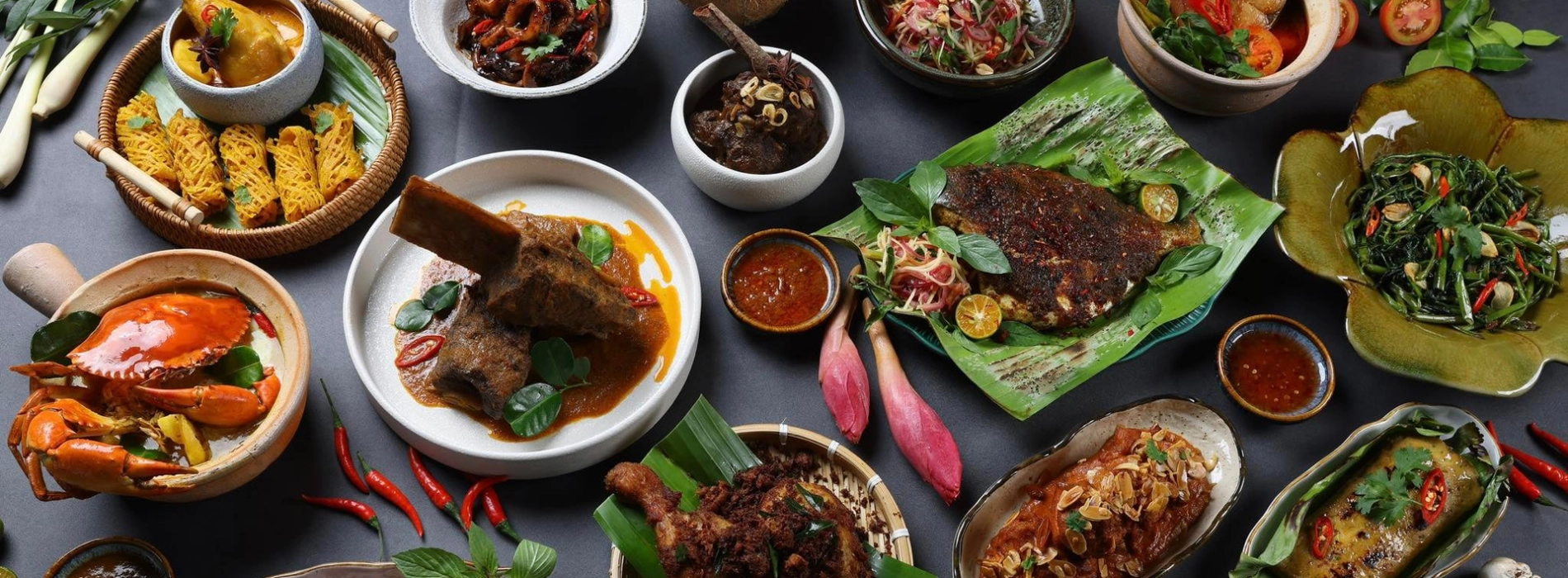
Cuisine of Malaysia: Traditional Dishes, Regional Food & What to Try
Explore cuisine of Malaysia with Malay, Chinese, Indian, and Peranakan influences, plus regional specialties, street food culture, and practical dining tips.
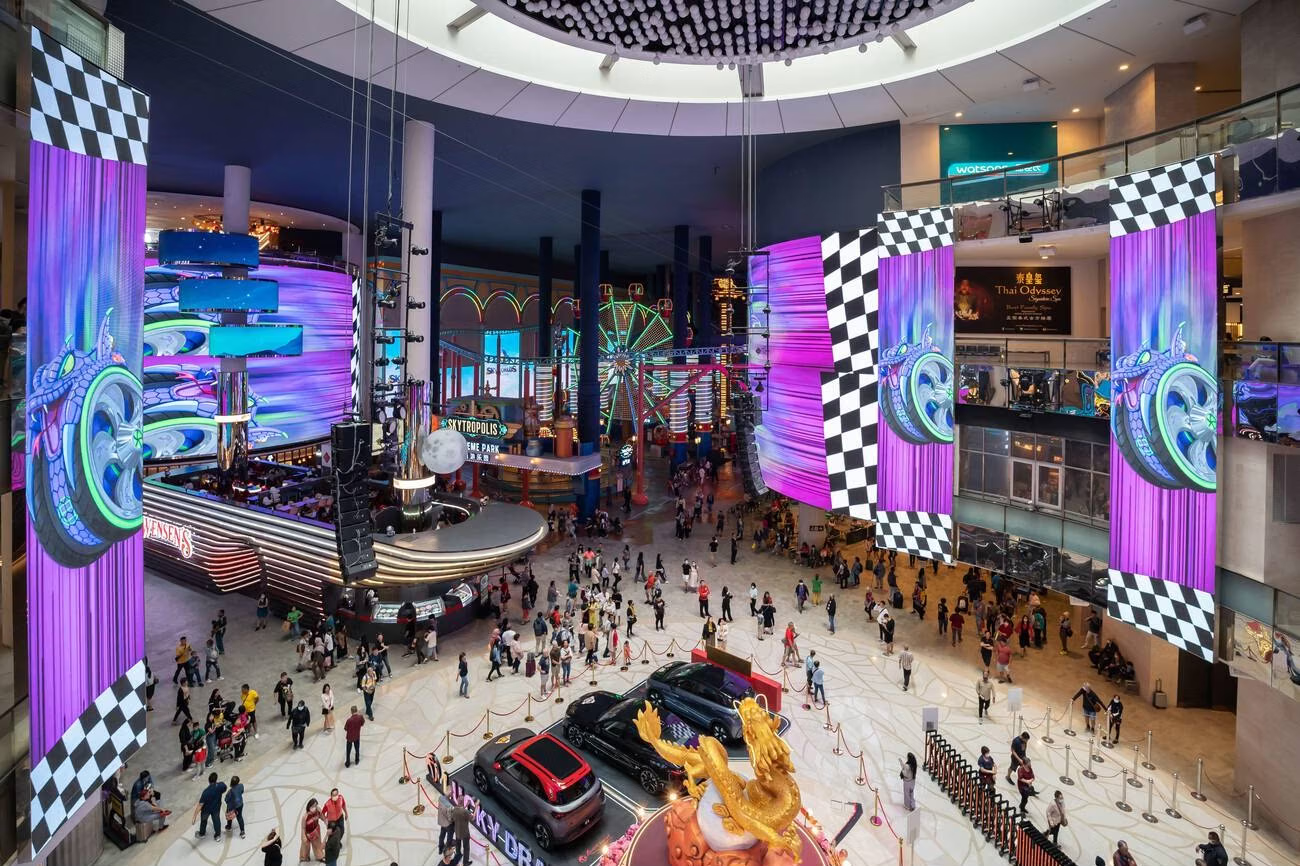
SkyAvenue Shopping Mall Genting Highlands: Complete Guide 2026
Complete SkyAvenue Mall Genting Highlands guide featuring brands, restaurants, tax-free shopping, operating hours, and travel tips for 2026.
Never Miss an Adventure
Get the latest trekking guides, travel tips, and exclusive offers delivered straight to your inbox.
