
Food in Dubai: Must-Try Dishes, Restaurant Areas & Price Range

Neha Kapoor
February 5, 2026
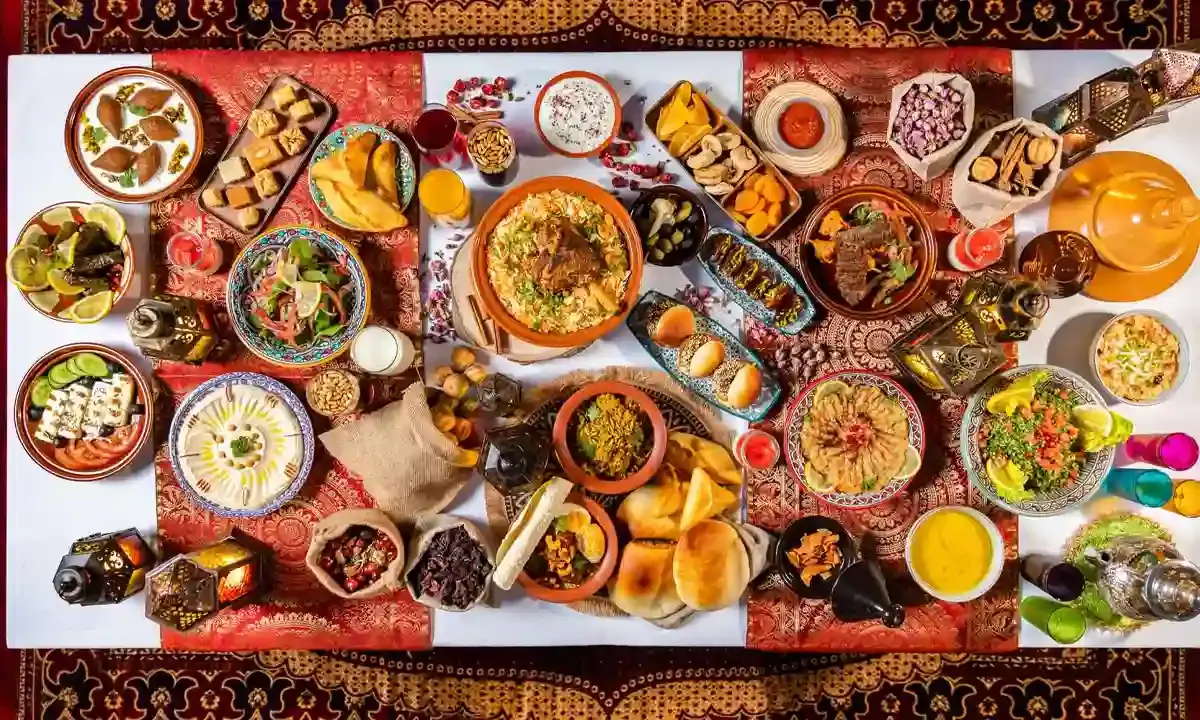
Discover food in Dubai! Explore Emirati cuisine, best restaurants, street food, and complete travel guide to Dubai's diverse food scene featuring 200+ nationalities of cuisine.
Introduction to Dubai's Culinary Landscape
Dubai stands as one of the world's most exciting culinary destinations, offering an incredible diversity of cuisines that reflects its multicultural population of over 200 nationalities. From authentic Emirati dishes passed down through generations to Michelin-starred fine dining experiences, Dubai's food scene caters to every palate and budget. The city has transformed from a modest fishing village into a global gastronomic hub, where traditional Arabic flavors blend seamlessly with international culinary trends.
What makes Dubai truly special is the accessibility of high-quality food across all price points. You can enjoy street food for as little as ₹50 while indulging in world-class luxury dining that rivals Paris and Tokyo. The city's strict hygiene standards ensure food safety throughout, and halal certification is ubiquitous, making it Muslim-friendly for travelers from around the world. This comprehensive guide will take you through Dubai's traditional cuisine, must-try dishes, best restaurants, street food hotspots, and everything else you need to know for an unforgettable culinary journey.
Traditional Emirati Dishes
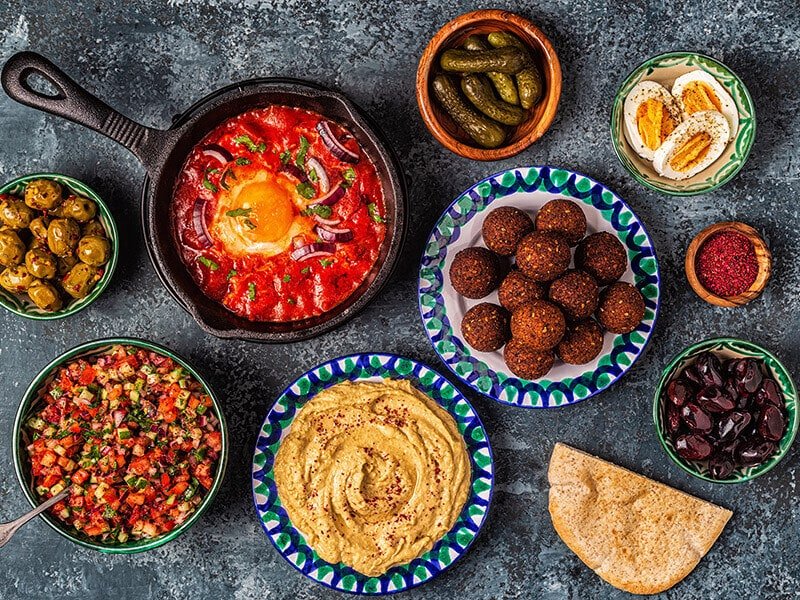
Emirati cuisine represents the heart and soul of Dubai's culinary heritage. Rooted in Bedouin traditions and desert life, traditional Emirati food focuses on rice, meat, fish, and dates with aromatic spices like saffron, cardamom, and turmeric. The cuisine emphasizes communal dining, with large platters shared among family and friends, reflecting the generous hospitality culture of the UAE.
Machboos - The National Dish
Machboos stands as the national dish of the UAE and is a must-try when visiting Dubai. This aromatic rice dish features long-grain rice slow-cooked with meat (usually chicken, lamb, or fish) and an elaborate spice blend called bizarat. The dish gets its distinctive flavor from saffron, cinnamon, cardamom, cloves, and dried limes (loomi). Each family has their unique recipe, making machboos both a comfort food and a culinary experience to savor different variations across restaurants and homes.
For the most authentic machboos experience, visit places like Al Fanar Restaurant & Cafe in Dubai Festival City Mall, where they prepare this traditional dish exactly as it's been made for generations. The tender meat falls off the bone, and the fragrant rice absorbs all the spices, creating a harmonious balance of flavors that's neither too spicy nor too mild - just perfectly Emirati.
Harees - A Ramadan Specialty
Harees is a beloved Emirati dish especially popular during Ramadan and special occasions. This porridge-like dish consists of wheat and meat (typically chicken or lamb) slow-cooked together until they form a smooth, almost creamy consistency. The preparation process is time-intensive, requiring constant stirring over low heat for several hours to achieve the perfect texture.
The result is a comforting dish with a subtle flavor profile, often garnished with ghee and cinnamon. Harees is traditionally served in a large communal bowl, with diners scooping portions directly from the same dish, emphasizing the communal aspect of Emirati dining culture. Many restaurants offer harees during Ramadan and Eid, making it the perfect time to try this specialty.
Luqaimat - Sweet Dumplings
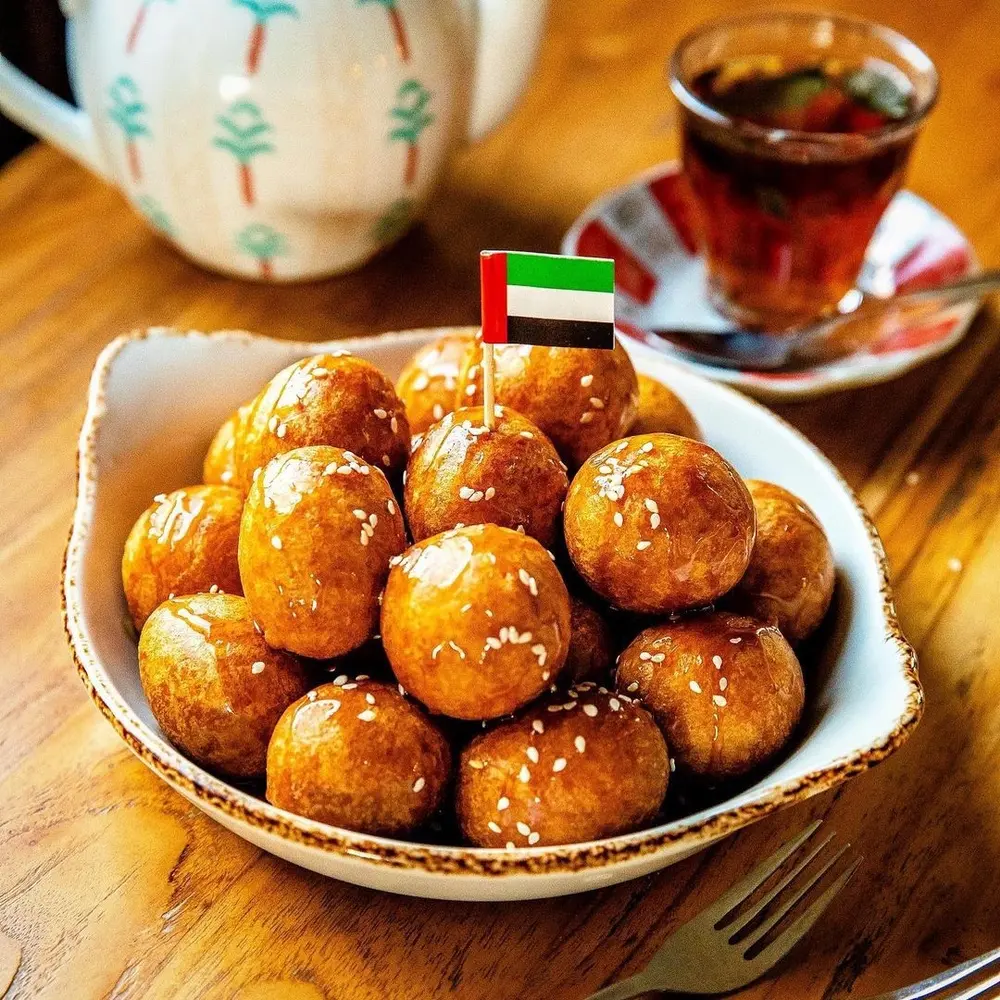
No Emirati meal is complete without dessert, and luqaimat is the most beloved sweet treat in Dubai. These crispy dumplings are made from a simple batter of flour, yeast, sugar, saffron, and cardamom, then deep-fried to golden perfection. Immediately after frying, they're drizzled with date syrup (dibbs) and sometimes sprinkled with sesame seeds.
You'll find luqaimat everywhere in Dubai, from street vendors to high-end restaurants. They're particularly popular during Ramadan as a sweet treat to break the fast. The contrast between the crispy exterior and soft, doughy interior, combined with the rich date syrup, makes these dumplings absolutely addictive. Look for them at food festivals, traditional cafes, or try making them at cooking classes.
Other Traditional Emirati Favorites
Beyond these standout dishes, Emirati cuisine offers several other delicacies worth exploring. Majboos is similar to machboos but with different spices and often featuring fish along the coastal regions. Stuffed camel is legendary - a festive dish of whole camel stuffed with lamb, rice, eggs, and spices, though rarely found in restaurants and mostly reserved for special celebrations.
For breakfast, try chabab (sweet pancakes), balaleet (vermicelli with eggs), or khabees (sweet semolina). These morning dishes provide a gentle introduction to Emirati flavors and are commonly available at traditional breakfast spots throughout the city.
Traditional Beverages
Traditional Emirati beverages are an integral part of the culinary experience. Karak chai, a strong spiced tea with milk, is arguably Dubai's most popular beverage - available at every street corner and a social ritual. Gahwa, traditional Arabic coffee flavored with cardamom, is served in small cups and represents Emirati hospitality. Laban, a refreshing buttermilk drink, is perfect for cooling down in Dubai's heat.
Best Restaurants in Dubai
Dubai's restaurant scene spans an incredible range, from humble street-side cafeterias to establishments with Michelin stars and celebrity chefs. Whether you're seeking authentic local cuisine, international fine dining, or budget-friendly meals, Dubai has something for every preference and pocket.
Fine Dining Experiences
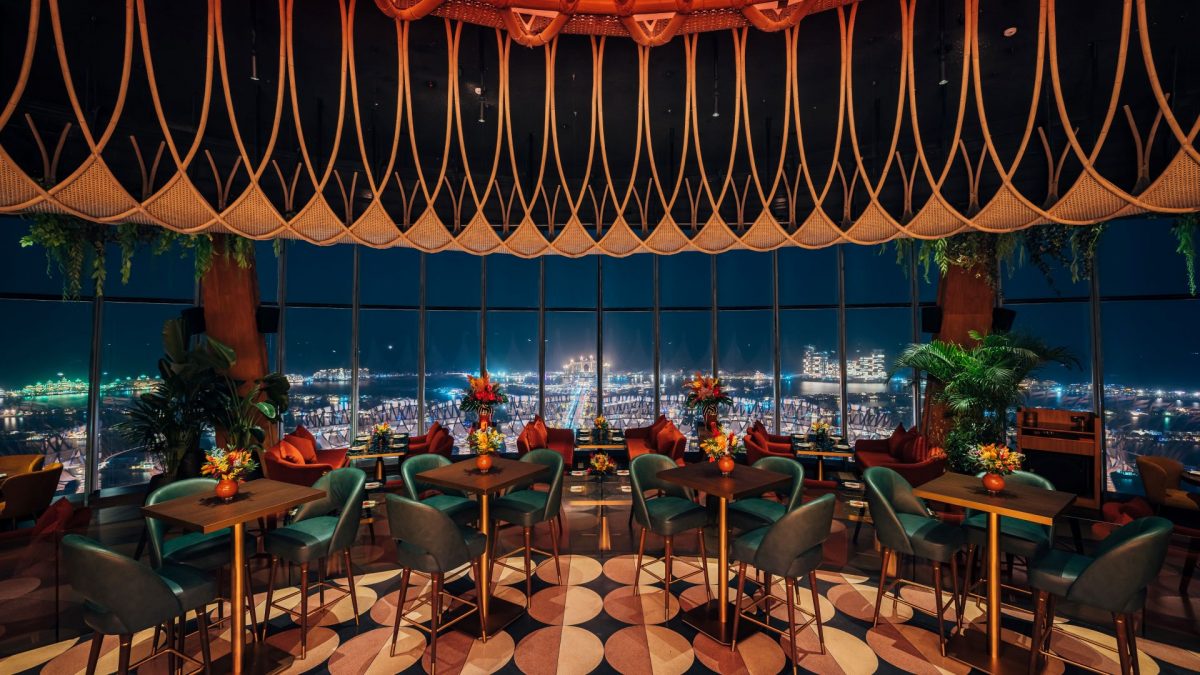
For those seeking luxury dining experiences, Dubai offers some of the world's most exclusive restaurants. At.mosphere, located on the 122nd floor of the Burj Khalifa, provides not just exceptional European cuisine but also unparalleled views of the city from the world's tallest building. Reservations are essential, and prices reflect the exclusivity (₹15,000+ per person), but the experience is unforgettable.
Nobu Dubai at Atlantis The Palm brings world-renowned Japanese-Peruvian fusion to the UAE. The sleek, modern interior and impeccable service complement innovative dishes like black cod miso and rock shrimp tempura. Expect to spend around ₹10,000 per person, but the quality and creativity justify the price for special occasions. Zuma in DIFC offers contemporary Japanese cuisine in a sophisticated setting, famous for its miso black cod and robata grill options (₹8,000+ per person).
Pierchic, located at Al Qasr, Dubai, offers an overwater dining experience with Mediterranean seafood. The wooden pier extends into the Arabian Gulf, providing romantic sunset views and a tranquil atmosphere despite being minutes from the city. It's perfect for special occasions, with prices around ₹7,000+ per person.
Mid-Range Restaurants
Dubai excels at mid-range dining, where quality meets value. Al Mallah is legendary among locals and expats alike for its Lebanese and Egyptian cuisine, particularly their shawarma and grilled meats. A full meal costs ₹800-1,500, and the cafeteria-style setup means quick service and generous portions.
Operation Falafel celebrates Emirati cuisine in a modern, fast-casual format. Try their machboos, harees, and thareed for an authentic taste of local flavors without breaking the bank (₹600-1,200 per person). Bu Qtair in Jumeirah is the place for fresh seafood - a casual beachside shack where you pick your fish and they grill it to order. The catch of the day, served with Arabic bread and salad, costs ₹1,000-2,000 per person.
Arabian Tea House in Al Fahidi Historical Neighborhood offers traditional Emirati food in a beautiful heritage setting. With decorated courtyards and traditional seating, it's perfect for experiencing Emirati hospitality. Expect to pay ₹800-1,500 for dishes like saloona, machboos, and their famous breakfast platter.
Budget-Friendly Options
Delicious food in Dubai doesn't have to be expensive. Ravi Restaurant in Satwa is legendary among budget foodies, serving authentic Pakistani cuisine at incredibly affordable prices. A full meal of chicken karahi, butter chicken, or dal makhani costs just ₹400-800, and the portions are generous enough to share.
Al Ustad Special Kabab in Al Karama is another institution, famous for its Iranian kebabs grilled to perfection over charcoal. The juicy seekh kebabs and chicken barg cost ₹500-1,000, and the no-frills atmosphere has been unchanged for decades. Zaroob offers authentic Syrian cuisine in a lively, cafeteria-style setting. Their shawarma, fatayer, and grilled dishes are consistently good and priced at ₹600-1,200 per meal.
Street Food in Dubai
Street food culture in Dubai may not be as chaotic as Mumbai or Bangkok, but it offers unique flavors at unbeatable prices. The city's street food scene centers around cafeterias (small, quick-service restaurants) and food trucks serving everything from Arabic specialties to international favorites.
Popular Street Foods
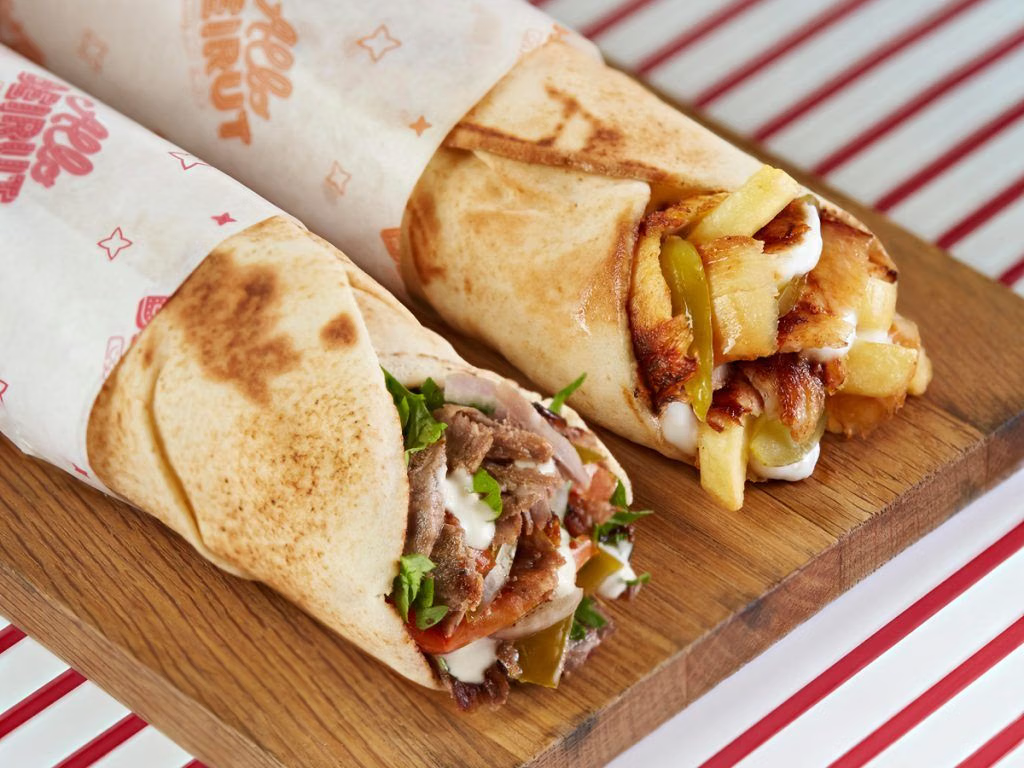
Shawarma is Dubai's undisputed street food king - thinly sliced marinated meat stacked on a rotating spit, shaved off and wrapped in flatbread with garlic sauce, pickles, and fries. A good shawarma costs just ₹50-150, making it perfect for quick, satisfying meals. Look for places with high turnover and fresh meat for the best experience.
Falafel are crispy chickpea fritters, usually served in pita bread with tahini, hummus, and salad. At ₹20-50 for a serving, they're a filling vegetarian option available at almost every cafeteria. Manakish is the Arabic answer to pizza - flatbread topped with za'atar, cheese, or minced meat before baking. Prices range ₹30-80, and they're perfect for breakfast or snacks.
Fatayer are savory Arabic pastries filled with spinach, cheese, or meat. At ₹25-60 each, they're portable and ideal for on-the-go eating. Samboosa (similar to Indian samosas) are filled with spiced potatoes or meat and deep-fried to golden crispiness, available for ₹20-40 each.
Best Street Food Areas
Al Dhiyafa Road in Satwa is the heart of Dubai's street food scene. This street comes alive at night with cafeterias serving shawarma, juices, grilled meats, and more. The atmosphere is buzzing, prices are incredibly low, and you'll eat alongside locals and expats. Try the famous Al Mallah shawarma or juice stalls selling fresh sugarcane and mixed fruit drinks.
Al Seef blends traditional architecture with modern dining, offering street food in a heritage setting. Along the Dubai Creek, you'll find vendors selling karak chai, Arabic sweets, and simple grilled dishes. Karama is known for its budget eats, particularly Indian and Pakistani street food like parathas, kebabs, and biryanis at very affordable prices.
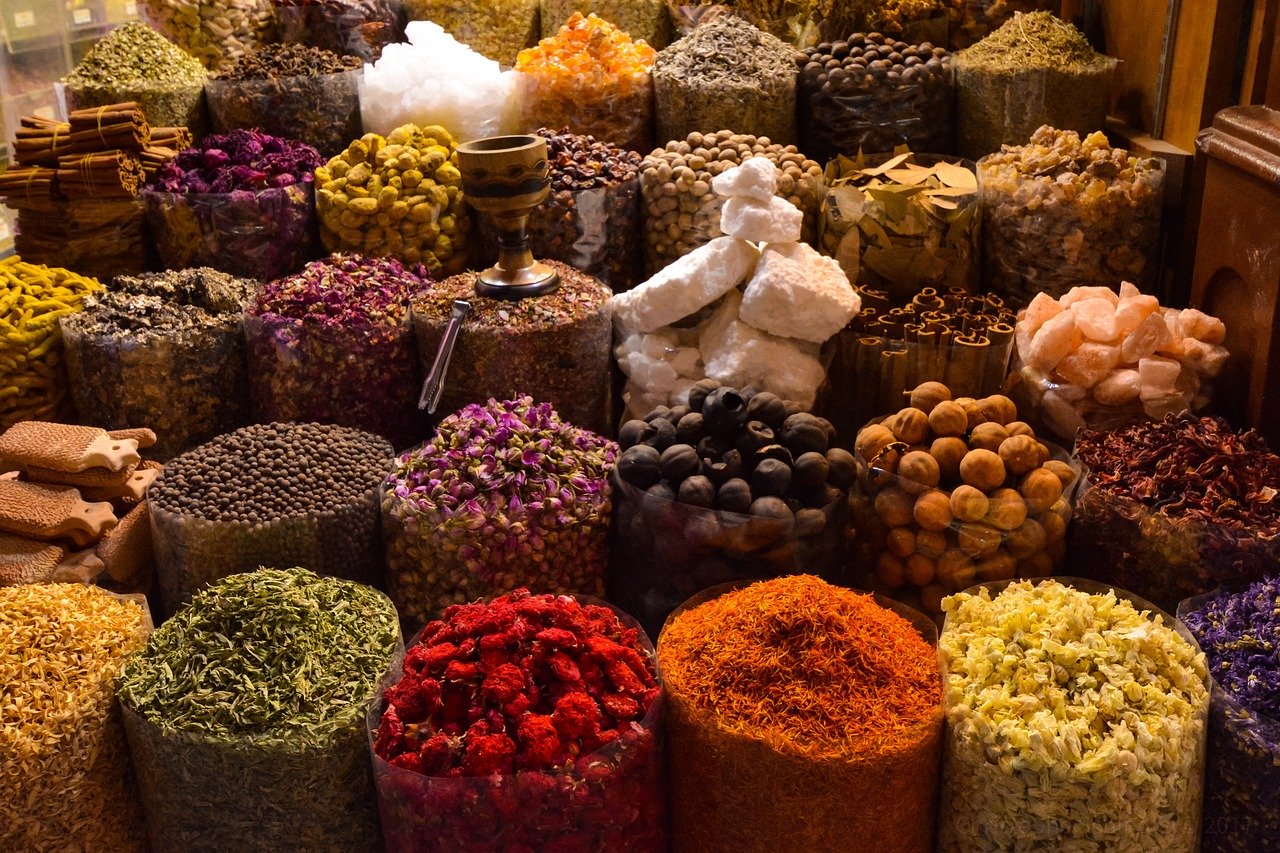
Deira, particularly around the Gold Souk and spice markets, remains a street food hub. The narrow lanes are packed with small restaurants serving everything from Emirati breakfast to international cuisine. It's the perfect place to experience Dubai's multicultural food scene in one evening.
Street Food Safety
Dubai maintains high food safety standards, and street food is generally safe to eat. However, follow these guidelines for the best experience: Choose busy places with high turnover, as fresh food is constantly replenished. Look for vendors who cook food in front of you, ensuring proper preparation. Prefer hot food over items sitting out for extended periods. Always drink bottled water, as tap water isn't recommended for visitors.
Dubai Food Festivals
Dubai takes its food seriously, hosting several food festivals throughout the year that celebrate culinary diversity and bring together chefs, food lovers, and families.
Dubai Food Festival
The Dubai Food Festival, typically held in February-March, is the city's premier culinary event spanning 10 days. This massive festival features Restaurant Week (fixed-price menus at top restaurants), Beach Canteen (pop-up food stalls at La Mer), food markets, and celebrity chef appearances. It's the perfect time to try Dubai's best restaurants at discounted prices and discover new dining concepts.
Dubai Restaurant Week
Held twice yearly, Dubai Restaurant Week offers incredible value with fixed-price menus at 50+ participating restaurants. Set menus typically cost ₹1,500-3,000 per person for multi-course meals at establishments that usually charge much more. It's the ideal opportunity to experience fine dining without the fine dining price tag. Reservations are essential, as popular restaurants book up quickly.
Special Food Events
Taste of Dubai in March brings together the city's best restaurants, food trucks, and producers for a celebration of local culinary talent. The Dubai Shopping Festival often coincides with special food events and dining promotions. Ramadan Food Festivals during the holy month feature special dishes, late-night Iftar buffets, and communal dining experiences throughout the city. Eid celebrations bring elaborate feasts and traditional sweets to restaurants and homes.
Best Areas for Foodies
Dubai's diverse neighborhoods each offer unique dining experiences, from traditional heritage areas to modern developments.
Al Seef - Traditional Meets Modern
Al Seef along Dubai Creek offers the perfect blend of traditional architecture and contemporary dining. The heritage buildings house restaurants serving Emirati cuisine, cafes with creek views, and international options. Arabian Tea House is a must-visit here for authentic Emirati breakfast in a beautiful setting. Prices are mid-range (₹800-1,500 per person), and the atmosphere transports you to old Dubai.
DIFC - Upscale Business Dining
The Dubai International Financial Centre is Dubai's answer to Manhattan's dining scene - upscale, sophisticated, and business-oriented. Zuma and La Petite Maison here offer European fine dining with impeccable service and expense-account prices. The restaurants cater to business lunches and power dinners, with prices ranging from ₹3,000-8,000+ per person.
Downtown Dubai - Luxury with Views
Downtown Dubai, home to the Burj Khalifa and Dubai Mall, offers luxury dining with spectacular views. At.mosphere in the Burj provides world-class dining 122 floors up, while Thiptara at Palace Downtown serves Thai cuisine with fountains view. Expect premium prices (₹3,000-15,000 per person) but unforgettable experiences.
Jumeirah - Beachside Dining
Jumeirah's coastal location makes it perfect for seafood and relaxed dining. Bu Qtair is legendary for its fresh catch, while Pierchic offers overwater romance. The vibe is casual yet sophisticated, with mid-to-high prices (₹1,500-7,000 per person) and the sound of waves as your soundtrack.
Al Quoz - Industrial-Chic Cafes
Al Quoz has transformed from industrial area to artsy neighborhood with some of Dubai's best cafes. The Sum of Us offers specialty coffee, brunch, and light meals in a stylish, warehouse-chic setting. Prices are mid-range (₹800-1,500 per person), and the creative atmosphere appeals to foodies seeking unique experiences.
Arabic Cuisine
Beyond Emirati food, Dubai offers excellent representations of cuisines from across the Arab world.
Lebanese Food
Lebanese cuisine is perhaps the most popular Arabic cuisine in Dubai, and for good reason. Mezze spreads featuring hummus, baba ganoush, tabbouleh, and grilled meats like shish tawook and kebabs are staples. Al Hallab and Abd El Wahab are top spots for authentic Lebanese food, offering generous portions and rich flavors.
Syrian Food
Syrian cuisine in Dubai is known for hearty dishes and delicious desserts. Kibbeh (spiced meat and bulgur dumplings), grilled meats, and shawarma are highlights. Zaroob is a go-to spot for Syrian street food, while Saffron offers more upscale Syrian dining. Don't miss kunafa and baklava for dessert - layers of phyllo pastry, cheese, and syrup that are absolutely divine.
Iranian Food
Iranian cuisine brings sophisticated flavors to Dubai, with emphasis on saffron, dried lime, and slow-cooked meats. Biryani, kebabs (especially barg and koobideh), and stews are popular. Al Ustad Special Kabab is legendary for its charcoal-grilled kebabs, while Aryaas offers refined Iranian dining in a beautiful setting.
Egyptian Food
Egyptian cuisine offers hearty, affordable meals that have found a home in Dubai. Koshary (a mix of pasta, rice, lentils, chickpeas, and tomato sauce) is the national dish - filling, flavorful, and incredibly cheap. Ful medames (mashed fava beans with olive oil, lemon, and spices) is a breakfast staple. Abu Tarek and Zooba are excellent spots for authentic Egyptian food.
International Food Scene
As a global city, Dubai boasts incredible international cuisine from virtually every country.
Asian Cuisine
Japanese dining in Dubai is world-class, with Zuma and Nobu leading the way for upscale Japanese. For more casual options, try Din Tai Fung for Michelin-starred dumplings or Sumo Sushi for reliable quality. Thai cuisine thrives at Thiptara and Pai Thai, while Chinese food lovers enjoy Hakkasan for modern Cantonese and Ding Tai Fung for Xiao Long Bao. Indian cuisine is everywhere, with Bukhara at ITC Rajputana (though not in Dubai, similar quality exists in city hotels) and Khyber representing authentic North Indian flavors.
European Cuisine
Italian restaurants in Dubai range from casual to luxury. Scarpetta at Palazzo Versace offers handmade pasta and authentic pizzas in a beautiful setting. Il Ristorante at Nikki Beach provides beachside Italian dining. French cuisine is represented by Pierchic and La Petite Maison, while The Cheesecake Factory brings American casual dining with its famous cheesecakes and extensive menu. Amala Restaurant offers a unique fusion experience, while Mint Leaf of London brings British-Indian fusion to the city.
Fast Food Chains
All major international fast food chains operate in Dubai. McDonald's, KFC, Subway, and Burger King are ubiquitous throughout the city. Regional favorites like Charley's Grilled & Subs and Shake Shack have multiple locations. Local chains like Al Baik (famous for fried chicken) and Chicken Tikka offer regional fast food options at very affordable prices.
Food Prices in Dubai
Understanding Dubai's food prices helps plan your dining budget effectively.
Budget Eating
Street food in Dubai is incredibly affordable. Shawarma, falafel, and juices cost just ₹50-200 per person. Fast food chains like McDonald's and local joints charge ₹200-400 for a meal. Local cafeterias offer filling meals for ₹300-600, making daily dining very budget-friendly.
Mid-Range Dining
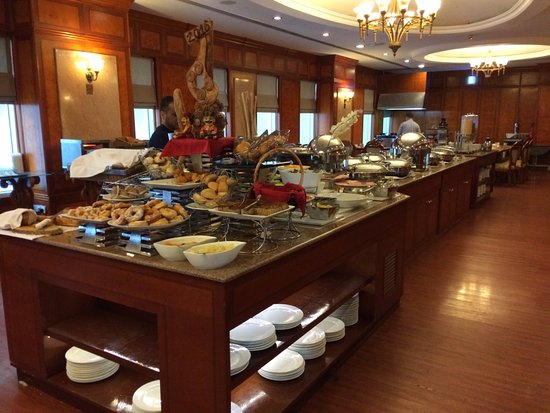
Casual restaurants and hotel restaurants fall into this category. Expect to pay ₹800-1,500 per person for a decent meal with drinks. Hotel restaurants typically cost ₹1,500-3,000 for full dinners. Buffet lunches at many hotels range from ₹600-1,200 per person, offering excellent value for variety.
Fine Dining
Upscale restaurants charge ₹3,000-8,000 per person for multi-course meals. Luxury dining at celebrity chef restaurants or Burj Khalifa establishments can reach ₹8,000-15,000+ per person. This includes Michelin-starred experiences, celebrity chef restaurants, and iconic locations with exceptional service and views.
Price Tips
Save money by eating lunch instead of dinner, as many restaurants offer cheaper business lunch specials. Look for happy hour deals between 4-7 PM at bars and restaurants. Friday brunch is a Dubai institution - hotels offer extensive buffets (often ₹800-2,000) that provide excellent value. Download apps like The Entertainer for buy-one-get-one-free deals at hundreds of restaurants.
Halal Food Guide
As a Muslim country with a large Muslim population, Dubai's food scene is predominantly halal.
Halal Certification
The vast majority of restaurants in Dubai serve halal food. Look for halal certification symbols at entrances, which indicate the establishment meets Islamic dietary requirements. Alcohol is not served in halal restaurants, and all meat is prepared according to halal methods. This makes dining worry-free for Muslim travelers and those who prefer halal food.
Non-Halal Options
Non-halal options do exist in Dubai. Supermarkets have separate sections for pork products, typically clearly marked. Non-halal restaurants are mostly found in hotels that serve alcohol and cater to international clientele. Specialized non-halal butchers and grocery stores exist, particularly in areas with large expat populations.
Dietary Considerations
Dubai restaurants increasingly cater to various dietary needs. Vegetarian options are clearly marked on many menus, and Indian restaurants offer extensive vegetarian selections. Vegan choices are growing, with dedicated vegan restaurants now operating in the city. For allergies, inform staff clearly - most restaurants are accommodating once aware of your needs.
Breakfast in Dubai
Breakfast culture in Dubai ranges from traditional Emirati spreads to international buffets.
Traditional Breakfast Spots
For authentic Emirati breakfast, Arabian Tea House and Al Fanar are excellent choices. Try chabab (sweet pancakes), balaleet (vermicelli with eggs), and khabees (sweet semolina) with karak chai. These spots offer breakfast for ₹800-1,500, giving you a taste of Emirati morning traditions.
International Breakfast
The Cheesecake Factory serves American-style breakfast with pancakes, omelets, and, of course, cheesecake. Baker & Spice offers healthy breakfast options with fresh juices, granola, and egg dishes. Shakespeare and Co provides cafe-style breakfast with pastries, sandwiches, and excellent coffee. Prices range from ₹600-1,200 for a complete breakfast.
Hotel Breakfasts
Hotel breakfast buffets in Dubai are legendary. Most hotels offer extensive international spreads with Indian, Arabic, Asian, and Western options. Buffets typically cost ₹800-2,000 per person and run from 6:30 AM to 11 AM on weekdays, with extended hours on weekends. The variety is overwhelming, and quality at high-end hotels is exceptional.
Popular Breakfast Items
Beyond the dishes mentioned, shakshuka (eggs in spiced tomato sauce) is a breakfast favorite available at many cafes. Manakish topped with za'atar or cheese makes for a quick, satisfying breakfast. International favorites like eggs Benedict, waffles, and pancakes are readily available throughout the city.
Tips for Foodies
Make the most of Dubai's dining scene with these practical tips.
Reservations
Book ahead, especially for weekends and popular restaurants. Friday brunch requires advance booking as places fill up quickly. For fine dining establishments like At.mosphere or Nobu, reserve a week or more in advance. For larger groups, call restaurants directly as they may have special arrangements or private rooms.
Dress Code
Malls accept casual to smart casual dress - jeans and t-shirts are fine. Hotels require no beachwear in restaurants - cover up appropriately for dining areas. Fine dining restaurants expect smart formal dress - men should wear shirts and shoes, women should dress elegantly. While Dubai is modern, respecting local culture with modesty is appreciated, especially outside tourist areas.
Timing
During Ramadan, dining hours change significantly - restaurants don't serve food during fasting hours, but many offer special iftar and suhoor meals. Friday brunch runs from 12:30 PM to 4 PM and is a Dubai institution - it's more social than regular dining with drinks included. Late-night dining is available, especially in nightlife areas like JBR and Downtown Dubai. Breakfast typically starts at 6:30 AM at most cafes and hotels.
Money Saving
Business lunch specials at many restaurants offer the same food at 30-50% lower prices than dinner. Happy hour deals (4-7 PM) provide discounted drinks and appetizers at bars and lounges. Hotel apps and loyalty programs offer discounts and complimentary dishes. The Entertainer app provides buy-one-get-one-free deals at hundreds of restaurants throughout Dubai - highly recommended for longer stays.
For those interested in exploring more of Dubai after experiencing its incredible food scene, you can visit the best places to visit in Dubai to complement your culinary journey. If you're curious about how Dubai compares to other global cities, check out our Dubai vs Singapore comparison. And for history enthusiasts, the history of Dubai provides fascinating context to the city's development.
Location
Frequently Asked Questions
Q1.What is Dubai famous for food?
Q2.What is the national dish of Dubai?
Q3.Is food expensive in Dubai?
Q4.What is traditional Emirati food?
Q5.Best restaurants in Dubai for food?
Q6.Cheap food places in Dubai?
Q7.Is street food safe in Dubai?
Q8.Is all food in Dubai Halal?
Recommended For You
Best Food in Thailand: 20 Must-Try Dishes & Street Eats
Discover the best food in Thailand. From Pad Thai to Tom Yum Goong. A complete guide to Thai street food, curries, and local delicacies for every foodie.
Best Shopping Places Dubai: Area Guide and Tips
Plan shopping in Dubai with mall/market zoning, timing strategy, and practical budget tips for a smoother retail experience.
Best Things to Buy in Dubai: Shopping List and Tips
Plan Dubai shopping with product-category priorities, budget strategy, and practical buying tips for better value and smoother decisions.
Never Miss an Adventure
Get the latest trekking guides, travel tips, and exclusive offers delivered straight to your inbox.
