
Food of Sikkim: Top Dishes, Local Eateries & Regional Flavors

Ananya Sharma
December 24, 2025
Discover the food of Sikkim with must-try dishes, local market strategy, where to eat, budget planning, and practical tips for first-time food travelers.
1. Introduction to the Food of Sikkim
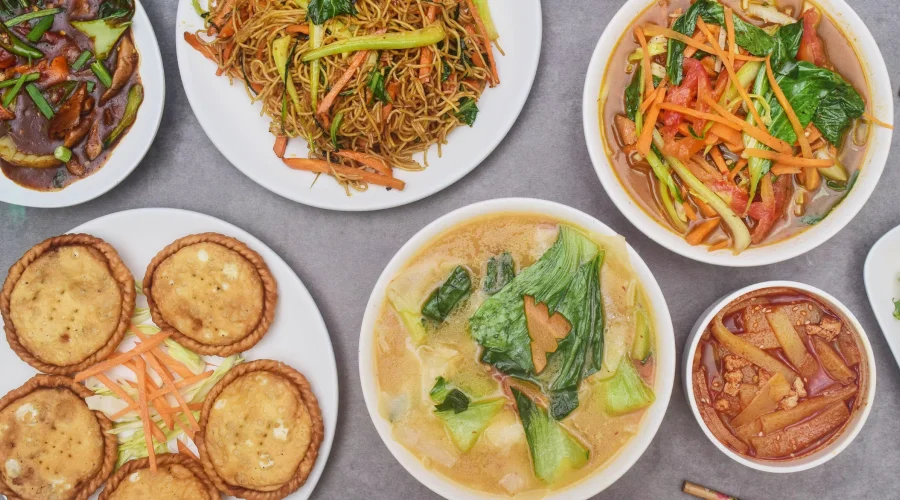
The food of Sikkim is one of the most rewarding culinary experiences in the Indian Himalaya. It blends Tibetan, Nepali, and indigenous local traditions into a cuisine that feels both comforting and distinctive. Meals are usually practical, warm, and climate-friendly: noodle soups, fermented ingredients, steamed dishes, smoked meat patterns, and rice-based staples that suit mountain weather and active travel days.
Many travelers know Sikkim food only through momos and thukpa, but the local table is much wider. You will find fermented soybean preparations, pork specialties, millet drinks in traditional contexts, yak-cheese variations, and market snacks that reflect local household habits. The best way to explore is structured tasting rather than random ordering.
This guide covers must-try dishes, regional influences, where to eat, vegetarian options, budget planning, hygiene tips, and a practical food route for first-time visitors.
2. What Makes Sikkim Cuisine Unique
Sikkim cuisine is built around altitude, weather, and local agriculture. Food is often designed for nourishment and warmth, not heavy garnish. Fermentation, steaming, and broth-based cooking are common, and flavor profiles usually prioritize depth over excessive oil or cream.
- Mountain practicality: warm, filling meals suited to cold conditions.
- Fermentation culture: gundruk, sinki, kinema, and related traditions.
- Soup and broth emphasis: everyday comfort in hill climates.
- Mixed ethnic influence: Tibetan, Nepali, and local communities together.
- Ingredient identity: local greens, radish, millet, and regional dairy patterns.
For complete route planning, pair this with Sikkim travel guide before finalizing your meal stops.
3. Core Regional Food Identity in Sikkim
Sikkim food is often discussed as one cuisine, but there are sub-patterns by community and location. Urban Gangtok menus combine many influences, while smaller towns and local kitchens preserve sharper regional styles.
| Food Layer | Typical Character | Traveler Experience |
|---|---|---|
| Tibetan influence | Dumplings, noodle soups, simple meat dishes | Momos, thukpa, warm comfort meals |
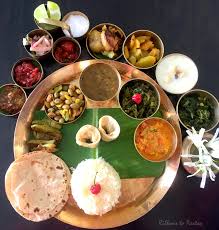
| Nepali influence | Rice-meat patterns and fermented side culture | Sel roti, gundruk-family dishes, thali formats |
| Local mountain traditions | Preserved ingredients and climate-adapted cooking | Specialized local dishes in family-run eateries |
This layered identity is why Sikkim food feels familiar at first and deeper with each meal.
4. Must-Try Dishes of Sikkim
A focused dish plan gives better results than trying everything in one day. Start with these signature items:
- Momos: steamed dumplings with veg or meat filling and chili dip.
- Thukpa: hot noodle soup with vegetables and optional meat.
- Phagshapa: pork-based traditional style with local seasoning profile.
- Gundruk and sinki: fermented vegetable traditions with tangy depth.
- Kinema: fermented soybean preparation used in local meals.
- Sel roti: ring-shaped rice bread in festive and snack contexts.
- Chhurpi forms: local cheese variants in soup or snack usage.
- Dhall-rice local combos: everyday comfort meals with seasonal sides.
If you are in Gangtok, combine local dish tasting with Gangtok travel guide for better time blocks.
5. Street Food and Market Tasting in Sikkim
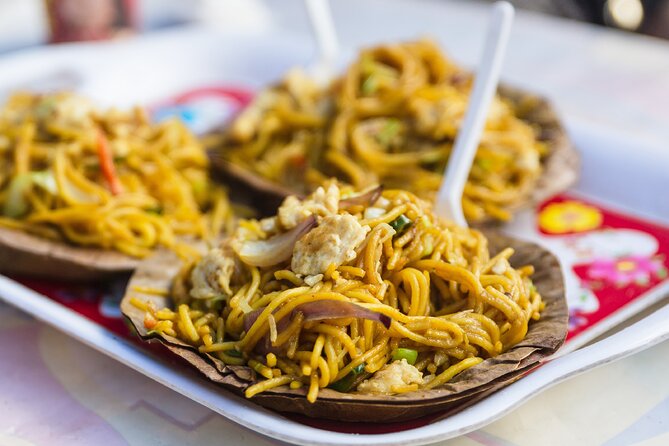
Street food in Sikkim is compact but high-value for first-time visitors. It is less chaotic than mega-city circuits and often easier for paced tasting. Market areas and evening food lanes offer momo stalls, noodle bowls, tea-snack counters, and bakery-style stops.
- Start with one momo stall and compare chutney styles.
- Add one soup/noodle stop for weather-appropriate comfort.
- Use tea-break counters for lighter between-meal tasting.
- Prefer high-turnover stalls during peak fresh-cook windows.
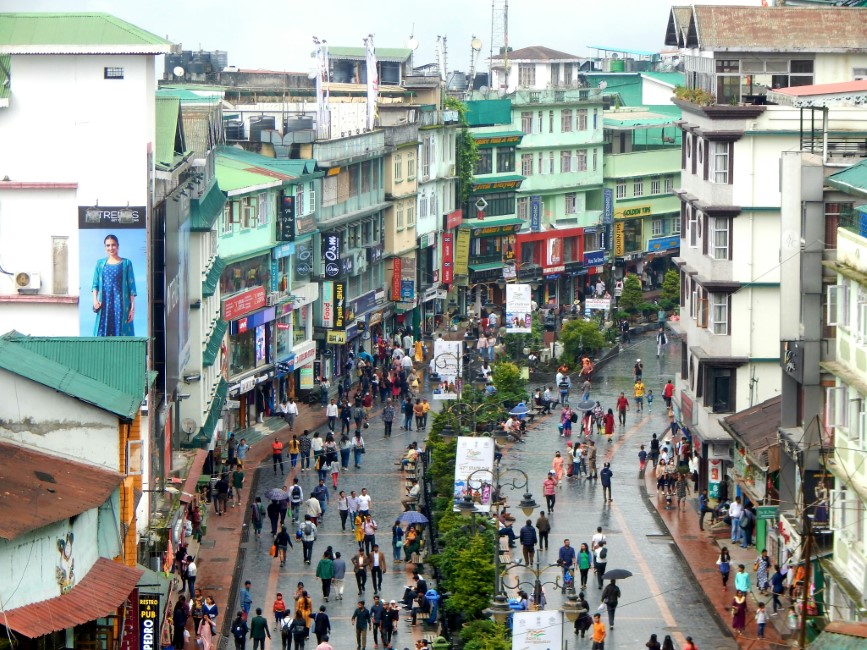
For on-ground movement, link food stops with MG Marg in Gangtok and nearby market zones.
6. Best Places to Eat: Local Eateries and Cafes
Sikkim dining works best when you mix formats. Local eateries give authenticity and better traditional range, while cafes and modern restaurants provide comfort, clearer menus, and mixed-diet flexibility.
| Dining Format | Best For | Practical Tip |
|---|---|---|
| Local family-style eateries | Traditional dishes and value meals | Ask for daily local specials first |
| Market meal counters | Quick tasting and budget-friendly food | Pick busy stalls for freshness |
| Cafes and urban restaurants | Longer sit-down meals and mixed groups | Use for dinner and weather-protected comfort |
Useful companions: best restaurants in Gangtok and Taste of Tibet Gangtok.
7. Vegetarian and Dietary Considerations
Sikkim has strong meat traditions, but vegetarian travelers can still eat well with planning. Urban centers offer vegetable momos, noodle soups, rice meals, and seasonal vegetable preparations. Some local eateries can adapt dishes if requested early.
- Choose mixed-menu venues for easier substitutions.
- Confirm broth base in soups before ordering.
- Ask for lower-spice versions if needed for travel comfort.
- Keep one familiar meal daily if you have sensitive digestion.
Clear communication at order time avoids most dietary issues.
8. Food Prices and Budget Strategy
Food spending in Sikkim is manageable with a simple structure. Costs rise when every meal is cafe-focused or premium-location dining.
| Meal Type | Cost Pattern | Best Use |
|---|---|---|
| Street and market snacks | Low budget | Quick tasting and tea breaks |
| Local sit-down meals | Budget to moderate | Main lunch and traditional dishes |
| Modern cafe/restaurant dinner | Moderate to premium | Comfort meal and group dining |
Smart approach: one curated dinner, one local lunch, and one snack circuit per day. This keeps both variety and cost under control.
9. Seasonal Food Experience in Sikkim
Season affects both menu comfort and movement feasibility. Winter and shoulder seasons usually make soup-heavy and warm dish tasting more enjoyable. Monsoon can still be rewarding, but transit delays may disrupt strict food schedules.
- Cool months: ideal for soup, fermented dishes, and market walking.
- Monsoon windows: keep flexible meal slots and indoor options.
- Festival periods: potential access to special snacks and community foods.
Use things to do in Sikkim for broader schedule balance when planning meal windows.
10. Food Safety and Hygiene Tips
Food safety in Sikkim is manageable with basic discipline, especially when you are tasting multiple places in one day.
- Pick high-turnover stalls and fresh-cook counters.
- Avoid overloading fermented or spicy items in one meal.
- Use bottled or trusted filtered water.
- Carry basic digestion support for long road days.
- Choose warm cooked food in cold-weather evenings.
A paced tasting pattern protects your trip and helps you enjoy more dishes without fatigue.
11. Sample 2-Day Food Route in Sikkim
If you have limited time, use this two-day format for balanced coverage.
| Day | Meal Plan | Outcome |
|---|---|---|
| Day 1 (Gangtok core) | Local lunch + market momo round + curated dinner | Strong intro to mainstream Sikkim food |
| Day 2 (Extended local tasting) | Traditional dish meal + snack loop + cafe finish | Better depth across classic and modern formats |
This avoids repeating similar items and gives enough recovery between heavier dishes.
12. Market-to-Meal Ordering Strategy
Many visitors order only the most famous dishes and miss the best local plates. Use a market-to-meal strategy: first observe local ingredient movement in markets and food lanes, then order dishes that use those fresh ingredients in sit-down restaurants. This simple shift improves both flavor quality and authenticity.
For example, if you see fresh greens, mushrooms, or local cheese variants in circulation, ask restaurants for day specials based on those items. If many stalls are serving one specific broth style, that usually indicates seasonal demand and better kitchen turnover. The same rule works for fermented dishes. Ask for small portions first, then scale up based on preference.
- Step 1: observe ingredient patterns before lunch.
- Step 2: shortlist two signature dishes and one exploratory dish.
- Step 3: keep dinner for comparison between classic and modern style.
This method prevents over-ordering, lowers waste, and gives a more meaningful culinary understanding in short trips.
13. Seasonal Ordering and Meal-Pacing Tips
Sikkim weather can shift quickly across elevations, so food planning should adapt with temperature and movement load. On colder days, start with warm broth or soup dishes before trying fried snacks. On active sightseeing days with long walks, keep lunch moderate and reserve heavier pork or fermented-dish tastings for evening. This reduces fatigue and improves digestion, especially for first-time visitors not used to mountain climate meals.
Meal pacing also helps when trying fermented foods like kinema or gundruk-based preparations. Instead of stacking multiple fermented dishes in one sitting, split them across lunch and dinner blocks. Pair them with plain rice or lighter sides to balance intensity. If you are traveling with children or seniors, mix one familiar dish into every meal to maintain comfort while still exploring local flavors.
- Cold day plan: soup first, then dumplings or rice plate.
- Market tasting plan: share portions and avoid back-to-back heavy snacks.
- Long-drive day: prefer early dinner and lower-oil meals.
These adjustments sound small, but they improve your food experience significantly across a short Sikkim itinerary.
For travelers coming from plains, hydration and meal timing matter as much as dish selection. Keep warm fluids through the day, avoid skipping lunch during long sightseeing, and keep one simple fallback meal option each day to protect energy levels.
14. Final Takeaway
The food of Sikkim is not just a checklist of momos and thukpa. It is a layered mountain cuisine shaped by climate, fermentation traditions, and multi-community heritage. With a structured tasting plan, you can experience both iconic dishes and local depth in only two days.
Travel slowly, order intelligently, and balance street-food discovery with sit-down local meals. Done well, Sikkim becomes one of the strongest food destinations in the eastern Himalaya.
Location
Frequently Asked Questions
Q1.What is the famous food of Sikkim?
Q2.Is Sikkim food spicy?
Q3.Where can I try authentic food in Sikkim?
Q4.Are vegetarian options available in Sikkim?
Q5.What are must-try dishes for first-time visitors?
Q6.How expensive is food in Sikkim?
Q7.Is street food safe in Gangtok?
Q8.Can I do a short 2-day food trip in Sikkim?
Recommended For You
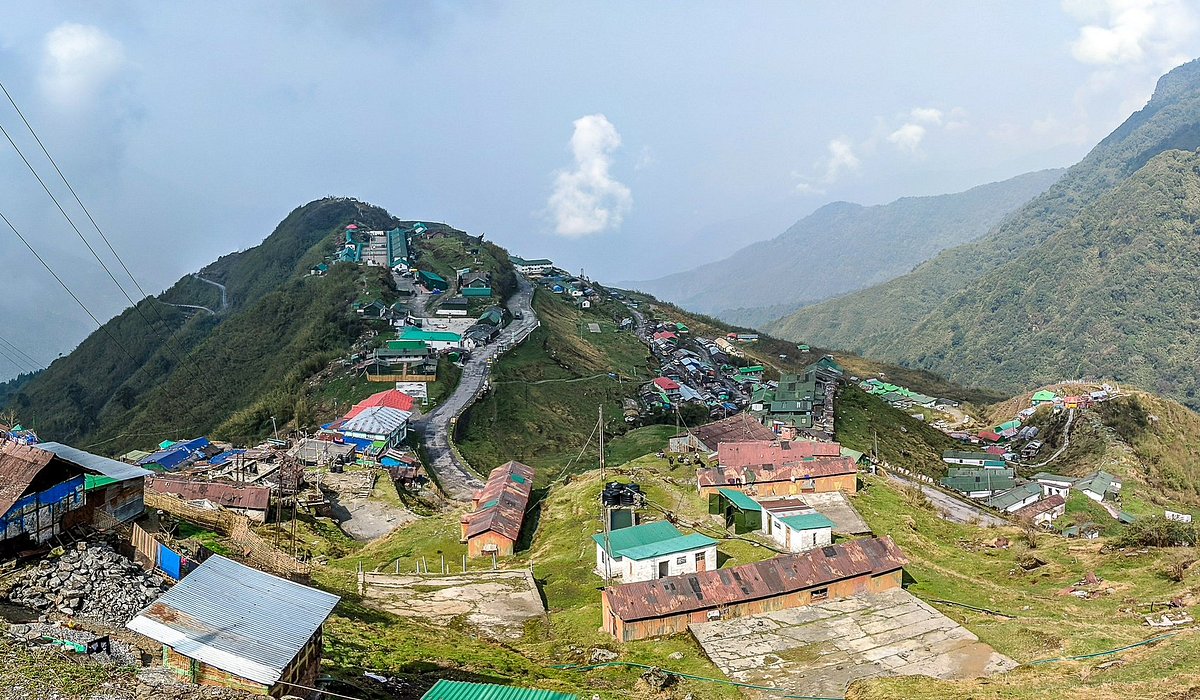
Top 25 Things to Do in Sikkim: Monasteries, Lakes & Adventure Picks
Discover the best things to do in Sikkim from Tsomgo Lake to Nathula Pass. Complete travel guide with trekking, monasteries, and adventure activities.
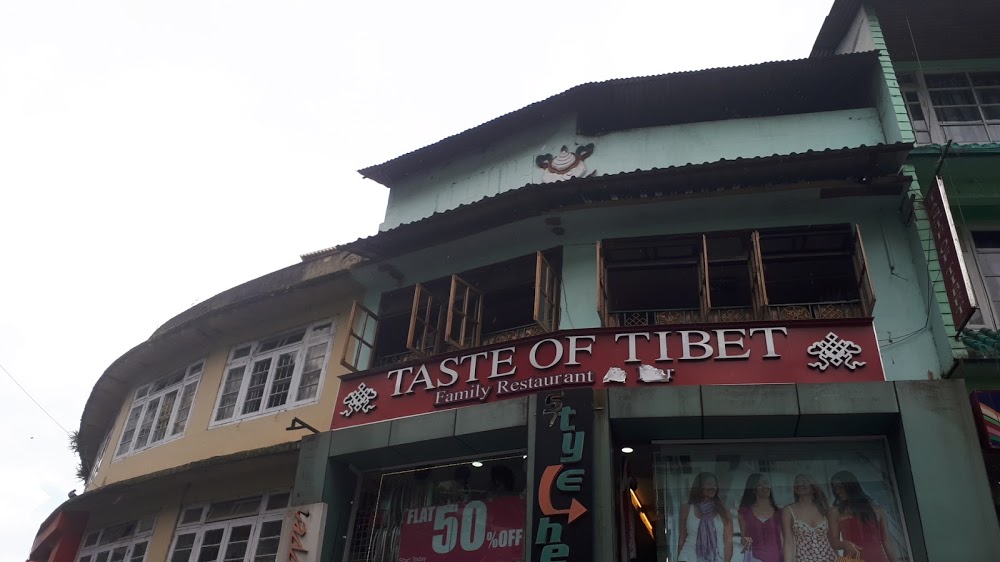
Taste of Tibet Gangtok: Menu, Ambience & Signature Dishes
Visit Taste of Tibet restaurant in Gangtok Sikkim. Guide to menu, timings, location, what to eat & authentic Tibetan food in MG Marg.
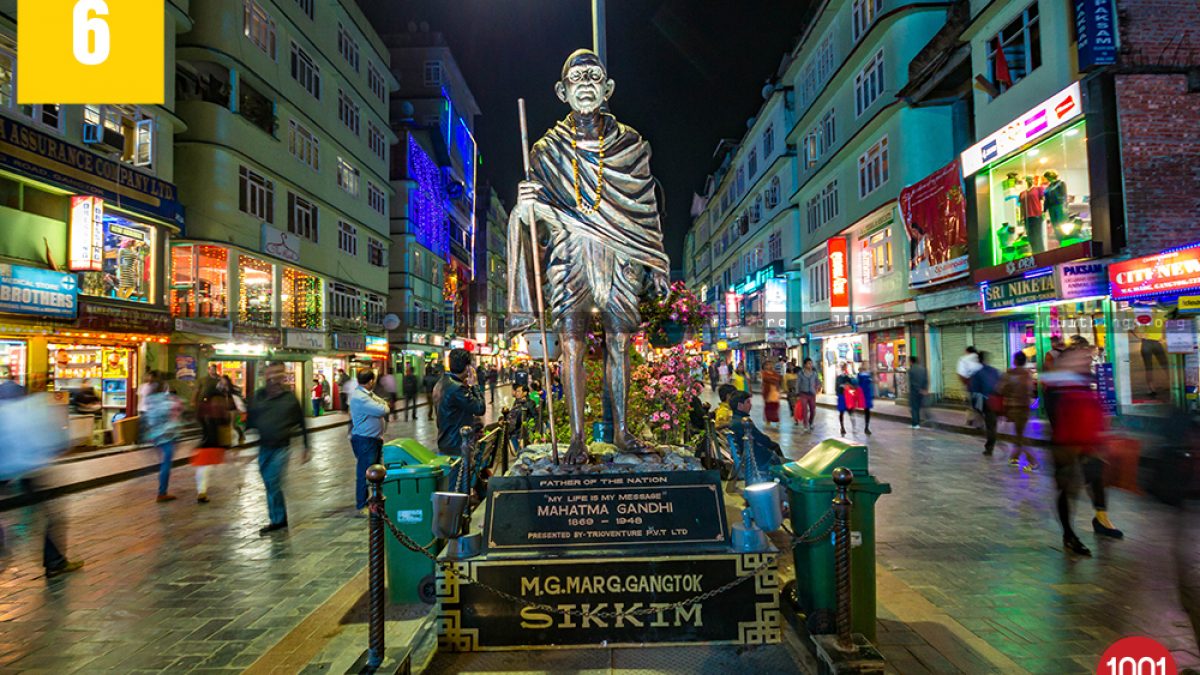
MG Marg Gangtok: Shopping, Cafes & Evening Walk Highlights
Discover MG Marg Gangtok: India's cleanest pedestrian mall with Tibetan handicrafts, cafes, shopping & food guide.
Never Miss an Adventure
Get the latest trekking guides, travel tips, and exclusive offers delivered straight to your inbox.
