
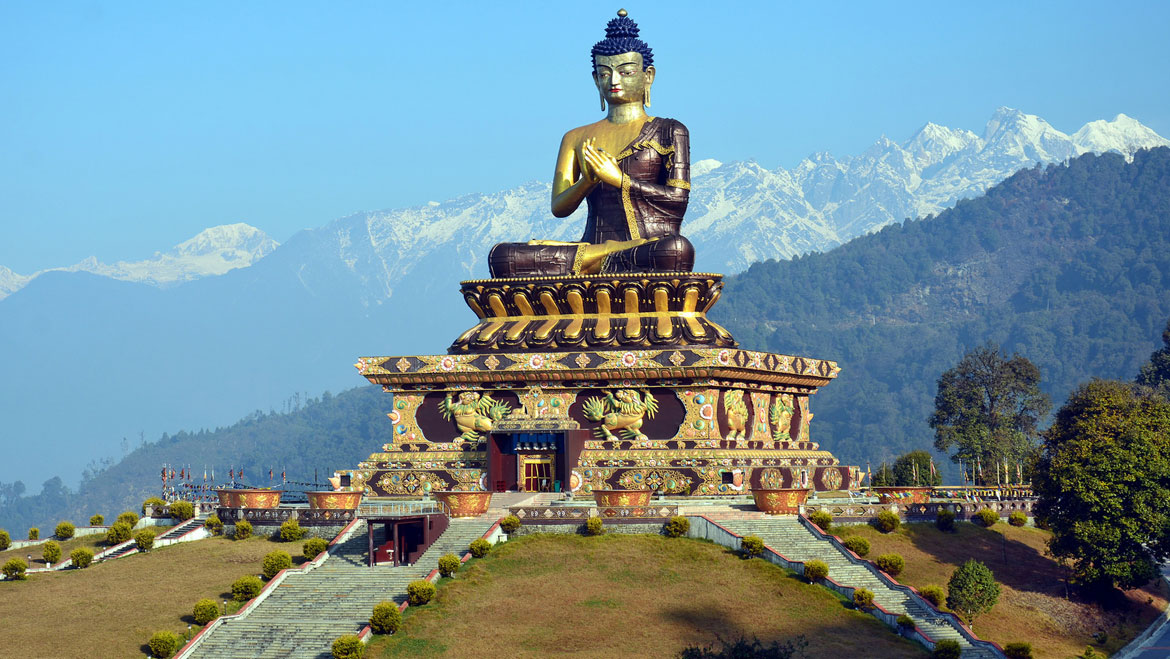
Sikkim: Complete Travel Plan Places And Weather
Rohan Malhotra
February 20, 2026
Complete Sikkim travel guide featuring Gangtok, Tsomgo Lake, Nathula Pass, monasteries, trekking, Kangchenjunga & practical tips.
Introduction to Sikkim
Sikkim, located in the northeastern part of India, is one of the country's most beautiful and diverse states. Nestled in the Himalayas, bordered by Nepal, Tibet (China), Bhutan, and West Bengal, Sikkim offers spectacular mountain scenery, ancient monasteries, diverse flora and fauna, and a unique blend of cultures. What makes Sikkim truly special is its remarkable biodiversity - the state has the third-highest peak in the world (Kangchenjunga), one of India's highest lakes, and nearly 40% of its area under forest cover.
The state is home to three main ethnic groups - the Lepchas (considered the original inhabitants), the Bhutias (of Tibetan origin), and the Nepalese (who migrated in the 18th-19th centuries) - each with their own language, customs, and traditions. This diversity creates a rich cultural tapestry that's fascinating to explore. Sikkim was an independent kingdom until 1975 when it became India's 22nd state, and this independent history is reflected in its unique character.
Whether you're seeking spectacular mountain views, spiritual experiences in ancient monasteries, trekking in pristine Himalayan landscapes, exploring diverse cultures, or simply escaping into nature, Sikkim delivers experiences that are both awe-inspiring and deeply enriching. The state's commitment to environmental conservation is evident in its clean towns, protected areas, and sustainable tourism practices.
Best Time to Visit Sikkim
Sikkim's weather varies dramatically by altitude and season. The timing of your visit depends on what you want to see and do - mountain views, trekking, flowers, or cultural experiences.
March to June is the best time to visit Sikkim when the weather is pleasant and the skies are generally clear. During this period, daytime temperatures range from 10°C to 25°C in most areas, making it ideal for sightseeing and trekking. This is also when the famous rhododendrons and orchids are in bloom, painting the hills in brilliant colors. March-May offers excellent views of Kangchenjunga and other peaks.
July to August brings the monsoon season when Sikkim receives heavy rainfall. The state transforms into lush green, but landslides can disrupt roads, and trekking trails become dangerous. This is the off-season with significantly fewer tourists and lower prices. However, the monsoon has its own beauty - waterfalls are at their spectacular best, and the entire region looks fresh and vibrant.
September to November, immediately after the monsoon, is perhaps the most beautiful time. The rains have cleared, the skies are crystal clear offering excellent mountain views, and the landscapes are lush green. September is when the famous teesta and ranjit rivers swell with monsoon waters, creating spectacular sights. October and November have the clearest views of Kangchenjunga.
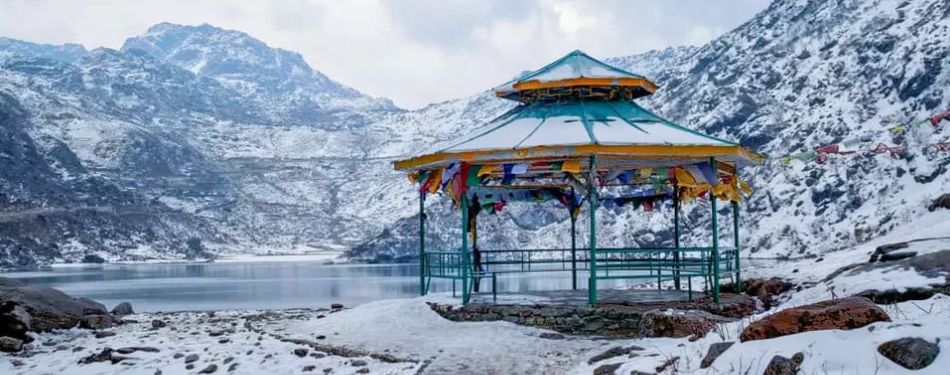
December to February brings winter to Sikkim. While Gangtok and lower areas can be cold, the higher reaches receive heavy snowfall, making this the best time for those wanting to see snow. Tsomgo Lake freezes partially, and the Nathula Pass is covered in snow. Winter is also when many festivals occur, adding cultural richness to the visit.
Top Destinations in Sikkim
Gangtok
Gangtok, the capital of Sikkim, is a charming hill station at an altitude of 1,650 meters. The city offers spectacular views of Kangchenjunga and the surrounding peaks, excellent infrastructure, and serves as the base for exploring Sikkim. Gangtok's clean streets, friendly people, and perfect blend of traditional and modern make it an excellent entry point to the state.
The city's attractions include the Enchey Monastery, Rumtek Monastery (one of the largest in Sikkim), the Namgyal Institute of Tibetology (showcasing Tibetan culture and history), and the Ridge - a promenade offering excellent mountain views. Gangtok also has numerous cafes, restaurants, and markets selling local handicrafts.
North Sikkim
North Sikkim is one of the most spectacular regions, offering breathtaking mountain scenery, glaciers, high-altitude lakes, and hot springs. The journey to North Sikkim itself is an experience, as you pass through beautiful valleys, waterfalls, and quaint villages.
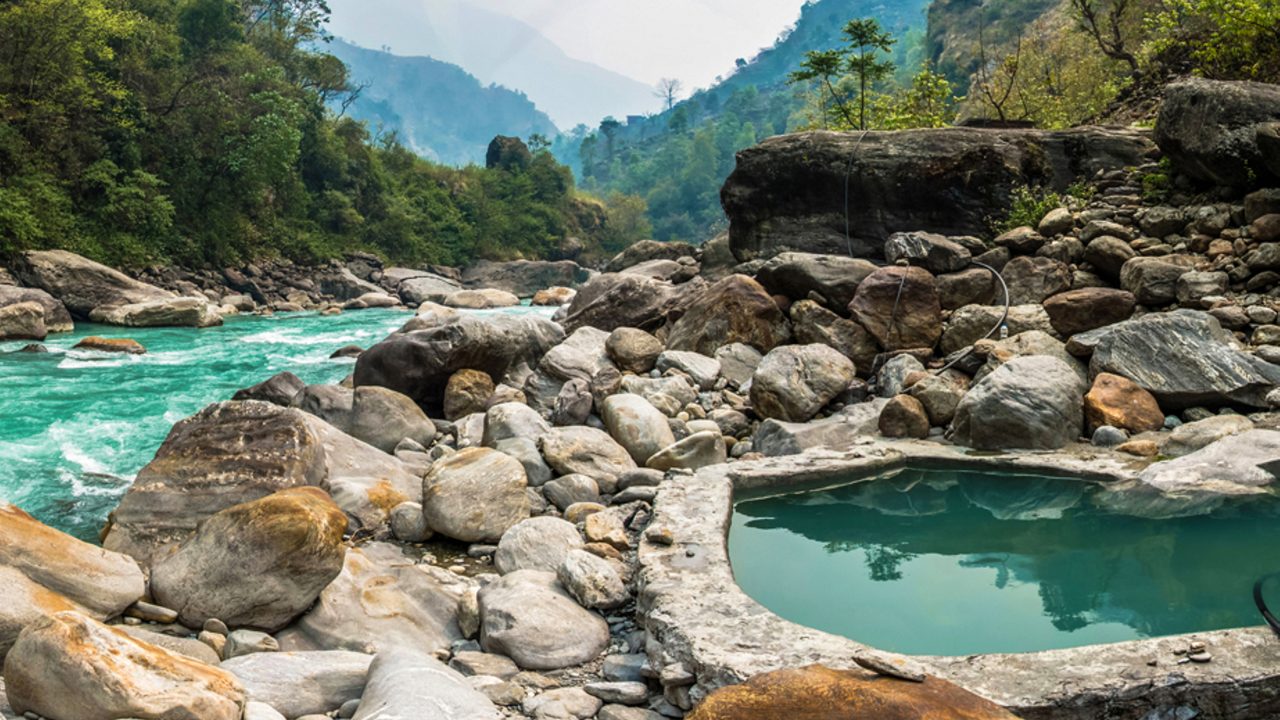
Key attractions include Gurudongmar Lake (one of the highest lakes in the world at 5,430 meters), Yumthang Valley (known as the Valley of Flowers), and the Yumesamdong Hot Springs. North Sikkim requires a Protected Area Permit (easily obtainable with Indian ID) and must be visited as part of an organized tour due to road conditions and permit regulations.
West Sikkim
West Sikkim is famous for Pelling, a small town offering spectacular views of Kangchenjunga and numerous monasteries. Pelling serves as the base for visiting the Pemayangtse Monastery (Sikkim's most significant Nyingma monastery), Sangachoeling Monastery, and the Rabdentse Palace ruins.
West Sikkim also offers excellent trekking opportunities, including the famous Goecha La Trek which takes you close to Kangchenjunga. The region is less developed than Gangtok, offering a more authentic experience of rural Sikkim.
Tsomgo Lake and Nathula Pass
Tsomgo Lake, located approximately 40 kilometers from Gangtok at an altitude of 3,753 meters, is one of Sikkim's most sacred lakes. The oval-shaped lake remains frozen during winter and is surrounded by mountains, creating a stunning setting. The lake is considered sacred by the local people and requires special permits to visit.
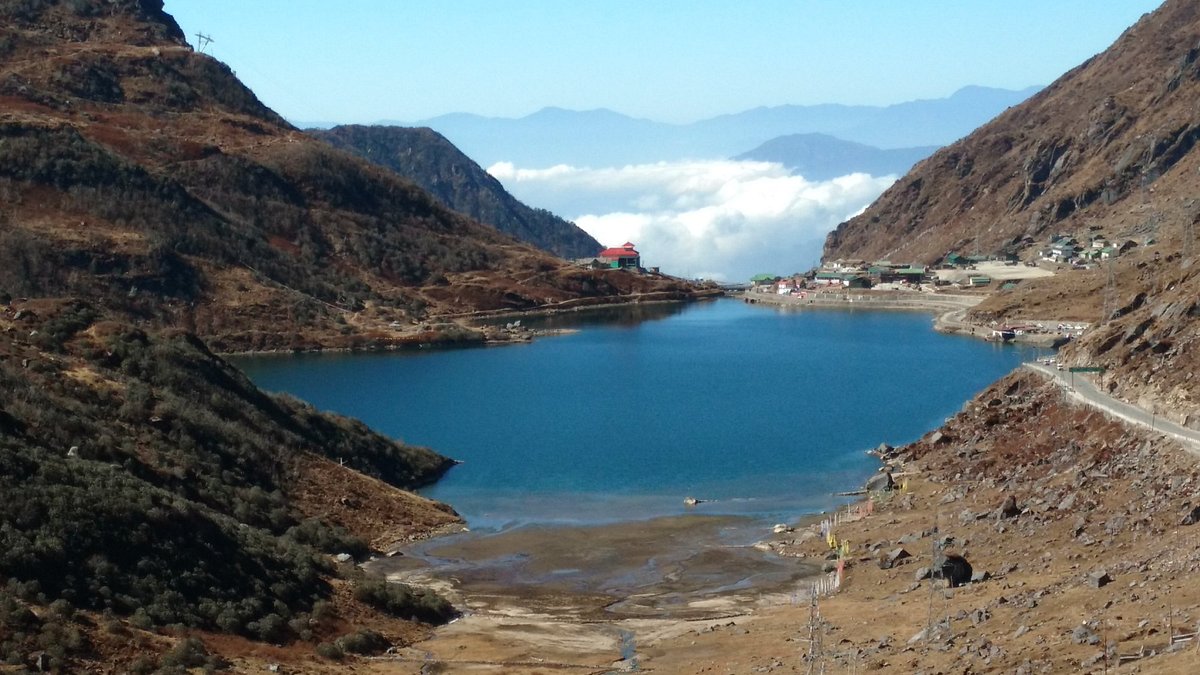
Nathula Pass, located approximately 56 kilometers from Gangtok at an altitude of 4,310 meters, is one of the highest motorable passes in the world. Located on the Indo-China border, Nathula offers spectacular views of the surrounding mountains and the Chinese side. The pass is strategically important and requires a Protected Area Permit to visit. It's closed on Mondays and Tuesdays.
Monasteries and Spirituality
Rumtek Monastery
Located approximately 24 kilometers from Gangtok, Rumtek Monastery is one of the largest and most significant monasteries in Sikkim. The monastery belongs to the Black Hat sect of Tibetan Buddhism and serves as the seat of the 16th Gyalwa Karmapa. The monastery complex features impressive architecture, beautiful paintings, and a stupa containing the relics of the 16th Karmapa.
The monastery houses numerous monks who can be seen chanting and going about their daily rituals. The monastery's Golden Stupa, built in 1940, contains the relics of the 16th Karmapa. The complex also includes the Dharma Chakra Centre, a stupa built in 1992 that contains the ashes of the 16th Karmapa.
Pemayangtse Monastery
Located in West Sikkim near Pelling, Pemayangtse Monastery is Sikkim's most significant Nyingma monastery. Built in the 17th century, the monastery is a three-story structure featuring impressive murals depicting Buddhist deities, the Bodhisattvas, and the Buddhist Wheel of Life. The monastery offers spectacular views of the surrounding mountains and valleys.
Enchey Monastery
Located near Gangtok, Enchey Monastery is approximately 200 years old and belongs to the Nyingma order of Tibetan Buddhism. The monastery follows a unique architecture and houses images of gods, goddesses, and religious objects. The monastery is particularly beautiful during the annual Cham dance festival when monks perform masked dances depicting Buddhist stories.
Trekking in Sikkim
Goecha La Trek
The Goecha La Trek is Sikkim's most famous trek, taking you to Goecha La Pass at an altitude of 4,940 meters, offering spectacular views of Kangchenjunga and 13 other peaks above 7,000 meters. The trek typically takes 7-9 days and takes you through rhododendron forests, high-altitude meadows, and close to some of Sikkim's most spectacular glaciers.
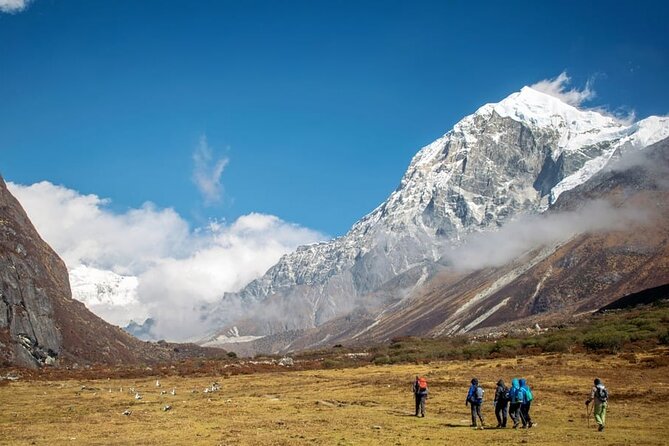
The trek is challenging due to high altitude and requires good fitness. The best time for the trek is from April to June and October to November. Permits are required as the trek passes through restricted areas. Several trekking operators organize this trek with guides, porters, and camping equipment.
Other Treks
Sikkim offers numerous other trekking options for various fitness levels. The Dzongri Trek offers spectacular mountain views in a shorter duration (4-5 days). The Green Lake Trek takes you to one of Sikkim's most sacred lakes at 5,050 meters. The Singalila Ridge Trek follows the Sikkim-Nepal border, offering spectacular views of both countries.
Flora and Fauna
Khangchendzonga National Park
Khangchendzonga National Park, named after Kangchenjunga (the third-highest peak in the world), is one of India's most important high-altitude national parks. The park is home to diverse wildlife including the snow leopard, red panda, Himalayan tahr, blue sheep, and numerous bird species. The park also contains diverse flora including rhododendrons, orchids, and various medicinal plants.
The park is a UNESCO World Heritage Site and offers excellent opportunities for wildlife viewing, trekking, and nature photography. The best time to visit is from March to May and October to December.
Where to Stay in Sikkim
Gangtok offers accommodation options for every budget, from budget guesthouses to luxury hotels. Popular areas include MG Marg and MG Road. For a more authentic experience, consider staying in villages near Pelling or in North Sikkim.
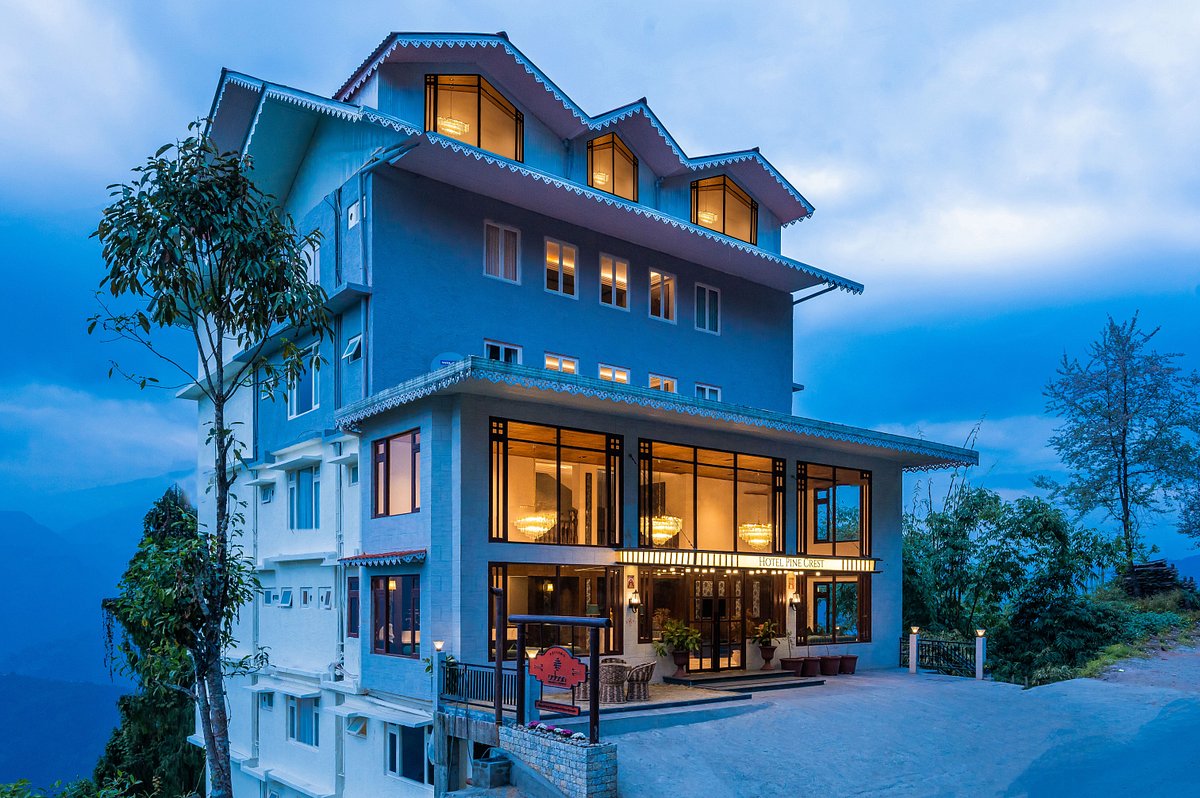
Hotels and guesthouses are clean, comfortable, and generally offer excellent service. Most accommodations offer spectacular mountain views. The best accommodations get booked well in advance during peak season (March-June and October-November).
Food in Sikkim
Sikkim's cuisine reflects its diverse cultural heritage. Popular dishes include momo (steamed dumplings), thukpa (noodle soup), thentuk (local noodle dish), and various preparations using local ingredients like fermented soybeans (kinema) and bamboo shoot.
Gangtok has numerous restaurants serving Sikkimese, Tibetan, North Indian, and Continental cuisine. Don't miss trying the local chhang (a mild millet beer) and various tea preparations.
How to Reach Sikkim
By Air
The nearest airport is Bagdogra in West Bengal, approximately 124 kilometers from Gangtok. Bagdogra has regular flights from major Indian cities. From the airport, taxis and shared cabs are available to Gangtok (approximately 4-5 hours drive).
By Train
The nearest railway stations are New Jalpaiguri and Siliguri in West Bengal, approximately 125 kilometers from Gangtok. Both stations are well connected to major Indian cities. From the stations, taxis and shared cabs are available to Gangtok.
By Road
Gangtok is well connected by road to Siliguri, Darjeeling, and Kalimpong. Shared taxis and buses run regularly from Siliguri to Gangtok.
Travel Tips for Sikkim
Carry valid ID proof for permits - Indian nationals need Aadhaar card or voter ID for Protected Area Permits. Foreign nationals need passports and visas. Arrange permits in advance through registered tour operators.
Respect local customs - monasteries are sacred places, dress modestly, remove shoes before entering, and ask permission before photographing rituals. Sikkimese people are warm and hospitable - reciprocate the respect.
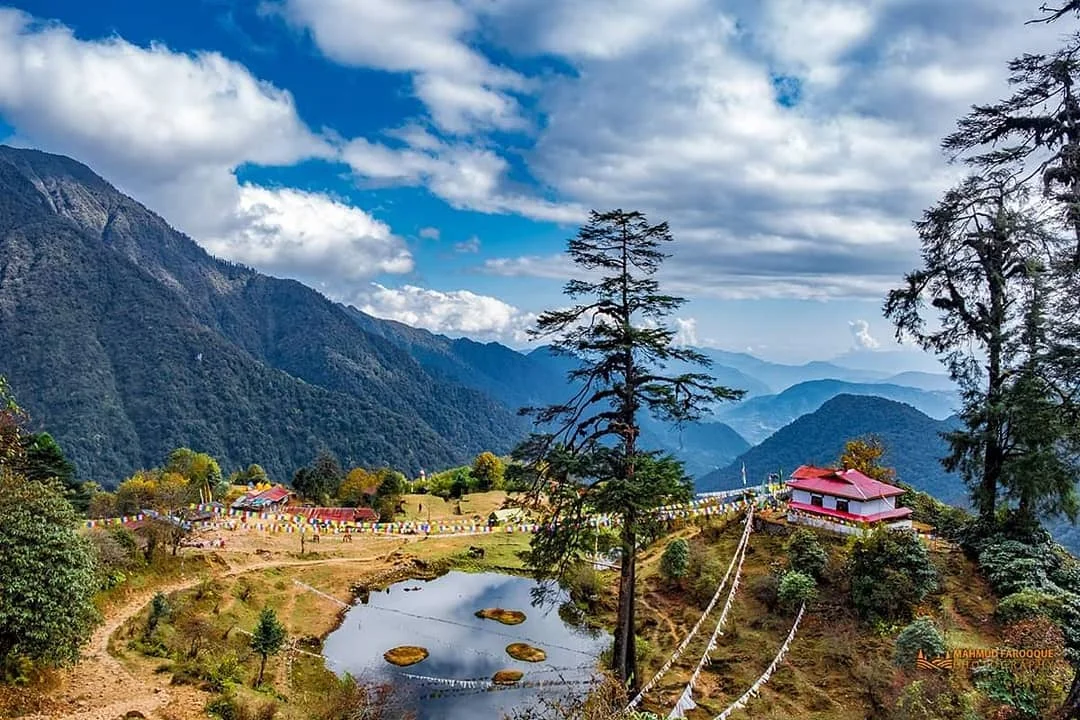
Altitude can be an issue - North Sikkim and many treks involve altitudes above 4,000 meters. Acclimatize properly, stay hydrated, and don't exert yourself during the first day. Be aware of AMS symptoms and descend if experiencing severe symptoms.
Conclusion
Sikkim truly is a Himalayan paradise, offering a perfect blend of natural beauty, cultural richness, and adventure. Whether you're marveling at Kangchenjunga's snow-capped peaks, meditating in ancient monasteries, trekking through pristine landscapes, or simply soaking in the peaceful atmosphere, Sikkim delivers experiences that are both awe-inspiring and deeply enriching.
The state's commitment to environmental conservation, warm hospitality, and diverse attractions make it a destination that appeals to all types of travelers. Sikkim may be small in size, but it's huge in heart and rewards visitors with experiences that last a lifetime.
Location
Frequently Asked Questions
Q1.What is the best time to visit Sikkim?
Q2.How many days are enough for Sikkim?
Q3.Is a permit required for Sikkim?
Q4.Is Nathula Pass open for tourists?
Q5.Can we see Mount Everest from Sikkim?
Q6.Is Sikkim safe for tourists?
Q7.What is the famous food of Sikkim?
Q8.Is Indian SIM working in Sikkim?
Recommended For You
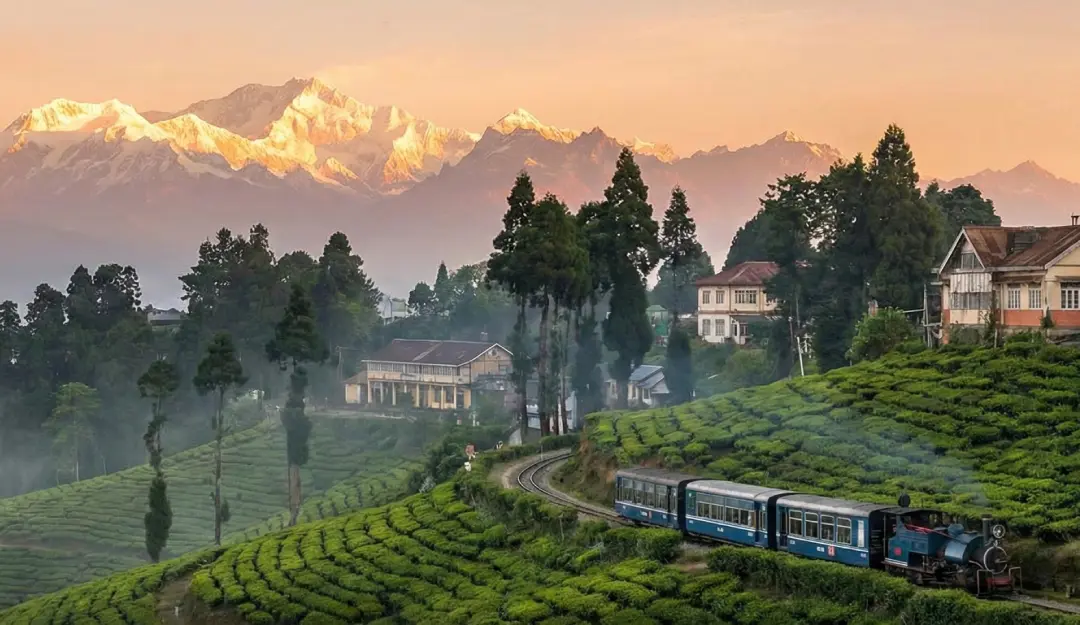
Darjeeling: Complete Travel Plan Places And Weather
Plan your Darjeeling trip with practical one-day, two-day, and three-day itinerary templates, best season guidance, budget tips, and local transport planning.
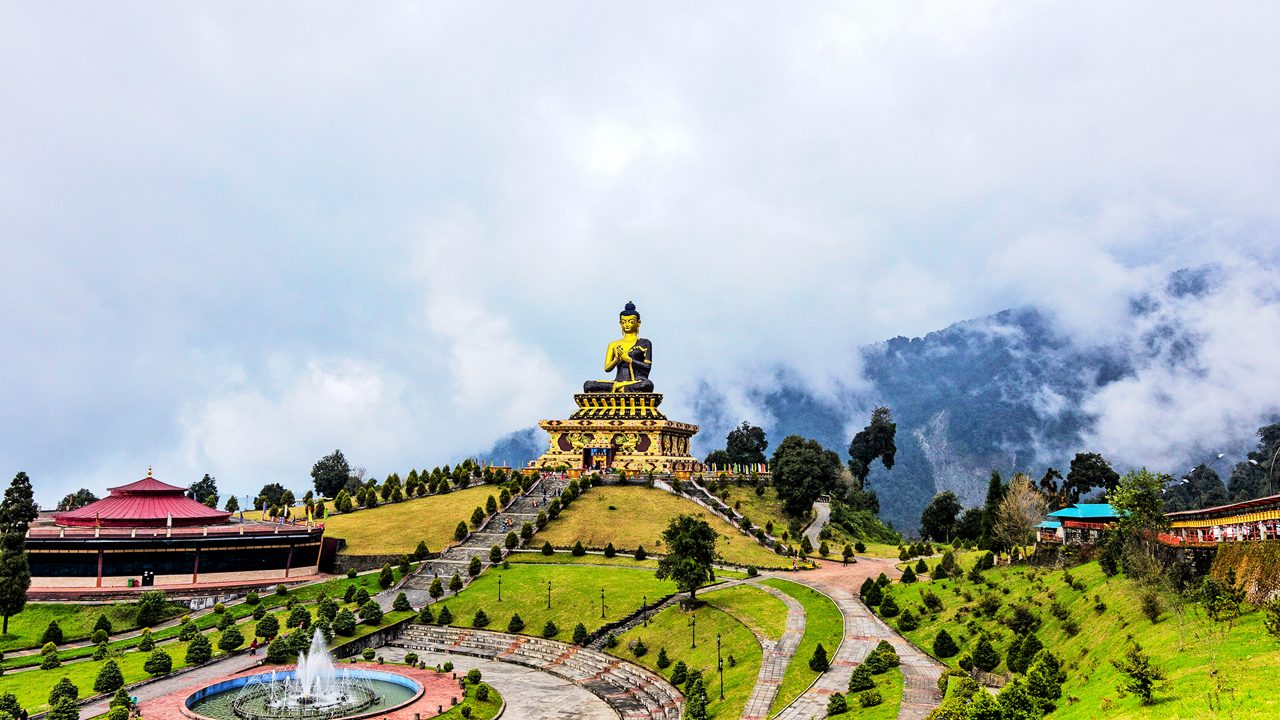
Kalimpong: Complete Travel Plan Places And Weather
Plan your Kalimpong trip with practical 1-3 day itinerary templates, season strategy, route planning, and budget-focused travel tips.
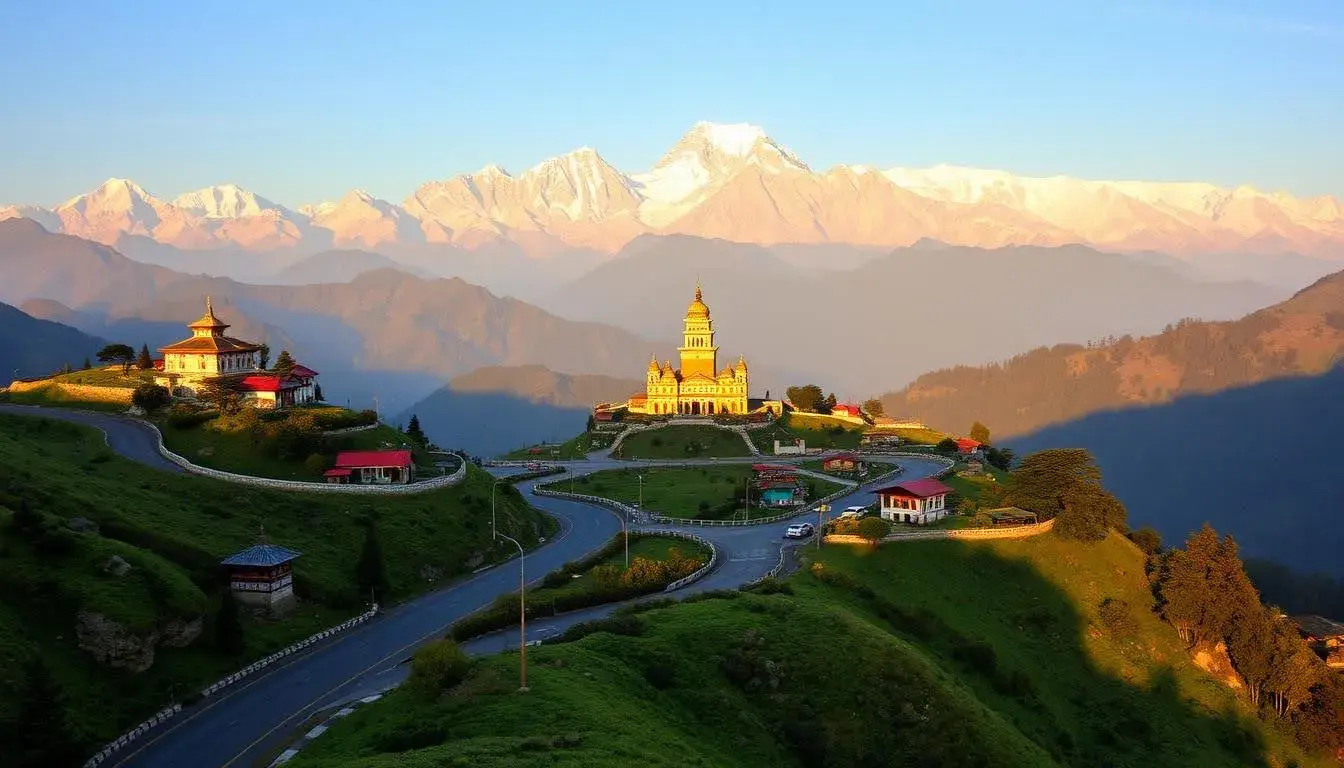
15 Best Places to Visit in Gangtok: Monasteries, Lakes & Ropeways
Explore the best places to visit in Gangtok including Tsomgo Lake, Nathula Pass, Rumtek Monastery, MG Marg, and practical permit-aware travel tips.
Never Miss an Adventure
Get the latest trekking guides, travel tips, and exclusive offers delivered straight to your inbox.
