
Fotu La Ladakh Travel Guide: Route, Altitude, Safety, and Best Time

Rahul Garg
February 25, 2026
A practical Fotu La Ladakh guide covering altitude, route planning, road safety, timing strategy, and itinerary integration for smoother mountain travel.
Introduction
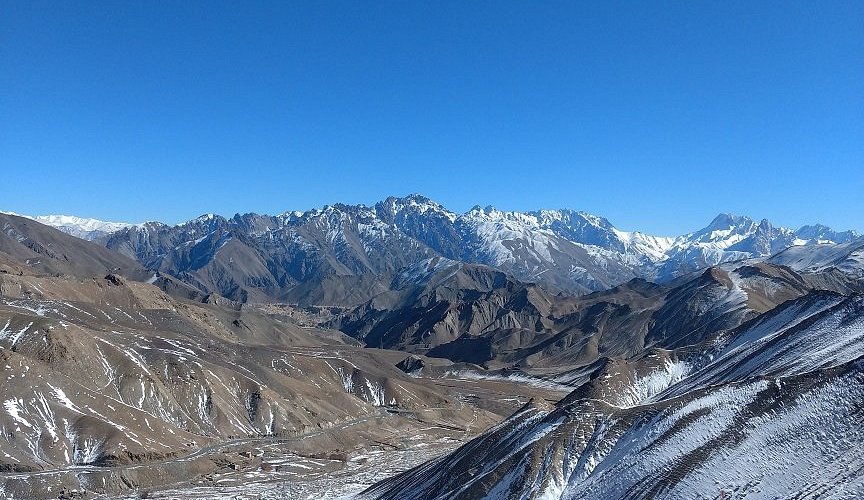
Fotu La is one of Ladakh’s key high-mountain passes and an important segment on the Leh-Kargil corridor. Many travelers cross it while moving between major destinations, but very few understand how to plan this section safely and efficiently. Because the pass is often embedded inside longer drive days, people underestimate fatigue, weather shifts, and acclimatization impact. This guide focuses on practical execution: what Fotu La is, where it sits in route flow, how to prepare, what to expect on road, and how to combine it with nearby landmarks without overloading the day. If you are doing a larger circuit, align this with Leh Ladakh bike trip guide and Lamayuru Moonland Ladakh so your pass crossing is structured, not improvised.
Where Fotu La Sits in the Ladakh Network
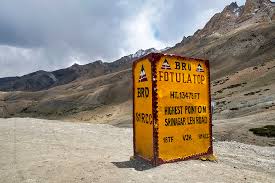
Fotu La lies on National Highway segments connecting Leh side to Kargil direction and is frequently paired with Namika La in route discussions. For travelers, this is not just a scenic point; it is a functional high-altitude transition zone that affects both timing and physical comfort. If your trip includes multiple high points in a short window, Fotu La can feel harder than expected due to cumulative fatigue from previous days. Treat this pass as an operational checkpoint: hydrate, assess weather, and avoid unnecessary rush. The best pass experiences are usually achieved when drivers and riders keep steady pace instead of chasing aggressive schedules. Route realism matters more than speed in Ladakh.
Altitude and Acclimatization Reality
Fotu La sits at significant altitude where oxygen levels are lower than lowland travelers are used to. Even if you are not trekking, long hours on mountain roads plus altitude can trigger headache, low appetite, or fatigue if acclimatization is poor. Do not plan this pass in the first 24 hours of arriving in Leh. Keep at least basic acclimatization time before major crossings. Maintain hydration, avoid heavy oily meals before early departures, and keep breathing pace steady during short stops. If anyone in your group shows persistent symptoms, reduce exertion and prioritize descent and rest. Altitude issues are manageable when treated early, but problematic when ignored. Sensible pacing is your best safety tool.
Best Time to Cross Fotu La
May to September is generally the most practical season for stable crossings and broader road accessibility. Early and late shoulder periods can still be feasible depending on yearly weather patterns, but always verify local road status before departure. Monsoon impact in Ladakh differs from plains but road disruption can still happen due to landslide-prone sections in connected corridors. Morning departures are strongly recommended because they leave buffer for delays and reduce risk of finishing difficult stretches after dark. Avoid planning back-to-back long mountain days without recovery, especially if your itinerary also includes remote lake sectors. A conservative plan keeps both safety and trip quality higher.
Road Conditions and Driving Tips
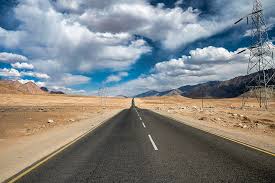
Road quality near pass sectors can vary from smooth stretches to rough patches depending on maintenance and weather. Sharp curves, loose gravel, and occasional oncoming heavy vehicles require disciplined driving. For self-drive cars, engine braking discipline and cautious overtaking behavior are essential. For riders, layered clothing, wind protection, and break planning are critical because cold wind and altitude fatigue compound over time. Keep fuel strategy clear and do not assume every segment has timely support services. Start with a full tank where possible. If you are in a convoy, keep adequate spacing and avoid pressure driving. The mountain road rewards patience and punishes ego.
What to Expect at the Pass Stop
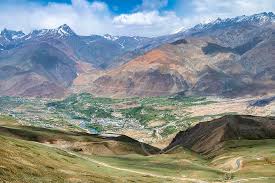
Most travelers stop for photos at signage and viewpoint sections, but halt duration should be controlled in harsh wind conditions. Keep stop focused, take photos quickly, and return to vehicle warmth if weather turns. Do not wander too far on unstable shoulders or attempt risky positioning for shots. A short, disciplined stop is better than a long exposed halt that drains energy for the rest of the day. If your group includes seniors or first-time altitude travelers, keep movement gentle and avoid sudden exertion. This is a transit pass, not a long exploration zone. Use it to observe, respect, and move forward safely.
How to Combine Fotu La with Nearby Stops
Fotu La works well with route-side highlights when sequencing is smart. Travelers often combine this corridor with monastery and landscape stops. Keep total daily stop count limited and prioritize one major cultural stop plus one scenic pause. Overloading ten points into one day usually reduces quality everywhere. For better cultural layering, connect this day with Alchi Monastery Ladakh or with broader valley narratives through Tso Kar Lake Ladakh on separate days. Good Ladakh itineraries are built on geographic logic, not social-media checklists.
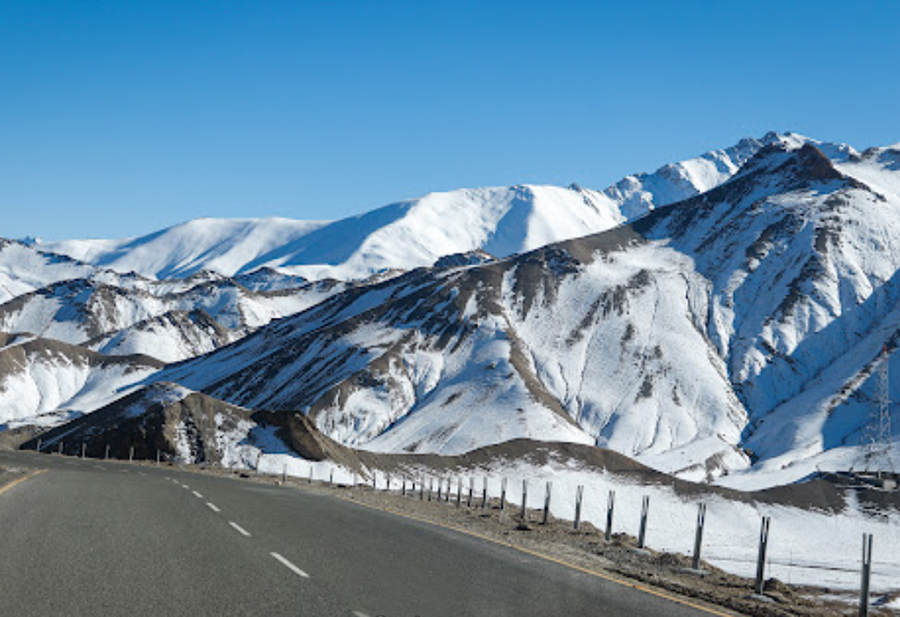
Photography and Stop Management
Fotu La viewpoints are visually strong, but do not let photography overrun safety discipline. Keep one quick wide frame, one pass-signage frame, and one road perspective frame, then move. Long exposure to wind in thin-air conditions drains energy quickly, especially for people already fatigued from multiple travel days. If weather looks unstable, shorten stop and continue. The best photo strategy in Ladakh is consistent, short, and safe, not maximal and risky.
Transit Day Energy Management
A practical pass day is built around energy conservation. Keep breakfast light but sufficient, hydrate before starting, and avoid long fasting windows between stops. Small breaks every 90-120 minutes help maintain alert driving and reduce headache risk. If your route includes additional pass segments or longer descents, avoid late-evening overdrive and reach halt town with daylight margin. Travelers who manage energy well usually complete more of Ladakh safely and enjoy the landscapes better, because fatigue no longer dictates every decision.
Weather Windows and Decision Discipline
One of the most useful habits on Fotu La route days is making clear go-or-delay decisions before leaving each halt point. If sky conditions are deteriorating, avoid optimistic assumptions and update your timing immediately. A thirty-minute delay at the right location is better than a stressful push through poor visibility. Group leaders should communicate route expectations clearly so no one feels forced to continue when fatigue is visible. This decision discipline keeps travel safe and protects the experience quality for everyone in the vehicle.
Safety Checklist Before Crossing
Start early, keep weather check updated, carry water and dry snacks, maintain warm layering, and keep emergency contacts accessible offline. Ensure basic medicine kit is in vehicle and every rider has weatherproof gloves and eyewear. Avoid alcohol and sleep deprivation before long pass days. If visibility drops significantly, reduce speed and avoid risky overtakes. Never force schedule under pressure from hotel check-in or social plans. In Ladakh, safety-first timing decisions save trips. A pass crossing is successful when everyone reaches safely and with enough energy for the next day.
Conclusion
Fotu La is a high-value mountain segment in Ladakh that deserves planning respect, not casual crossing behavior. With early start, acclimatization discipline, realistic stop strategy, and controlled driving, this pass becomes one of the most memorable and smooth parts of your route. Plan by weather and stamina, not by ego or haste, and your Fotu La day will add confidence and depth to the entire Ladakh journey. Travelers who preserve discipline here usually improve decision quality for the remaining Ladakh route as well.
Location
Frequently Asked Questions
Q1.Is Fotu La difficult to cross for first-time Ladakh travelers?
Q2.When is the best season for Fotu La pass crossing?
Q3.Can Fotu La be combined with monastery visits in one day?
Q4.How high is Fotu La and why is it significant?
Q5.Are there facilities available at Fotu La for travelers?
Recommended For You
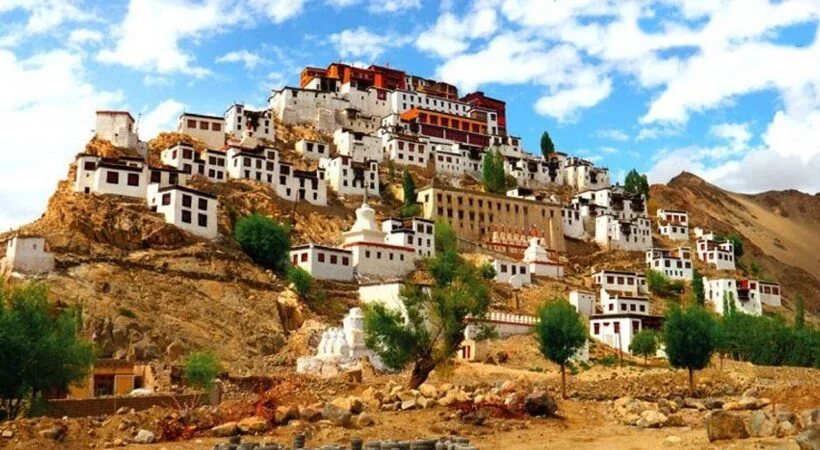
Alchi Monastery Ladakh: Murals, Timings & Travel Information
Explore Alchi Monastery Ladakh – the oldest monastery in Ladakh with 1000-year-old paintings. Complete guide with history, timings, entry fee & travel tips.
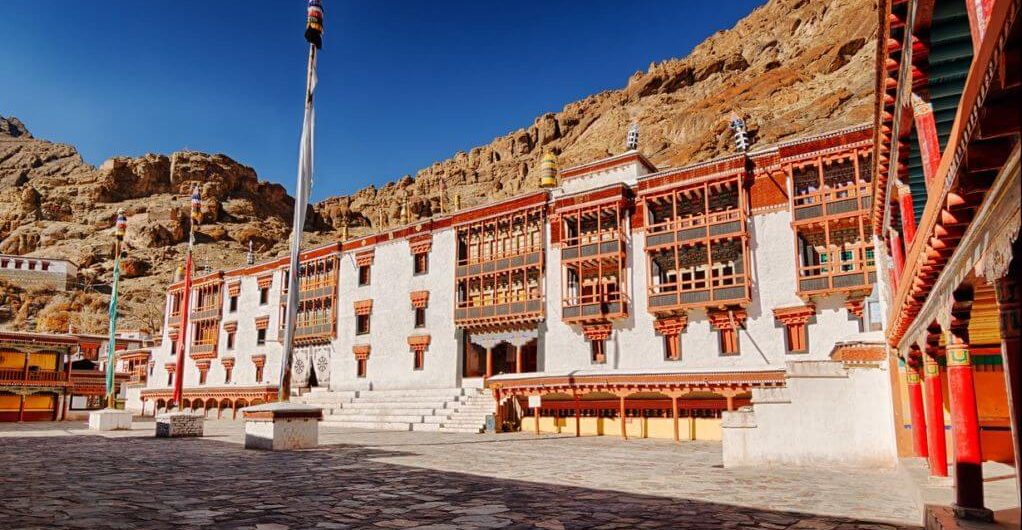
Hemis Monastery Ladakh: Festival, Timings & How To Reach
Visit Hemis Monastery in Ladakh! Get Hemis Festival dates, timings, history, how to reach from Leh, and complete travel guide to this largest monastery.
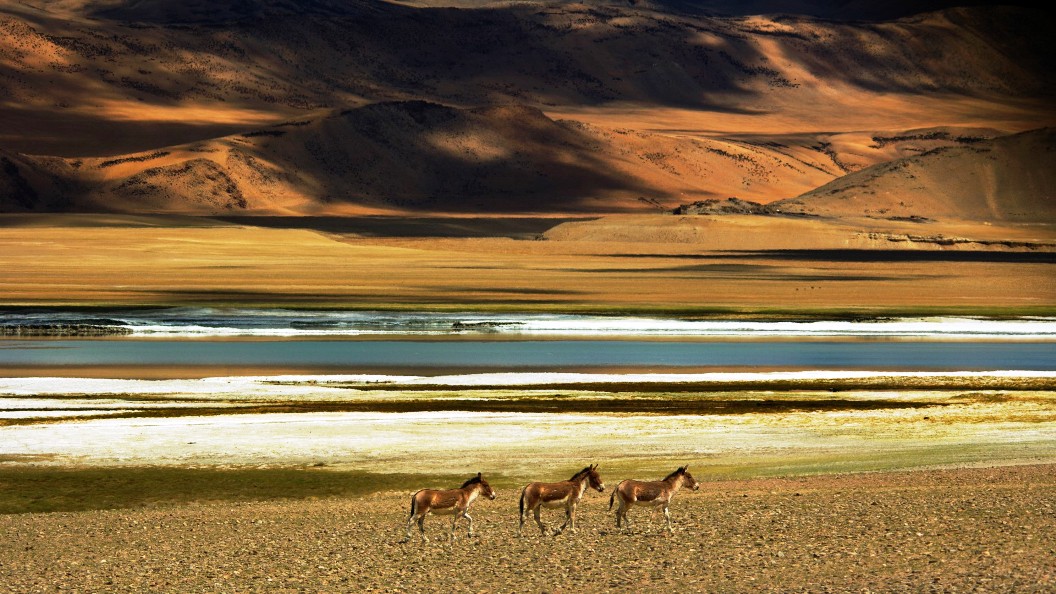
Tso Kar Lake Ladakh: Travel Guide, Camping & Access
Plan Tso Kar Lake Ladakh with route options from Leh, camping reality, best season, wildlife highlights, permit checks, and high-altitude safety tips.
Never Miss an Adventure
Get the latest trekking guides, travel tips, and exclusive offers delivered straight to your inbox.
