
Hemis Monastery Ladakh: Festival, Timings & How To Reach

Rahul Garg
November 30, 2025
Visit Hemis Monastery in Ladakh! Get Hemis Festival dates, timings, history, how to reach from Leh, and complete travel guide to this largest monastery.
Ladakh's Largest and Most Sacred Monastery
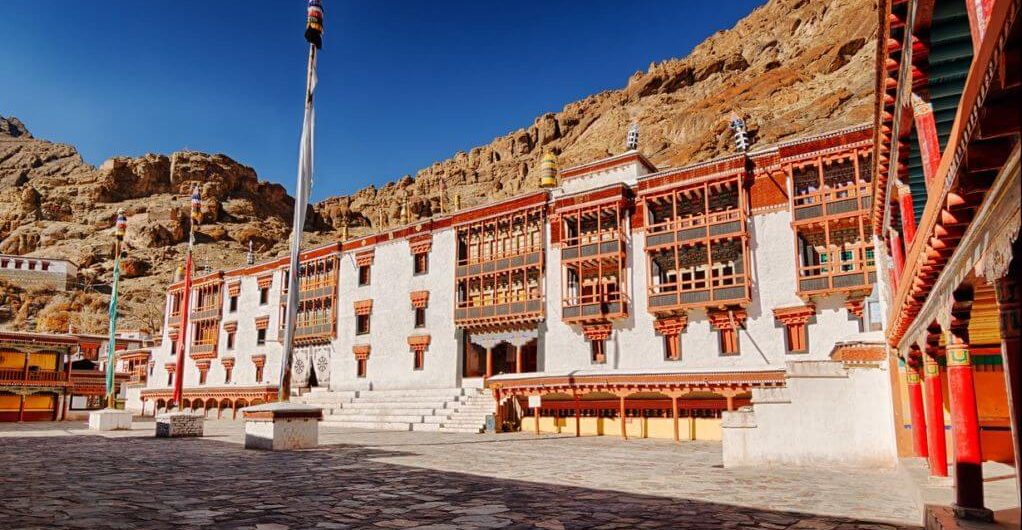
>Hidden in a Himalayan valley, 45 kilometers southeast of Leh, lies Hemis Monastery—the largest, wealthiest, and most significant gompa in Ladakh. Dating back to 1630, this Tibetan Buddhist monastery is not just a spiritual center but a living repository of art, culture, and religious traditions that have flourished here for nearly four centuries.Hemis is unlike any other monastery in Ladakh. It's here that the famous Hemis Festival is held every summer, drawing thousands of visitors who come to witness the sacred Cham dance performed by masked monks. The monastery belongs to the Drukpa Kagyu order of Tibetan Buddhism and houses an impressive collection of thangkas (religious paintings), statues, and artifacts.
For travelers journeying through Ladakh, Hemis offers an immersive experience of Tibetan Buddhist culture. Whether you're here for the spectacular festival, seeking spiritual solace, or simply exploring the region's rich heritage, Hemis Monastery leaves an indelible impression on all who visit.
Hemis Festival Dates and Celebration
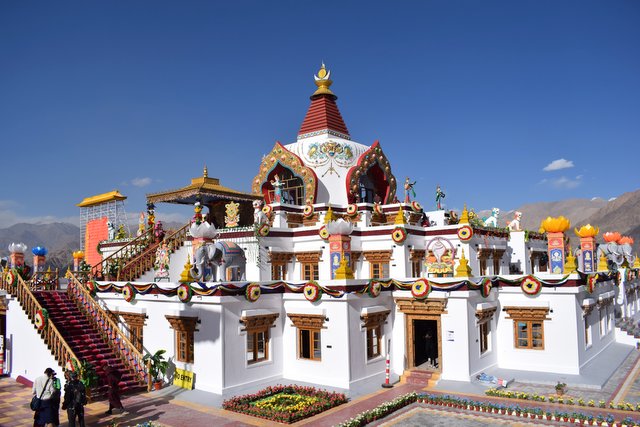
>The Hemis Festival is the monastery's most famous attraction, celebrating the birth anniversary of Guru Padmasambhava, the Indian sage who brought Buddhism to Tibet. Also known as the Hemis Tsechu, this two-day festival typically falls in June or July (dates vary according to the Tibetan lunar calendar).Festival Schedule:
- Date: 15th-16th June (Tibetan 10th day of the 5th monkey month)
- Duration: 2 days (main celebration on Day 1)
- Timing: Morning 9 AM - Afternoon 3 PM
- Best Viewing: Arrive early for front-row seats
The Sacred Cham Dance:
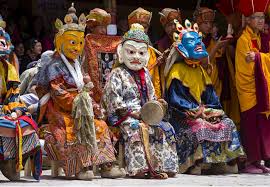
>The highlight of the festival is the Cham dance—a sacred ritual dance performed by monks wearing elaborate masks and colorful costumes. The dance depicts the victory of good over evil and tells stories from Tibetan Buddhist mythology. Each movement has symbolic meaning, and the performance is both visually spectacular and spiritually significant.The dancers wear masks representing various deities, demons, and animals. The music includes traditional instruments like drums, cymbals, and long horns (dungchen). The energy of the performance, combined with the sacred setting, creates an unforgettable experience.
What to Expect:
- Crowded monastery grounds with thousands of visitors
- Monks in elaborate costumes performing for 3-4 hours
- Photography allowed in designated areas
- Local vendors selling food, souvenirs, and tea
- Traditional music and chanting throughout the day
Tips for Festival Visitors:
- Book accommodation well in advance
- Arrive by 8 AM for good viewing spots
- Carry water, snacks, and sun protection
- Respect the religious nature of the ceremony
- Avoid blocking others' views during photography
Hemis Monastery Timings and Entry
Outside the festival period, Hemis Monastery welcomes visitors daily with specific timings:
Regular Timings (Non-Festival):
- Morning Prayers: 7:00 AM - 9:00 AM
- Main Visit Hours: 9:00 AM - 5:00 PM
- Evening Prayers: 5:00 PM - 7:00 PM
- Lunch Break: 12:00 PM - 2:00 PM
- Weekly Holiday: Monday
Festival Timings:
- Cham Dance: 9:00 AM - 12:00 PM (Day 1)
- Rituals: 2:00 PM - 4:00 PM (Afternoon ceremonies)
- Crowd Control: Limited entries after capacity reached
Entry Fees:
- Indians: ₹50 per person
- Foreigners: ₹100 per person
- Photography: ₹50 extra for camera
- Video Recording: ₹100 extra (if permitted)
- Students: ₹25 with valid ID
Best Time to Visit Hemis Monastery
Choosing when to visit Hemis depends on your priorities:
Summer (June-September):
- Weather: Pleasant 10-25°C
- Advantage: Hemis Festival, full access to all areas
- Crowd: High during festival, moderate otherwise
- Best For: Festival experience, photography, monastery fully operational
Autumn (October-November):
- Weather: Cool 0-15°C
- Advantage: Clear views, fewer tourists
- Crowd: Low
- Best For: Spiritual retreat, quiet meditation, budget travel
Winter (December-May):
- Weather: Freezing -10 to -5°C, possible snow
- Advantage: Snow-capped landscapes, no crowds
- Crowd: Very low
- Best For: Monastic experience, winter photography, adventurous travelers
How to Reach Hemis Monastery from Leh
Getting to Hemis is part of the Ladakh adventure:
By Road (Most Common):
- Distance: 45 km from Leh
- Route: Leh - Khardung La Road - Hemis
- Duration: 1.5 - 2 hours drive
- Road Condition: Good, mostly paved with some rough patches
- Vehicle: SUV recommended for comfort, cars work fine
By Public Transport:
- Taxi: ₹1500-2000 round trip (negotiable)
- Shared Taxi: Available from Leh bus stand (₹300 per person)
- Frequency: Morning departure only
- Return: Same day or next day
Private Tours:
- Full Day Tour: Includes Thiksey, Shey, and Hemis
- Price: ₹2500-3000 for group tour
- Inclusions: Transport, guide, lunch
- Duration: 6-8 hours
History and Spiritual Significance
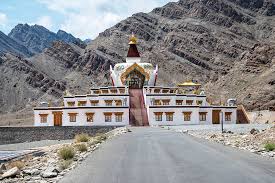
Hemis Monastery, also known as Hemis Gompa, was founded in 1630 by Stagsang Raspa under the patronage of King Sengge Namgyal of Ladakh. The monastery belongs to the Drukpa Kagyu school of Tibetan Buddhism, one of the sarma (new translation) schools of Tibetan Buddhism.
Historical Background:
>The monastery's location was carefully chosen in the Hemis region, considered sacred due to its natural beauty and spiritual energy. The name 'Hemis' is derived from the region itself. Over the centuries, the monastery has survived invasions, harsh weather, and political changes to remain Ladakh's most important spiritual center.Spiritual Importance:
>Hemis is dedicated to Guru Padmasambhava (also known as Guru Rinpoche), the 8th-century Indian master who played a crucial role in establishing Buddhism in Tibet. The monastery houses a famous statue of Guru Padmasambhava, and the festival celebrates his birth and contributions.Current Status:
>Today, Hemis remains an active monastery with over 200 monks in residence. It continues to serve as a center for Buddhist learning, meditation, and religious practice. The monastery also runs a school for young monks, preserving traditions for future generations.Monastery Architecture
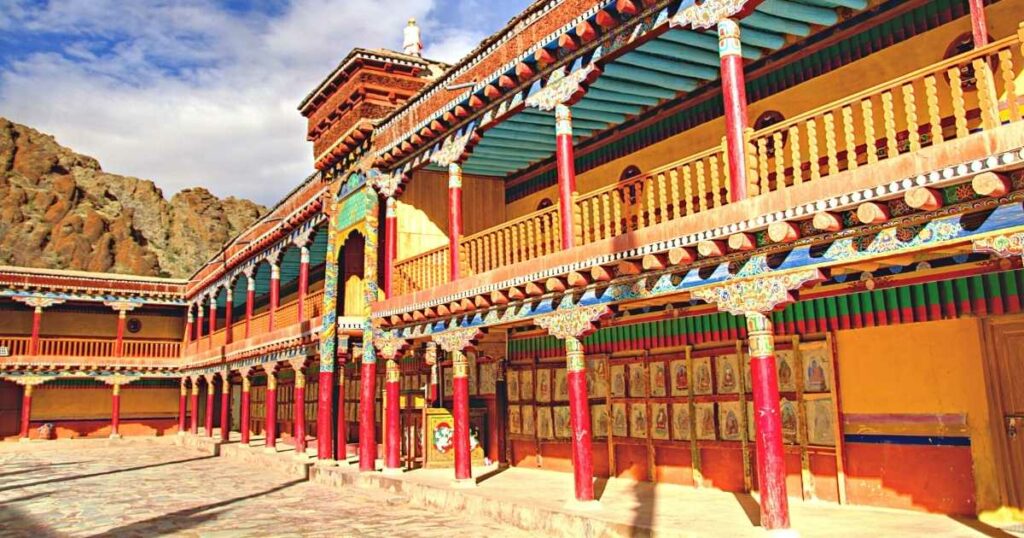
Hemis Monastery showcases traditional Tibetan Buddhist architecture adapted to the Himalayan environment:
Overall Structure:
- Style: Traditional Tibetan monastery design
- Layout: Multi-level complex with central courtyard
- Materials: Stone, wood, and mud construction
- Color: White walls with red and gold accents
- Orientation: East-facing for morning prayers
Key Buildings:
- Main Temple (Dukhang): Central prayer hall with Guru Padmasambhava statue
- Assembly Hall: For religious ceremonies and Cham dance
- Monastic Quarters: Living quarters for monks
- Courtyard: Central gathering space for ceremonies
- Library: Sacred texts and manuscripts
Architectural Features:
- Colorful prayer flags fluttering in the wind
- Intricate murals depicting Buddhist deities
- Large prayer wheels with mantras inside
- Traditional Tibetan windows and decorative elements
- Stupas (chortens) containing relics
Museum and Sacred Artifacts
Hemis Monastery houses an impressive collection of sacred artifacts, many of which are displayed in its museum:
Notable Artifacts:
- Golden Statue: 5-meter tall statue of Guru Padmasambhava
- Thangka Paintings: Sacred Buddhist scrolls dating back centuries
- Bronze Statues: Various Buddhist deities and bodhisattvas
- Copper Chorten: Relic containing sacred remains
- Ancient Manuscripts: Buddhist scriptures written in Tibetan
The Largest Thangka:
>Hemis is famous for housing the largest thangka in Ladakh. This enormous silk embroidery depicting Guru Padmasambhava is displayed only once every 12 years during the special Hemis festival. The thangka is so large it requires several monks to carry it.Museum Information:
- Language: Tibetan with English explanations
- Photography: Permitted in museum areas
- Time Required: 30-45 minutes visit
- Accessibility: Some stairs, moderate fitness needed
Nearby Attractions
Combine your Hemis visit with nearby attractions. Thiksey Monastery is the most popular pairing thanks to its dramatic 12-story hillside complex, while travelers building a broader gompa circuit often add Spituk Gompa on the way back into Leh.
Thiksey Monastery:
- Distance: 17 km from Hemis
- Time: 30 minutes drive
- Highlight: 12-story complex resembling Potala Palace
- Visit Time: 1-2 hours
Shey Palace:
- Distance: 25 km from Hemis
- Time: 45 minutes drive
- Highlight: Former royal palace with giant Buddha statue
Stok Palace:
- Distance: 35 km from Hemis
- Time: 1 hour drive
- Highlight: Current royal residence with museum
Indus Valley Viewpoint:
- Distance: 8 km from Hemis
- Time: 15 minutes drive
- Highlight: Panoramic views of Indus River and valley
Photography Guidelines
Capture Hemis's beauty respectfully:
Allowed:
- Personal photography without flash inside temple
- Exterior photography of monastery and surroundings
- Courtyard and ceremony areas (except during certain rituals)
Prohibited:
- Flash photography inside prayer halls
- Photography during certain sacred ceremonies
- Commercial photography without special permission
- Drone photography without prior approval
Best Photography Spots:
- Main Courtyard: Wide angle shots of monastery
- Mountain Views: Panoramic backgrounds with monastery
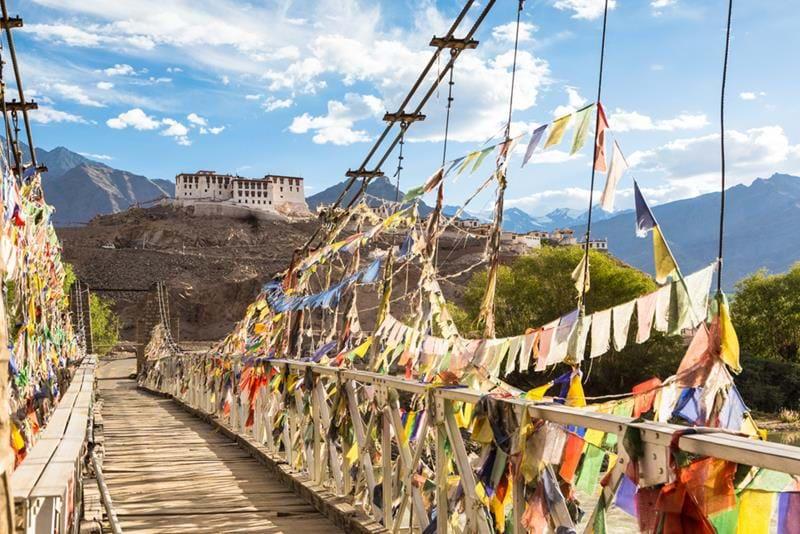
- Prayer Flags: Colorful displays against blue sky
- Monks Daily Life: Candid portraits (ask permission)
- Sunrise/Sunset: Golden hour lighting
Travel Tips and Practical Information
Altitude Considerations:
- Hemis is at 3,600m (12,000 feet) above sea level
- Rest before visiting if you've just arrived in Leh
- Stay hydrated and avoid strenuous activity initially
- Watch for altitude sickness symptoms
What to Pack:
- Warm clothing (even in summer, it gets cool)
- Comfortable walking shoes
- Sun protection (sunscreen, sunglasses, hat)
- Water bottle
- Camera with extra batteries
Accommodation:
- Leh: Wide range, 30 minutes away
- Hemis Village: Basic homestays available
- Monastery Guesthouse: Basic facilities (special arrangements needed)
- Luxury: Available in Leh city
Food and Facilities:
- Small restaurants near monastery
- Tea and snacks available during festival
- Basic restrooms available
- ATM: Not available, carry cash from Leh
Hemis Monastery offers a profound glimpse into Tibetan Buddhist culture and Ladakh's spiritual heritage. Whether you're witnessing the spectacular Hemis Festival, meditating in ancient prayer halls, or simply soaking in the Himalayan atmosphere, a visit to Hemis is a journey into both history and living tradition. As the largest and most significant monastery in Ladakh, it deserves a prominent place on any traveler's itinerary to this remarkable region. For a fuller picture of how Hemis fits into the region's monastic network, see our overview of Monasteries in Ladakh, and if your trip includes the Nubra or Pangong side, check Hanle Monastery for one of the more remote high-altitude gompas in the region.
Location
Frequently Asked Questions
Q1.What is Hemis Monastery famous for?
Q2.When is the Hemis Festival celebrated?
Q3.What are Hemis Monastery timings?
Q4.How much is Hemis Monastery entry fee?
Q5.How to reach Hemis Monastery from Leh?
Q6.What happens during the Hemis Festival?
Q7.How long is the Hemis Festival celebration?
Q8.What is the altitude of Hemis Monastery?
Recommended For You
Leh Ladakh Family Trip: Itinerary, Acclimatization & Kid-Friendly Stops
Plan a safe family trip to Leh Ladakh with kids. Best time, itinerary, acclimatization tips & child-friendly activities included.
Leh to Changthang Bike Trip: Route & Itinerary
Ultimate guide to Leh to Changthang bike trip. Route via Hanle, Tso Moriri, Tso Kar. Itinerary, road conditions, permits & preparation.
Acute Mountain Sickness in Ladakh: Prevention
Complete guide to Acute Mountain Sickness in Ladakh. Learn symptoms, prevention, medicines, acclimatization tips & safety measures for high-altitude travel.
Never Miss an Adventure
Get the latest trekking guides, travel tips, and exclusive offers delivered straight to your inbox.
