
Tso Kar Lake Ladakh: Travel Guide, Camping & Access

Neha Kapoor
November 16, 2025
Plan Tso Kar Lake Ladakh with route options from Leh, camping reality, best season, wildlife highlights, permit checks, and high-altitude safety tips.
Introduction: The White Lake of Ladakh's Changthang
Tso Kar Lake Ladakh is one of the most distinctive high-altitude landscapes in the Changthang region. Often called the "White Lake" because of visible salt deposits around the margins, Tso Kar offers a very different experience from mainstream Ladakh lake circuits. It is quieter than Pangong in most seasons, ecologically sensitive, and deeply rewarding for travelers who want open plateau views, wetland birdlife, and a remote cold-desert atmosphere.
This is not a resort-style destination. Infrastructure is limited, weather is harsh, and route conditions can change rapidly with wind, temperature, and road status. But for responsible travelers, that is exactly the appeal. Tso Kar gives you raw Himalayan scale without heavy commercialization, especially if you plan route timing, acclimatization, and stay logistics properly.
This guide covers location and altitude facts, ecological significance, camping and homestay options, best season, how to reach from Leh, permit reality, wildlife notes, and practical safety tips. If you want a route-first and realistic Tso Kar plan, start here.
About Tso Kar Lake: Location, Altitude, and Core Facts
Tso Kar lies in the Rupshu-Changthang belt of southeastern Ladakh and is commonly cited around 4,530 meters (14,860 feet) above sea level. It forms part of a broader wetland-lake complex that includes hypersaline and freshwater components in close proximity, which is one reason the area is ecologically important.
| Attribute | Typical Reference | Why It Matters |
|---|---|---|
| Altitude | ~4,530 m | High AMS risk if rushed |
| Lake type | Saline/fluctuating system | Unique salt-edge landscape |
| Region | Rupshu, Changthang | Remote high-altitude travel zone |
| Nearest route hubs | Leh, Upshi, Debring, Puga side routes | Route planning is essential |
Official wetland references and Ramsar data emphasize that this landscape is not just scenic but biodiversity-relevant. Treat it as a sensitive habitat, not a casual roadside photo point.
Geography and Formation: Why Tso Kar Looks So Different
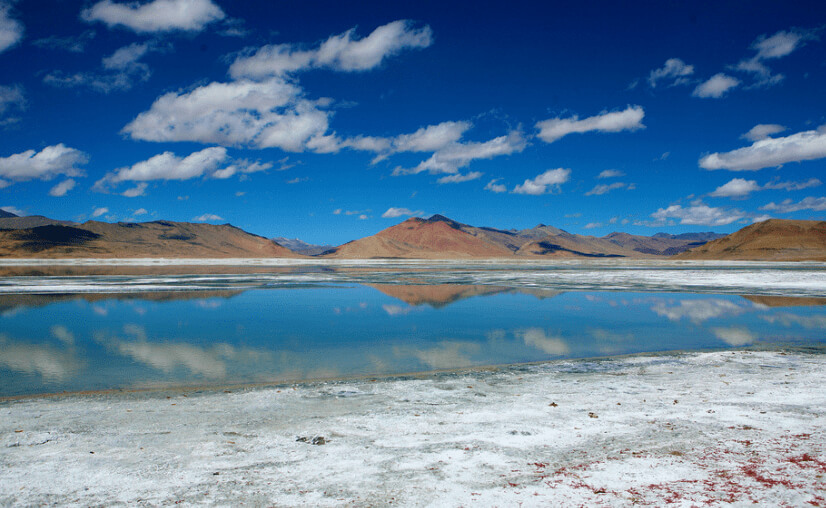
Tso Kar is part of an endorheic high-altitude basin where water has no major outflow to the sea. Evaporation and mineral concentration produce saline characteristics and visible white crust patches in some sections. This gives the lake its famous "white" identity and stark visual contrast against brown mountains and blue skies.
The broader complex includes connected or adjacent wetland areas and freshwater components such as Startsapuk Tso, creating ecological diversity uncommon for such harsh terrain. Seasonal water spread can change, so the same viewpoint can look very different across months.
- Summer and early autumn may show broader open-water and marsh activity.
- Colder months bring freeze conditions and tougher approach windows.
- Wind exposure is strong; weather can feel much colder than forecasted temperature.
This is why flexible expectations matter. Tso Kar is dynamic, not static.
Wildlife and Birdwatching at Tso Kar
Tso Kar is one of Ladakh's most important birding landscapes and a key stop for migratory and breeding species in the high plateau ecosystem. The area has often been highlighted for black-necked crane breeding presence in suitable season windows, along with geese, gulls, and other high-altitude avifauna.
What You May See (Season and luck dependent)
- Black-necked crane (sensitive and protected species).
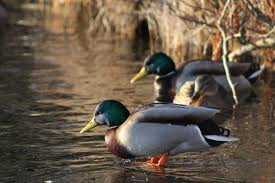
- Bar-headed geese and other migratory water birds.
- High-altitude raptors and occasional mammal movement in surrounding plains.
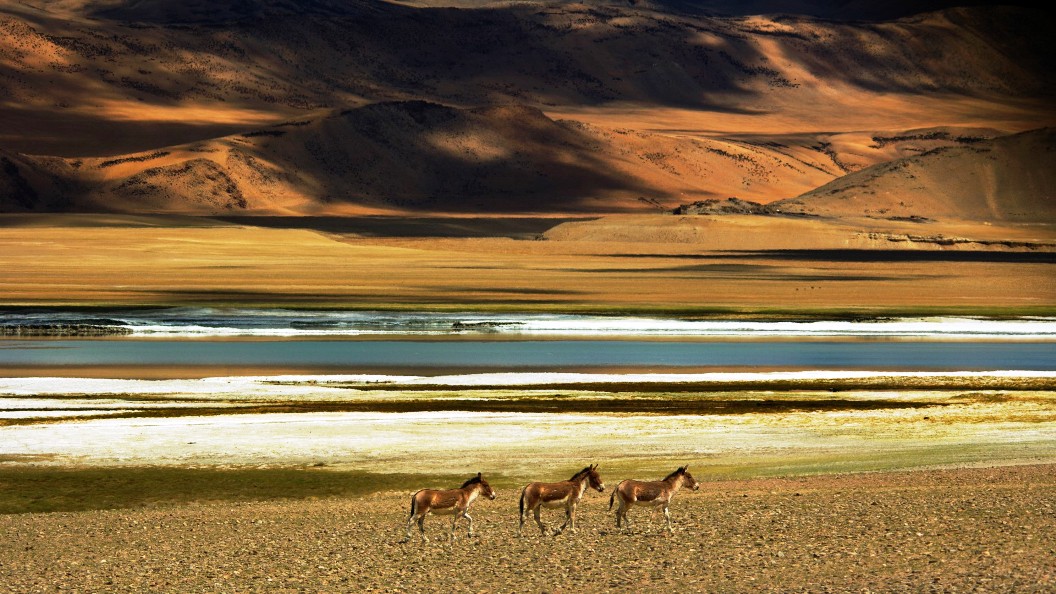
- Kiang (Tibetan wild ass) sightings in Changthang sectors.
Responsible wildlife behavior is mandatory: no loud noise, no chase photography, no drone disturbance in sensitive areas unless legally cleared. Carry binoculars and maintain distance.
For broader eco-context, you can pair this with wildlife of Ladakh and Hemis National Park Ladakh reading.
Camping and Accommodation Options
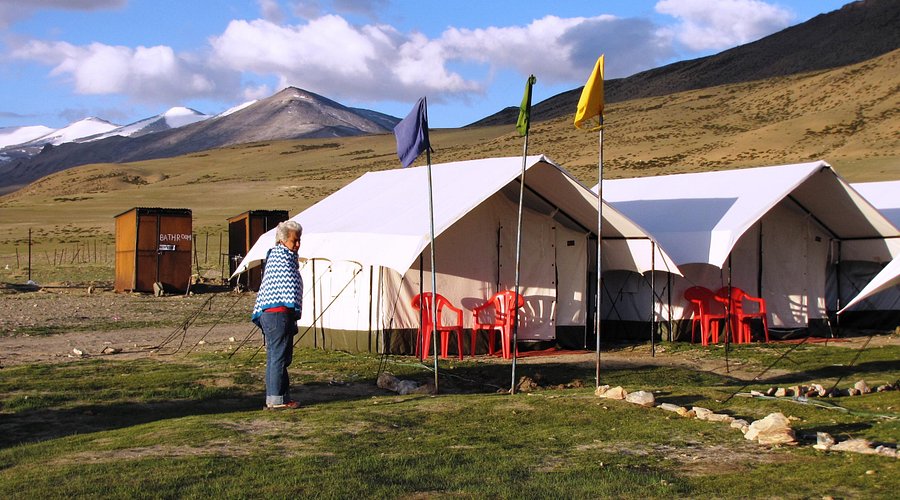
Accommodation around Tso Kar is limited and basic compared to Leh-town hotels. Depending on season, you may find fixed camps, seasonal tent setups, and simple homestay-style options in nearby settlements. Do not expect luxury-level utility continuity in all properties.
Common Stay Patterns
- Seasonal camps: better for direct landscape access, basic facilities.
- Village-side homestays: simpler comfort but cultural value and local meals.
- Same-day return: possible for some itineraries, but tiring if overpacked.
What to Clarify Before Booking
- Electricity availability and backup timing.
- Hot water policy and meal inclusions.
- Night temperature readiness (blankets/heating support).
- Vehicle parking and early-departure breakfast support.
If you are doing this as part of an extended circuit, combine with Ladakh by road planning for better stage-wise pacing.
Best Time to Visit Tso Kar Lake
For most travelers, the most practical season is late spring to early autumn when roads are generally more reliable and camps/homestays are operational. Exact windows still depend on yearly weather and route status.
- June to September: most common travel season.
- October: clear skies possible, colder nights and reduced services.
- Winter months: severe cold, high route uncertainty, limited tourist services.
Best Time of Day
- Morning and late afternoon usually offer better light.
- Midday can bring harsh glare and strong winds.
- Sunset sessions are beautiful but plan safe return timing.
If this is your first Ladakh trip, review best time to visit Ladakh before fixing dates.
How to Reach Tso Kar from Leh
Tso Kar is reachable by road from Leh via more than one routing style depending on your larger itinerary. A commonly used approach is Leh -> Upshi -> Tanglang La/Debring-side sectors -> Tso Kar area. Another circuit-oriented flow can include Tso Moriri and Puga side movement depending on road condition and permits.
Distance and Time Logic
- Expect a long high-altitude drive day from Leh.
- Travel time varies heavily by road condition, traffic, and weather.
- Early departure is strongly recommended.
Transport Options
- Private taxi (most reliable for route control).
- Bike rides for experienced high-altitude riders only.
- Self-drive SUVs possible but should not be attempted without mountain-route confidence.
For route sequencing, this reference helps: Leh Ladakh bike trip guide.
Permits and Checkpoint Reality
Ladakh inner-area travel policies can change, and permit procedures are now handled through the official Leh district tourist management portal. For many inner sectors, travelers should complete online permit/payment requirements and carry valid copies for check-post verification. Fee structures and instructions are published on the official permit platform and can update over time.
- Use official permit channels, not outdated screenshots.
- Carry identity documents and printed/digital permit copies.
- Confirm specific route eligibility with current local operator guidance.
- Keep one backup route in case of same-day restriction changes.
This related guide is useful for planning logic: permits for Ladakh road trip.
Tso Kar vs Tso Moriri: Quick Decision Framework
| If you prefer... | Better pick | Reason |
|---|---|---|
| Salt-lake texture + birding plains | Tso Kar | Unique saline wetland character |
| Classic large-lake visual drama | Tso Moriri | Broader open-water scenic profile |
| Combined remote circuit | Both | Best done in staged route planning |
If time allows, combining both with proper acclimatization gives the strongest Changthang experience.
High-Altitude Safety: Non-Negotiable Rules
At 4,500m+ zones, the main risk is not terrain difficulty but altitude physiology. Even fit travelers can develop AMS symptoms.
- Acclimatize in Leh before aggressive route days.
- Hydrate consistently and avoid alcohol before high sector push.
- Recognize early symptoms: headache, nausea, unusual fatigue, breathlessness.
- Do not force itinerary if symptoms worsen; descend early.
- Carry prescribed personal medication and emergency basics.
For symptom-level awareness, see acute mountain sickness in Ladakh.
Essential Packing Checklist
- Windproof and thermal clothing layers.
- UV sunglasses and sunscreen (high-altitude glare is intense).
- Water + electrolyte support.
- Energy snacks and personal medicine kit.
- Offline map backup and power bank.
- Cash buffer for low-connectivity areas.
Pack for weather volatility, not just forecast averages.
Sample 2-Day Practical Plan
Day 1
- Leh start with early departure.
- High-pass crossing and controlled halts.
- Arrival near Tso Kar zone, sunset/weather permitting.
- Overnight at camp or basic stay.
Day 2
- Morning birding/landscape session.
- Return toward Leh or continue circuit route.
- Keep flexible buffer for road/weather variability.
This paced structure is safer and more enjoyable than rushed same-day out-and-back attempts for most travelers.
Common Mistakes to Avoid
- Skipping acclimatization before high-lake days.
- Overestimating network and payment reliability.
- Underpacking thermal/wind layers.
- No buffer for weather or checkpoint delays.
- Treating eco-sensitive sections as off-road playgrounds.
Respecting the terrain and ecosystem makes the trip better for you and for the region.
Detailed Route Planning and Fuel Logic
Tso Kar trips often fail due to weak logistics, not difficult driving. Fuel strategy should be conservative: top up in Leh, re-check range assumptions, and avoid optimistic mileage calculations for high-altitude roads. Wind, rough patches, and stop-start gradients can increase fuel burn.
- Start with full tank and maintain reserve margin.
- Carry route checkpoints in offline mode.
- Avoid late departure from Leh on same-day lake attempts.
- Keep one contingency option in case of road delays.
If you are combining with Tso Moriri or Hanle-side planning, stagger sectors over multiple days rather than compressing everything in one push. This keeps both safety and experience quality higher.
Responsible Travel and Leave-No-Trace Rules
Tso Kar is an ecologically sensitive high-altitude wetland zone. Every visitor's behavior affects habitat quality. Use designated paths, avoid driving onto fragile marsh edges, and carry all waste back to proper disposal points. Do not feed wildlife, and keep noise low around birding areas. Responsible travel is essential to preserve this landscape for future visitors and local ecosystems.
Final Takeaway
Tso Kar Lake is one of Ladakh's most rewarding offbeat high-altitude landscapes for travelers who value raw wilderness, wetland ecology, and quieter circuits beyond mainstream crowd routes. Plan with permit awareness, safety-first altitude discipline, and conservative travel pacing.
Done right, Tso Kar gives you a rare Changthang experience that feels both remote and deeply memorable.
Keep one spare hour in your day plan for weather and checkpoint changes. This small buffer usually makes the difference between a rushed exit and a calm, safe high-altitude return.
Early starts improve both safety and visibility.
Location
Frequently Asked Questions
Q1.Where is Tso Kar Lake located?
Q2.What is the altitude of Tso Kar Lake?
Q3.What is the best time to visit Tso Kar?
Q4.Is Tso Kar Lake worth visiting?
Q5.Can we camp at Tso Kar Lake?
Q6.How to reach Tso Kar from Leh?
Q7.Are permits required for Tso Kar route sectors?
Q8.Is Tso Kar better than Tso Moriri?
Recommended For You
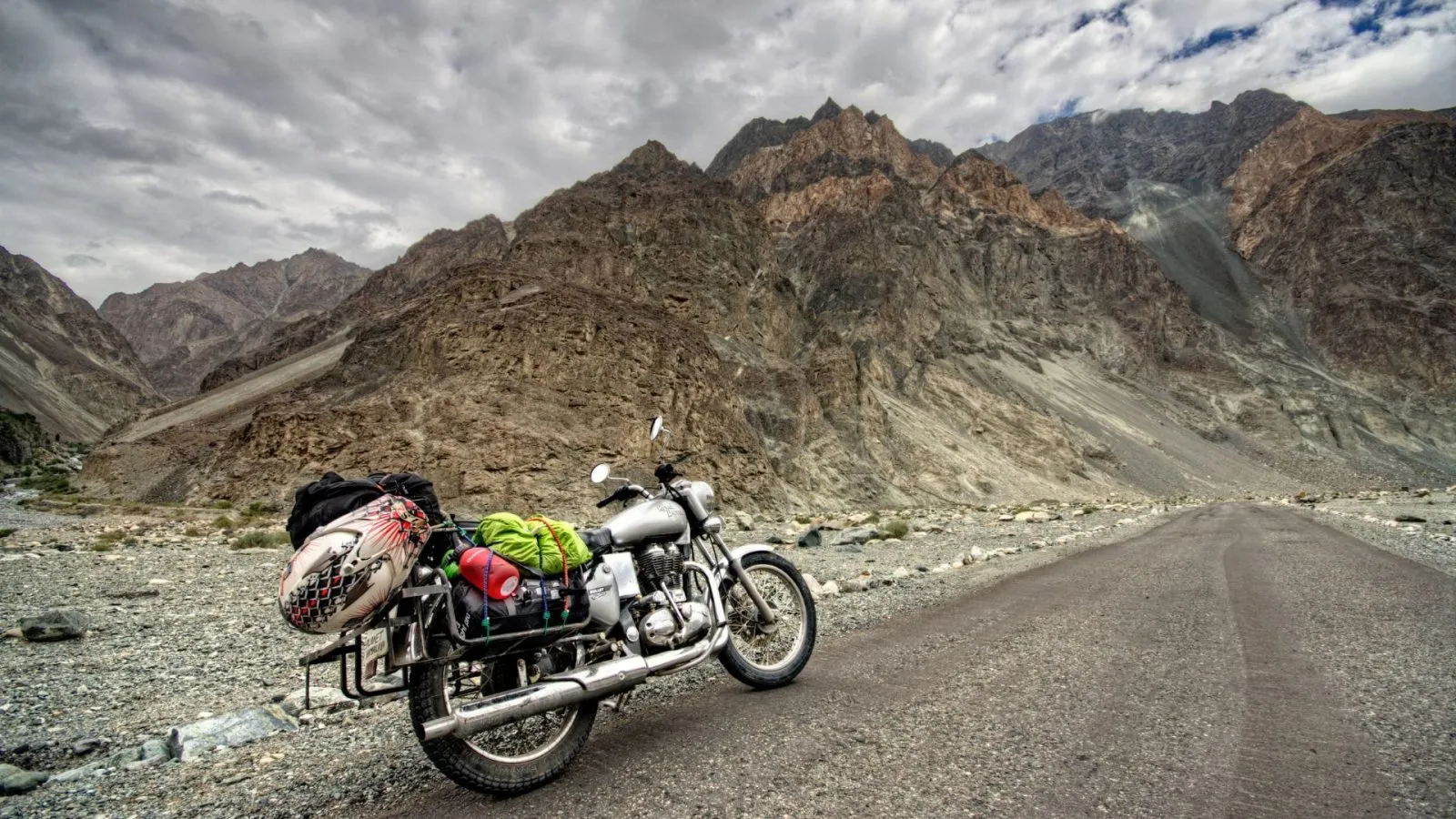
Ladakh Road Trip Permits: Complete Guide (Online Apply)
Ladakh road trip permits guide covering online application, documents, route-wise access, fee components, and practical checkpoint rules.
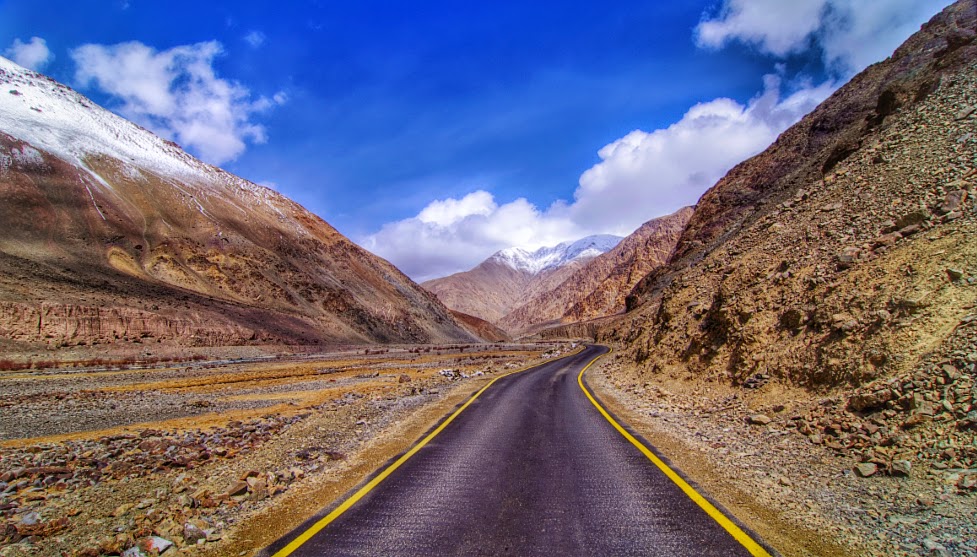
Best Time to Visit Ladakh: Season, Road Openings & Temperature
Find the best time to visit Ladakh with season-wise weather, road opening windows, monthly travel insights, and practical tips for road trips, trekking, and Chadar plans.
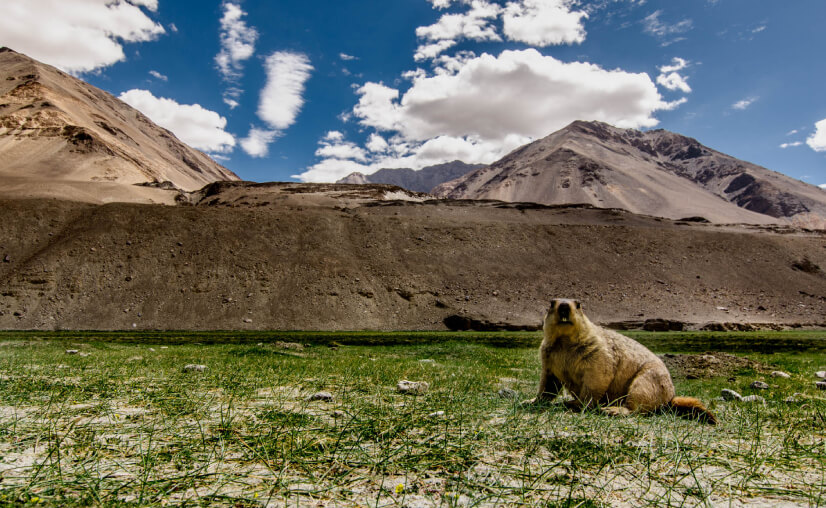
Wildlife of Ladakh: Rare Animals, Birds & Best Sighting Season
Discover Ladakh's incredible wildlife - from elusive snow leopards to Himalayan brown bears, golden eagles, and black-necked cranes. Complete guide to wildlife species, best sanctuaries, and when to visit.
Never Miss an Adventure
Get the latest trekking guides, travel tips, and exclusive offers delivered straight to your inbox.
