
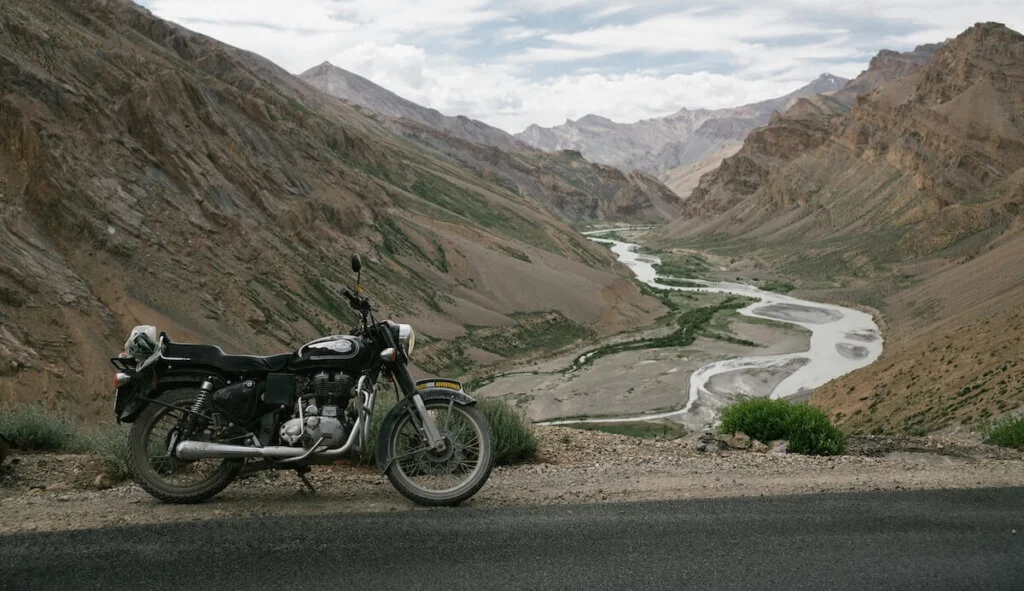
Leh Ladakh Bike Trip: Complete Route And Itinerary Plan
Rohit Verma
February 14, 2026
Plan Leh Ladakh bike trip with route choices, itinerary, cost, permits, acclimatization tips, and practical riding prep for a safer high-altitude ride.
Introduction: The Ride That Redefines Motorcycle Travel in India
A Leh Ladakh bike trip is not just a road journey, it is a high-altitude expedition that tests your planning discipline, machine reliability, and physical adaptation. Riders come for dramatic mountain passes, moon-like valleys, glacial rivers, and the deep satisfaction of crossing remote Himalayan terrain on two wheels. But Ladakh is also unforgiving when rushed. Weather windows are short, oxygen drops sharply with altitude, and route conditions can change within hours.
Most unsuccessful trips fail before they begin: overpacked itineraries, no acclimatization day, poor bike checks, and no fuel backup logic. A better approach is to treat Ladakh like a staged mission. You ride slower than map estimates, keep buffer days, and build decisions around safety rather than ego.
This guide gives you a complete execution framework: route options, practical 7/10/15-day itineraries, cost planning, rental strategy, permits, gear, AMS protocol, and recovery pacing. If you want a safer and more rewarding Leh-Ladakh ride, use this as your planning base.

Leh-Ladakh Route Options: Which One Should You Choose?
Manali to Leh Route
This is the most dramatic entry route for many riders. It offers big pass visuals, long open stretches, and the classic high-altitude road-trip feeling. It is beautiful but physically demanding due to faster altitude gain in some segments.
- High scenic value, stronger adventure feel.
- Road condition variability by section and month.
- Needs careful acclimatization strategy.
Srinagar to Leh Route
This route is often preferred for smoother acclimatization flow. Altitude rise tends to feel more gradual, which many riders find easier for first-time Ladakh attempts.
- Good for riders prioritizing adaptation over aggression.
- Can be combined with Kargil-side history segments.
- Excellent option for first expedition-style trip.
Best Circuit Strategy
Enter via one corridor and exit via the other to avoid backtracking and maximize landscape diversity. Example: Srinagar entry -> Leh core sectors -> Manali exit.
Important 2026 Reality Check: Umling La vs Mig La
Many older ride guides still call Umling La the world's highest motorable road. However, multiple reports published in 2025 cite Mig La at a higher elevation in Ladakh. Inference from these sources: Umling La remains one of the highest and most iconic extreme-altitude ride goals, but riders should avoid outdated absolute claims and verify current status.
For trip planning, this changes almost nothing operationally: both are remote, weather-sensitive, and demand strict acclimatization and route discipline.
Leh Ladakh Bike Itineraries
7-Day Fast Format (Only for Prepared Riders)
- Day 1-2: approach Leh.
- Day 3: acclimatization, permits, bike check.
- Day 4: Nubra side run.
- Day 5: Pangong side run.
- Day 6-7: return or exit corridor.
This is functional but tight. One weather disruption can break the flow.
10-Day Recommended Itinerary
- Day 1-2: route approach to Leh.
- Day 3: rest/acclimatization + permits.
- Day 4-5: Nubra sector with overnight halt.
- Day 6-7: Pangong sector with controlled pace.
- Day 8: recovery/service day in Leh.
- Day 9-10: return through alternate route.
This is the best balance for most riders.
15-Day Deep Ride Plan
Ideal for explorers adding Hanle, Changthang, and remote circuits. More days reduce risk, improve photography windows, and allow true mountain pacing.
Cost Breakdown: Realistic Planning Table
| Cost Head | Typical Range | Notes |
|---|---|---|
| Bike rental | INR 1,200-3,000/day | Depends on bike model and season |
| Fuel | INR 8,000-16,000 total | Route length and mileage vary heavily |
| Stay | INR 900-3,500/night | Homestay to mid-range rider stays |
| Food | INR 800-1,800/day | Add hydration and electrolyte costs |
| Permits | Variable | Depends on sectors and rules |
| Emergency buffer | Essential | Breakdown, weather, delay contingency |
Do not optimize budget by deleting contingency. In Ladakh, buffer is a safety component, not optional spending.
Best Time for Leh-Ladakh Bike Trip
Main Window
- June to September is generally the core ride season.
- July-August has highest rider traffic.
- September can offer cleaner views and slightly calmer roads in many sectors.
Shoulder Risks
- Early season openings may be unstable.
- Late season can see rapid weather deterioration.
- Winter is unsuitable for standard long bike circuits.
Always check current route advisories before pass days.
Bike Rental and Machine Readiness
Your bike choice should prioritize reliability and support access over style preference.
Pre-Ride Mechanical Checklist
- Brake bite and pad condition.
- Tire tread, pressure behavior, and puncture history.
- Chain, sprocket, clutch cable response.
- Electrical reliability (lights, horn, charging).
- Toolkit and puncture support in hand.
Document pickup condition on video before accepting the bike. Confirm breakdown support process in writing where possible.
Essential Gear for High-Altitude Riding
- ECE/ISI certified full-face helmet.
- Armored riding jacket and pants.
- Two glove sets (daily + cold-weather backup).
- High-ankle boots with grip.
- Base thermal layers and windproof shell.
- Hydration and electrolyte kit.
- First-aid + personal medications.
- Rain cover and waterproof luggage packing.
Keep luggage compact. Overloaded bikes increase fatigue and control risk on broken sections.

Permits and Documentation
Several Ladakh sectors require permit compliance. Rules can update based on administration and security protocol, so verify close to travel date.
Carry These Always
- Government ID original and copies.
- Driving license.
- Bike papers + rental authorization.
- Permit copies for checkpoints.
Useful route support pages: Permits for Ladakh road trip, Leh to Pangong Lake bike trip, Family trip to Leh Ladakh.
AMS and Acclimatization: Non-Negotiable Safety Layer
Acute Mountain Sickness (AMS) is the biggest health risk on Ladakh rides. Fitness helps, but does not replace acclimatization.
Mandatory Protocol
- Keep at least one acclimatization day in Leh.
- Hydrate aggressively and avoid alcohol early.
- Avoid hard exertion during first altitude days.
- Watch for headache, nausea, fatigue, breathlessness.
If Symptoms Increase
- Stop ascent.
- Reassess and descend if needed.
- Do not “push through” severe signs.
For symptom detail, see Acute Mountain Sickness in Ladakh.
Fuel Strategy and Remote Logistics
Ladakh failures are often logistic, not technical riding issues.
Fuel Rules
- Top up whenever reliable fuel is available.
- Carry reserve in approved containers for long remote sectors.
- Do not assume next pump distance from old posts.
Connectivity and Navigation
- Offline maps are mandatory.
- Share planned checkpoints with a contact.
- Keep one no-network contingency rule for group movement.
Simple discipline here prevents most stress scenarios.
Sample Day Execution Model (For Safety)
- Start early before weather and traffic escalation.
- Use short technical halts every 90-120 minutes.
- Eat light but regular energy meals.
- Reach halt town before dusk whenever possible.
- End day with bike check + hydration + next-day briefing.
This routine keeps riders fresher across multi-day high-altitude blocks.
Common Mistakes to Avoid
- Rushing without acclimatization day.
- Copying unrealistic vlog pace.
- Skipping mechanical check for rental bikes.
- No weather fallback day in itinerary.
- Late-evening pass attempts.
- Group splitting on remote sections.
Avoiding these mistakes improves both safety and trip enjoyment.

Should You Do This Trip as a Beginner?
Yes, but only with conservative planning. First-time high-altitude riders should choose the 10-day structure, keep realistic daily distances, and prioritize acclimatization over coverage. Guided convoy formats can reduce decision stress and improve risk control.
How to Plan Daily Riding Distance in Ladakh
New riders usually ask how many kilometers they should target each day. In Ladakh, distance is a poor planning metric unless combined with road profile, altitude gain, weather risk, and number of water crossings. A 140 km day on mixed broken sections can feel harder than a 250 km highway day elsewhere in India. Plan by hours in saddle, not just by map number.
- For first-time riders, 5 to 7 effective riding hours is usually a safe limit.
- Keep pass crossings for early daylight whenever possible.
- Add mandatory pause windows for hydration, oxygen recovery, and machine checks.
- Avoid stacking two high-stress sectors on the same day.
If a route day looks too tight on paper, split it. Arriving earlier with energy left is always better than reaching late in cold wind and low visibility. For month-wise timing decisions, review best time for Leh Ladakh bike trip.
Group Ride Protocol That Actually Works
Many Leh-Ladakh rides are done in groups, but group format fails when roles are unclear. A disciplined team structure reduces confusion and crash risk, especially when road conditions change quickly.
- Assign lead rider, sweep rider, and one logistics coordinator before departure.
- Set fixed regroup points instead of waiting after every bend.
- Use a no-overtake policy in technical sections unless signaled.
- Agree on a breakdown protocol: who stays, who informs, who scouts support.
- Close each day with a 10-minute next-day briefing.
The goal is smooth movement, not aggressive pace. Group discipline also reduces stress for new riders who are still adapting to altitude and long mountain riding days.
Emergency Playbook for Riders
You do not need to be alarmist, but you do need a response plan. In Ladakh, bad decisions under fatigue cause more trouble than bad weather itself.
When Weather Turns Sudden
- Reduce speed and increase following gap.
- Do not stop in blind turns or water channels.
- If visibility drops heavily, halt at a safe settlement point instead of forcing the sector.
When a Rider Feels Unwell
- Pause immediately and evaluate symptoms calmly.
- Prioritize descent and medical check if AMS signs escalate.
- Do not leave a rider alone on a remote section.
When the Bike Breaks Down
- Move bike off the main line safely.
- Use basic toolkit only for controlled fixes.
- If unresolved quickly, trigger support and protect daylight window.
Build this playbook into your pre-trip briefing. If you are approaching from North India by road, this companion guide can help with staging: road trip from Delhi to Leh Ladakh guide.
Packing Strategy: What to Carry and What to Skip
Overpacking is common on Ladakh bike trips. Extra weight harms balance, braking confidence, and rider energy. A compact packing system works better than carrying every possible item.
- Keep heavy items low and centered in saddle bags.
- Use waterproof dry bags with color-coded packing units.
- Carry only one evening change set for short itineraries and wash on route.
- Pack layered clothing instead of bulky single heavy jackets.
- Keep a quick-access pouch for documents, medicine, and electrolyte sachets.
Before departure, do a test ride with full luggage load for at least 40 to 60 minutes. Small adjustments in strap placement and bag weight can significantly improve control on rough roads.
Final Takeaway
The best Leh-Ladakh bike trip is not the fastest one. It is the one you complete safely, with controlled pacing, a healthy team, and a bike that holds through every remote section. Plan for altitude, weather, permits, and machine reliability before you plan for social-media shots.
Ride disciplined, respect the mountains, and Ladakh will reward you with the most memorable ride of your life.
Location
Frequently Asked Questions
Q1.How many days are required for a Leh Ladakh bike trip?
Q2.What is the cost of a Ladakh bike trip?
Q3.Which is better: Manali route or Srinagar route?
Q4.What is the best time for Leh Ladakh bike trip?
Q5.Which bike is best for Ladakh trip?
Q6.Is Ladakh bike trip safe for beginners?
Q7.What permits are required for Ladakh bike sectors?
Q8.How do I reduce AMS risk on this trip?
Recommended For You
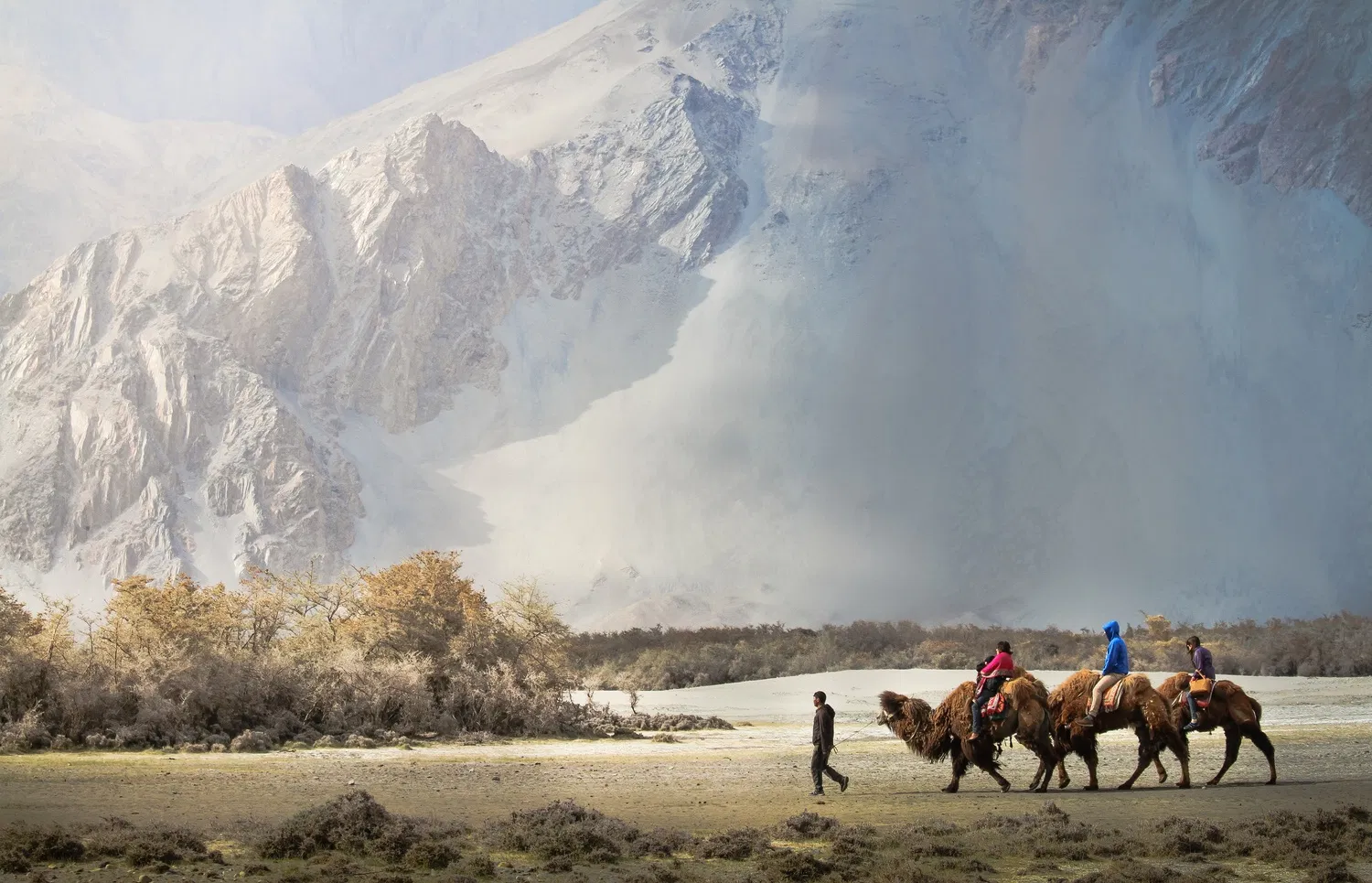
Leh Ladakh Family Trip: Itinerary, Acclimatization & Kid-Friendly Stops
Plan a safe family trip to Leh Ladakh with kids. Best time, itinerary, acclimatization tips & child-friendly activities included.
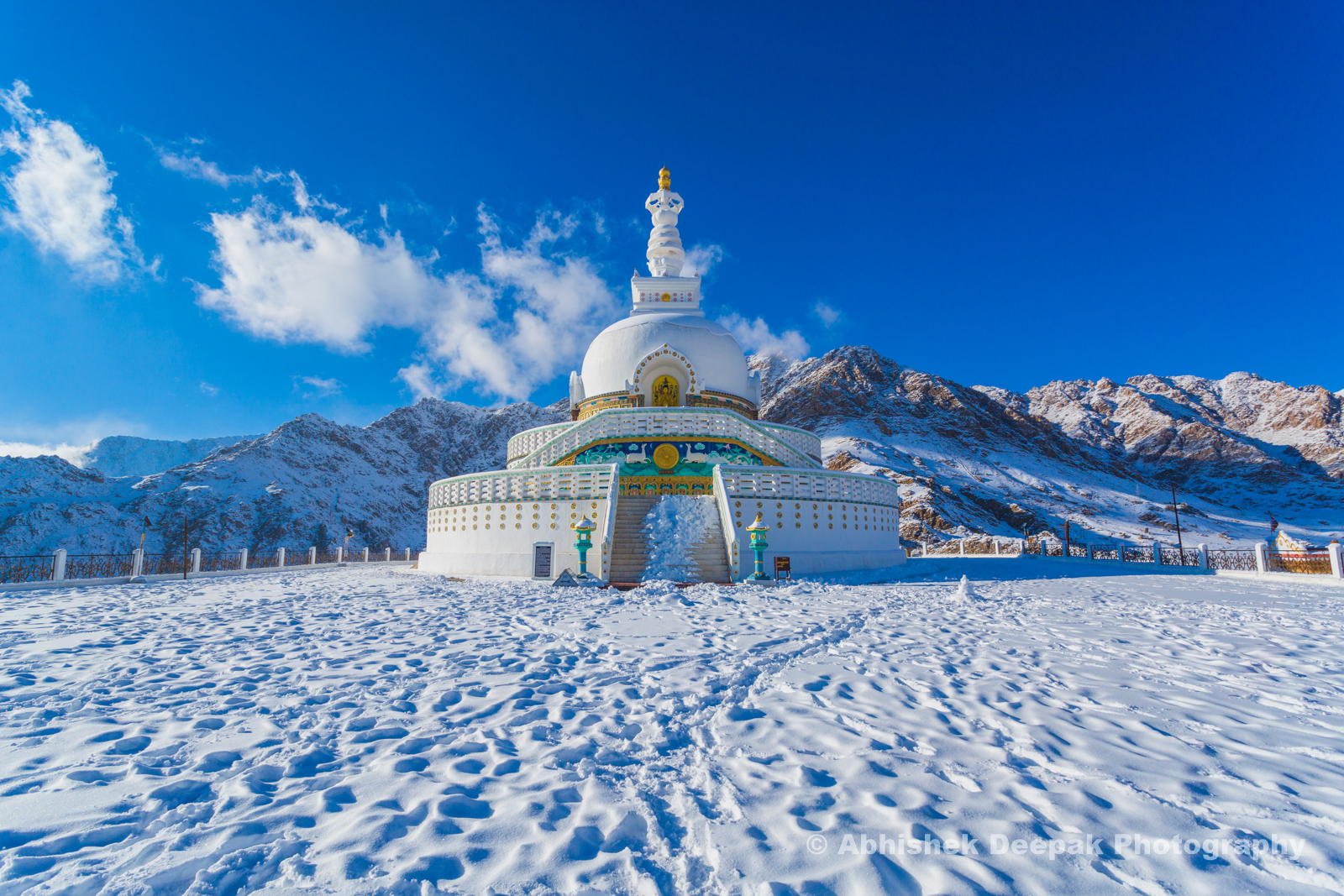
Ladakh in Winter: Weather, Access, Places & Travel Tips
Ladakh in winter guide with real temperature ranges, transport reality, places to visit, packing checklist, and safety-first itinerary tips.
Leh to Pangong Lake Bike Trip: Route, Distance & Tips
Leh to Pangong Lake bike trip guide with route, distance, Chang La crossing tips, permits, stay options, and practical safety planning for riders.
Never Miss an Adventure
Get the latest trekking guides, travel tips, and exclusive offers delivered straight to your inbox.
